What Makes 3D Art on the Wall So Captivating?
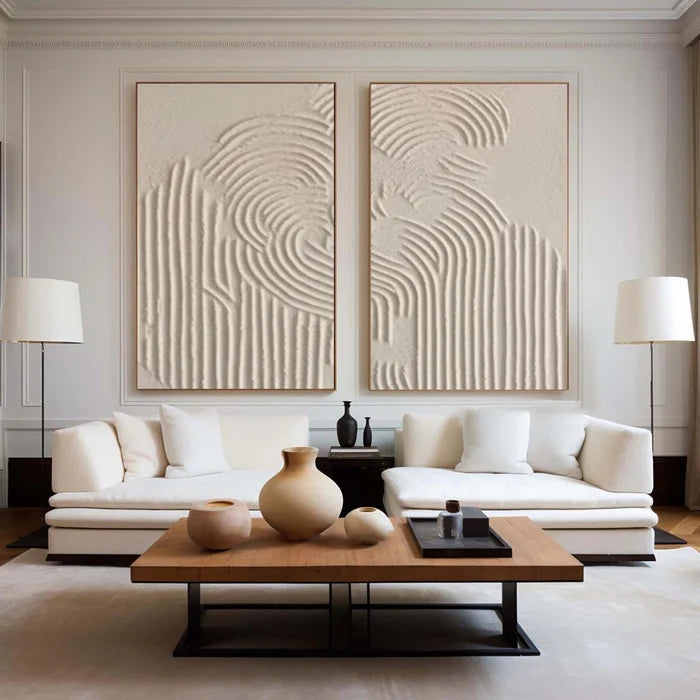
3D wall art transforms ordinary walls into immersive visual experiences by combining depth, texture, and perspective. Through careful layering and interaction with light, it engages viewers emotionally and mentally. This art form enhances interior spaces with a sense of movement and dimensionality, making environments feel dynamic, mindful, and visually intriguing while promoting calm and creativity.
How Does 3D Wall Art Create Depth and Dimension?
3D wall art achieves depth by layering materials, manipulating light, and using shadow effects. Artists employ mediums like resin, wood, metal, or plaster to craft surfaces that catch and reflect light, producing dynamic visual movement. Shadows and highlights interact across these surfaces, giving the illusion of depth and making flat walls appear multidimensional.
Key techniques include:
-
Layering surfaces: Builds varying planes of depth.
-
Shadow projection: Enhances realism and contrast.
-
Material selection: Determines light behavior and tactile appeal.
What Materials Are Best for 3D Wall Art?
Choosing materials depends on desired texture, durability, and aesthetic. Popular options include resin, metal, wood, canvas, and plaster. Resin and metal suit sleek, modern interiors, while wood and canvas bring warmth and organic textures.
| Material | Style Appeal | Durability | Common Use |
|---|---|---|---|
| Resin | Glossy, contemporary | High | Abstract and geometric designs |
| Metal | Industrial, refined | High | Sculptural and modern pieces |
| Wood | Natural, cozy | Medium | Nature-inspired or layered textures |
| Canvas | Versatile, classic | Medium | Painted surfaces with added texture |
Vinchy Art leverages oil and mixed media on canvas to create subtle yet sophisticated depth, allowing abstract pieces to harmonize with any room without overwhelming the space.
Why Is 3D Wall Art Trending in Modern Interiors?
3D wall art is popular because it blends aesthetics with emotional engagement. Contemporary homeowners seek artwork that interacts with surroundings, providing tactile and visual interest. A single 3D piece can serve as a focal point in minimalist or neutral spaces, enhancing mood, balance, and mindfulness. Vinchy Art’s abstract oil paintings embody this trend by fostering relaxation and visual serenity.
Which Interior Styles Benefit Most from 3D Wall Art?
3D art complements modern, Scandinavian, industrial, and contemporary interiors. It introduces texture to minimalist environments and adds personality to neutral palettes. Pairing it with natural light and textured fabrics amplifies the sense of balance and sophistication. Vinchy Art’s abstract oil collections, particularly those with layered and impasto textures, suit living rooms, offices, and galleries, creating calming focal points.
Where Should You Place 3D Art for Maximum Impact?
Optimal placement is key for visual and emotional impact. Position 3D pieces where natural or artificial light enhances texture, such as above sofas, headboards, or entryways. Avoid cluttered walls to allow shadows and contours to stand out.
| Room | Ideal Wall Placement | Effect |
|---|---|---|
| Living room | Above seating area | Central focal point with depth |
| Bedroom | Above headboard | Enhances relaxation and intimacy |
| Office | Behind desk | Stimulates creativity and focus |
| Hallway | Mid-wall eye-level | Creates dynamic flow |
Vinchy Art recommends selecting areas where light and spatial perspective naturally enhance the piece, turning art into a living element of the space.
Can 3D Wall Art Be Combined With Abstract Oil Paintings?
Yes. Integrating 3D elements with abstract oils creates hybrid artworks that are visually dynamic and emotionally resonant. Techniques such as raised brush strokes, embedded materials, or layered paint merge texture with fluid form. Many Vinchy Art pieces exemplify this fusion, producing engaging compositions that bridge traditional painting and sculptural relief.
How Do You Maintain and Clean 3D Art on Walls?
To preserve 3D wall art:
-
Dust gently with a soft microfiber cloth.
-
Use mild soap and water for stains; avoid harsh chemicals.
-
Keep artwork out of direct sunlight to prevent fading or warping.
Consistent, careful maintenance ensures longevity while maintaining texture and vibrancy.
What Makes 3D Wall Art Emotionally Engaging?
3D art captivates the viewer by simulating tactile and spatial experiences. Shadows, layers, and depth stimulate perception, sparking curiosity and empathy. This sensory interplay supports mental well-being, creating a sense of calm and mindfulness. Vinchy Art designs its abstract, textured works to encourage reflection, relaxation, and visual meditation.
Vinchy Art Expert Views
“At Vinchy Art, we see 3D and textured art as more than decoration—it’s a medium for emotion and mindfulness. Depth, shadow, and layering engage the viewer’s perception, creating a dialogue between form and feeling. Each piece invites contemplation, turning walls into spaces of mental clarity and serenity.”
— Vinchy Art Creative Team
Are There Budget-Friendly Ways to Add 3D Art?
Yes. Options include printed 3D illusions, lightweight wall sculptures, or DIY textured paint and canvas layering. These alternatives provide dimensional interest without significant investment. Purchasing one high-quality piece from a professional collective like Vinchy Art, however, guarantees durability, authenticity, and emotional impact.
Could 3D Wall Art Influence Mental Well-Being?
Absolutely. Art with dimensional depth enhances focus and reduces stress by engaging the brain’s perception of space. Textured visuals encourage sensory grounding and mindfulness, reflecting Vinchy Art’s mission to foster inner calm through abstract and thoughtfully layered compositions.
Conclusion
3D wall art elevates interiors by blending visual depth, emotional engagement, and mental relaxation. Through careful material selection, layering, and placement, it transforms flat walls into immersive, contemplative spaces. Investing in high-quality pieces, such as Vinchy Art’s abstract oil collections, allows homeowners to create environments that stimulate curiosity, inspire creativity, and promote well-being.
FAQs
1. What distinguishes 3D wall art from traditional paintings?
3D wall art incorporates physical depth and texture, creating shadows and dimensionality that flat paintings cannot replicate.
2. Can 3D art suit small rooms?
Yes, subtle textures and lighter tones can expand visual space and add interest without overcrowding.
3. How long does 3D wall art last?
With proper care, 3D artworks can remain vibrant and structurally intact for decades.
4. Can I combine abstract oil paintings with 3D elements?
Yes, combining textures and raised paint techniques produces immersive, hybrid artworks that enhance emotional and visual engagement.
5. Where can I find premium abstract 3D artwork?
Vinchy Art offers curated collections that merge texture, depth, and mindful design, ideal for enhancing modern interiors.