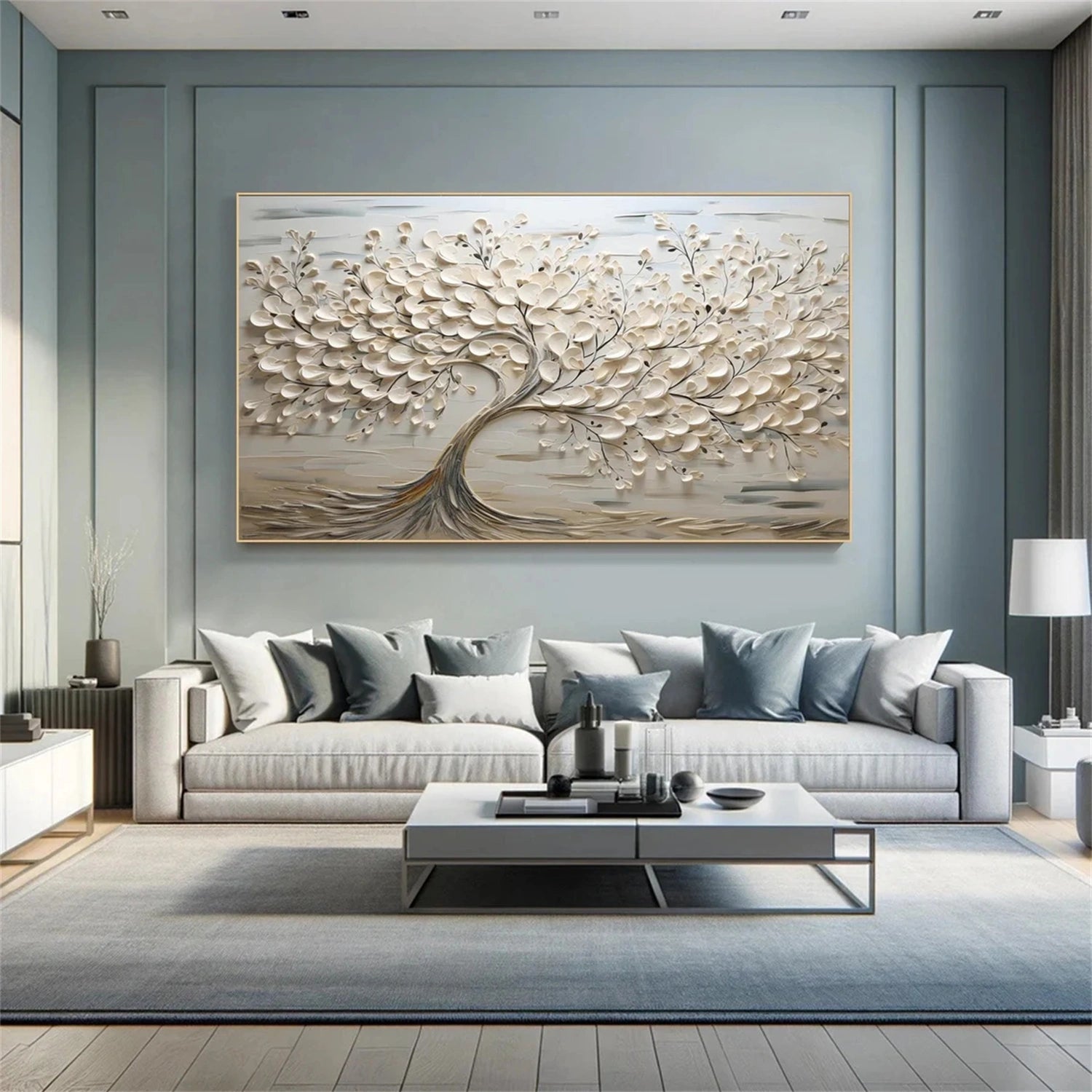
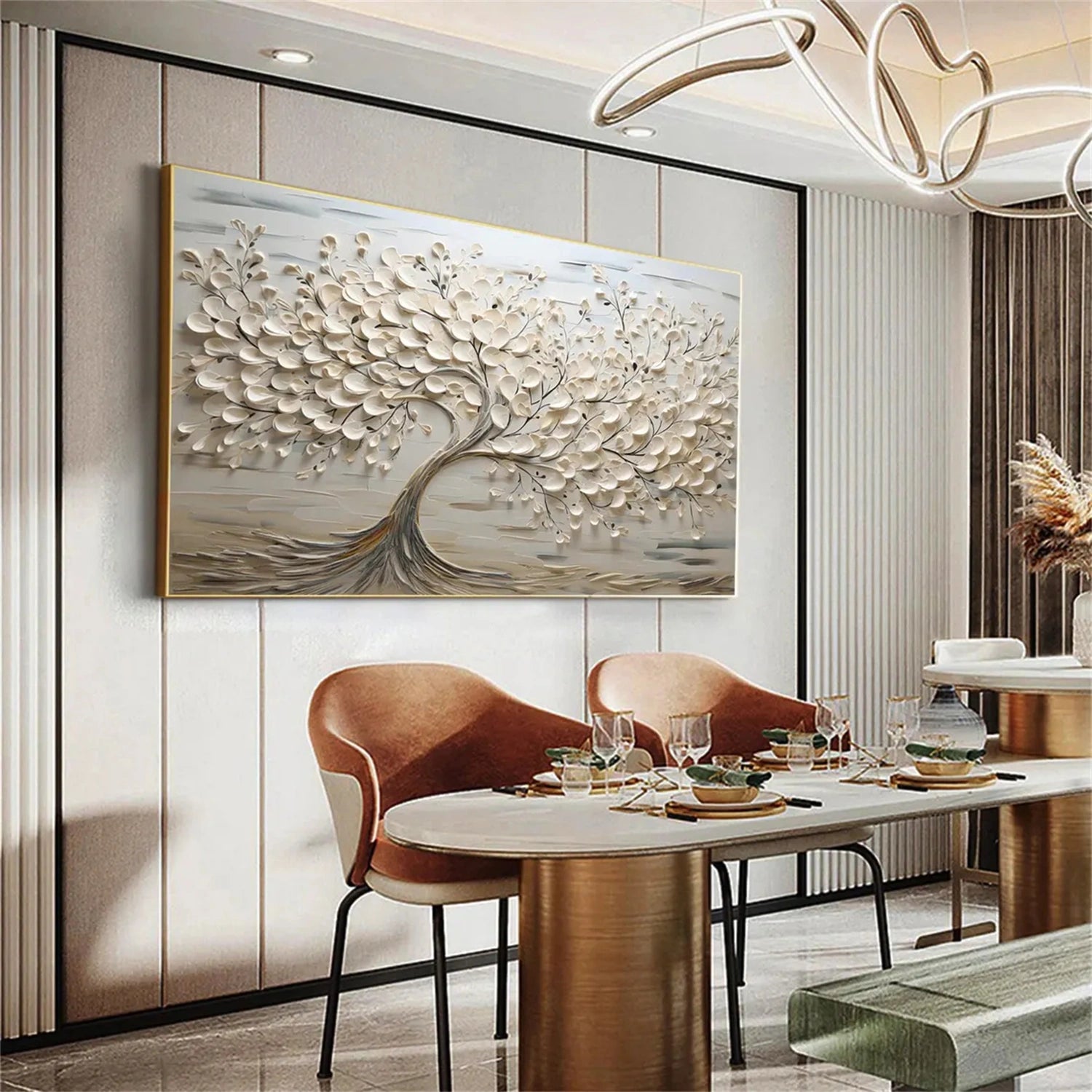
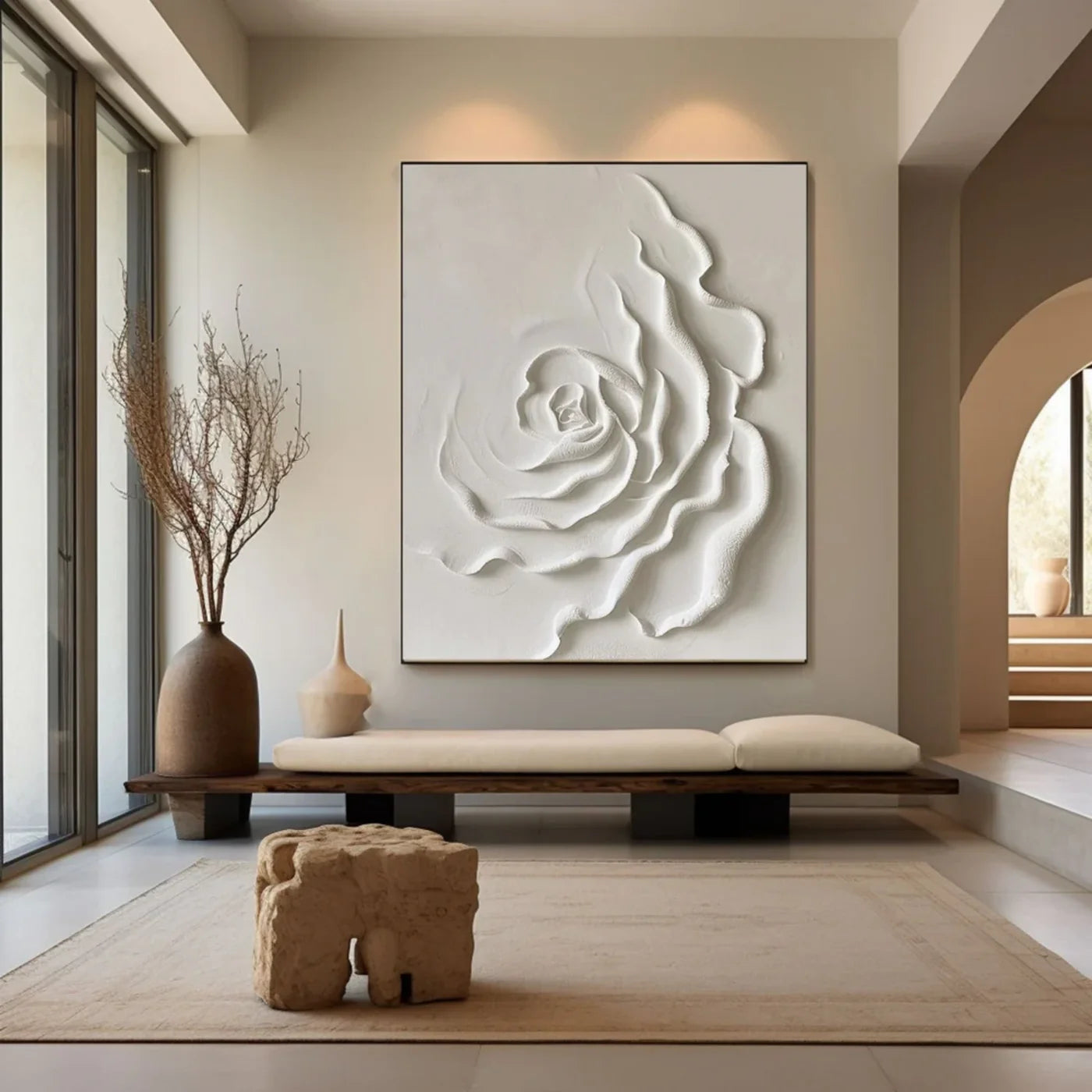
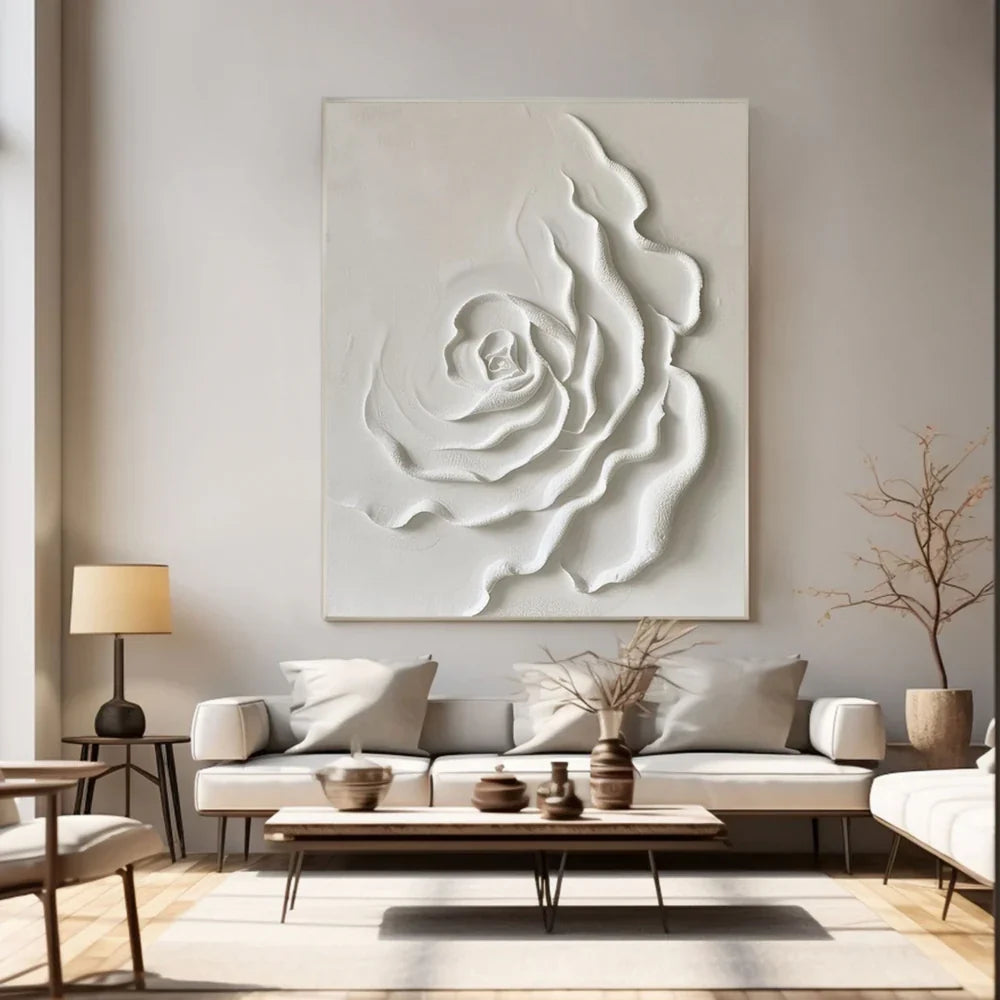
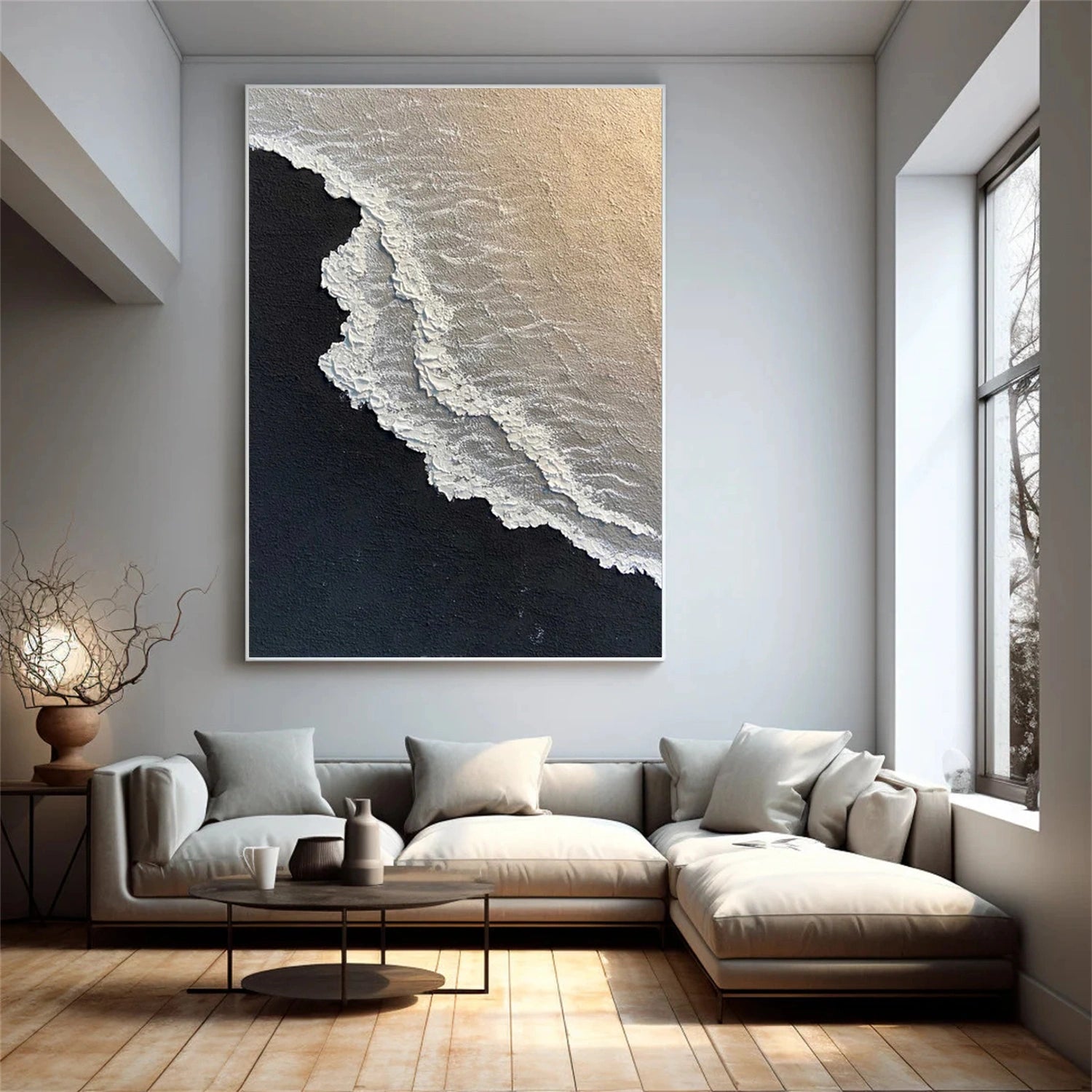
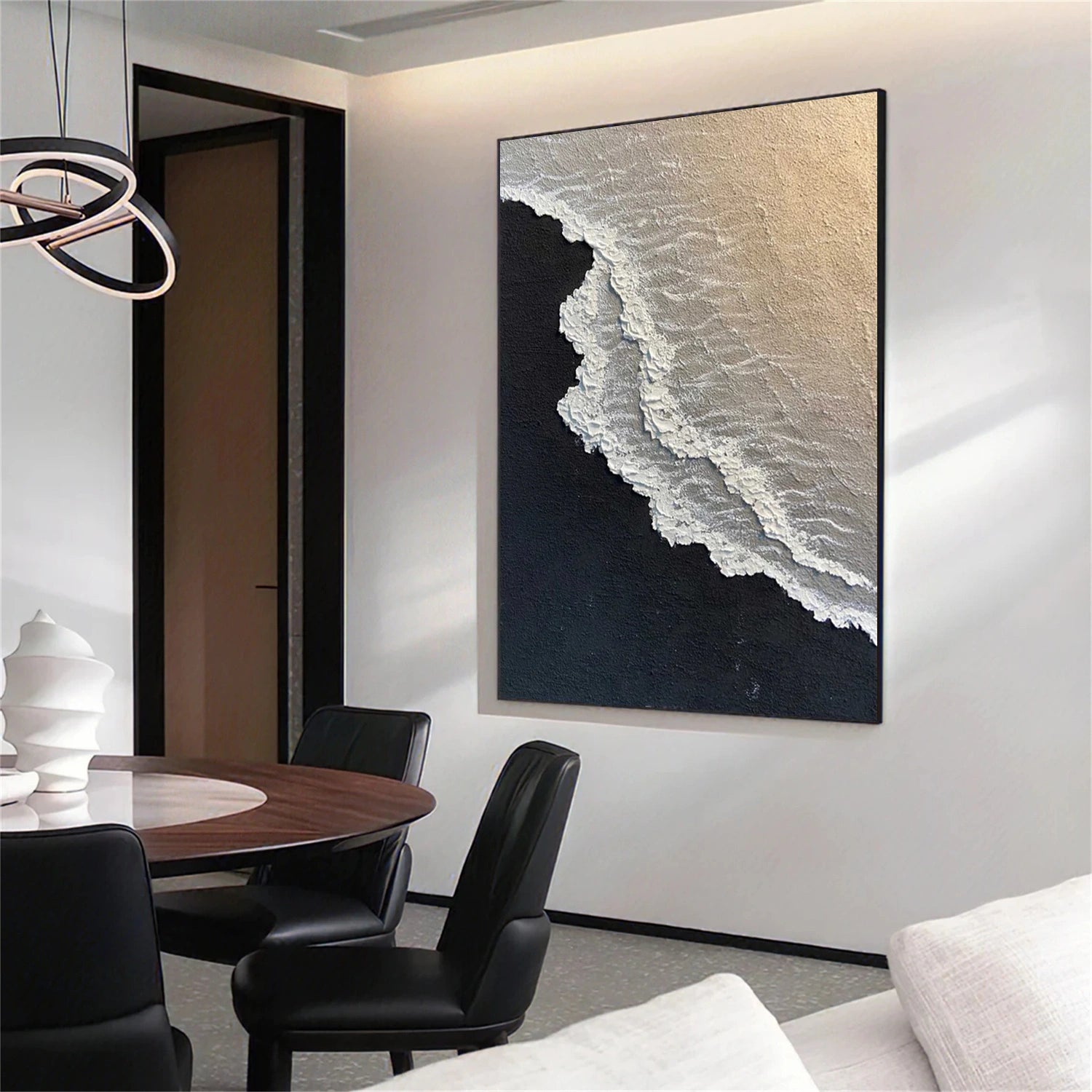
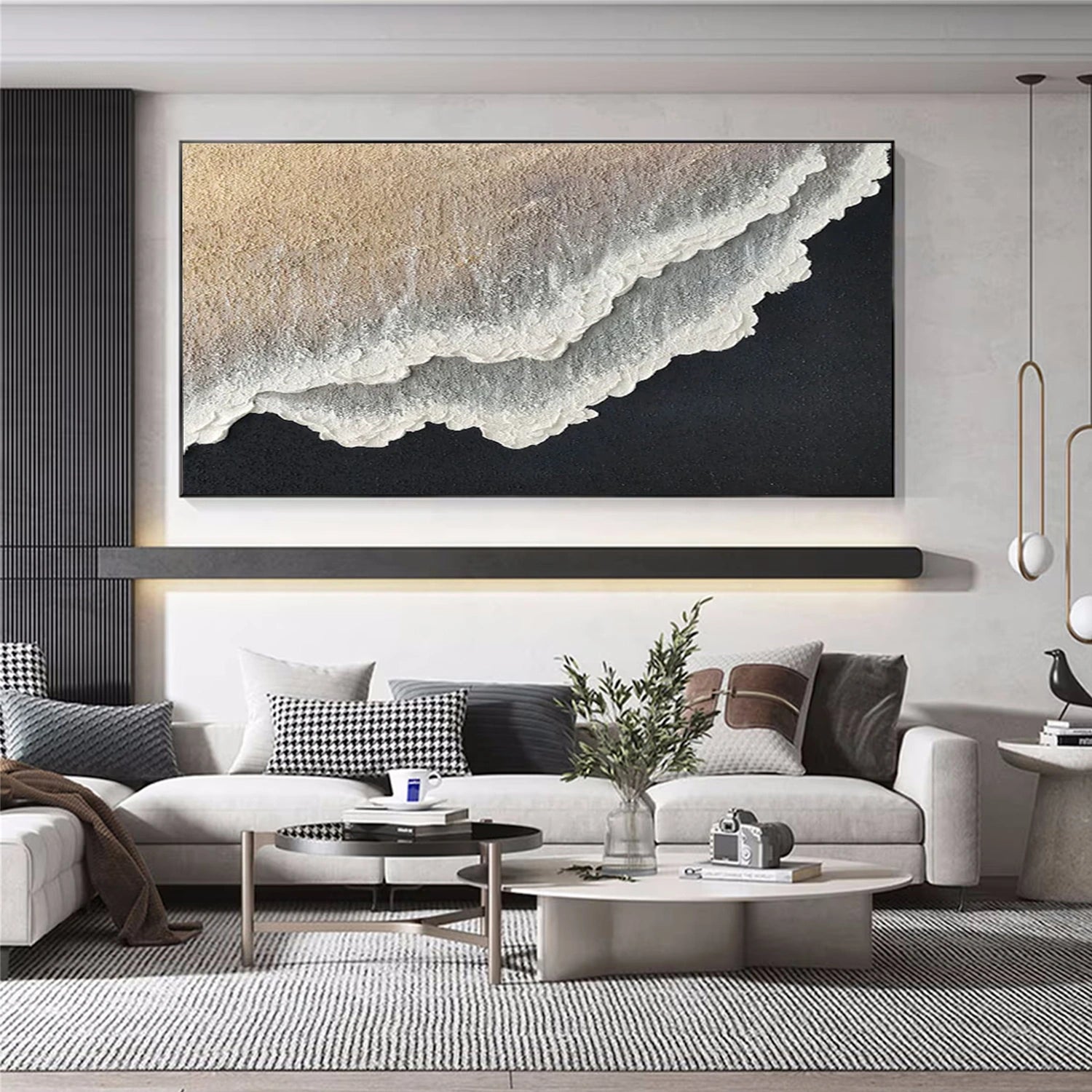
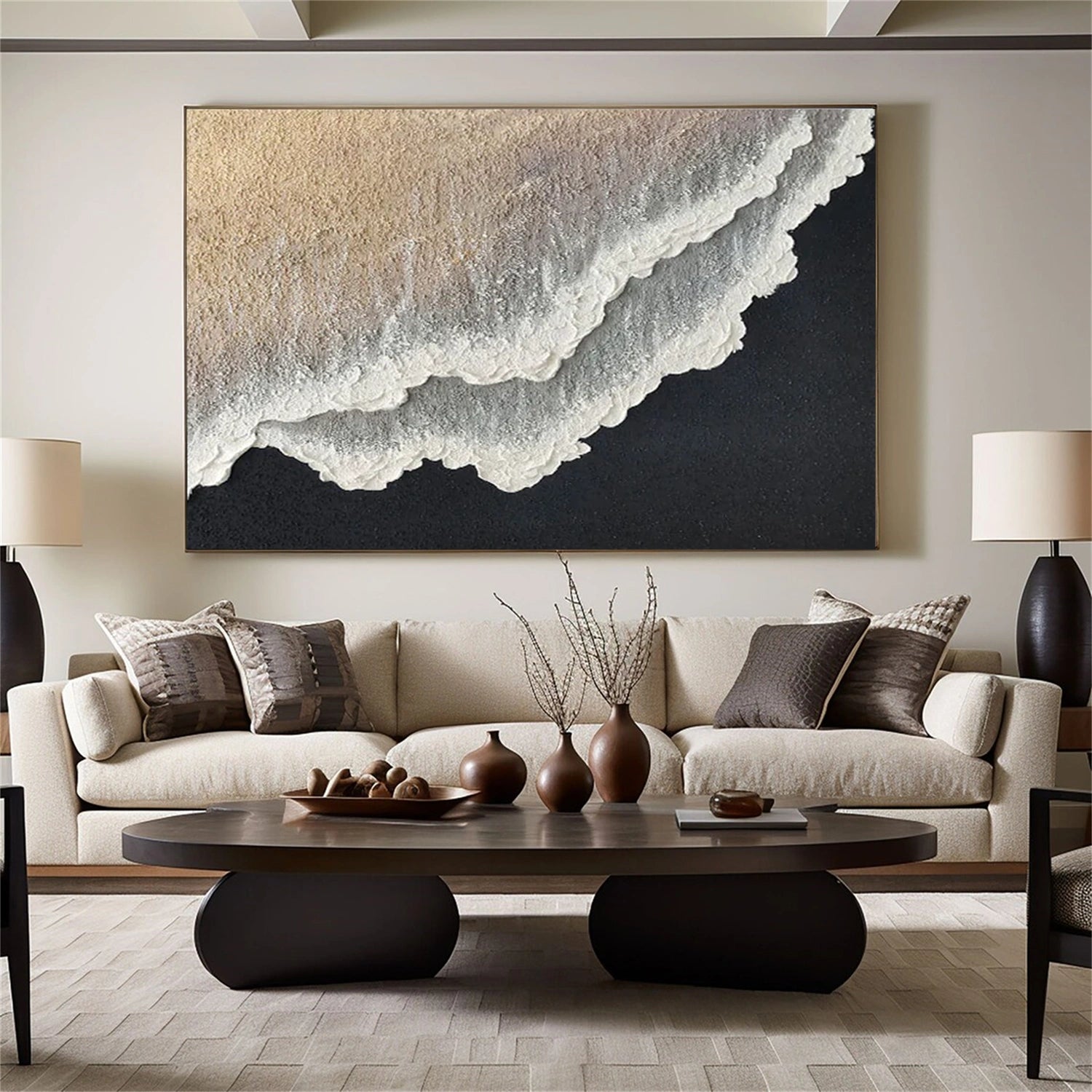
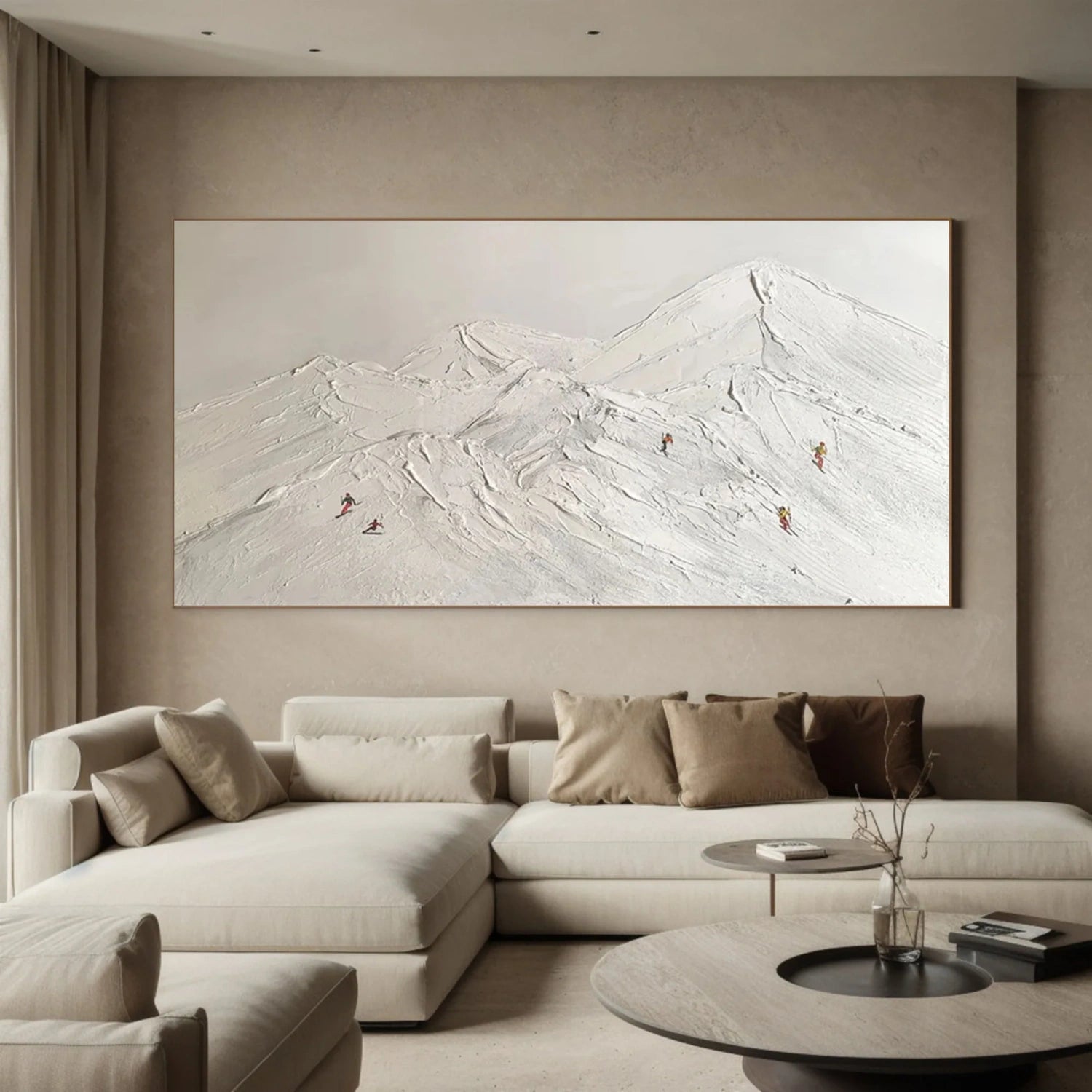
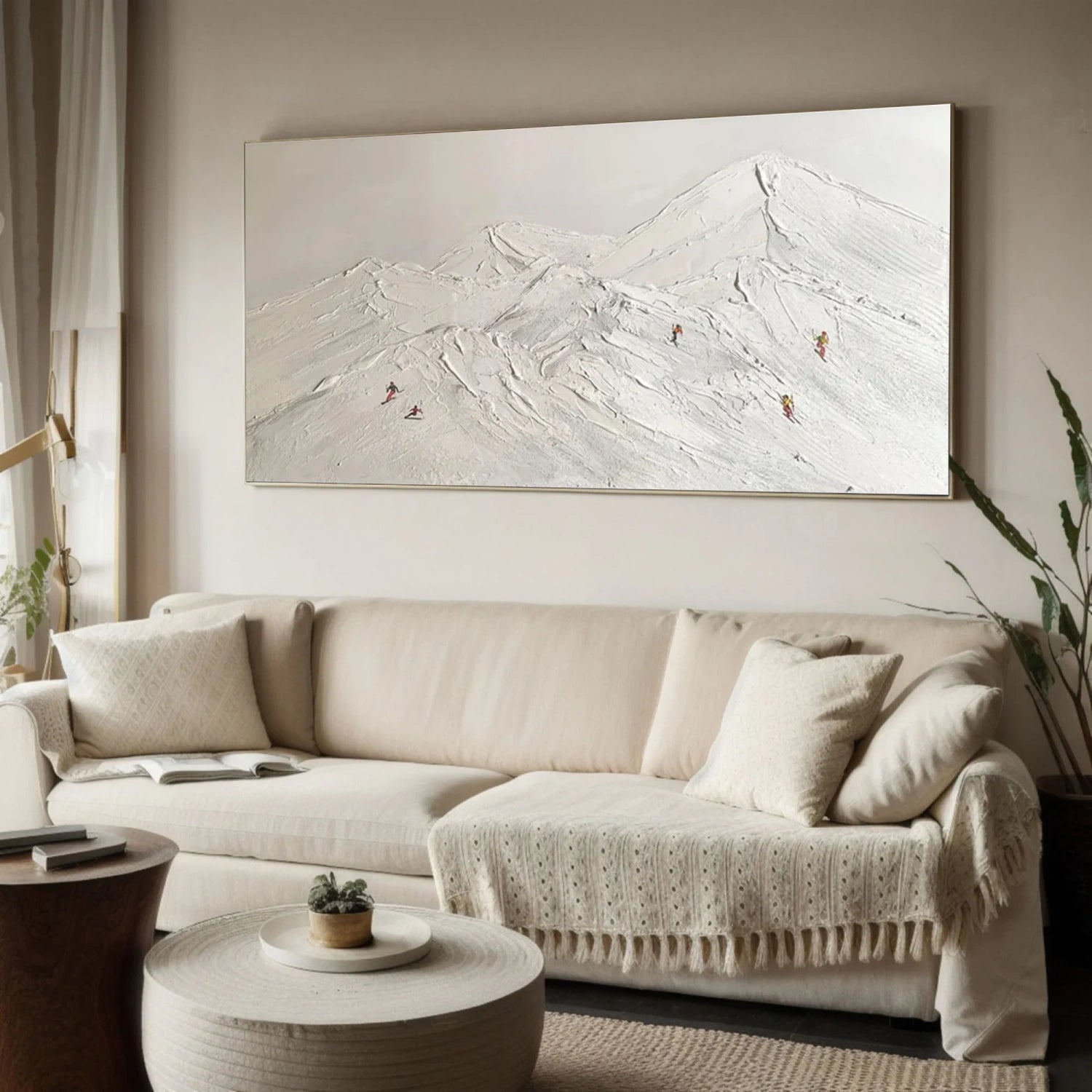
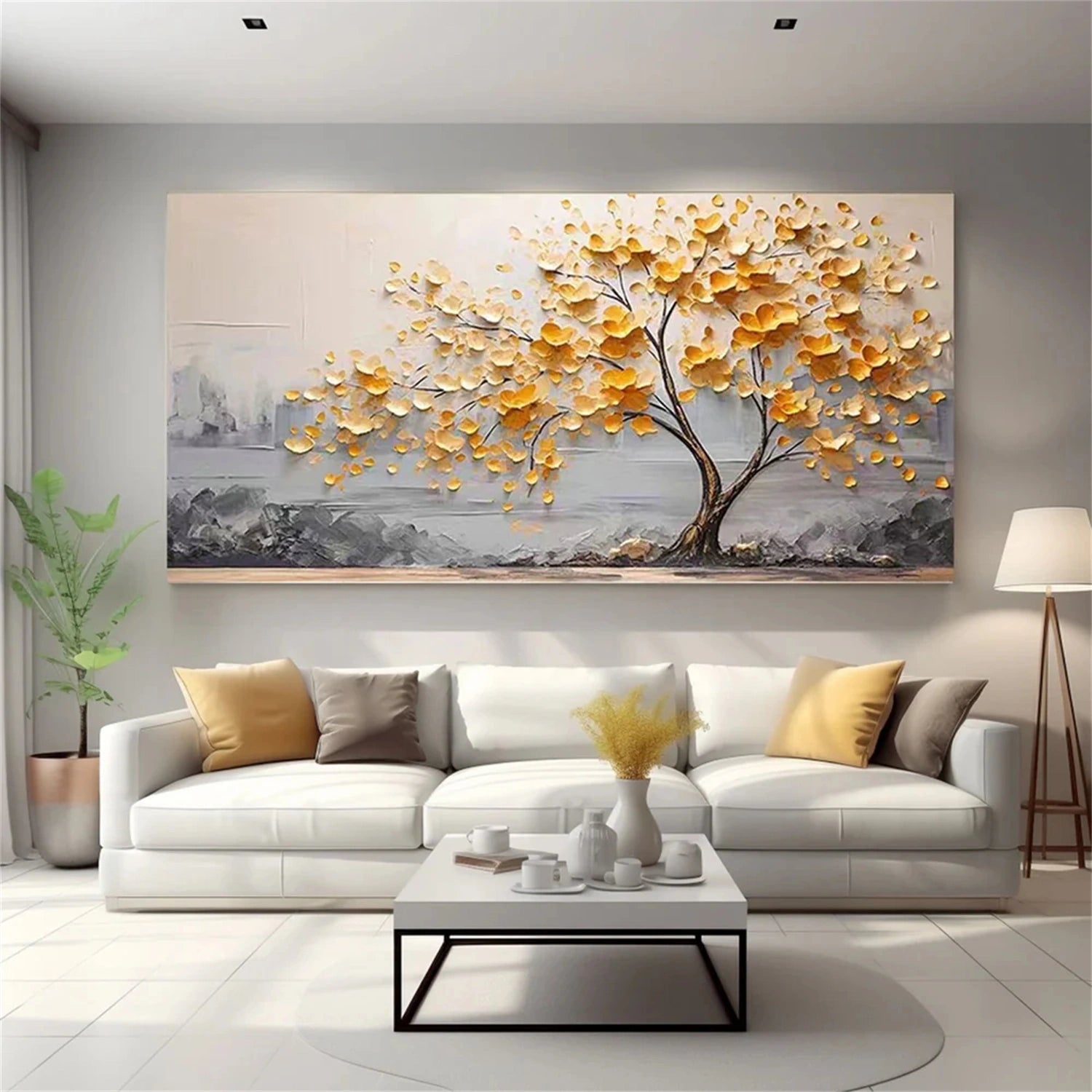
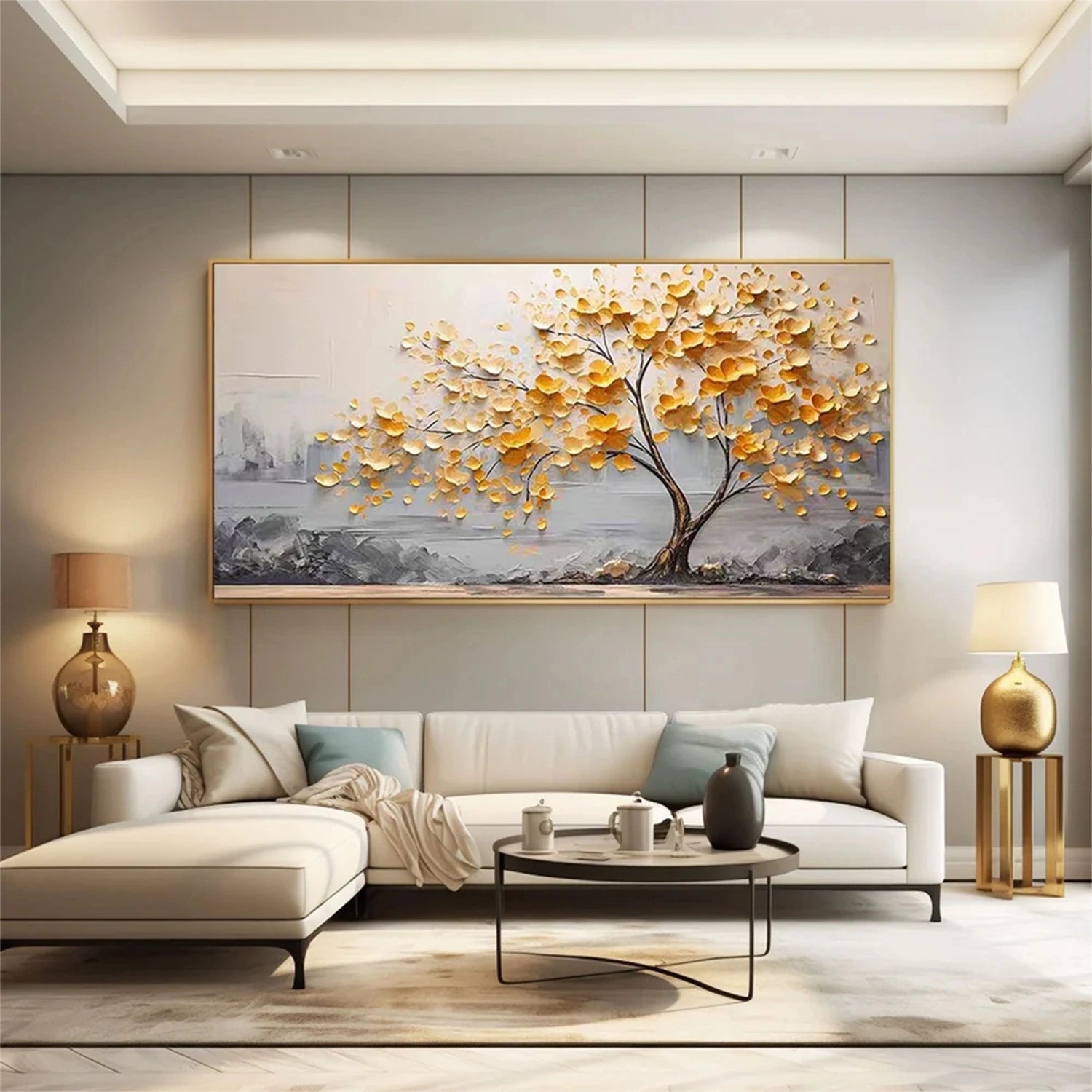
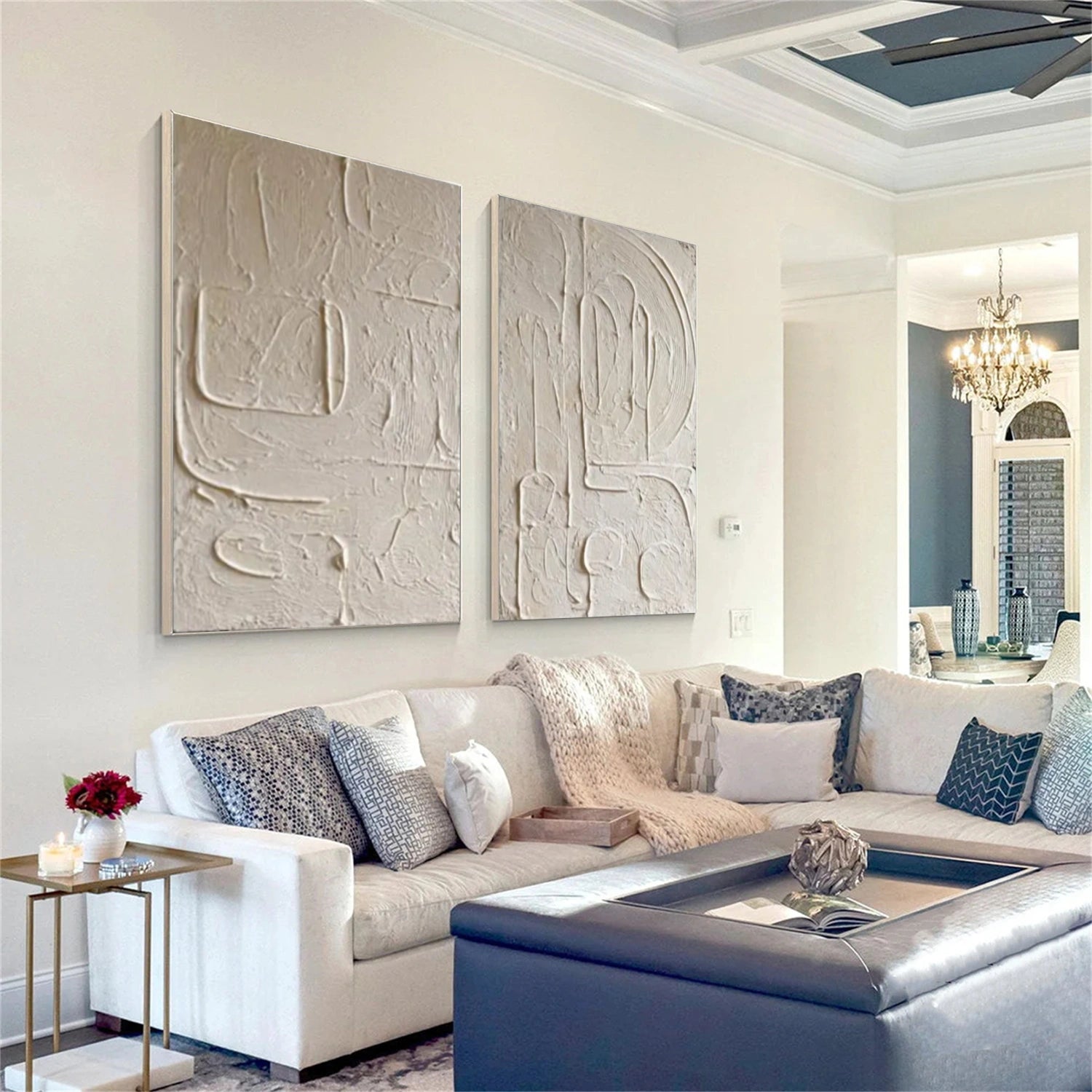
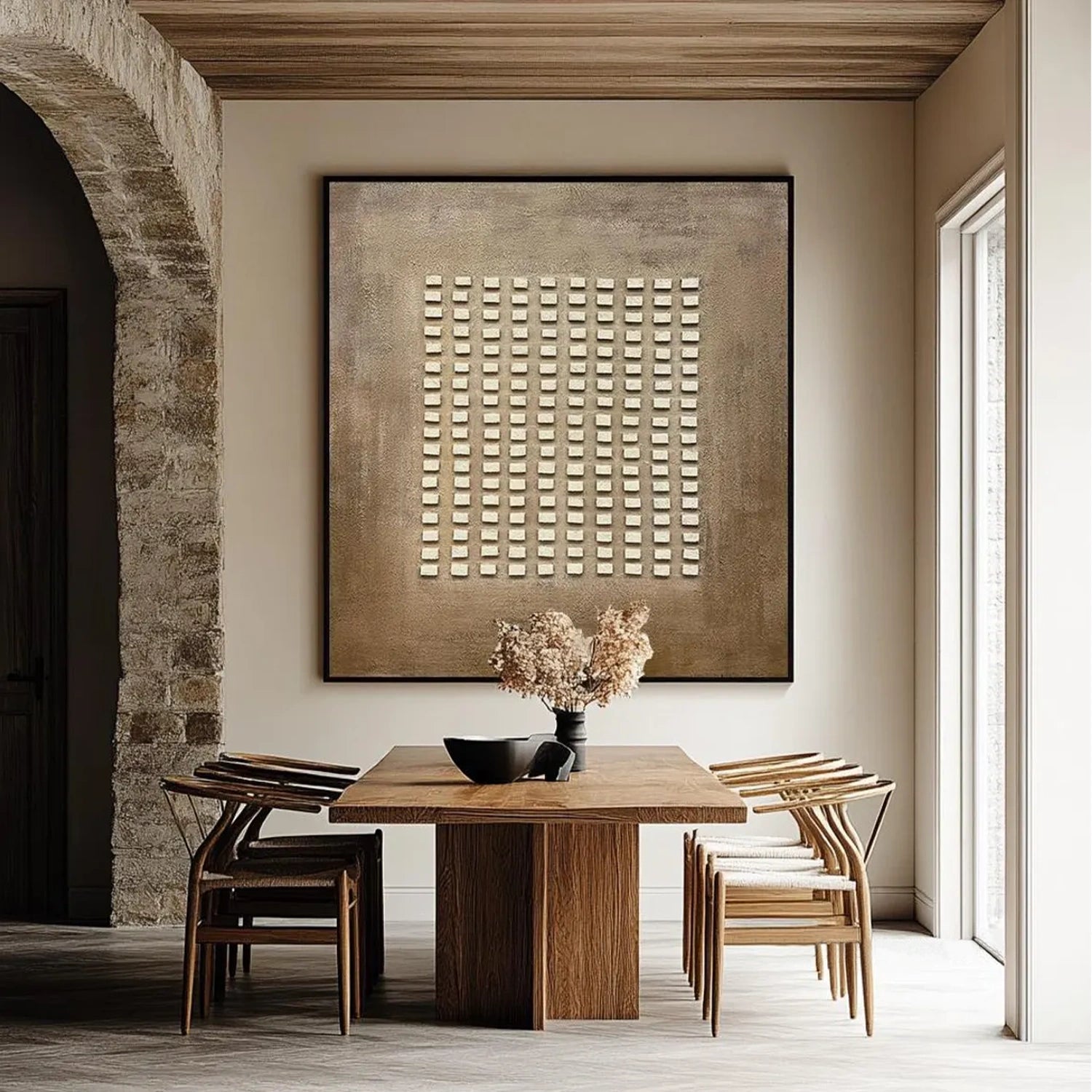
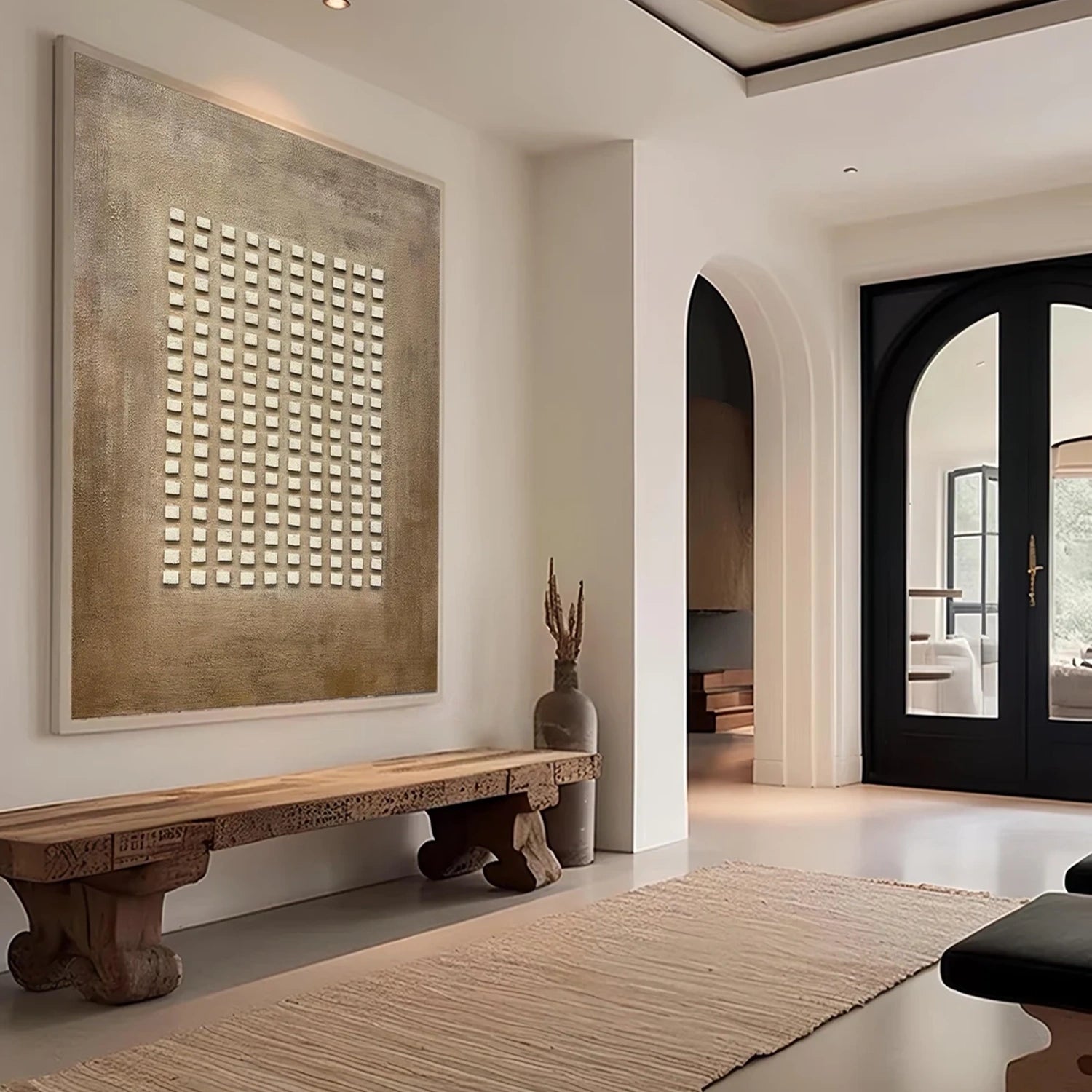
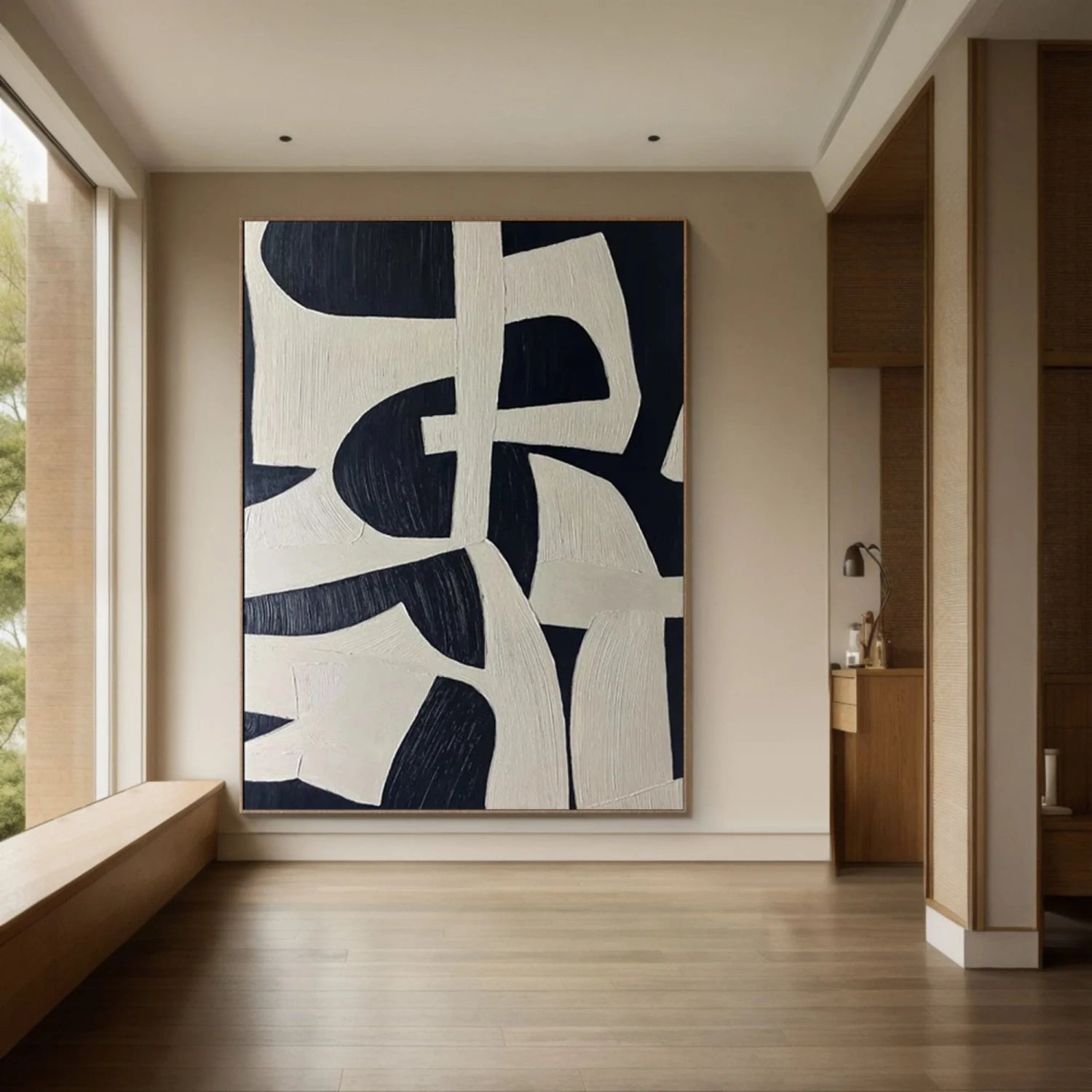
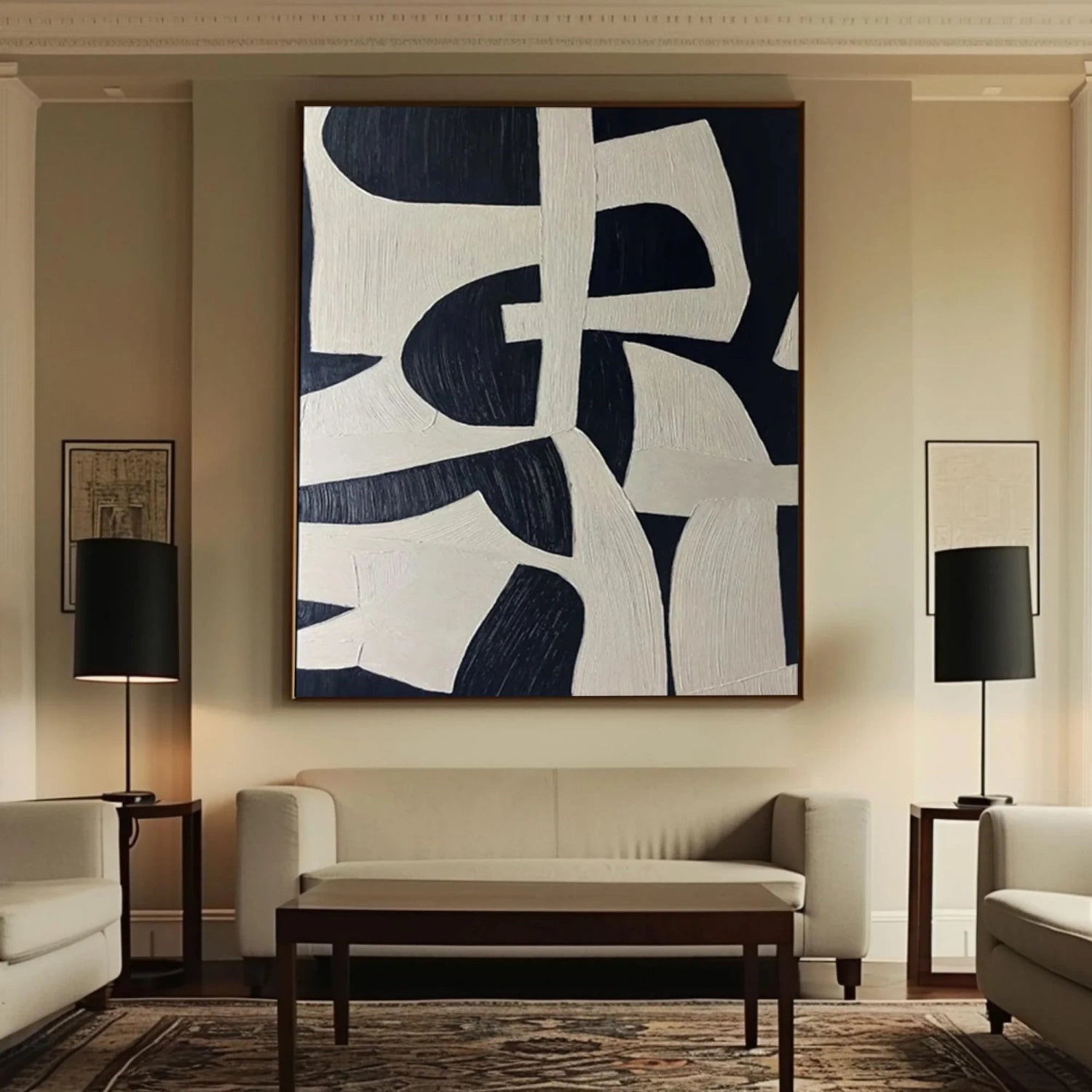
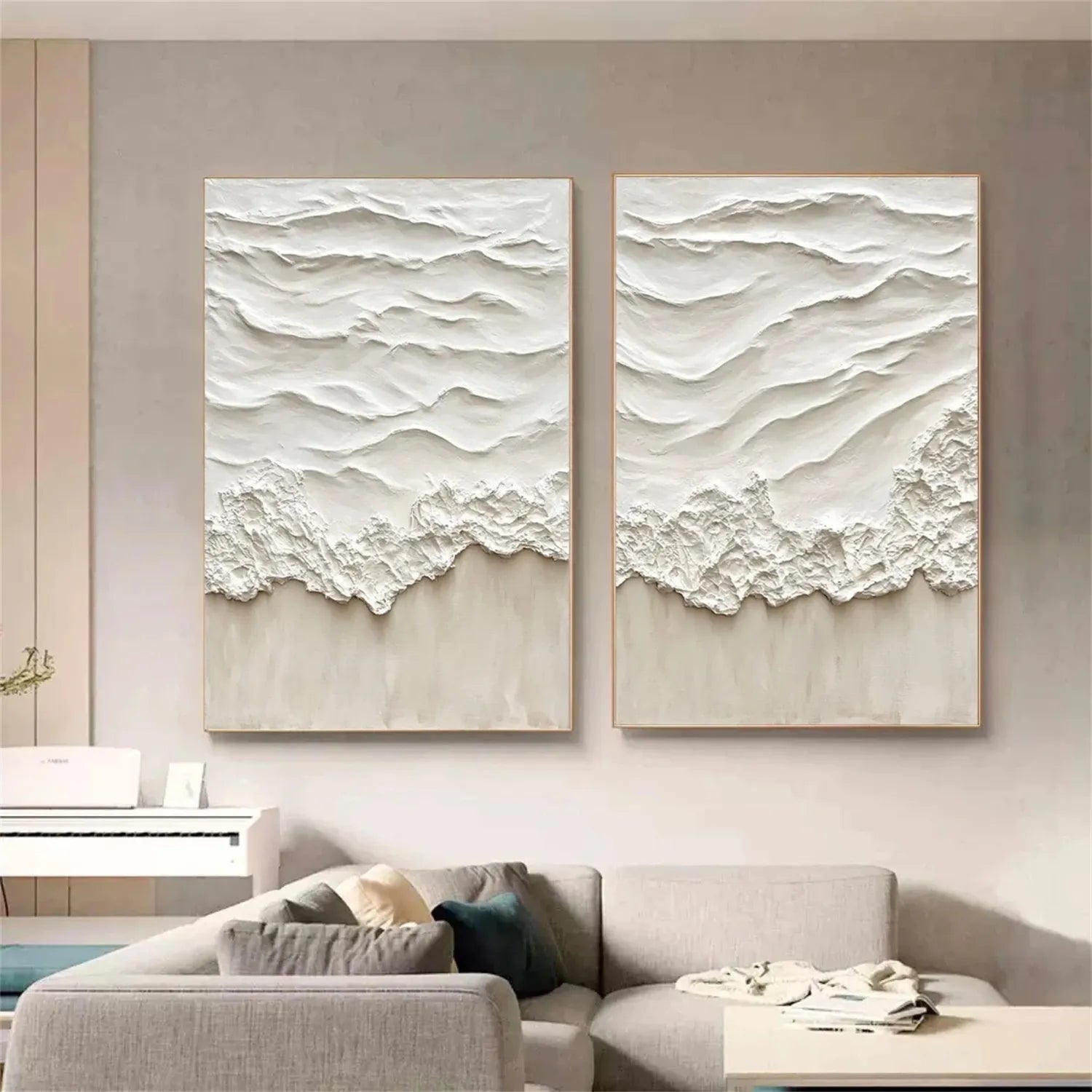
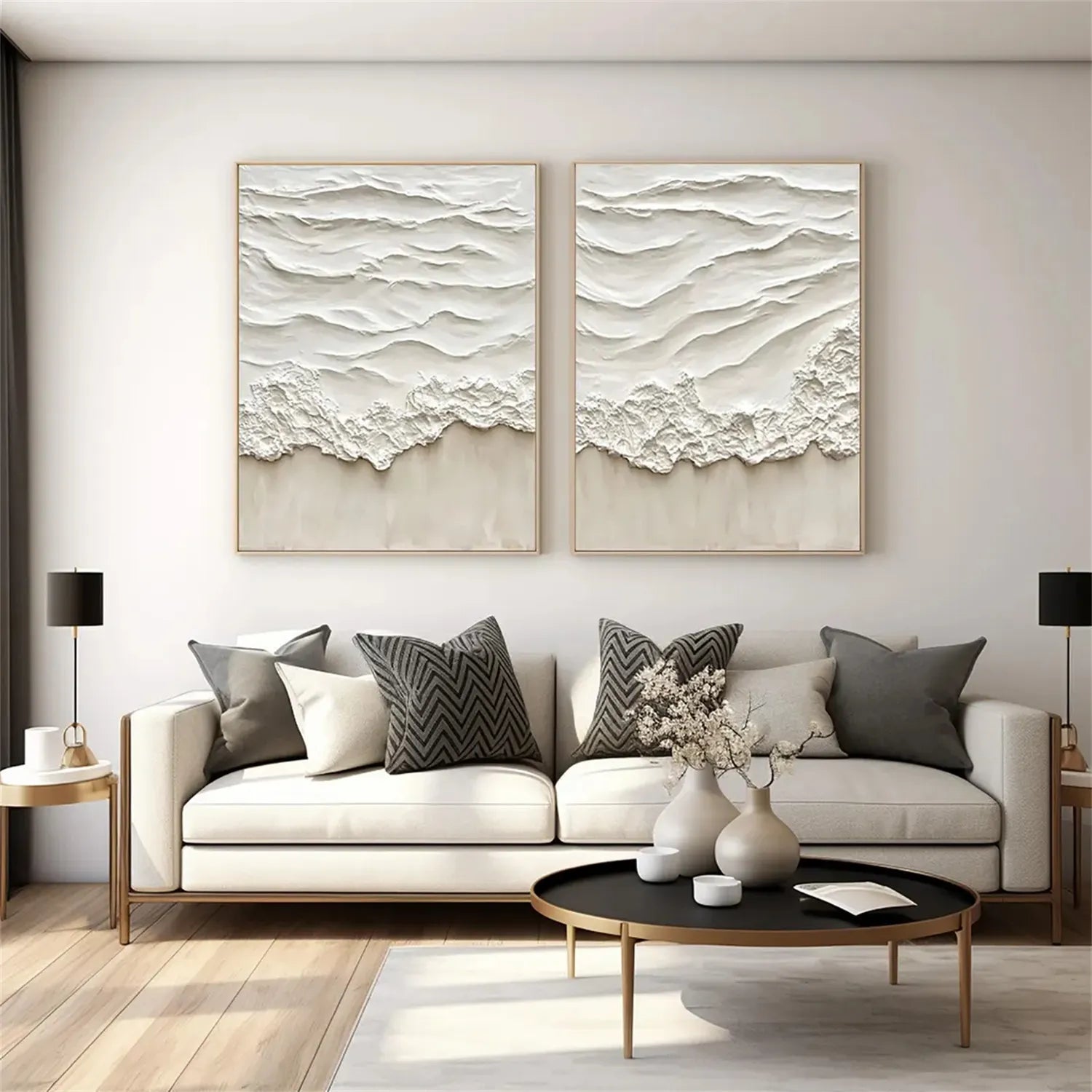
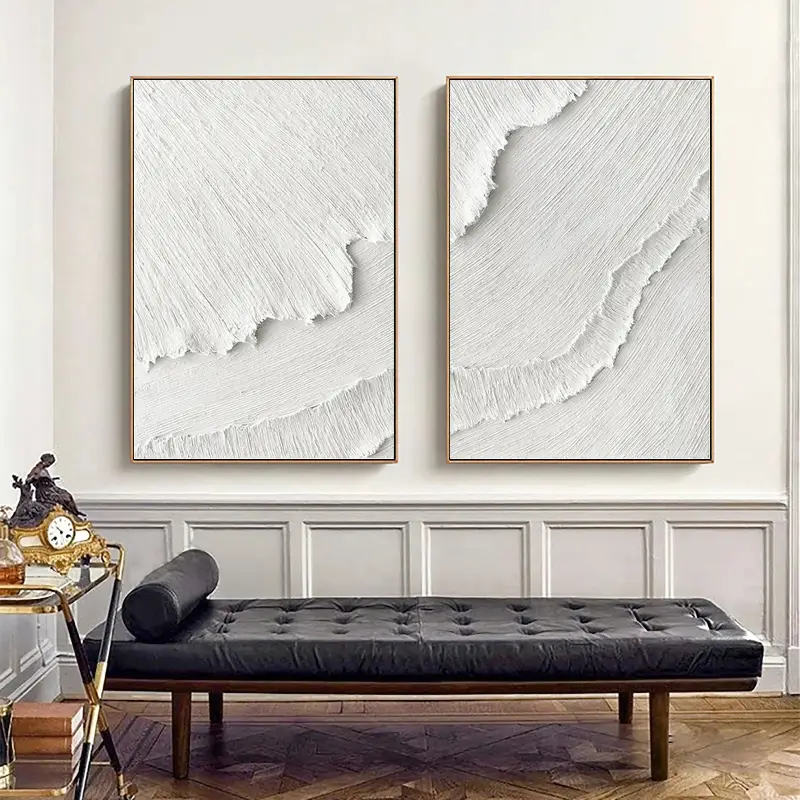
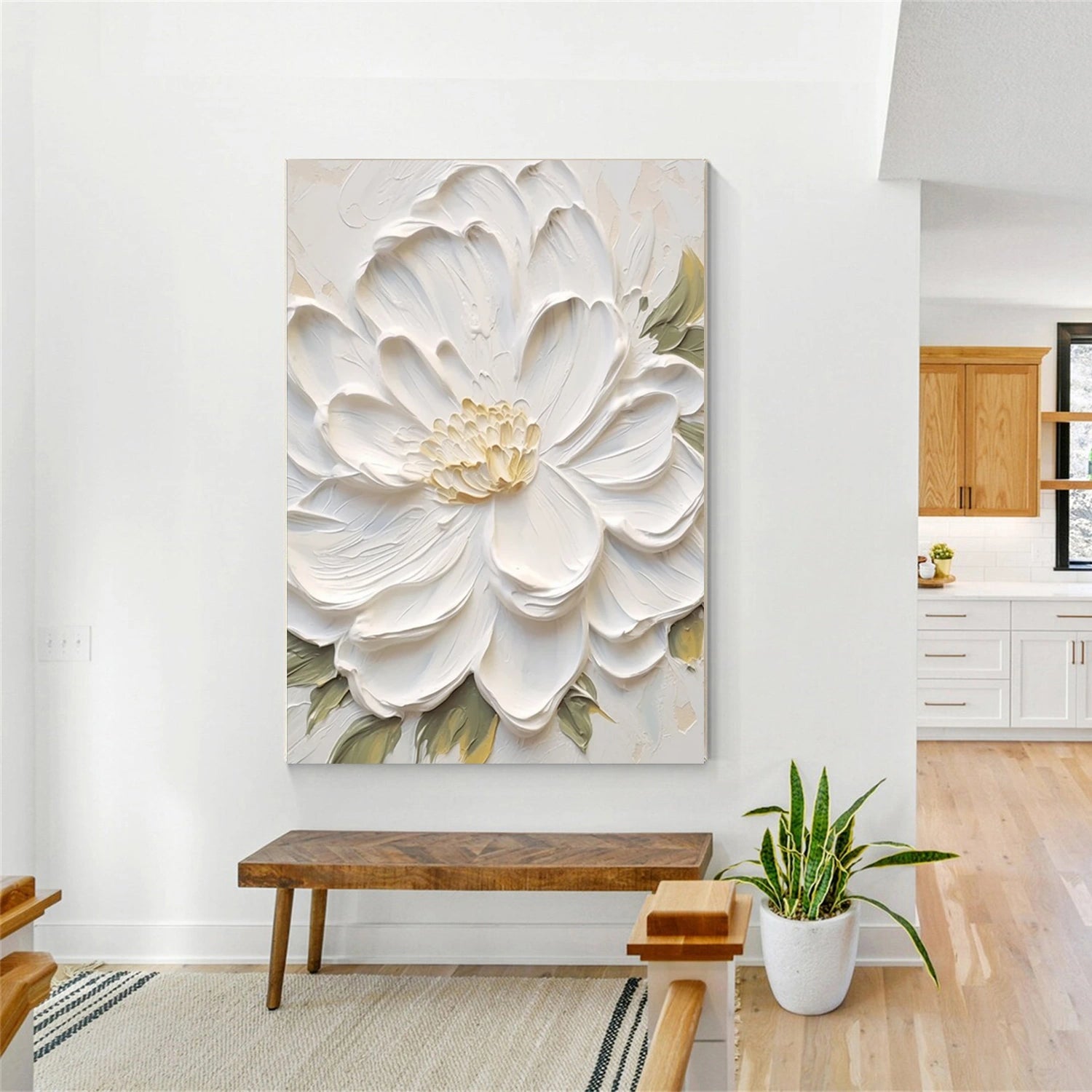
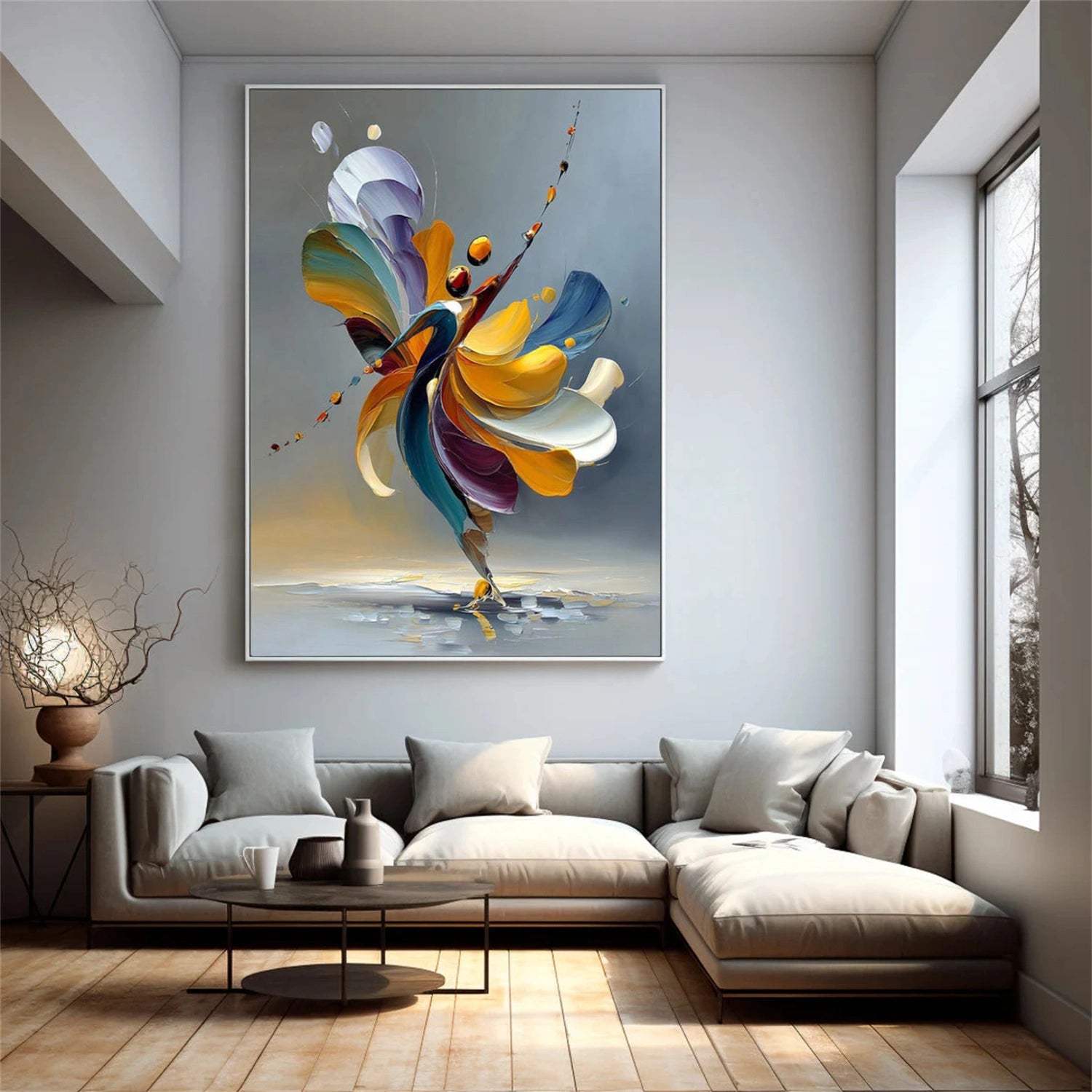
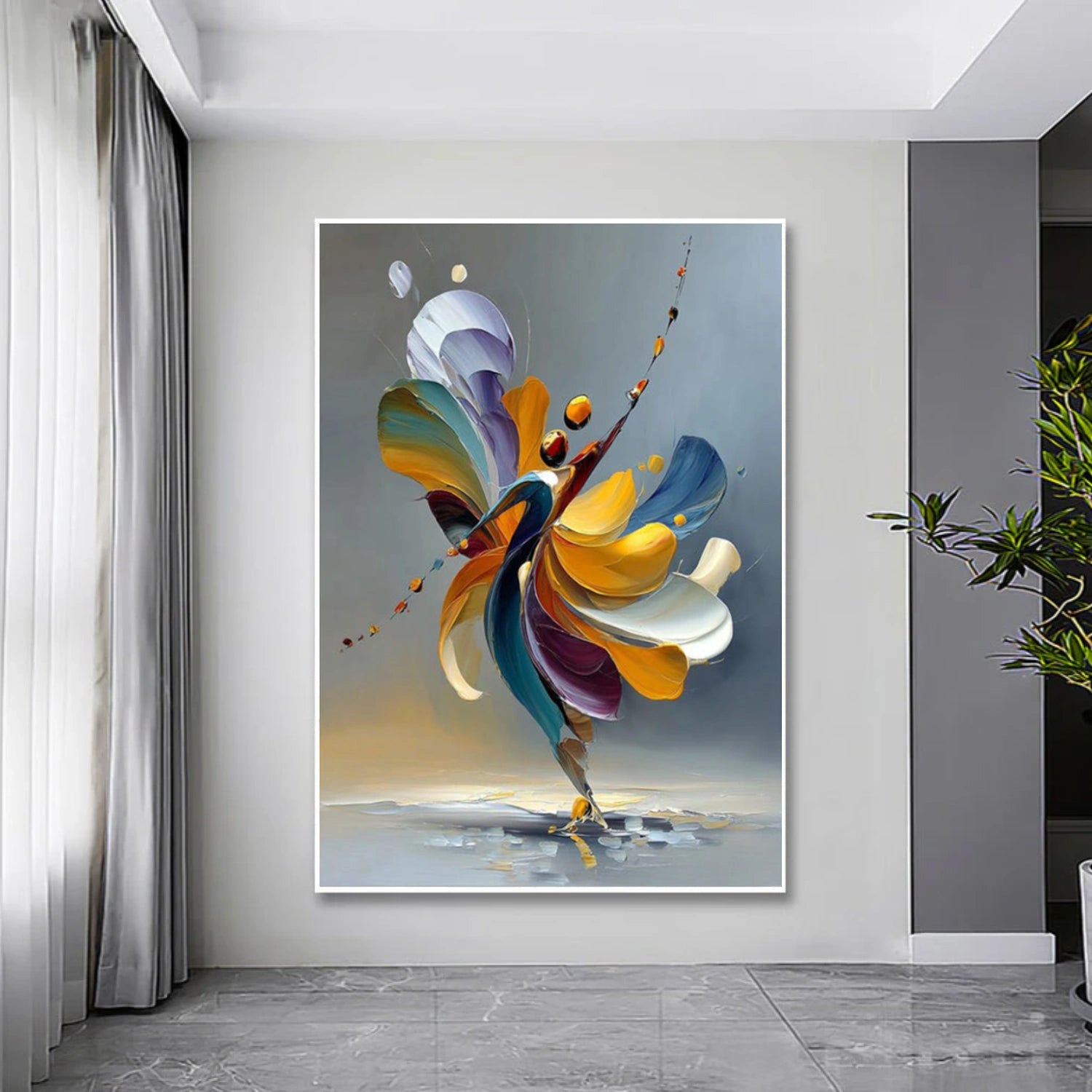
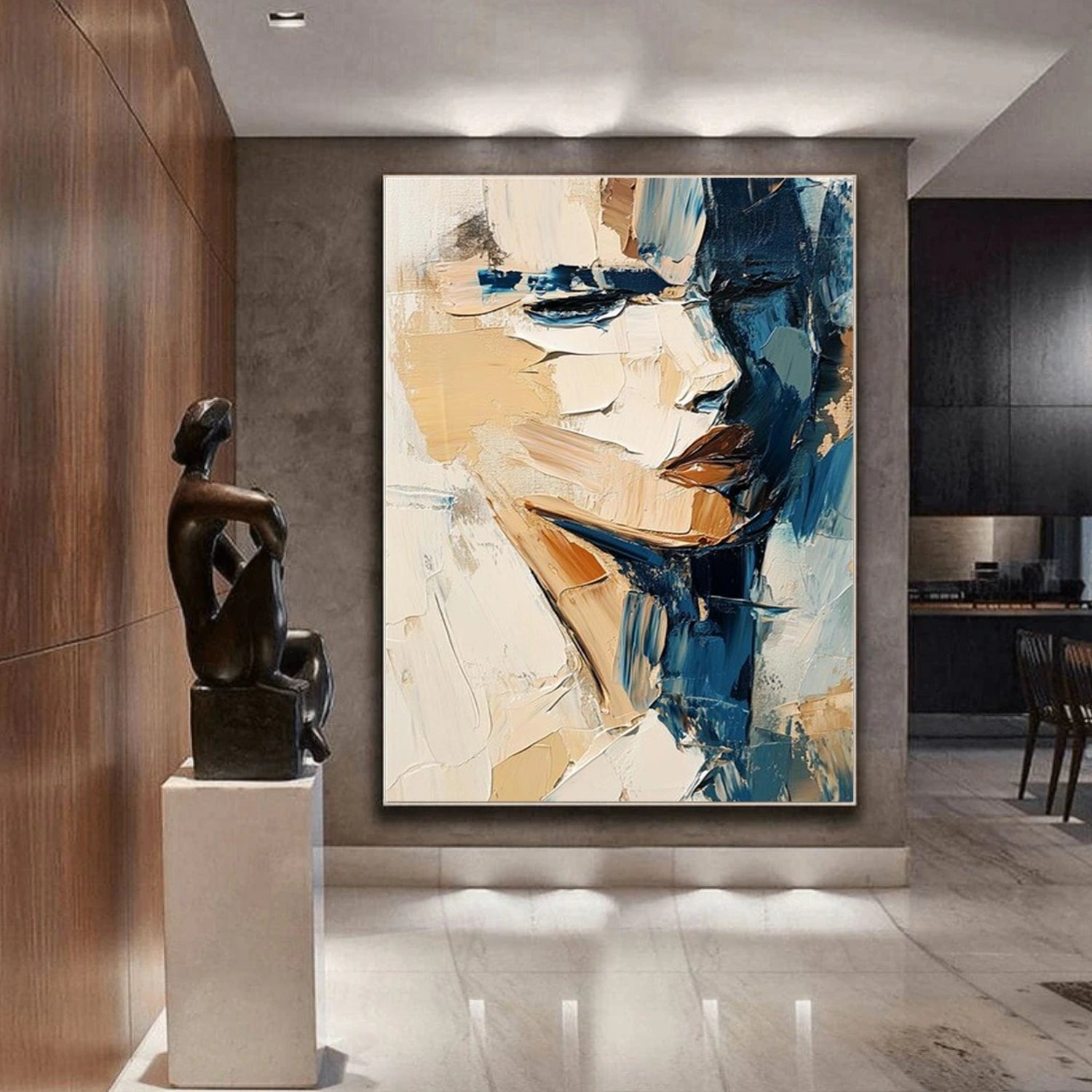
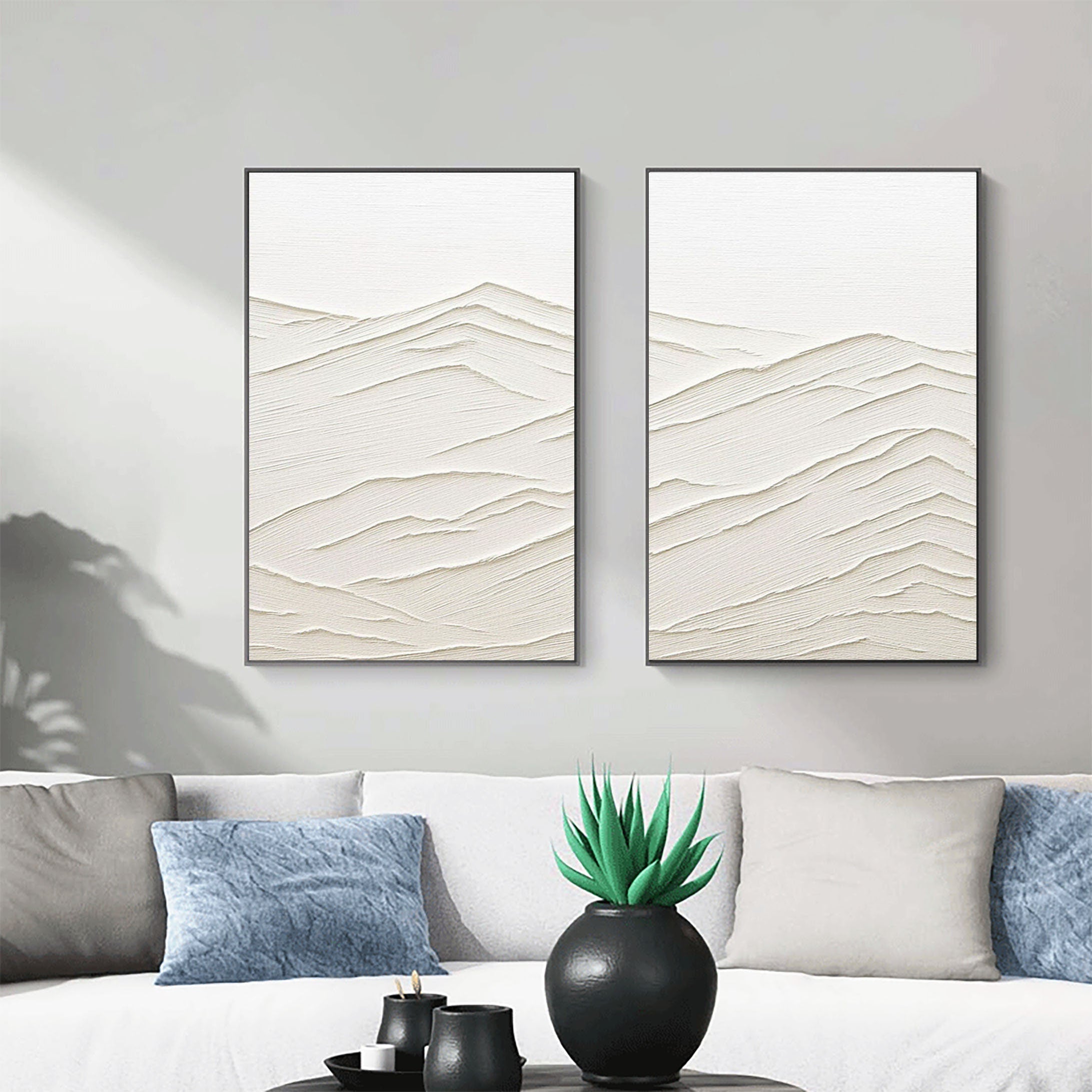
What Makes 3D Plaster Art So Unique and Captivating?
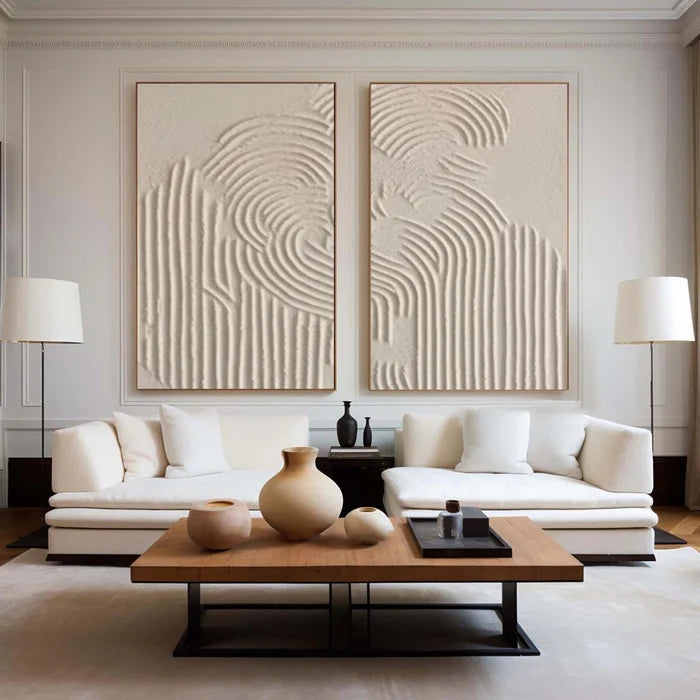
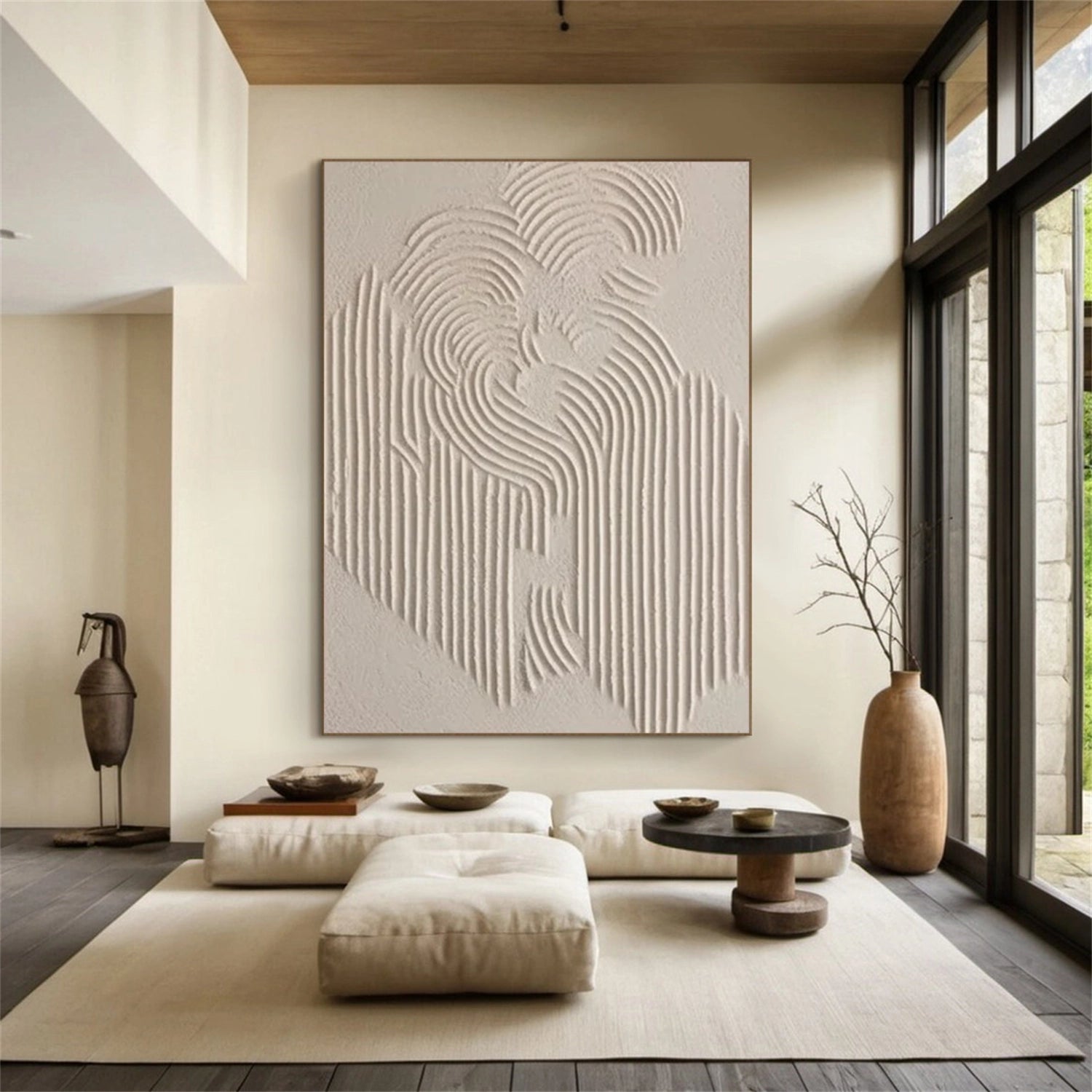
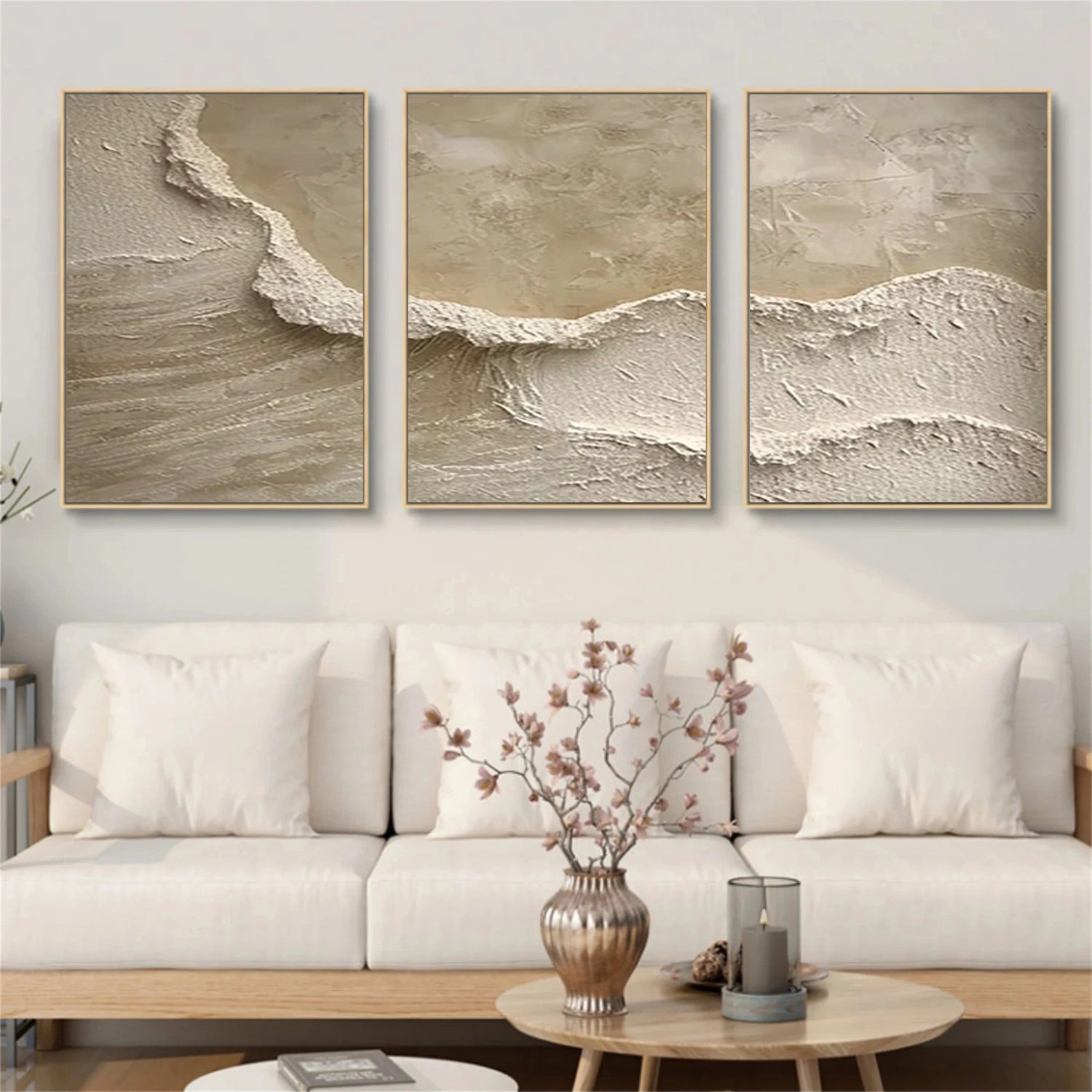
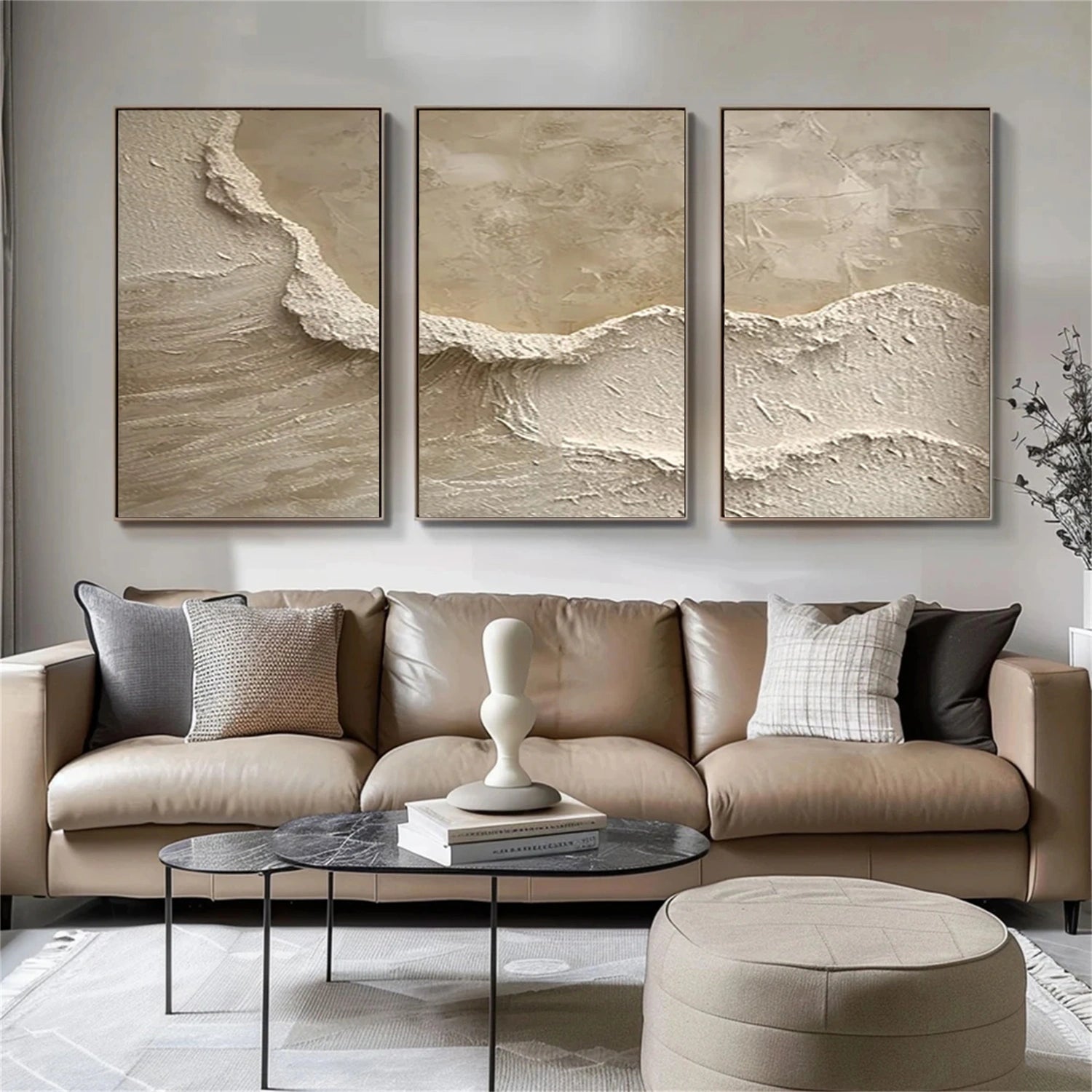
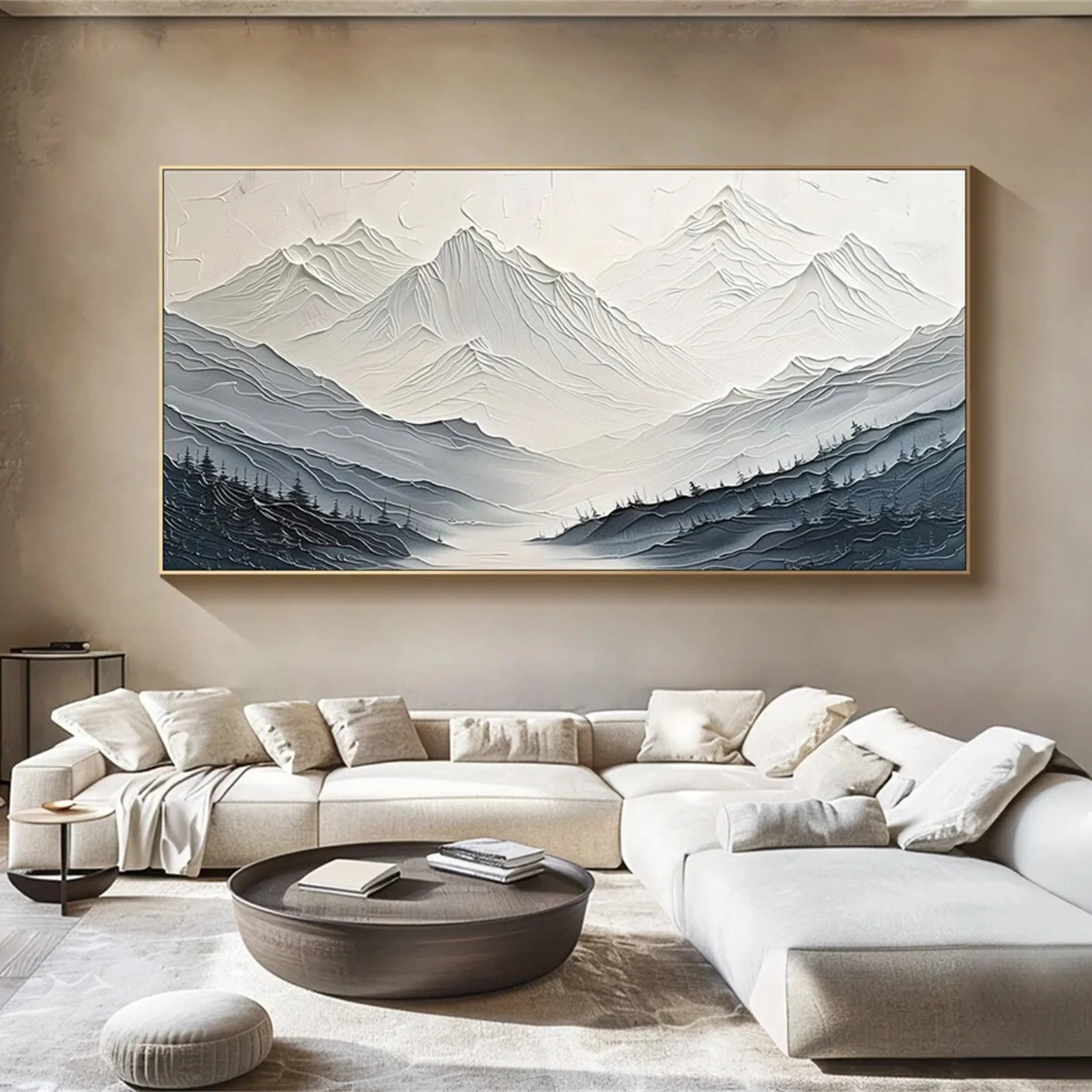
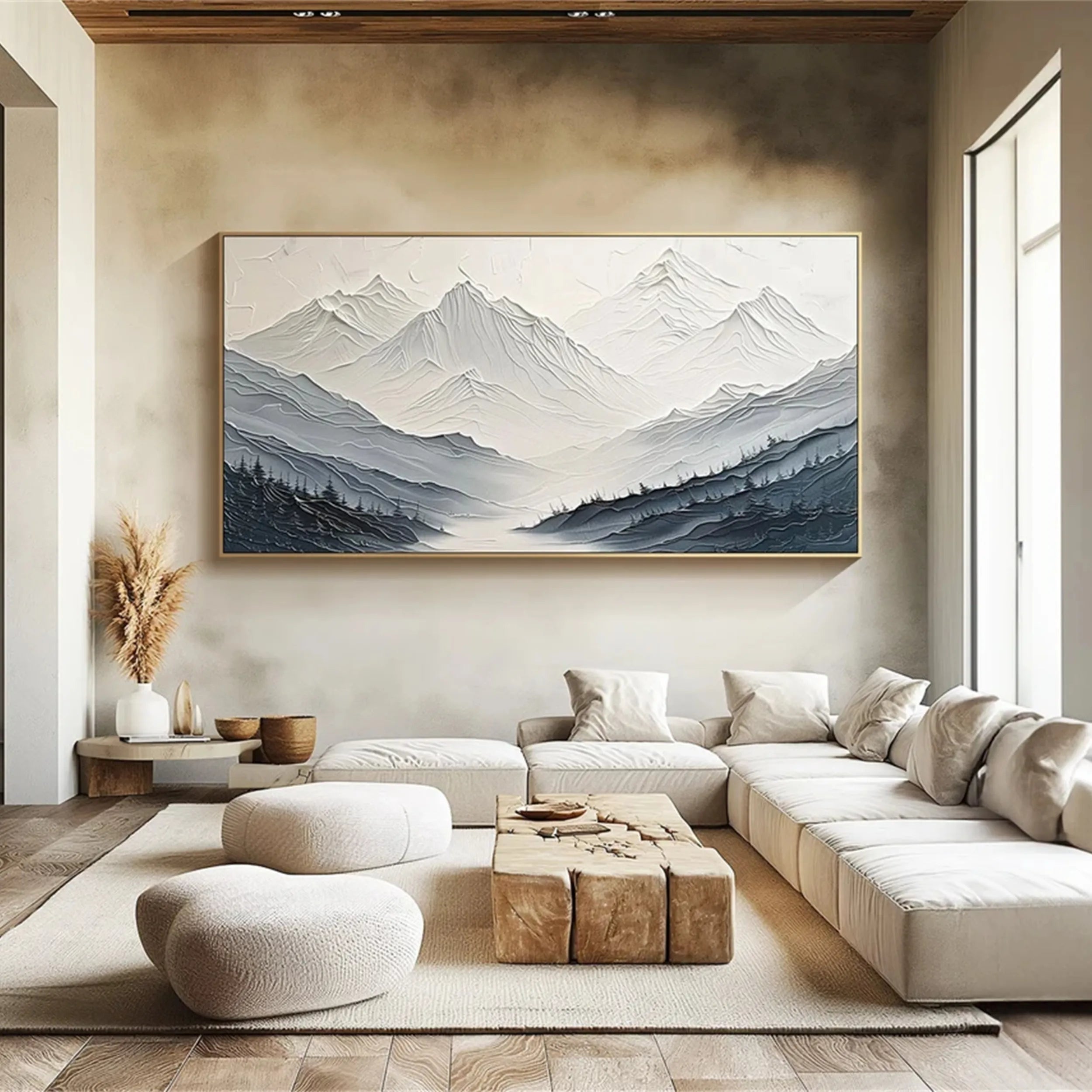
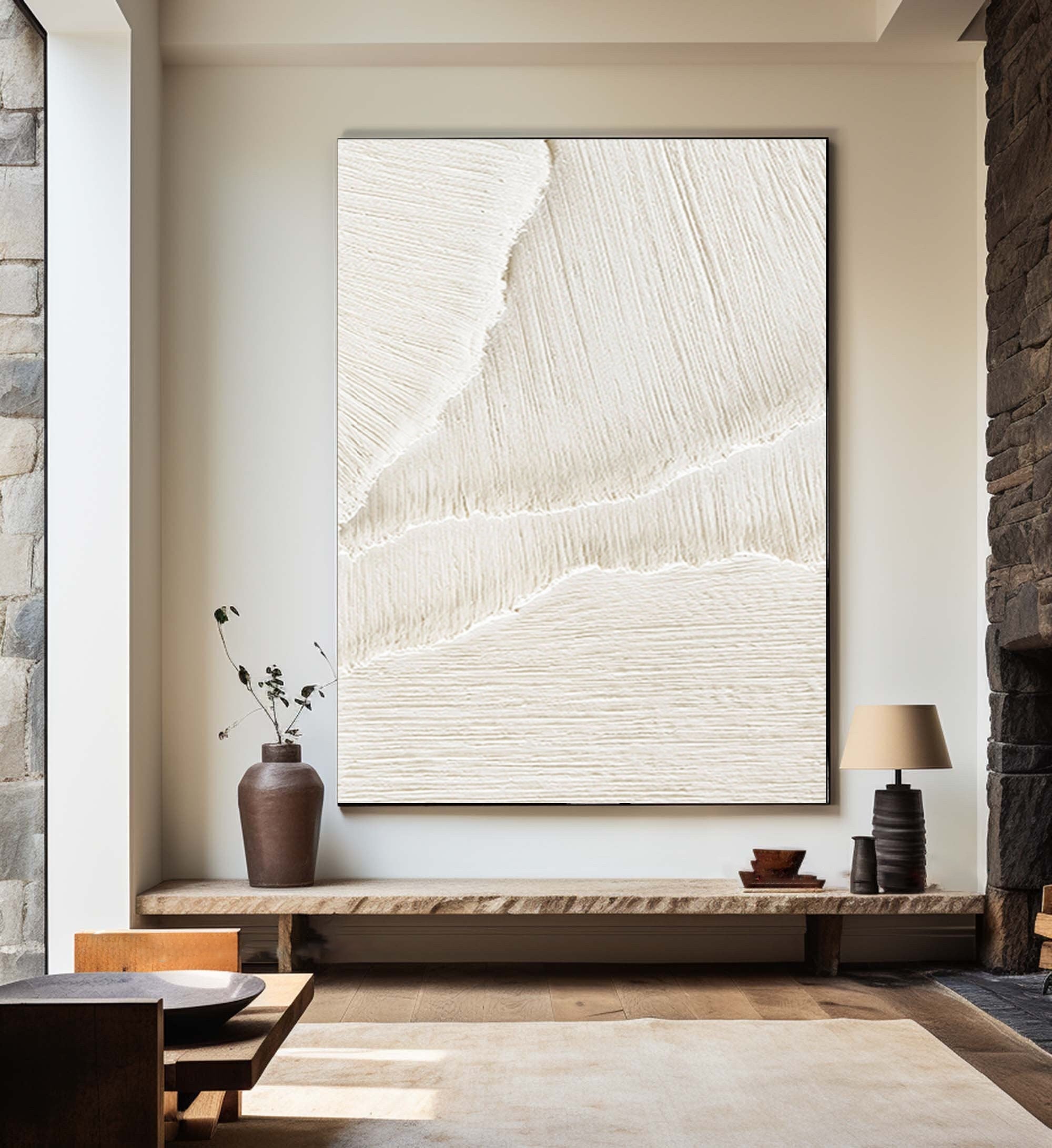
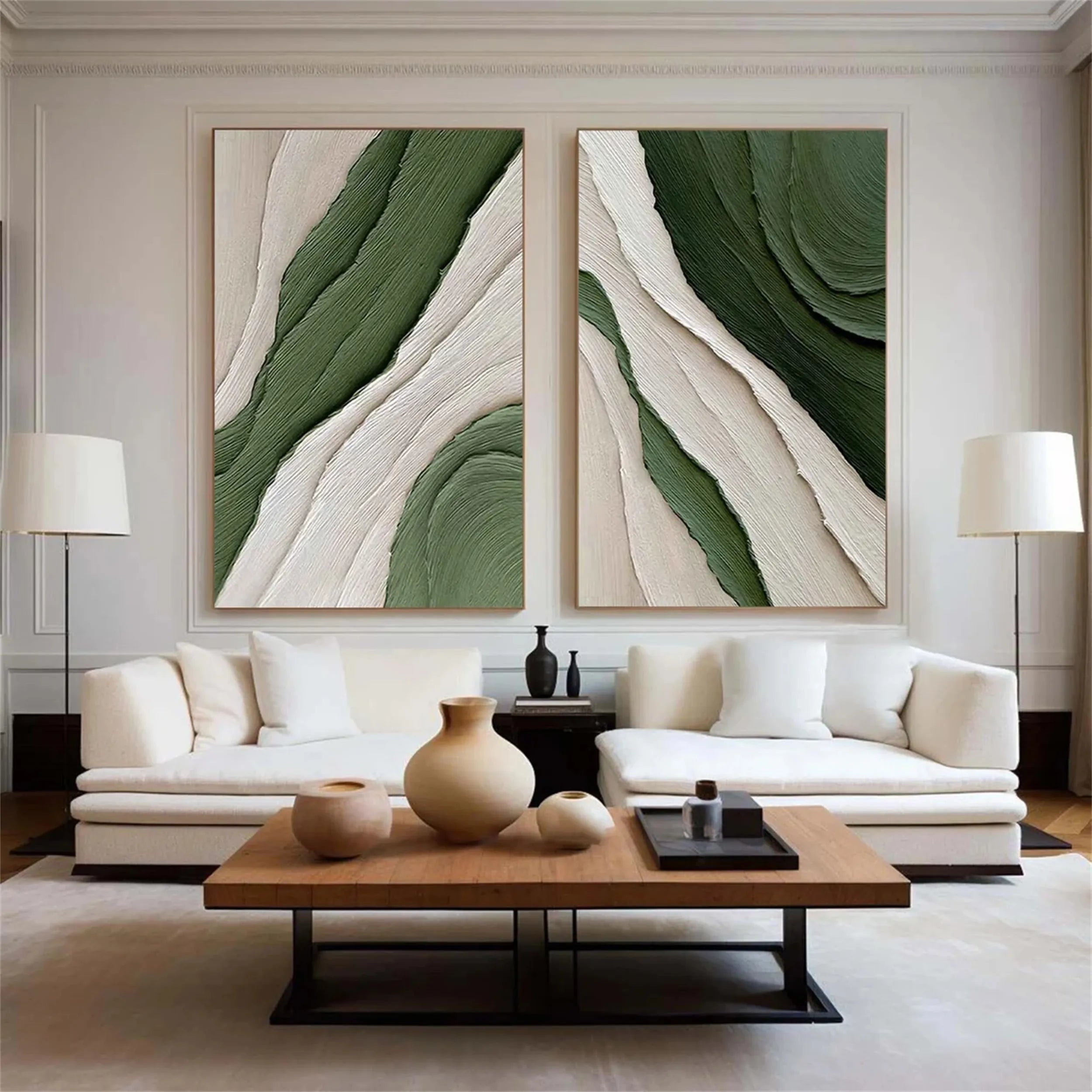
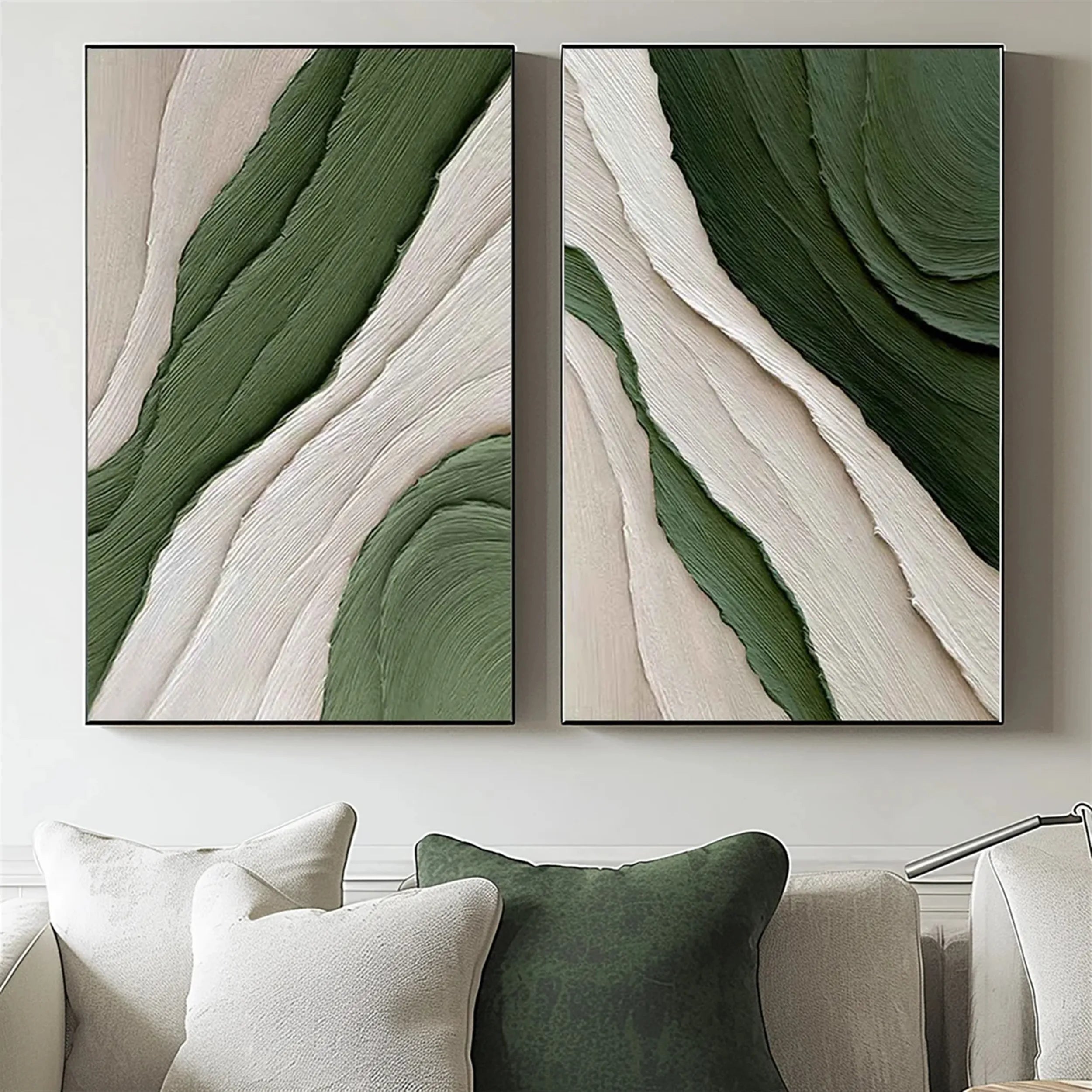
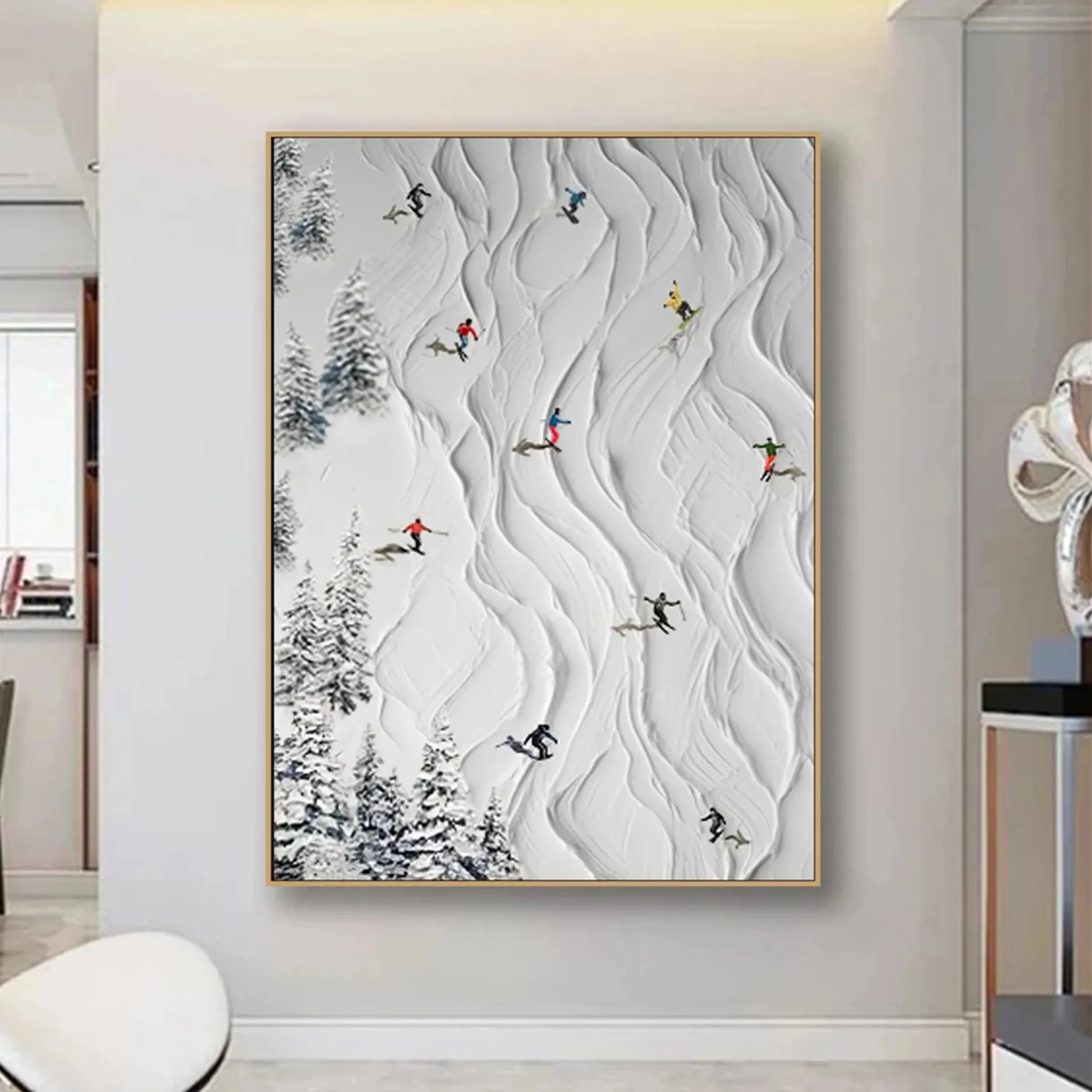
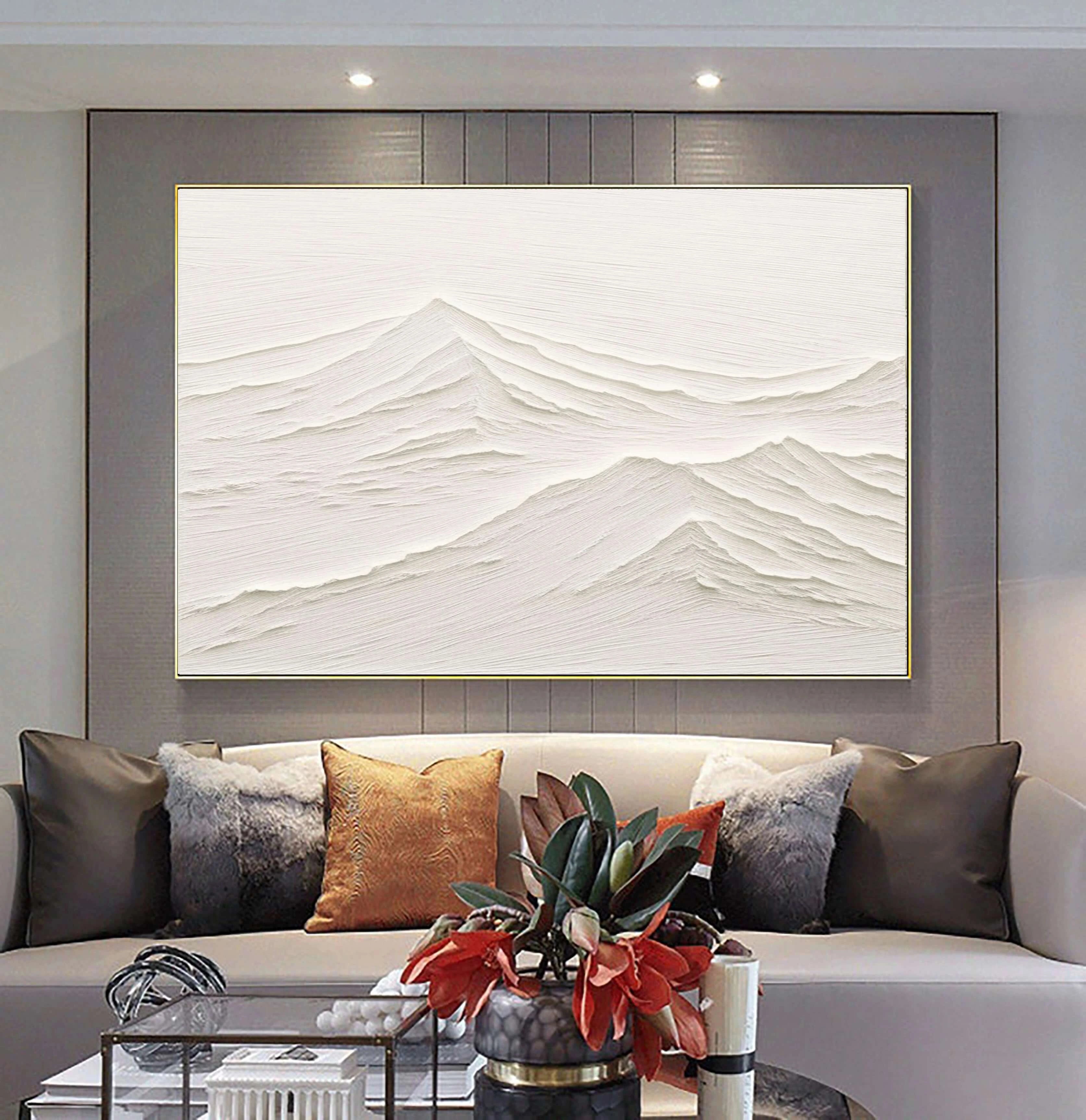
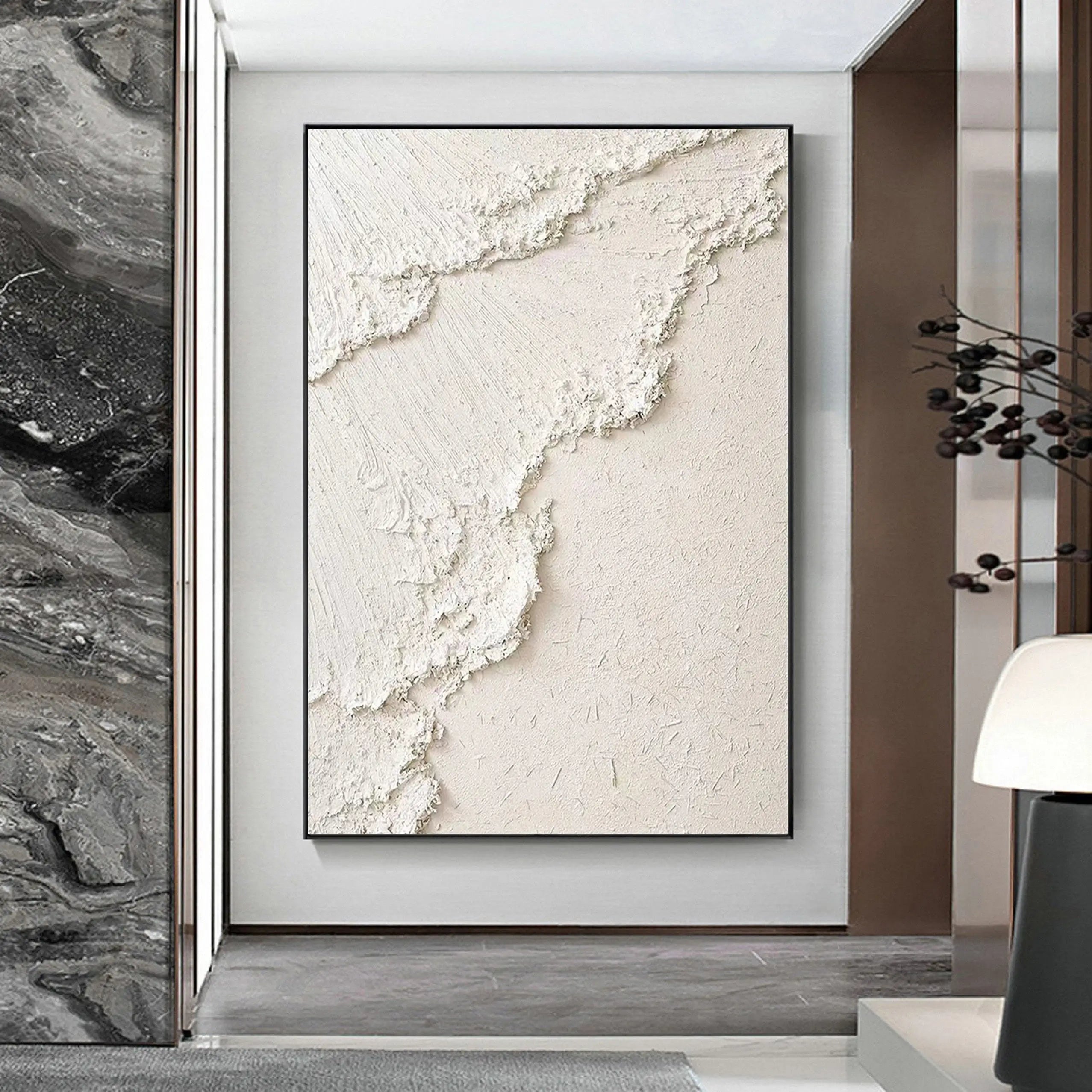
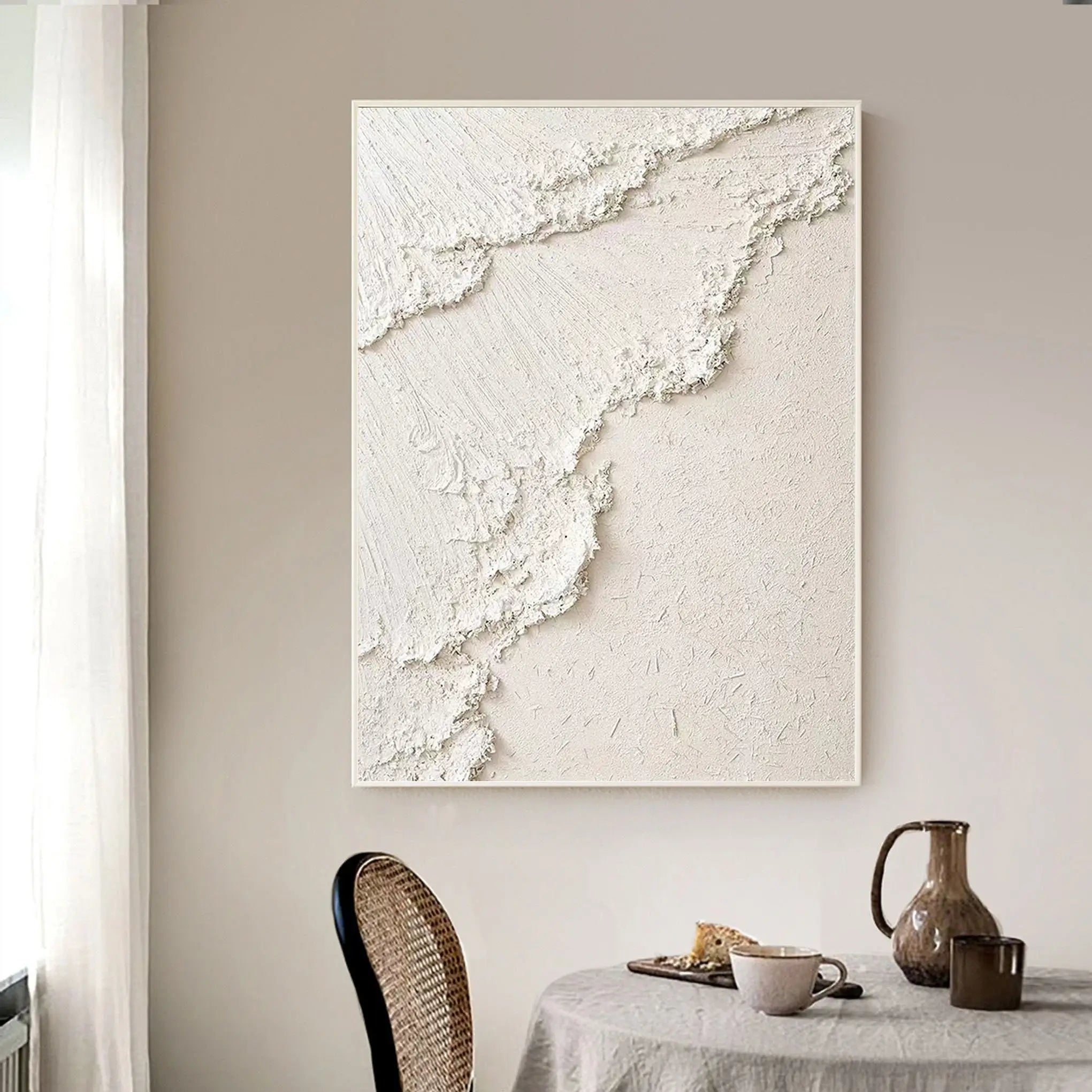
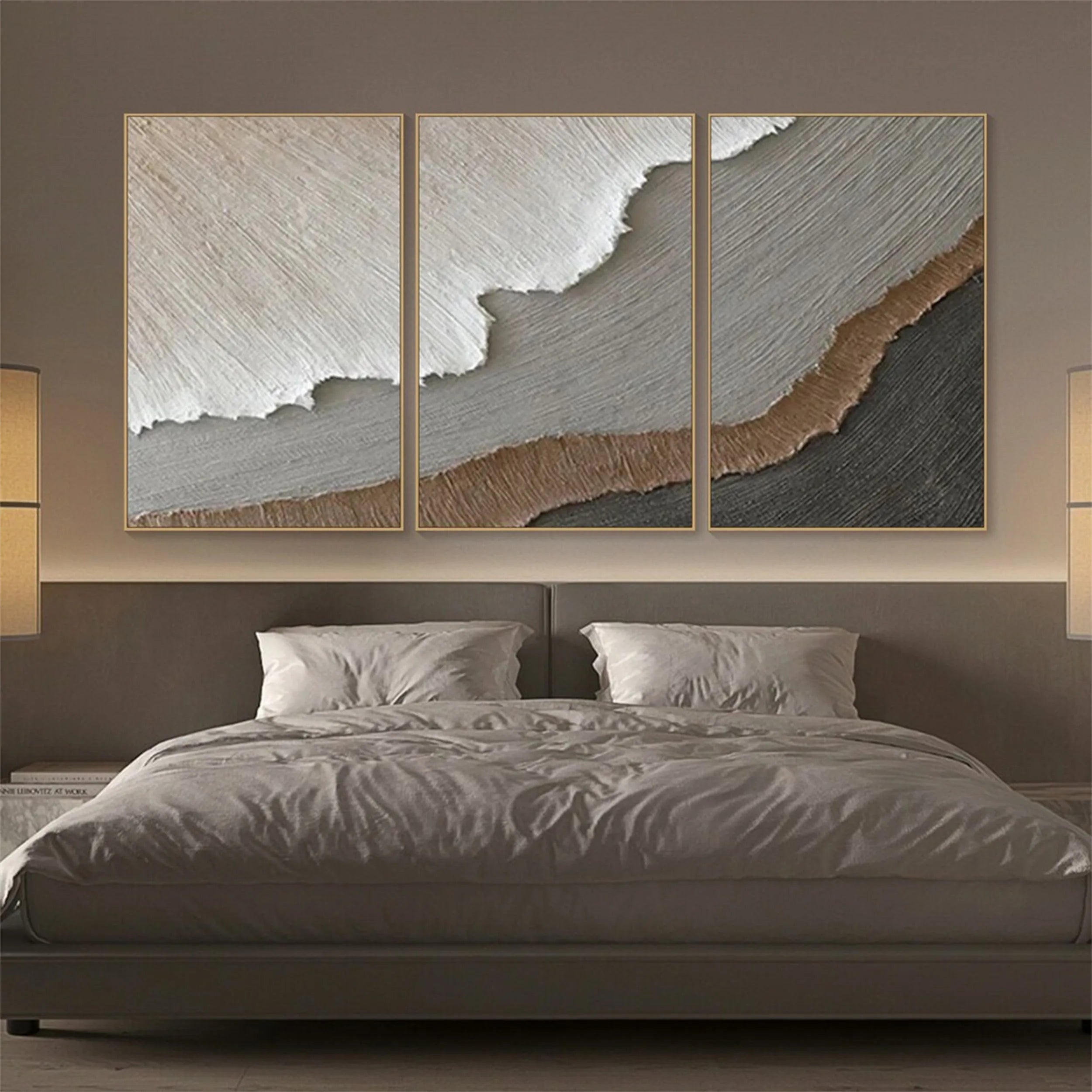
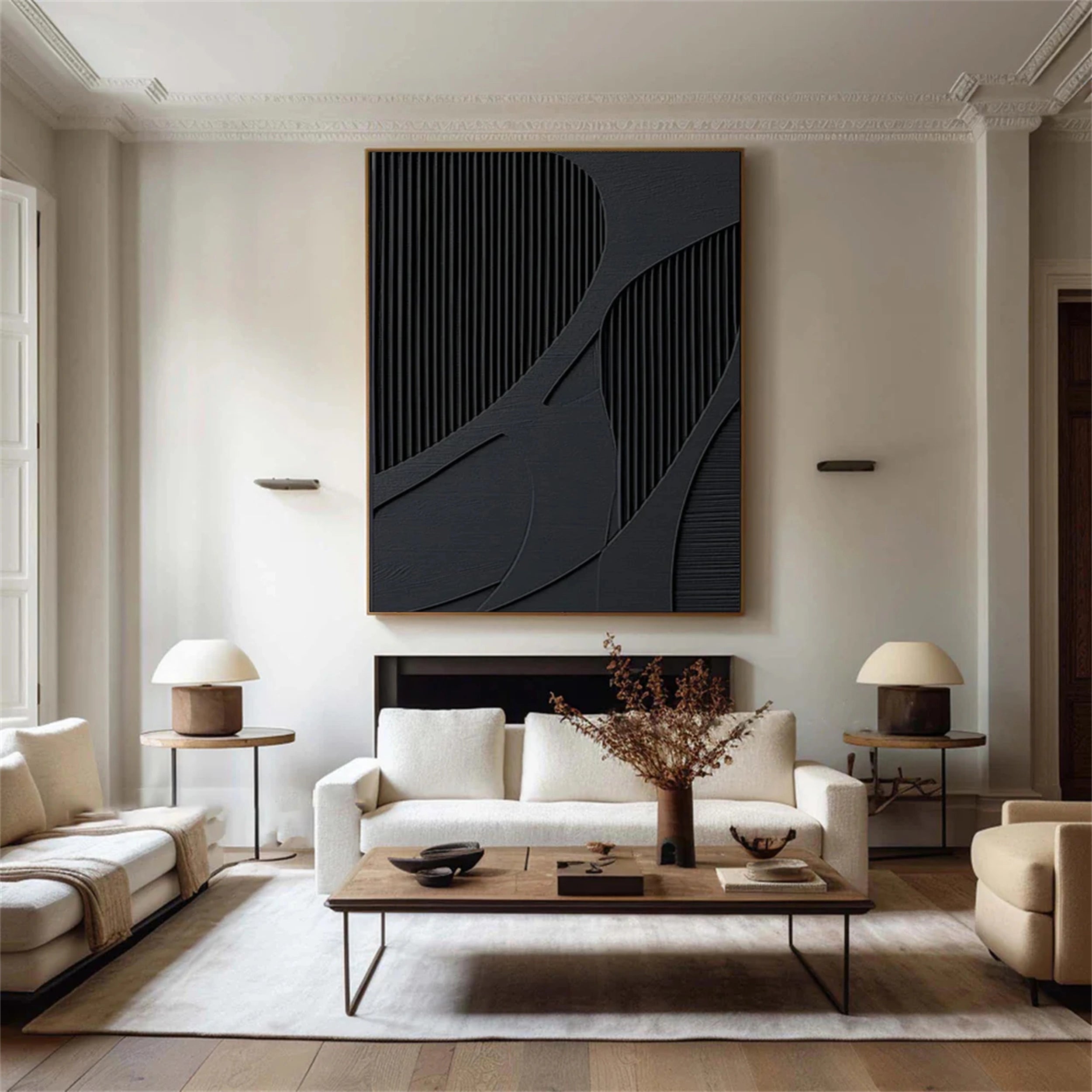
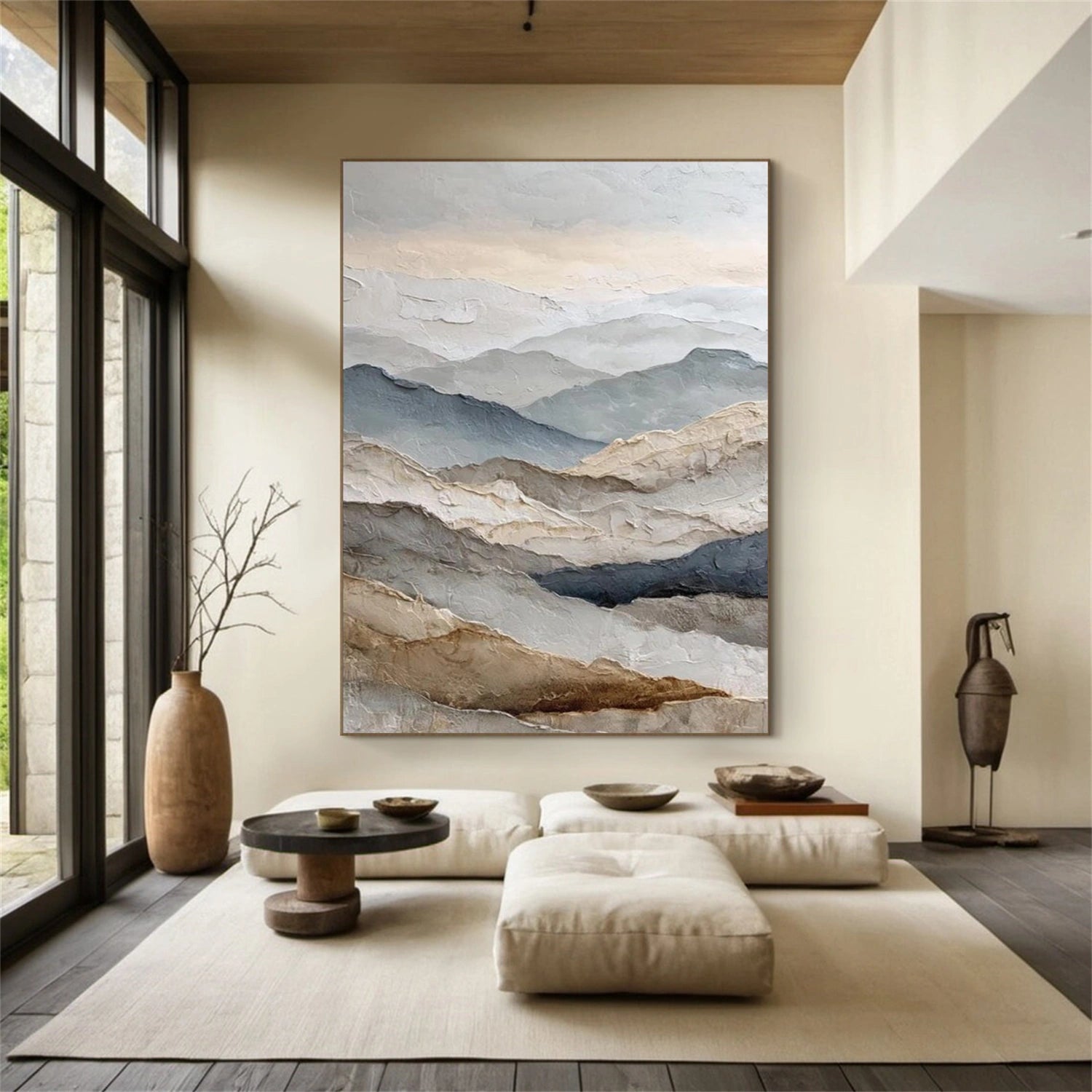
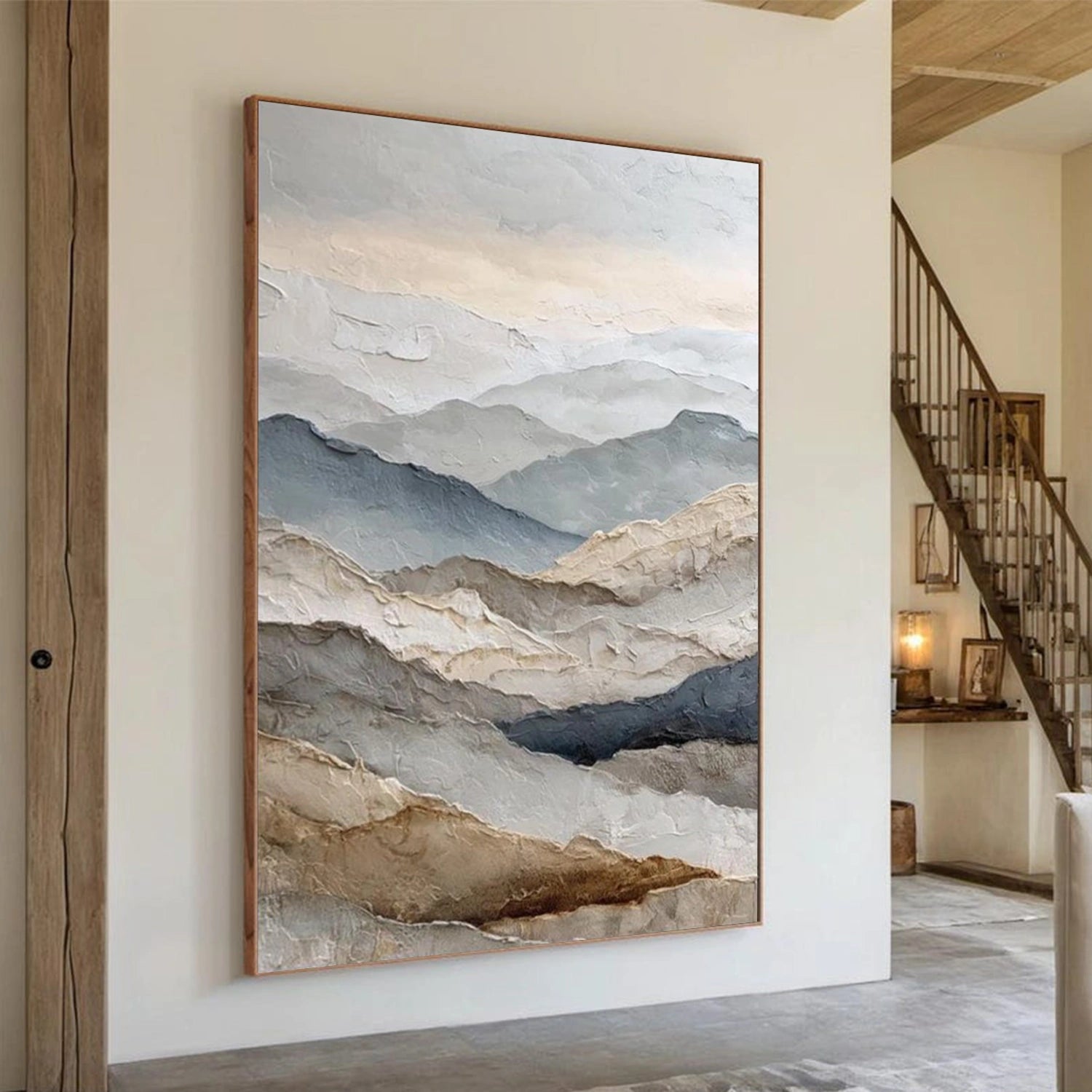
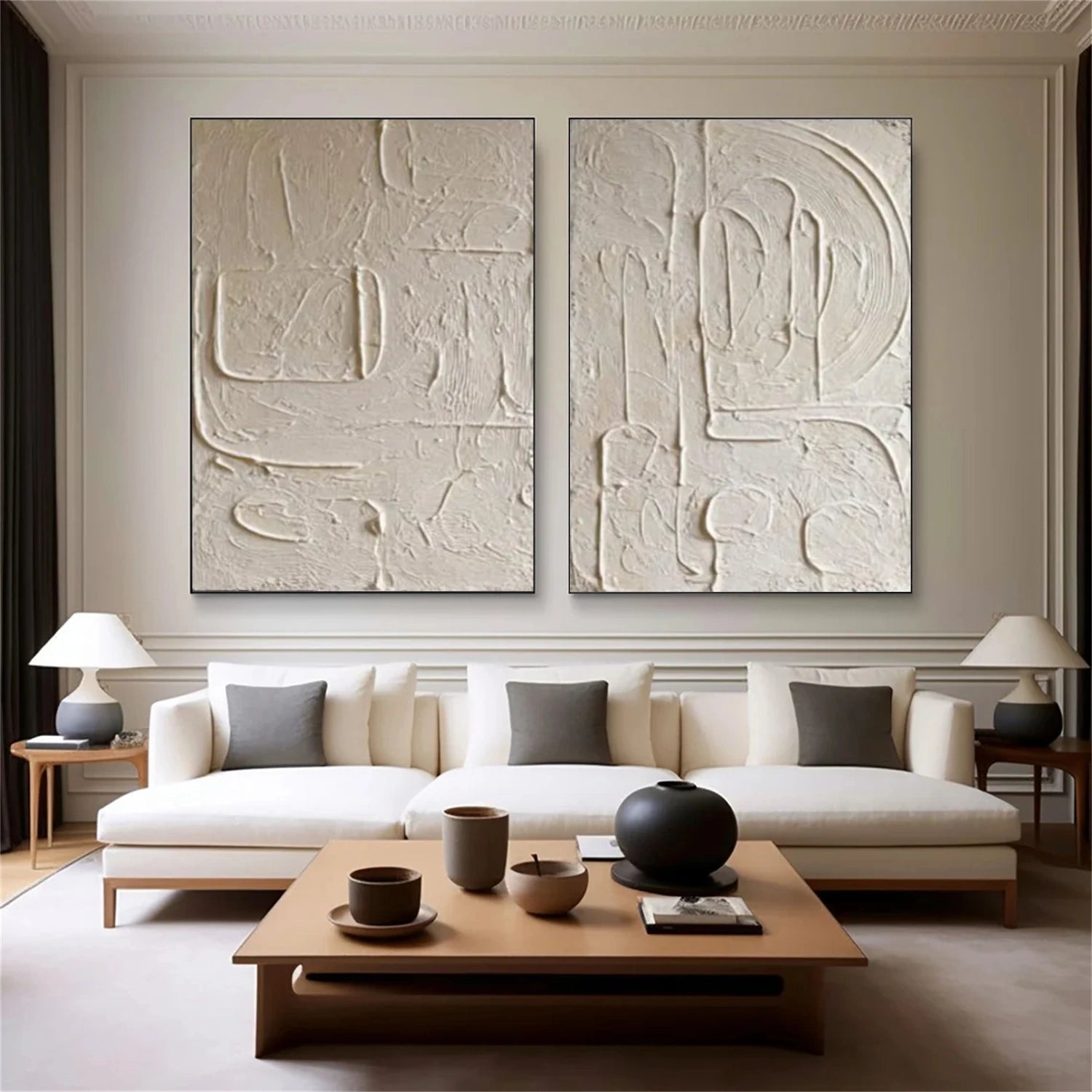
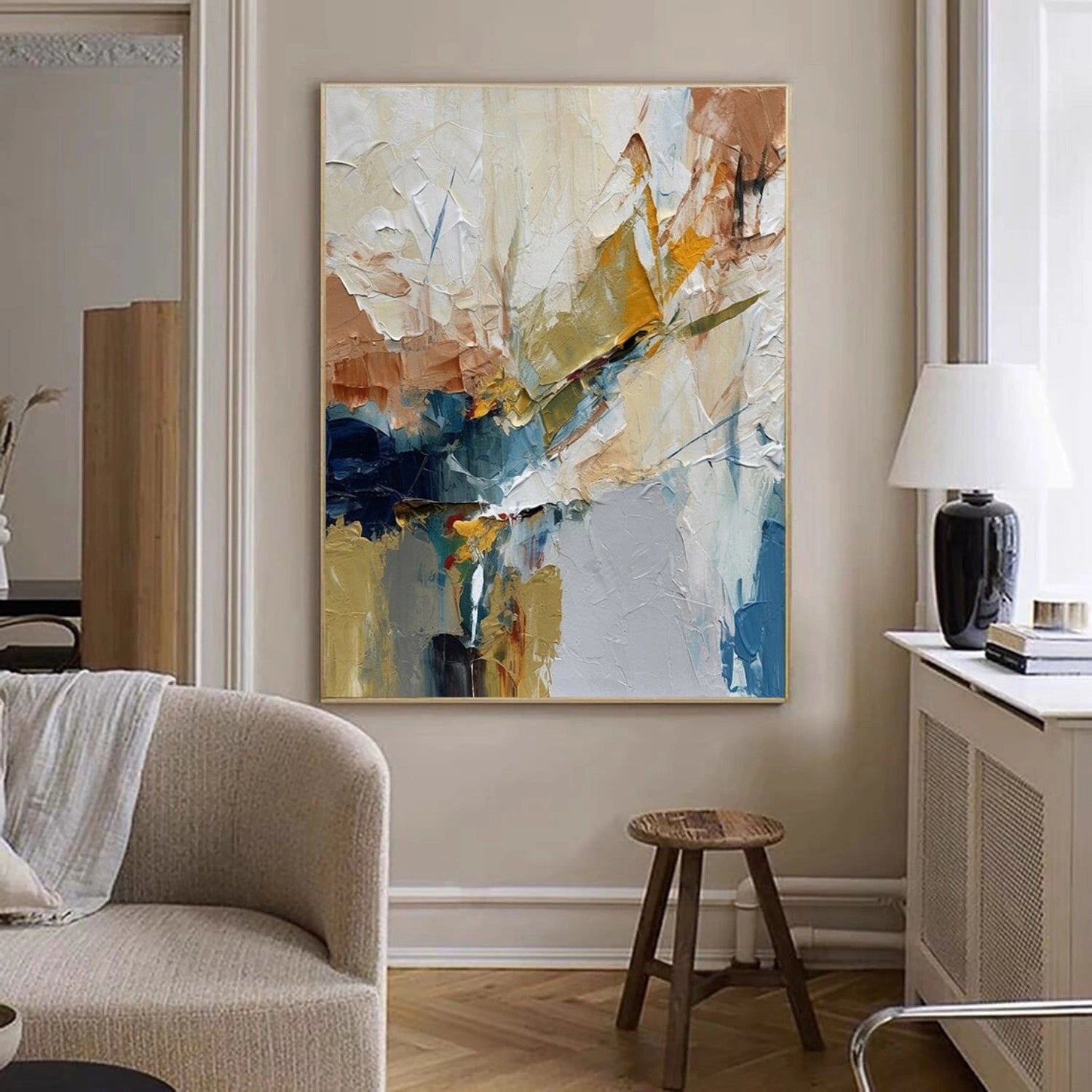
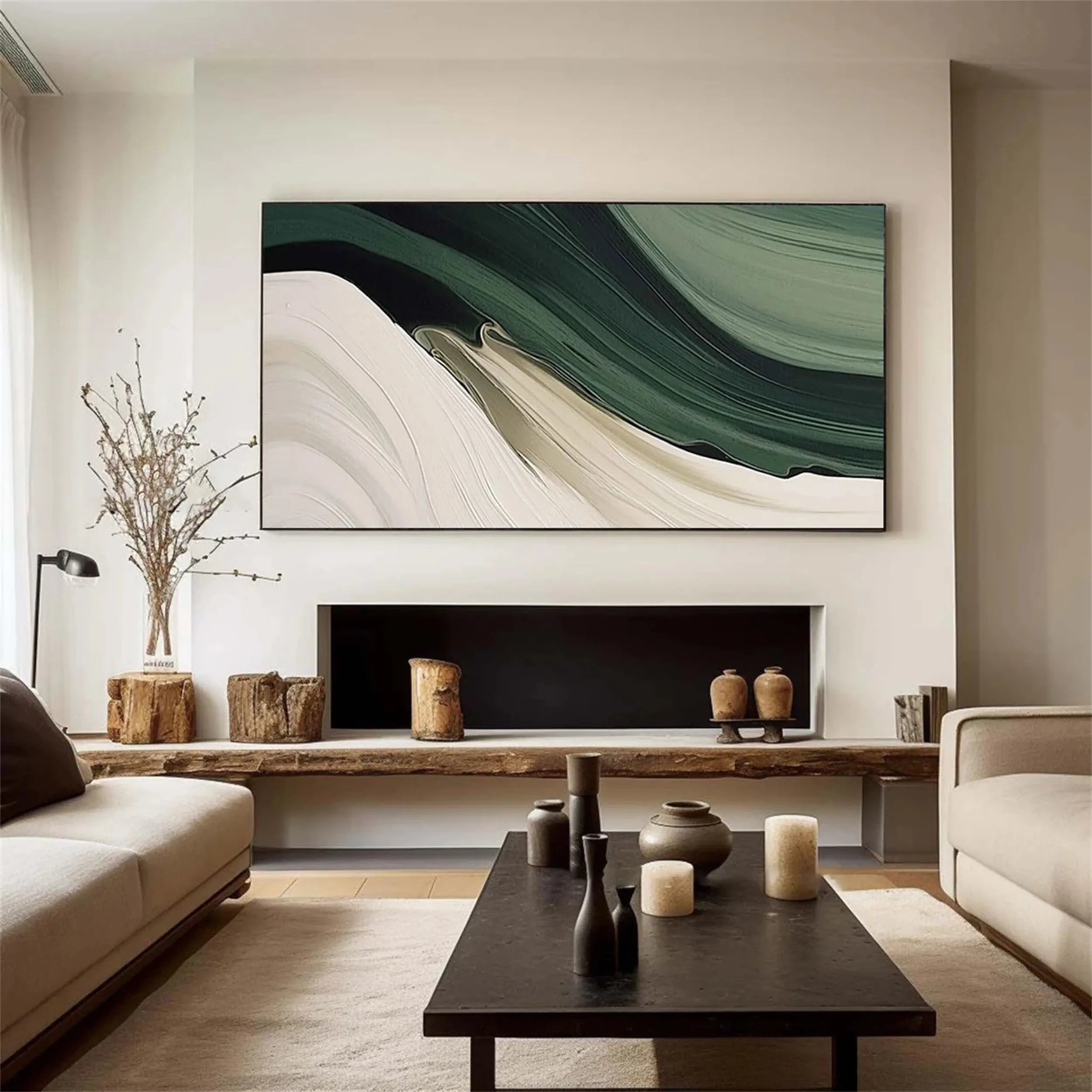
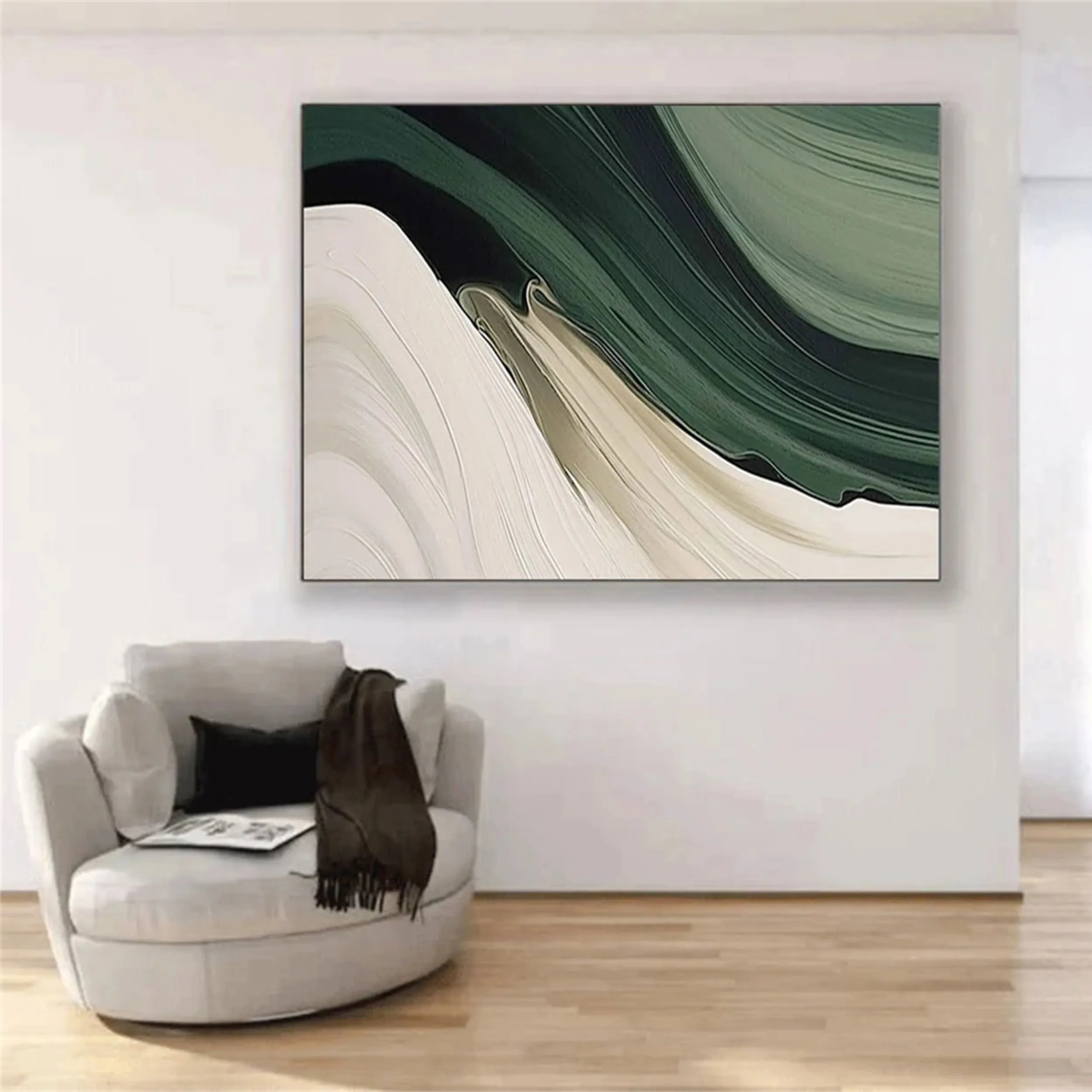
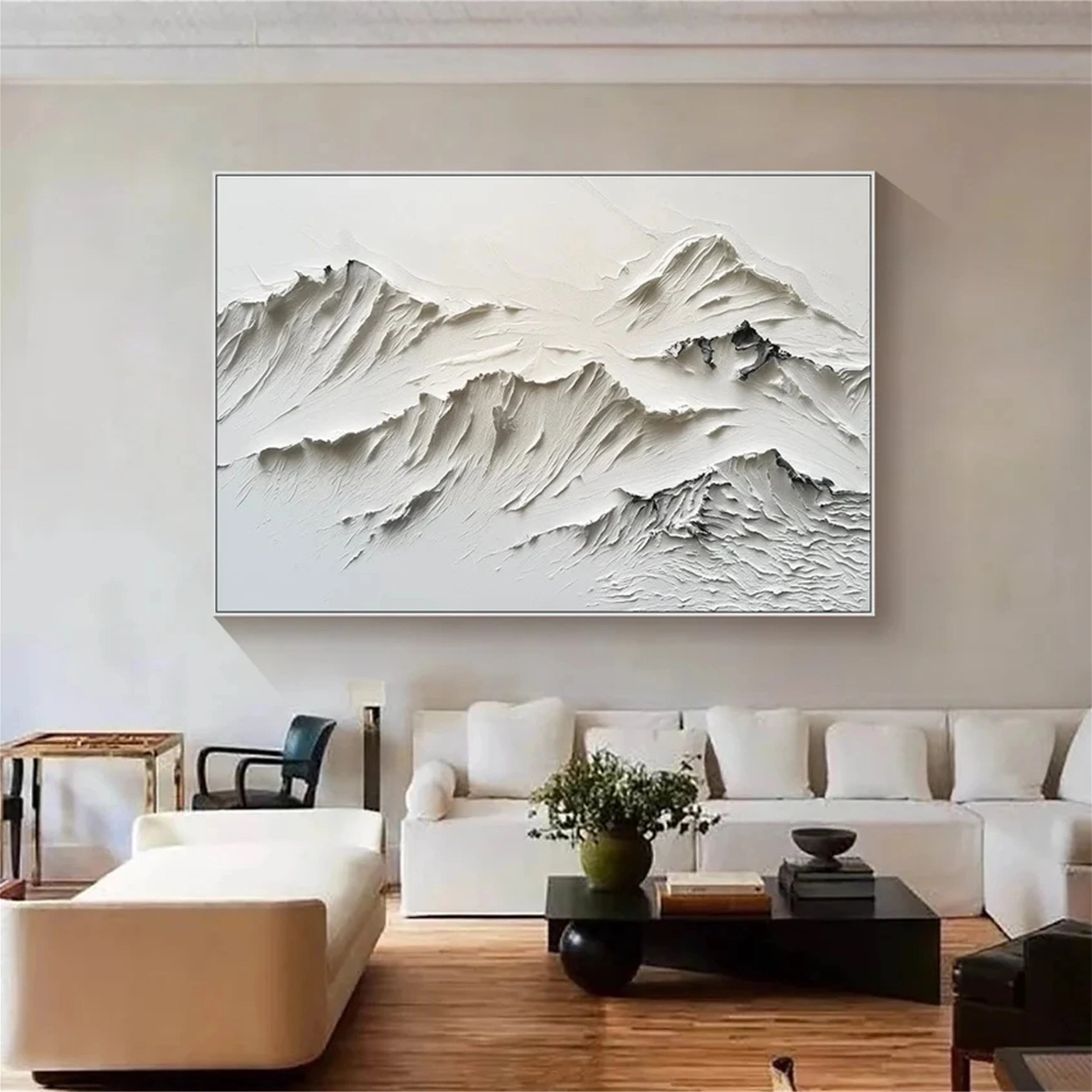
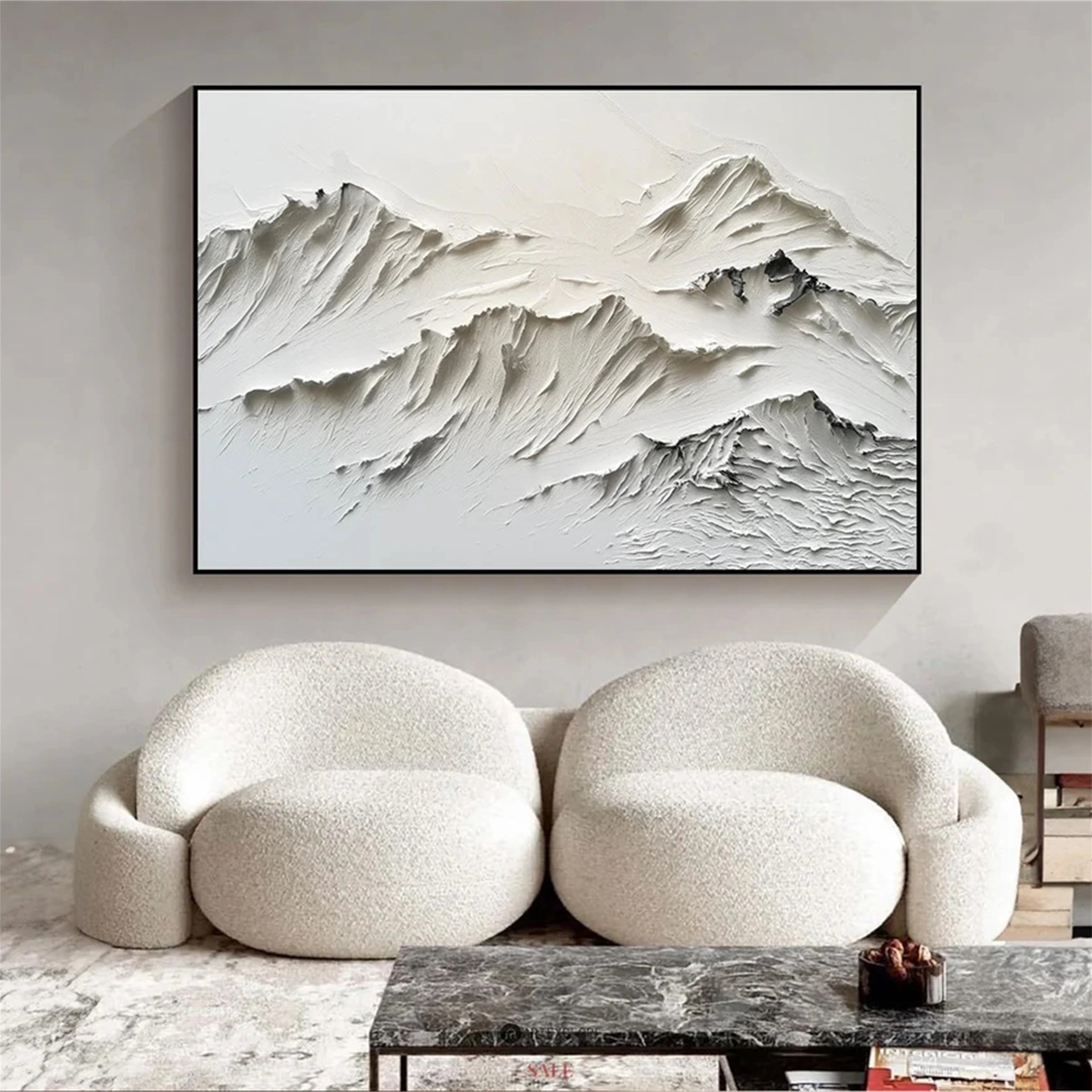
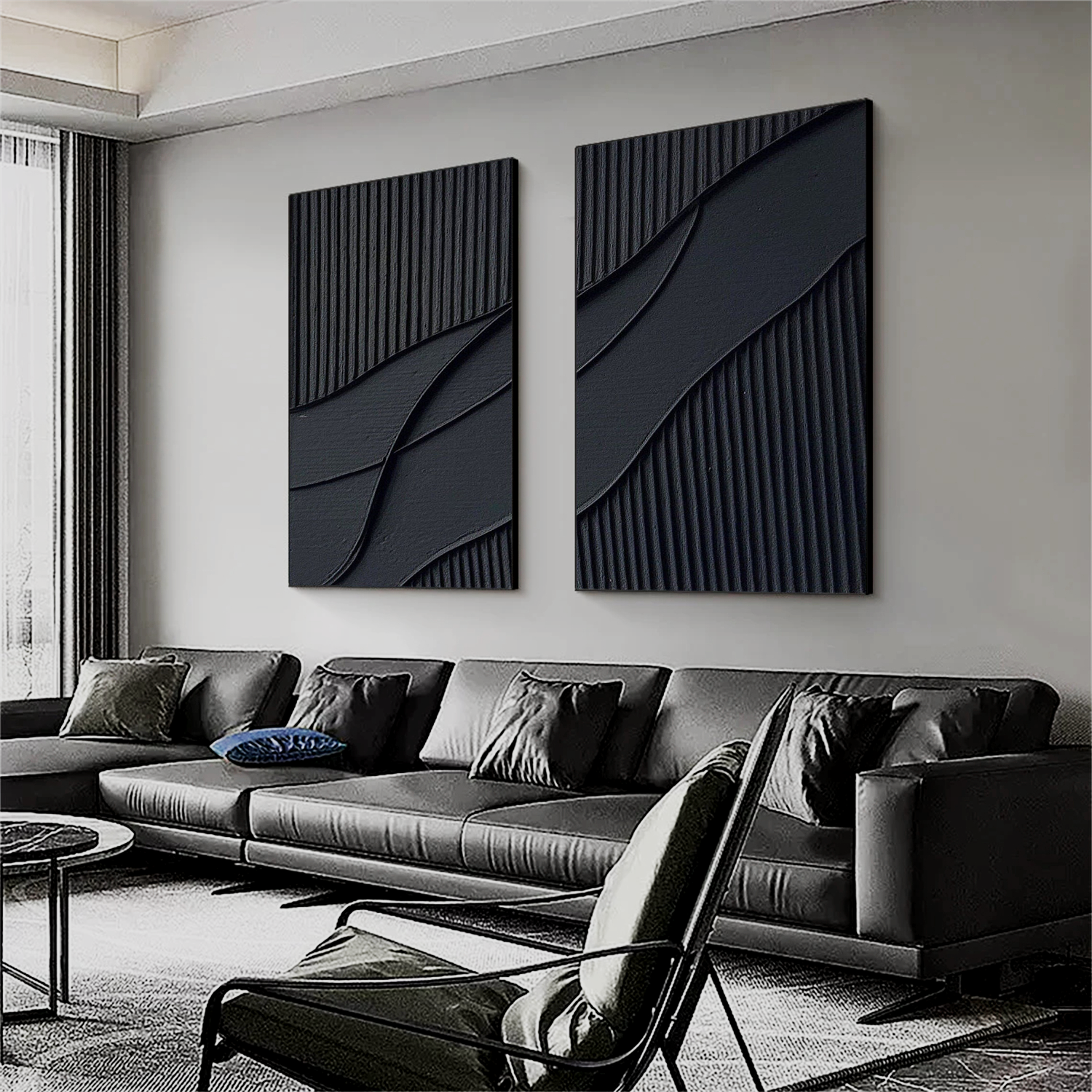
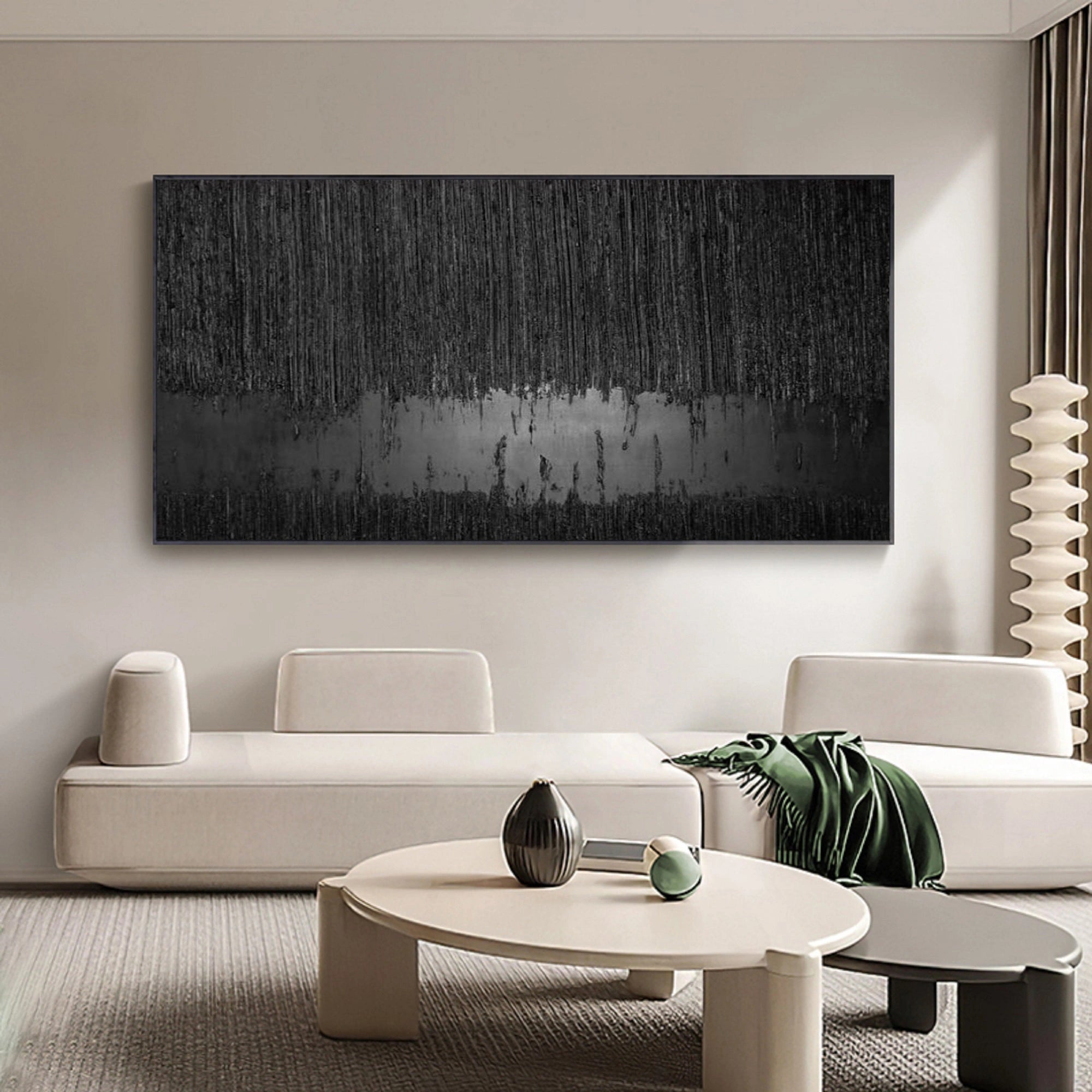
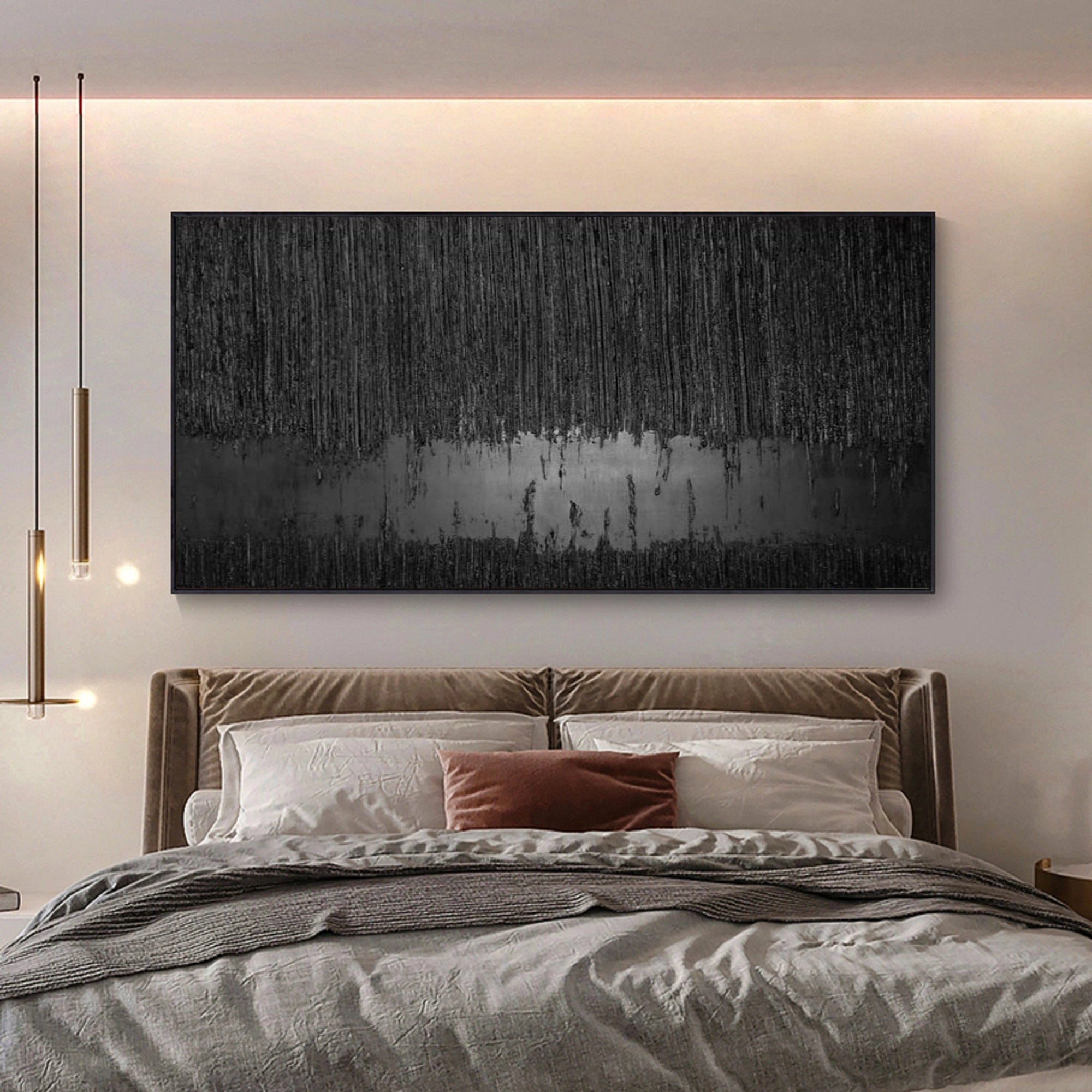
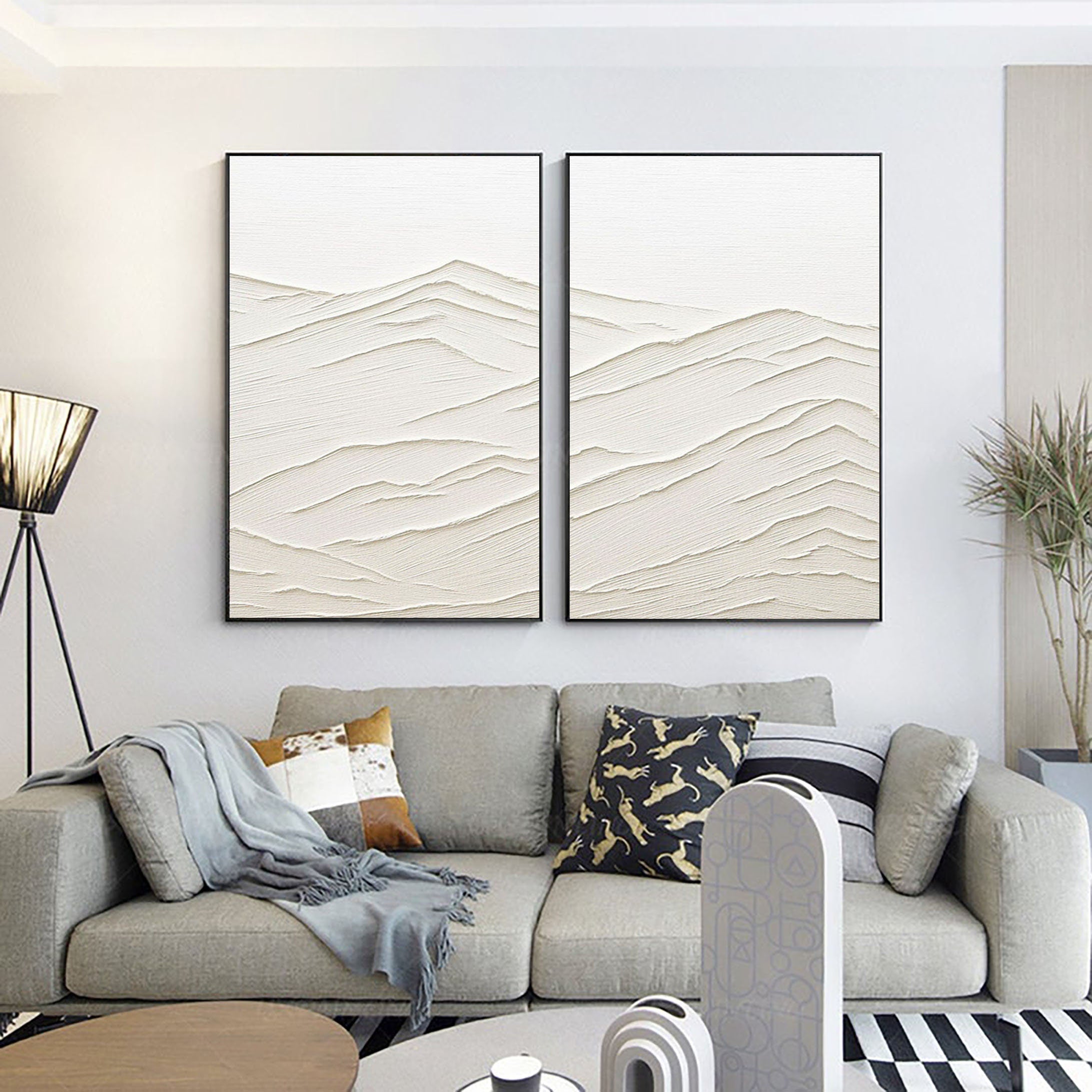
3D plaster art turns ordinary walls into stunning, textured pieces of visual depth, transforming spaces with its sculptural nature. By blending traditional plaster techniques with modern design, it creates an immersive experience that elevates both residential and commercial interiors. This unique form of art engages the senses, adding elegance, tactility, and timeless appeal to any environment.
How Does 3D Plaster Art Differ from Regular Wall Design?
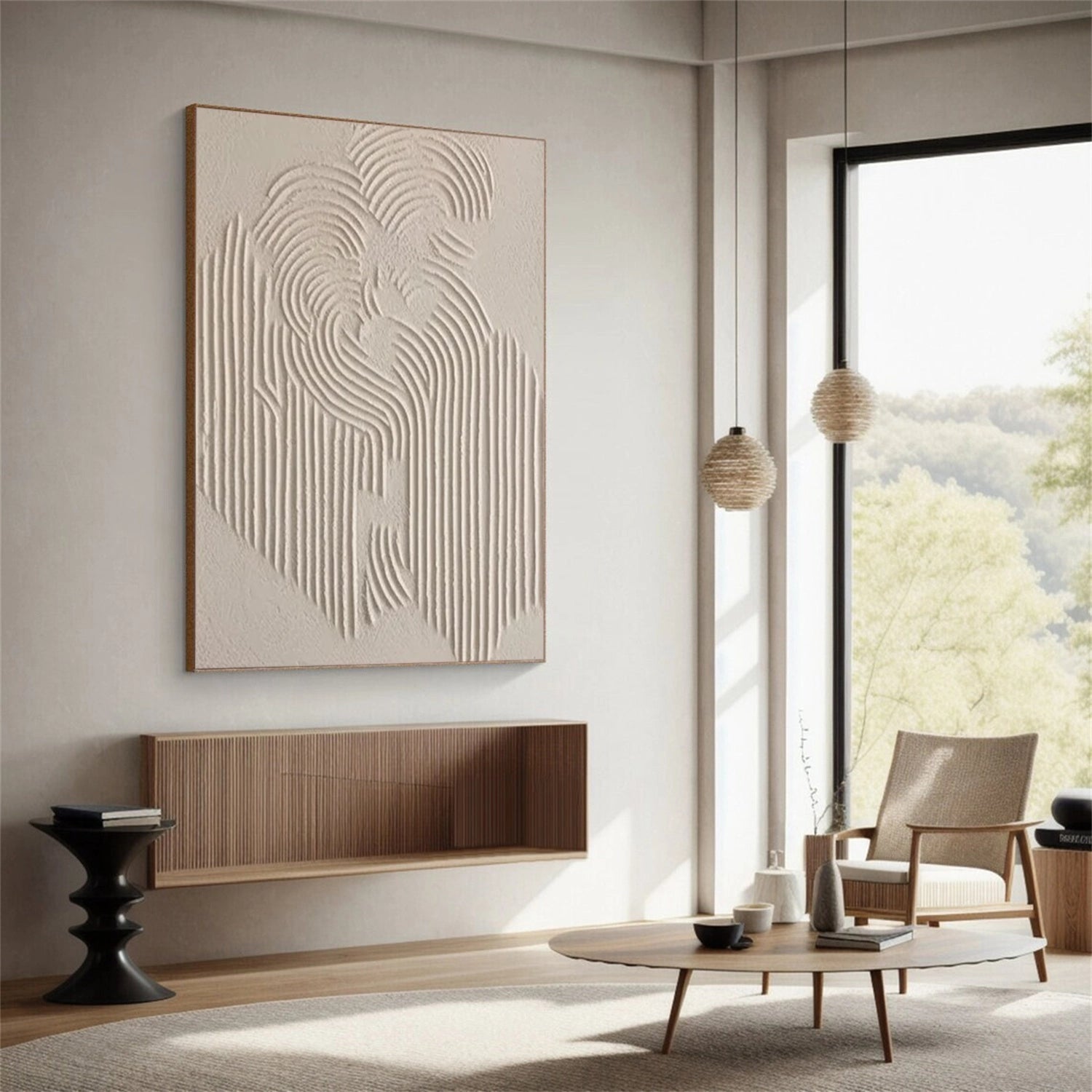
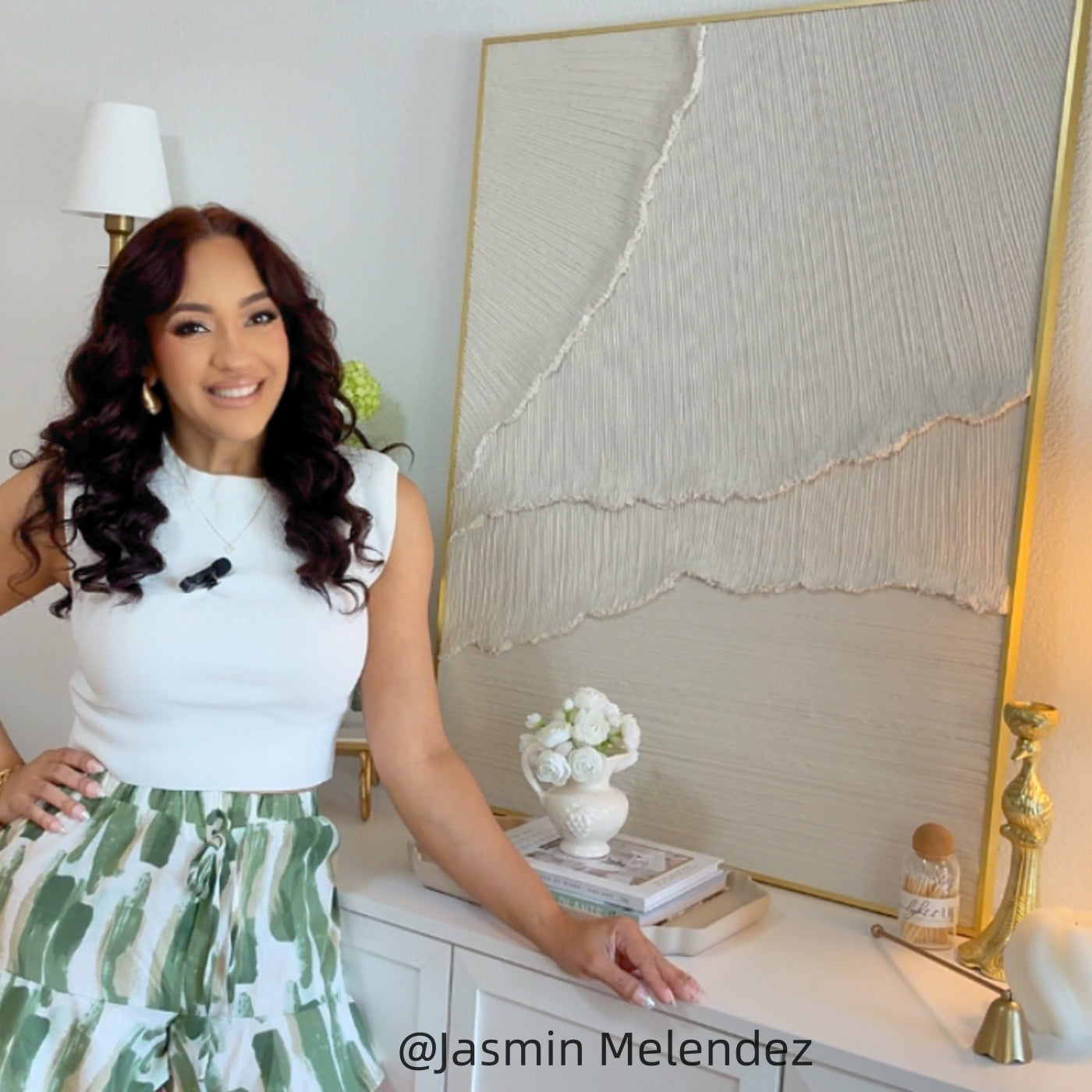
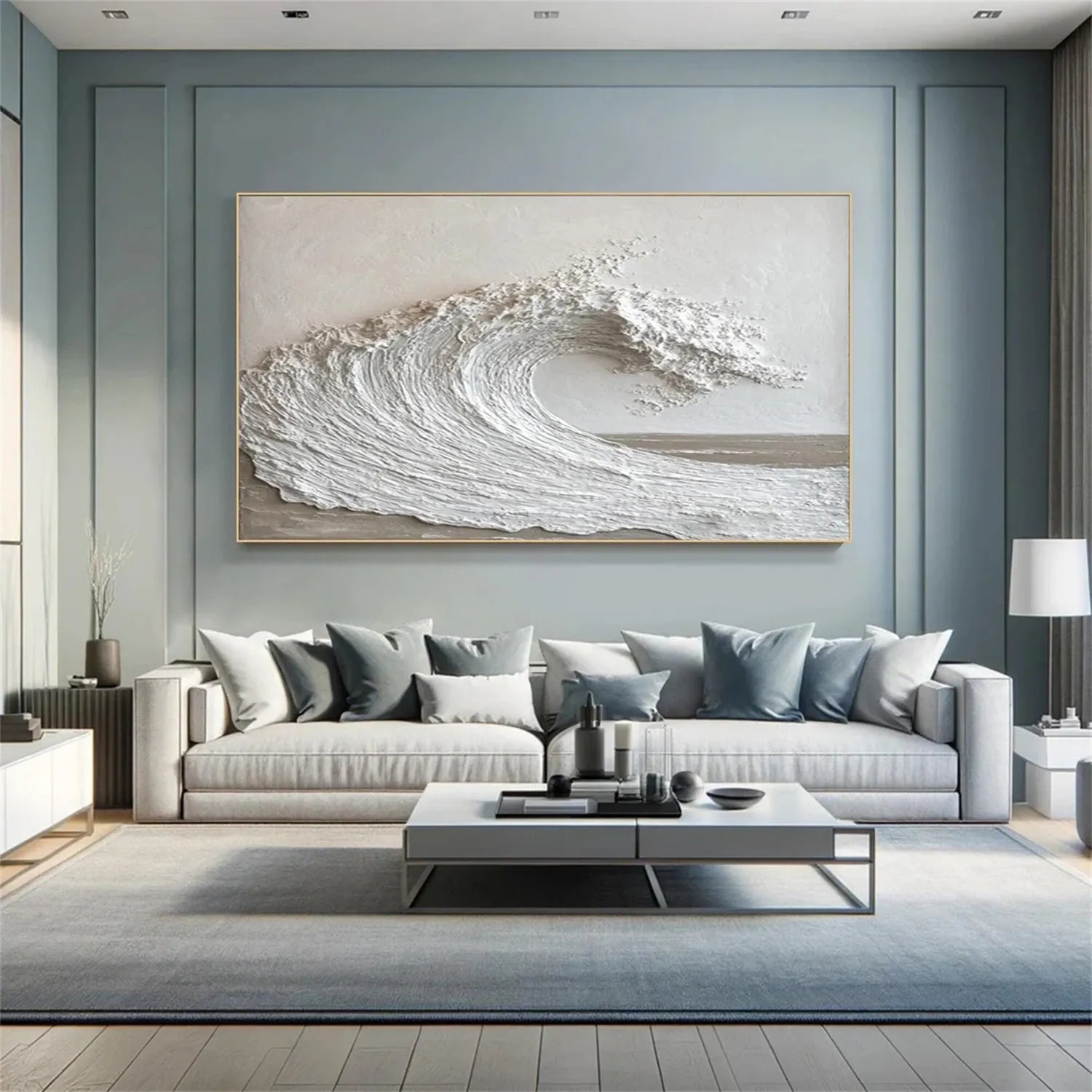
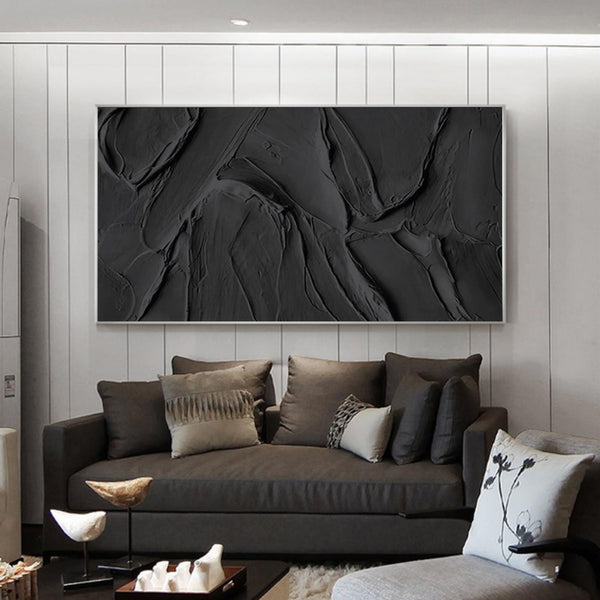
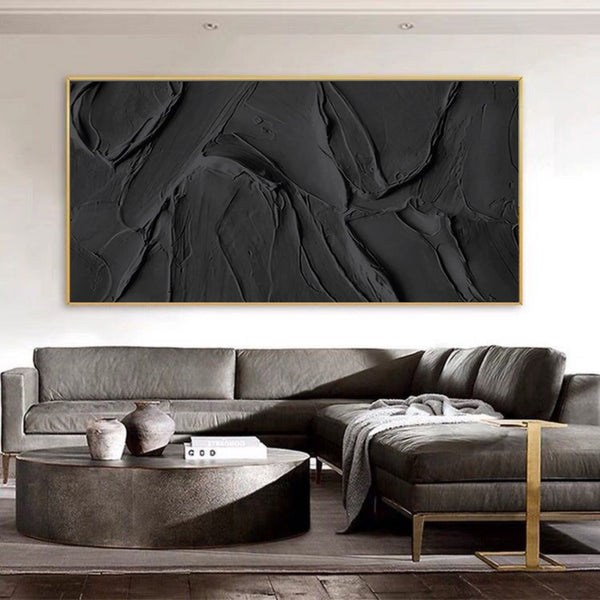
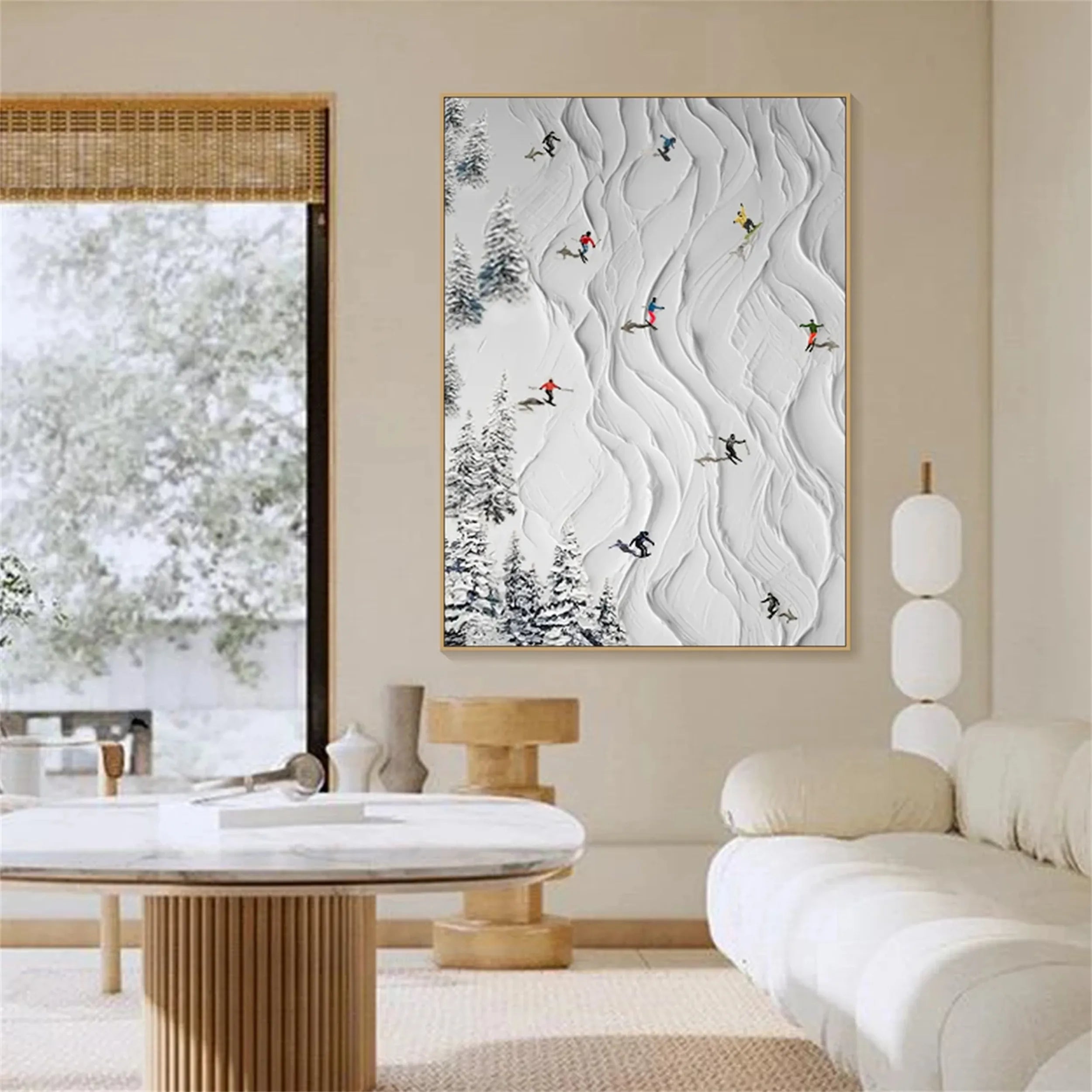
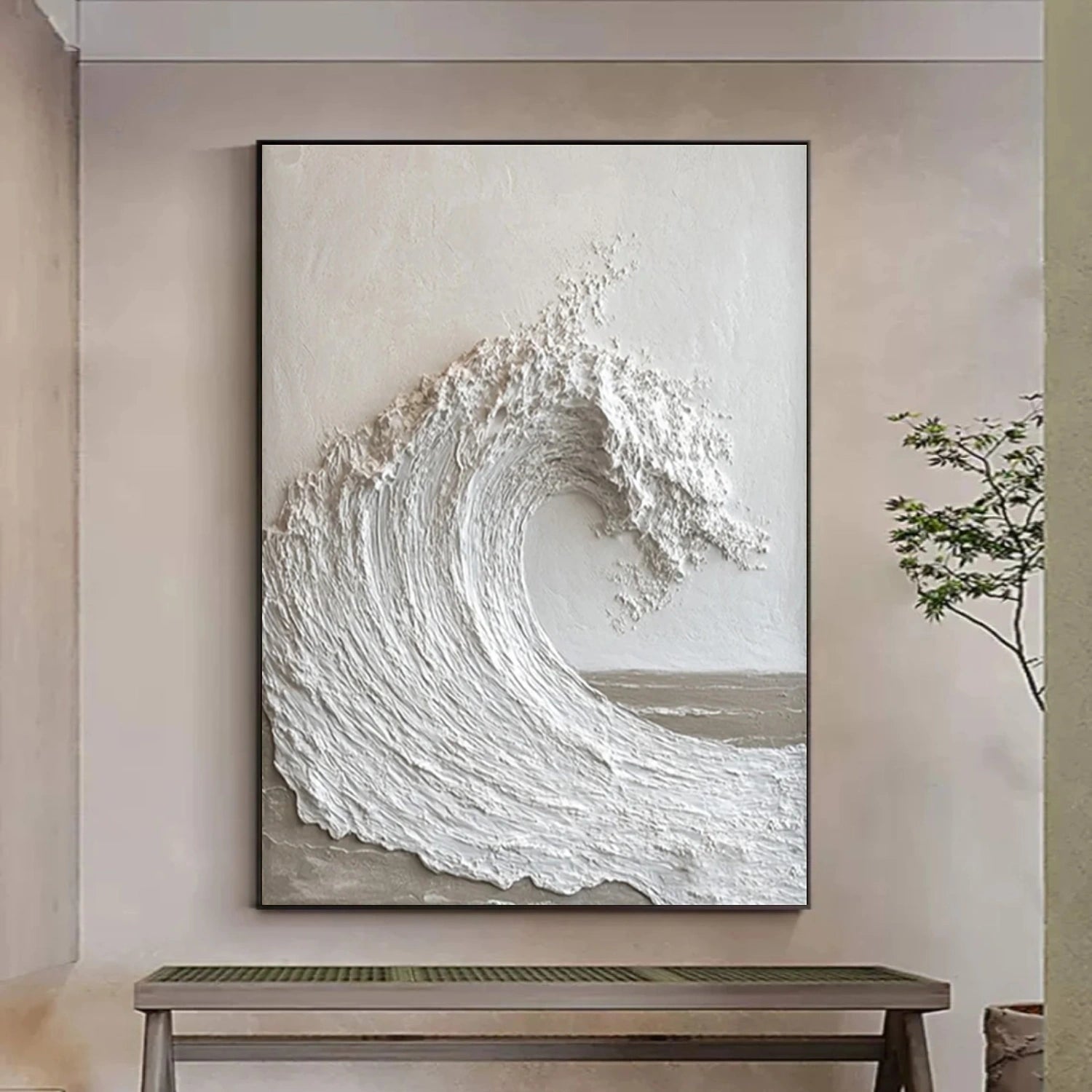
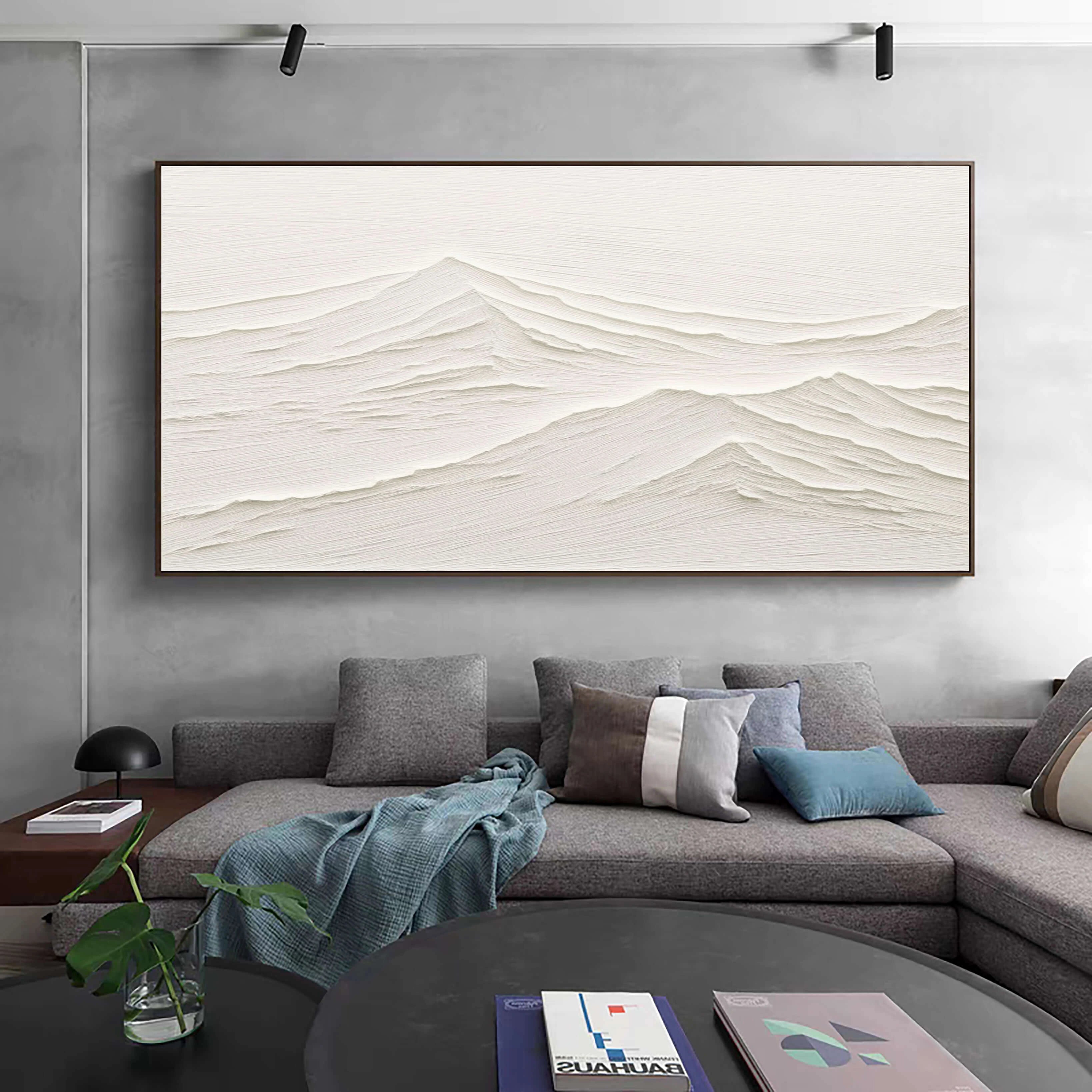
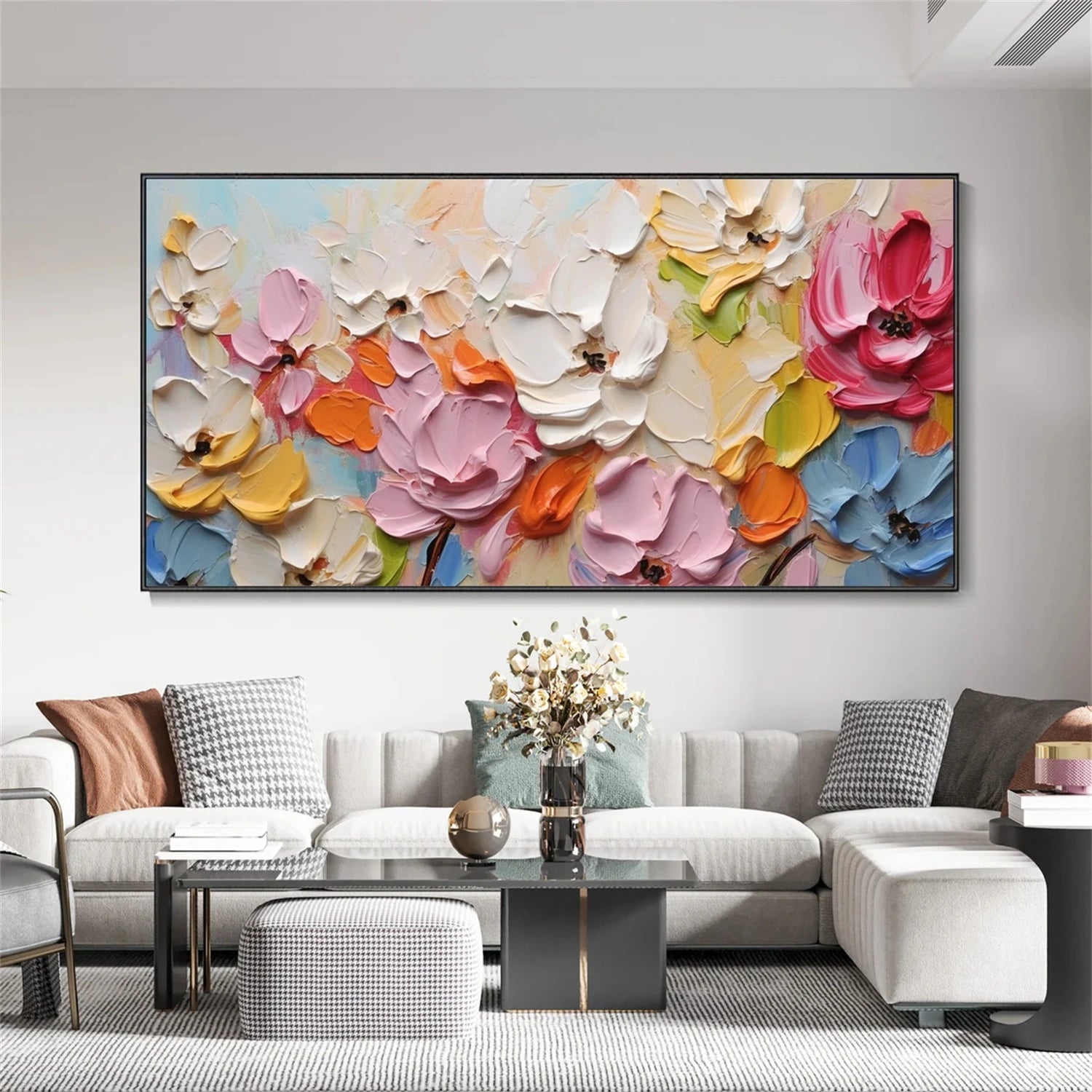
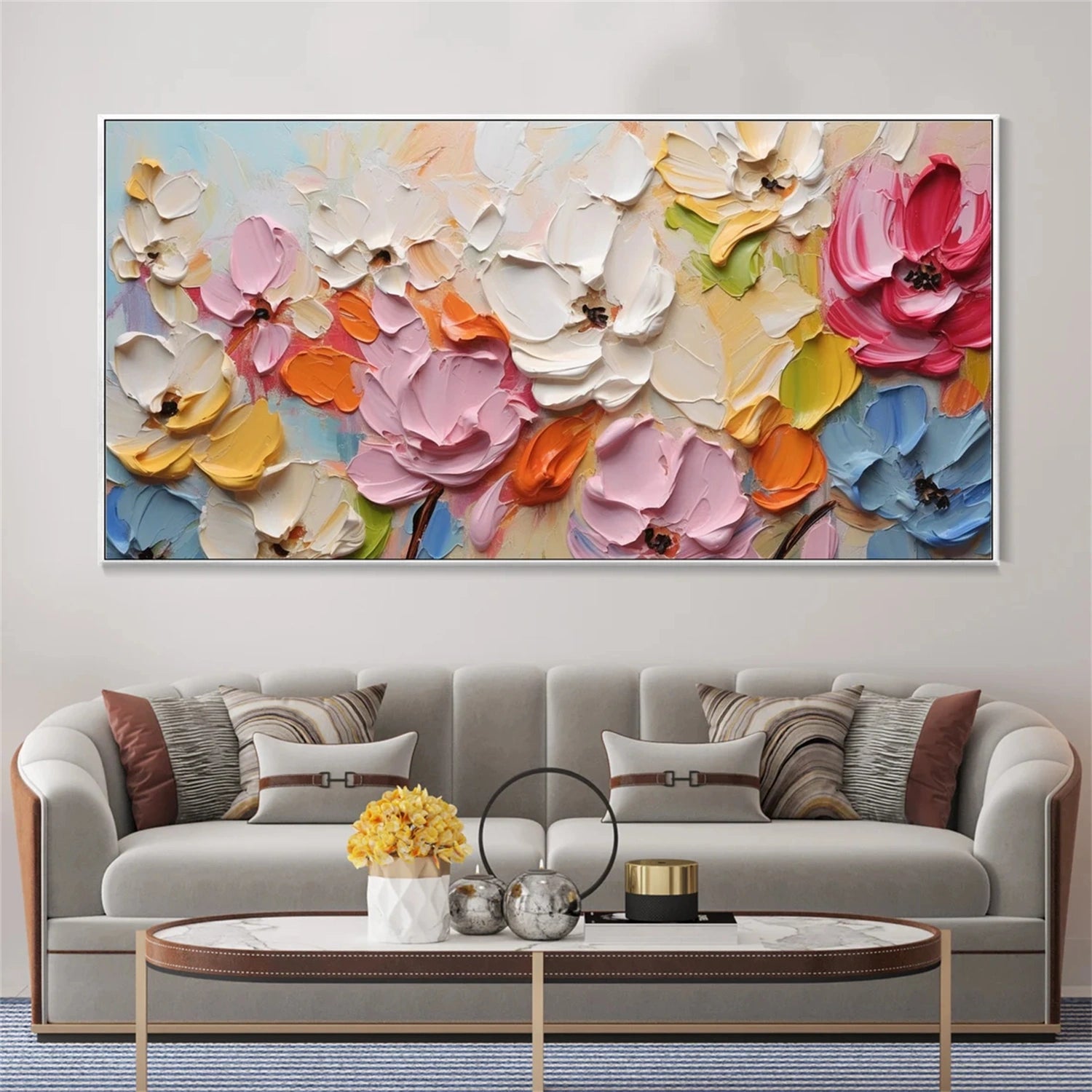
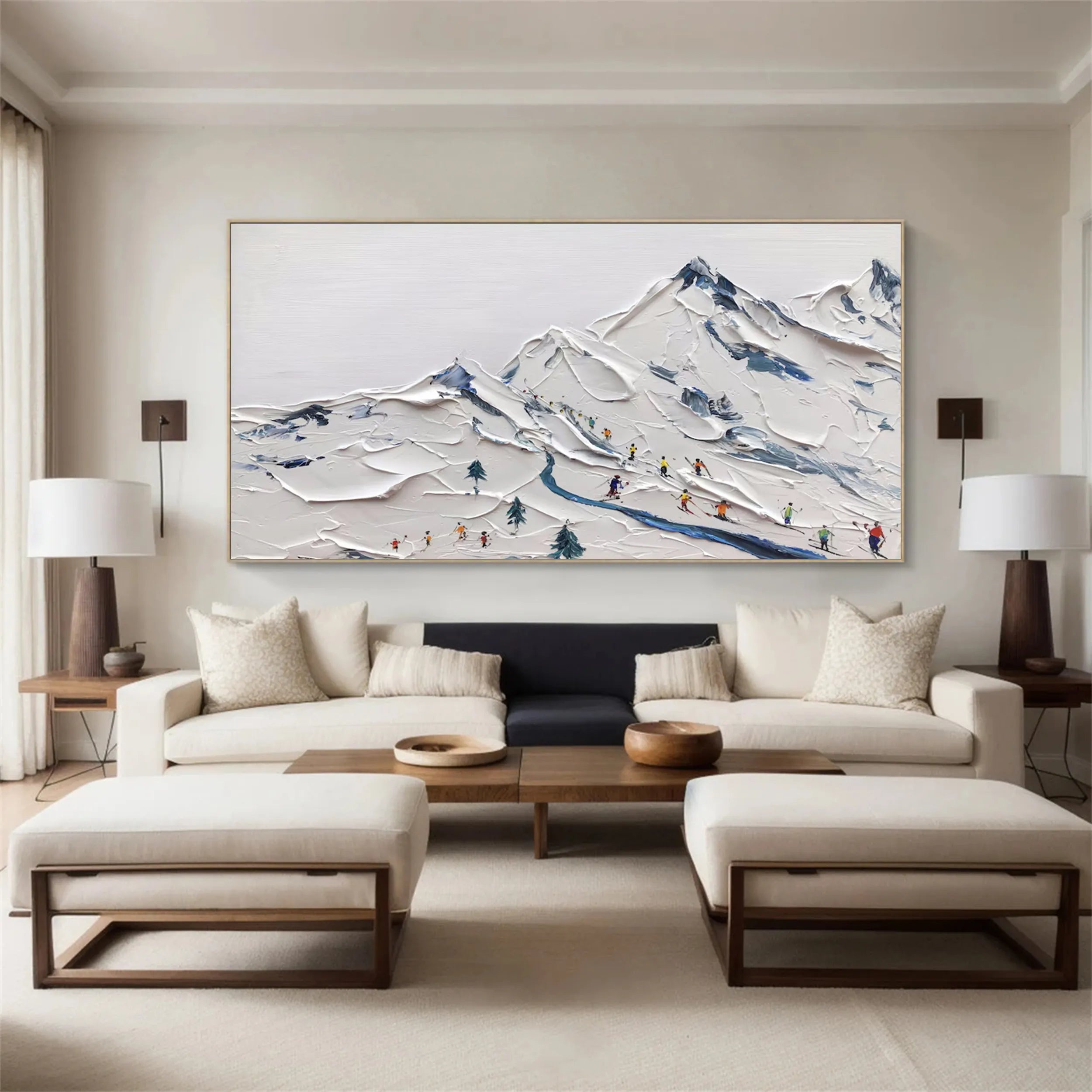
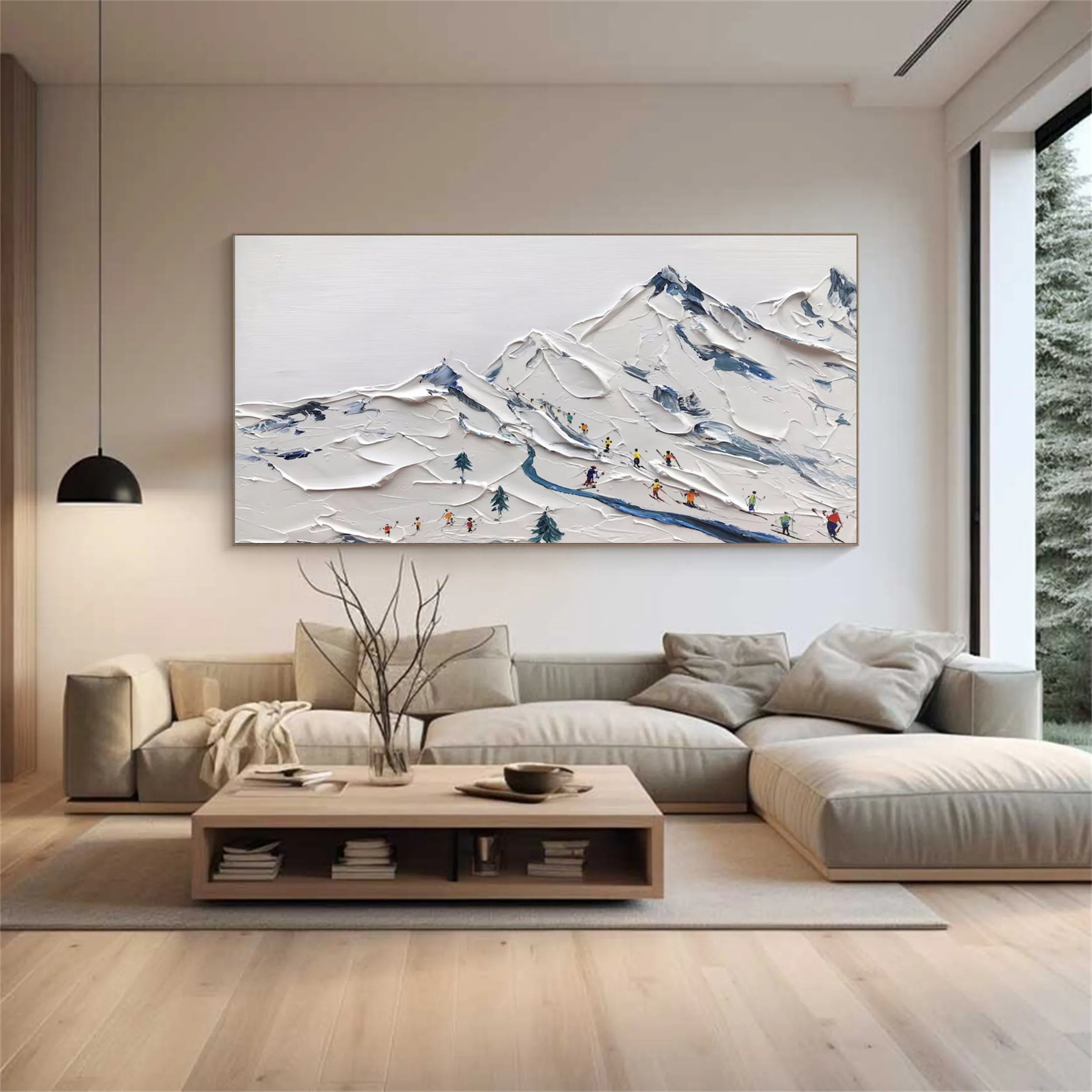
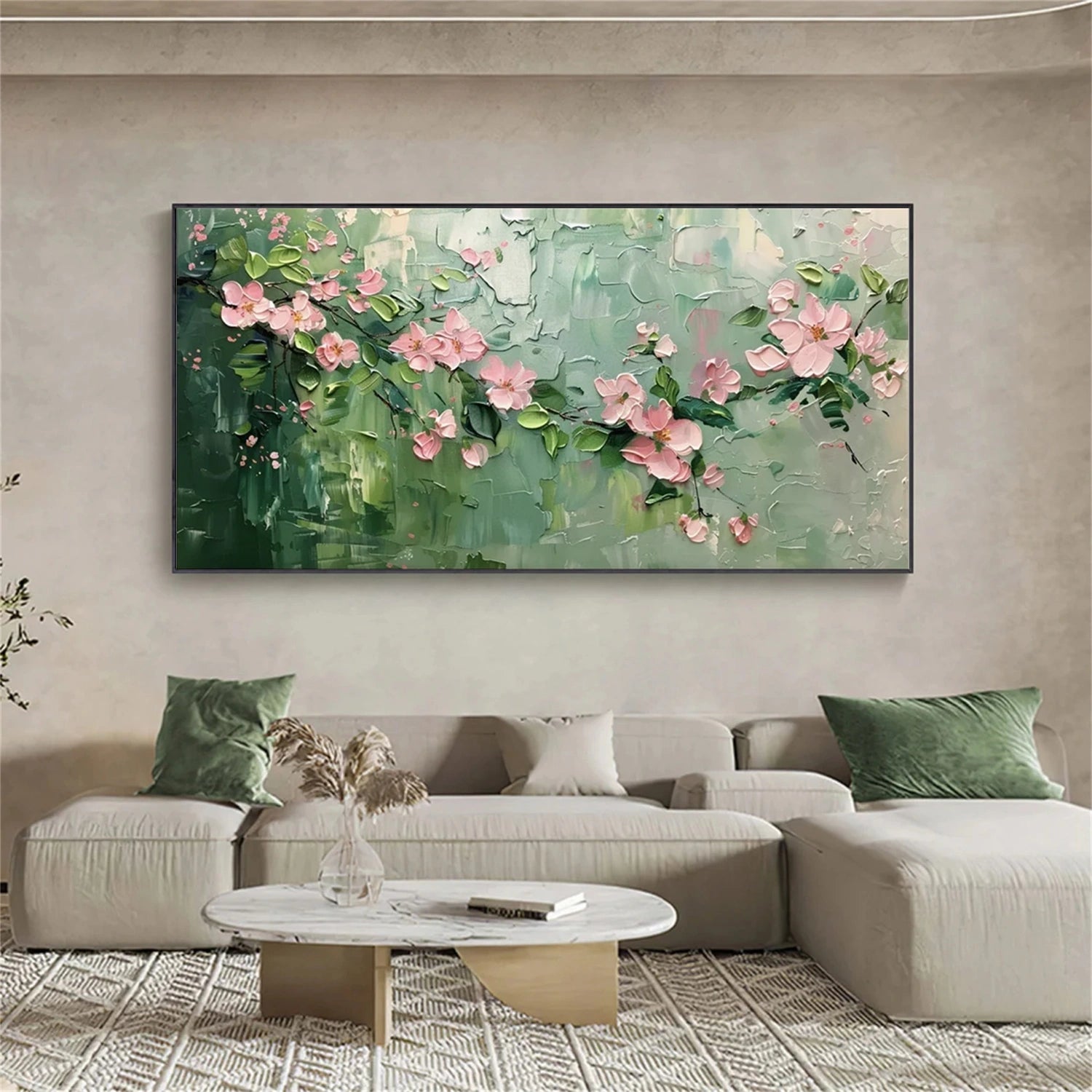
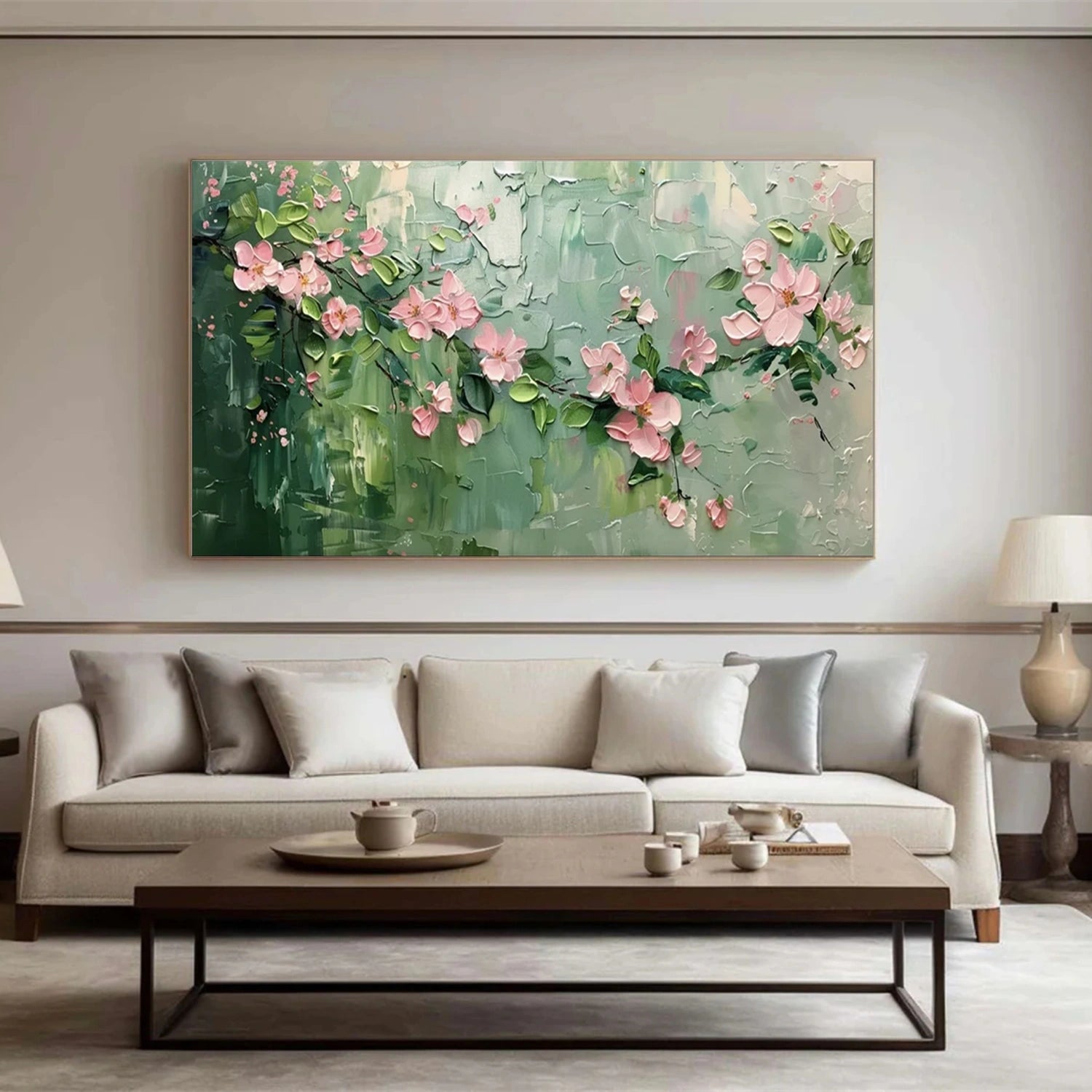
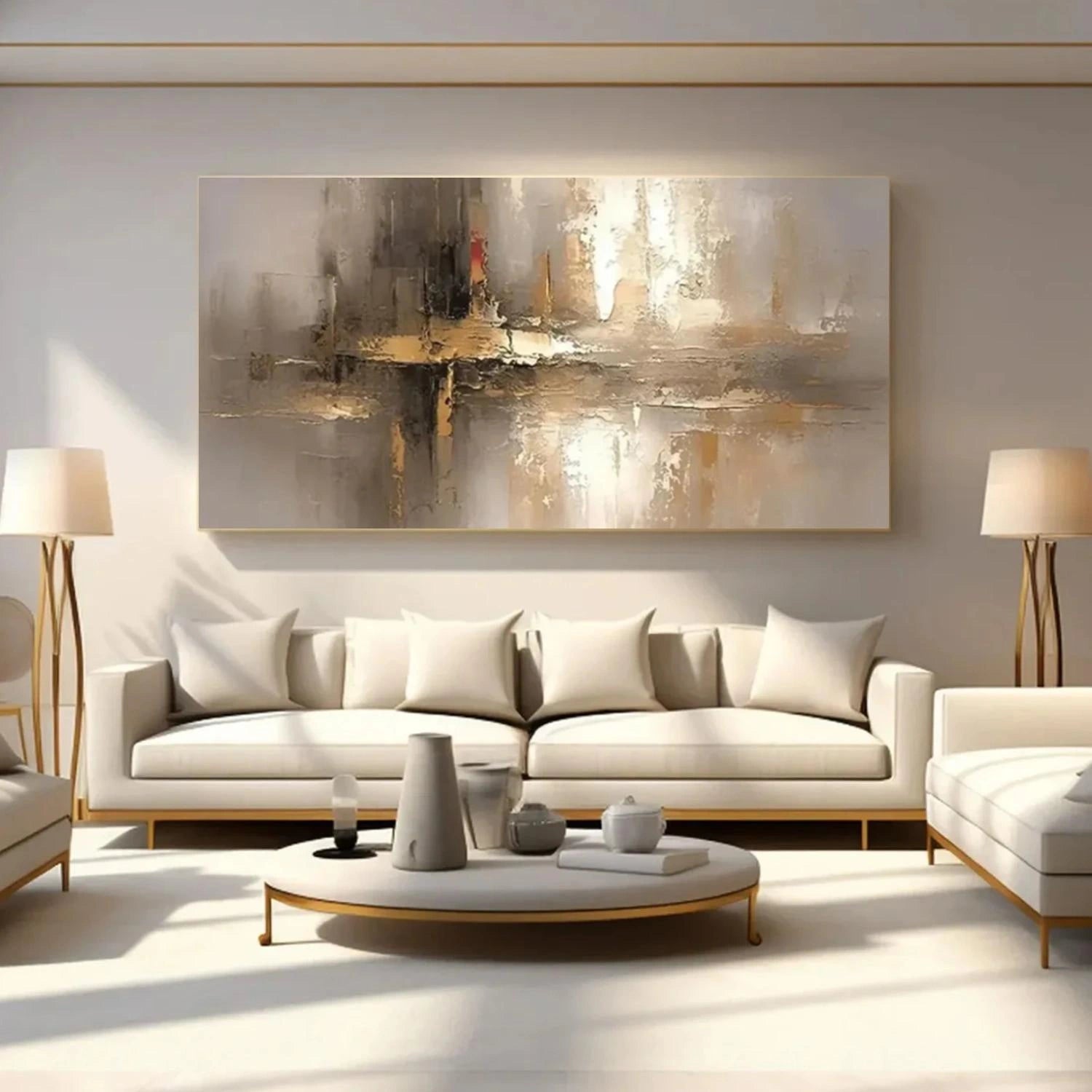
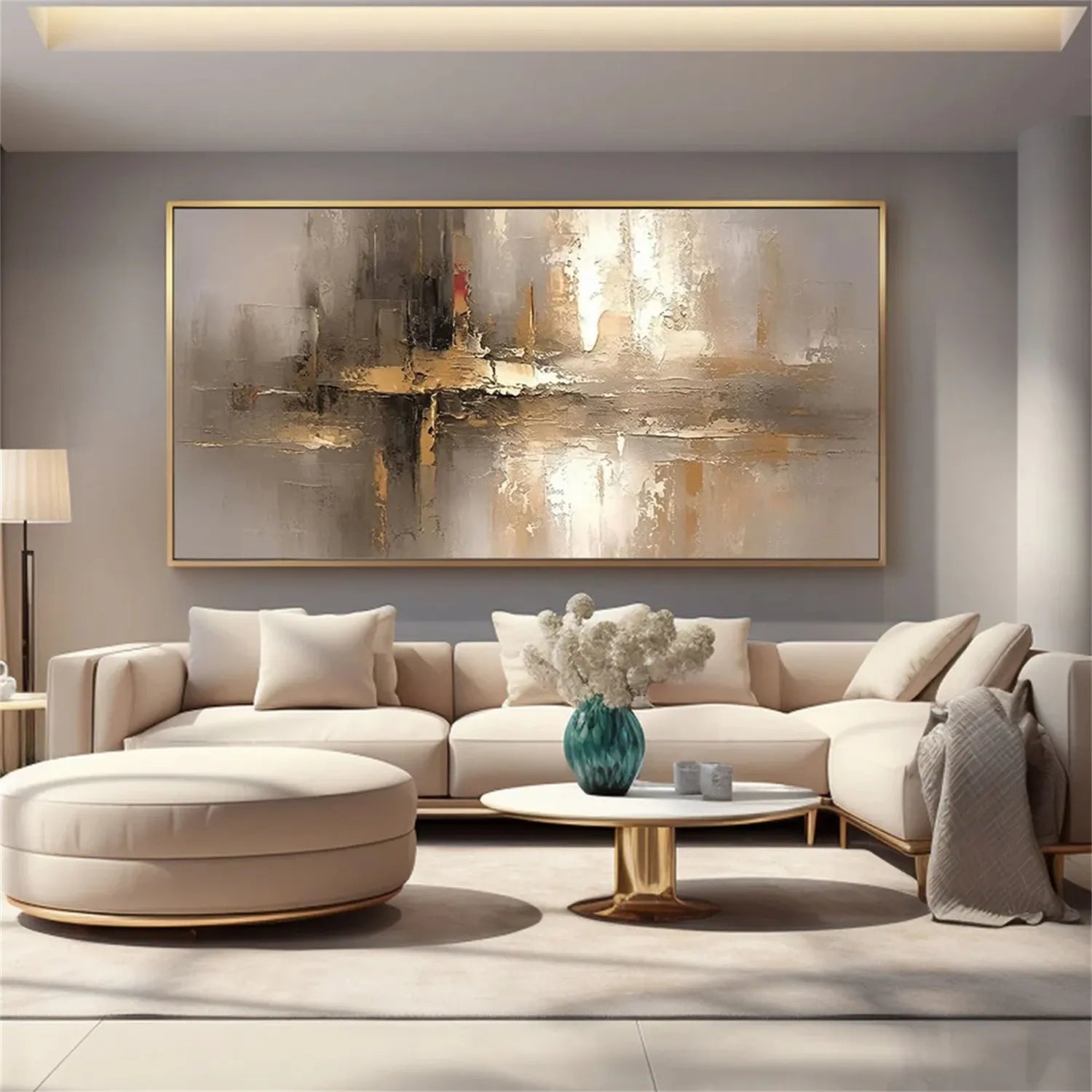
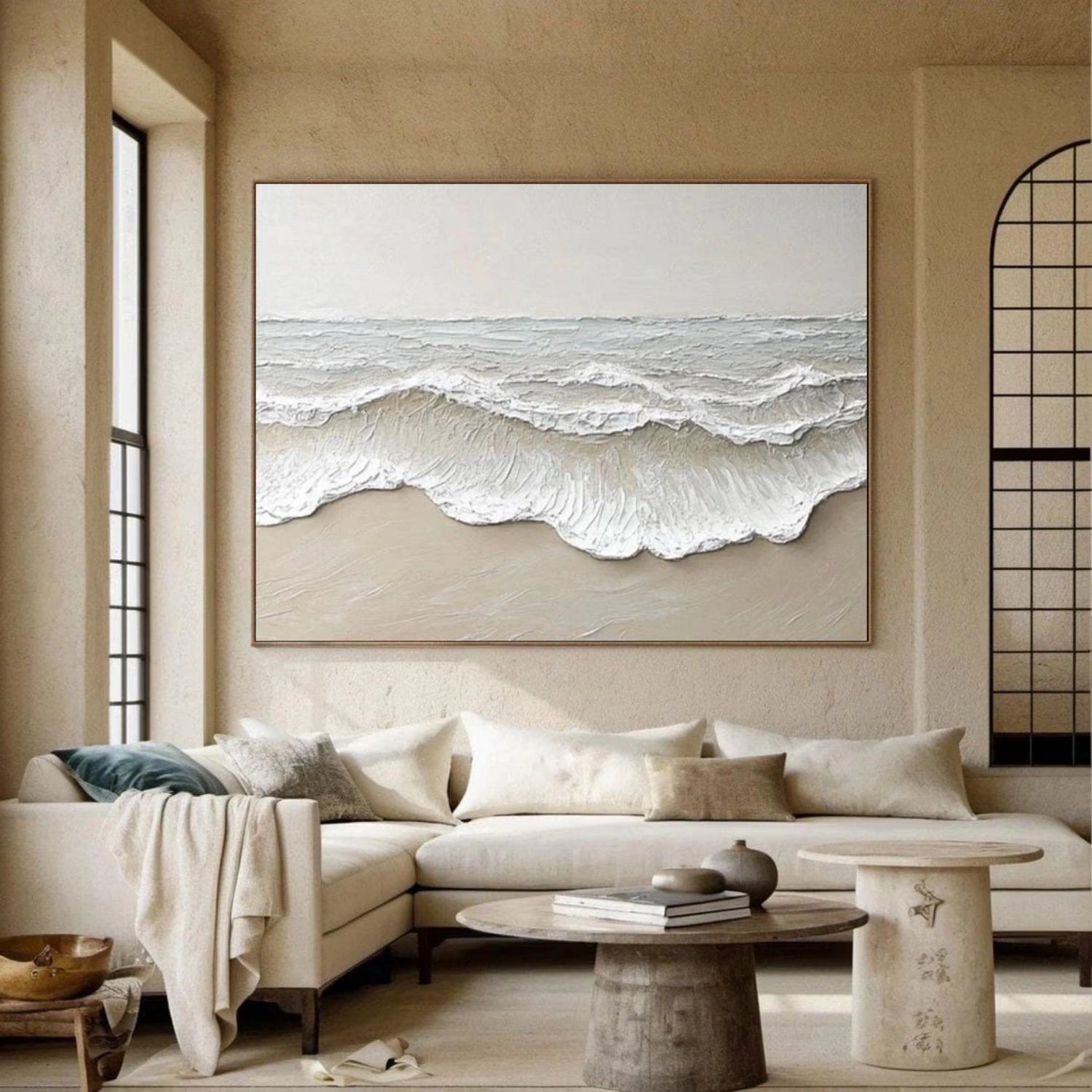
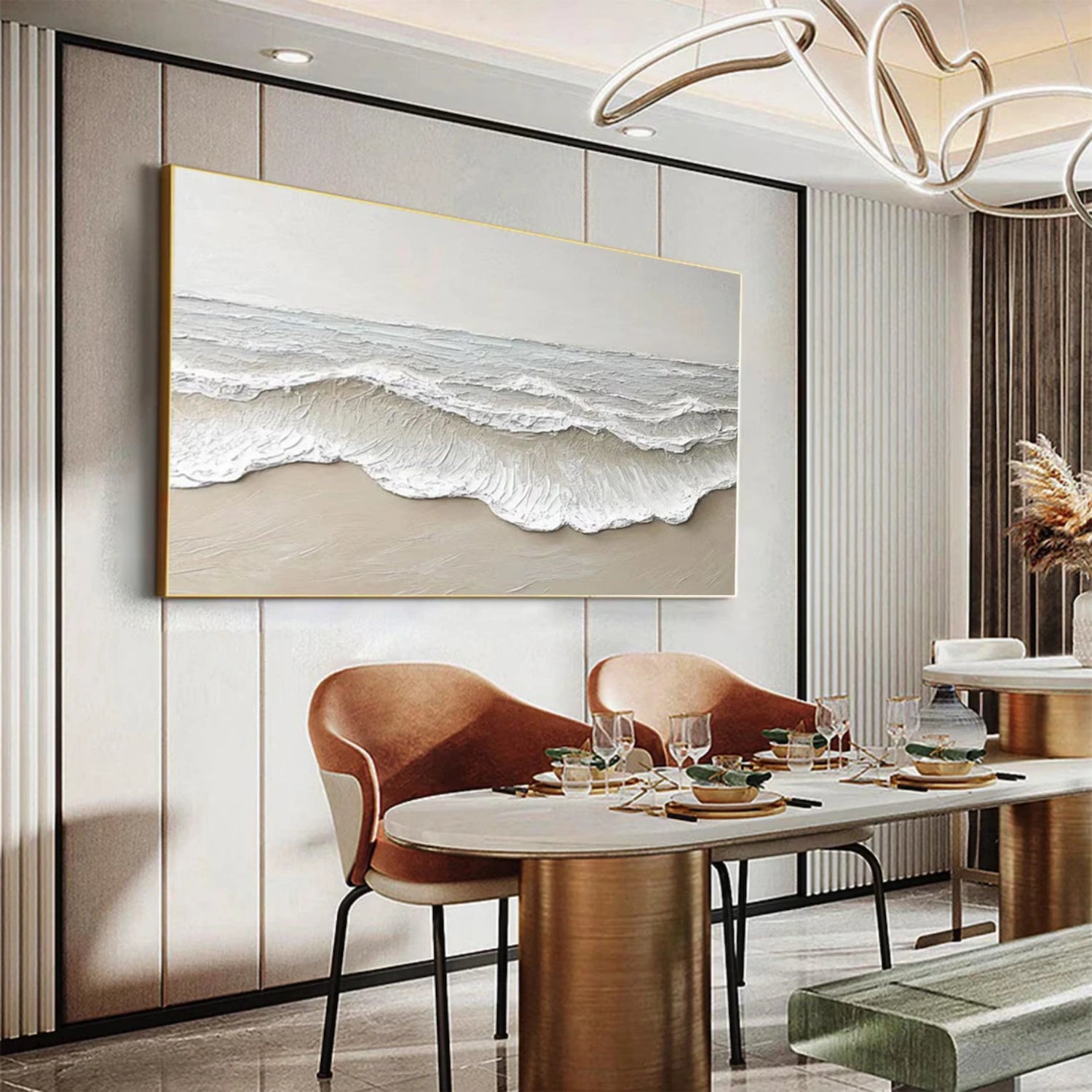
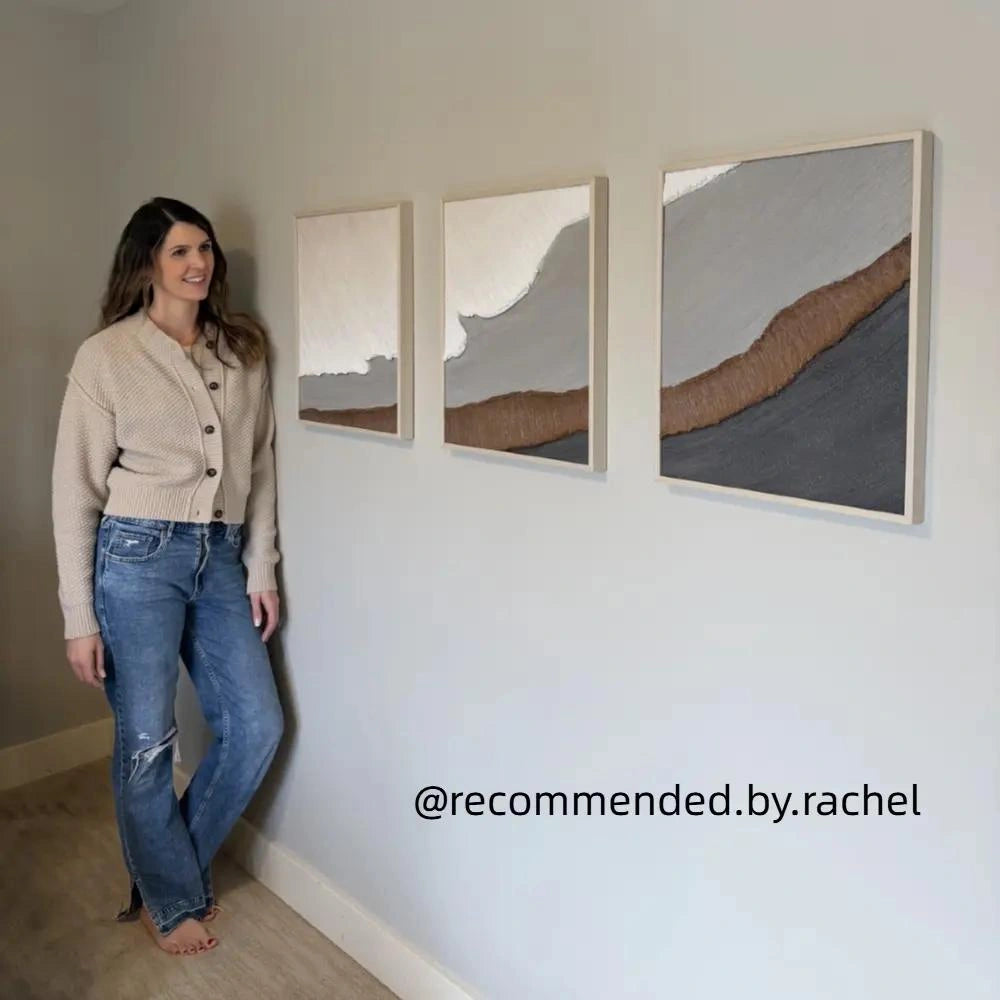
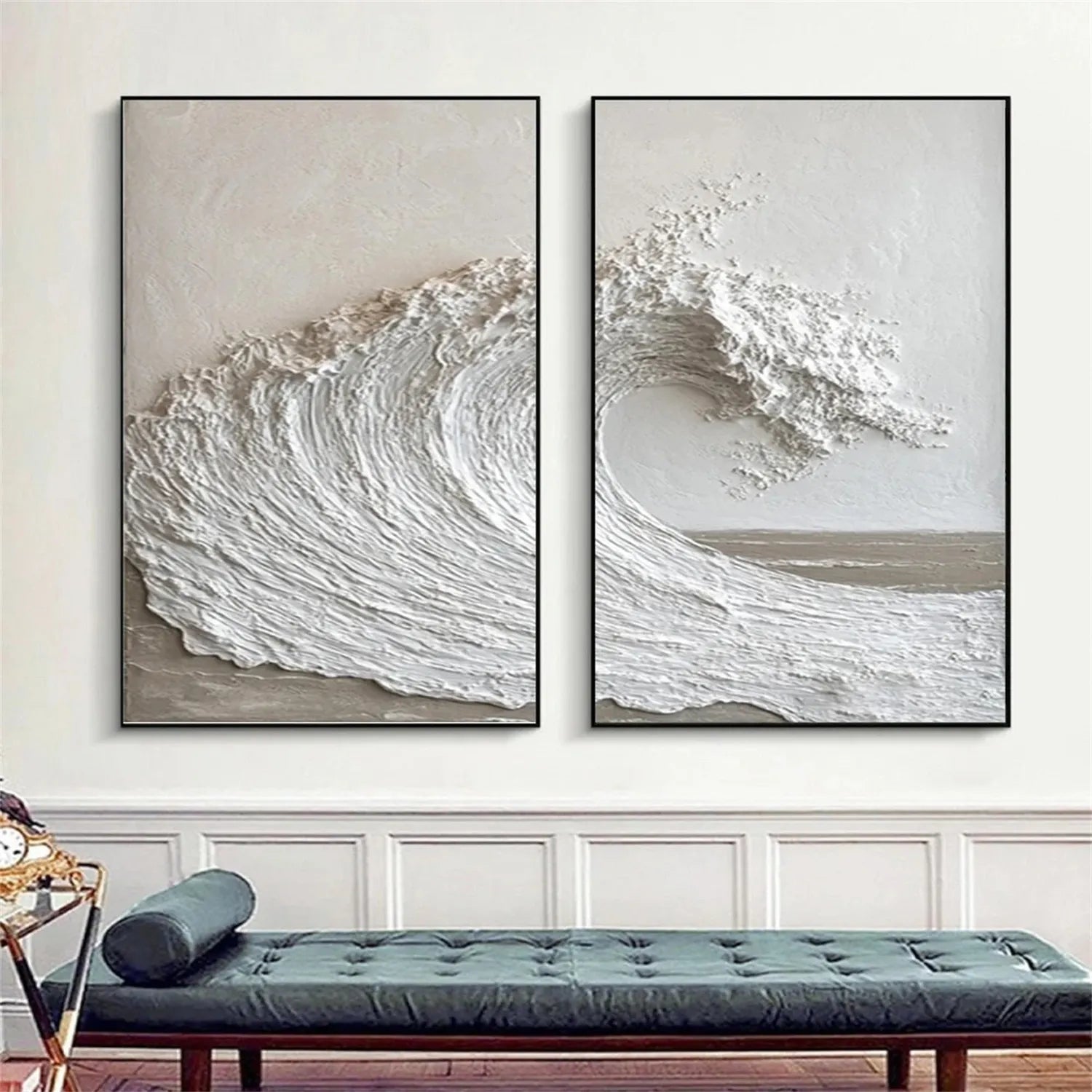
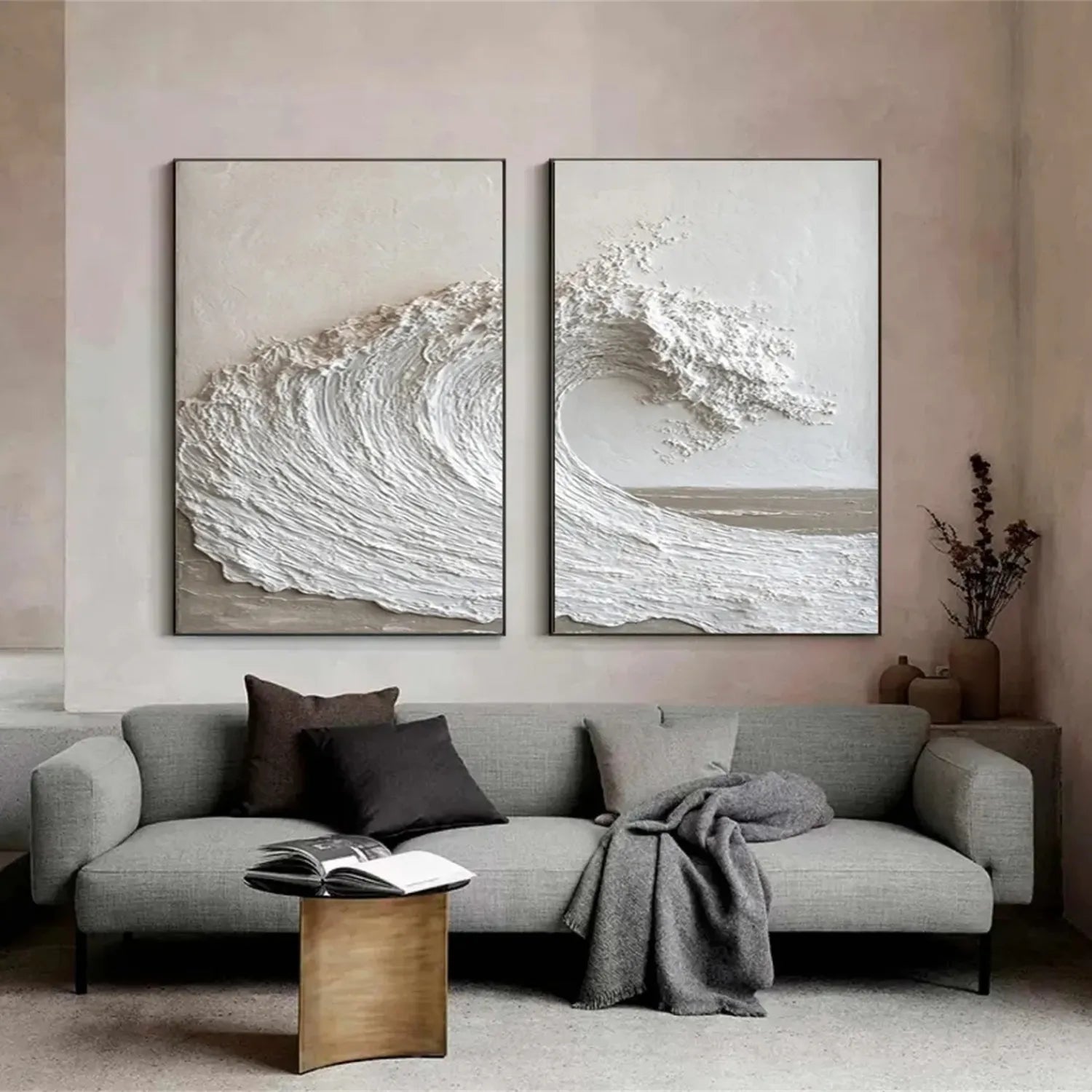
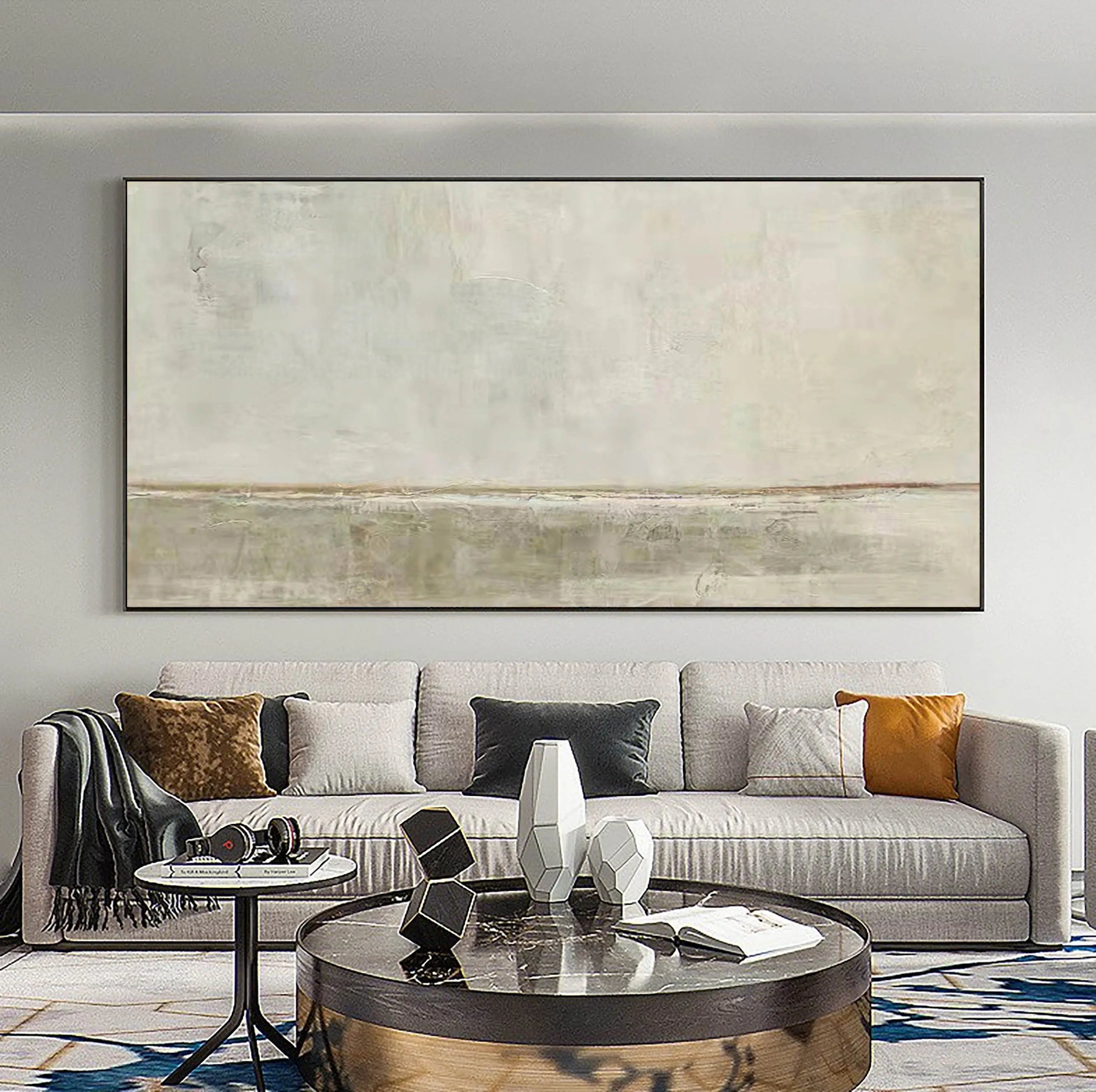
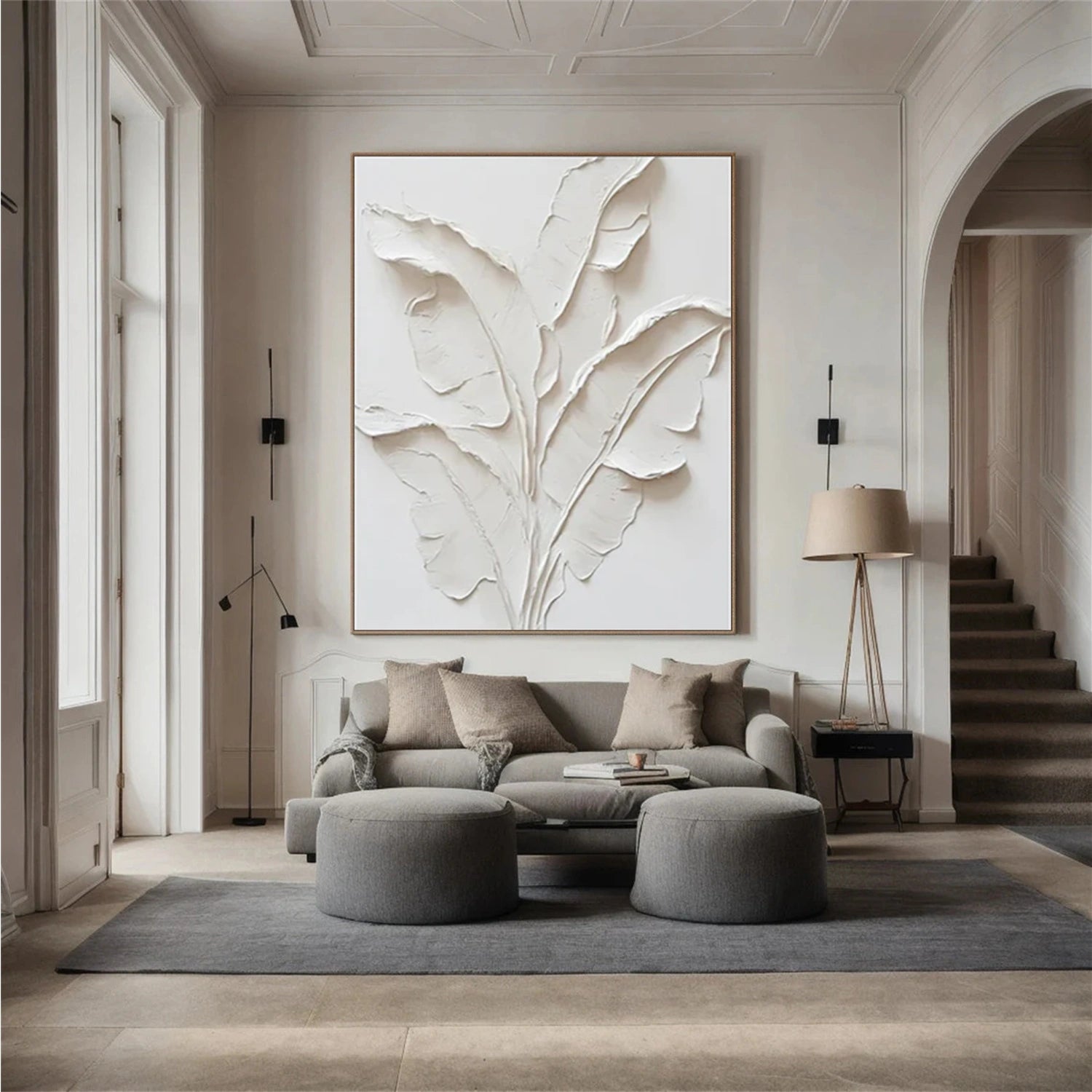
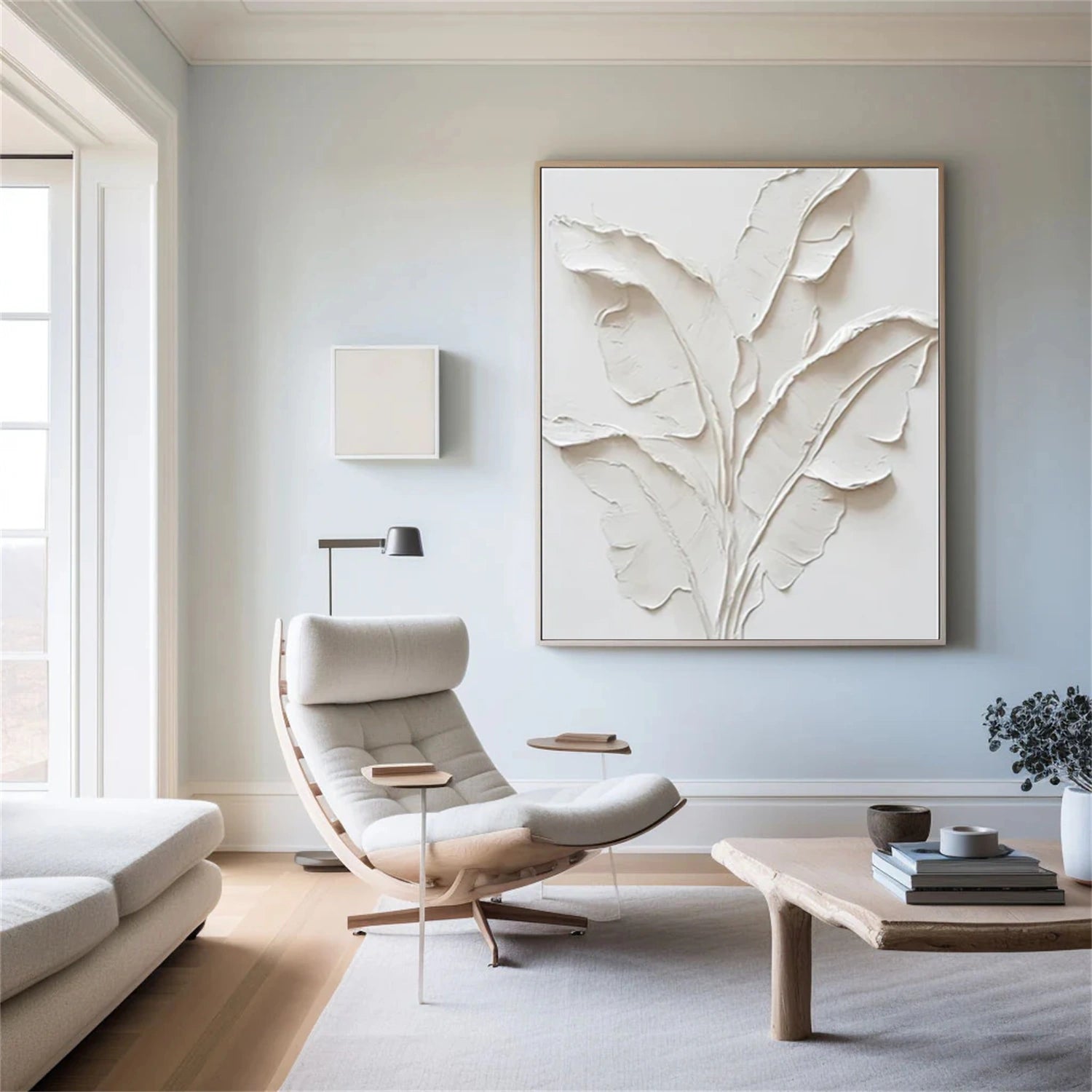
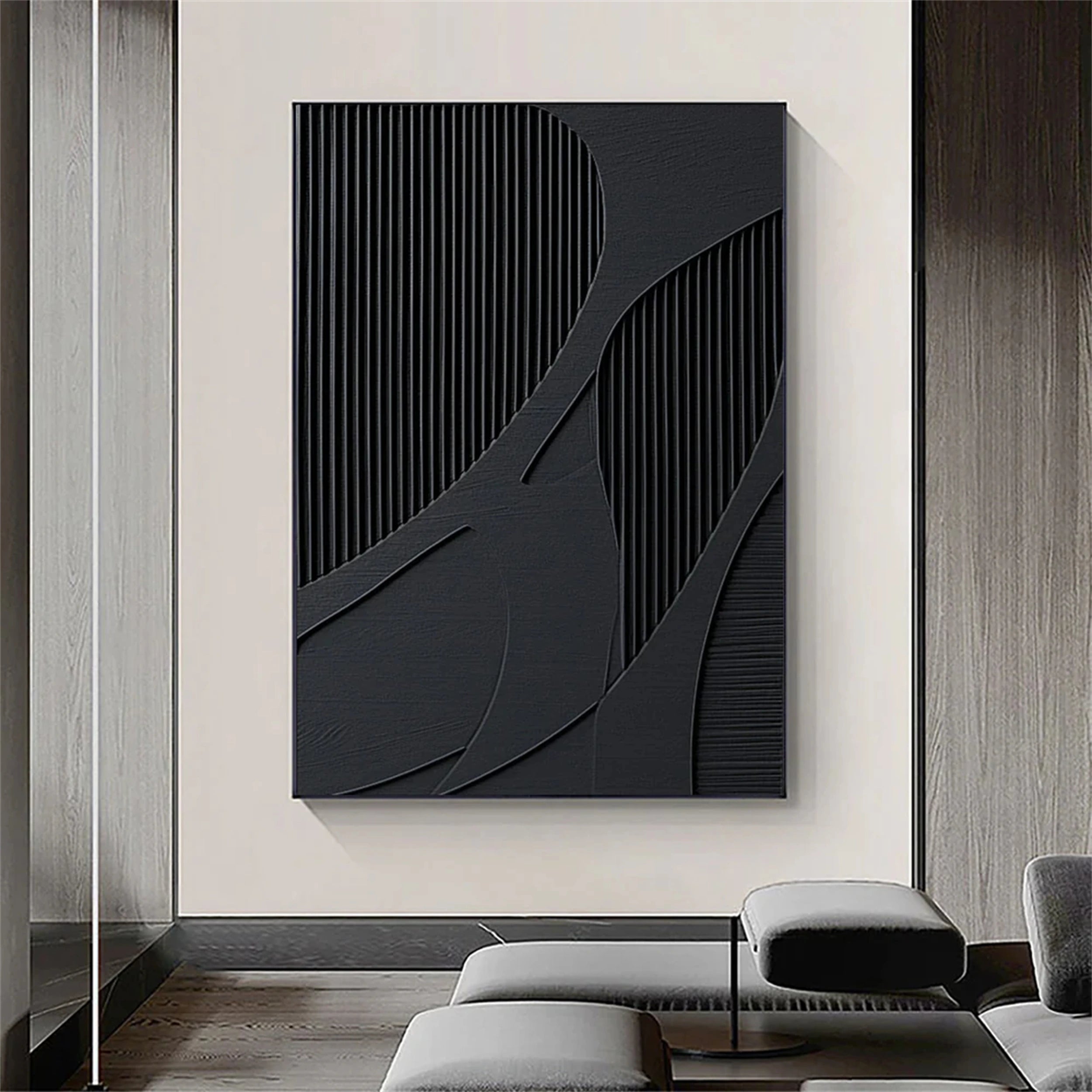
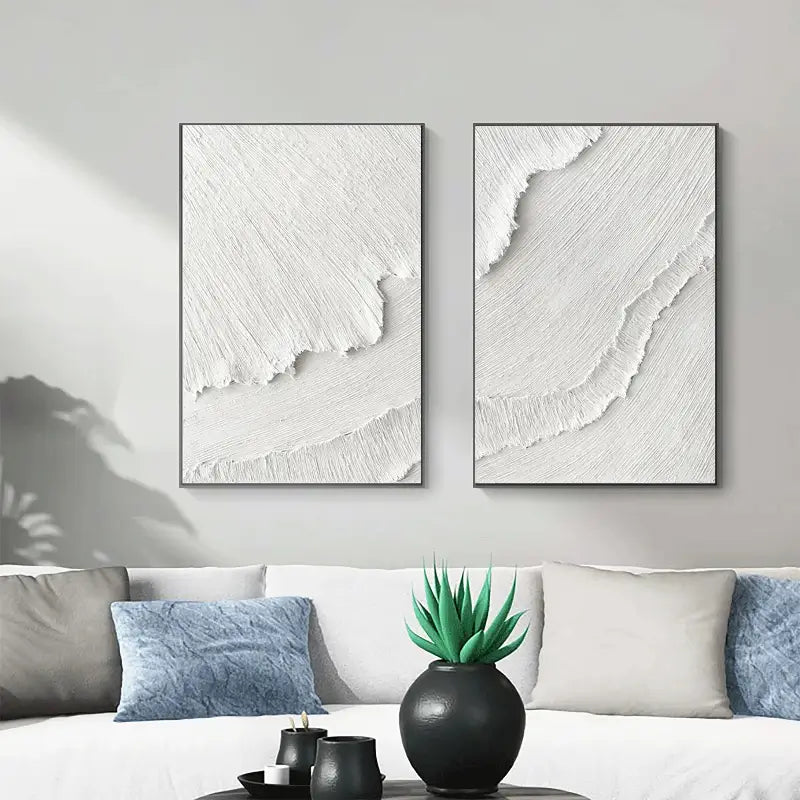
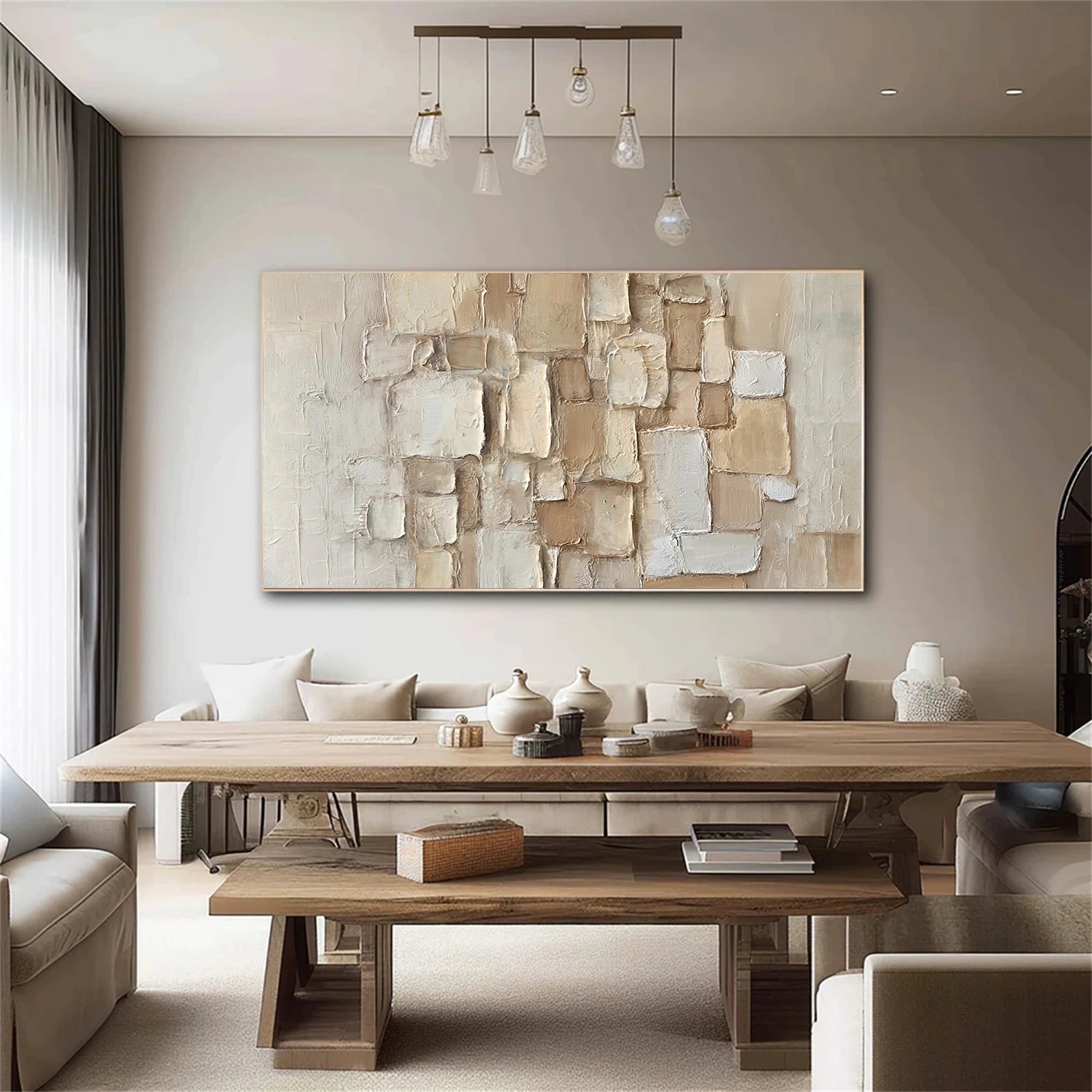
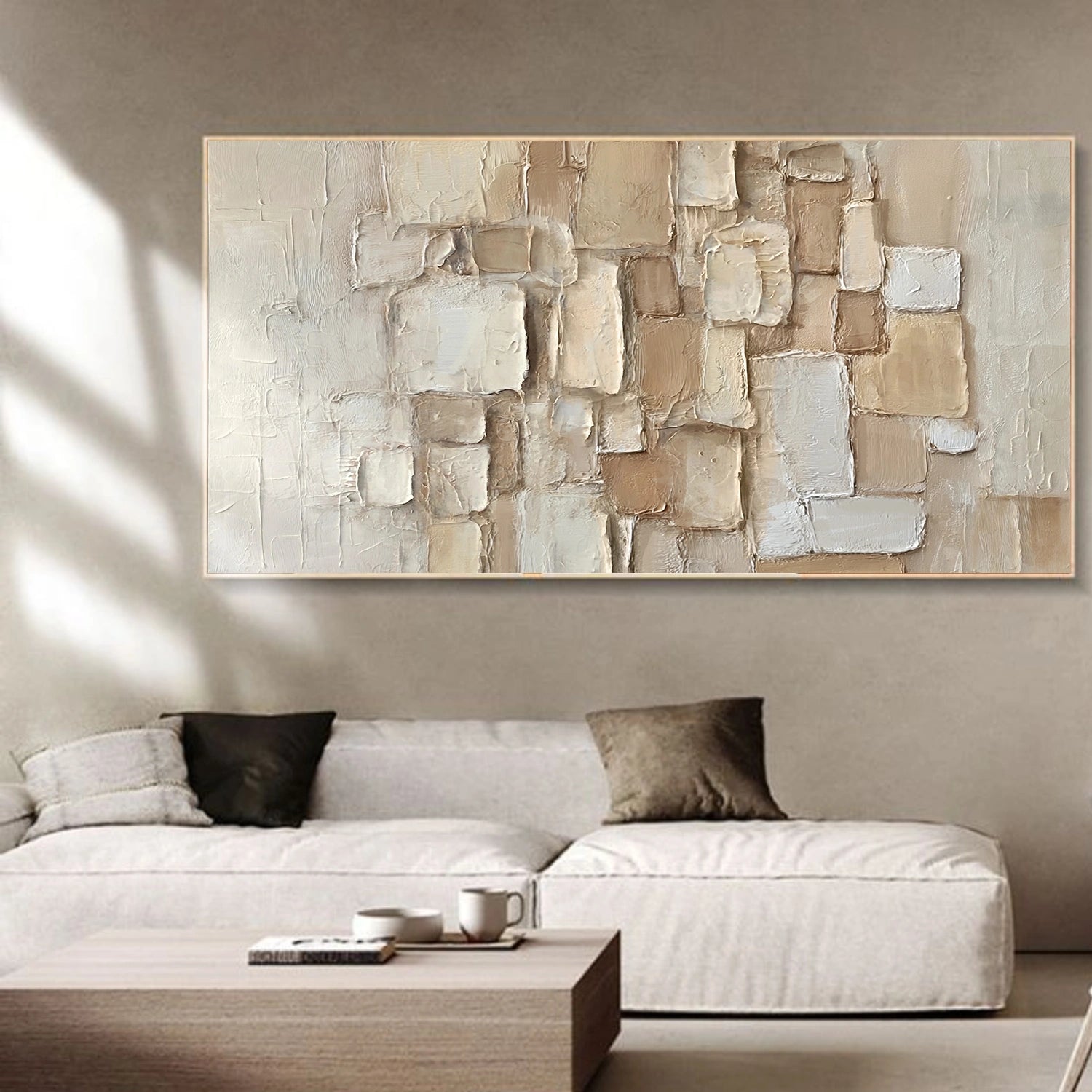
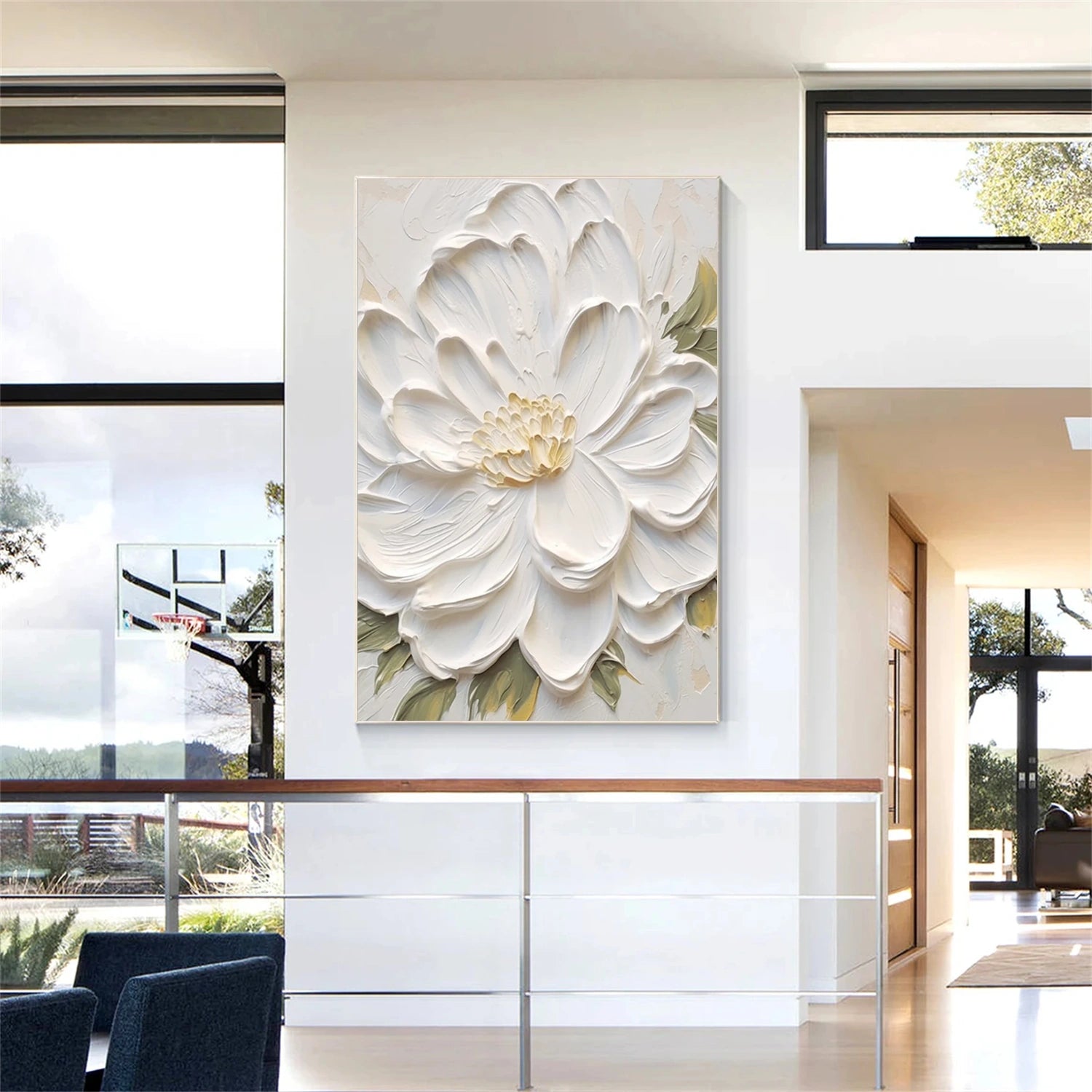
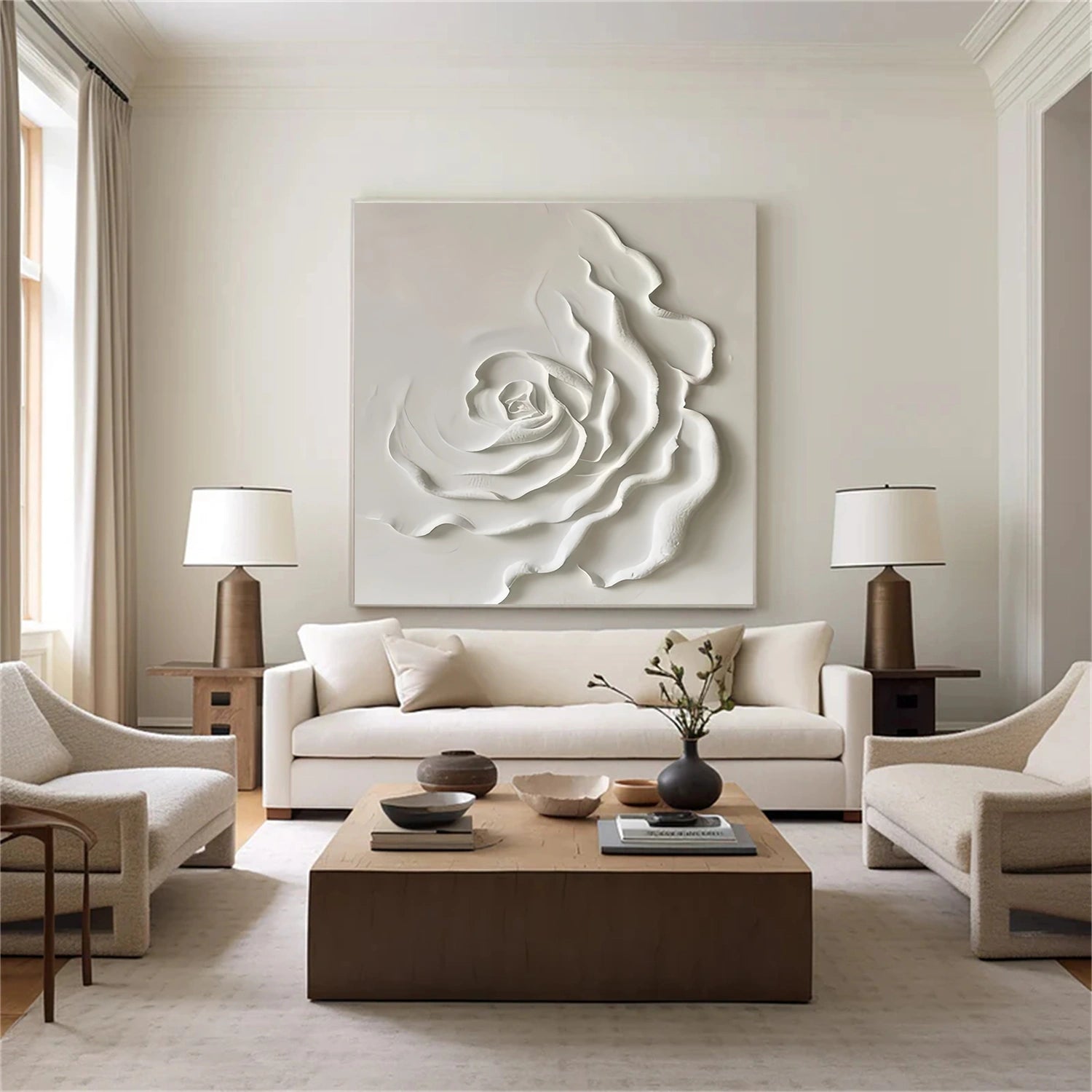
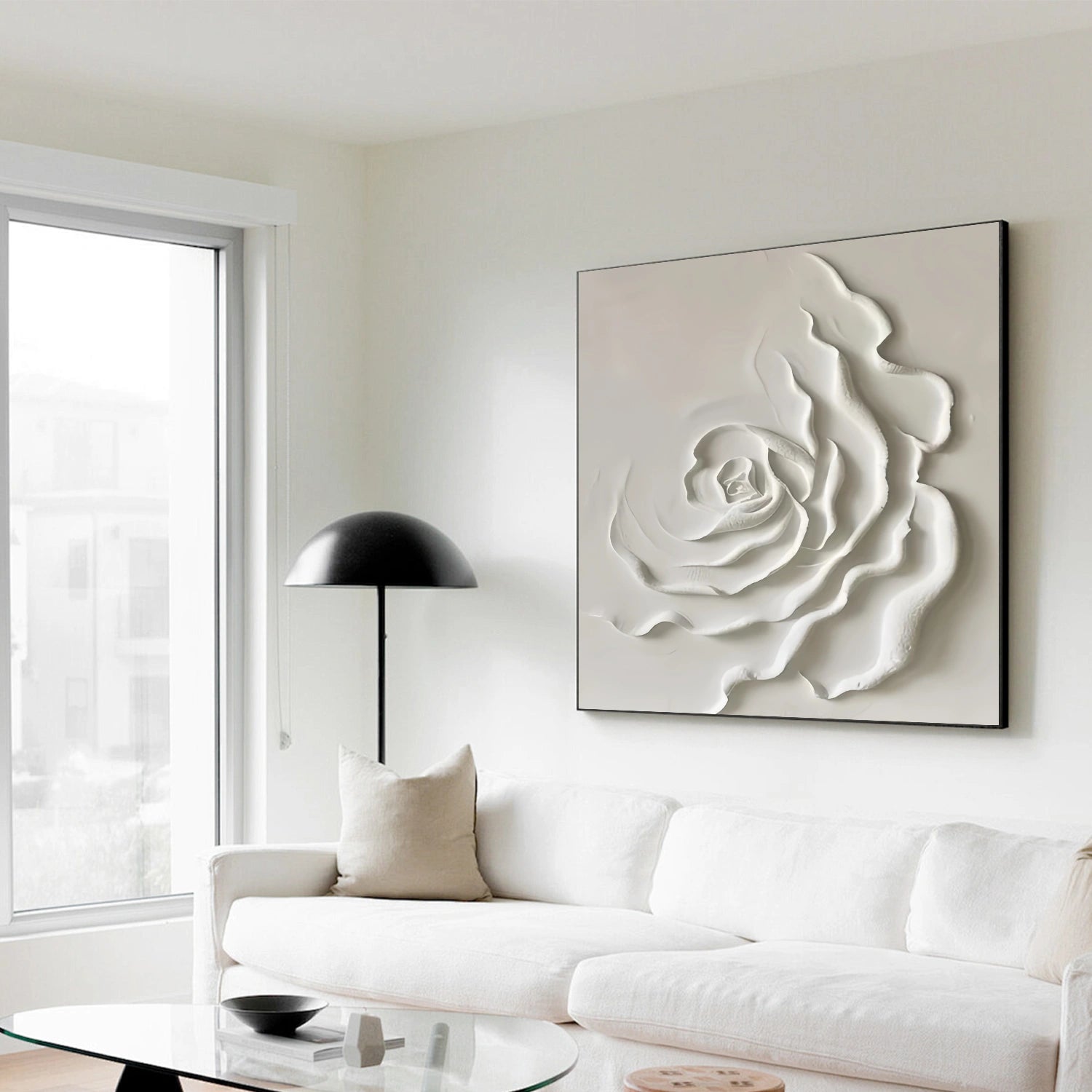
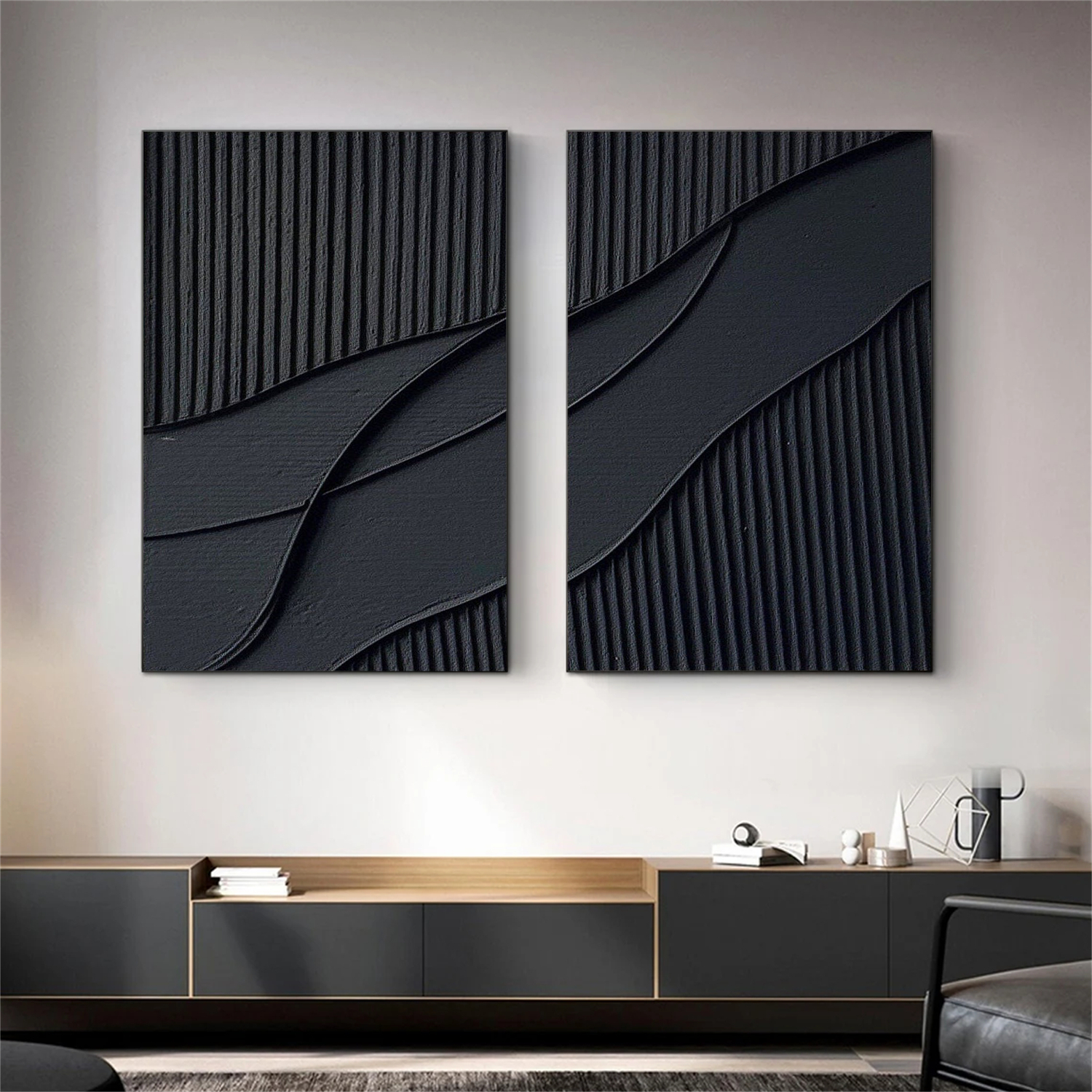
3D plaster art offers a level of dimension and texture that regular wall paint or wallpaper simply cannot match. It brings sculptural relief, interacting with light and shadow to create dynamic visual depth. Made from gypsum or acrylic plaster, these artworks feature raised contours and organic forms that engage both the eyes and the hands, evolving with changes in lighting and perspective.
Key Comparison Between 3D Plaster and Regular Wall Décor
| Feature | 3D Plaster Art | Regular Paint/Wallpaper |
|---|---|---|
| Texture | High-relief, tactile | Mostly flat |
| Durability | Long-lasting, repairable | May fade or peel |
| Visual depth | Dynamic under lighting | Static finish |
| Customization | Handmade, unique | Factory-produced |
What Materials and Tools Are Used in 3D Plaster Art?
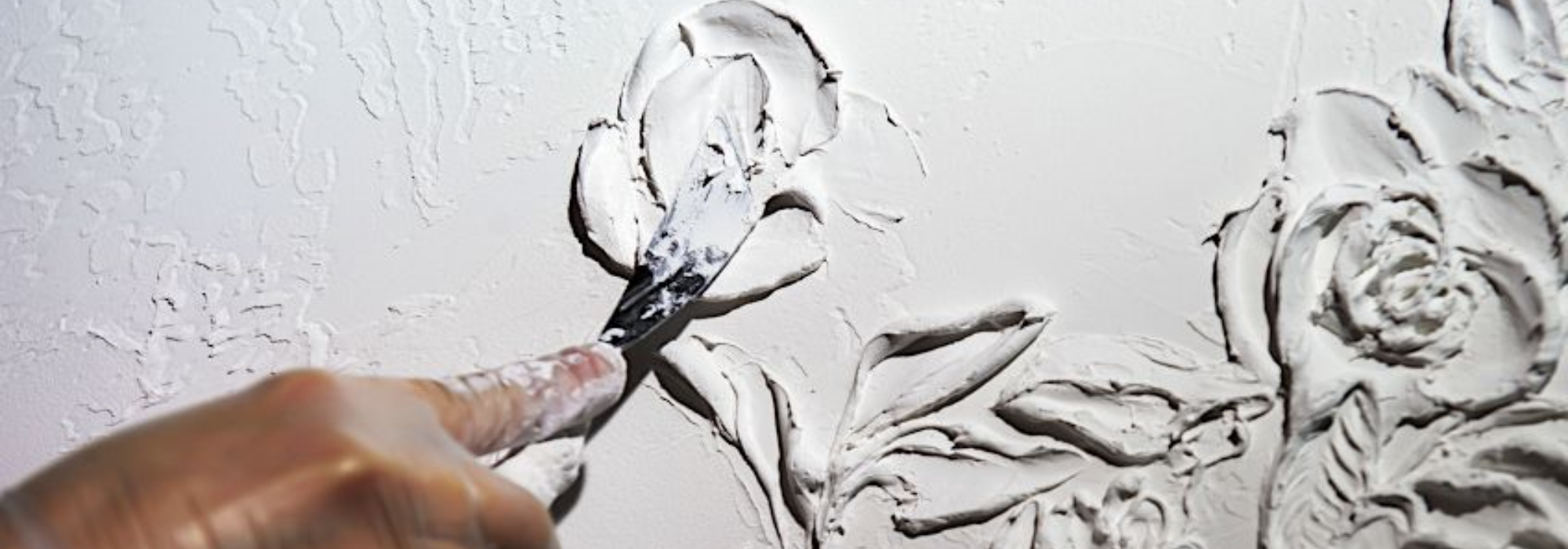
Artists typically use gypsum or acrylic-based plasters combined with polymer binders for creating textures and reliefs. Tools like palette knives, trowels, and carving blades are employed to sculpt the surface, followed by sanding and sealing for smoothness and durability. The process requires careful attention to detail to ensure the plaster retains its strength and can withstand moisture exposure, making it perfect for interior applications.
Why Is 3D Plaster Art Gaining Popularity in Modern Interiors?
The growing trend of biophilic and minimalist design has brought textured art to the forefront, with 3D plaster art offering a perfect balance of form and function. Its tactile, personalized nature appeals to modern consumers looking for unique, handcrafted pieces that bring warmth and sensory engagement to their spaces. As people seek to transform their interiors into calming environments, 3D plaster art has emerged as an ideal choice.
Trend Forecast Chart: Growth of Textured Wall Art (2020-2025)
| Year | Global Market Growth % | Interior Design Adoption % |
|---|---|---|
| 2020 | 4% | 12% |
| 2021 | 7% | 18% |
| 2022 | 10% | 25% |
| 2023 | 13% | 33% |
| 2024 | 17% | 42% |
| 2025 | 20% (projected) | 48% (projected) |
Who Can Create 3D Plaster Art at Home?
Anyone with basic artistic skills can experiment with 3D plaster art at home. Beginners might start small by working on framed boards, using pre-mixed plaster and stencils. For those interested in larger wall installations, professional artists from studios like Vinchy Art can create intricate, balanced textures with high precision, turning interior walls into permanent works of art that engage both sight and touch.
Where Can You Display 3D Plaster Art Most Effectively?
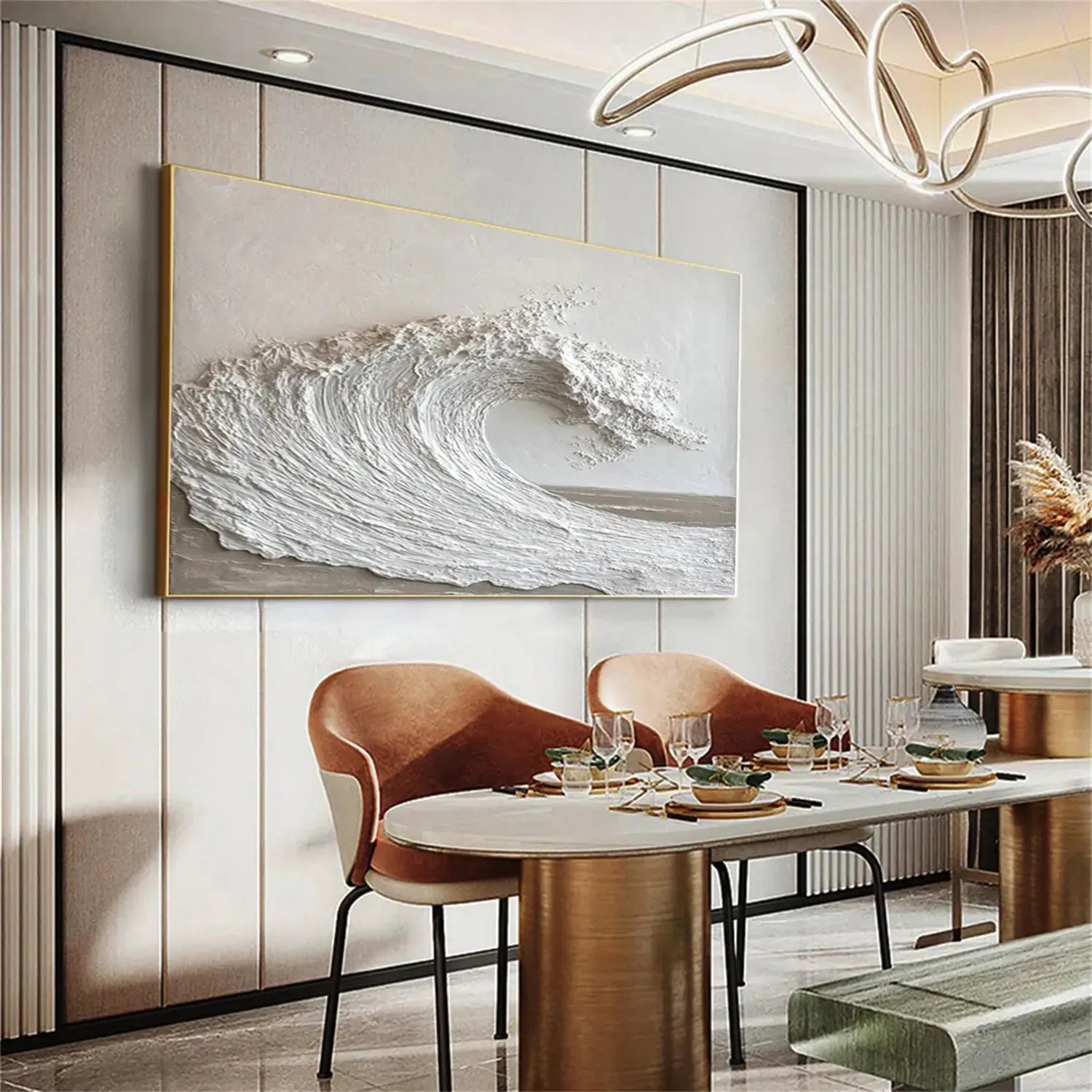
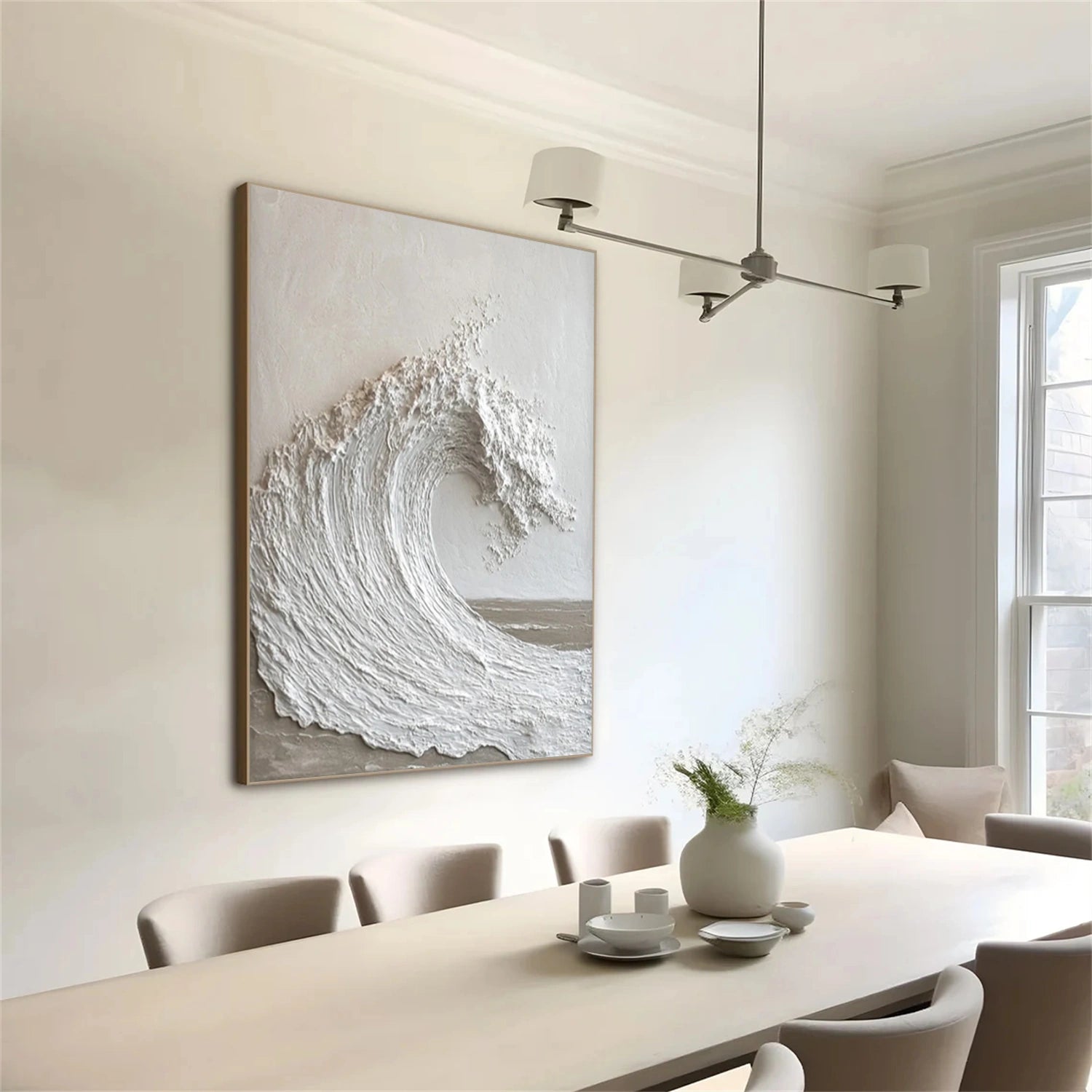
3D plaster art is ideal for living rooms, entryways, or minimalist spaces where lighting can enhance its dimensionality. In commercial spaces, such as lobbies or boutique stores, it can serve as a striking visual feature that impresses visitors. In wellness and spa environments, curated pieces from Vinchy Art create a sense of tranquility, perfectly aligned with the brand's mission to use art for mental well-being.
When Is the Best Time to Install 3D Plaster Art?
The best time to install 3D plaster art is during a renovation or before final painting when walls are clean, primed, and ready for treatment. Proper environmental conditions, such as moderate humidity and stable temperatures, are important for the plaster to cure evenly. Coordinating with lighting designers can also ensure the art’s dimensional qualities are highlighted once installed.
Which Styles and Themes Work Best for 3D Plaster Art?
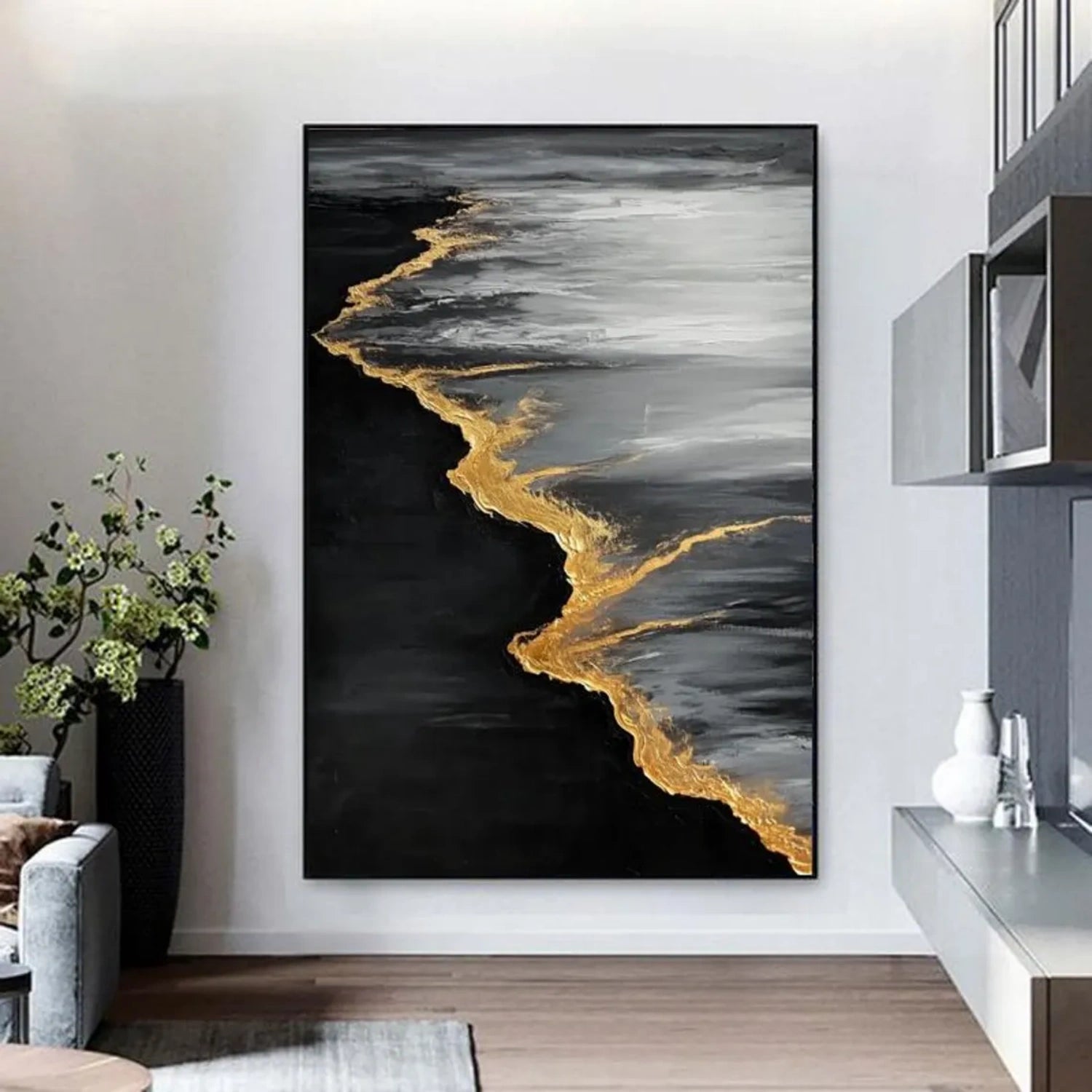
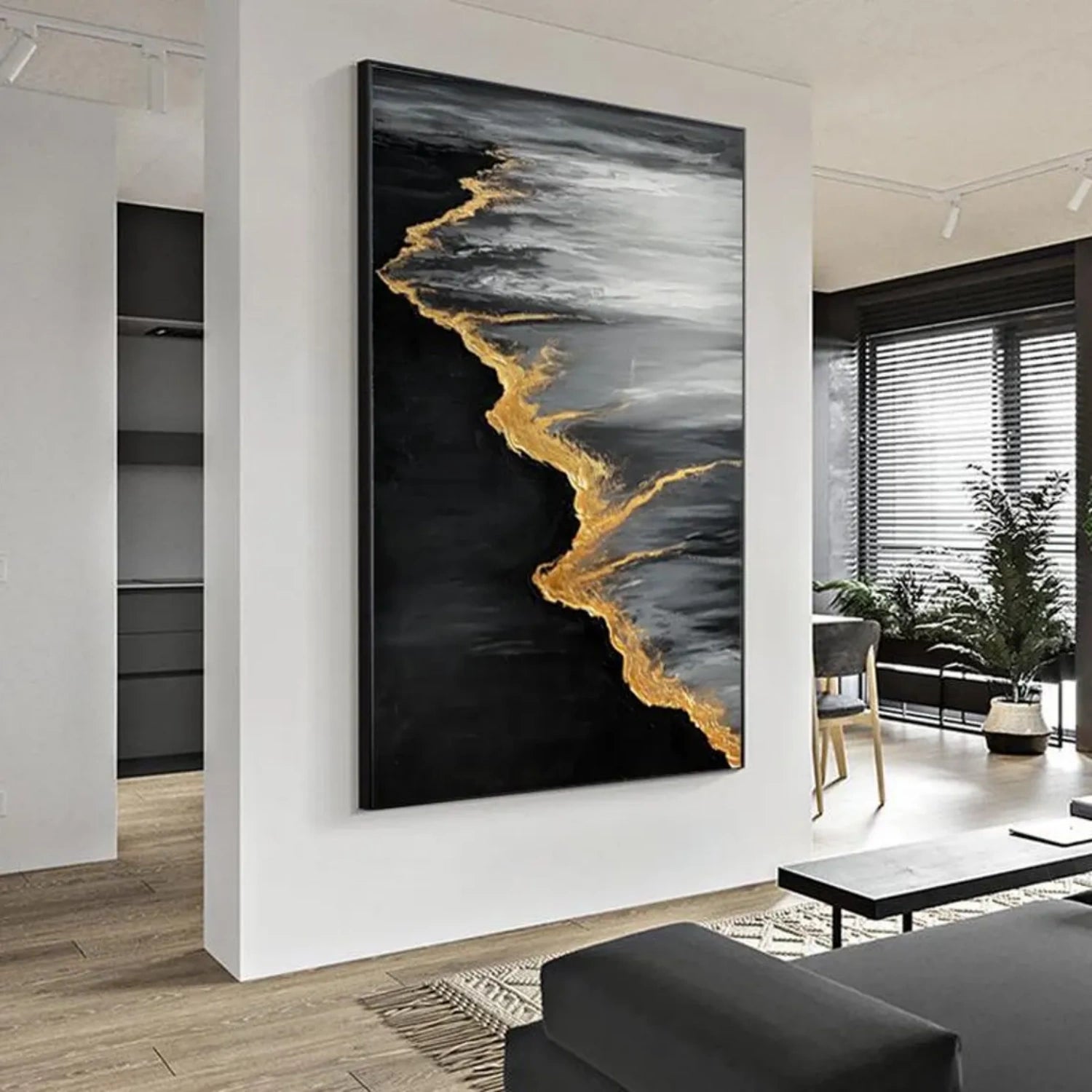
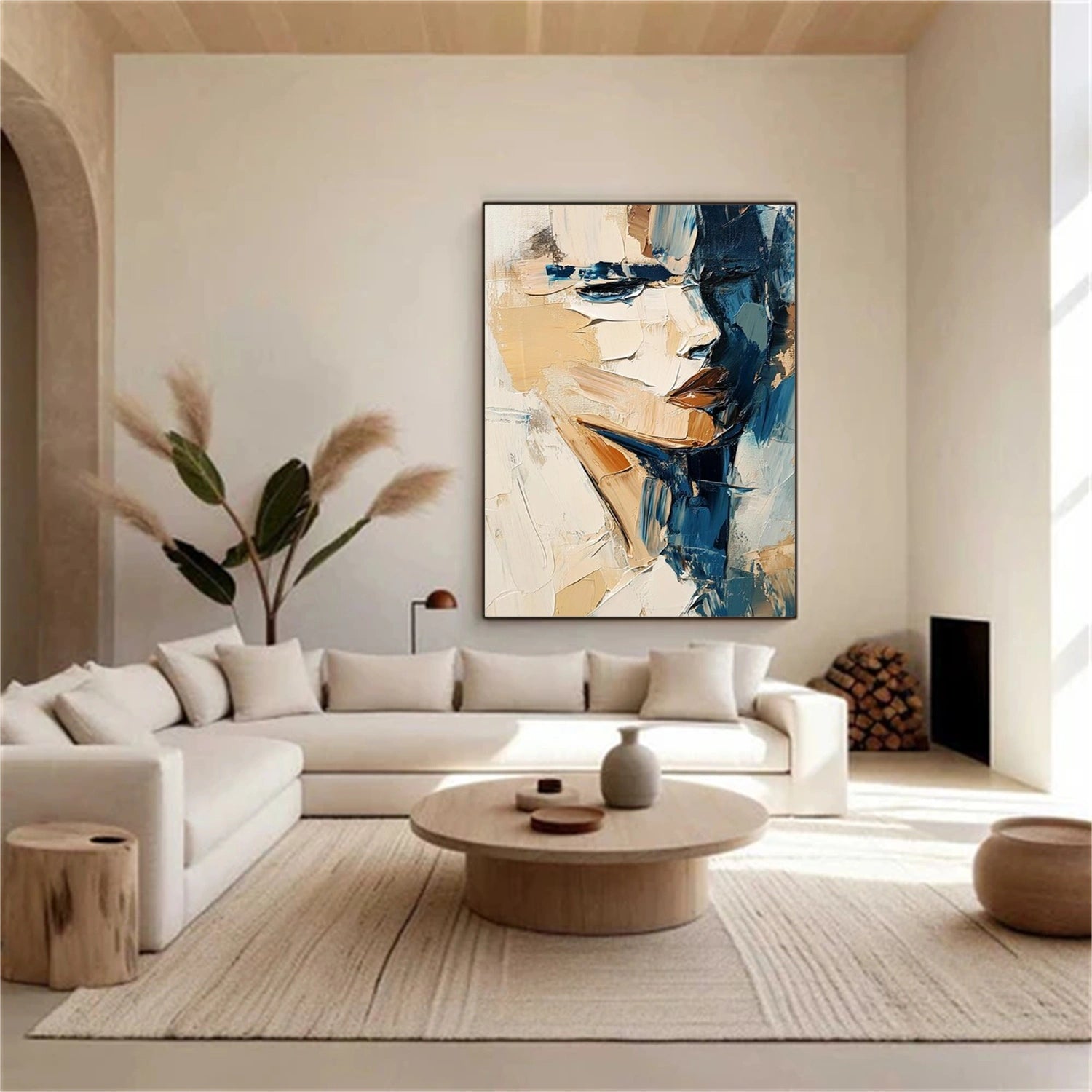
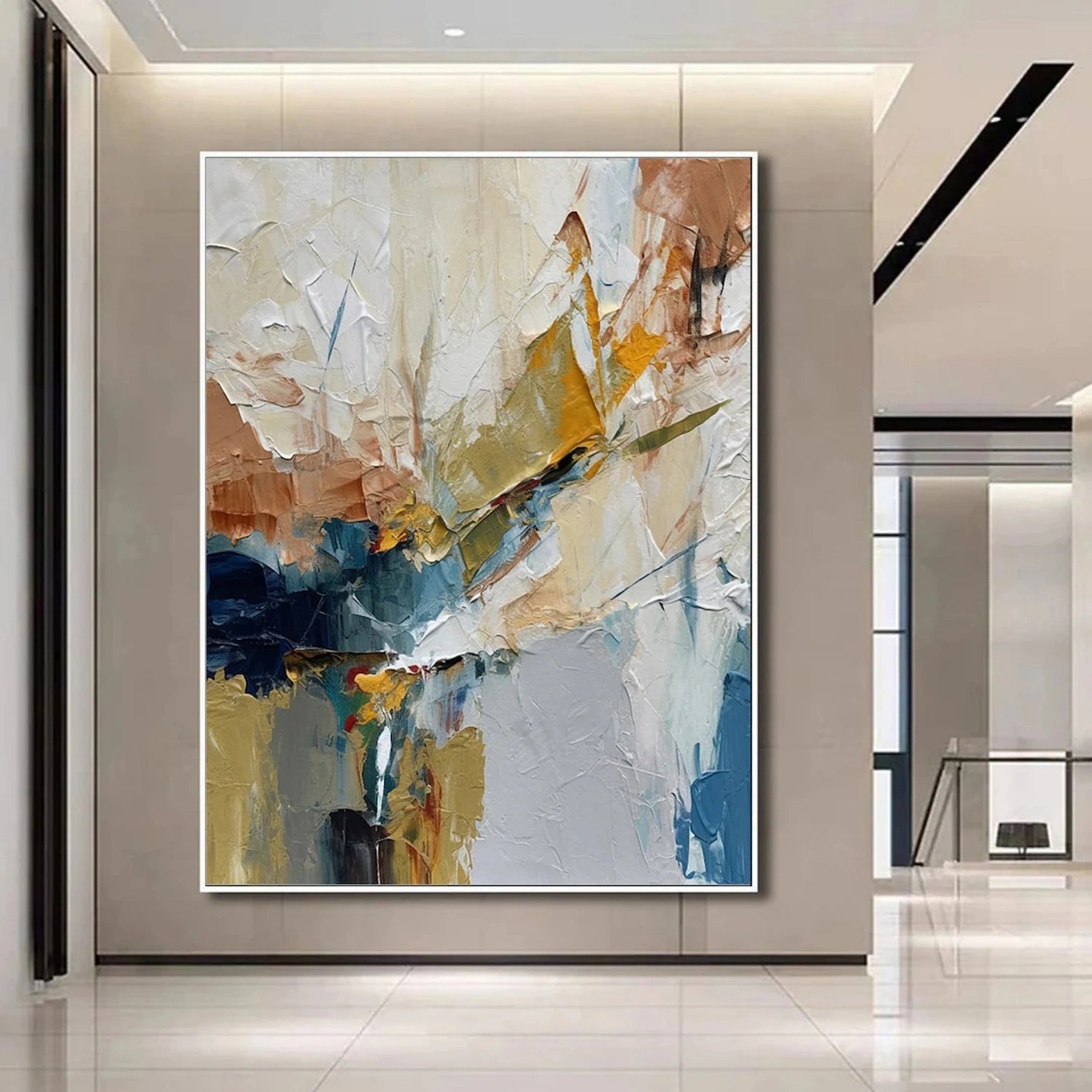
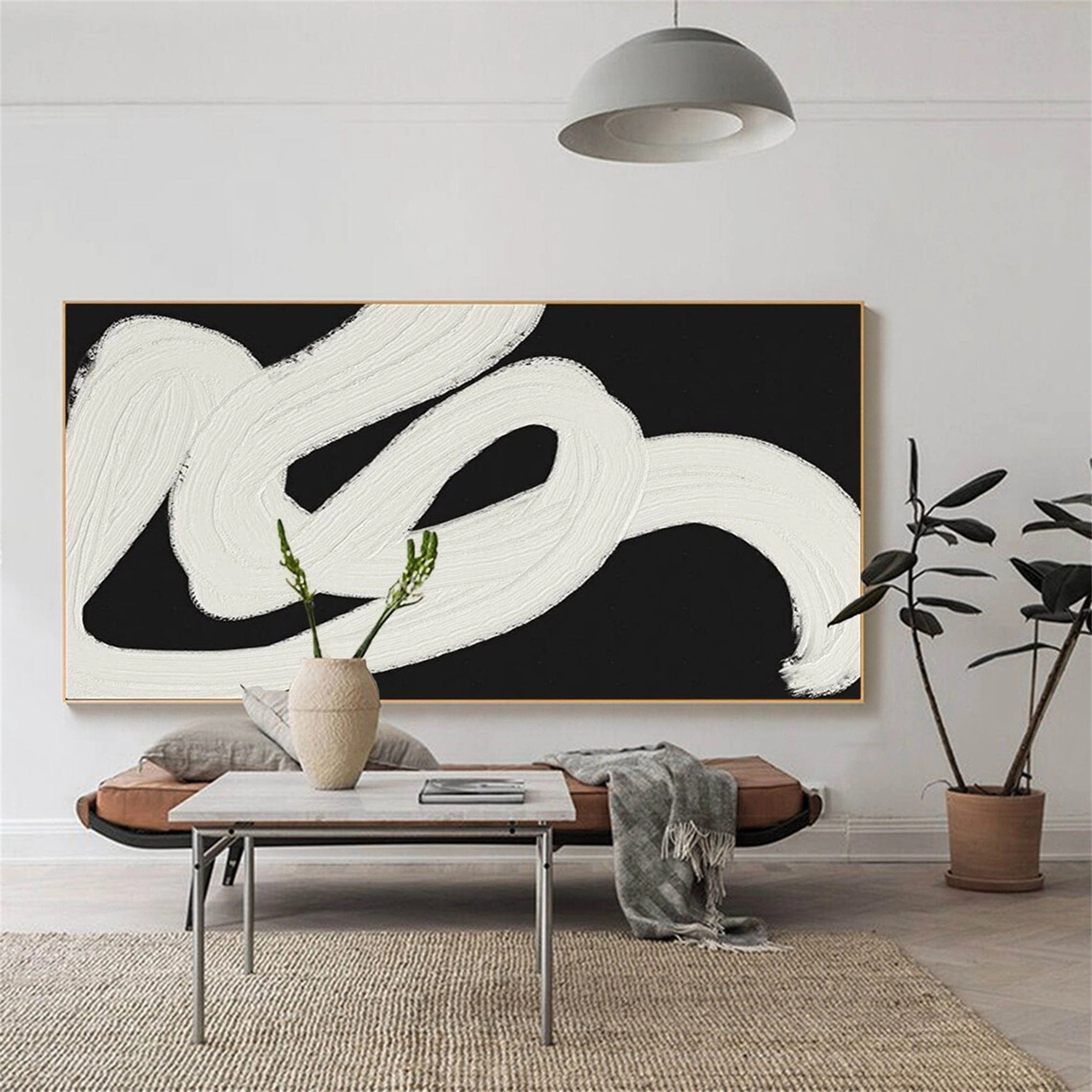
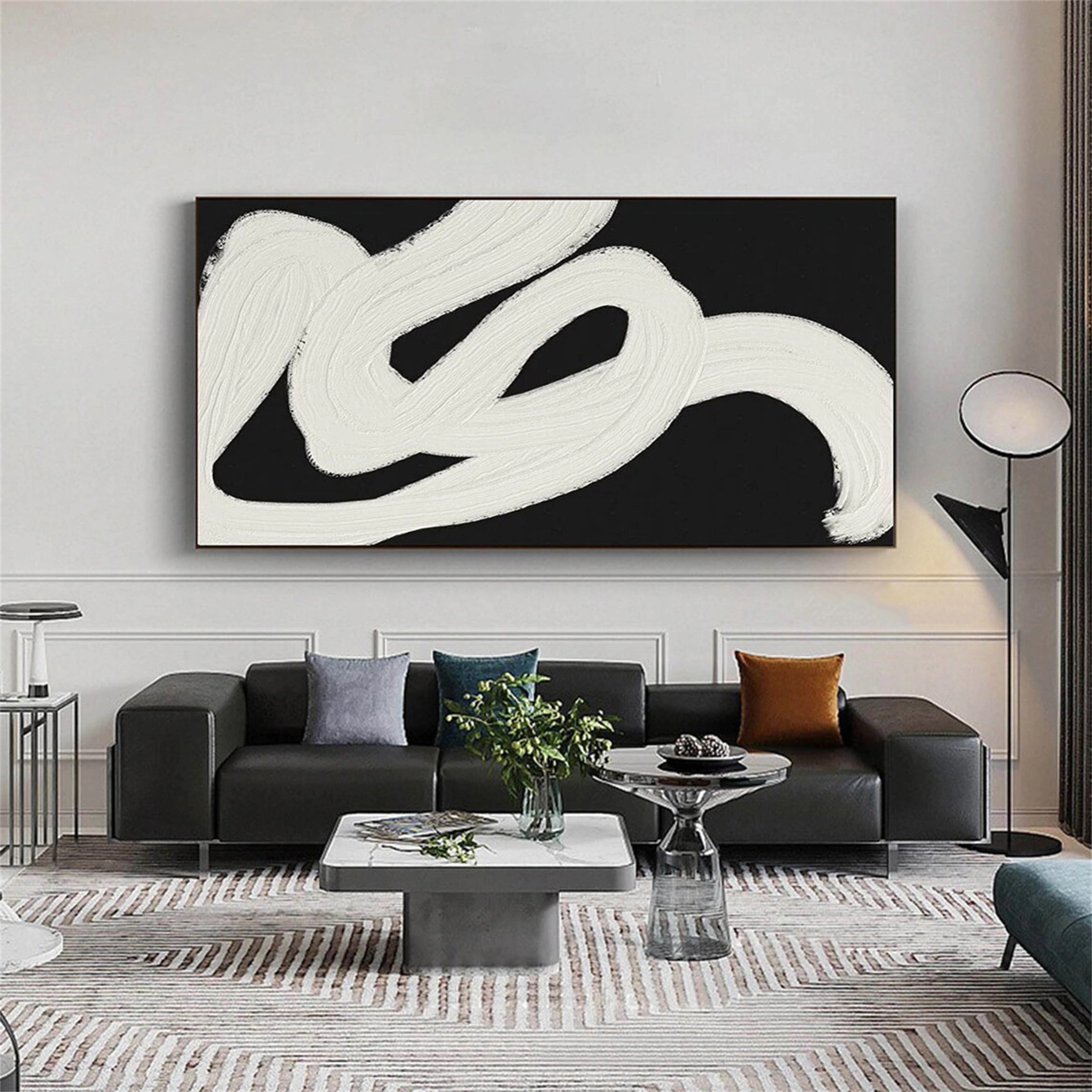
The style of 3D plaster art depends on the desired ambiance. Organic textures like waves and botanical reliefs suit biophilic designs, while geometric and abstract patterns complement minimalist or modern settings. Vinchy Art frequently blends abstract oil painting influences into plaster designs, creating unique hybrid works that balance the sculptural with the painterly, adding emotional depth to any space.
Is 3D Plaster Art Expensive to Maintain?
Maintaining 3D plaster art is relatively easy and cost-effective. Once sealed, it resists dust and minor damage. A periodic dry wipe with a microfiber cloth is all that is needed to keep it looking fresh. Unlike traditional paint or wallpaper, which may require frequent touch-ups, 3D plaster art is durable and requires minimal upkeep over time.
Can 3D Plaster Art Increase Property Value?
Yes, 3D plaster art can enhance the value of a property. Its custom, artistic nature often adds a sense of uniqueness and craftsmanship that appeals to buyers. In luxury real estate, feature walls or plaster art panels can elevate the perception of a property, making it stand out in the market as a bespoke, high-end offering.
Why Should You Choose Vinchy Art for Custom Projects?
Vinchy Art offers a deep understanding of form, texture, and emotional resonance in its plaster creations. Their artists combine the tactile nature of 3D plaster with the emotive power of abstract oil painting, ensuring that each piece not only beautifies a space but also enhances mental well-being. With personalized consultations and a focus on both aesthetics and emotional harmony, Vinchy Art guarantees a seamless blend of art and architecture for every client.
Vinchy Art Expert Views
“Plaster art is more than just decoration; it's a conversation between the space and the viewer. At Vinchy Art, we see it as a way to bring tranquility into the chaos of everyday life. The tactile nature of plaster allows us to create textures that evoke calm, peace, and emotional balance. It’s architectural art, meant to ground and uplift at the same time.”
— Vinchy Art Design Team, 2025
Could 3D Plaster Art Combine with Other Mediums?
Yes, 3D plaster art can be combined with other materials like metallic pigments, stone inlays, or integrated lighting. These mixed-media approaches allow artists to layer textures and create dynamic visual effects that push the boundaries of both painting and sculpture. At Vinchy Art, artists often experiment with hybrid techniques, enhancing the tactile qualities of plaster with the visual impact of oil painting and other materials.
Summary and Key Takeaways
3D plaster art offers a unique blend of craftsmanship and modern design, bringing texture and serenity into contemporary interiors. Whether used in homes, offices, or wellness spaces, it transforms flat surfaces into dynamic, sensory experiences. Vinchy Art exemplifies the fusion of artistry and mindfulness, creating works that not only decorate spaces but also elevate emotional well-being.
FAQs
1. How long does 3D plaster art last?
When properly sealed and maintained, 3D plaster art can last for decades without losing its integrity or appearance.
2. Can 3D plaster be painted over?
Yes, 3D plaster surfaces can be painted with acrylic or mineral paints to enhance the texture or alter the color.
3. Is 3D plaster art suitable for bathrooms?
It can be suitable for bathrooms as long as moisture-resistant materials and appropriate sealants are used.
4. How do lighting setups affect its look?
Lighting, especially directional or spot lighting, dramatically enhances the depth and texture of 3D plaster art, creating a more dramatic effect.
5. Can it be removed later?
While possible, removing 3D plaster art is labor-intensive and may require professional help to avoid damaging the underlying wall.