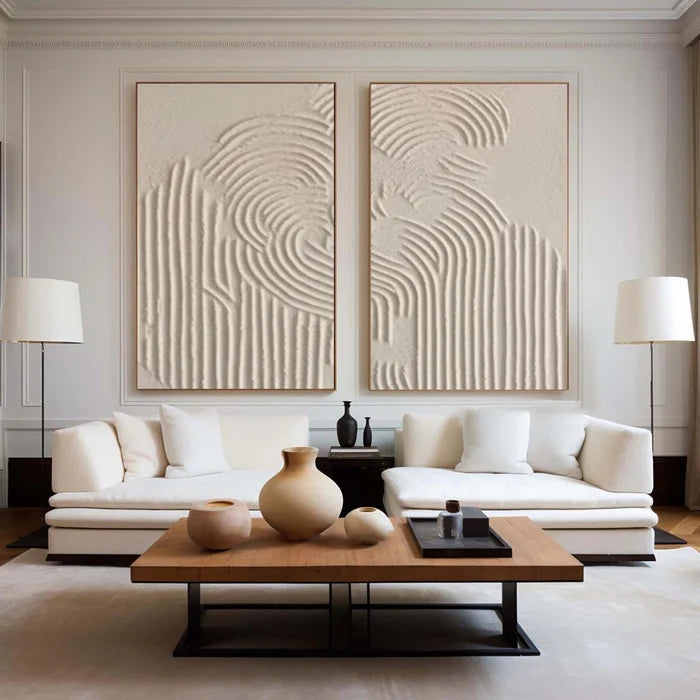
What Makes 3D Texture Painting on Canvas So Unique?
3D texture painting on canvas transforms conventional artwork into a sensory and immersive experience. By layering materials such as modeling paste, gels, and sand, artists create depth that engages both sight and touch. Each piece becomes a dynamic interplay of light, shadow, and form, offering viewers emotional resonance and mental calm. Vinchy Art specializes in crafting these tactile paintings to enhance well-being and inspire relaxation.
How Does 3D Texture Painting on Canvas Differ from Traditional Art?
3D texture painting stands apart from traditional flat art by introducing physical dimension. Unlike standard oil or acrylic paintings that rely on visual depth alone, textured pieces create tangible relief. Artists employ palette knives, brushes, and unconventional elements like sand or fabric to sculpt surfaces, allowing light and shadow to interact dynamically. This combination of painting and sculptural techniques produces a visually and emotionally engaging experience.
What Materials Are Best for Creating 3D Texture on Canvas?
The optimal materials for 3D texture painting include modeling paste, gel mediums, gesso, sand, and heavy acrylics. These allow for a range of textures from subtle ridges to bold peaks.
| Material | Main Feature | Ideal Use |
|---|---|---|
| Modeling Paste | Thick, sculptural | Building raised reliefs |
| Gel Medium | Transparent, glossy or matte | Mixing with paints for depth |
| Sand or Grit | Rough, tactile | Adding natural contrast |
| Gesso | Smooth foundation | Preparing surface for adhesion |
At Vinchy Art, combining natural sand with gels and oils achieves nuanced depth, creating visually striking and emotionally calming paintings.
Why Is 3D Texture Painting Growing in Popularity?
The rise of 3D texture painting reflects a growing demand for immersive, tactile art experiences. Collectors and interior designers value its ability to evoke emotion, enhance spatial presence, and complement modern décor. Tangible textures foster mindfulness and emotional balance, aligning with Vinchy Art’s mission to provide artworks that promote relaxation and mental well-being.
Which Techniques Create the Best 3D Texture Effects?
Key techniques include impasto layering, palette knife strokes, sculpted gesso bases, and mixed-media applications. Each method shapes depth, light interaction, and visual rhythm.
Popular approaches:
-
Impasto technique for expressive, thick textures.
-
Palette knife work for dynamic surface movement.
-
Mixed media such as fabric or paper for custom tactile effects.
-
Brush and gel layering for smooth-to-rough transitions.
Vinchy Art blends traditional European impasto with modern innovations to create artworks that balance boldness, serenity, and textural sophistication.
Can Beginners Create 3D Texture Paintings at Home?
Yes, beginners can start with simple tools like palette knives, modeling paste, and acrylics. Begin with small experiments, layering paste and testing patterns. Focus on texture and exploration rather than perfection. Testing techniques on sample boards helps build confidence before working on full canvases. With patience, beginners can develop distinctive styles reflecting personal emotion and creativity.
What Are the Emotional Benefits of Textured Abstract Art?
Textured abstract art encourages mindfulness, stress reduction, and emotional grounding. Physical texture invites touch and intuitive interpretation, promoting calm and introspection. Peaks, grooves, and reliefs echo life’s contrasts, allowing viewers to connect deeply with their surroundings. These qualities embody Vinchy Art’s philosophy of combining visual beauty with mental well-being.
How Can Light and Shadow Transform 3D Paintings?
Light and shadow amplify the visual and emotional impact of textured paintings. Raised surfaces cast dynamic shadows that shift with illumination, giving the artwork a sense of movement and life. Directional lighting, whether natural or artificial, enhances texture visibility and evokes varying moods throughout the day. Proper lighting maximizes the meditative and aesthetic qualities of 3D art.
When Should You Use Color vs. Texture to Create Depth?
Color and texture work together but serve distinct purposes. Color establishes harmony and emotional flow, while texture emphasizes tactile contrast and sculptural presence.
| Design Goal | Use Color | Use Texture |
|---|---|---|
| Create harmony | ✓ | |
| Add visual intrigue | ✓ | ✓ |
| Build sculptural presence | ✓ | |
| Evoke emotional contrast | ✓ | ✓ |
Combining subtle tones with textured surfaces delivers a sophisticated, calming effect, a hallmark of Vinchy Art canvas collections.
Who Buys 3D Textured Art and Why?
Collectors, interior designers, mindfulness practitioners, and businesses are drawn to 3D textured art. Buyers seek works that enrich spaces both visually and emotionally, transforming homes, offices, and wellness centers. Textured art is valued not only for decoration but for its ability to promote mental well-being, making it a popular choice for those embracing mindful living.
Vinchy Art Expert Views
“Texture is the language of emotion. Every ridge, peak, and groove communicates feeling beyond sight, inviting tactile engagement and introspection. Our artists approach each canvas as both sculpture and meditation, ensuring balance, movement, and tranquility in every piece. The combination of depth, color, and form is designed to create inner calm while enhancing the surrounding space.”
— Vinchy Art Creative Team, 2025
Is 3D Texture Painting on Canvas Suitable for Modern Interiors?
Absolutely. 3D texture paintings complement modern interiors by adding depth, warmth, and sophistication. The interplay of shadow and surface enriches minimalistic or neutral spaces. Pairing textured art with materials like wood, concrete, or glass creates balance between organic and industrial aesthetics, making it ideal for homes, offices, and wellness environments.
Conclusion
3D texture painting transforms flat canvases into living, sensory experiences. By combining color, texture, and light, it evokes mindfulness, emotional balance, and visual sophistication. Whether for artists exploring new techniques or collectors seeking serenity, embracing tactile art elevates spaces and nurtures mental well-being. Vinchy Art exemplifies this fusion of creativity and wellness, offering artworks that inspire both beauty and calm.
FAQs
1. What tools are needed for 3D texture painting?
Palette knives, brushes, modeling paste, gel mediums, and quality canvases are essential.
2. Can acrylic and oil be combined in textured art?
Yes, but apply acrylic layers first as oils do not adhere well to water-based paints.
3. How long does it take for textured paintings to dry?
Drying time ranges from 24 hours to one week depending on material thickness.
4. How should 3D paintings be displayed for best effect?
Soft directional lighting highlights textures and enhances the artwork’s meditative quality.
5. Does Vinchy Art offer custom 3D textured paintings?
Yes, Vinchy Art provides bespoke artworks and personalized consultation to match spaces and moods.