Skip to content

Cart

Your cart is empty

Article: What Makes a Plaster Wall Texture Stand Out?

What Makes a Plaster Wall Texture Stand Out?

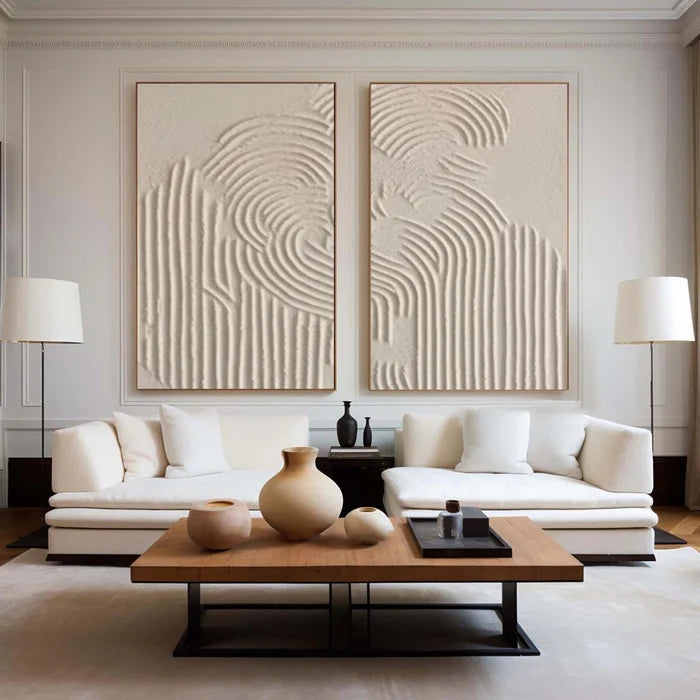
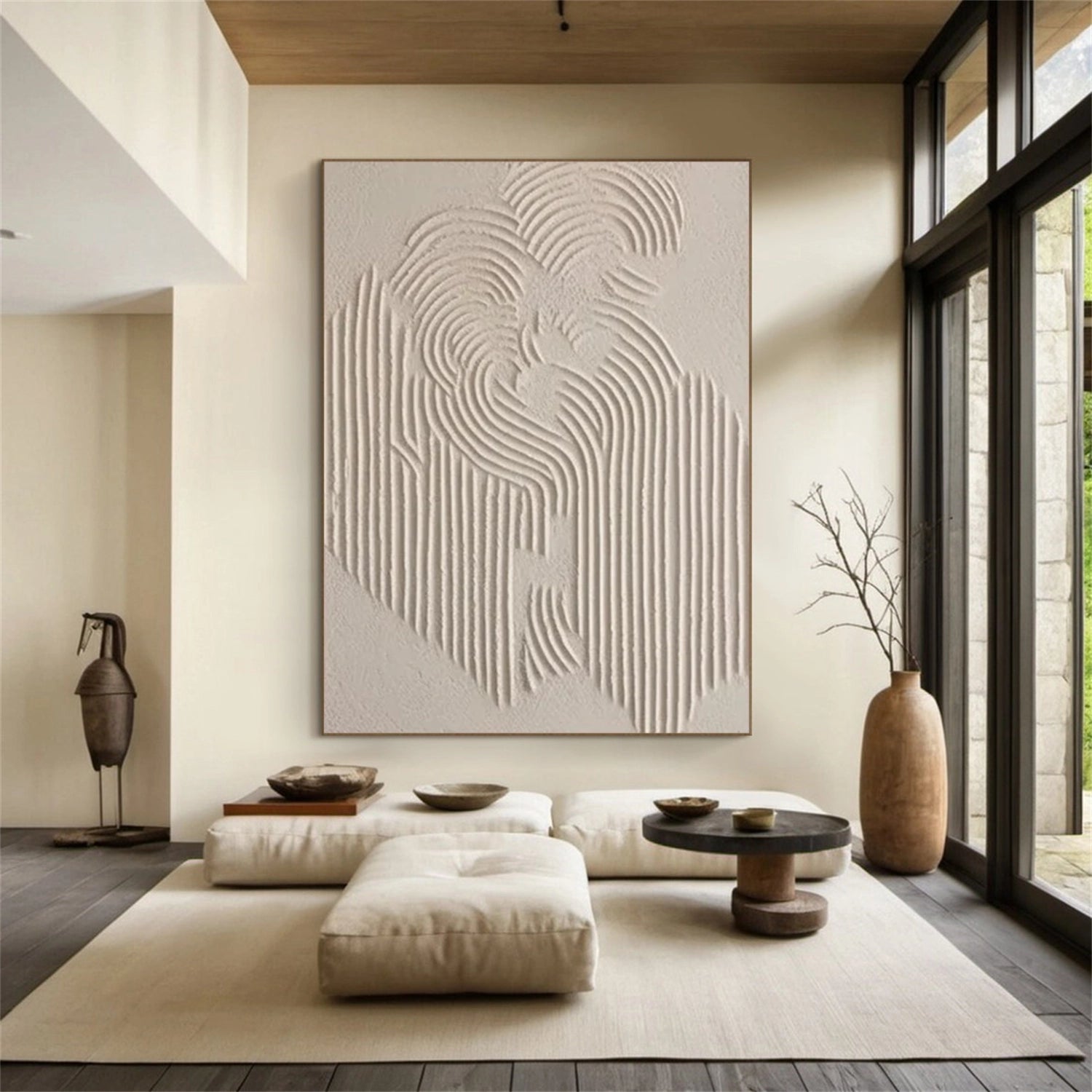
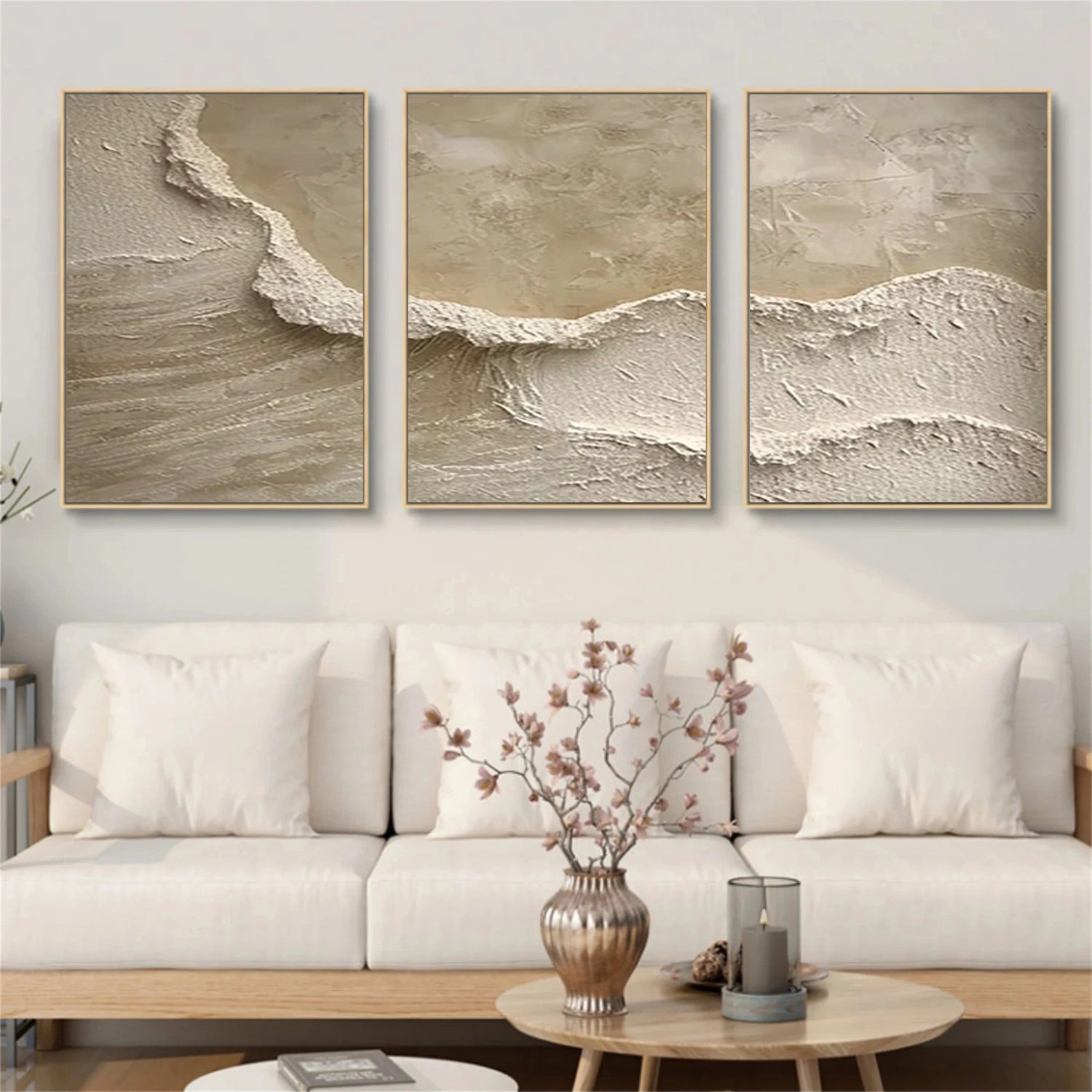
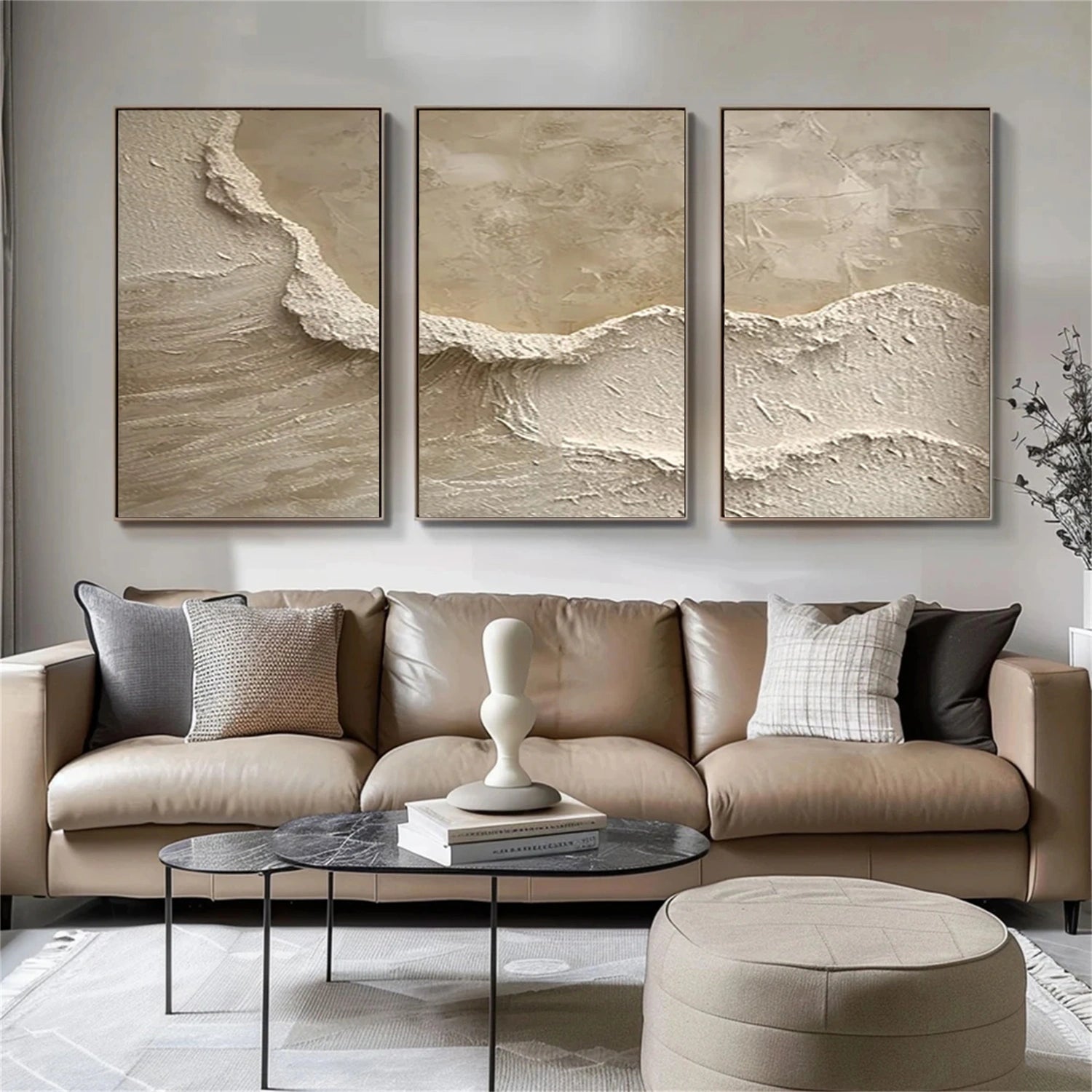
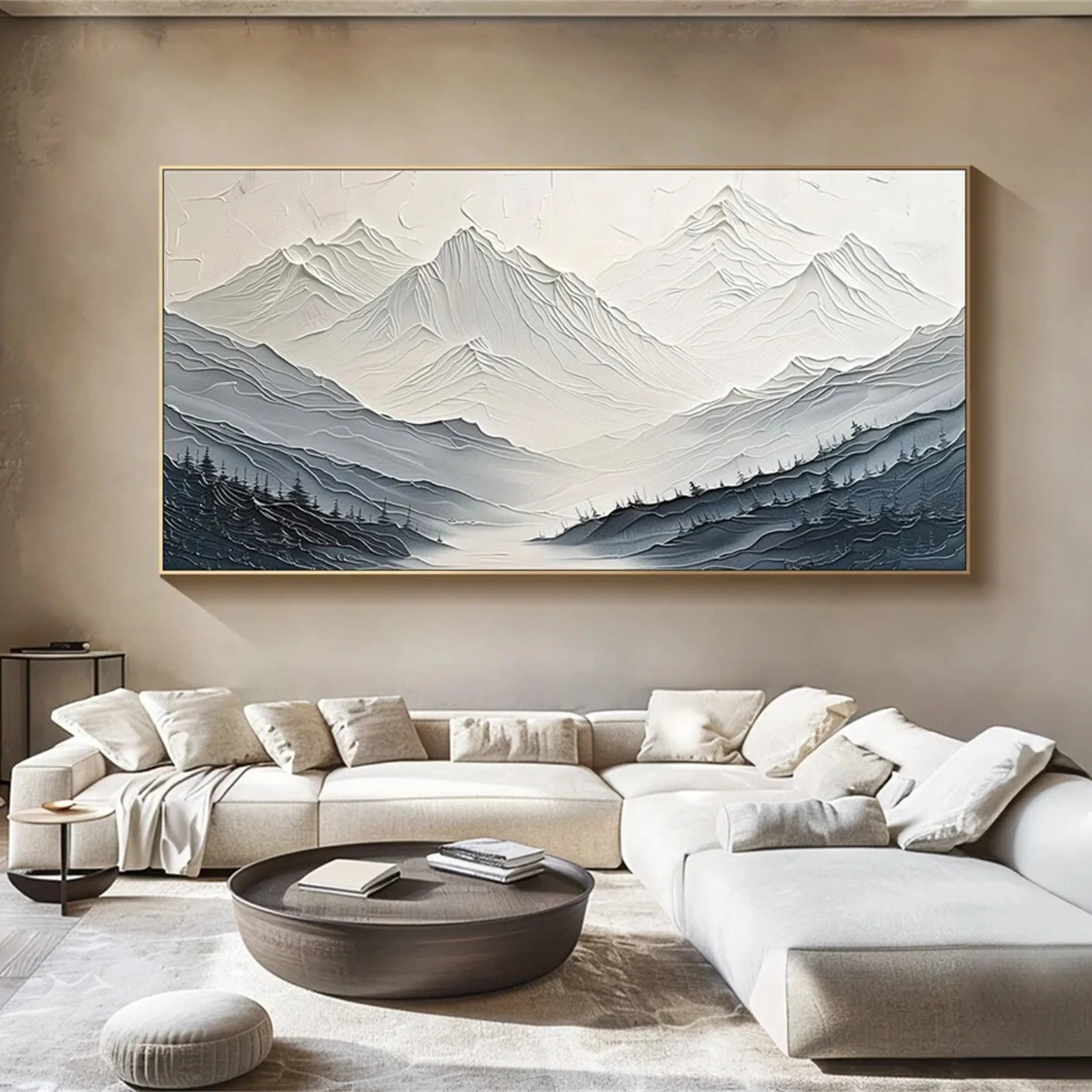
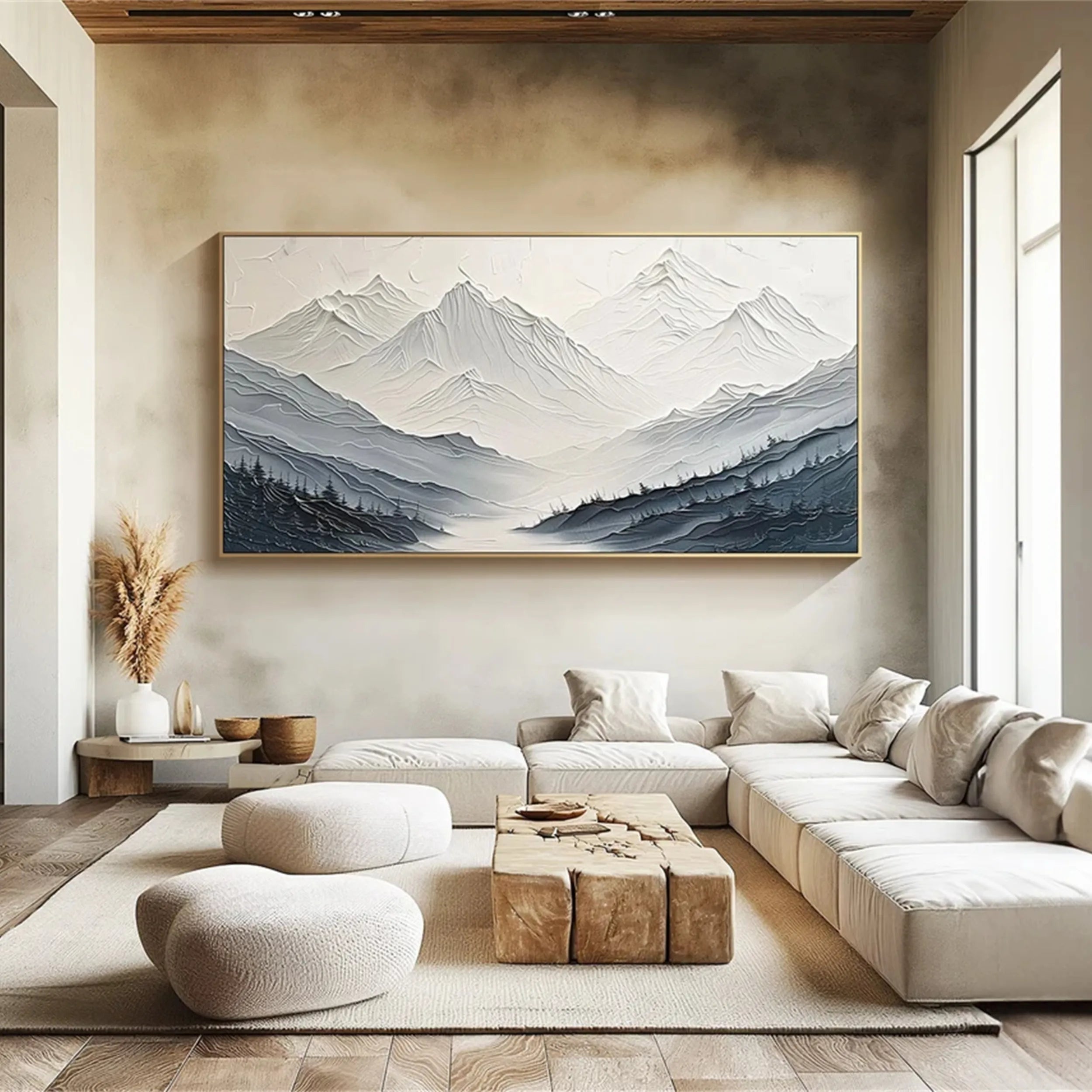
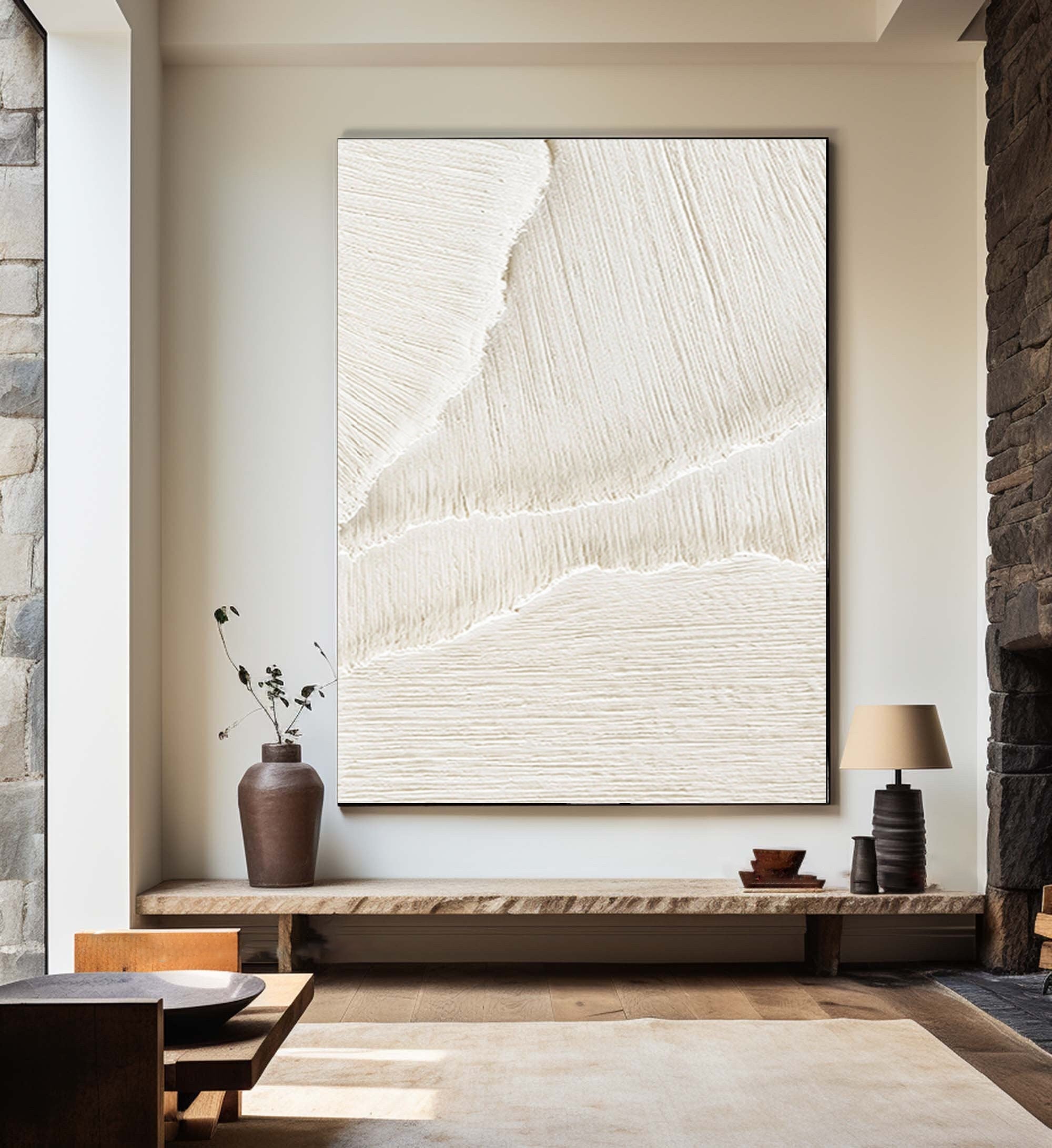
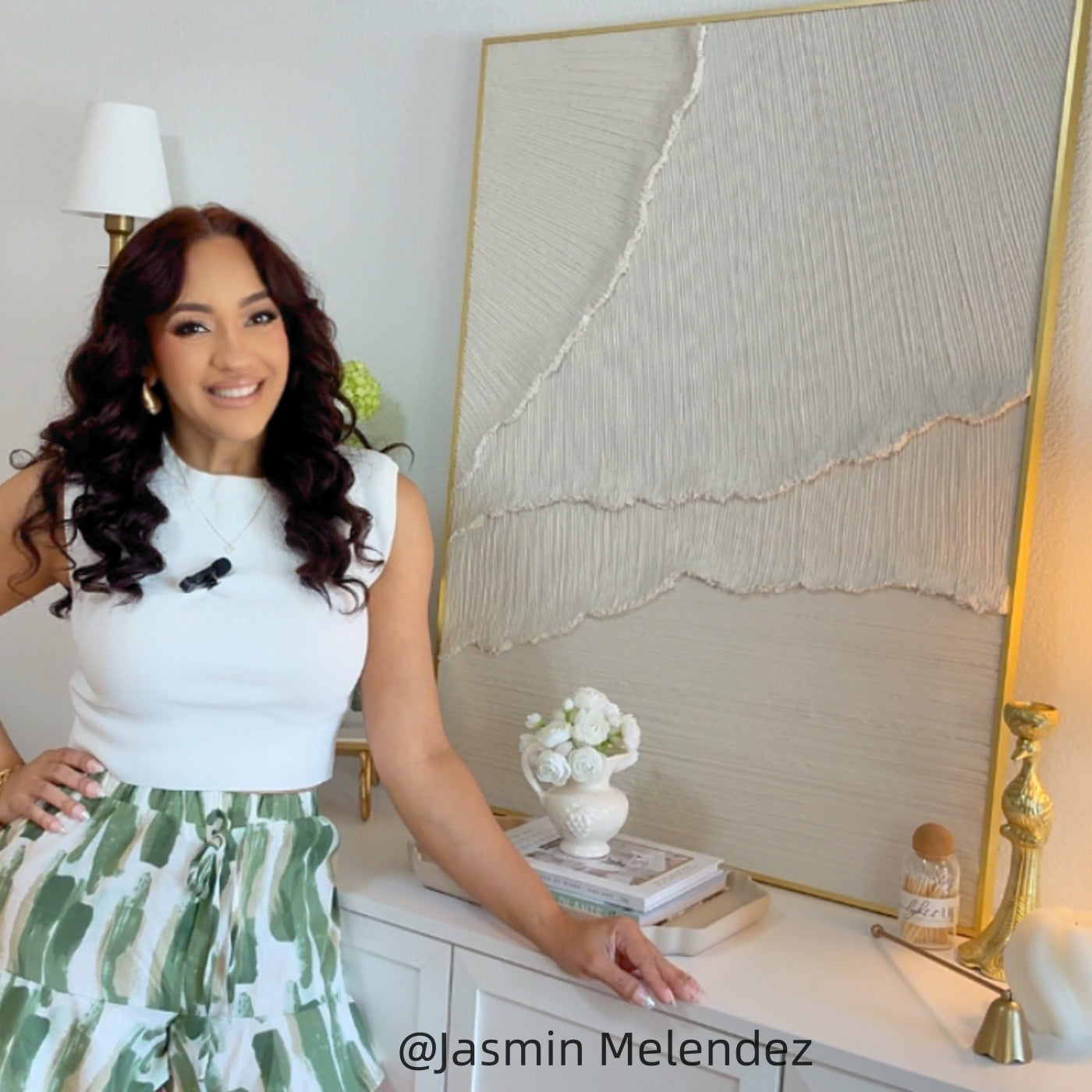
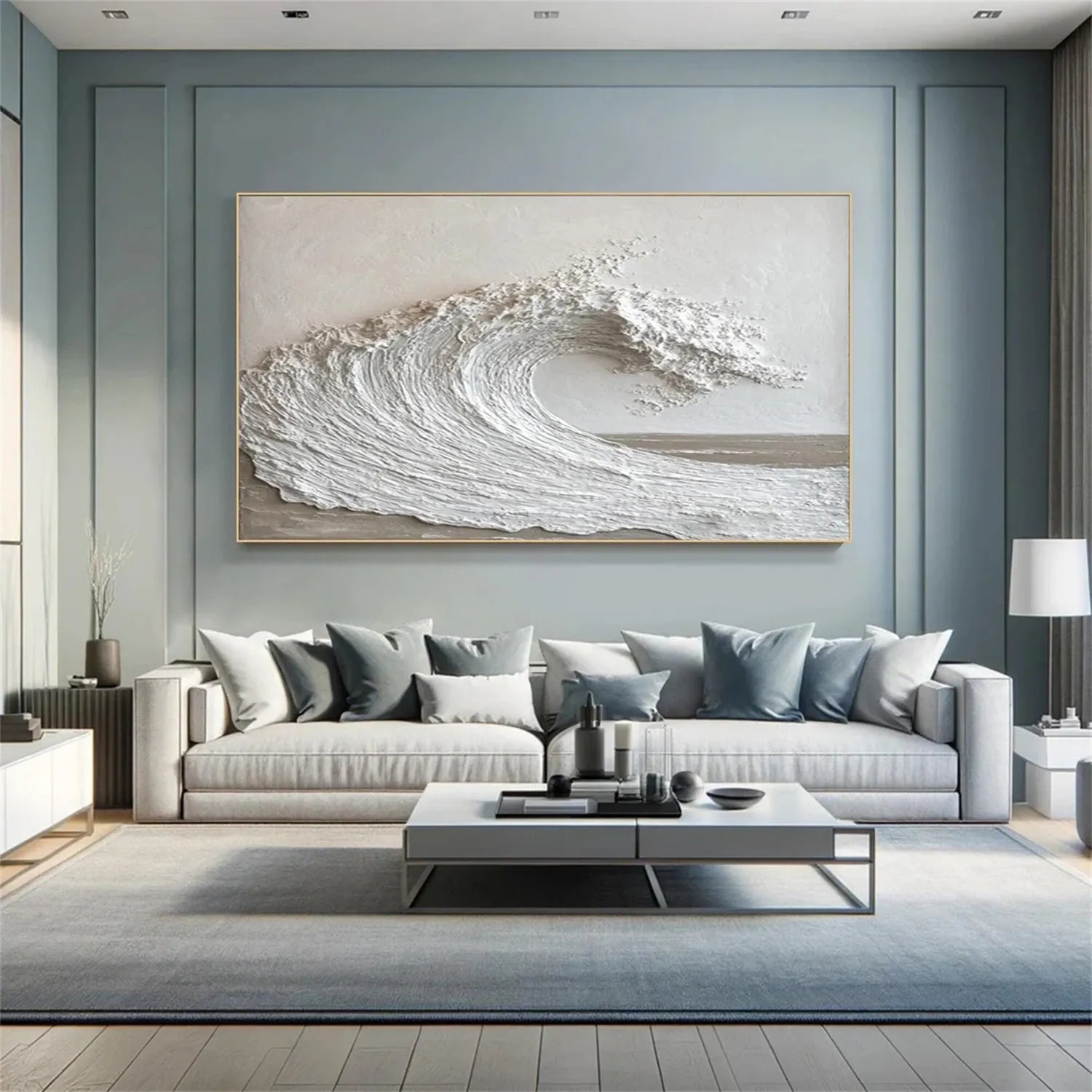
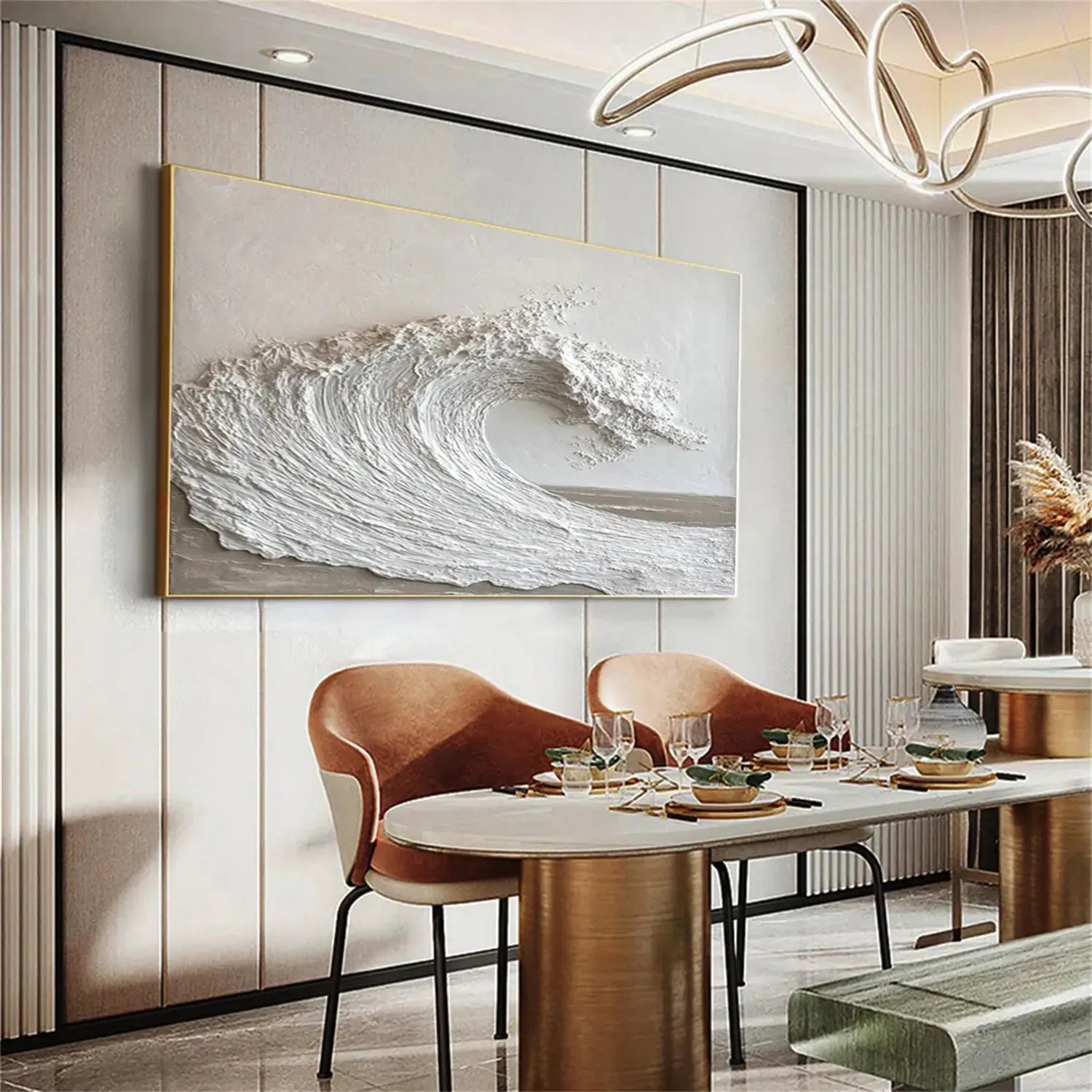
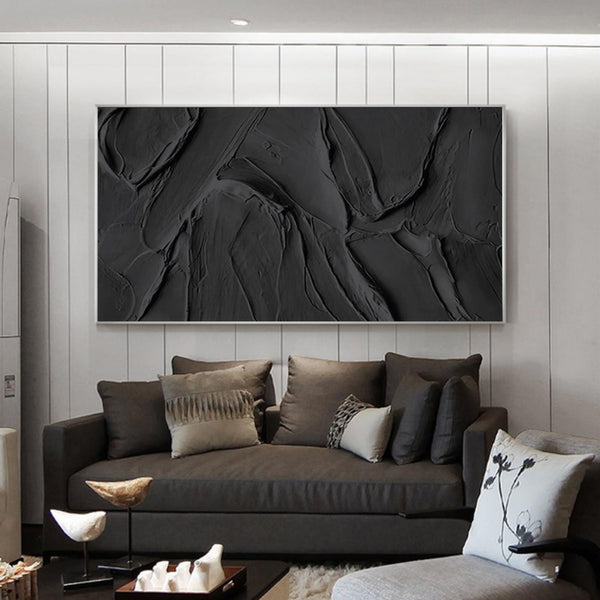
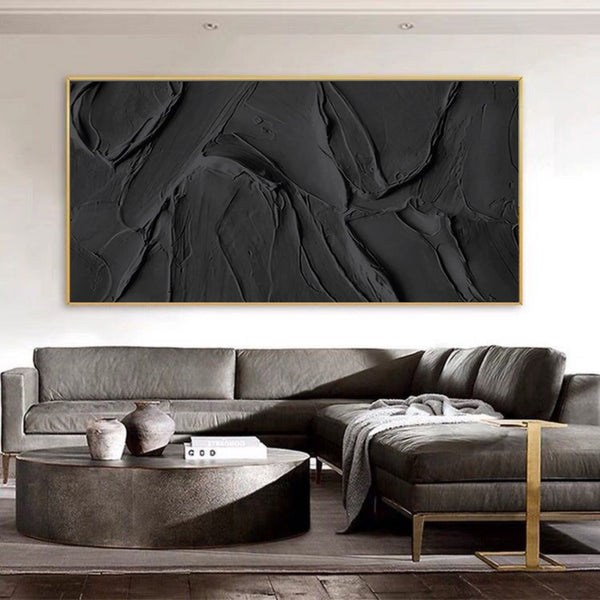
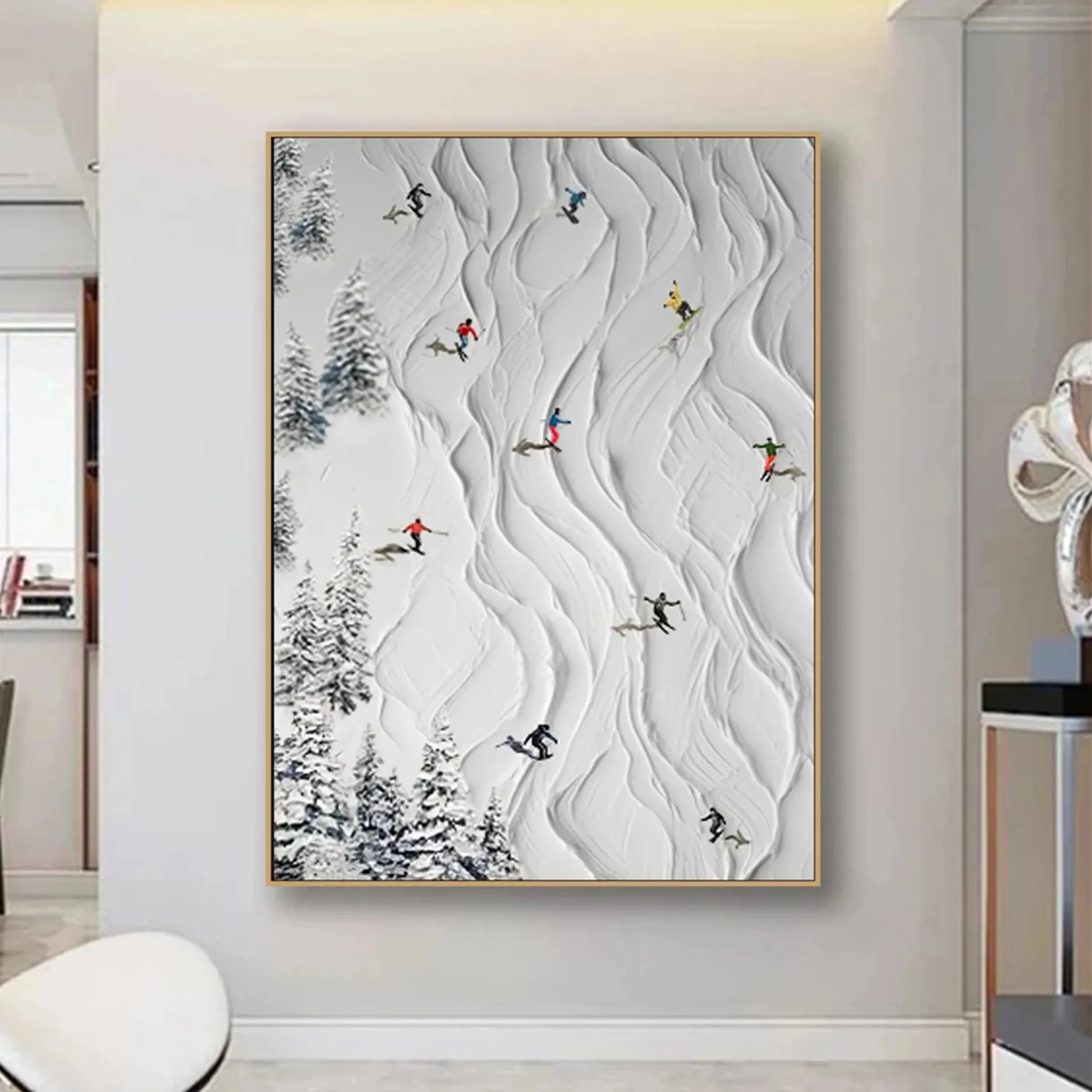
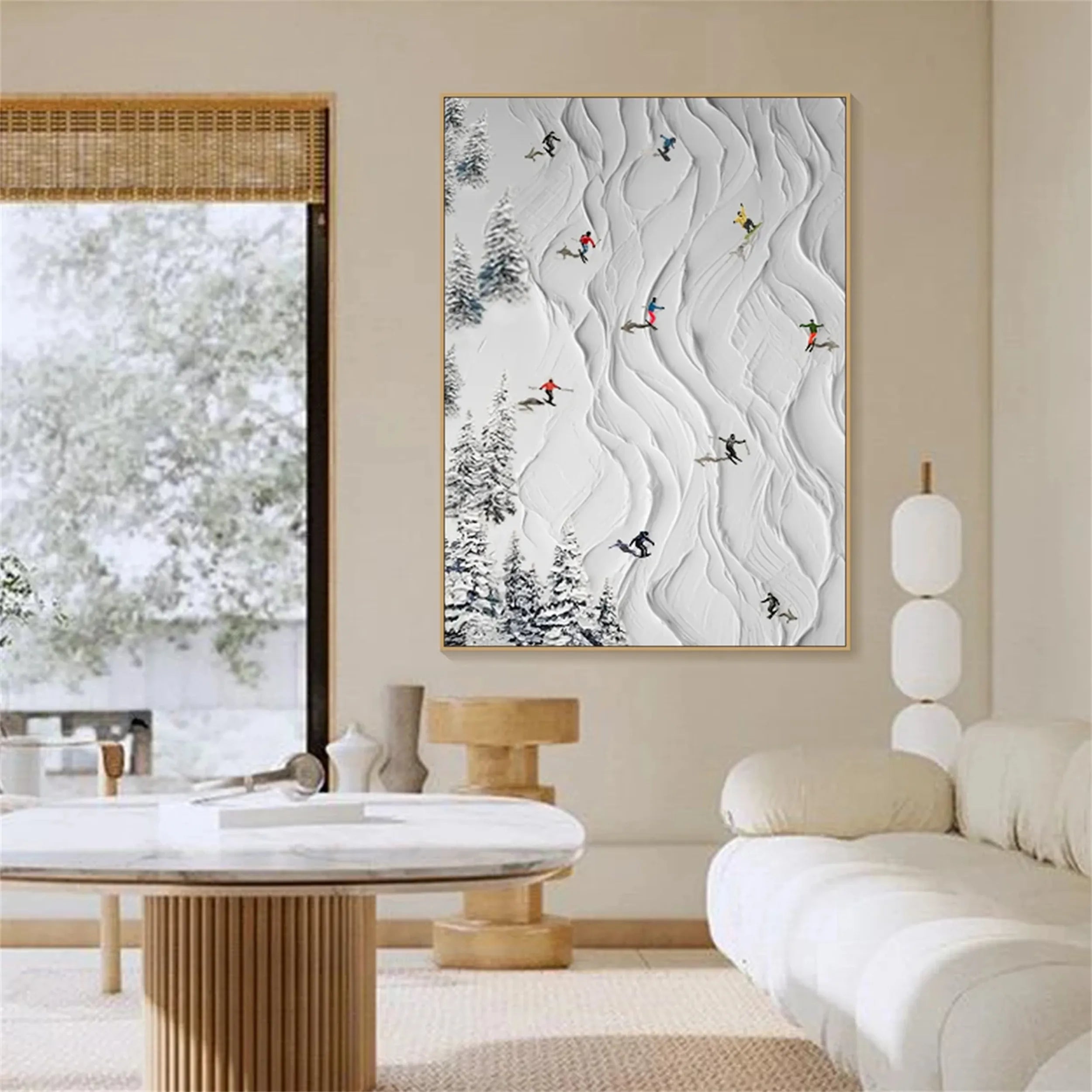
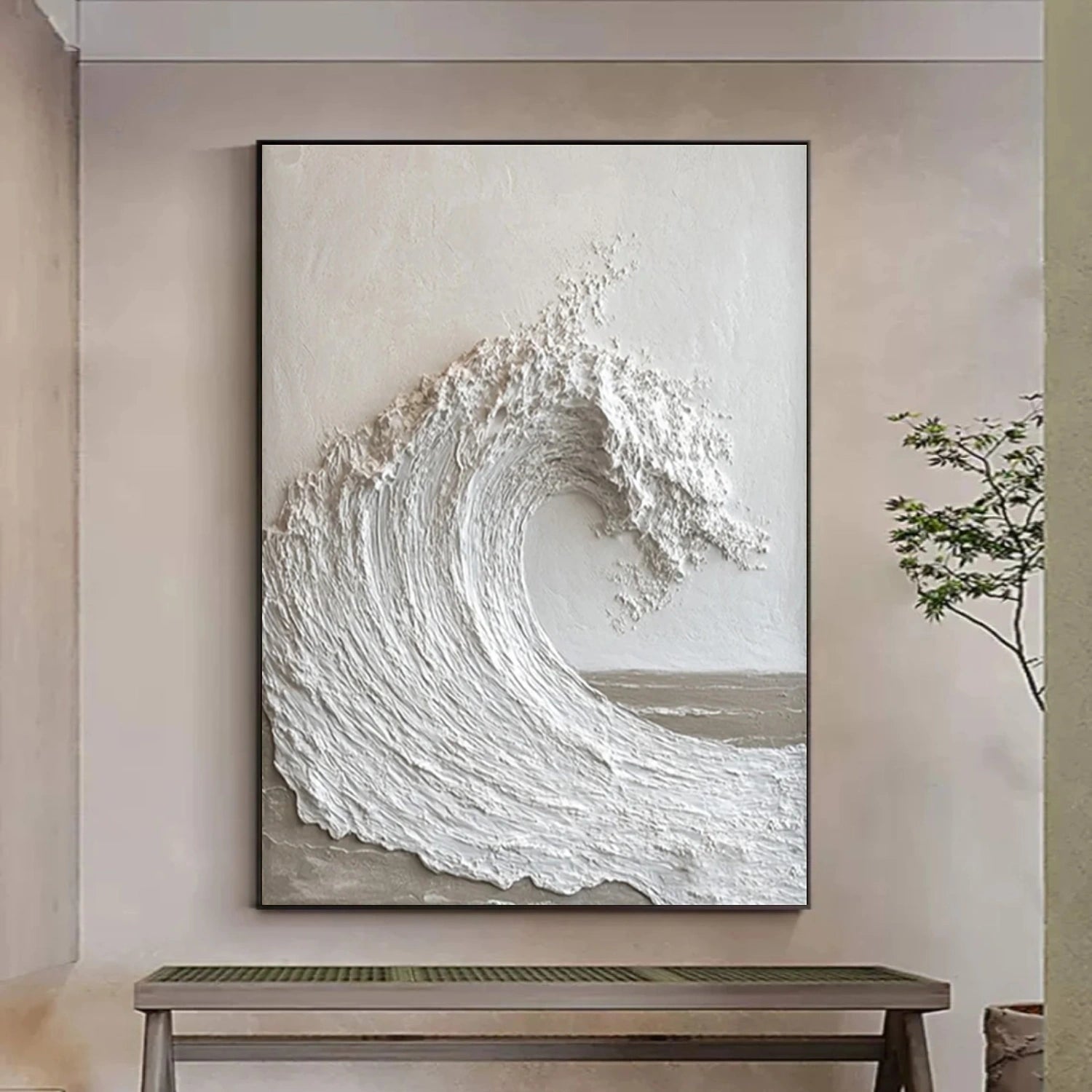
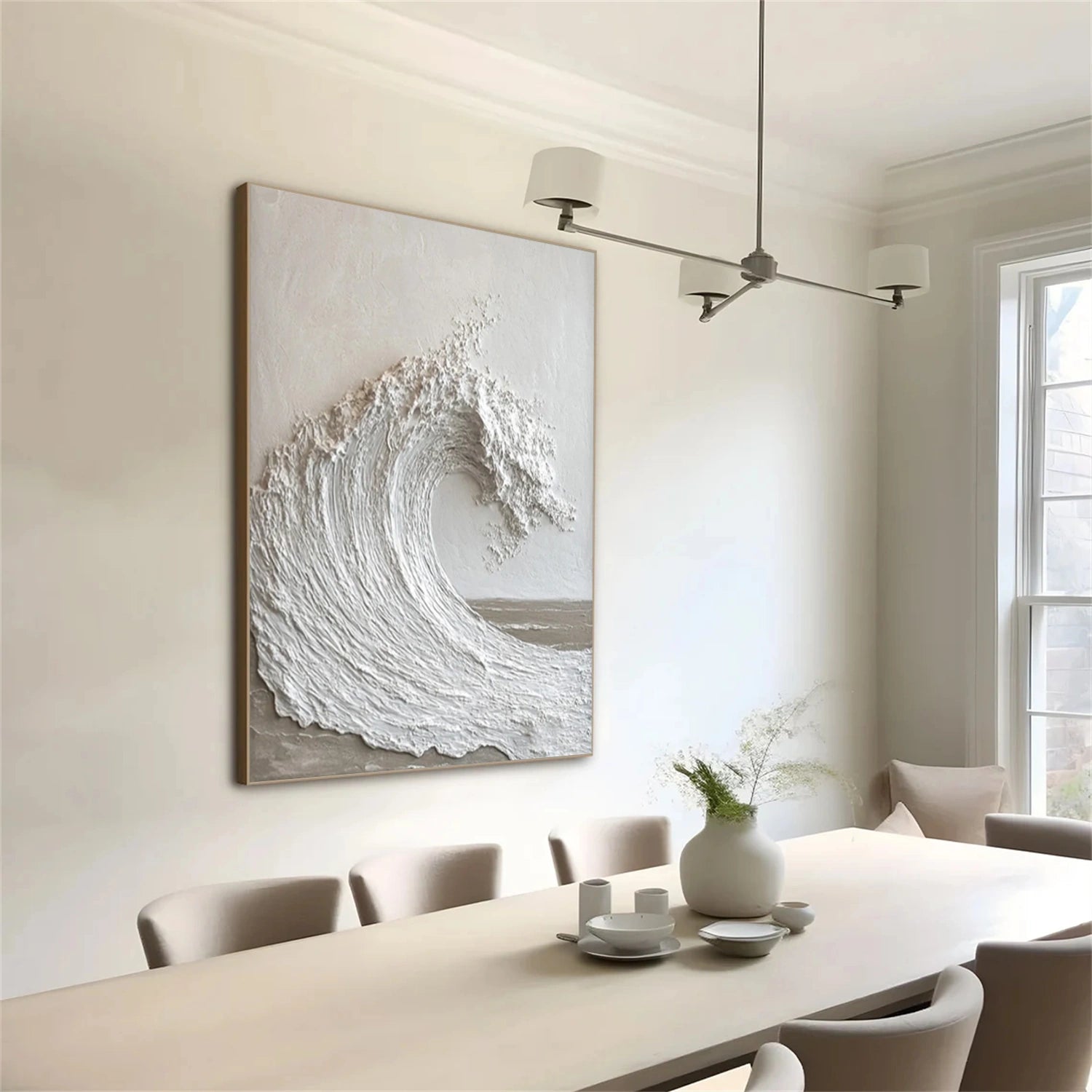
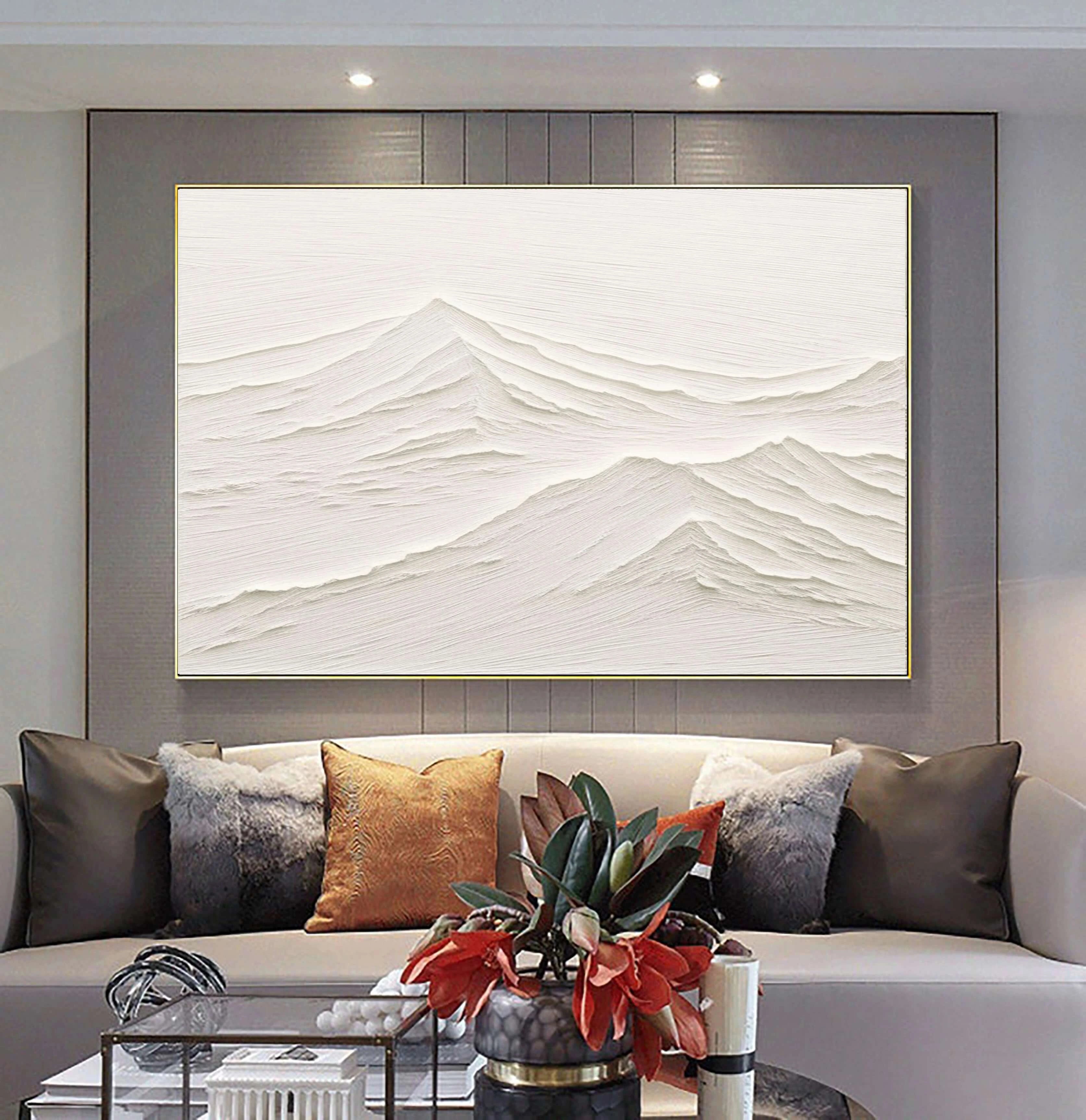
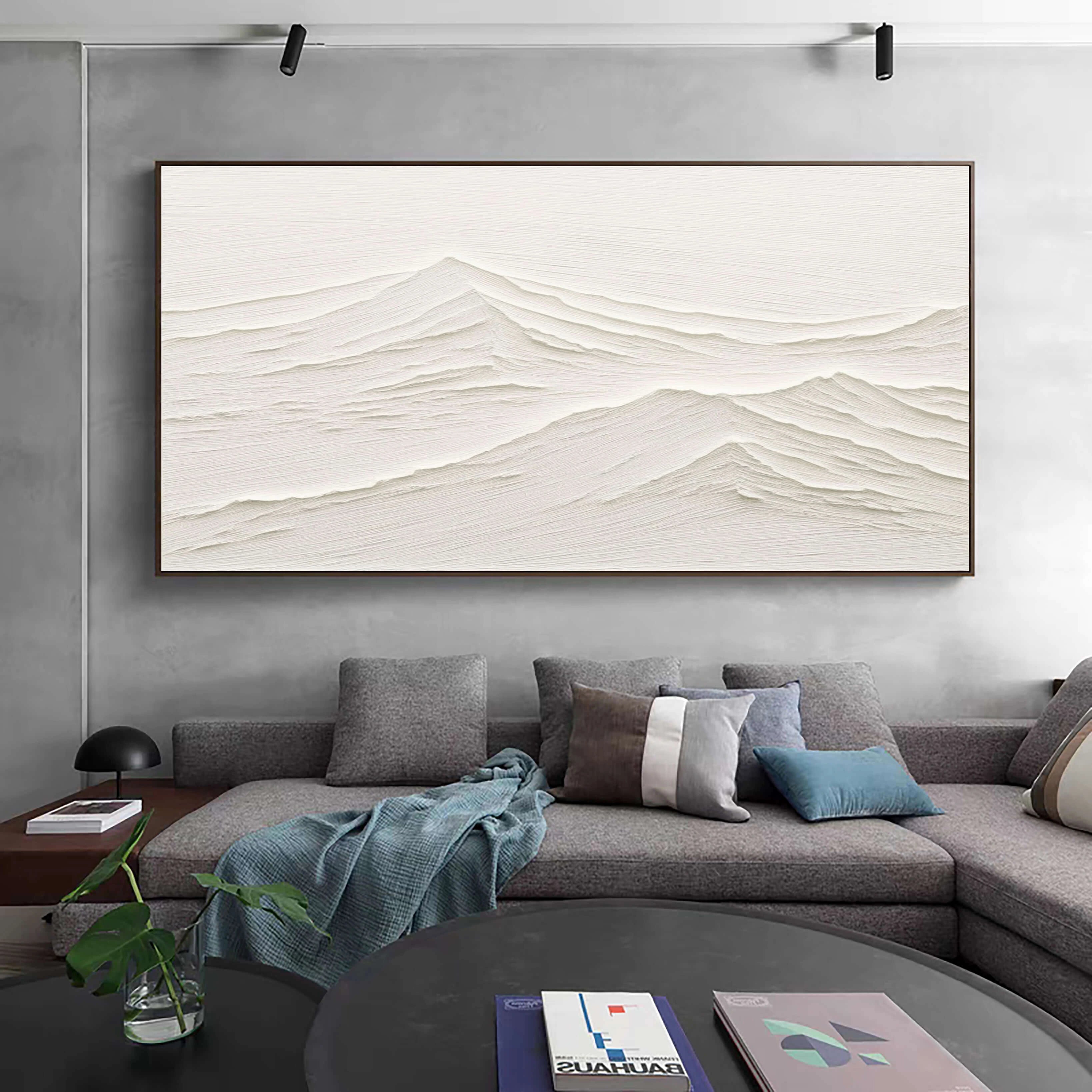
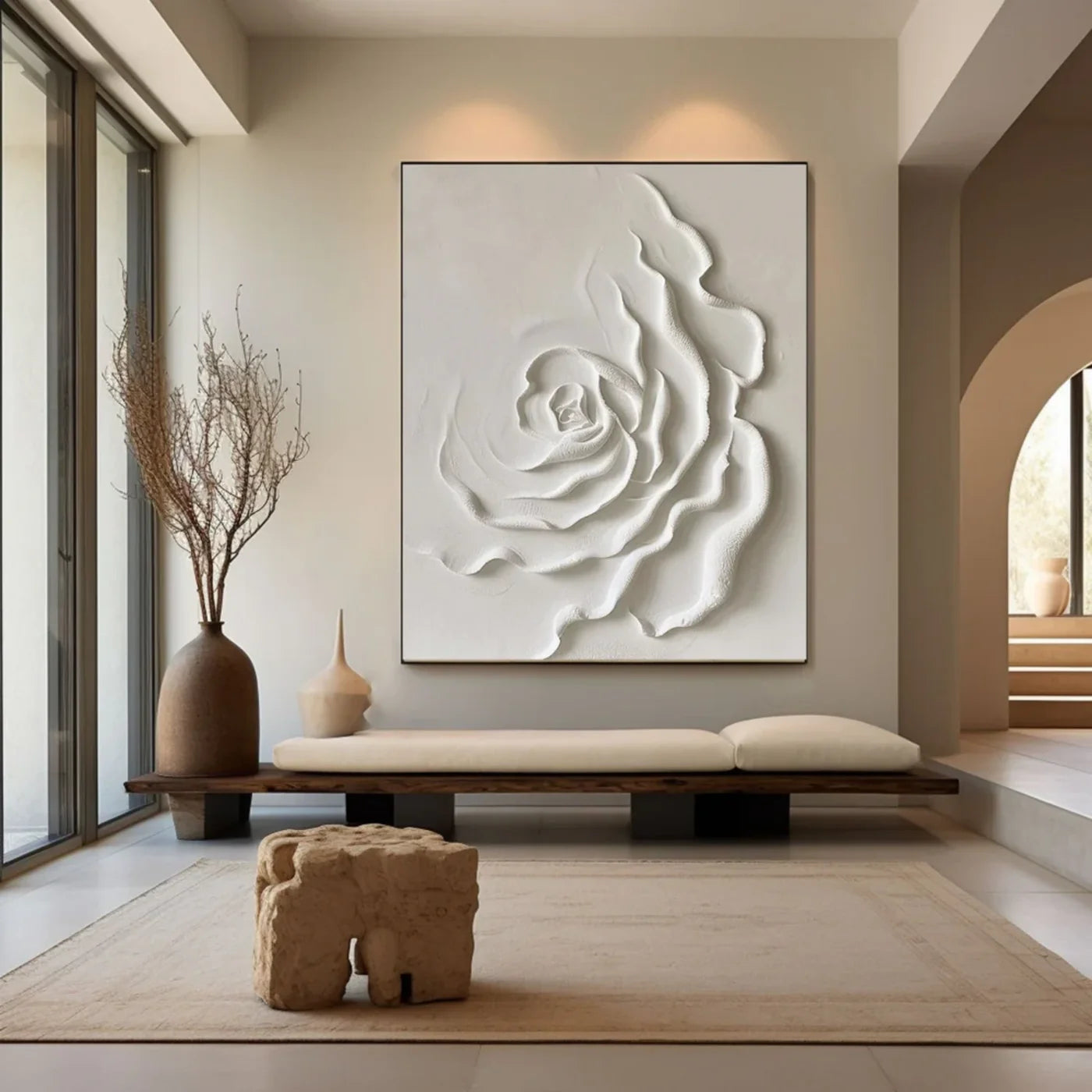
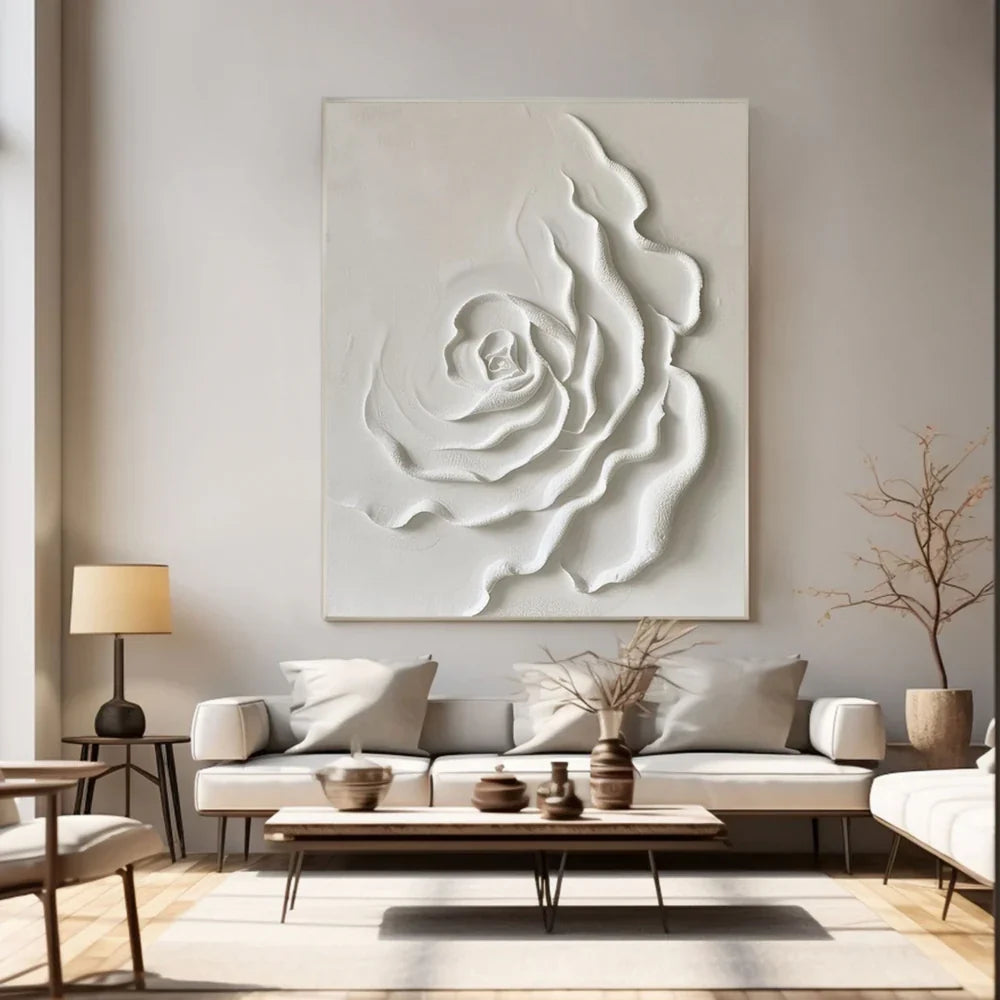
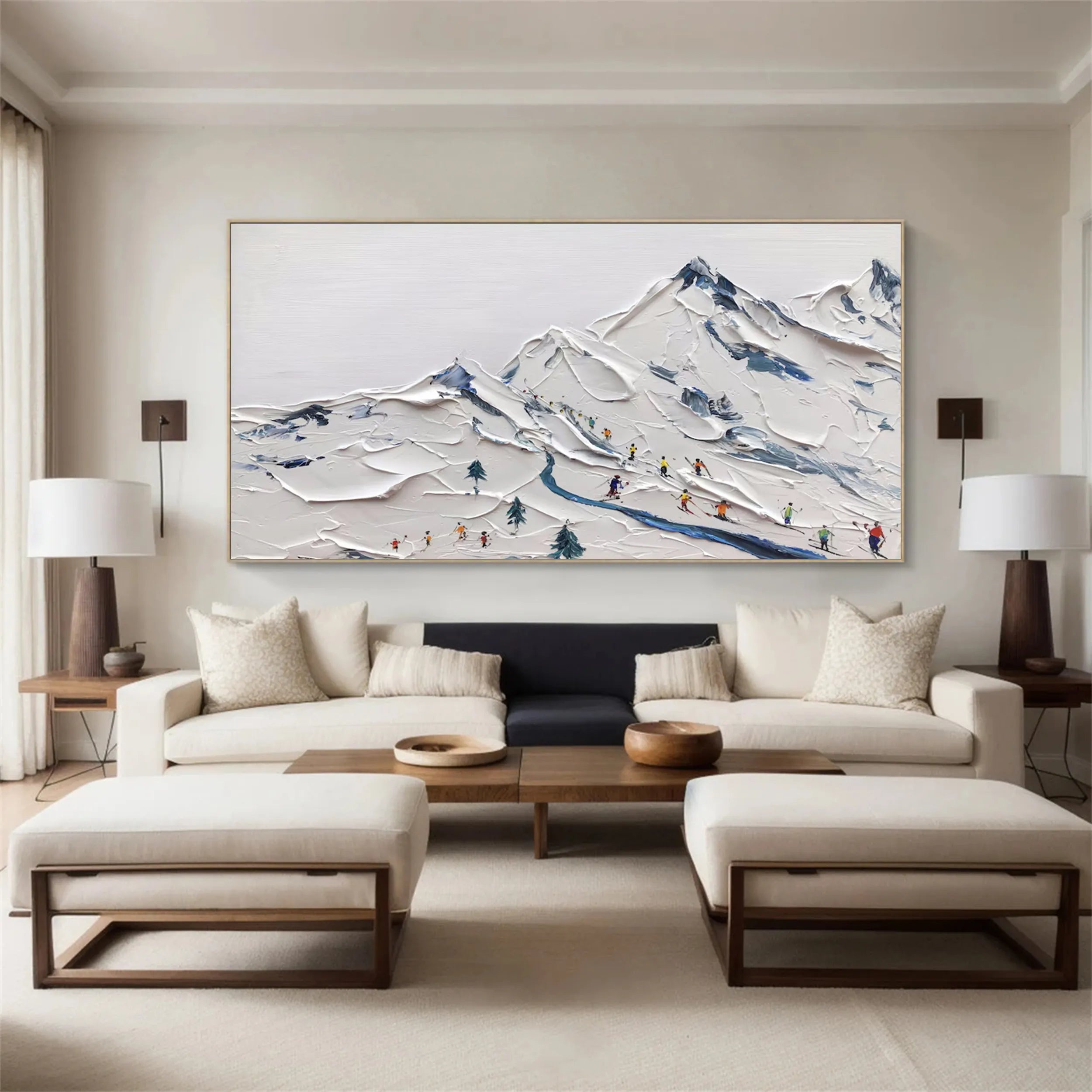
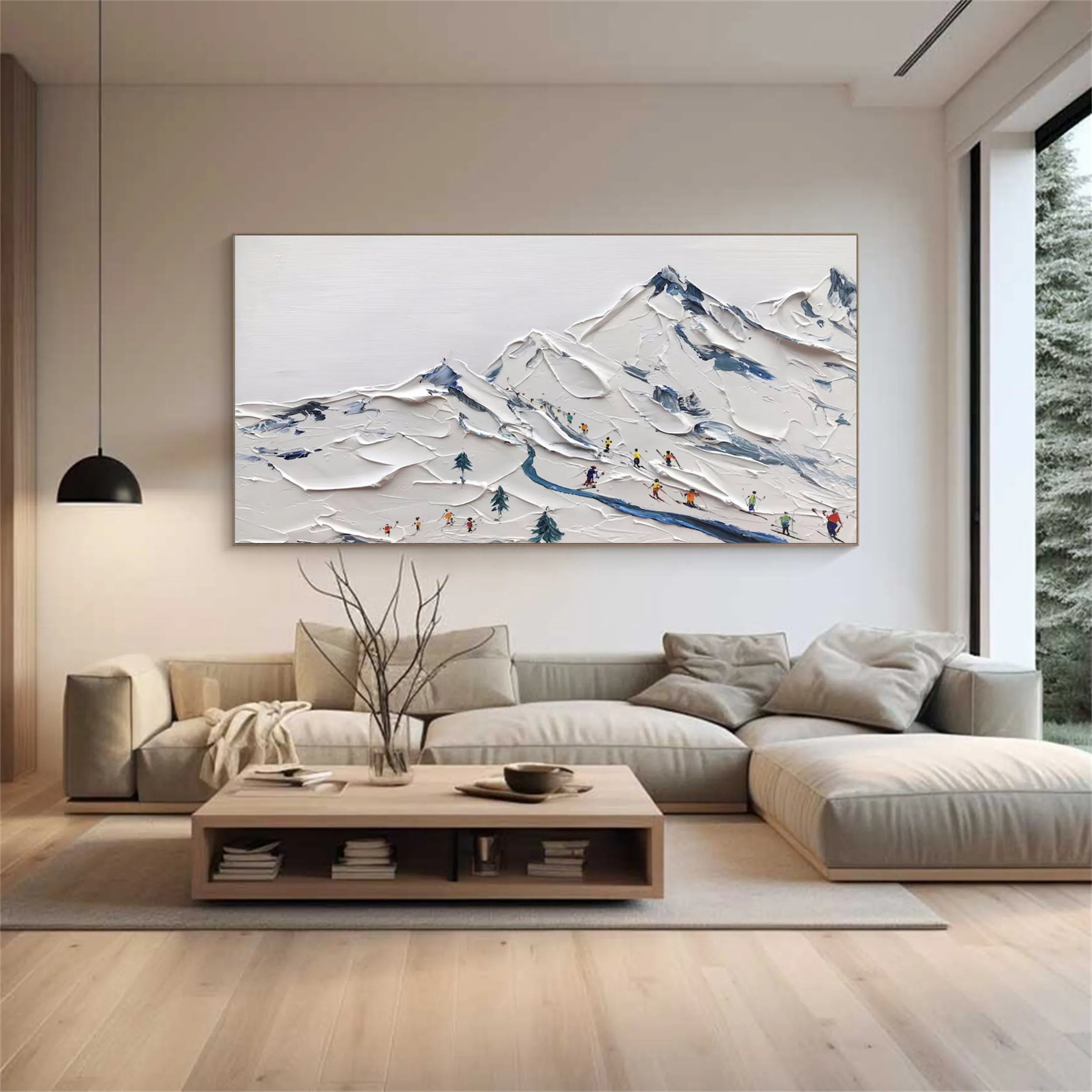
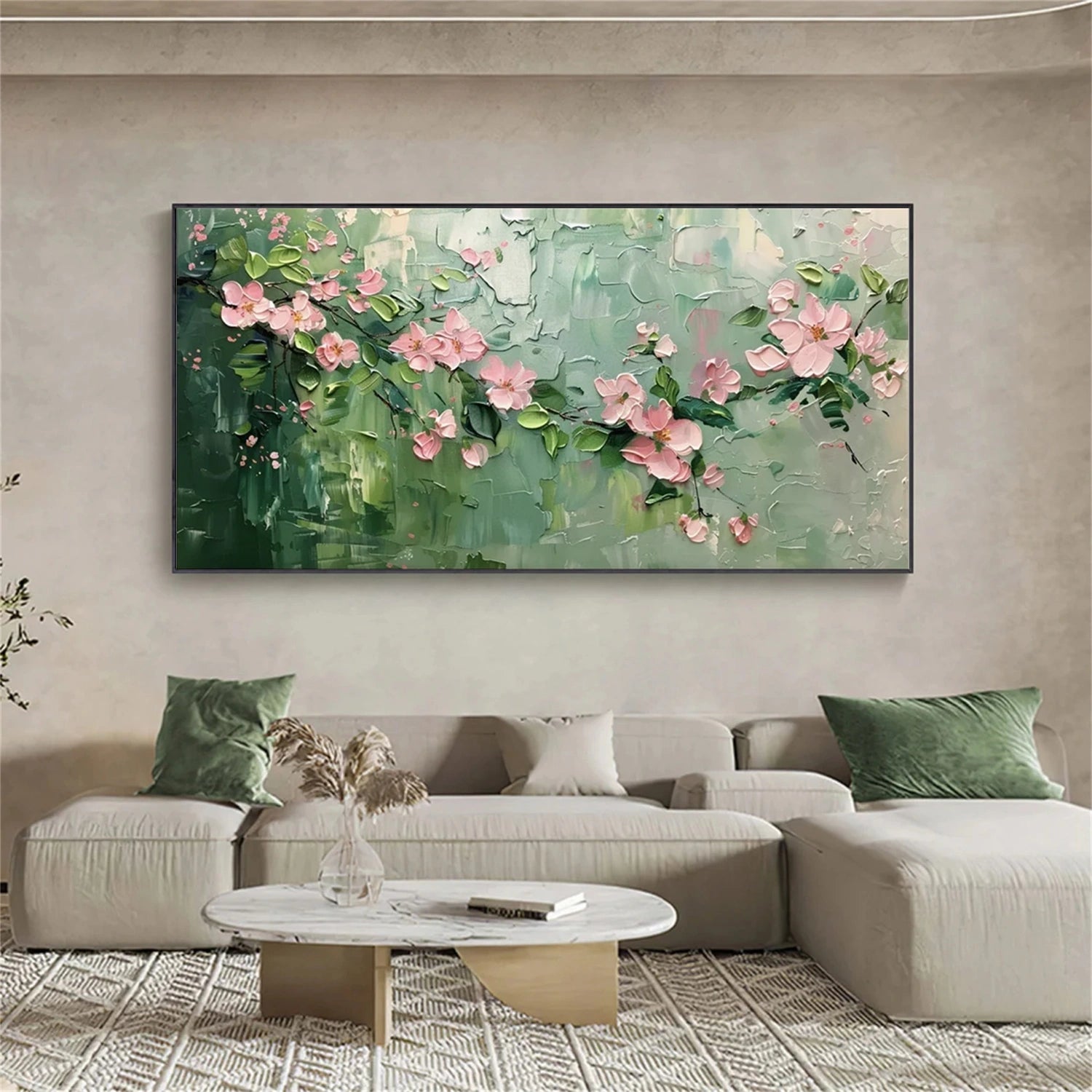
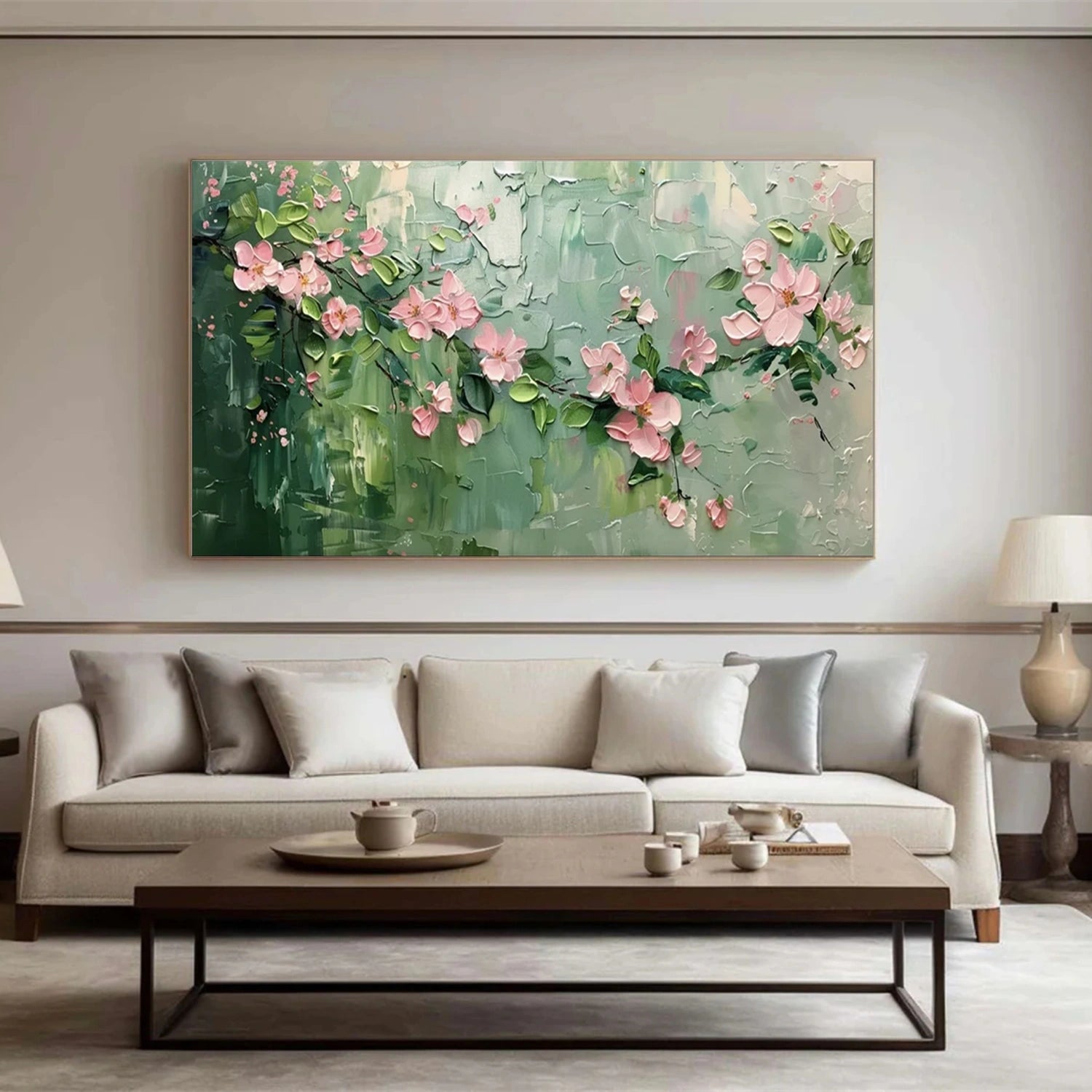
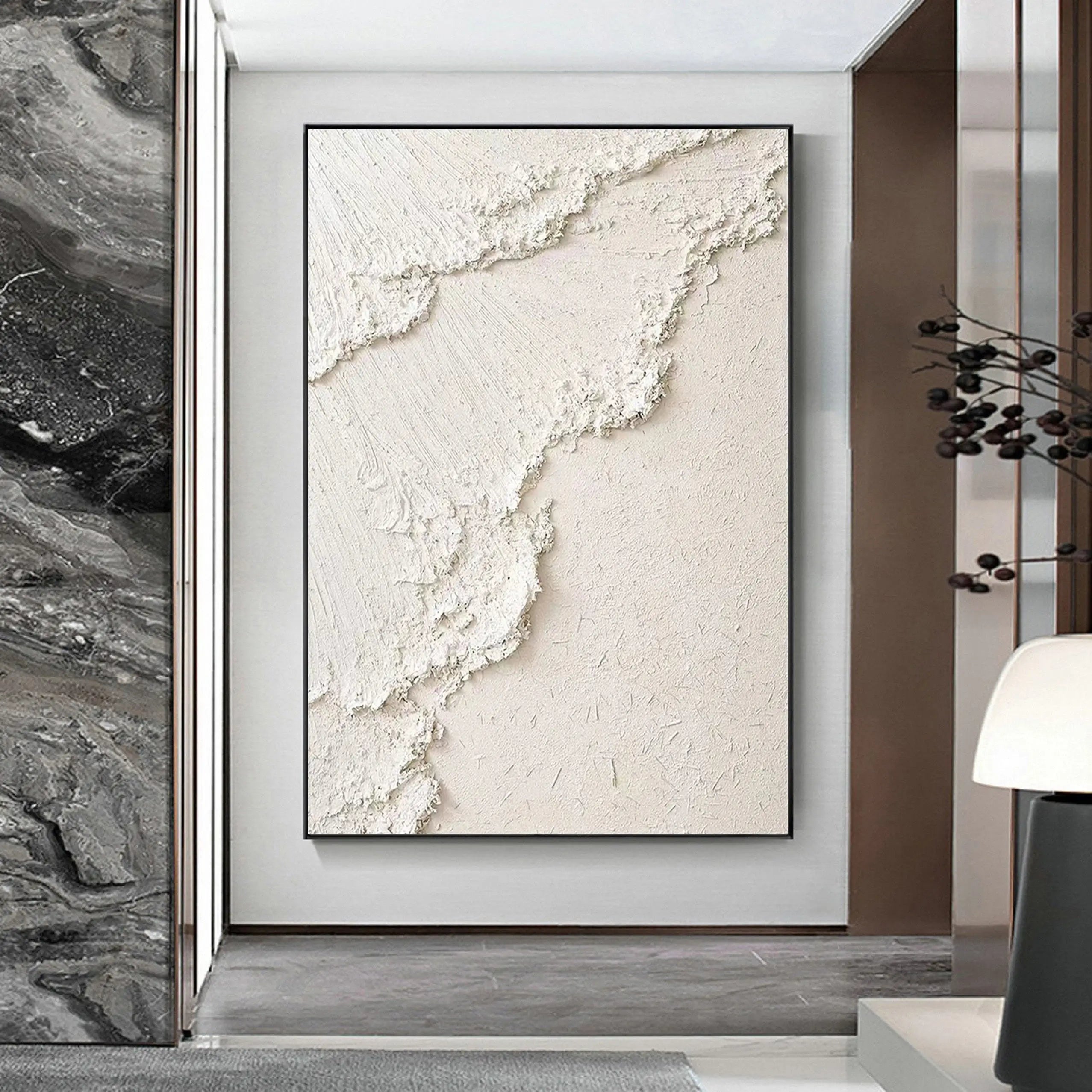
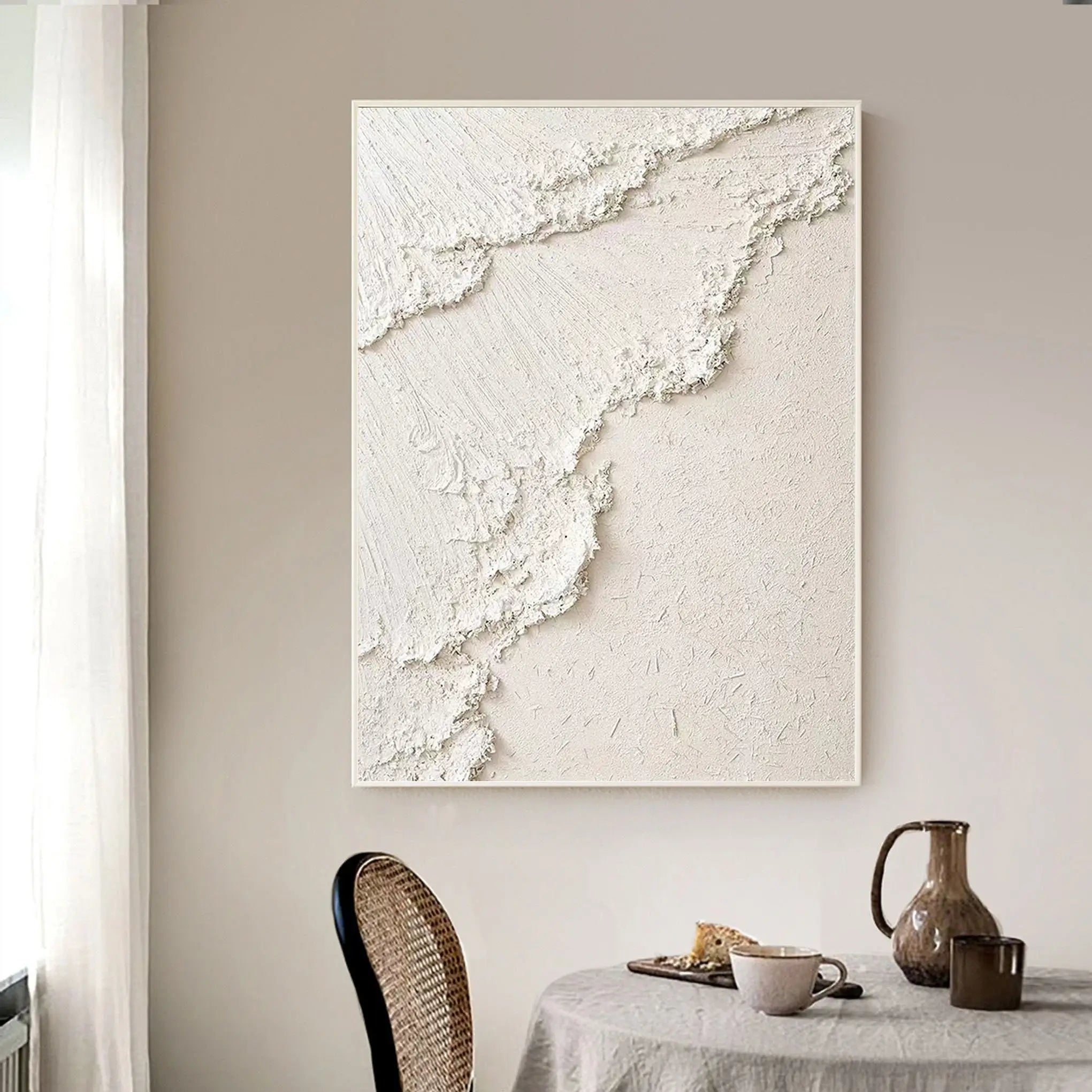
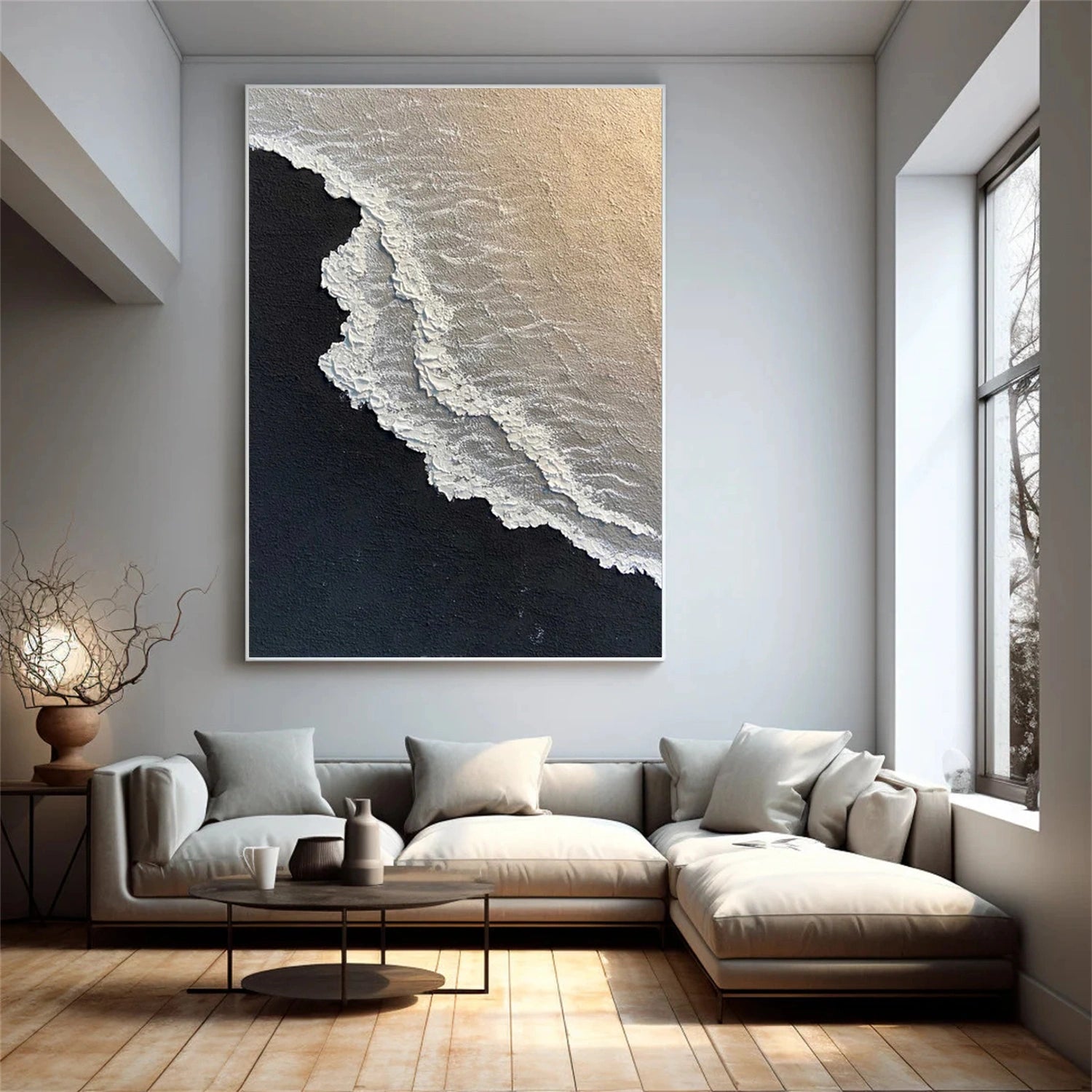
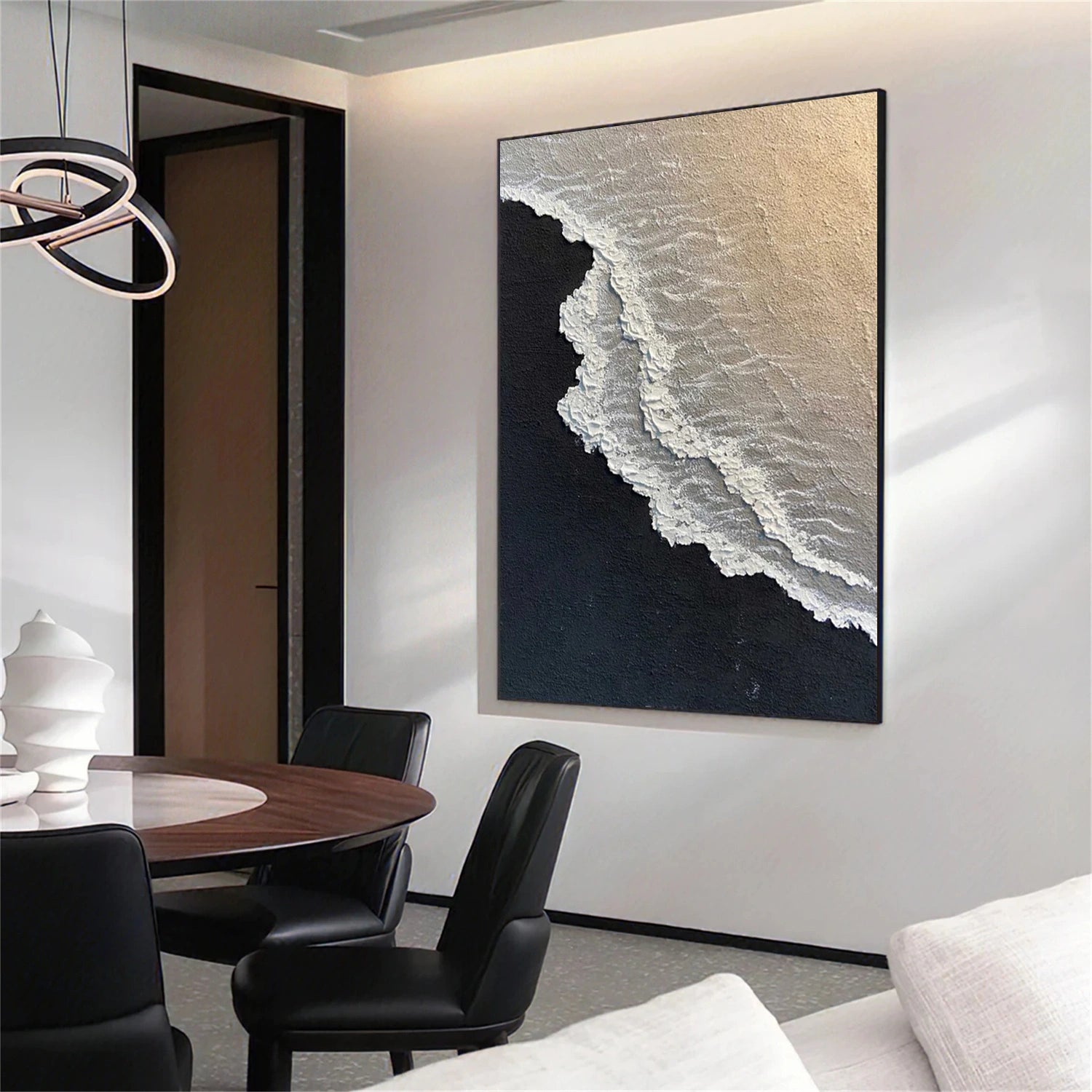
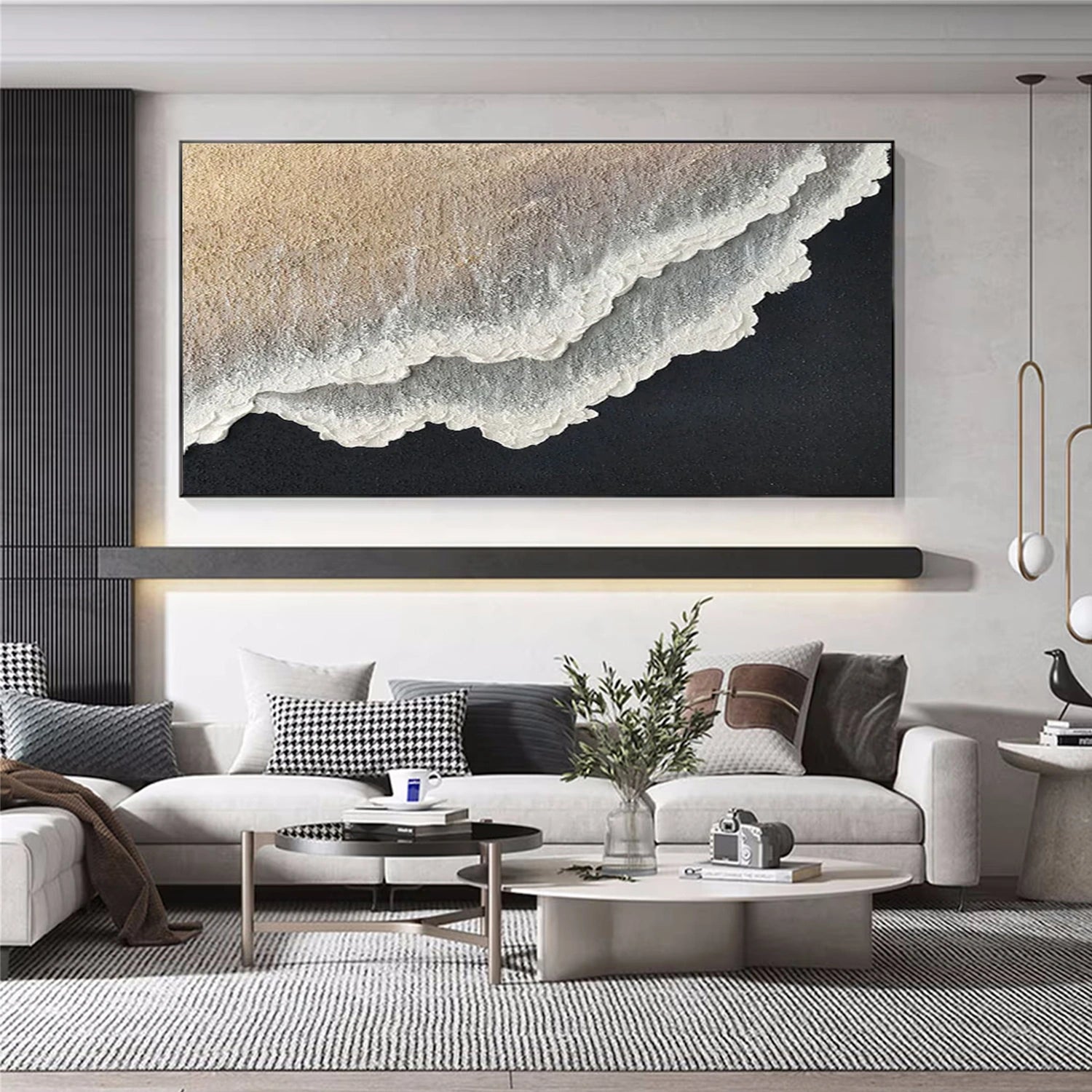
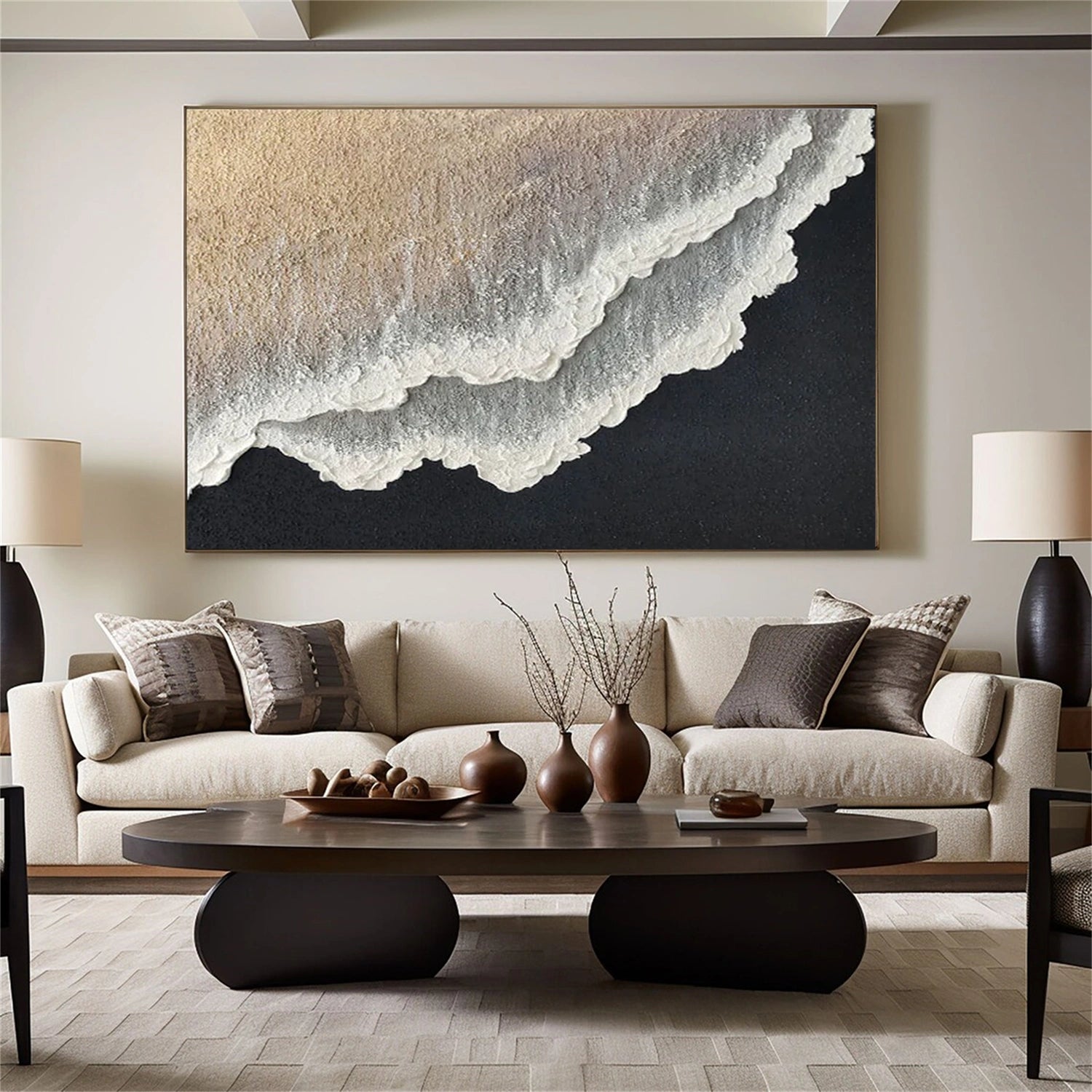
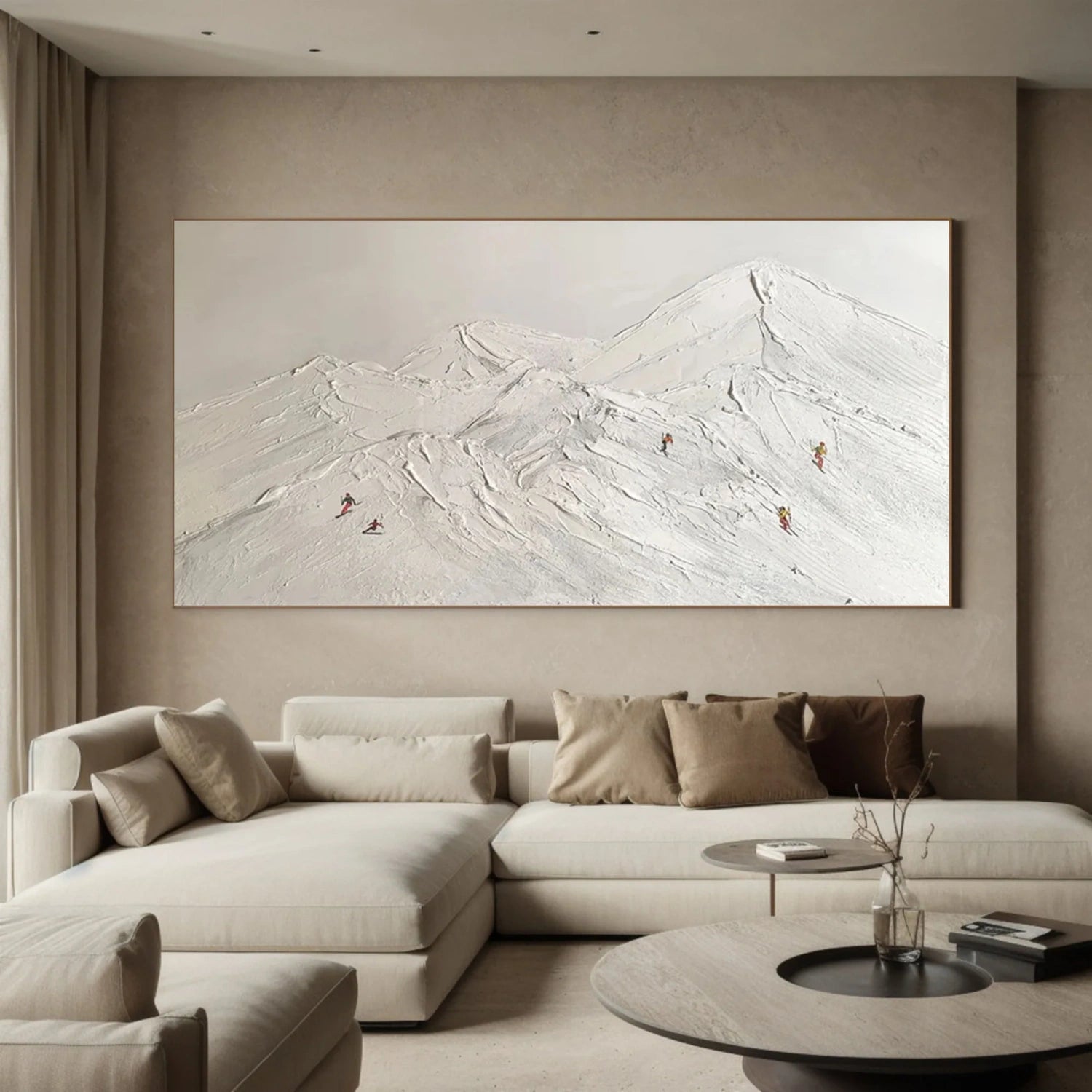
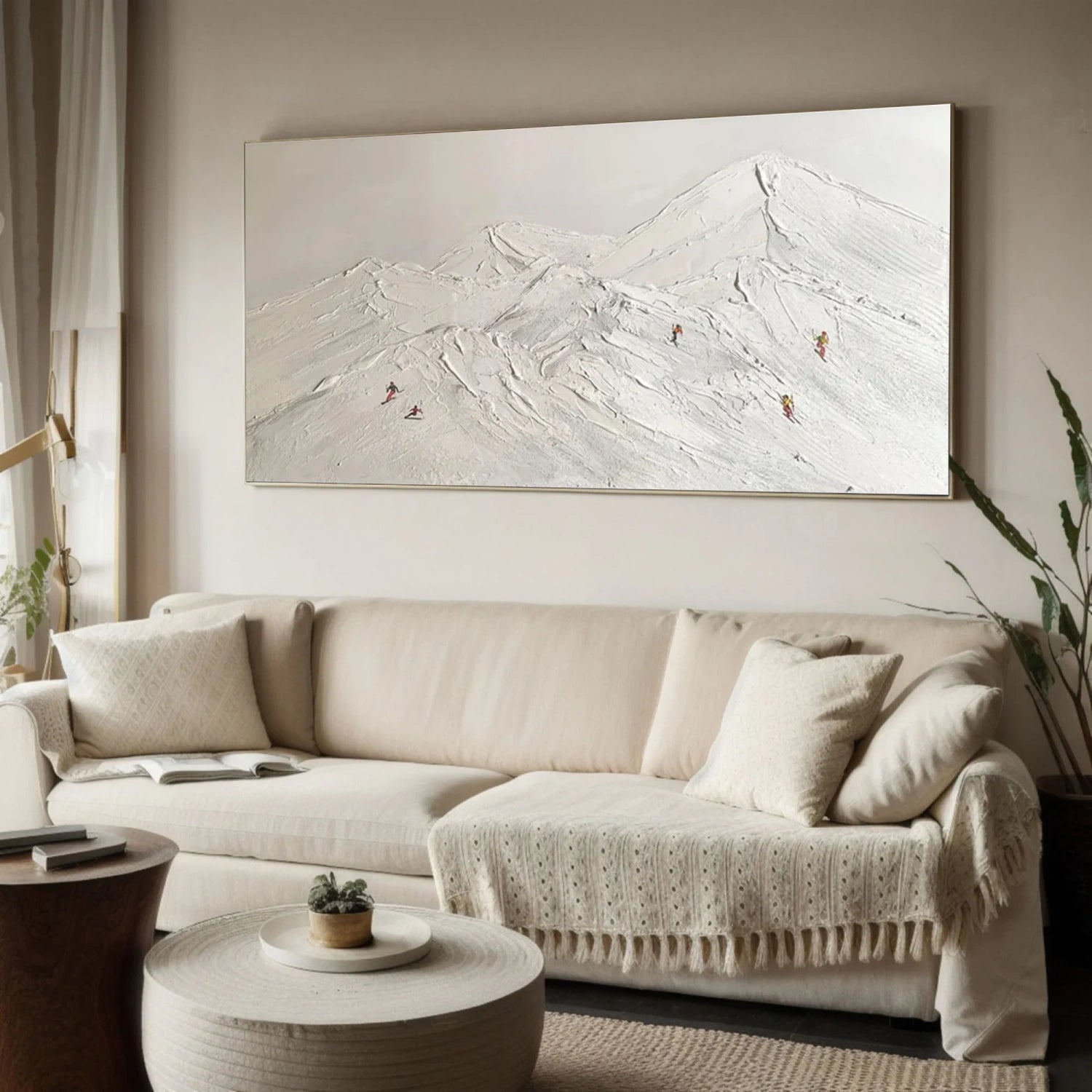
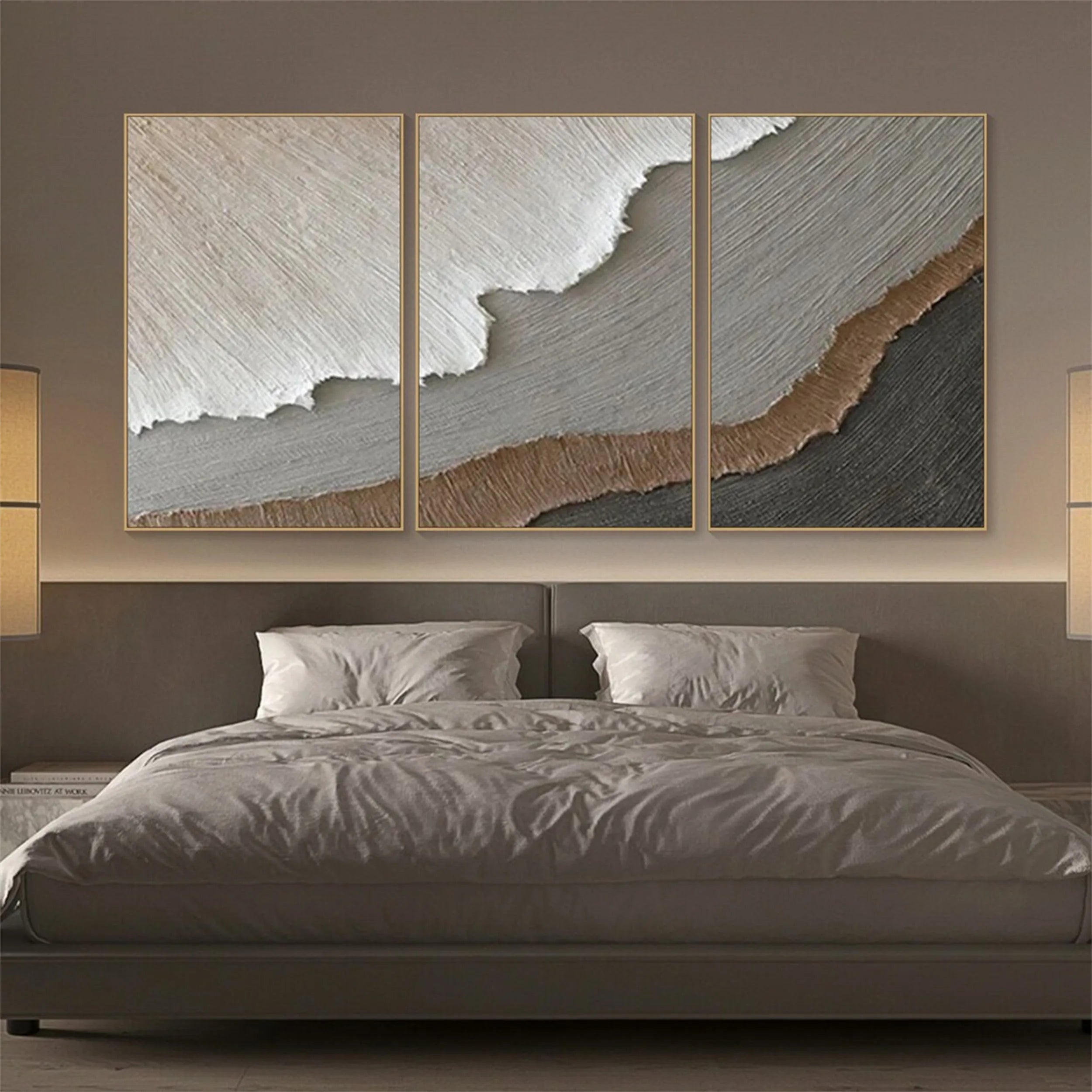
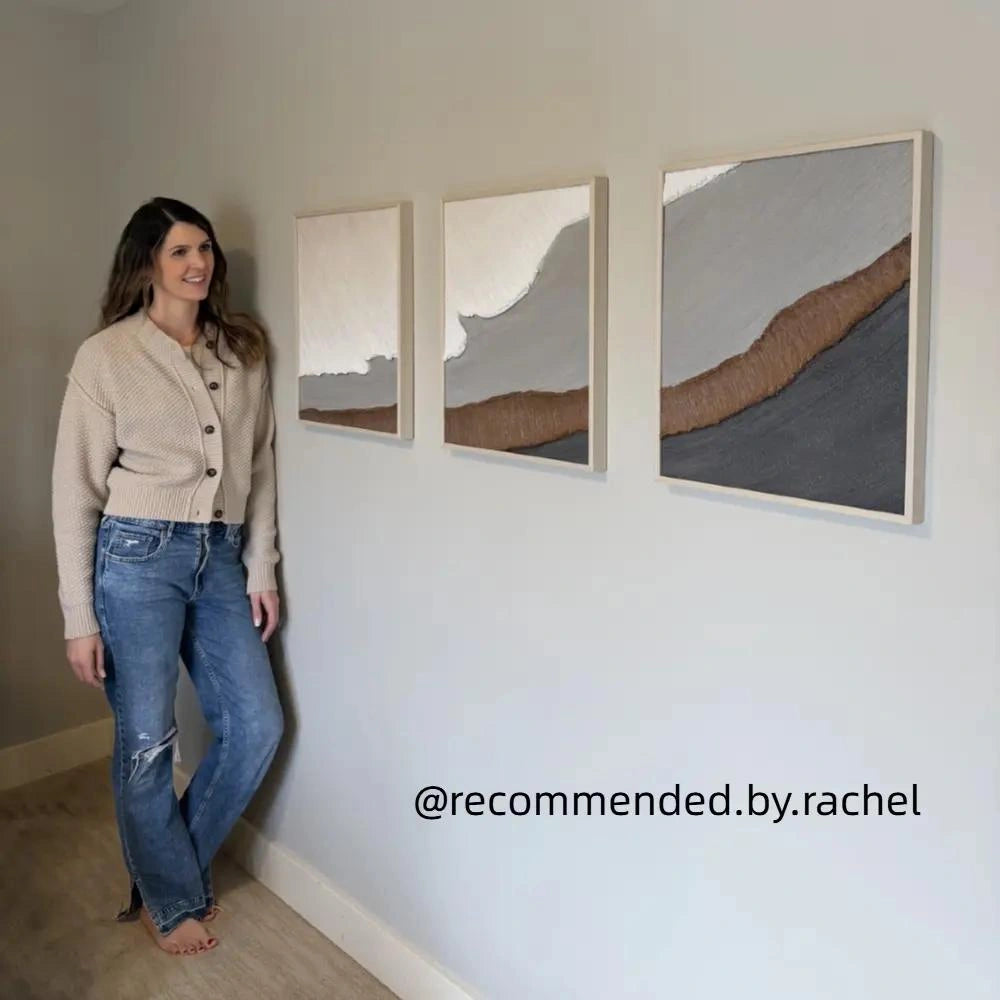
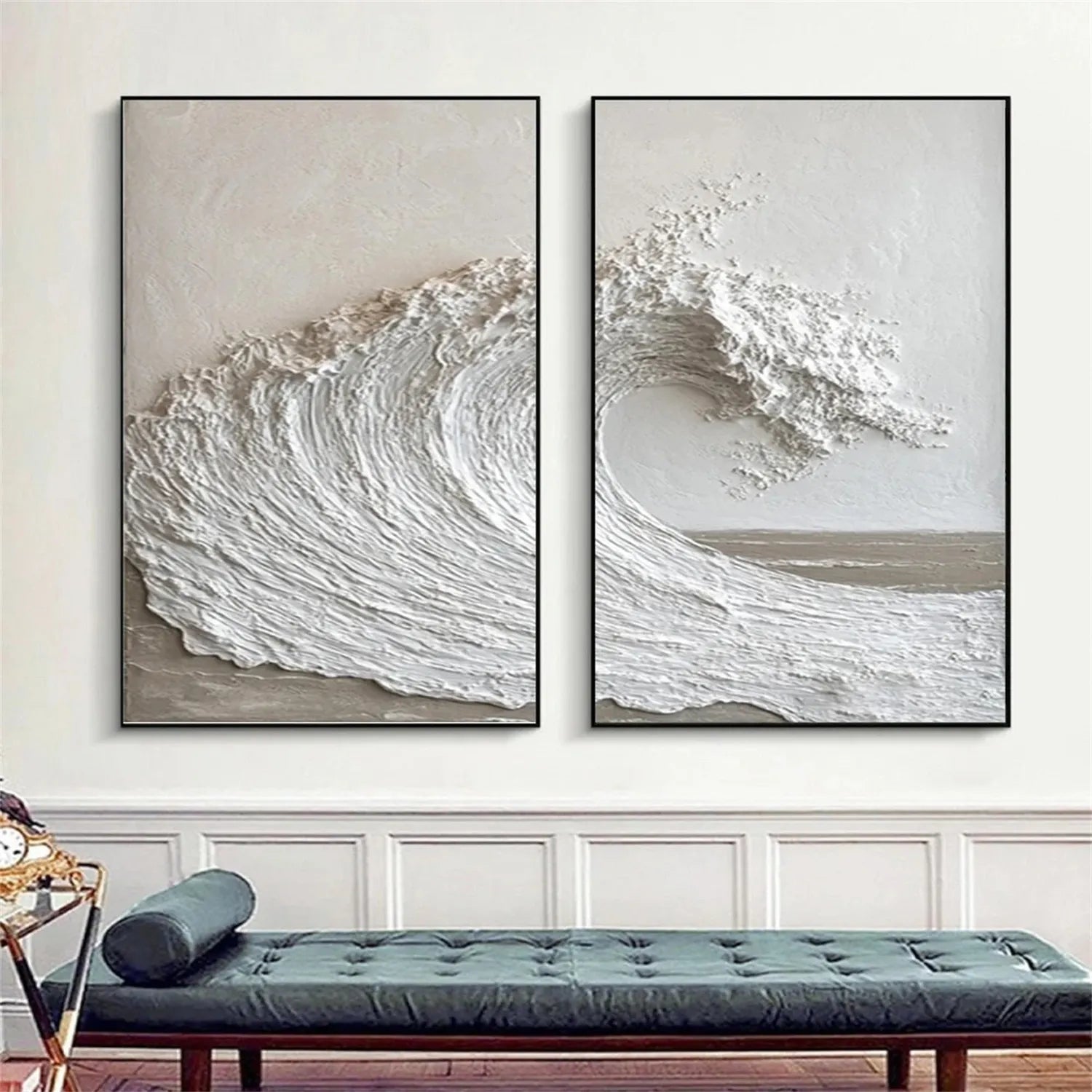
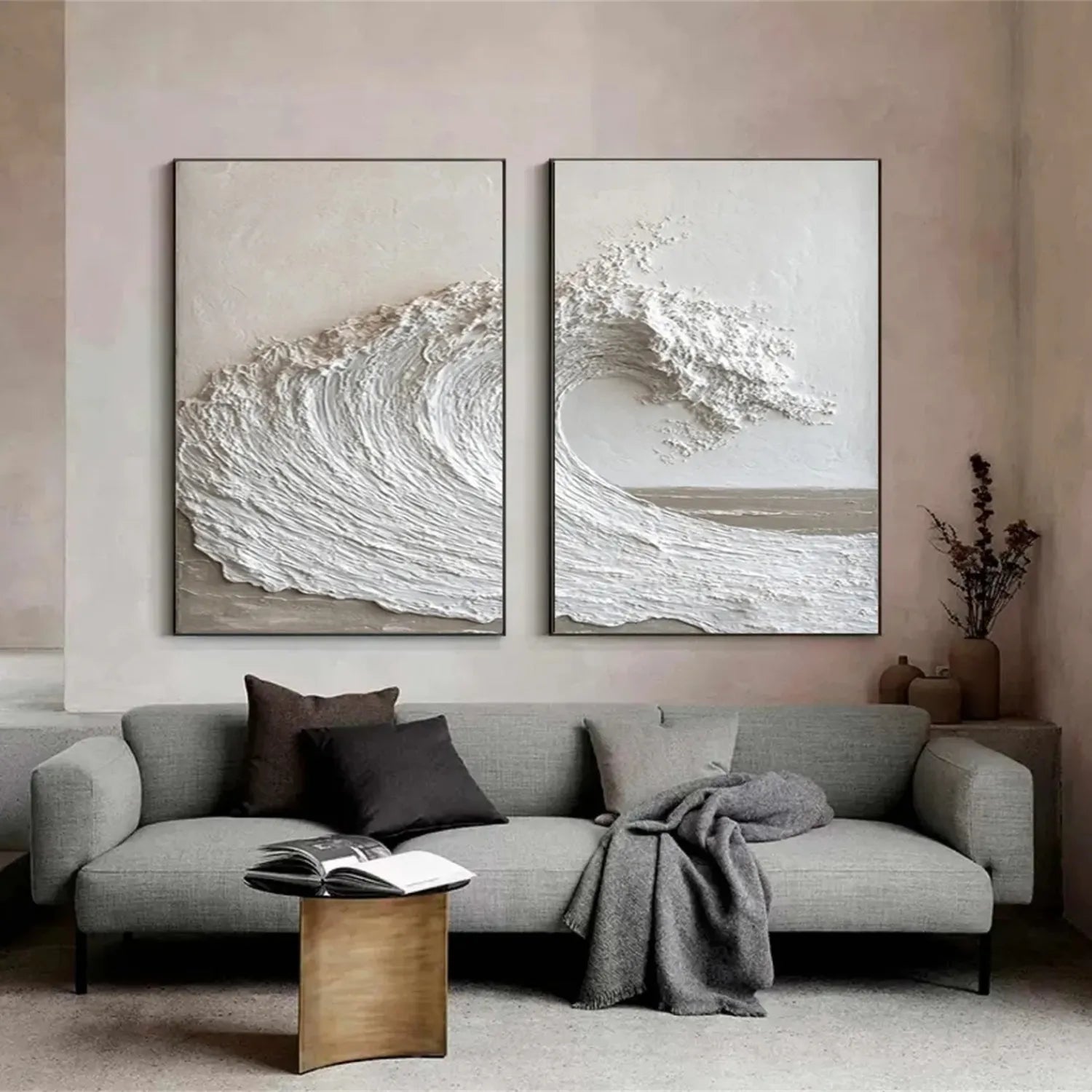
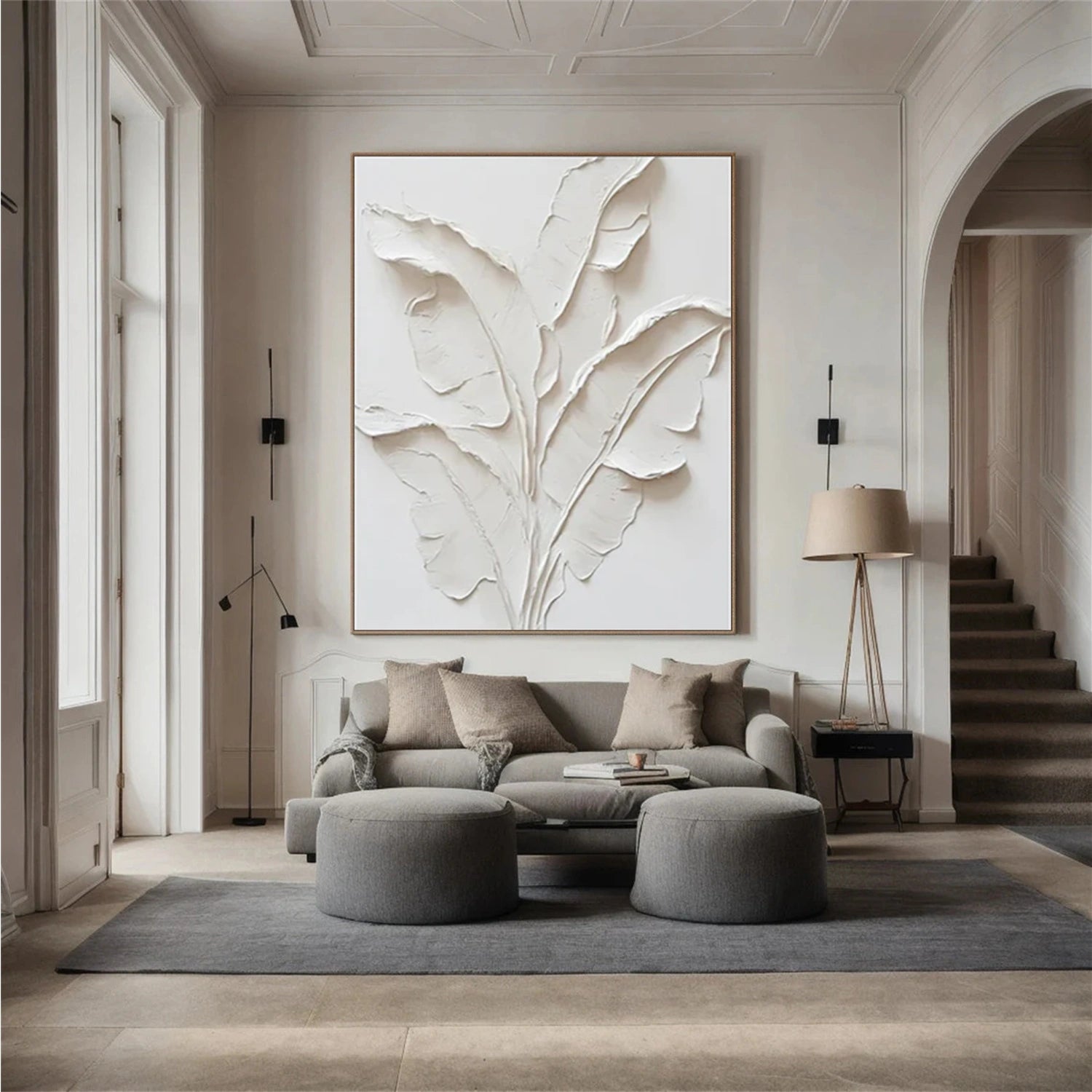
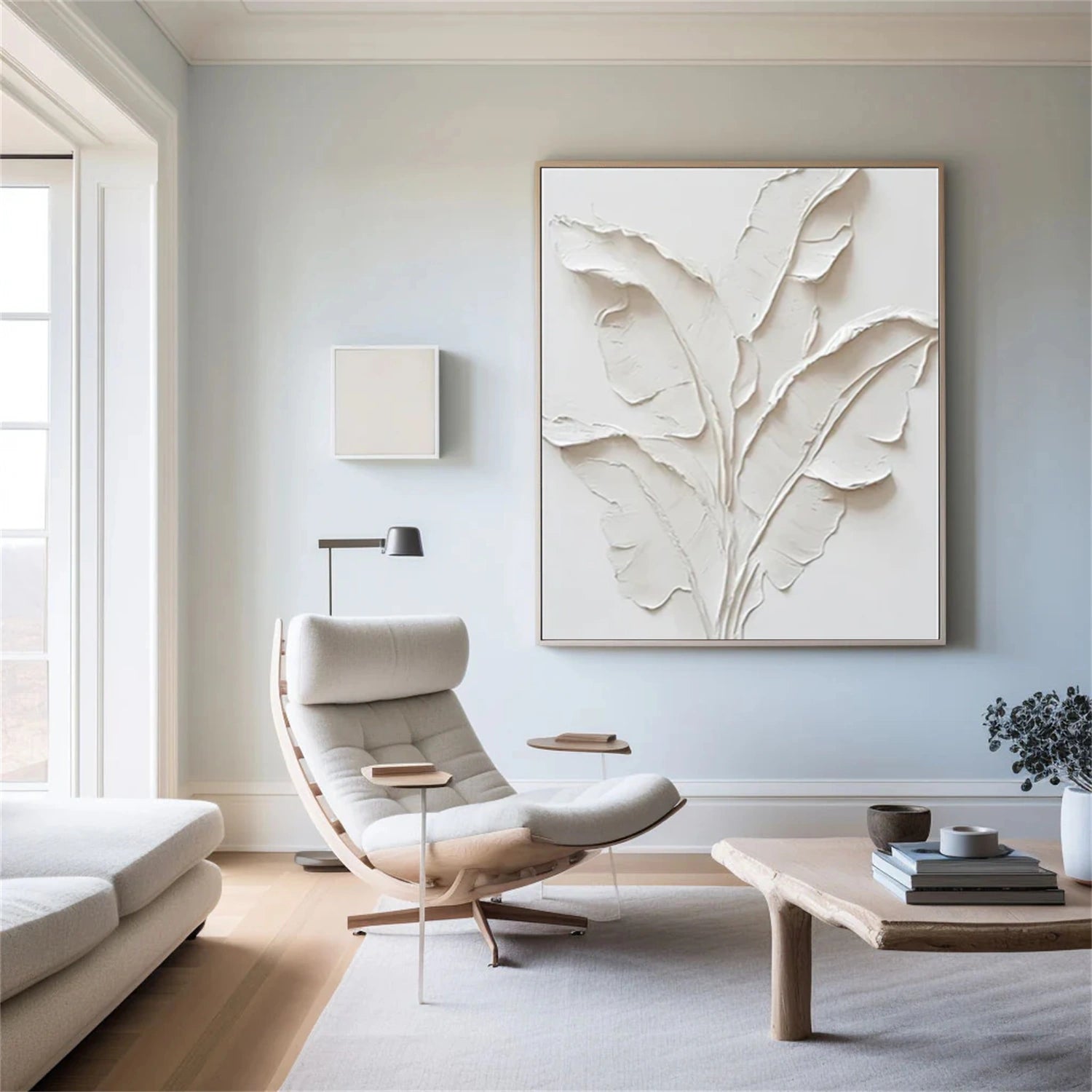
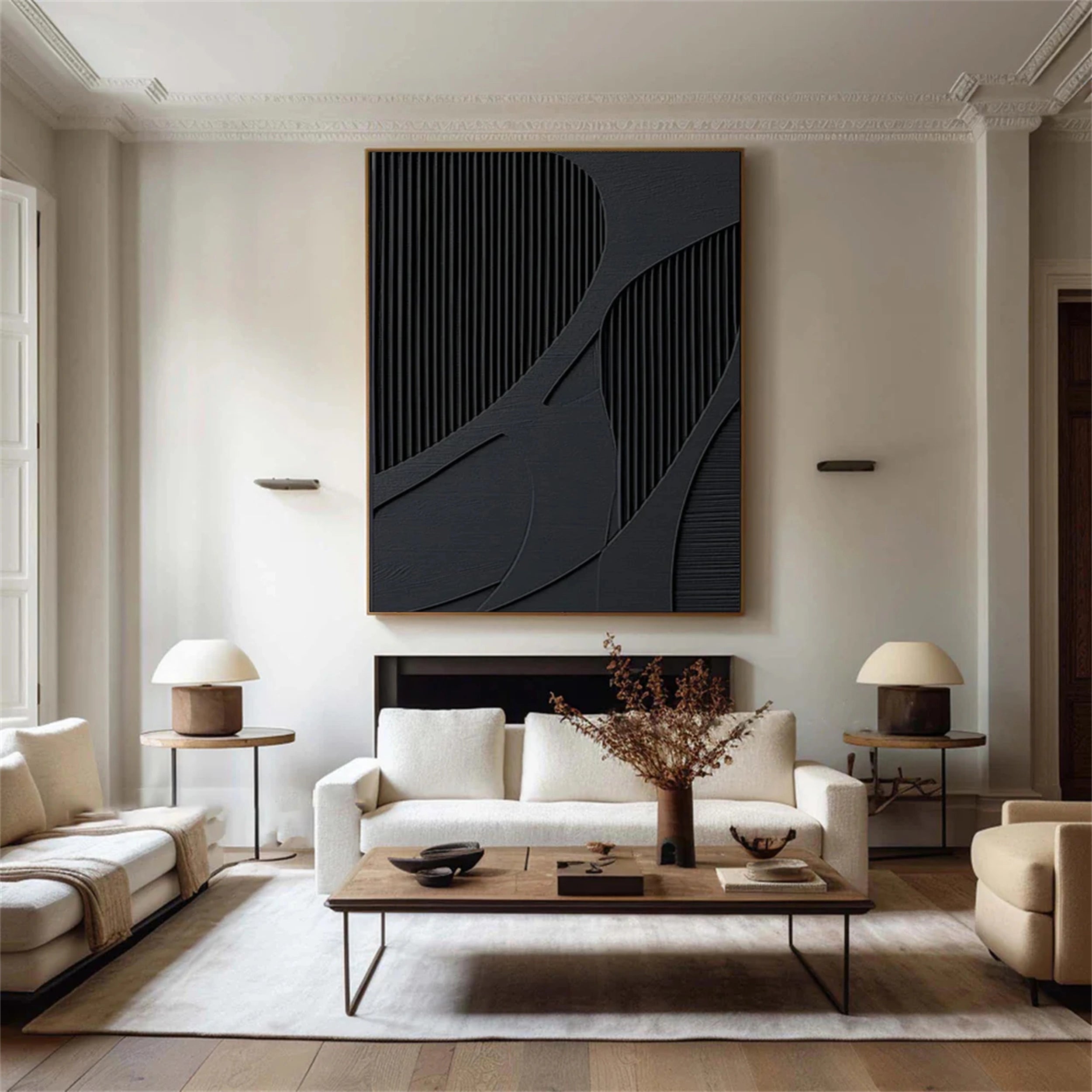
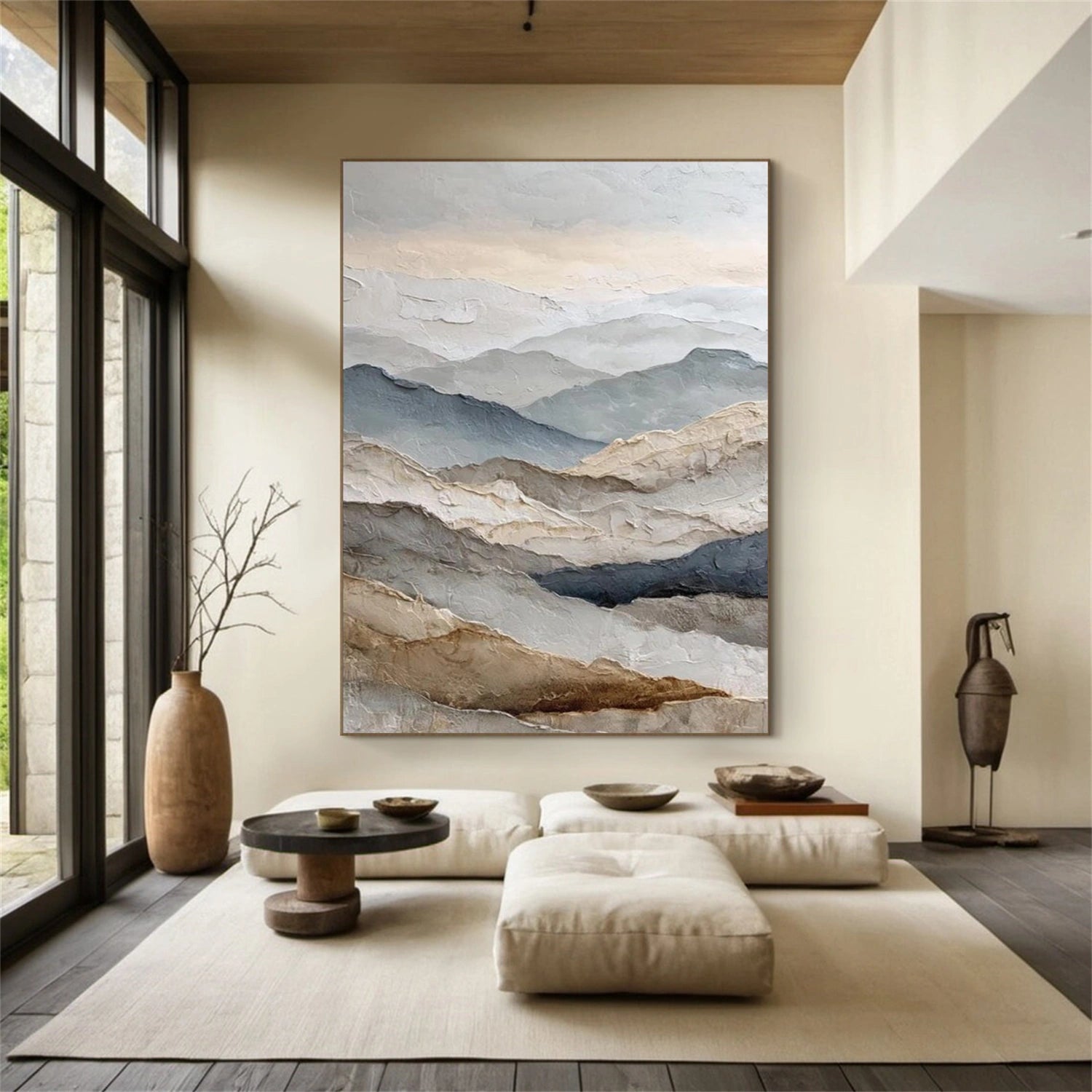
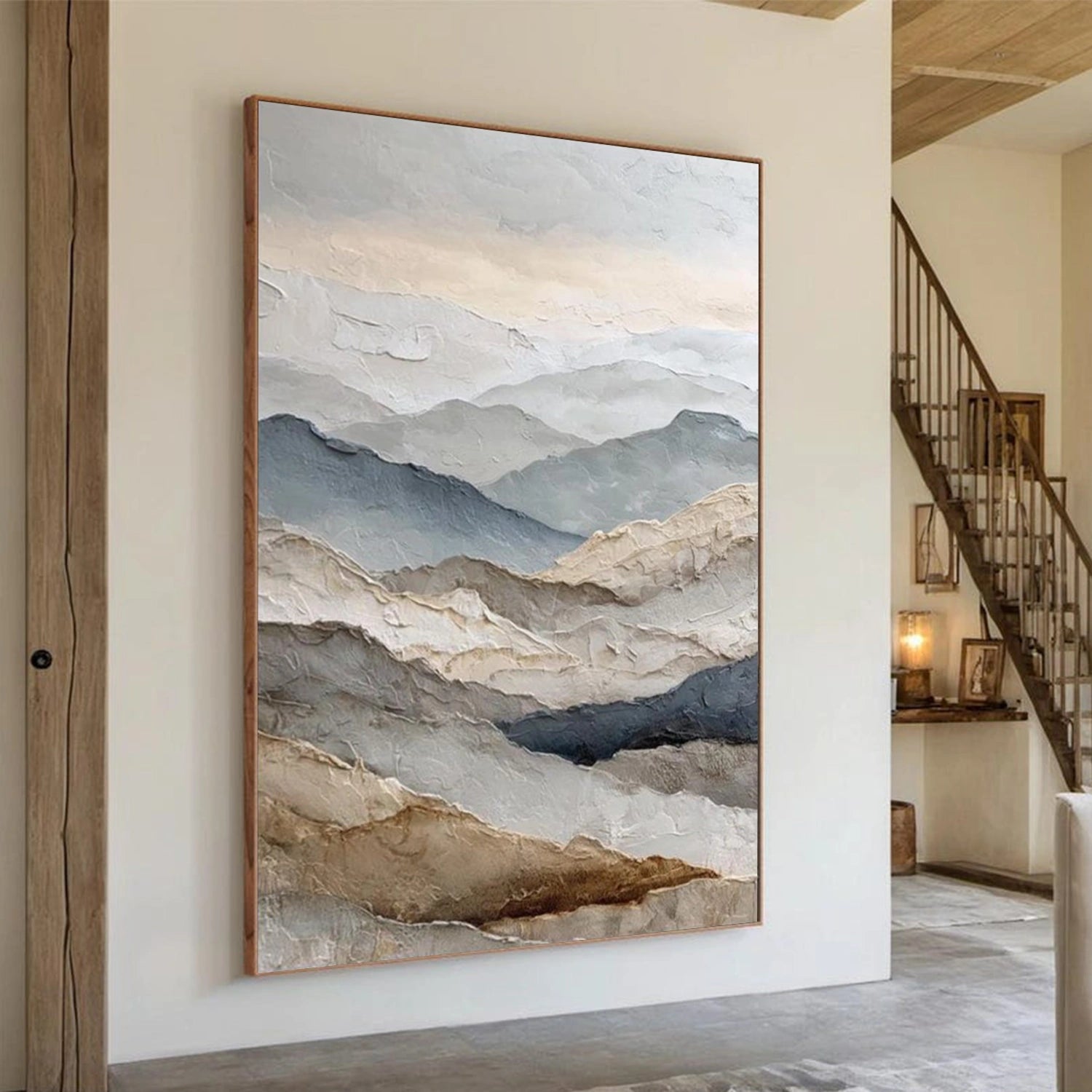
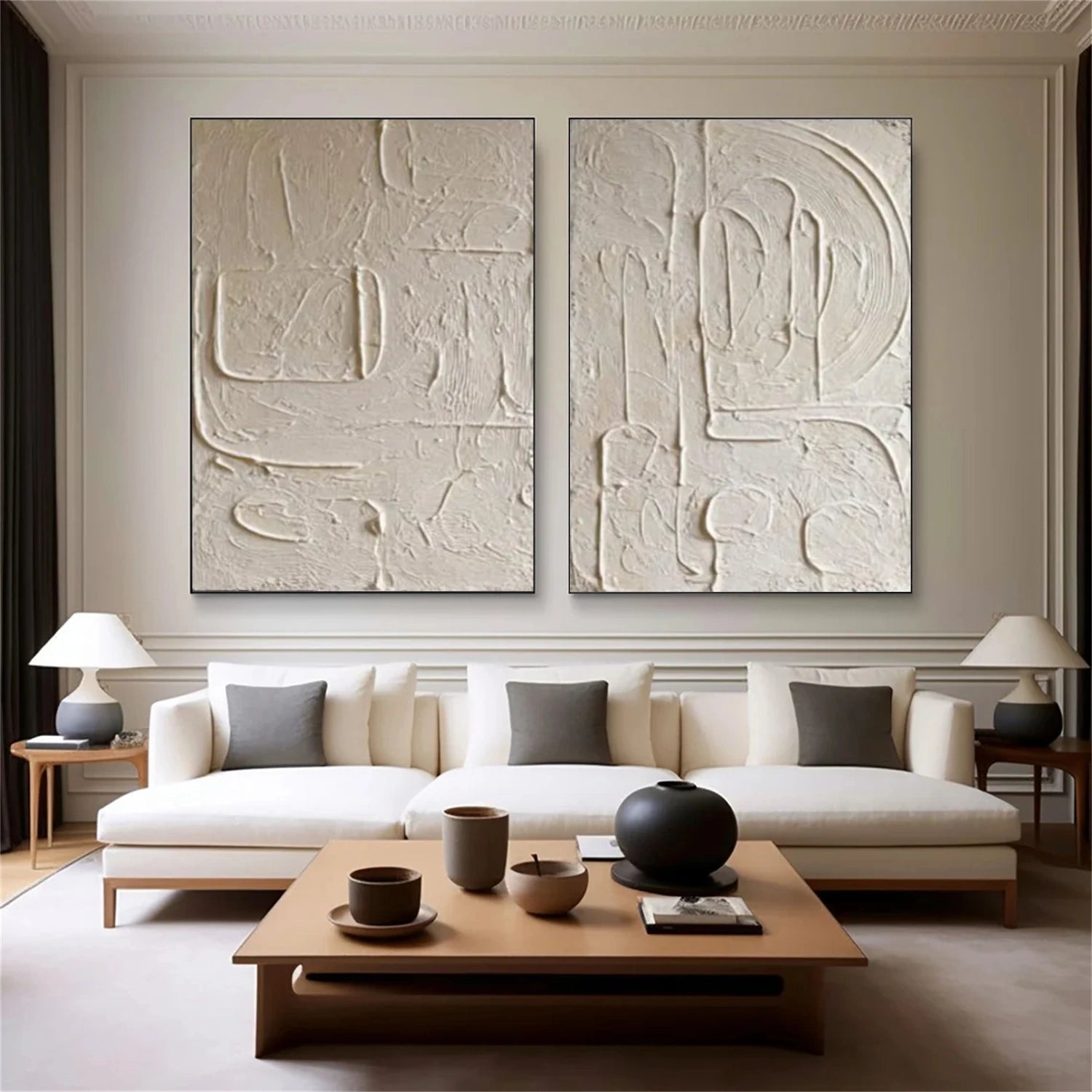
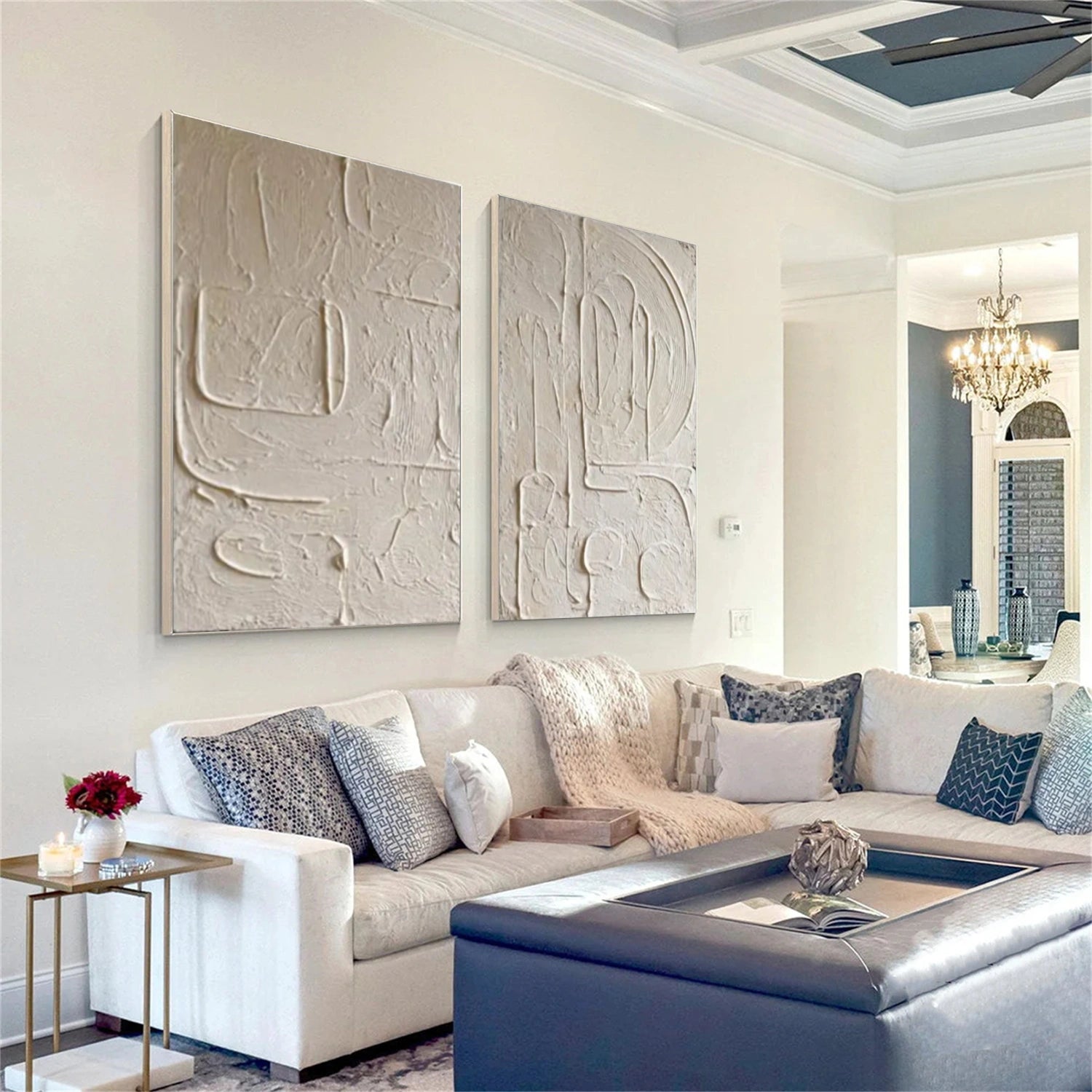
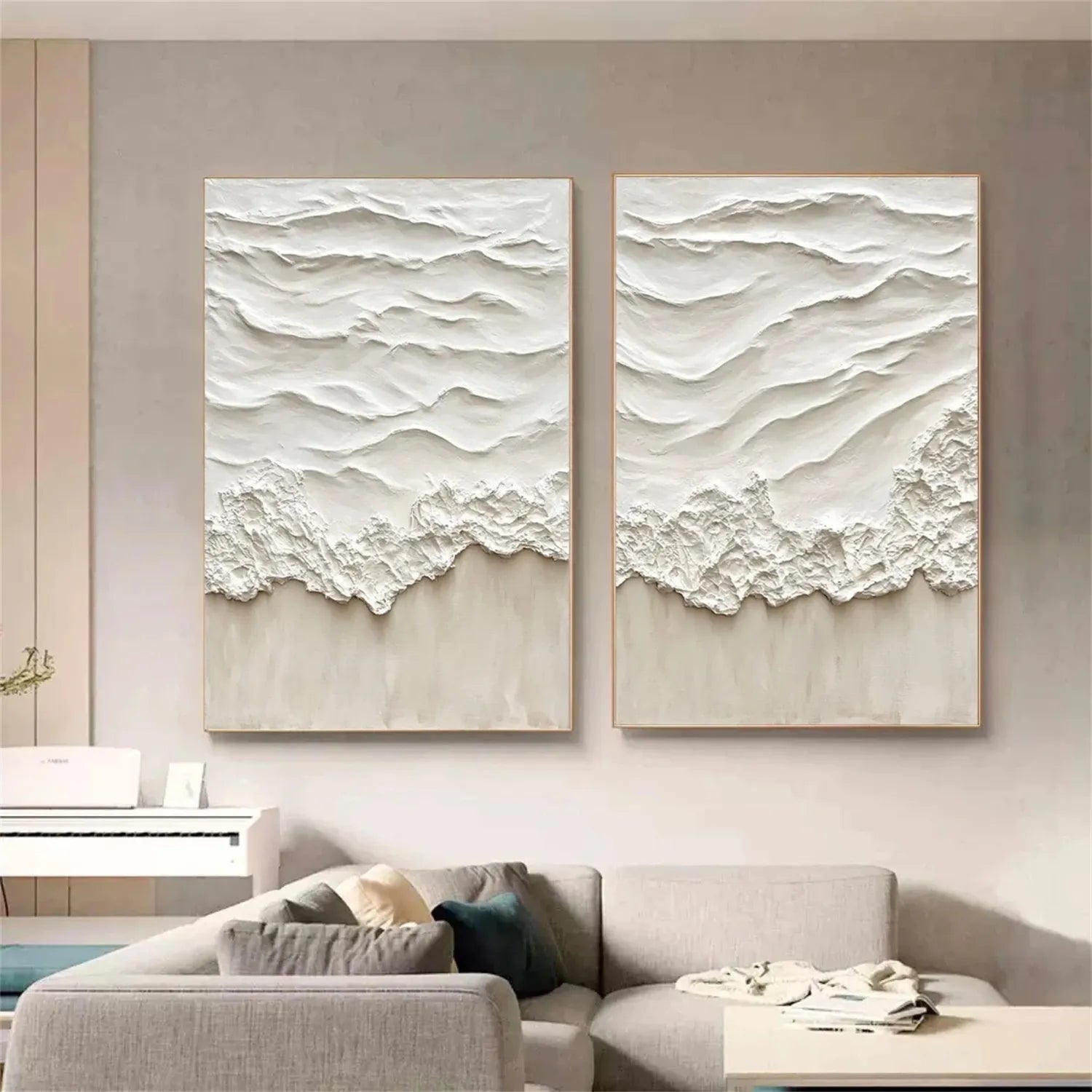
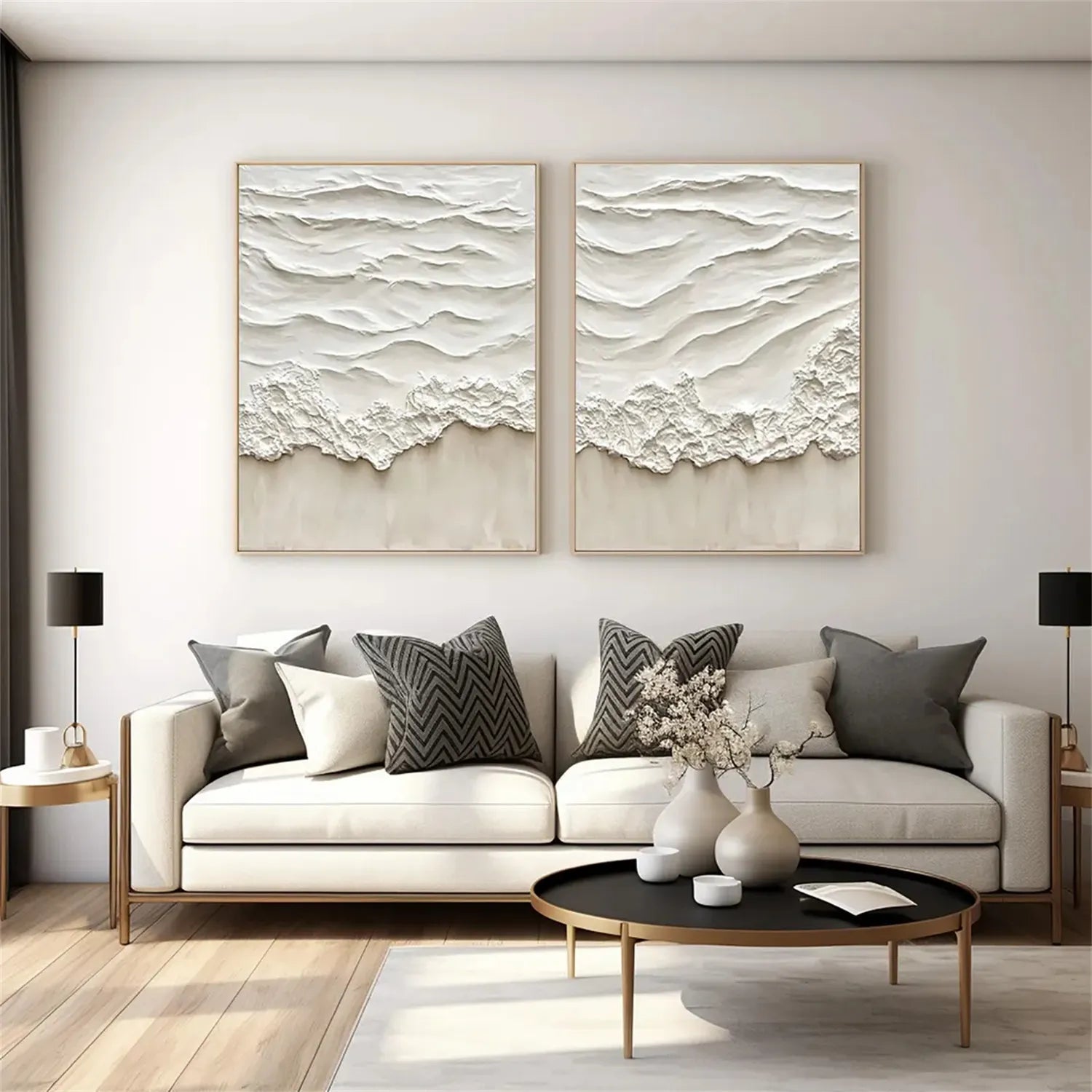
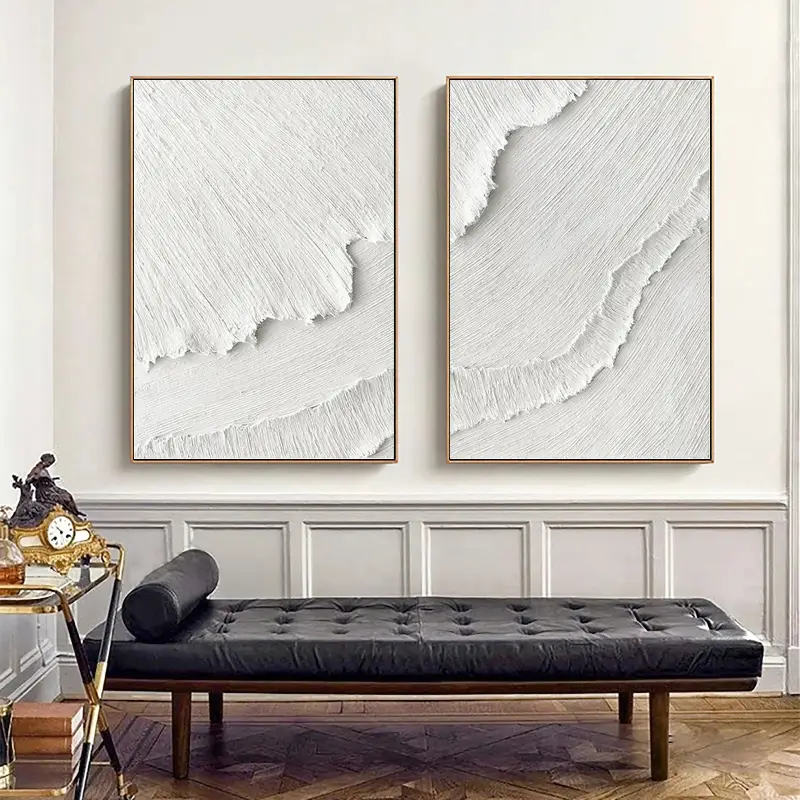
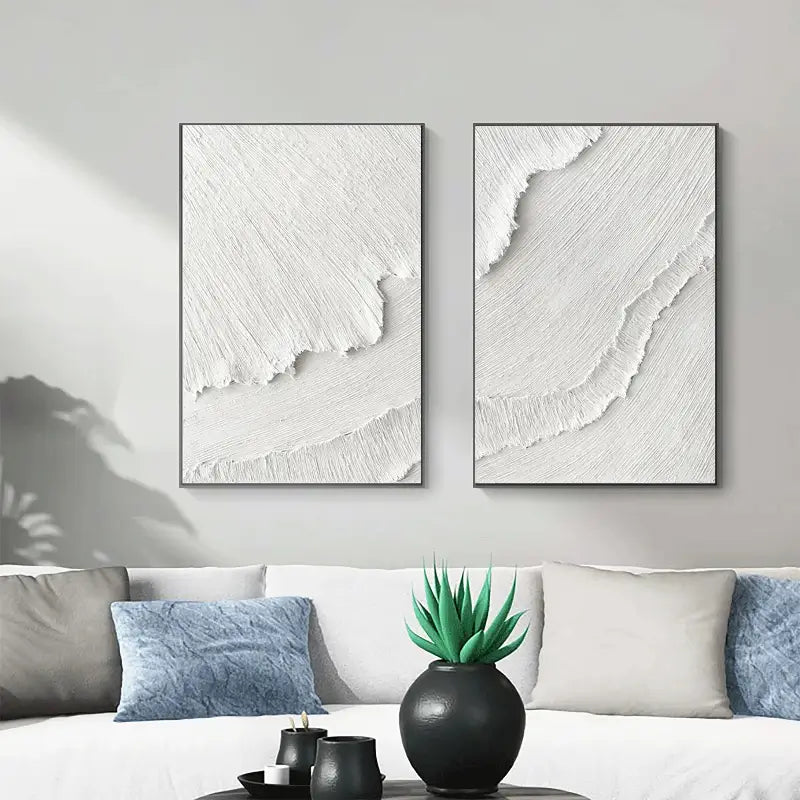
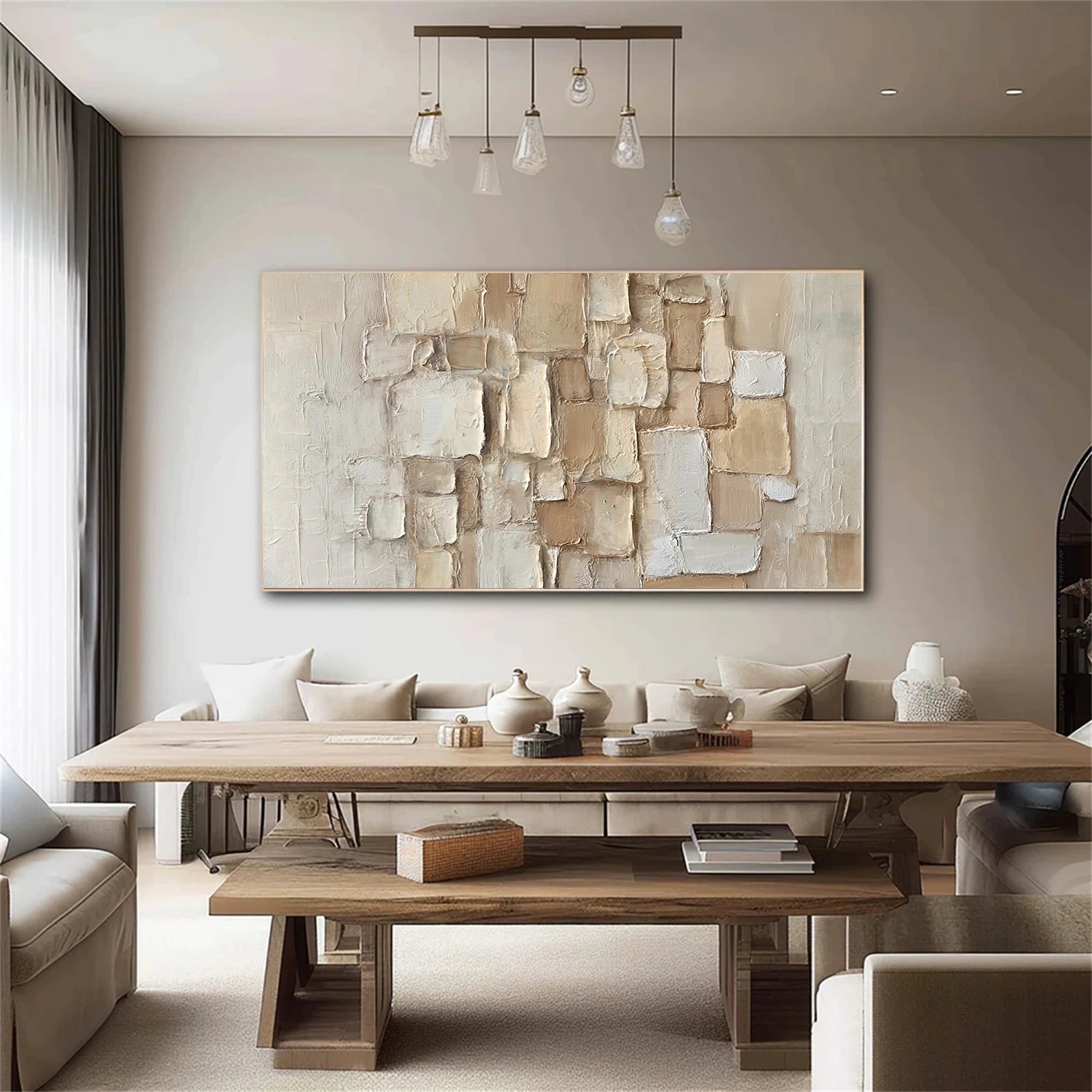
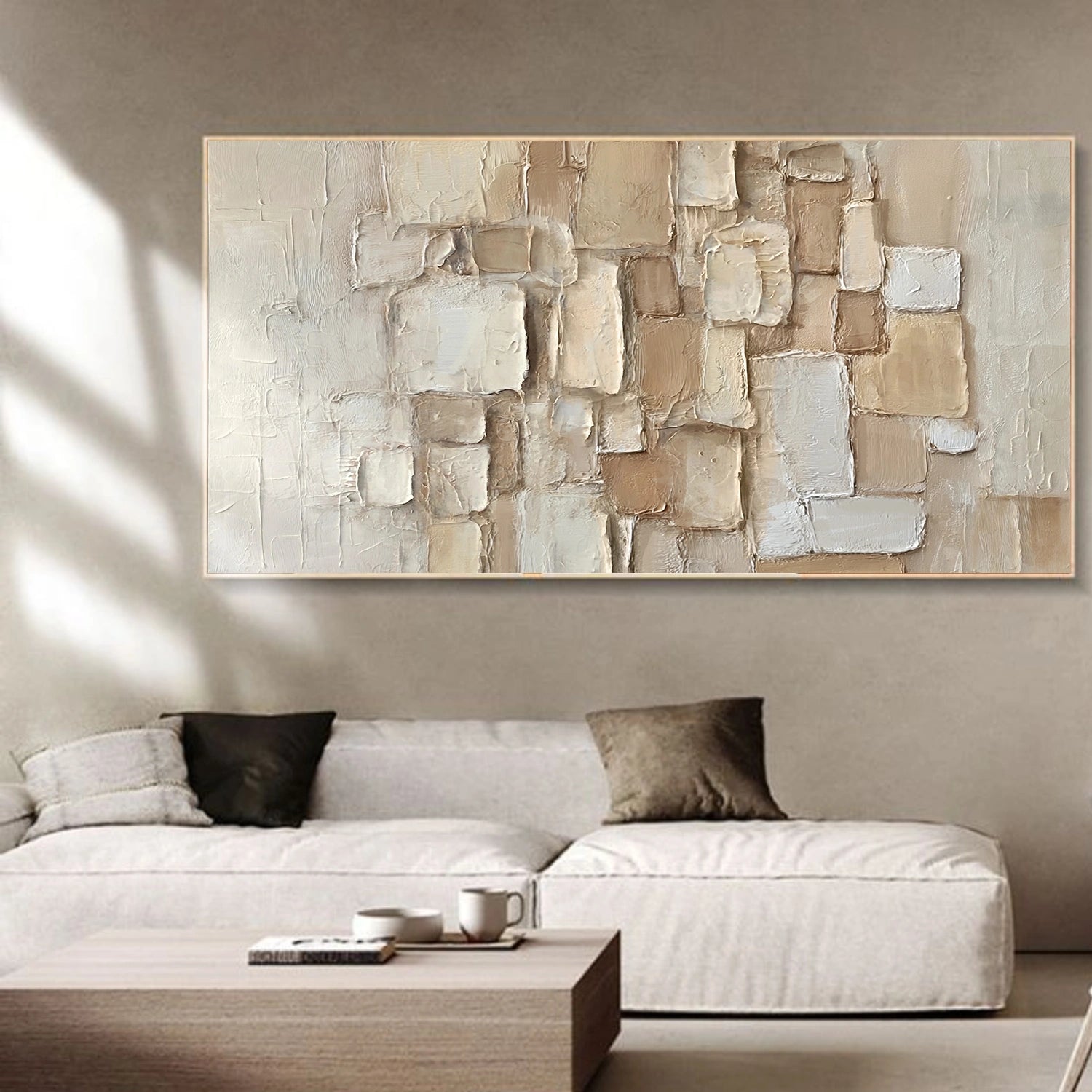
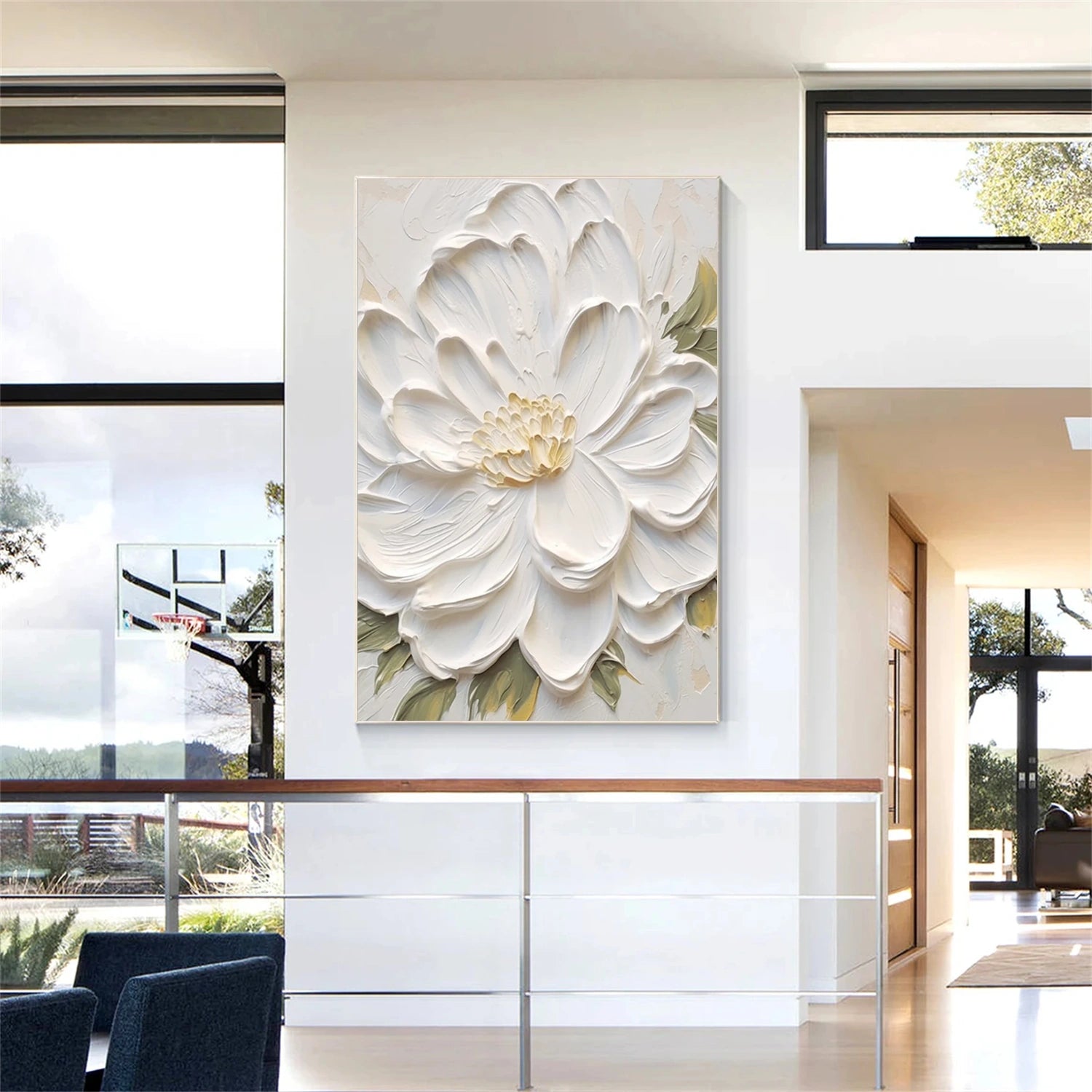
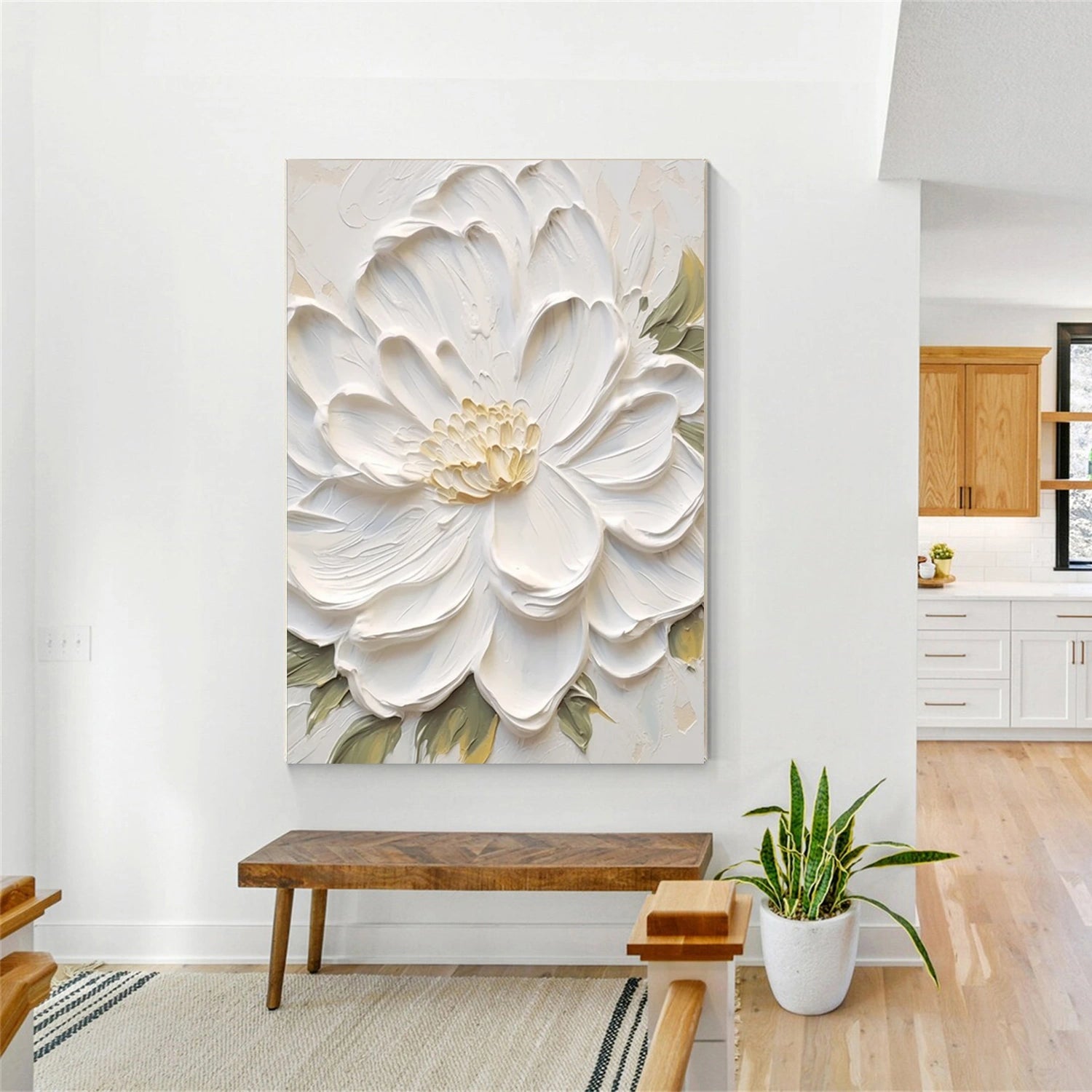
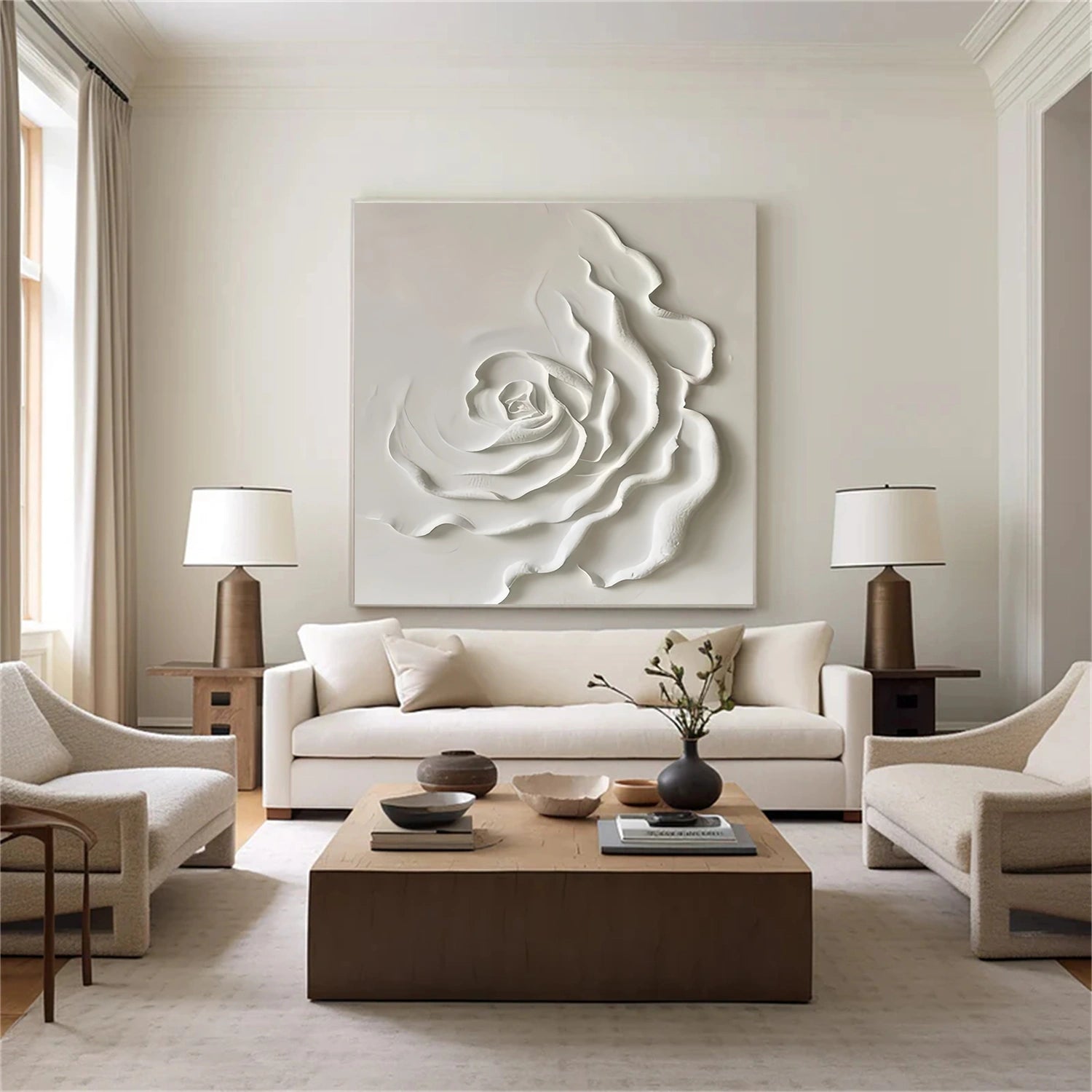
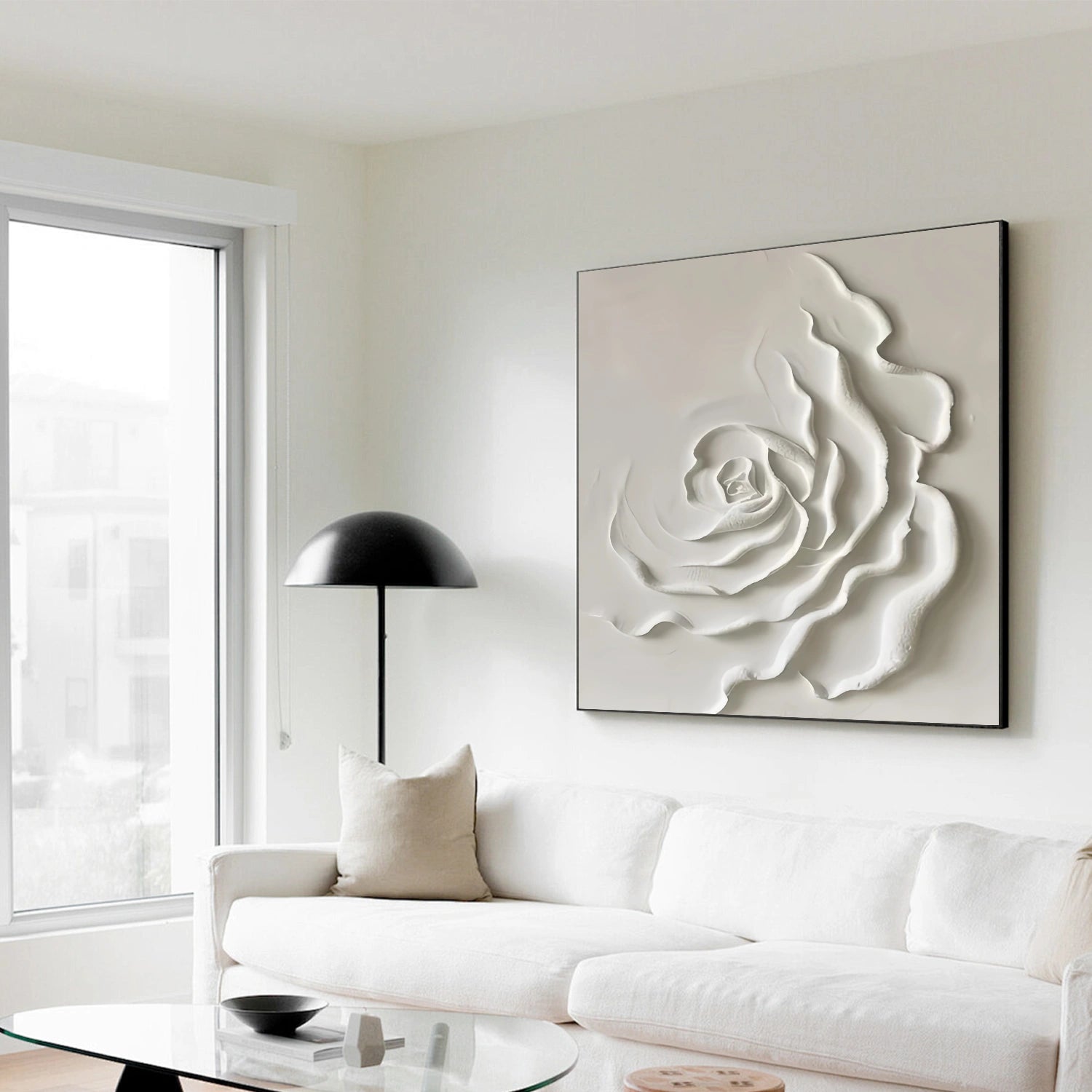
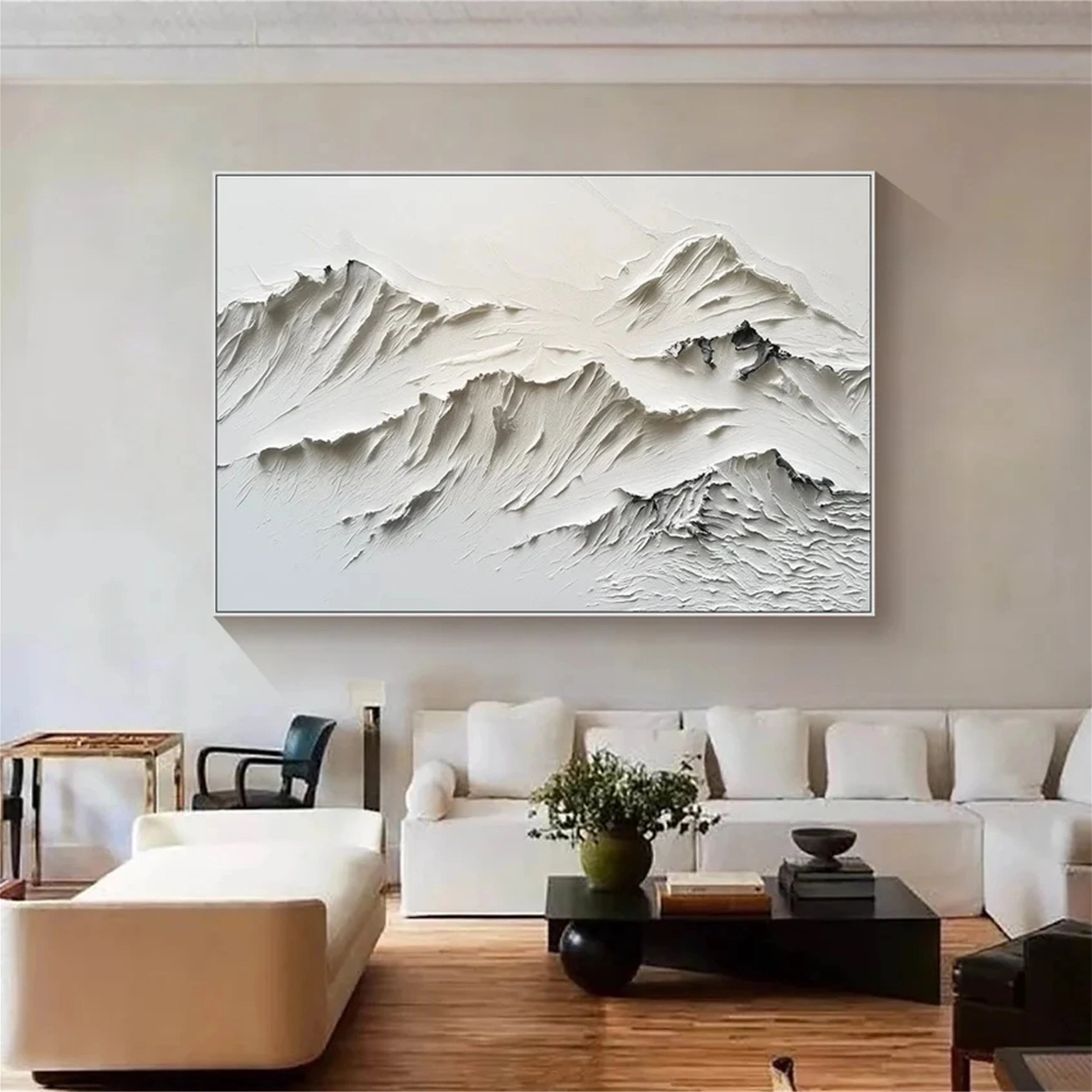
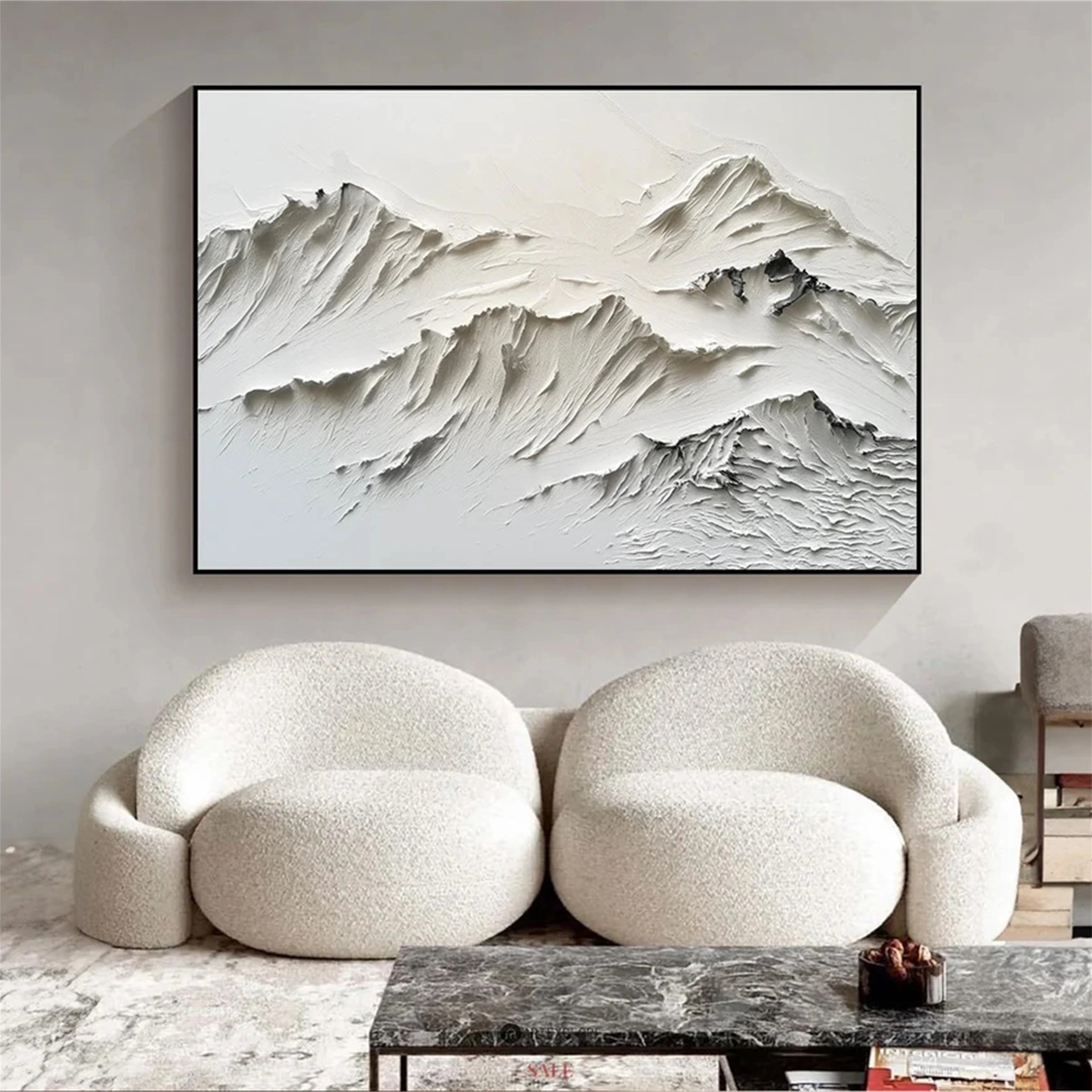
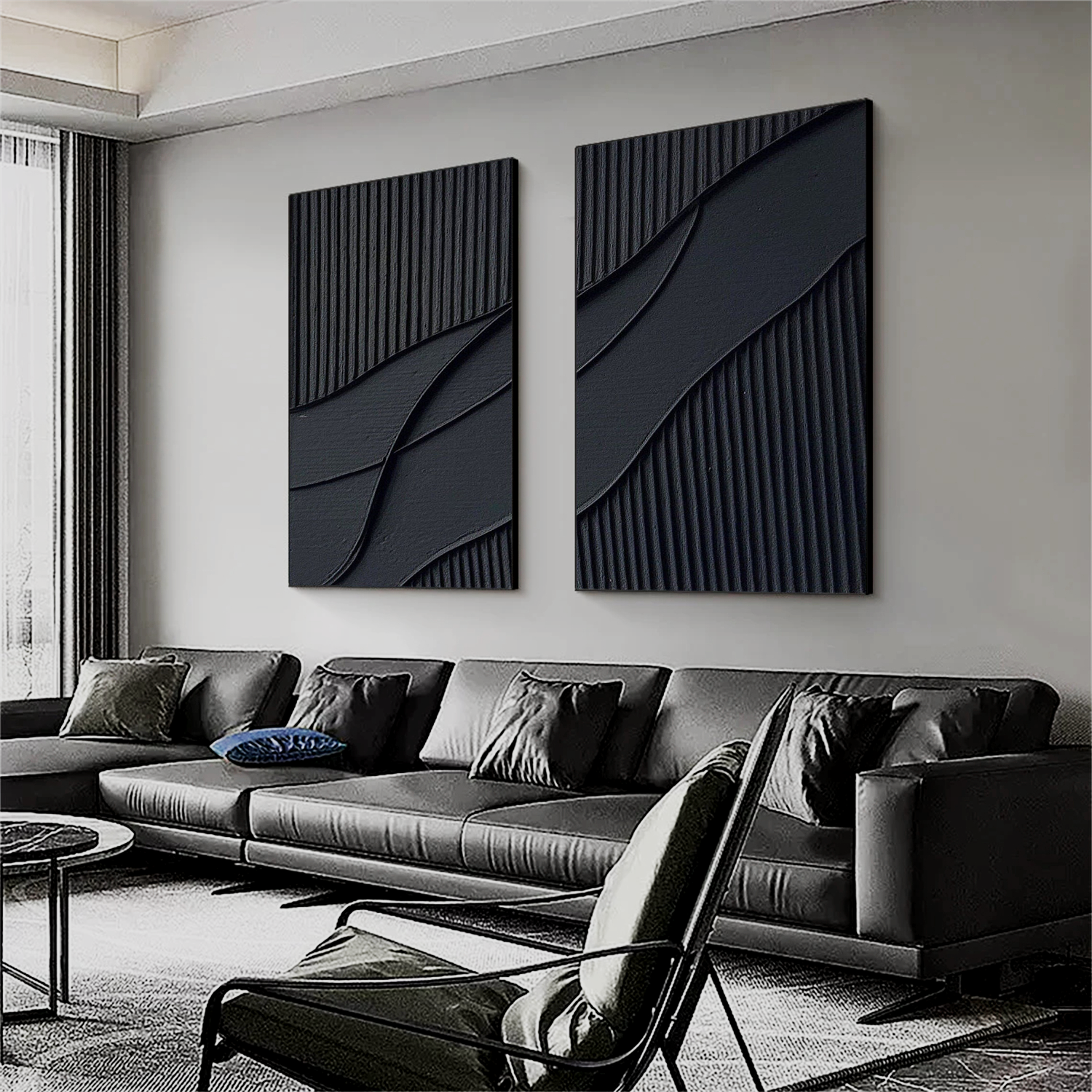
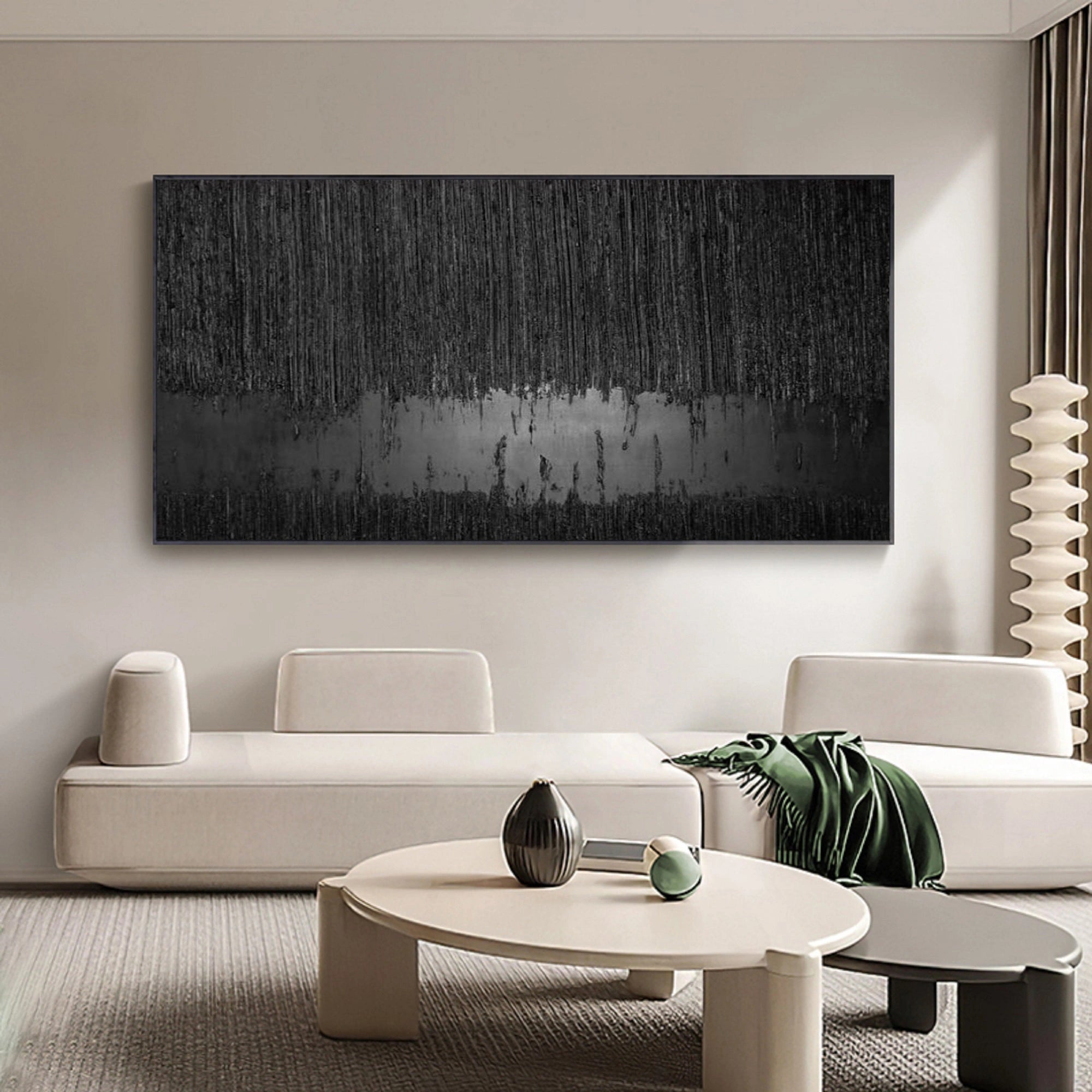
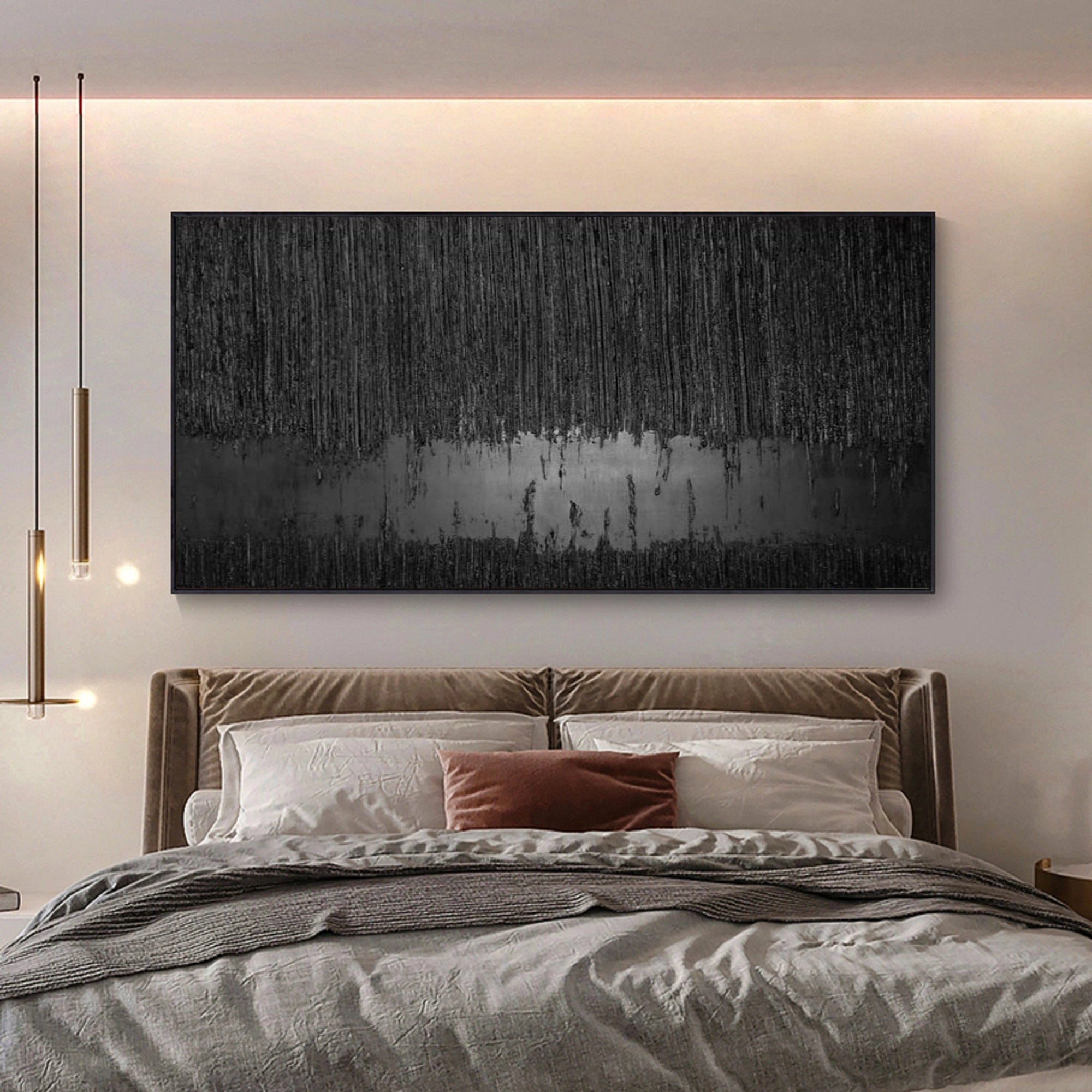
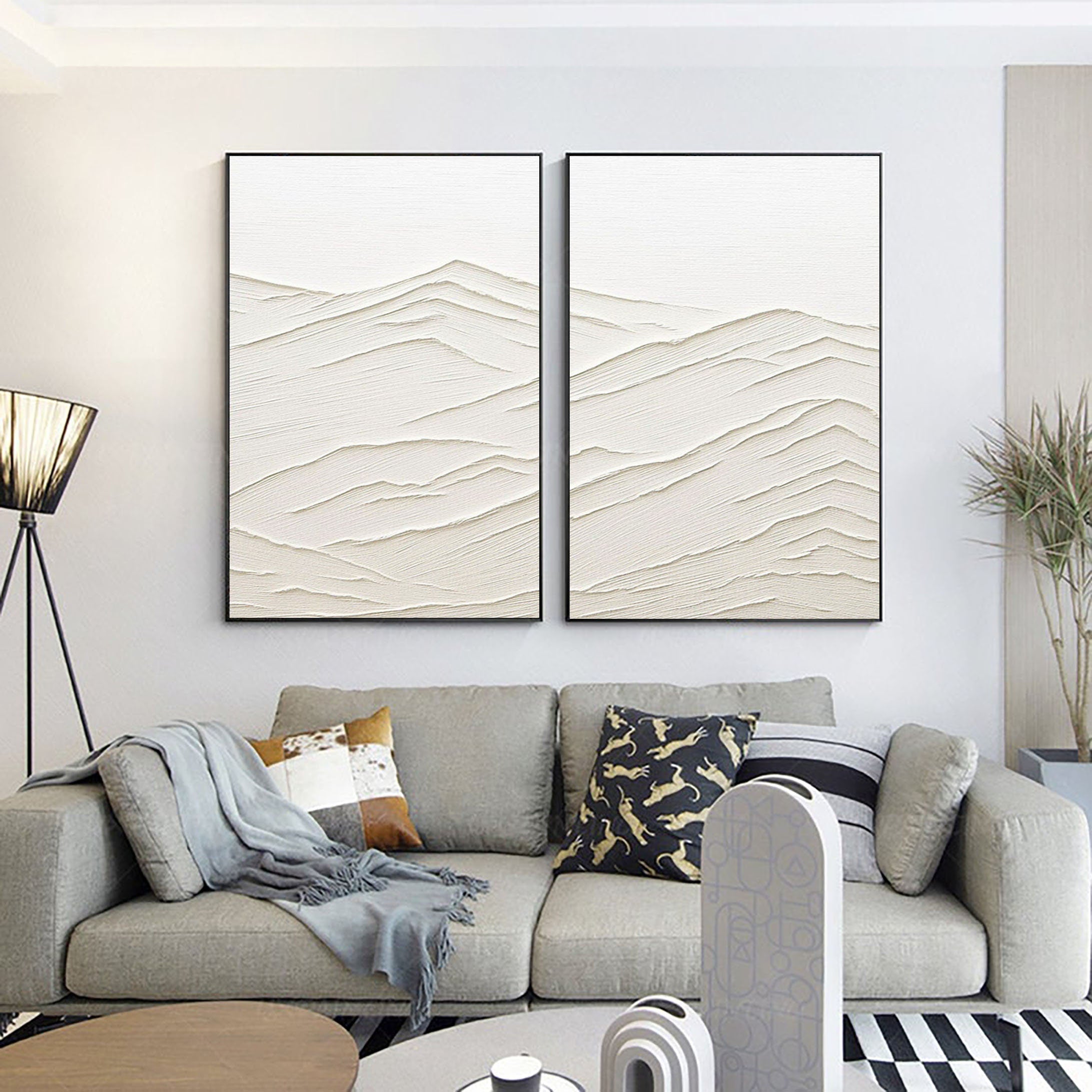
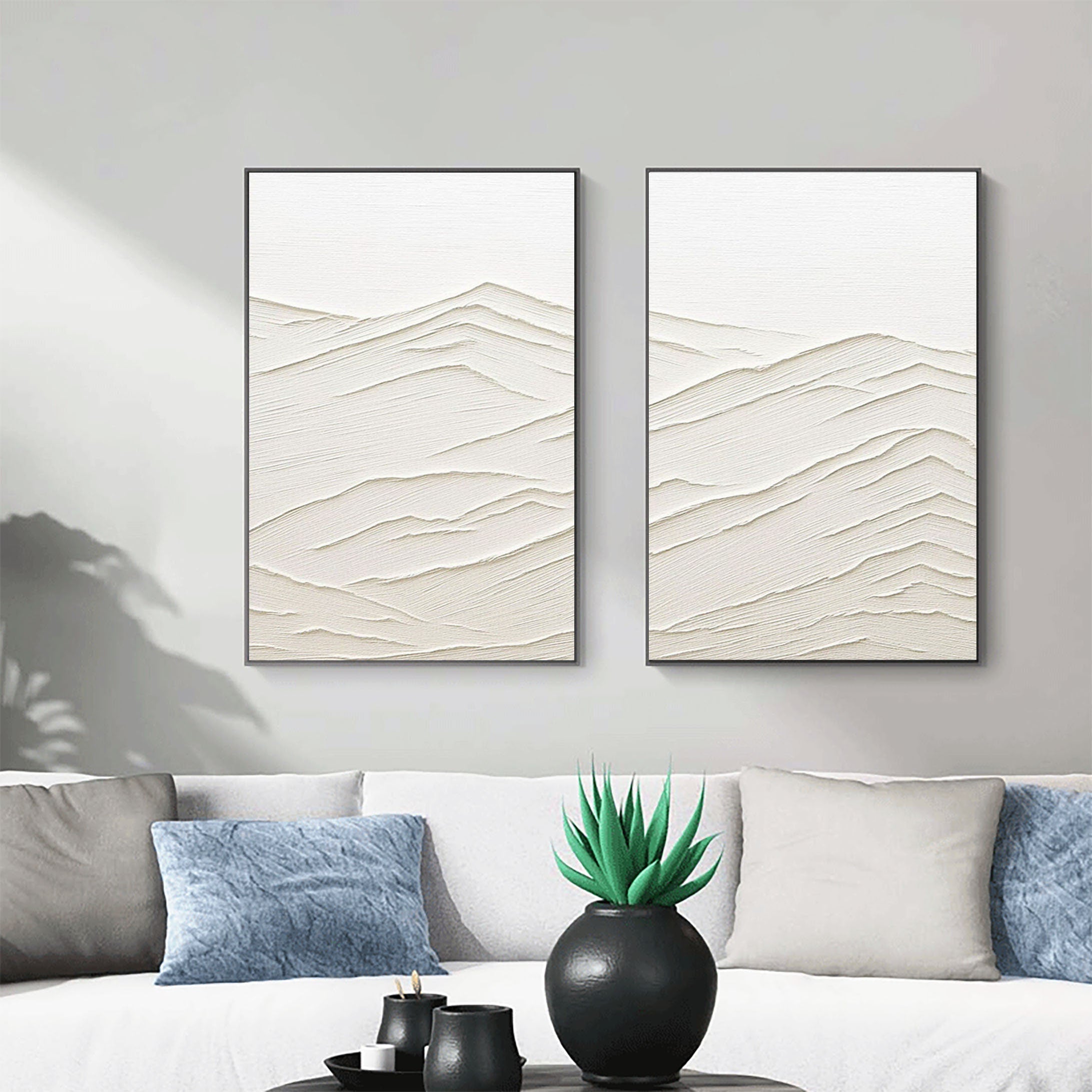
Plaster wall texture elevates interior spaces by adding depth, warmth, and artistic character. Through expert layering techniques and creative finishes, it transforms plain walls into tactile, visually engaging surfaces. The interplay of light and shadow enhances mood, while unique textures—from smooth Venetian plaster to rustic stucco—offer timeless elegance and a sense of refined craftsmanship that resonates in both residential and commercial settings.

How Is Plaster Wall Texture Created?

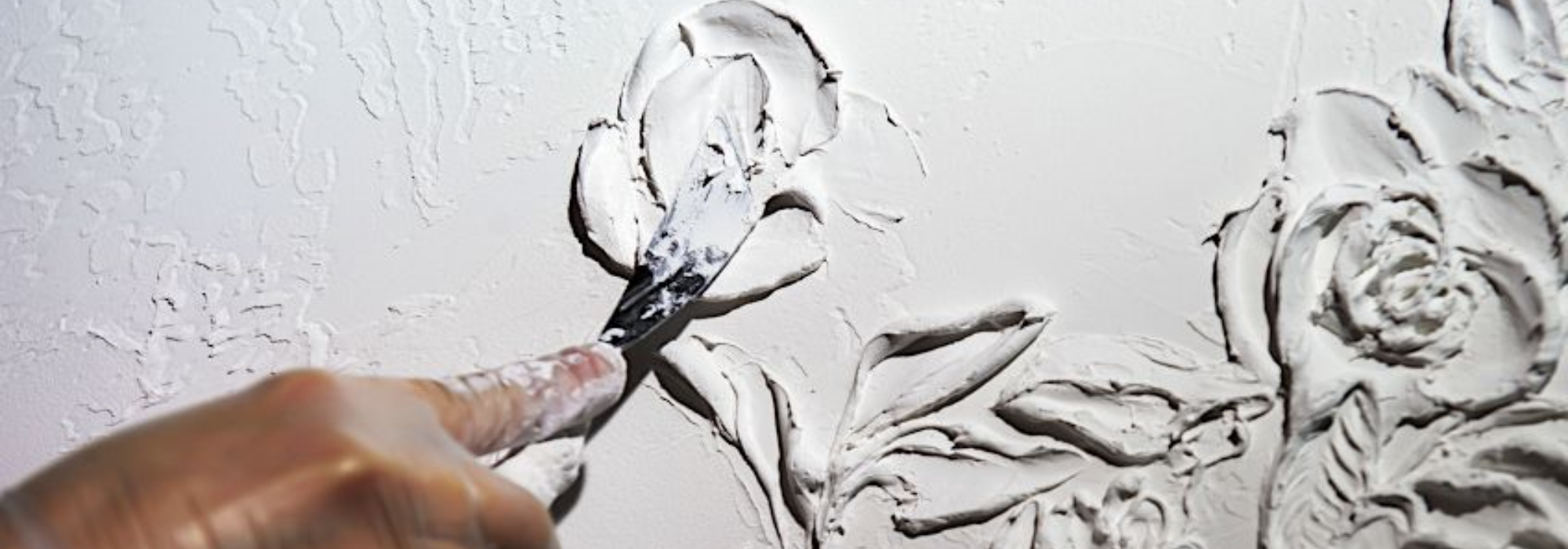
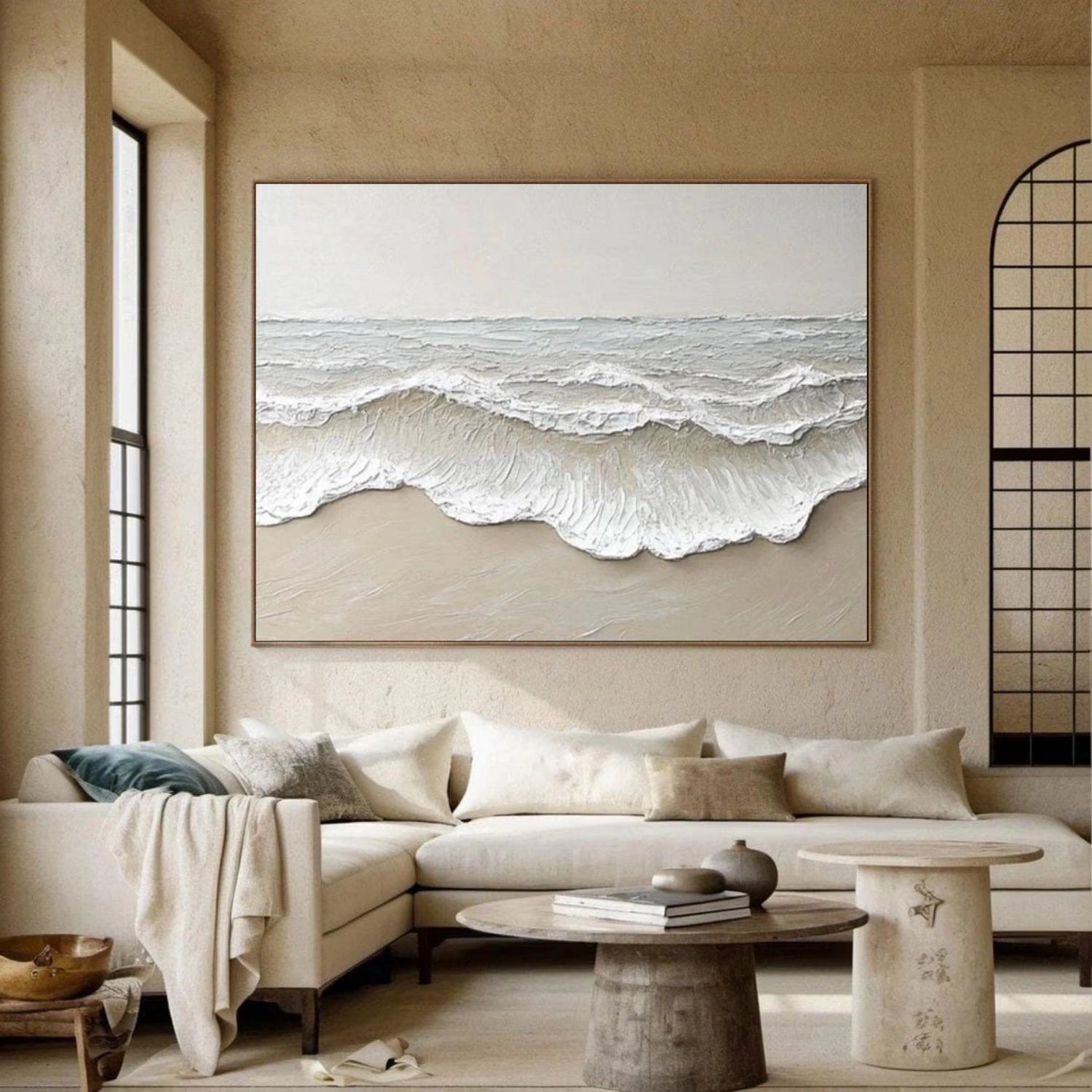
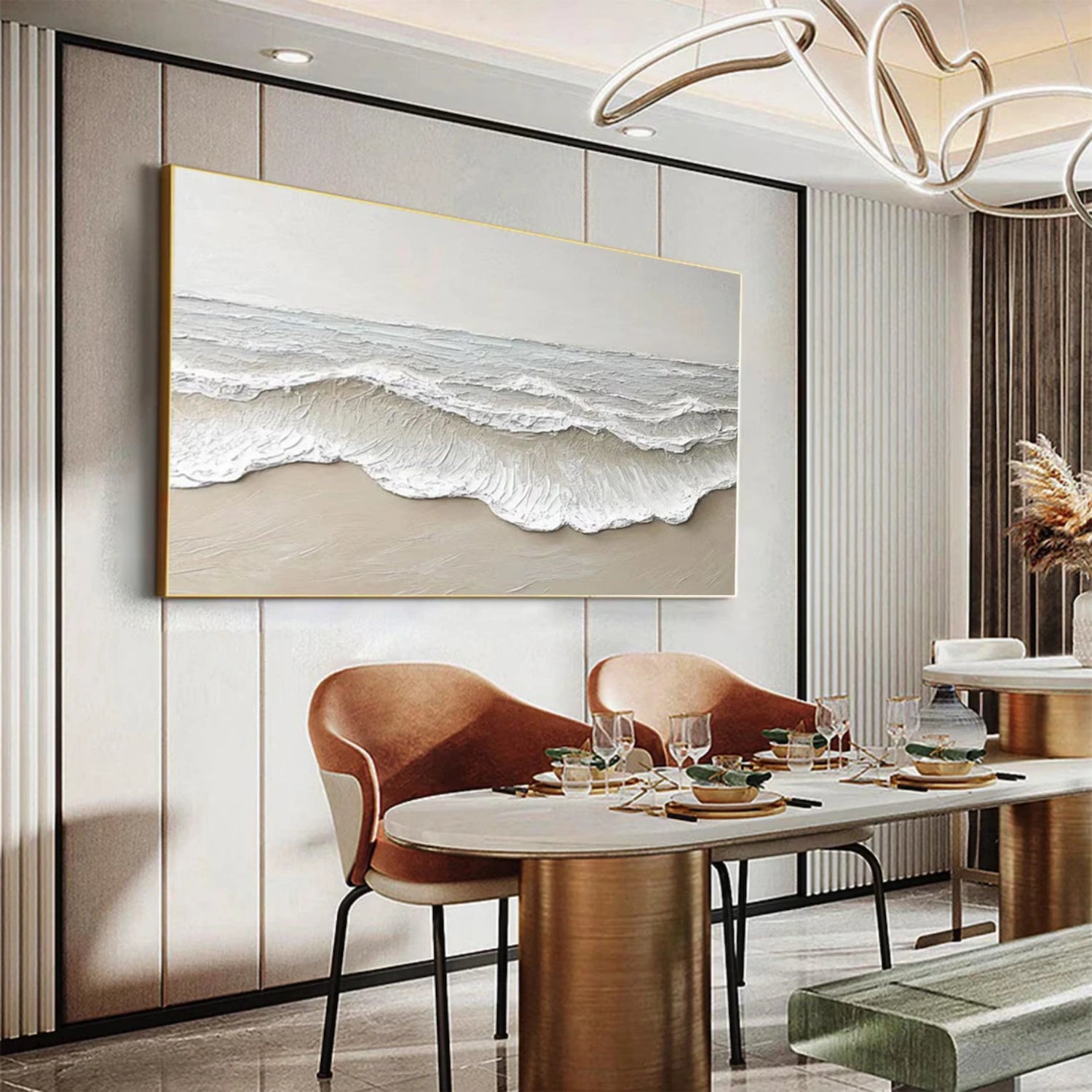
Plaster wall texture is achieved by applying layers of plaster onto a prepared surface using tools such as trowels, sponges, or combs. Techniques like stippling, feathering, and swirling produce distinct patterns that enhance depth and visual interest. Skilled artisans manipulate wet plaster to create smooth, rustic, or intricate designs, which are then dried, sealed, or painted. Vinchy Art often combines pigment with plaster techniques to produce one-of-a-kind, visually compelling finishes.

What Are the Different Types of Plaster Wall Textures?

Plaster textures vary widely to suit different aesthetics and functional needs, from smooth, polished Venetian plaster to coarse stucco finishes. Each type affects a room's ambiance and can be tailored to complement décor or architectural style.

Texture Type Description Best For
Venetian Plaster Polished, marble-like finish Luxury interiors
Skip Trowel Soft, random patterns Living areas
Sand Swirl Repetitive, subtle design using sand additive Large interior walls
Stucco Coarse, traditional finish Mediterranean and rustic spaces

Combining different textures within a single space can create visual balance and highlight architectural features while enhancing the tactile experience.

Why Choose Plaster Over Drywall Texture?

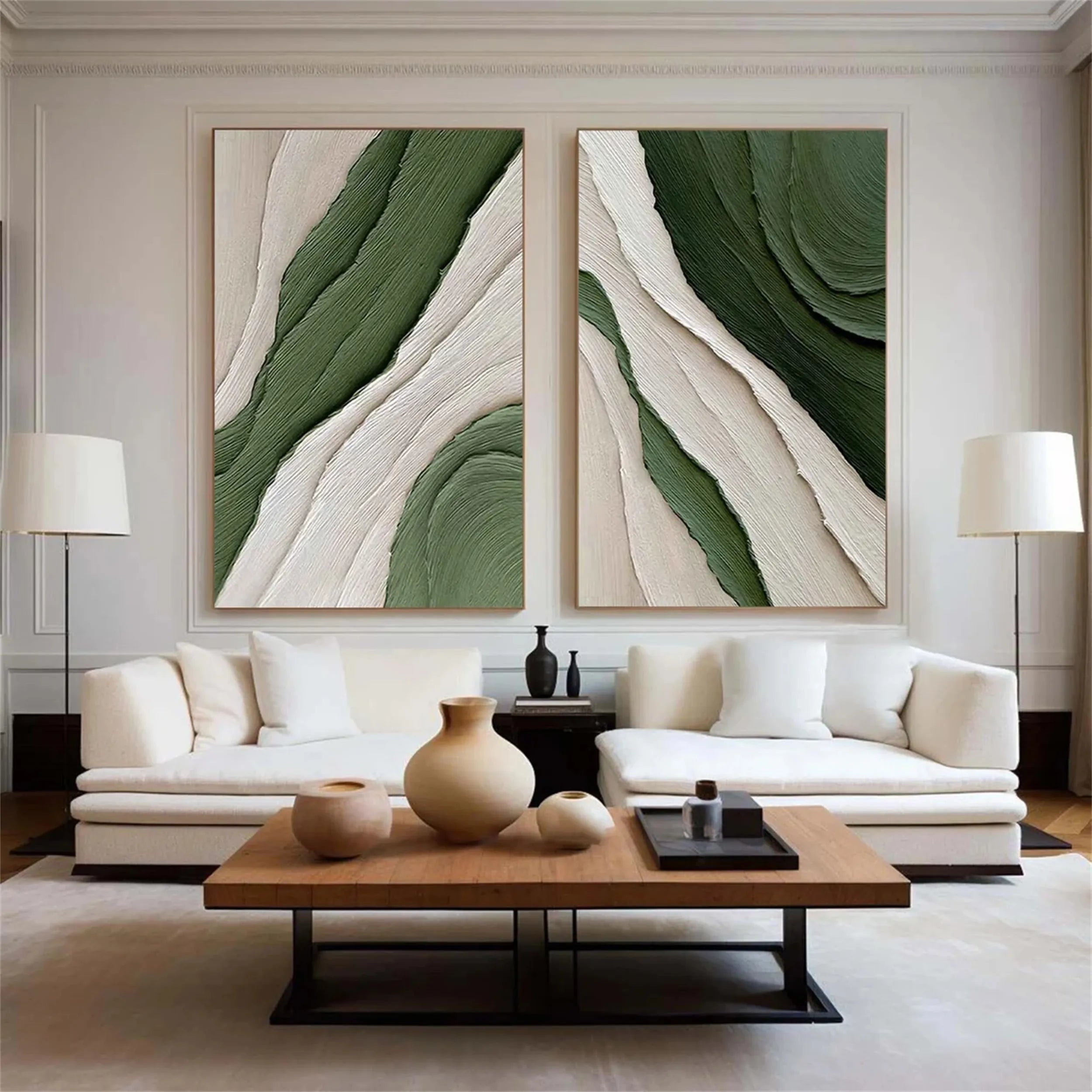
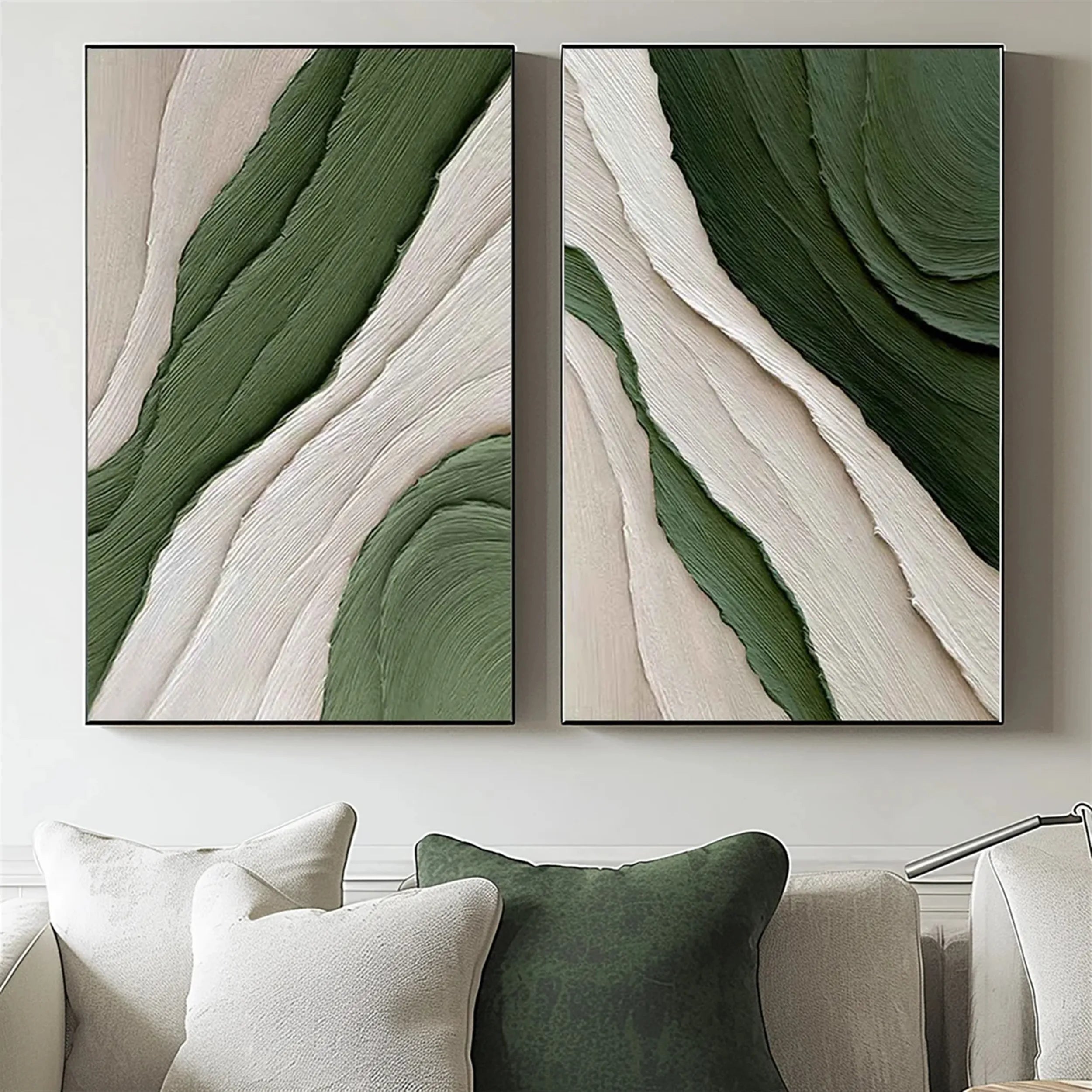
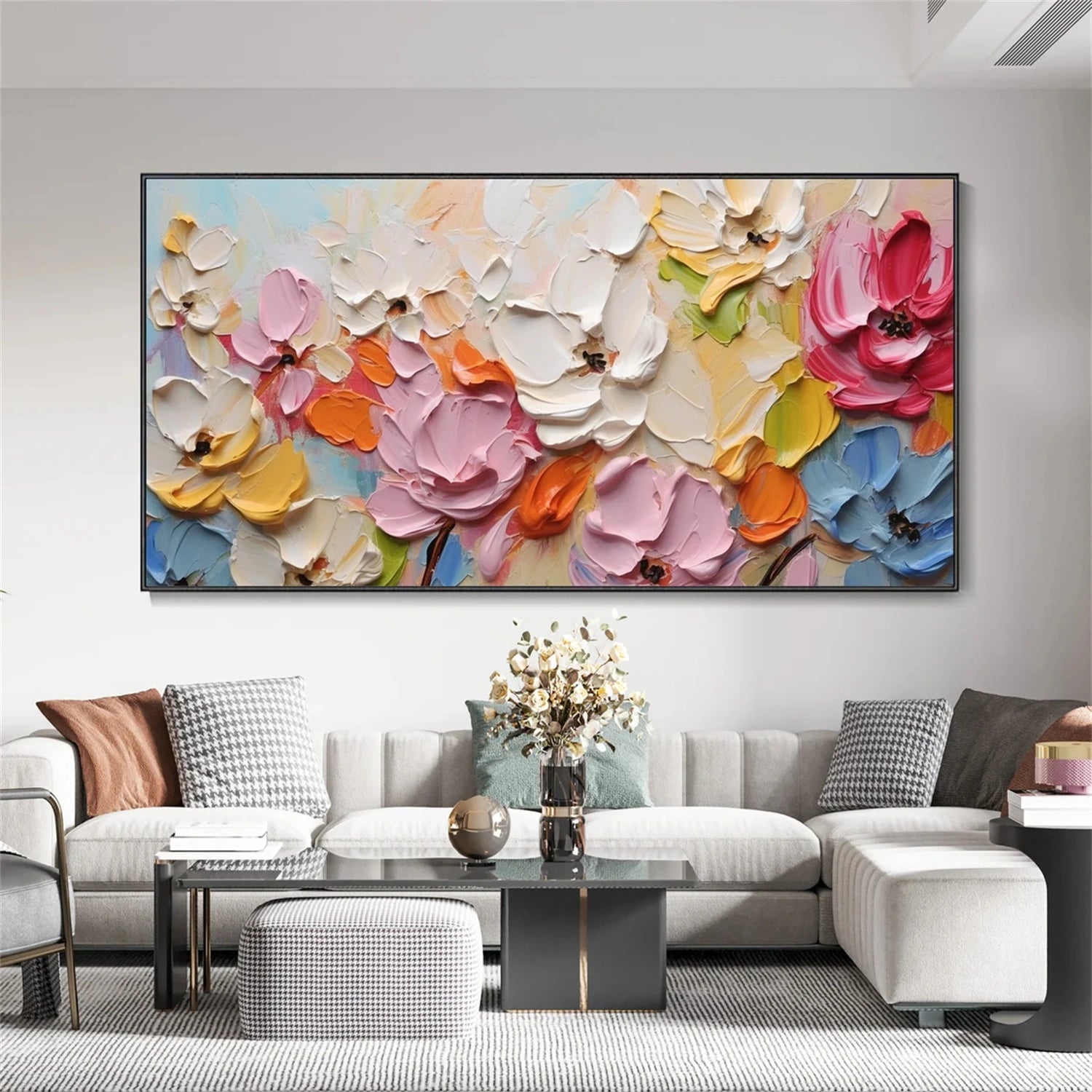
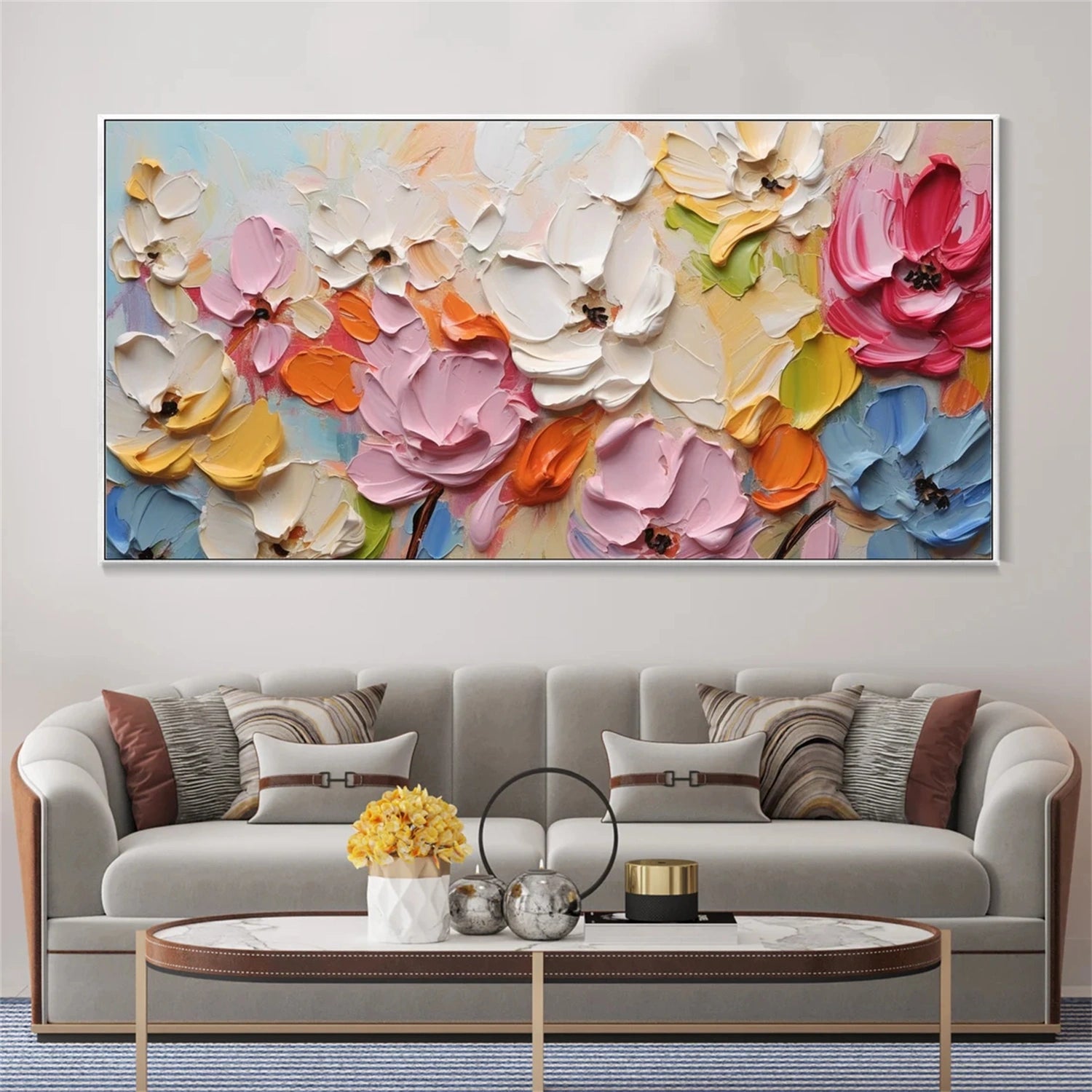
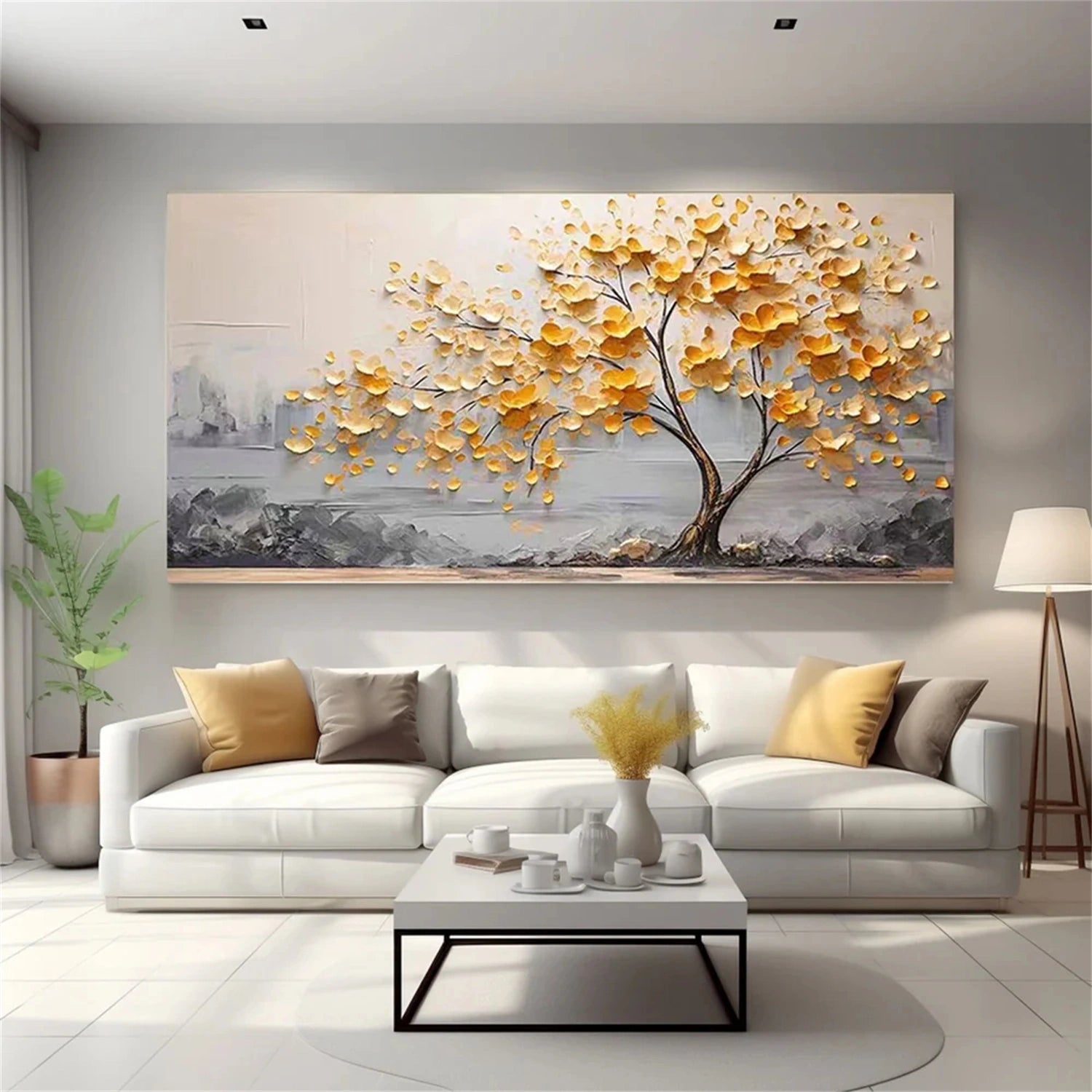
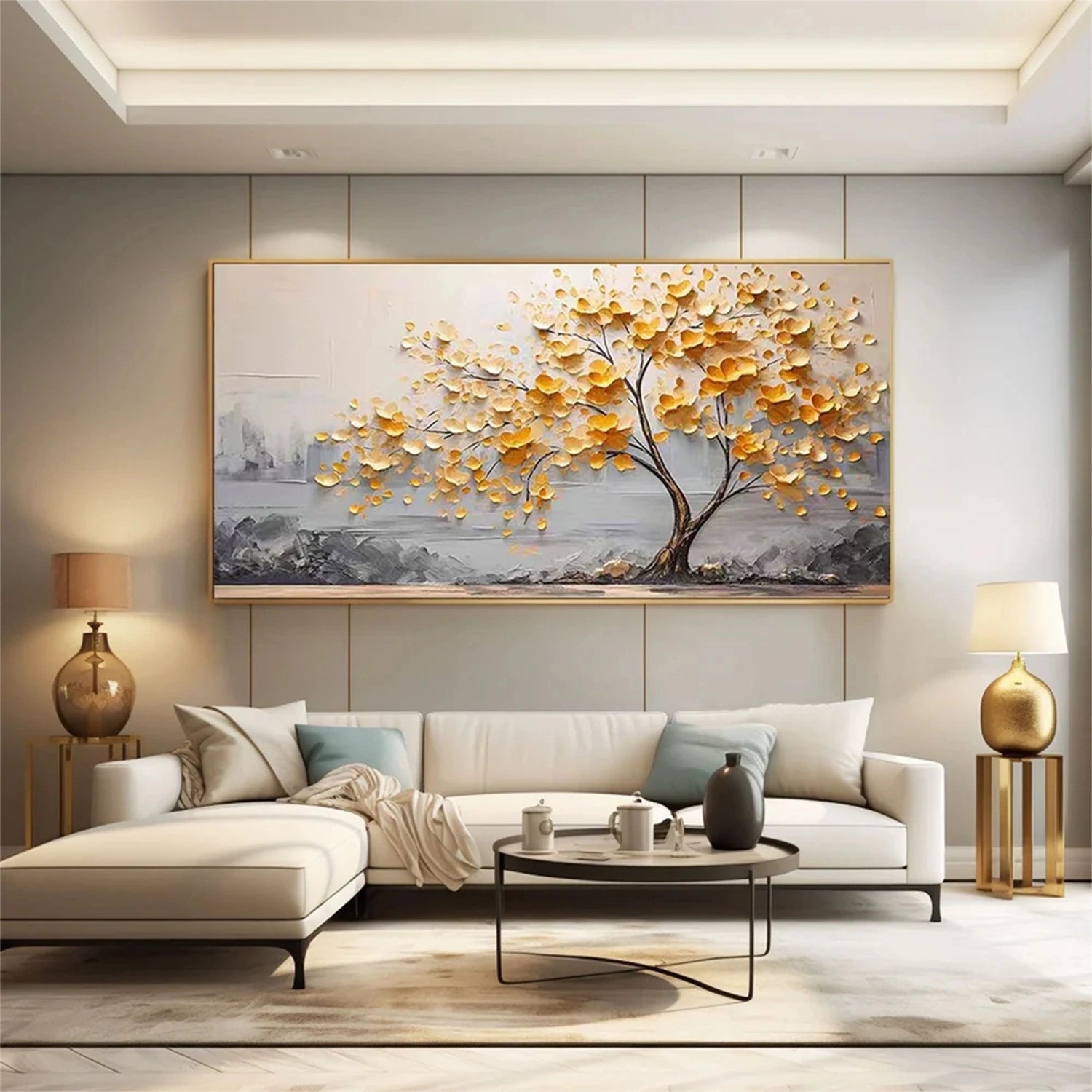
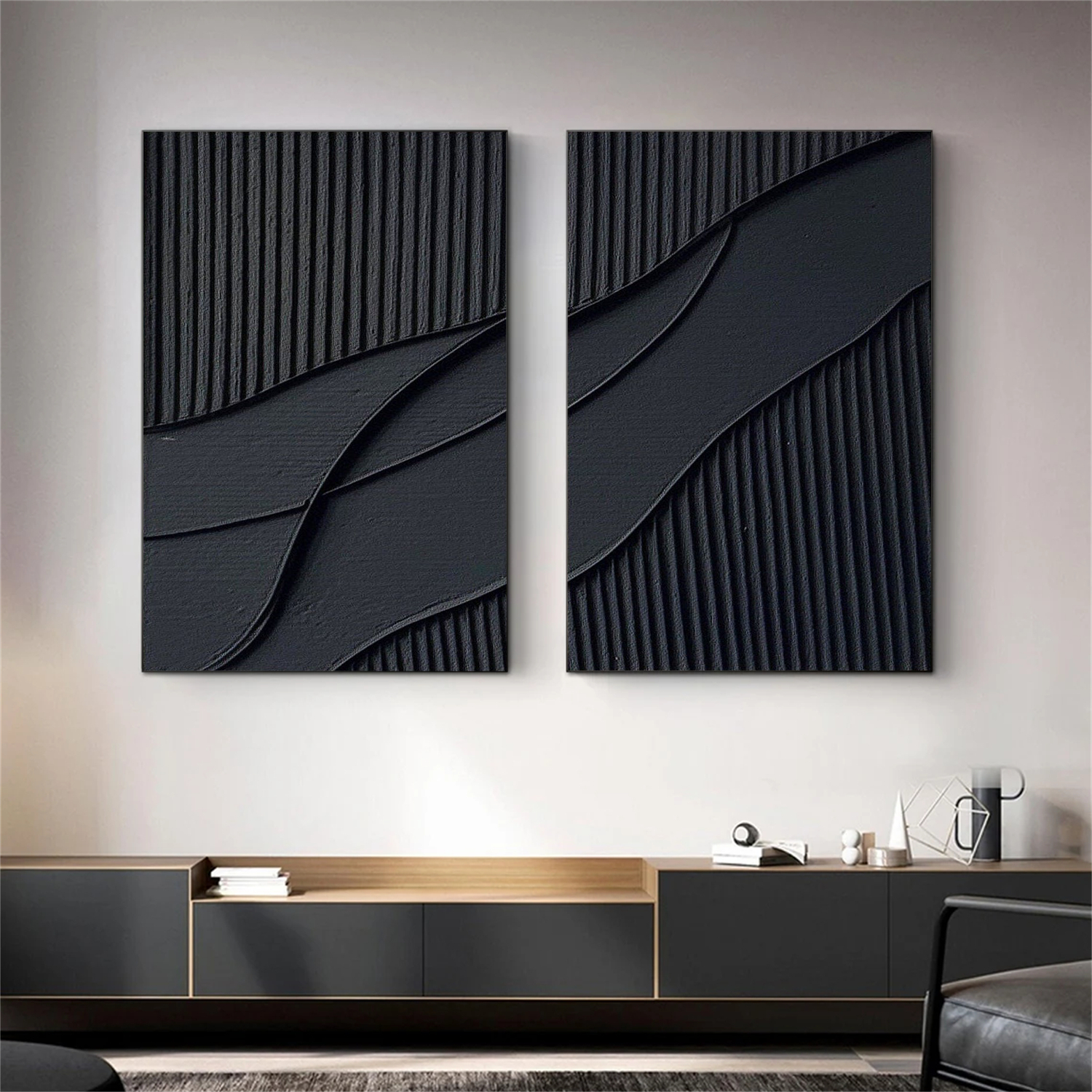
Plaster offers superior durability, tactile richness, and acoustic benefits compared to drywall. It resists cracks and creates subtle light diffusion for a natural, elegant look. Drywall textures are limited in depth, whereas plaster can maintain its appeal for decades. Artists at Vinchy Art draw inspiration from plaster textures, integrating layered effects into abstract paintings to evoke serenity and visual complexity.

Which Spaces Benefit Most from Plaster Wall Texture?

Residential areas such as living rooms, bedrooms, and entryways benefit from plaster textures due to their warmth, elegance, and sound-absorbing qualities. Commercial settings, including hotels and galleries, also use plaster to enhance atmosphere. Textured walls foster grounding and relaxation, reflecting Vinchy Art’s approach to creating calming, visually engaging environments through layered abstract artworks.

When Should You Refinish or Reapply Plaster Texture?

Refinishing is recommended when visible cracks, discoloration, or uneven patches appear. Proper maintenance prevents deeper issues and extends longevity. Environmental changes like humidity fluctuations or building movement can affect plaster. Timely touch-ups refresh finishes with updated tones, matte or glossy sheens, and maintain aesthetic consistency.

Can Plaster Wall Texture Be Painted Over?

Plaster surfaces can be painted once cleaned, sealed, and primed. Breathable, mineral-based paints prevent moisture entrapment while preserving adhesion. Soft or neutral shades enhance light interplay and highlight tactile patterns. Correct preparation ensures long-lasting, visually appealing results.

Are There Eco-friendly Plaster Options Available?

Yes, eco-friendly plasters use natural materials such as lime, clay, and gypsum. These options regulate humidity, improve indoor air quality, and are non-toxic. Lime plaster absorbs carbon dioxide, and clay moderates moisture levels, promoting comfort and wellness. Such sustainable practices align with Vinchy Art’s philosophy of creating mindful, serene environments through art.

Who Should Apply Plaster Wall Texture: DIY or Professional?

Basic textures can be attempted by experienced DIYers, but intricate finishes like Venetian plaster or artistically layered patterns require professional expertise. Skilled plasterers ensure consistent thickness, proper mixing, and flawless application. Professionals can transform surfaces into high-value, artful statements similar to the precision and innovation seen in Vinchy Art abstract oil paintings.

What Tools and Materials Are Needed for Plaster Texturing?

Key tools and materials include trowels, hawks, joint knives, sponges, and plaster mixes such as lime, gypsum, or Venetian plaster.

Tool Function
Steel Trowel Smooths plaster layers
Hawk Holds plaster for application
Joint Knife Shapes and defines patterns
Sponge Creates soft, organic textures
Sealer Protects and enhances finish

Proper tool selection and careful mixing are crucial for achieving professional-quality textures.

Where Can Plaster Wall Texture Be Used Effectively?

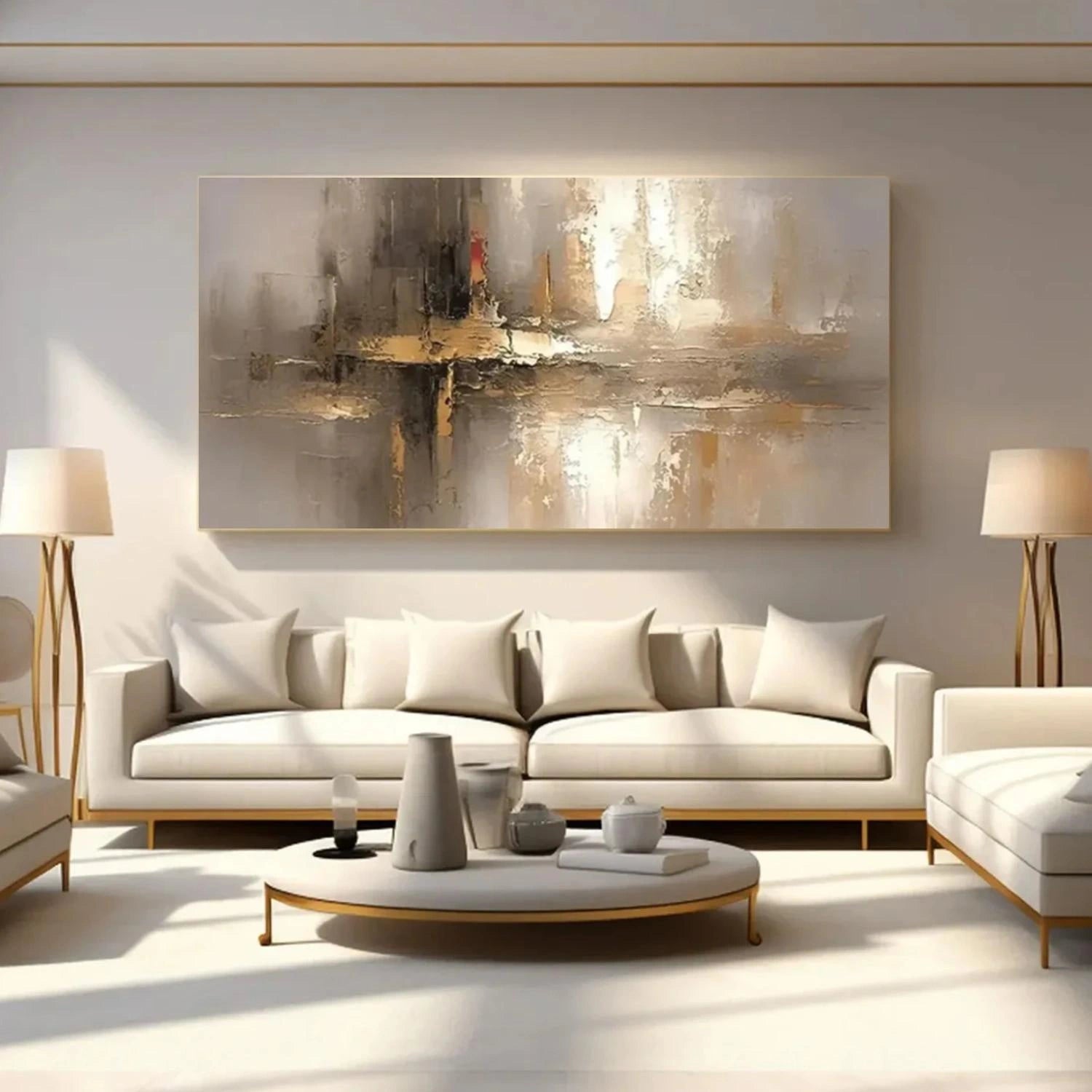
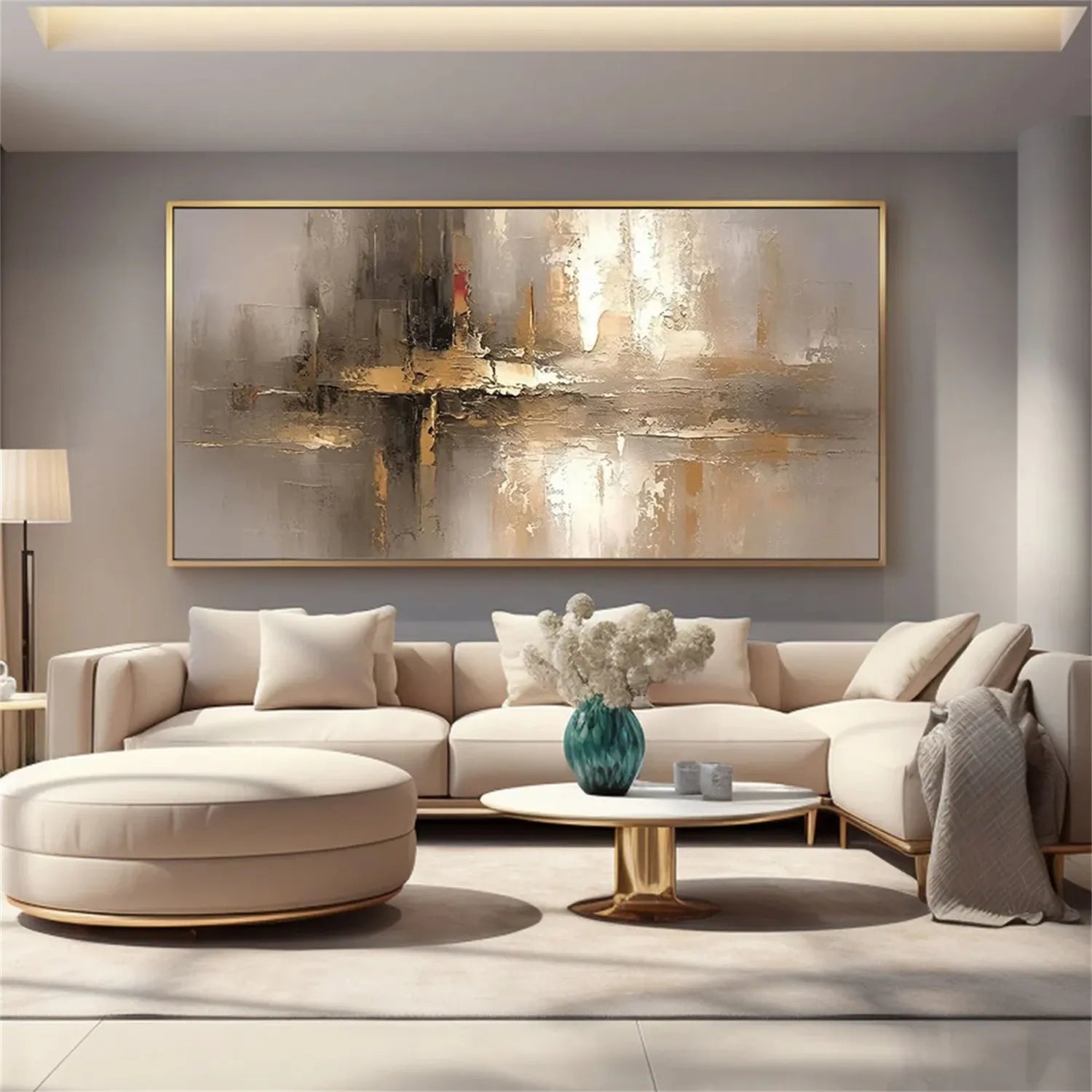
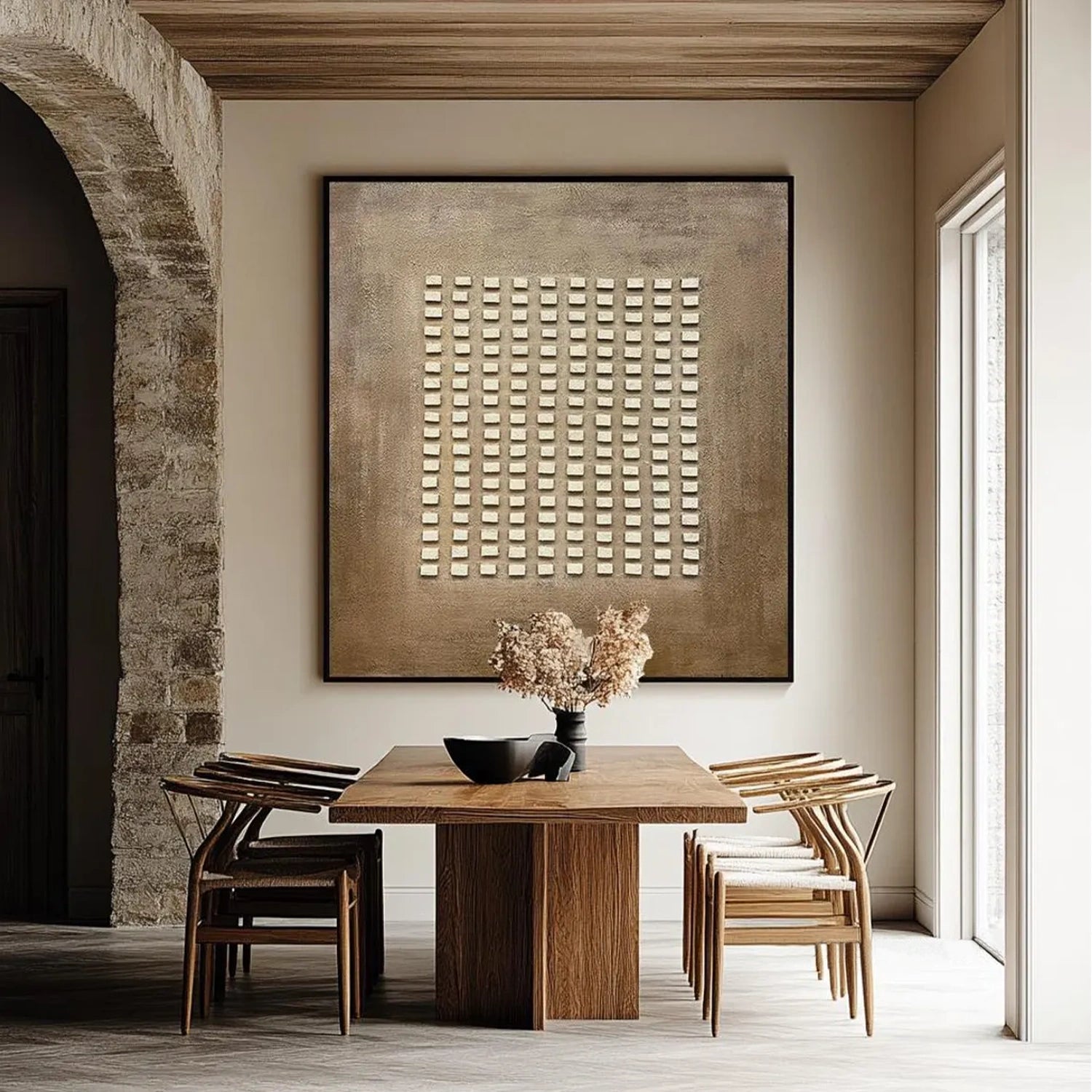
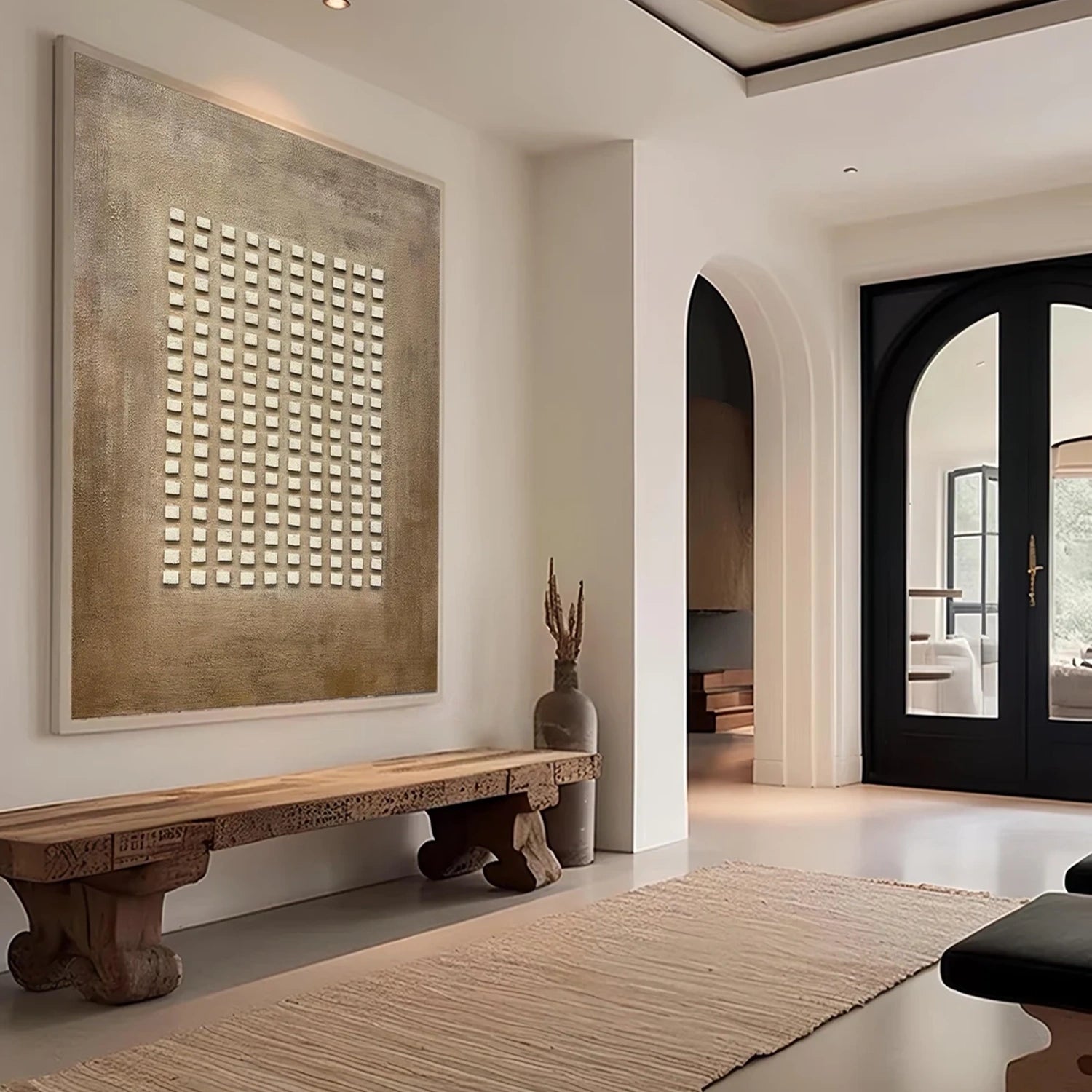
Plaster texture works on accent walls, ceilings, hallways, and fireplace surrounds. Strategic placement enhances light diffusion, creates visual focal points, and integrates seamlessly with contemporary design and wellness-focused interiors. Textured walls complement both architecture and art, reinforcing calming, sophisticated atmospheres.

Vinchy Art Expert Views

“Texture captures the essence of space, conveying emotion through light, shadow, and tactile presence. At Vinchy Art, we see parallels between plaster finishes and abstract painting layers. Both express individuality and rhythm. Just as plaster enlivens walls, our textured oil paintings bring emotion and tranquility into living spaces, enriching visual storytelling and mental well-being.”

Could Plaster Wall Texture Influence Mood and Well-being?

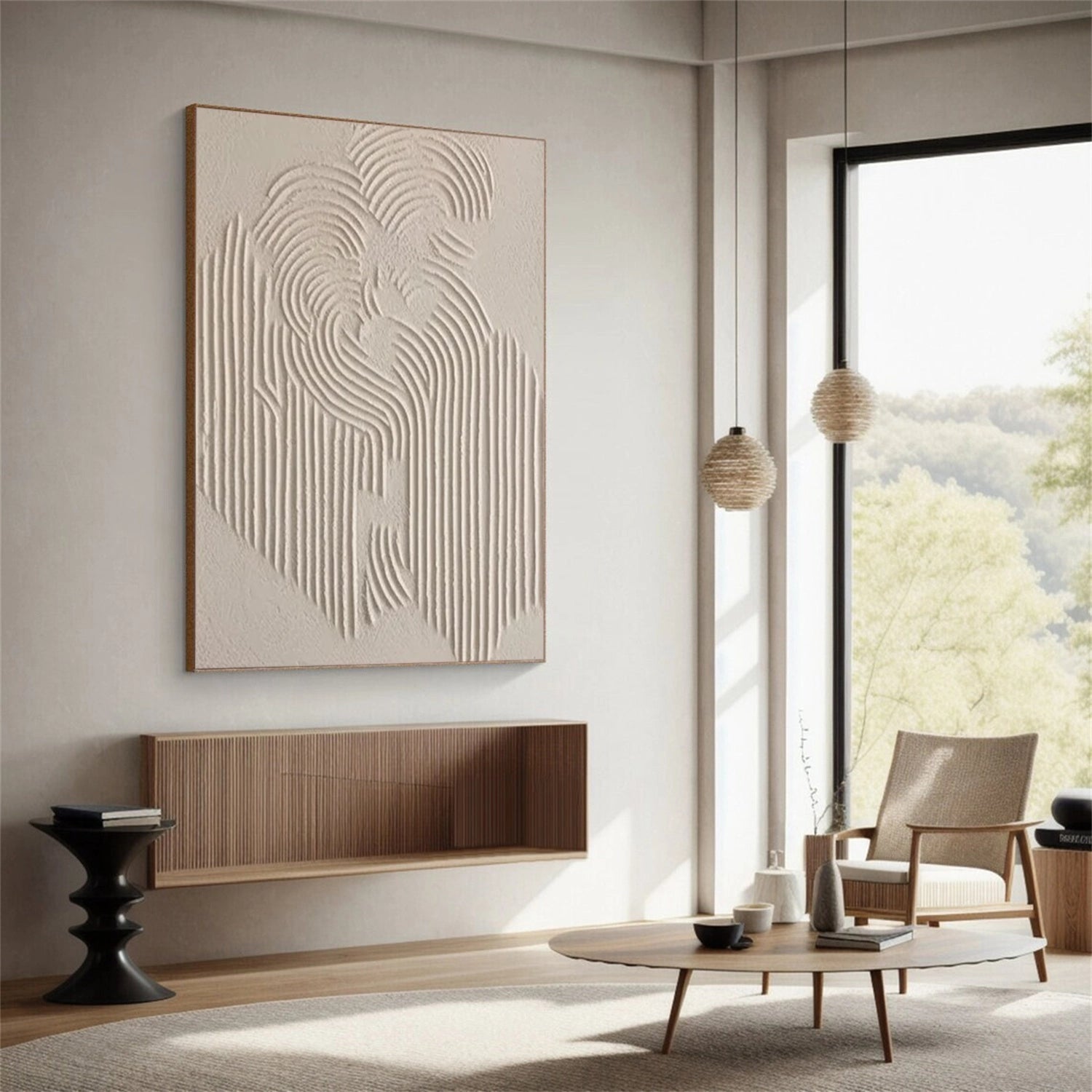
Textured walls influence mood by promoting warmth, comfort, and sensory engagement. Soft shadows and dimensional surfaces calm the mind and enhance spatial perception. Combining plaster textures with abstract artworks, like those from Vinchy Art, fosters creativity, relaxation, and a sense of emotional grounding.

Conclusion

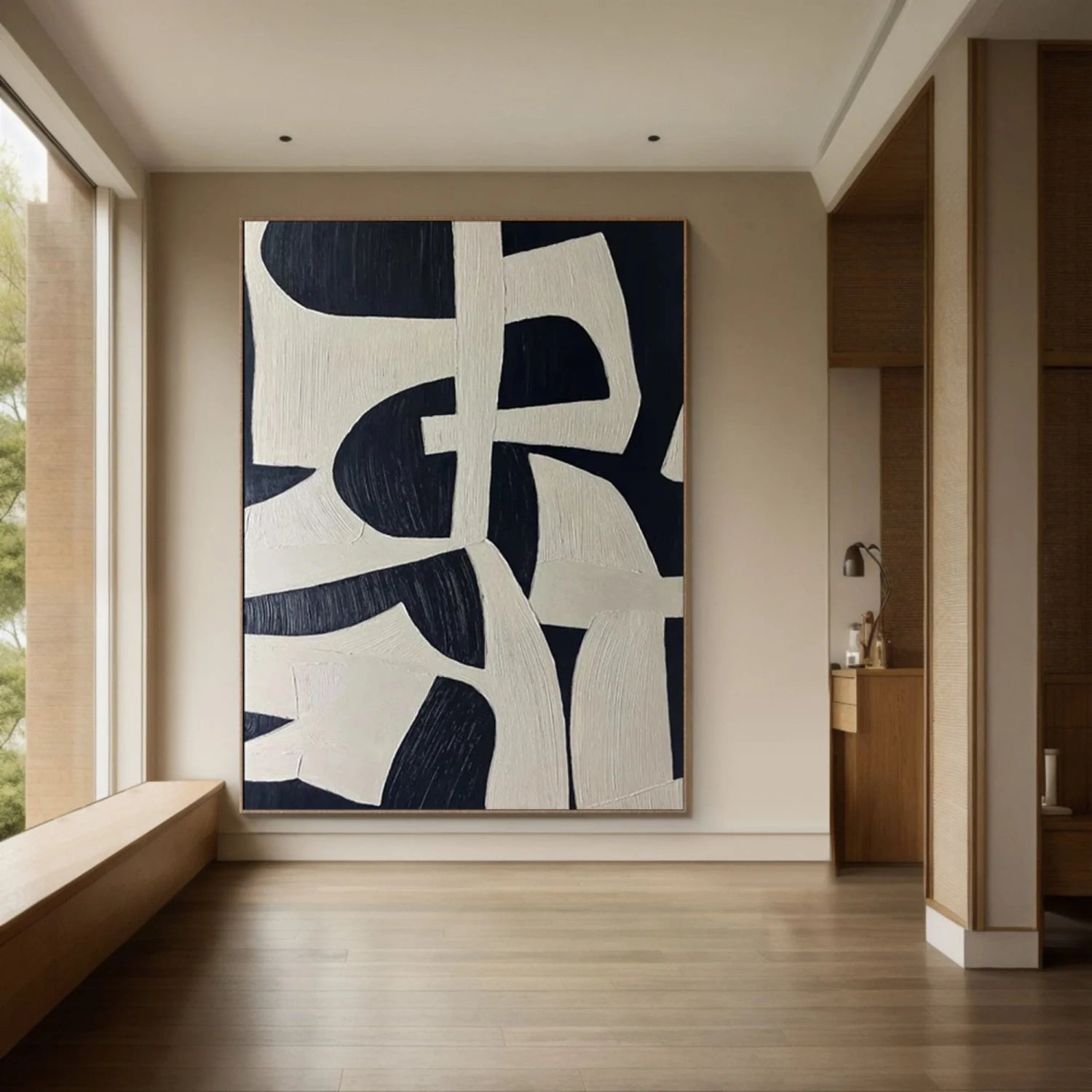
Plaster wall texture elevates interiors through artistry, durability, and sensory appeal. Its layered depth enhances light, warmth, and emotional impact, offering both aesthetic and functional benefits. Integrating plaster finishes with abstract art, as seen in Vinchy Art creations, can transform spaces into sanctuaries of calm, inspiration, and visual refinement. Thoughtful application bridges beauty and well-being seamlessly.

FAQs

1. Can plaster wall texture conceal wall flaws?
Yes, its patterns and depth effectively mask minor dents and cracks.

2. How long does plaster typically last?
With proper care, plaster can remain intact and visually appealing for over 50 years.

3. Which paint finishes are ideal for textured plaster?
Matte or eggshell finishes maintain depth and minimize glare.

4. Is plaster suitable for humid areas like bathrooms?
Yes, when sealed appropriately, plaster resists moisture and maintains integrity.

5. How does the cost of plaster compare to drywall?
Plaster is more expensive but provides superior texture depth, durability, and aesthetic impact.

Read more

What Makes Blue Abstract Art So Emotionally Powerful?

Blue abstract art engages both mind and emotion through its serene yet profound visual language. Its calming hues and dynamic textures evoke introspection, clarity, and mental balance. From minimal...

Read more

What Makes Black and White Abstract Art So Emotionally Powerful?

Black and white abstract art captivates through contrast, simplicity, and emotion. By removing color, it communicates depth and energy purely through form, texture, and tone. Each piece encourages ...

Read more
Free Shipping
30 Days Refund
100% Handmade
Eco Friendly