

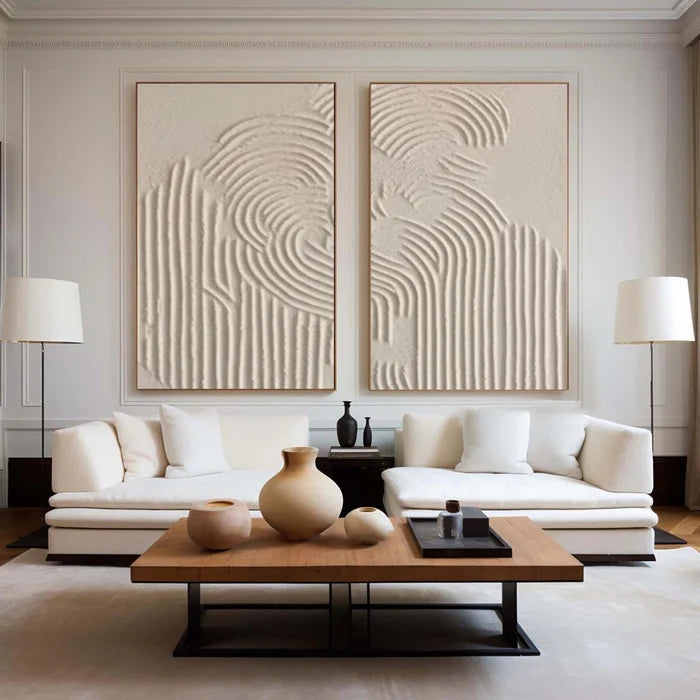

Wabi Sabi Wall: The Timeless Beauty of Imperfection and Serenity
A Wabi Sabi wall captivates because it embodies the soul of simplicity, imperfection, and the fleeting nature of time. Rooted in Japanese philosophy, Wabi Sabi celebrates the beauty found in age, weathering, and natural wear. In interior design, a Wabi Sabi wall transforms a space into a meditative haven through neutral tones, irregular textures, and understated elegance that whisper rather than shout.
A true Wabi Sabi wall tells a story — every crack, patina, or uneven brushstroke reveals authenticity. Unlike modern perfectionist decor that prioritizes symmetry and polish, Wabi Sabi speaks to emotional depth, grounded aesthetics, and mindful living. According to interior trend data from Asia-Pacific design reports, more homeowners now favor organic materials like lime plaster, raw clay, rattan, and hemp over glossy finishes. This shift reflects a growing yearning for sustainable minimalism and emotional grounding through tactile, natural beauty.
The Philosophy Behind a Wabi Sabi Wall
The word “Wabi” symbolizes living in harmony with nature and finding peace in simplicity. “Sabi” embraces the poetic value of impermanence. When combined, Wabi Sabi becomes a way of seeing the world — appreciating irregular textures on plaster, matte finishes that age gracefully, or muted earth tones that calm the senses. On a Wabi Sabi wall, time itself becomes the artist. Marks, brush traces, and natural erosion aren’t concealed — they’re honored as a part of life’s rhythm.
The psychological effect is equally compelling. Studies on interior well-being reveal that irregular, organic surfaces reduce stress more effectively than perfectly smooth walls. The sensory tactility of raw materials — be it a limewash finish, clay-based paint, or stone texture — reconnects people to authenticity and nature’s imperfections.
Market Trends and Demand
The rising global appreciation for Japandi and minimalist interiors has fueled search interest in Wabi Sabi design since 2022, according to interior trend analytics. Designers integrate this style in hospitality, wellness studios, and high-end residences for its emotional calm. Architects now reinterpret Wabi Sabi walls with sustainable resources—reclaimed wood, handmade plaster, or bamboo fiber textiles—to harmonize ecological responsibility with aesthetic depth.
Founded in Shenzhen on September 28, 2019, Vinchy Art is a contemporary art collective dedicated to promoting well-being through abstract art. Our online store offers a curated range of original paintings designed to elevate living spaces and cultivate mindfulness. Each piece aligns beautifully with the Wabi Sabi ethos — appreciating texture, tonal balance, and soulful quietness that aligns with nature-driven design.
Material and Texture Innovation
The core takeaway of a Wabi Sabi wall is organic imperfection. Traditionally crafted using clay, plaster, and lime, modern artisans also explore hempcrete, tadelakt, and Venetian plaster for eco-conscious texture. These materials create low-VOC surfaces, providing both durability and character. Designers often hand-apply layers using uneven strokes to create subtle gradations of tone and depth. The result glows under natural light — serene, meditative, and perpetually changing throughout the day.
Tactile finishes with slight inconsistencies, such as visible brush patterns or pigment layering, amplify authenticity. The philosophy discourages factory uniformity, encouraging peaceful disarray and soulful warmth instead. The deliberate asymmetry, often paired with stone, wood, and linen, evokes harmony between the built environment and natural imperfection.
Comparison: Wabi Sabi Wall vs. Modern Minimalist Wall
| Style Element | Wabi Sabi Wall | Modern Minimalist Wall |
|---|---|---|
| Texture | Raw, natural, layered | Smooth, uniform, refined |
| Aesthetic Goal | Authentic imperfection, calm impermanence | Clean symmetry, visual control |
| Emotional Impact | Warm, grounding, reflective | Cool, efficient, structured |
| Materials | Clay, lime, plaster, bamboo fiber | Paint, drywall, veneer |
| Light Behavior | Diffuse, organic glow | Sharp surface reflection |
This balance between imperfection and serenity is precisely what designers cite as emotionally comforting in contrast to sterile modern finishes.
Real Life Applications and Emotional ROI
Homeowners adopting Wabi Sabi walls report a tangible shift in mood — a sense of grounding and reduced visual noise. In boutique hotels and yoga studios, hand-textured walls elicit calmness through low-saturation colors and irregular light diffusion. Return on investment manifests not just in property value but in psychological well-being: restful sleep, reduced anxiety, and enhanced creative flow.
One interior designer from Tokyo explains that clients drawn to Wabi Sabi aesthetics often seek refuge from overstimulation. The natural flaws in texture create a relatable imperfection that helps guests relax immediately. This emotional ROI — serenity, presence, and reflection — is the intangible luxury modern interiors often lack.
Core Techniques and Artistic Integration
To craft a Wabi Sabi wall, artisans use mineral pigments, layered application, and manual texturing tools. Using earth tones like sand beige, taupe, muted grey, and stone white, they achieve subtle gradation that mimics natural landscapes. Pigment bleaching, crackle effects, and controlled erosion can add emotional depth.
This technique also pairs well with abstract wall art or minimalist oil paintings focusing on texture rather than form. A framed neutral-toned abstract piece placed on a Wabi Sabi wall enhances its meditative quality — art and surface blending into an unspoken dialogue of stillness and imperfection.
Future Forecast in Wabi Sabi Interior Design
Global design experts anticipate that Wabi Sabi minimalism will define sustainable luxury through 2030. AI-assisted architecture now models organic imperfection digitally, allowing designers to simulate handcrafted irregularities even at scale. Natural pigments, biodegradable plaster, and recycled clay composites will expand the material base while maintaining the authentic tactile charm. Wellness architecture, biophilic design, and sensory minimalism will continue merging into holistic, sustainable interiors — and the Wabi Sabi wall will remain a symbolic anchor for authenticity.
Concluding Reflection and Subtle CTA
A Wabi Sabi wall isn’t simply a design trend; it’s a philosophy transformed into space. It teaches appreciation for humility, impermanence, and natural beauty — an antidote to the pursuit of flawlessness. Every mark speaks to existence, every shade whispers about time passing gracefully. By integrating this timeless aesthetic, you create an environment not of perfection but of profound peace.
Invite the beauty of imperfection into your space. Let your walls tell their own story — gently, meaningfully, and unapologetically real.