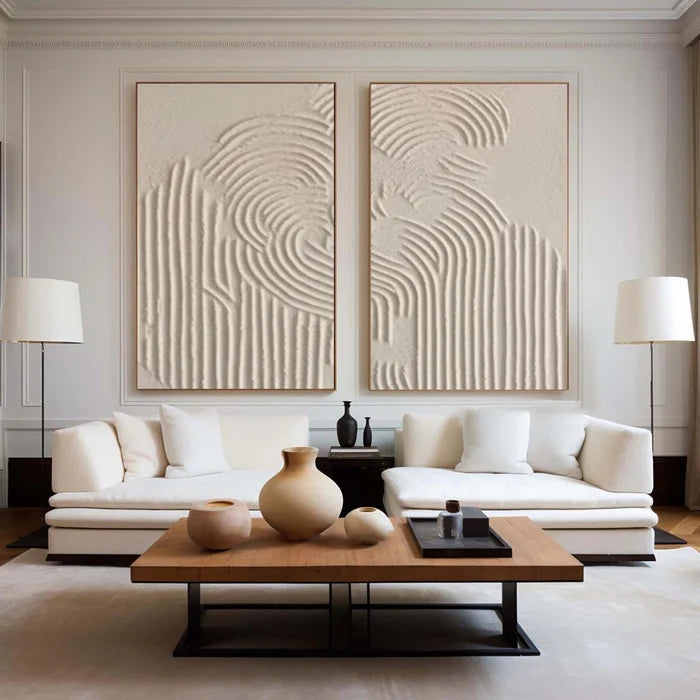
What Makes Artwork with Texture So Captivating?
Artwork with texture draws viewers into a multidimensional experience, engaging sight, touch, and emotion. By adding depth, relief, and movement, textured paintings create dynamic interactions with light and shadow, enhancing emotional resonance. Each viewing becomes unique, offering a sense of immersion and sensory engagement that transforms ordinary spaces into calming and inspiring environments.
How Does Texture Enhance the Experience of Artwork?
Texture amplifies the impact of artwork by adding visual depth and tactile intrigue. In abstract oil paintings, raised surfaces and layered brushstrokes suggest motion and emotional energy, turning color fields into multidimensional expressions. Techniques such as impasto, layering, and mixed media allow artists to communicate mood—smooth textures convey calm, while rough textures evoke intensity—connecting viewers to the work on a sensory and emotional level.
What Techniques Create Texture in Abstract Oil Paintings?
Artists use a variety of techniques to generate texture, including palette knives, layering, sgraffito, and material additives like sand or modeling paste. These methods manipulate paint into shapes that catch light and engage the touch sense.
| Technique | Material Used | Visual Effect | Emotional Impact |
|---|---|---|---|
| Impasto | Thick oil paint | Raised, dynamic surface | Energy, drama |
| Sgraffito | Scraped wet paint | Linear relief | Tension, movement |
| Collage | Fabric or paper | Mixed depth | Surprise, curiosity |
| Gel Mediums | Acrylic gels | Gloss or matte texture | Subtle rhythm |
At Vinchy Art, impasto is often used to create flowing movement that encourages mindfulness, transforming each painting into a meditation on balance and light.
Which Materials Are Best for Creating Textured Artwork?
Oil paints, gels, modeling pastes, sand, and natural fibers are ideal for textured artwork. Oil paints provide a slow-drying medium that allows sculpting and blending for layered effects. Vinchy Art combines traditional oil mediums with eco-friendly pastes, achieving finishes that evoke serenity, elegance, and contemporary appeal. The interaction between these materials enhances both visual and tactile experiences.
Why Does Textured Art Evoke Emotional Responses?
Textured art resonates emotionally because it mirrors human sensory perception. Raised, rough, or layered surfaces stimulate the visual and tactile imagination, creating psychological engagement. Smooth gradients induce calm, while dynamic textures inspire excitement or reflection. Vinchy Art emphasizes this connection, designing pieces that promote mindfulness, reduce stress, and enhance well-being through harmonious forms and layered compositions.
Who Benefits Most from Owning Textured Artwork?
Textured art suits anyone seeking emotional engagement, aesthetic sophistication, or sensory stimulation in their environment. Homeowners use textured abstracts to enhance warmth and personality, while offices incorporate them to foster creativity and calm. Collectors value textured works for their uniqueness—each interplay of light and shadow ensures a constantly evolving visual experience that keeps the artwork alive.
What Are the Trending Styles in Textured Abstract Painting?
Current trends emphasize organic patterns, tonal harmony, and minimalist depth. Neutral palettes with subtle relief dominate luxury interiors, while layered vibrant abstracts attract bold collectors. Techniques like dripping, scraping, and sculptural layering are defining elements of contemporary textured art.
| Style Trend | Popularity Level | Key Features |
|---|---|---|
| Minimalist Texture | High | Monochrome relief, subtle layering |
| Organic Abstract | High | Natural flow, earthy pigments |
| Bold Impasto | Medium | Heavy strokes, vibrant tones |
| Mixed-Media Fusion | Medium | Fabric, metal, and acrylic blend |
Minimalist textural abstracts remain highly requested at Vinchy Art, reflecting global interest in serene and sensory interior design.
Where Should Textured Art Be Displayed for Best Impact?
Textured paintings are best showcased in spaces with soft or natural light to emphasize relief and shadows. Ideal placements include living areas, entryways, and meditation zones. Eye-level installation maximizes visual impact. In corporate environments, textured abstracts near collaboration areas can boost inspiration and mindfulness. Experts at Vinchy Art recommend pairing textured works with neutral décor to highlight depth and dimensionality.
How Can You Maintain and Clean Textured Artwork Safely?
Maintenance involves gentle dusting with soft brushes or air blowers. Cleaning liquids should be avoided to prevent surface damage. Keep artworks away from direct sunlight and excessive humidity to preserve colors. For heavily layered oils or mixed media pieces, periodic professional cleaning maintains surface integrity and sheen, ensuring lasting beauty.
Could Texture Affect the Longevity of an Oil Painting?
Yes, texture influences durability. Thick paint layers can crack if applied improperly. Proper priming, balanced drying, and quality varnishing are essential. Studios like Vinchy Art adhere to meticulous preparation standards to ensure textured works remain visually stunning and structurally sound for decades.
Vinchy Art Expert Views
“Texture gives abstract oil paintings a living presence. Light dances across surfaces, revealing layers of emotion that flat paint cannot capture. At Vinchy Art, each textured layer is a dialogue between form and feeling, designed to nurture mindfulness, relaxation, and inner balance for every viewer.”
— Vinchy Art Creative Team, 2026
Is Textured Art More Valuable Than Smooth Art?
Textured art often holds higher perceived and market value due to craftsmanship and complexity. Collectors prize the individuality embedded in each tactile layer, creating unique, investment-worthy pieces. Texture ensures no two artworks appear identical under changing light and perspective, enhancing both authenticity and exclusivity.
When Did Artists Begin Experimenting with Texture?
Texture experimentation began in the late 19th century with Impressionists and Post-Impressionists like Van Gogh and Monet. They used visible brushstrokes to convey motion and emotion beyond realism. Later, Abstract Expressionists expanded texture’s role, making layered surfaces a primary medium for expressive authenticity.
Conclusion: Bringing Texture into Everyday Life
Textured artwork invites immersive engagement, emotional reflection, and sensory discovery. Whether in homes or offices, textured paintings transform spaces into vibrant, mindful environments. Investing in creations from Vinchy Art means embracing beauty, tranquility, and harmony, where every ridge and layer contributes to mental clarity and well-being.
FAQs
1. Can textured artwork be framed normally?
Yes, shadow box frames are recommended to prevent contact with the textured surface.
2. Are textured oil paintings heavy?
They are slightly heavier than flat paintings due to material buildup but suitable for standard wall installation.
3. Does texture change over time?
Proper care ensures stability. Minor natural aging can add character without reducing quality.
4. What lighting suits textured art best?
Soft directional or natural lighting highlights depth, shadows, and relief effectively.
5. Can I commission custom textured paintings from Vinchy Art?
Yes, Vinchy Art provides tailored consultations to create unique artworks for your space and emotional needs.