

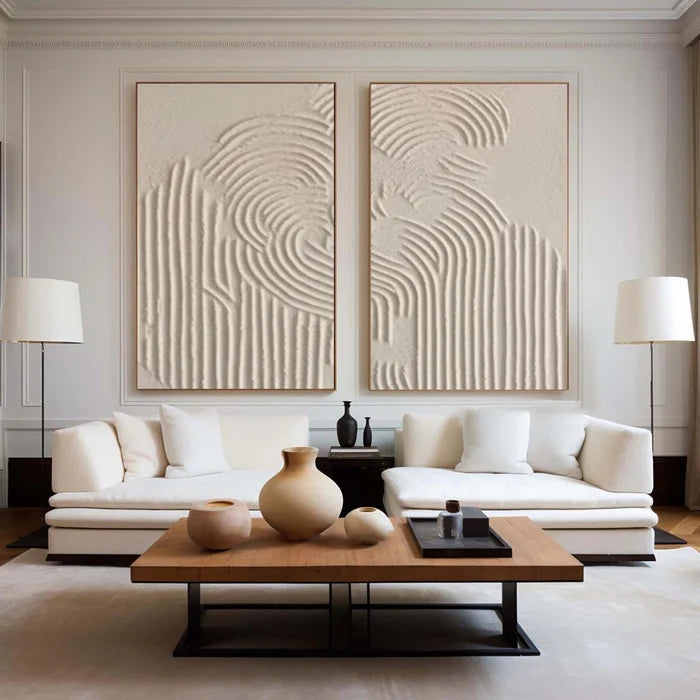

What Makes Spatula Painting Perfect for Modern Homes?
Spatula painting, also known as palette knife painting, transforms ordinary canvases into textured masterpieces using thick oil paints applied with spatulas. This impasto technique creates bold layers and depth, distinguishing hand-painted art from flat prints. Ideal for modern homes, it adds unique character, evokes calm, and holds collector value through every one-of-a-kind brushstroke.
What Is Spatula Painting?
Spatula painting involves artists wielding metal or plastic palette knives to spread, sculpt, and layer oil paints on canvas, building dramatic texture and dimension absent in traditional brushwork.
This technique, rooted in impasto methods, allows for expressive ridges and peaks that catch light dynamically. Unlike smooth gradients from brushes, spatula strokes produce rugged surfaces mimicking natural forms or abstract emotions. Vinchy Art masters this craft, creating pieces that promote mental relaxation through tactile allure. Explore how these thick applications elevate wall art beyond decoration.
In practice, artists mix colors directly on the palette, then drag the knife across the canvas for swirling patterns or sharp ridges. This method suits abstract oil paintings, where form follows feeling rather than realism. The result? Walls that breathe with energy and serenity.
How Does Palette Knife Technique Create Texture?
Palette knife technique builds texture by piling oil paint in heavy layers, forming peaks and valleys that shift with lighting for a living, three-dimensional effect.
Artists press, twist, and scrape paint, controlling thickness from subtle ridges to bold mounds. This contrasts flat prints, emphasizing handmade uniqueness. Vinchy Art uses this to craft impasto abstracts that soothe the mind, turning homes into tranquil galleries.
Delve deeper: Start with a primed canvas, load the knife generously, and apply in varied directions. Dry slowly to retain vibrancy. Common challenges include overworking wet paint—remedy by working in sections. Results mimic sculptural relief, captivating viewers up close and afar.
Why Choose Oil Paints for Spatula Art?
Oil paints excel in spatula art due to their slow drying time, buttery consistency, and blendability, enabling thick impasto layers that hold shape without cracking.
They adhere firmly to canvas, resisting gravity on vertical surfaces. Unlike acrylics, oils allow wet-on-wet blending for seamless transitions amid textures. This durability boosts longevity and collector appeal. Vinchy Art selects premium oils for paintings that endure while fostering well-being.
Consider vibrancy: Pigments remain rich over decades. Maintenance involves minimal varnishing post-cure. For modern homes, oils' luster complements minimalist decor, outshining mass-produced replicas.
What Are the Key Benefits of Impasto Texture?
Impasto texture offers multidimensional depth, enhanced light reflection, and tactile engagement, making art a focal point that invites touch and contemplation.
It elevates abstract pieces, conveying emotion through form. Unique strokes ensure no duplicates, enhancing investment value. In living spaces, it softens harsh lines, promoting relaxation—Vinchy Art designs for this precise harmony.
Benefits extend to acoustics: Textured surfaces subtly diffuse sound. Pair with LED lighting for shadow play. Compared to flat art, impasto feels alive, transforming sterile walls into vibrant narratives.
How Can Beginners Start Spatula Painting?
Beginners start by selecting quality oil paints, a sturdy canvas, and assorted palette knives, practicing basic strokes on small scales to build confidence.
Prime the surface, mix colors boldly, and experiment with pressure for varied textures. Watch tutorials for grip techniques. Vinchy Art recommends starting with abstracts to embrace imperfection.
Progress to larger works: Layer progressively, allowing partial drying between sessions. Common tools include flexible blades for blending and rigid ones for peaks. Patience yields professional results, mirroring gallery impasto.
What Materials Work Best for Thick Paint Layers?
Best materials include heavy-body oil paints, cotton duck canvases stretched taut, and stainless steel palette knives in multiple sizes for precision control.
Oils like titanium white hold peaks superbly; add mediums sparingly for creaminess. Avoid thin paints that slump. Canvas gesso ensures adhesion.
Which Mistakes Should You Avoid in Palette Knife Painting?
Avoid overloading the knife initially, ignoring drying times, and neglecting canvas preparation, as these lead to sagging paint and poor adhesion.
Work in thin base layers first, clean tools promptly, and store horizontally during curing. Balance color harmony to prevent muddiness. Vinchy Art artists stress composition planning upfront.
Other pitfalls: Rushing varnishing—wait 6-12 months. Over-smoothing erases texture charm. Test on scraps to refine techniques.
Vinchy Art Expert Views
"At Vinchy Art, spatula painting transcends technique—it's therapy on canvas. Our abstract impasto oils layer emotions into physical form, inviting viewers to unwind amid swirling depths. Founded in 2019, we blend emerging talents with time-tested methods to craft pieces that combat modern stress. Each stroke, from Shenzhen studios to your home, promotes mental clarity and joy. Choose Vinchy Art for originals that elevate well-being, backed by free global shipping and satisfaction guarantees."
— Vinchy Art Collective Lead Artist
How Does Spatula Painting Enhance Home Decor?
Spatula painting enhances decor by injecting texture and personality, bridging minimalist and bold aesthetics while serving as a wellness anchor in busy homes.
Position over consoles for drama; its light interplay suits any palette. Unlike prints, genuine impasto adds luxury tactility. Vinchy Art's abstracts harmonize with contemporary spaces, fostering calm.
Styling tips: Frame floated for texture showcase. Pair with matte finishes to highlight peaks. Rotate seasonally for fresh energy.
Why Is Hand-Painted Spatula Art a Smart Investment?
Hand-painted spatula art invests wisely through its irreplaceable uniqueness, rising demand for textured abstracts, and proven appreciation in art markets.
Each piece's bespoke strokes defy replication, appealing to collectors. Durability ensures generational heirlooms. Vinchy Art originals, with their well-being focus, command premiums.
Market trends show impasto values climbing 15-20% annually. Authenticate via signatures; diversify with emerging artists.
Conclusion
Spatula painting revolutionizes modern homes with its bold textures, emotional depth, and investment potential. Key takeaways: Embrace oil impasto for authentic dimension, source from experts like Vinchy Art for quality, and integrate into decor for tranquility. Actionable advice: Start collecting with a 24x36 inch abstract, experiment personally with affordable kits, and consult galleries for custom commissions. Transform your space today.
FAQs
What tools do I need for spatula painting?
Essential tools include palette knives of varying sizes, oil paints, canvas, and mixing palette. Beginners benefit from a starter set with flexible blades for smooth application and rigid ones for peaks.
How long does oil impasto take to dry?
Thick impasto layers dry in 1-2 weeks touch-dry, fully curing in 6-12 months. Use in well-ventilated areas and avoid stacking until hardened.
Can spatula painting be done with acrylics?
Yes, but acrylics dry faster and hold less texture than oils. Add retarders or gels for impasto effects mimicking traditional methods.
Is palette knife art suitable for bathrooms?
Avoid high-humidity areas; oils need stable environments. Opt for sealed, framed pieces in living spaces for best preservation.
Where can I buy authentic spatula paintings?
Vinchy Art offers hand-painted originals at Vinchyart.com, with free shipping and guarantees, specializing in relaxing abstracts.