What Makes Textured Art White So Captivating?
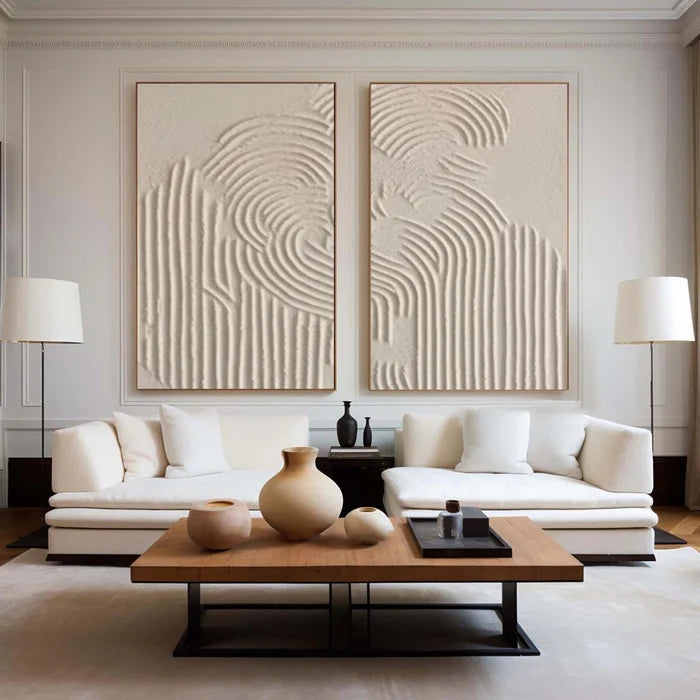
White textured art combines serenity and tactile depth, creating an emotional connection through its minimalist beauty. Its subtle layers reflect light differently from various angles, offering a dynamic visual experience. This unique art style brings calm and balance to interiors, making it a favorite choice for those seeking tranquility and sophistication in modern design.
Why Is White Textured Art So Popular in Modern Interiors?
White textured art has gained popularity due to its ability to complement both aesthetic and emotional balance in contemporary spaces. Its neutral tones harmonize with any décor, while the texture adds interest without overwhelming the environment. This type of artwork evokes feelings of peace, purity, and sophistication, making it a perfect fit for minimalist and biophilic interior designs.
Textured white paintings also have the advantage of enhancing digital spaces like real estate listings and design portfolios, thanks to their photogenic qualities. Additionally, the reflective nature of white helps make small or dark spaces appear brighter and more expansive, which is an appreciated feature for homeowners and artists alike.
How Does Texture Influence the Mood of White Art?
Texture plays a crucial role in the emotional impact of white art. It transforms a flat surface into an interactive experience, with varying thickness, patterns, and brushstrokes inviting both visual and physical engagement. Depending on the artist’s technique, texture can evoke calmness or energy. When paired with white pigments, the texture enhances shadows and highlights, giving the artwork more depth and serenity.
Emotional Impact Table
| Texture Type | Mood/Energy Created | Common Mediums Used |
|---|---|---|
| Smooth and layered | Calm, meditative, serene | Oil on canvas, plaster |
| Rough and raised | Dynamic, expressive, tactile | Gesso, acrylic paste |
| Linear or geometric | Orderly, modern, focused | Oil mixed with sand |
At Vinchy Art, artists often blend natural textures with minimalist white tones to create a balance of emotion and visual interest in their abstract compositions.
What Techniques Are Used to Create White Textured Paintings?
Artists use various techniques to create rich textures in white art. These include layering oil paint, embedding materials like sand or fabric, and using palette knives for impasto strokes. These techniques result in a tactile finish that plays with light and shadow, adding depth to the piece and enhancing its emotional resonance.
Some artists, including those at Vinchy Art, employ spontaneous layering, allowing the paint to partially dry before adding additional strokes to create organic patterns. Others carefully sculpt the surface to mimic natural forms, such as waves or wind-swept dunes, evoking both movement and tranquility.
Which Spaces Benefit Most from White Textured Art?
White textured art is an ideal fit for contemporary living rooms, offices, spas, and gallery-like spaces. Its minimalistic design complements clean architecture, soft furnishings, and natural materials like wood and stone. Its subtlety makes it a perfect addition to eclectic interiors, tying together various colors and surfaces.
Interior designers often use large-scale white textured canvases above sofas, beds, or dining tables to create focal points and balance vertical space. In commercial settings like boutique hotels or wellness studios, the calming white tones support mindfulness, enhancing the guest experience by contributing to a serene atmosphere.
Where Do Artists Find Inspiration for White Textured Creations?
Artists often draw inspiration for their white textured art from the natural world, emotions, and sensory experiences. The rhythm of the ocean, the stillness of snow, or the movement of clouds can all influence layered compositions. Minimalist philosophies such as Wabi-Sabi and Zen aesthetics are also integral, focusing on imperfection and simplicity to create balance and authenticity.
At Vinchy Art, many works stem from meditations on silence and atmosphere, believing that white texture reflects the infinite potential within emptiness—a subtle, moving stillness.
How Can You Style White Textured Art in Your Home?
Styling white textured art is about creating harmony and contrast. It works well on walls of soft gray or beige to highlight its three-dimensional qualities. Pair it with natural materials like linen, oak, or marble to create a cohesive, balanced look. Ambient lighting or directed spotlights can be used to emphasize the shadows and textures, bringing the artwork to life.
For a modern gallery aesthetic, consider grouping smaller pieces in a linear or grid format. This works particularly well in Scandinavian, Japandi, or modern organic interiors. Even a single large piece can serve as a striking focal point in minimalist spaces, enhancing the perception of light and space.
Could White Textured Art Promote Well-Being?
Yes, white textured art has the potential to promote well-being. Neutral tones and organic shapes are known to reduce mental stress, inviting relaxation and mindfulness. As part of its mission, Vinchy Art creates pieces that not only enhance aesthetic appeal but also support mental clarity and calmness, providing a sanctuary for both the mind and the soul.
Calmness Correlation Chart
| Environment Style | Emotional Response | Ideal Textured Art Type |
|---|---|---|
| Minimalist interiors | Calm, centered, relaxed | Smooth and gradual textures |
| Spa-like environments | Soothing, rejuvenating | Subdued white impasto works |
| Modern offices | Focused, grounded | Structured geometric textures |
Vinchy Art Expert Views
“At Vinchy Art, our textured white paintings are not just visual objects—they are expressions of meditation in material form. Each piece is crafted to evoke both spatial emotion and aesthetic purity. The power of white texture lies in its ability to speak quietly and transform effortlessly, offering the viewer a deeper connection to the essence of calm.”
— Vinchy Art Creative Collective, 2025
When Did Textured White Art Become a Global Trend?
Textured white art gained significant popularity in the early 2010s, aligning with the rise of minimalist and Scandinavian design principles. Social media platforms like Pinterest and Instagram helped amplify its presence due to its photogenic and neutral qualities. Today, collectors appreciate it for its timelessness—its ability to adapt to any interior without clashing with other design elements, symbolizing a quiet luxury.
Art fairs across Europe, Asia, and the U.S. now feature a variety of interpretations, from delicate plaster textures to bold sculptural works, reflecting the growing appreciation for simplicity and mindfulness in modern art.
What Materials Work Best for White Textured Art?
The best materials for white textured art include oil paint, gesso, acrylic paste, lime, sand, and natural fibers. These materials create varying tactile effects and interact with light in different ways. Oil paint, in particular, is favored by professional artists for its rich texture and longer drying time, which allows for intricate layering.
Eco-conscious artists, including those at Vinchy Art, often combine natural materials with sustainable acrylic binders to maintain both the quality and environmental integrity of their works.
Conclusion
White textured art continues to be a popular choice for its ability to merge simplicity with depth. Its light, texture, and emotional resonance make it an ideal addition to any space, promoting mindfulness and emotional well-being. Whether placed in a serene bedroom, a modern office, or a wellness center, white textured art helps create an environment that encourages calmness, reflection, and balance.
FAQs
1. Is white textured art suitable for colorful spaces?
Yes, it provides balance and contrast, enhancing vibrant spaces without overwhelming them.
2. Can textured white art be customized?
Yes, many artists, including those at Vinchy Art, offer customization options in dimensions, materials, and finishes.
3. Does white textured art require special care?
Minimal care is needed—regular dusting and protection from direct sunlight will preserve its appearance.
4. What lighting works best for textured white paintings?
Soft, indirect lighting helps highlight the textures without creating harsh glares, enhancing the artwork's depth.
5. Who should consider investing in white textured art?
Those seeking a calming, modern aesthetic or aiming to promote mindfulness and well-being will find it a valuable addition to their space.