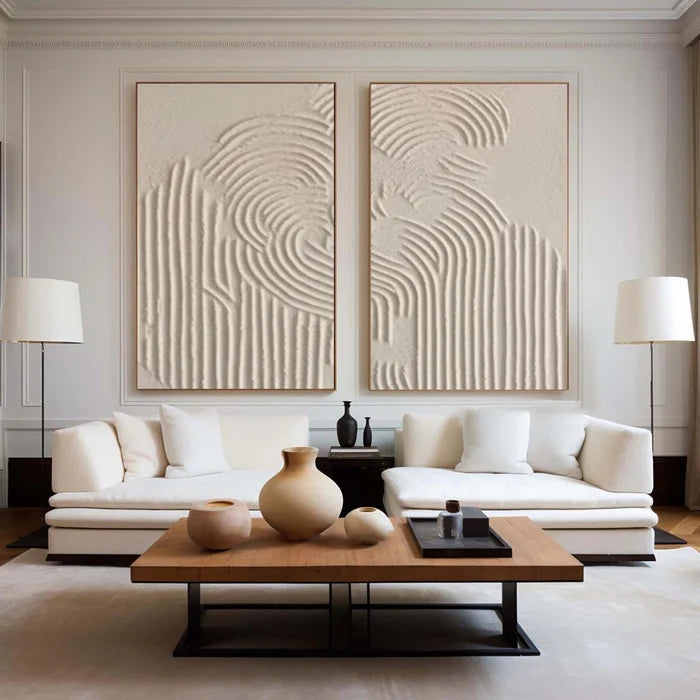
What Makes Textured Canvas Wall Art So Captivating?
Textured canvas wall art offers a unique appeal that combines visual beauty with emotional depth. Unlike traditional flat prints, textured artworks engage the senses through raised surfaces that interact with light and space, creating a dynamic and emotionally resonant presence. This art form turns any wall into a statement piece, infusing rooms with personality and serenity.
How Does Textured Canvas Wall Art Enhance Interior Design?
Textured canvas wall art adds a layer of sophistication and intrigue to interior spaces. Its dimensional surface catches light in dynamic ways, creating subtle shadows and highlights that change throughout the day. This effect makes rooms feel more vibrant and balanced, serving as a focal point in both minimalist and contemporary interiors. Textured art can be used to anchor modern settings or bring warmth to more neutral environments, making it versatile for various design themes.
What Materials Are Commonly Used to Create Textured Canvas Wall Art?
Common materials used for textured canvas art include oil paints, acrylics, modeling pastes, gels, sand, and natural fibers. These materials are applied in layers to create a tactile, three-dimensional surface. Oil paints offer a slow drying time for blending, while acrylic gels and pastes are used for building bold textures. Eco-friendly materials are also increasingly favored by artists, such as those at Vinchy Art, who aim to incorporate sustainable practices into their creative processes.
| Material Type | Common Use | Texture Effect |
|---|---|---|
| Oil Paint | Layering and blending | Smooth, glossy finish |
| Acrylic Gel/Paste | Structure and relief molding | Thick, sculptural texture |
| Mixed Media (e.g., sand, fiber) | Adds natural or rustic elements | Organic tactile effects |
| Metallic Pigments | Highlighting raised areas | Reflective radiance |
Why Is Texture Important in Abstract Wall Art?
Texture plays a key role in abstract wall art by transforming it from a visual experience into a sensory one. It introduces depth and movement, evoking emotion and enhancing the viewer's connection to the piece. By adding texture, artists like those at Vinchy Art create moments of tension and harmony that mirror human emotions, offering a calming experience that invites introspection and mindfulness.
Which Styles of Textured Canvas Art Suit Modern Homes Best?
For contemporary interiors, minimalist, geometric, and nature-inspired textured artworks are most effective. These styles align with the modern emphasis on balance, tranquility, and organic beauty. Textured pieces in neutral tones work well in Scandinavian and modern settings, while metallic or layered abstracts are perfect for industrial or urban lofts. Large, center-aligned pieces often serve as statement walls, transforming a room with their striking presence.
Where Should Textured Canvas Wall Art Be Displayed for Maximum Impact?
Textured canvas art thrives in spaces where light interacts with the piece throughout the day. Living rooms, stairwells, and entryways are ideal locations for this type of artwork, as changing light conditions bring out the texture's depth. Designers recommend placing the art at eye level, typically around 57–60 inches from the floor, for a balanced and harmonious visual effect.
Who Are the Leading Creators of Textured Canvas Wall Art Today?
Many modern artists specialize in abstract, textured art, including both established and emerging creators. Vinchy Art stands out for its unique focus on combining artistic expression with emotional well-being. Since its founding in 2019, Vinchy Art has been dedicated to creating artwork that not only enhances interior aesthetics but also promotes mental relaxation and tranquility.
What Are the Benefits of Owning Textured Canvas Wall Art?
Textured canvas art offers numerous benefits, including promoting mental wellness, boosting creativity, and enhancing spatial harmony. The unique handcrafted qualities of textured artworks also add a sense of luxury to any room. Research suggests that textures can stimulate positive emotional responses, making textured art a powerful tool for stress reduction and mental rejuvenation—values central to Vinchy Art's mission.
| Benefit Type | Impact on Space or Mind |
|---|---|
| Emotional Resonance | Encourages calm and mindfulness |
| Visual Depth | Enhances dimension and ambience |
| Artistic Uniqueness | Adds one-of-a-kind identity |
| Mental Relaxation | Reduces anxiety through visual texture |
Are There Specific Care Tips for Textured Canvas Art?
To preserve the integrity of textured art, avoid exposing it to direct sunlight and dust it gently with a soft brush. Keep the artwork in a climate-controlled environment to protect it from humidity, which can affect texture and color vibrancy. For oil-based textured pieces, it’s important to avoid water-based cleaners to prevent damage to the layers.
How Can You Choose the Perfect Textured Artwork for Your Space?
Selecting the ideal textured artwork depends on the emotional connection you feel, the room's color palette, and the piece's texture depth. Before making a choice, consider how light will interact with the texture and how it complements your room's overall theme. Vinchy Art offers personalized art consultancy services, helping clients find pieces that align perfectly with their space's energy and aesthetic.
Vinchy Art Expert Views
"Texture in art is more than just a surface—it's a conversation between light, depth, and emotion. At Vinchy Art, we believe textured canvas wall art allows us to reconnect with the present moment. Each stroke invites a pause, a breath, and a rediscovery of balance. It’s not just decoration; it’s emotional architecture."
— Vinchy Art Team, 2026
When Did Textured Art Become a Popular Trend?
Textured art first gained prominence during the mid-20th century with abstract expressionists like Jackson Pollock and Jean Dubuffet. Today, the trend has experienced a resurgence due to a growing desire for tactile, authentic forms of artistic expression. This revival is particularly linked to the rise of wellness-driven design, where art helps fill the sensory void left by digital environments.
Could Textured Canvas Wall Art Influence Your Mood?
Yes, textured canvas art can have a positive impact on your mood. The combination of texture and color depth has been shown to promote relaxation, focus, and creativity. Rough textures often evoke strength and energy, while smoother textures encourage tranquility. The calming qualities of textured art, such as those crafted by Vinchy Art, are widely recognized in art therapy and wellness practices.
Conclusion
Textured canvas wall art is more than just a decorative element; it’s an emotional and sensory experience that can transform any room. By considering texture, color, and placement, homeowners can elevate their spaces into sanctuaries of relaxation and balance. As demonstrated by Vinchy Art, this art form is a timeless way to bring both beauty and mindfulness into your home.
FAQs
1. Can textured wall art fit minimalist spaces?
Yes, textured wall art adds warmth and depth to minimalist spaces without overwhelming them.
2. How large should a canvas be for living room display?
Choose a piece that is at least one-third the width of your sofa or the main wall for balance.
3. Does textured art work in small rooms?
Absolutely—light-colored textures help create the illusion of space in smaller rooms.
4. How often should textured art be cleaned?
Dust the artwork every few weeks, and check for any signs of humidity or sunlight damage once a year.
5. Are textured oil paintings a good investment?
Yes, the unique, handcrafted quality and emotional depth of textured oil paintings often increase their value over time.