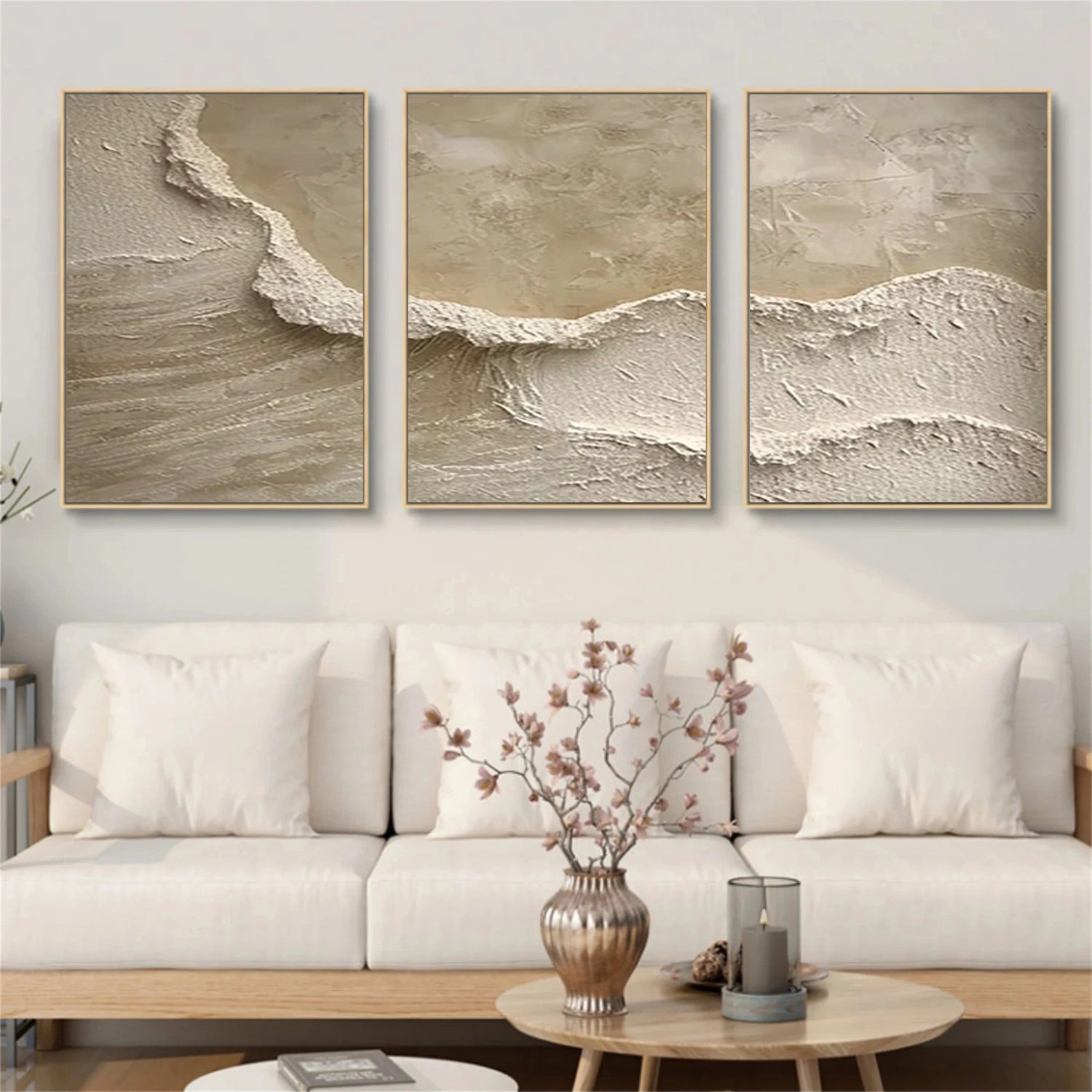
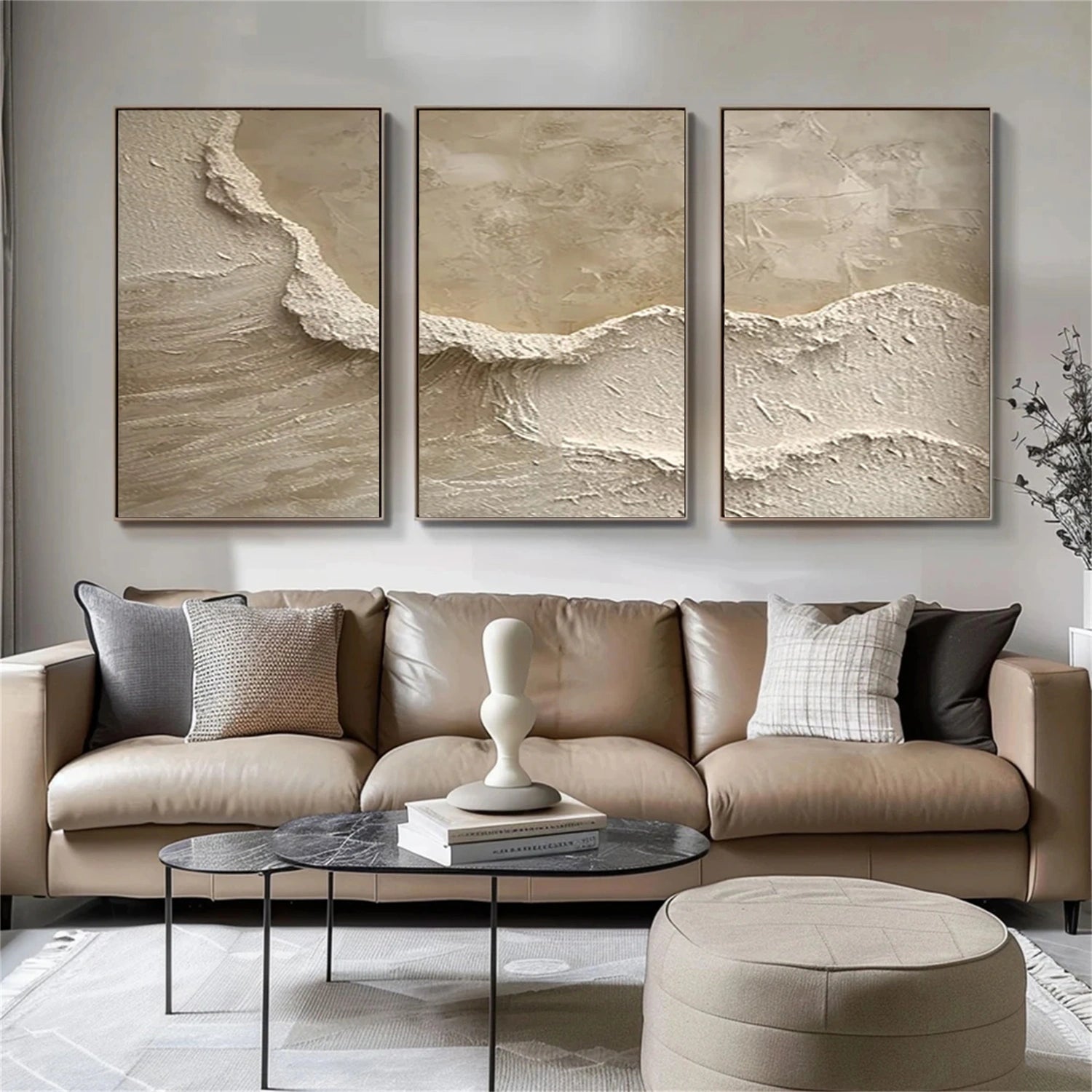
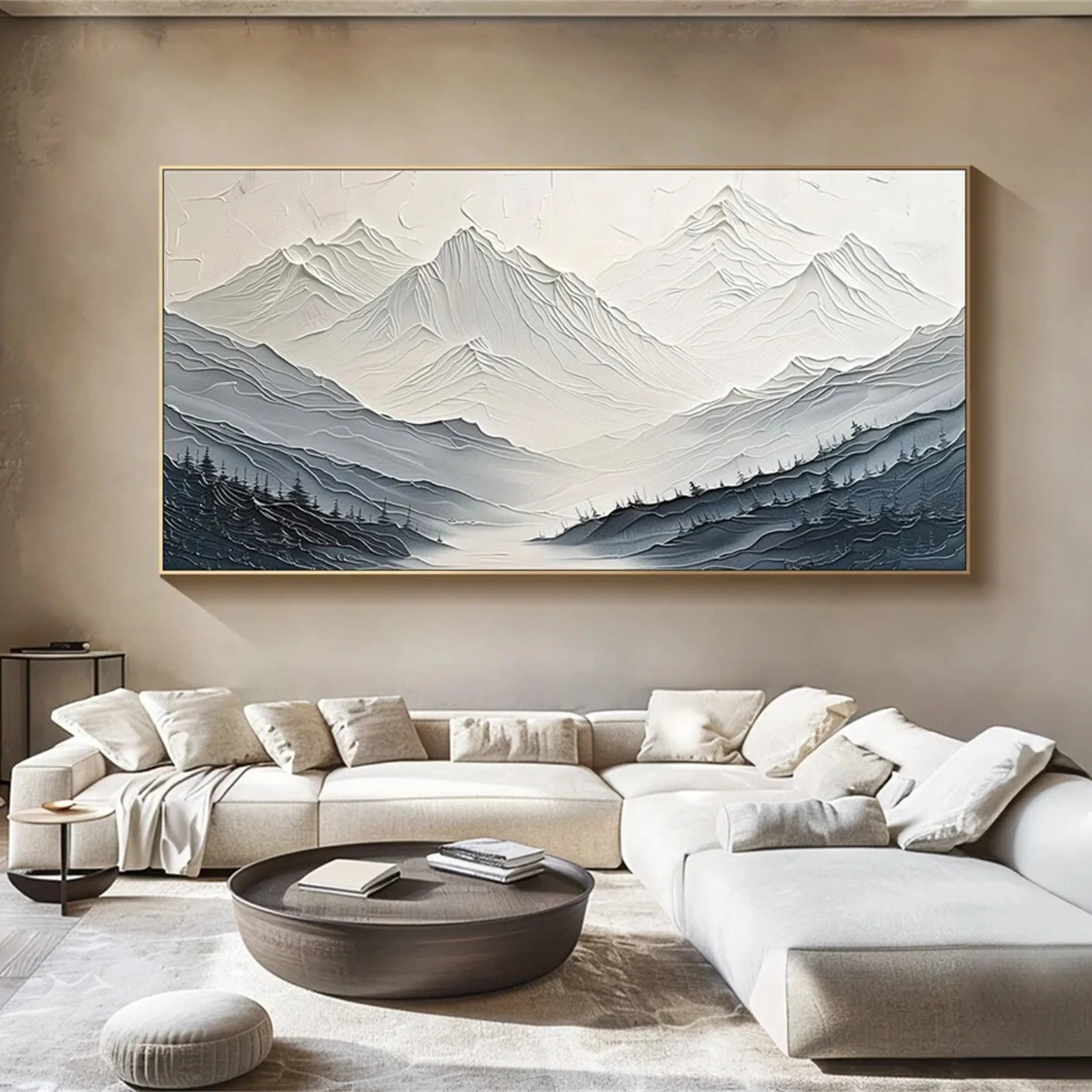
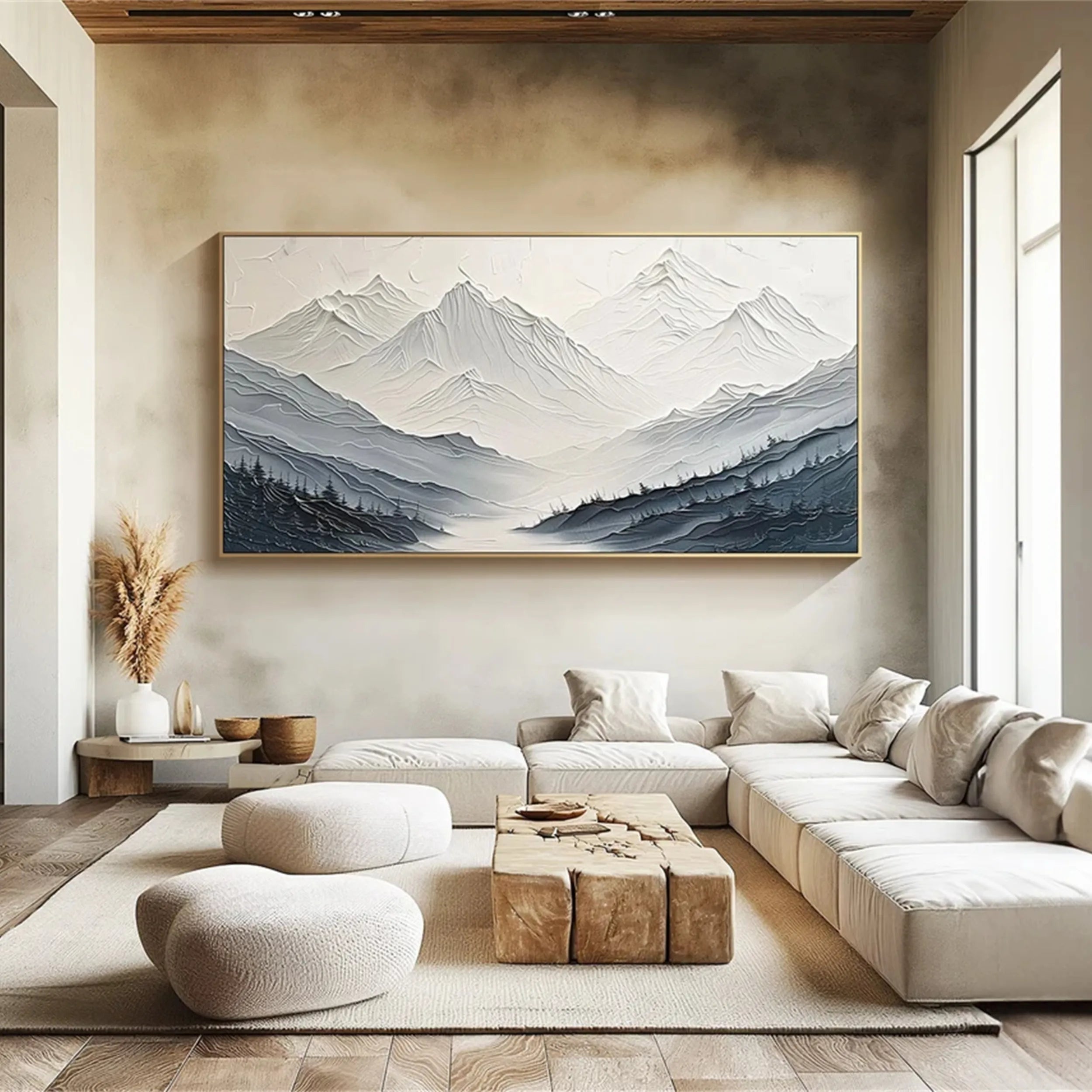
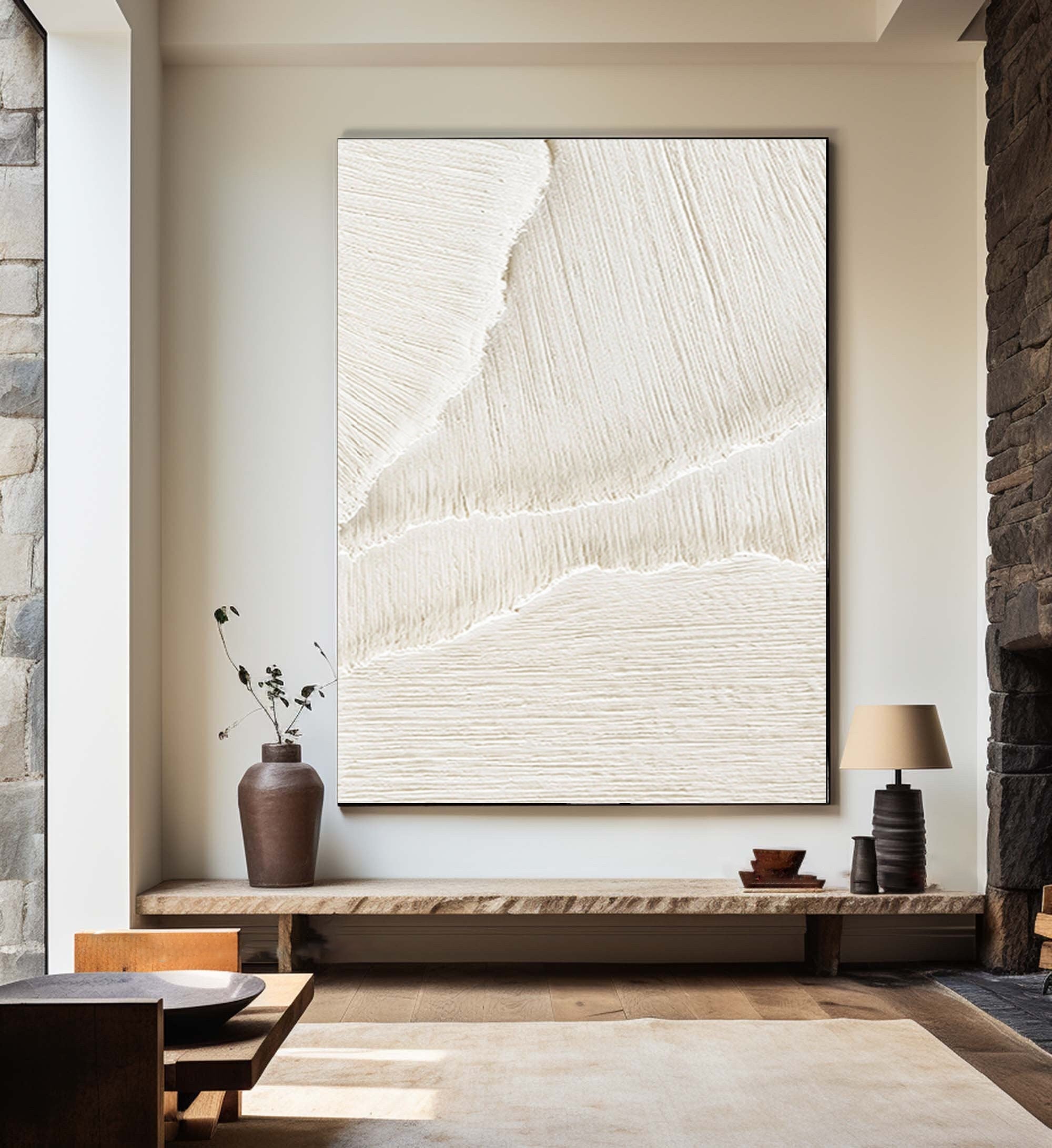
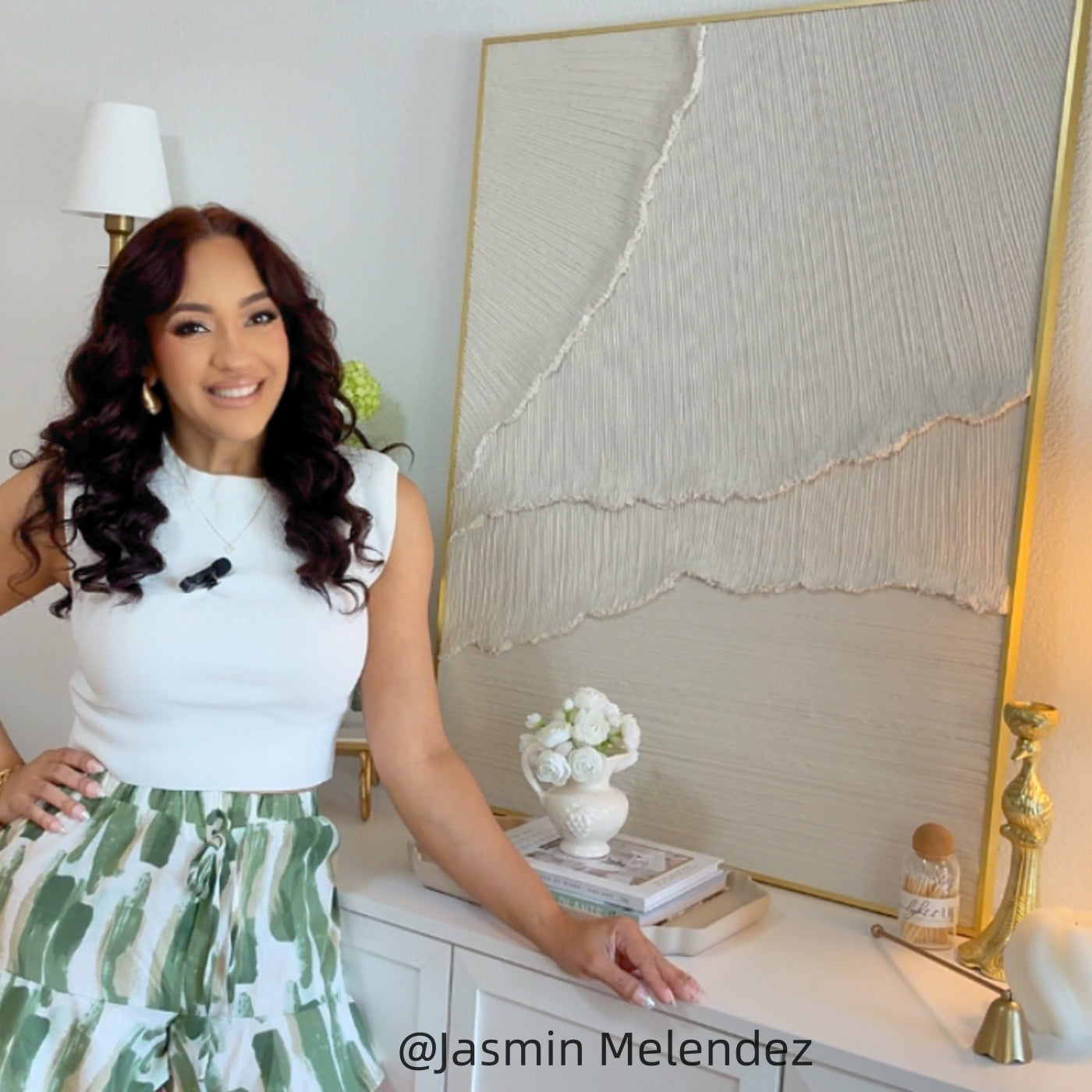
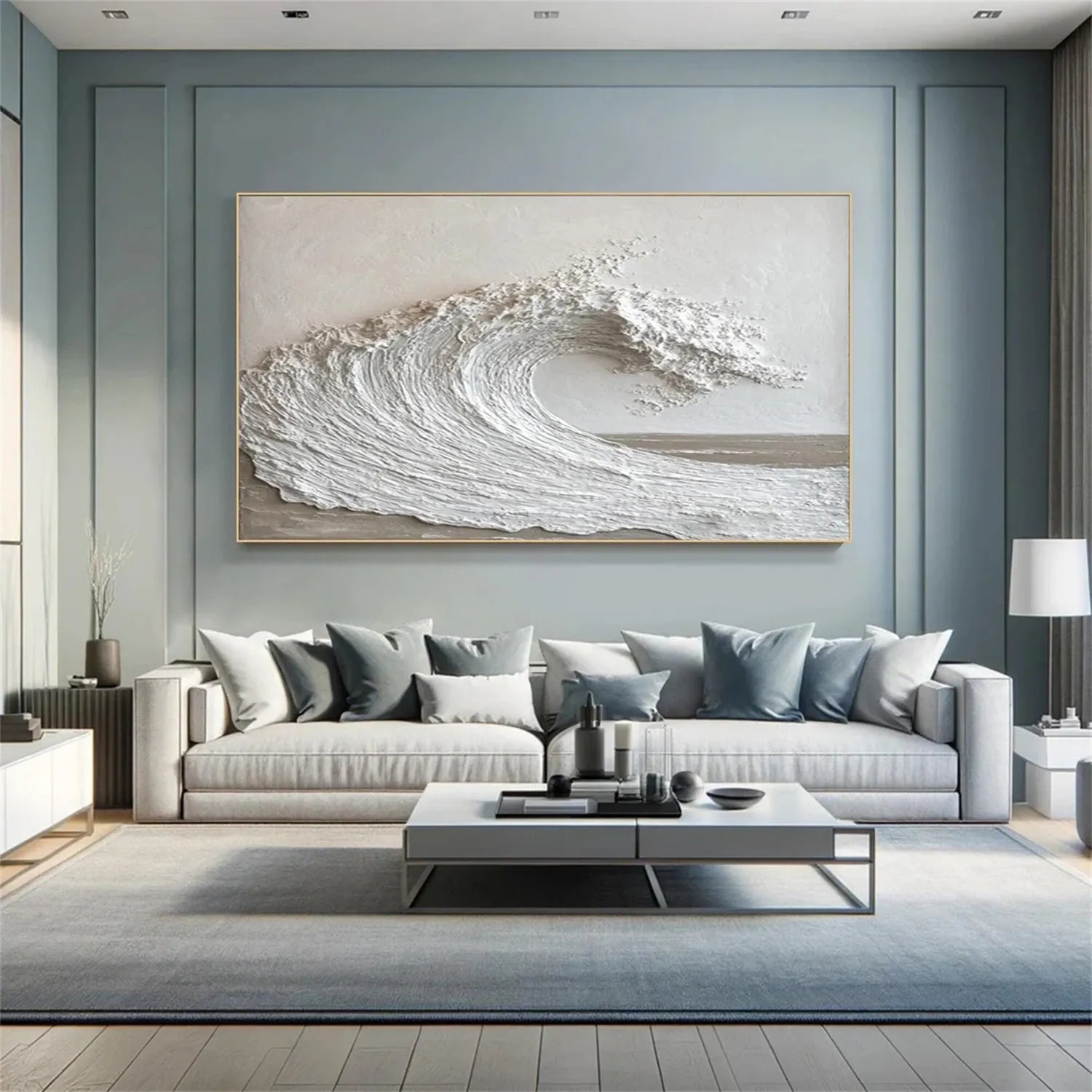
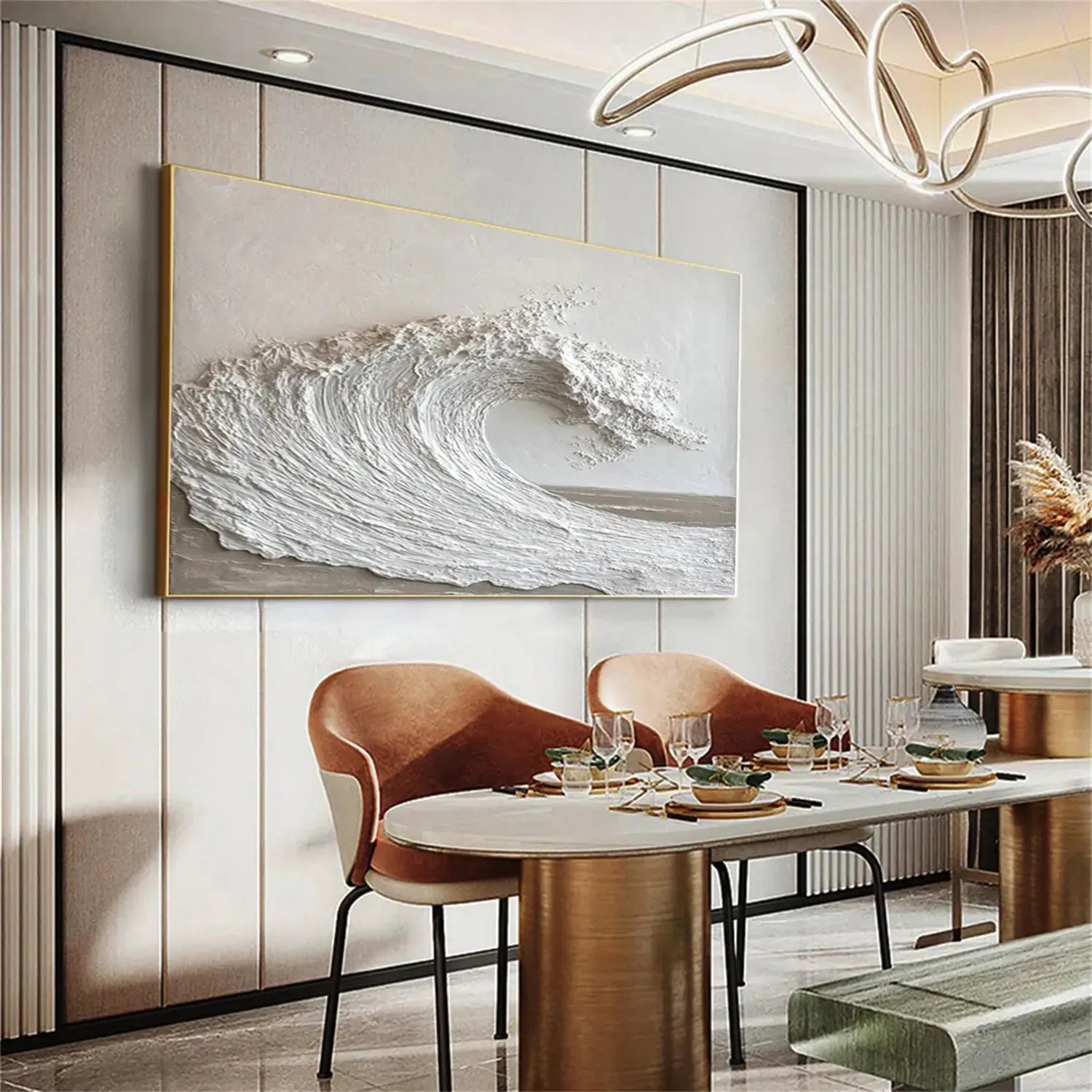
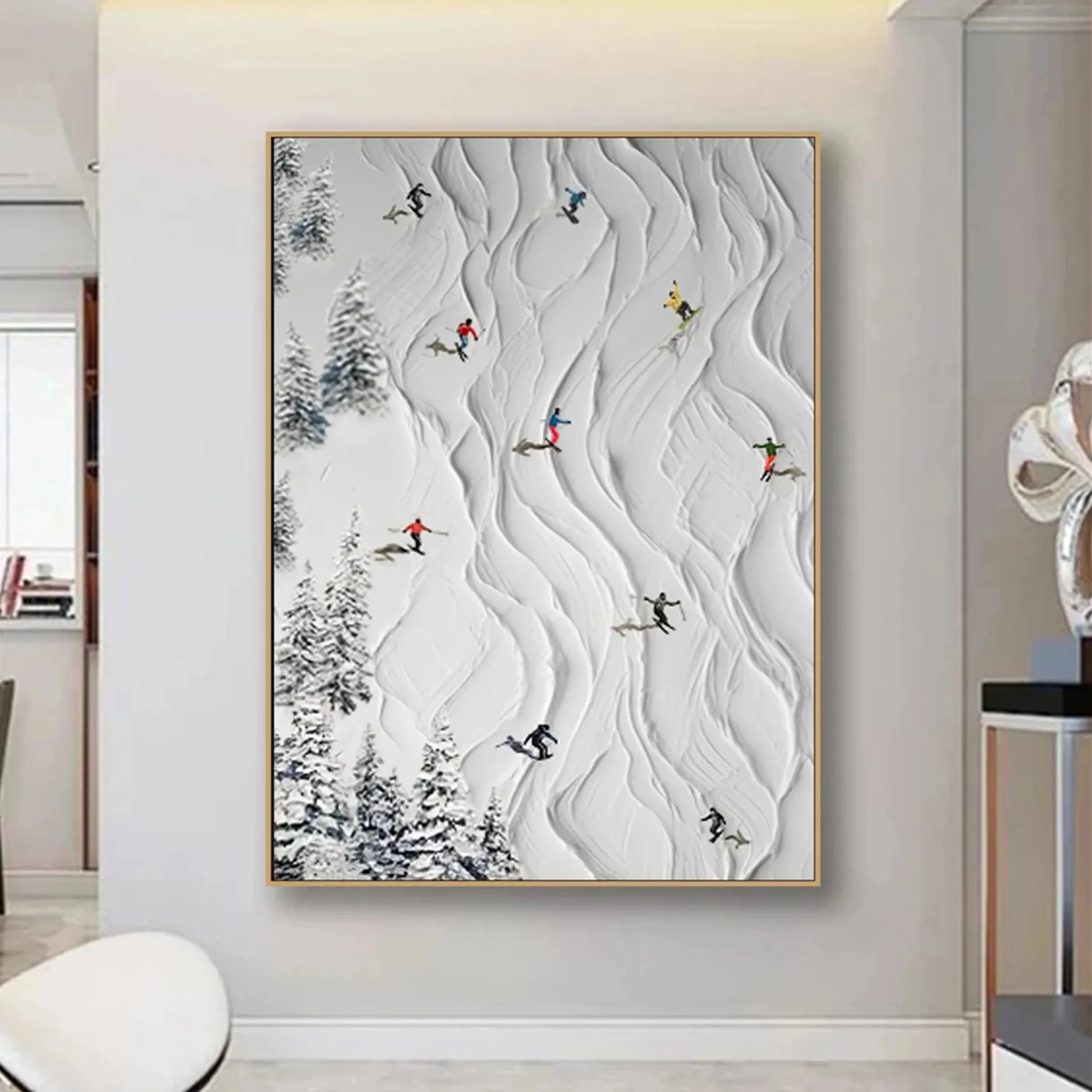
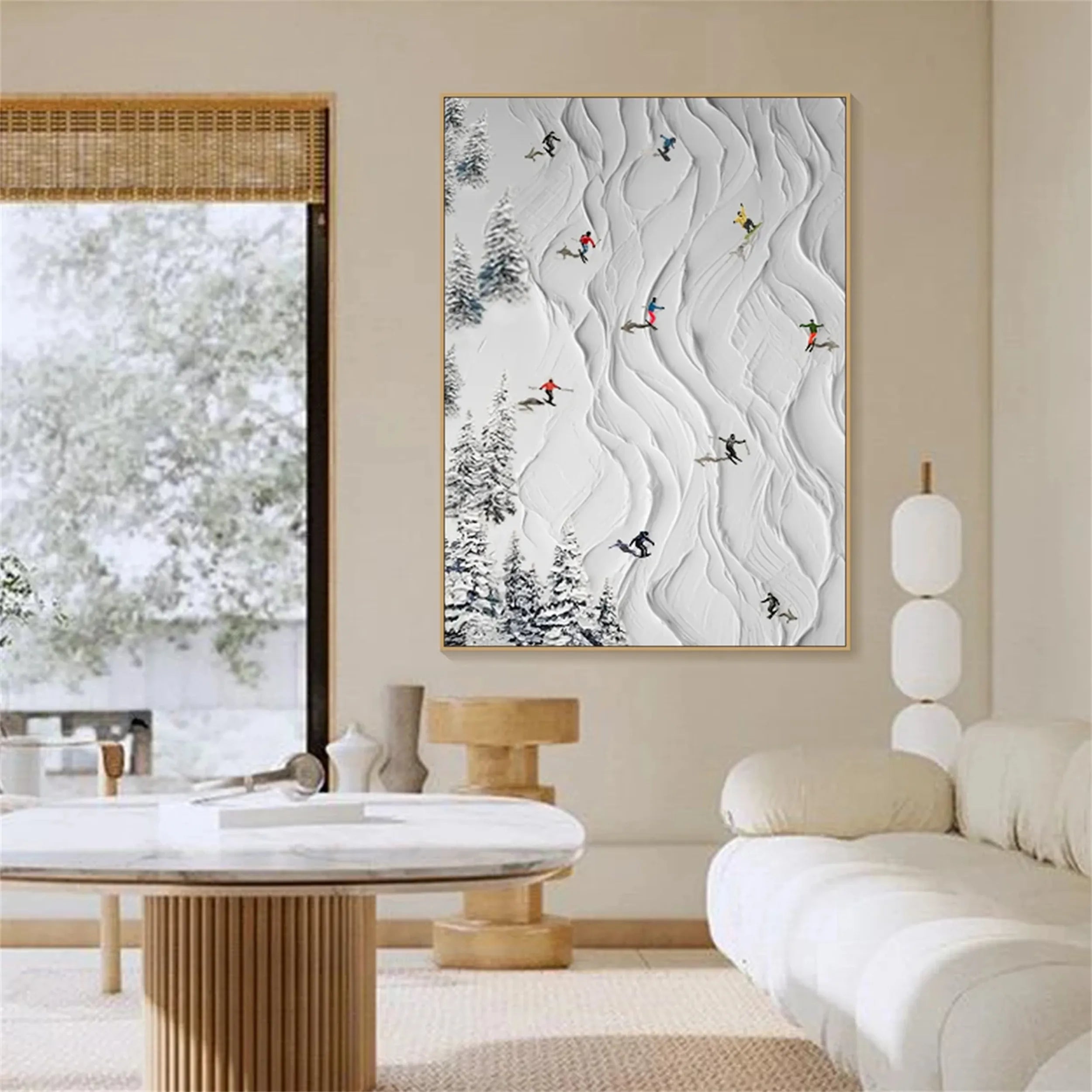
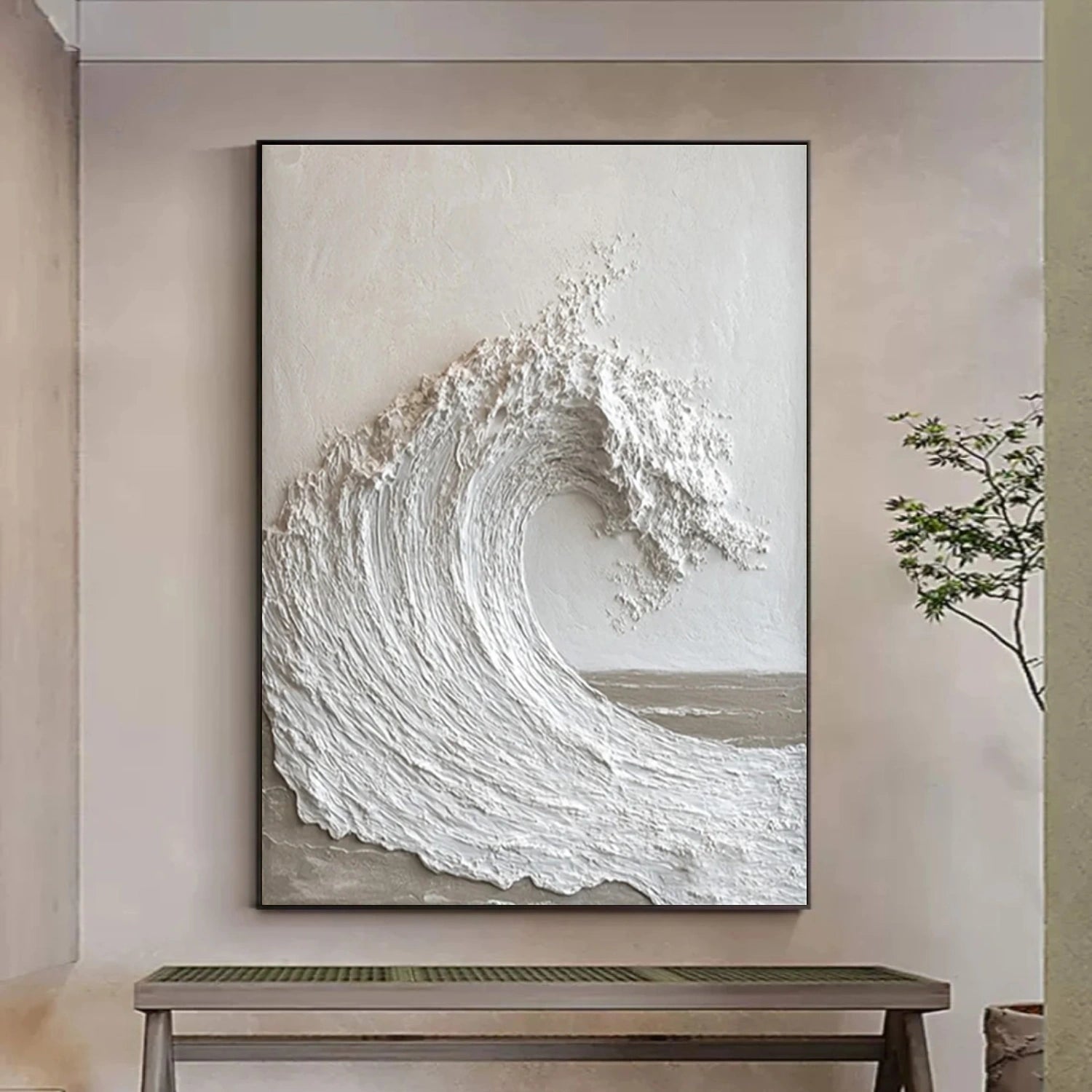
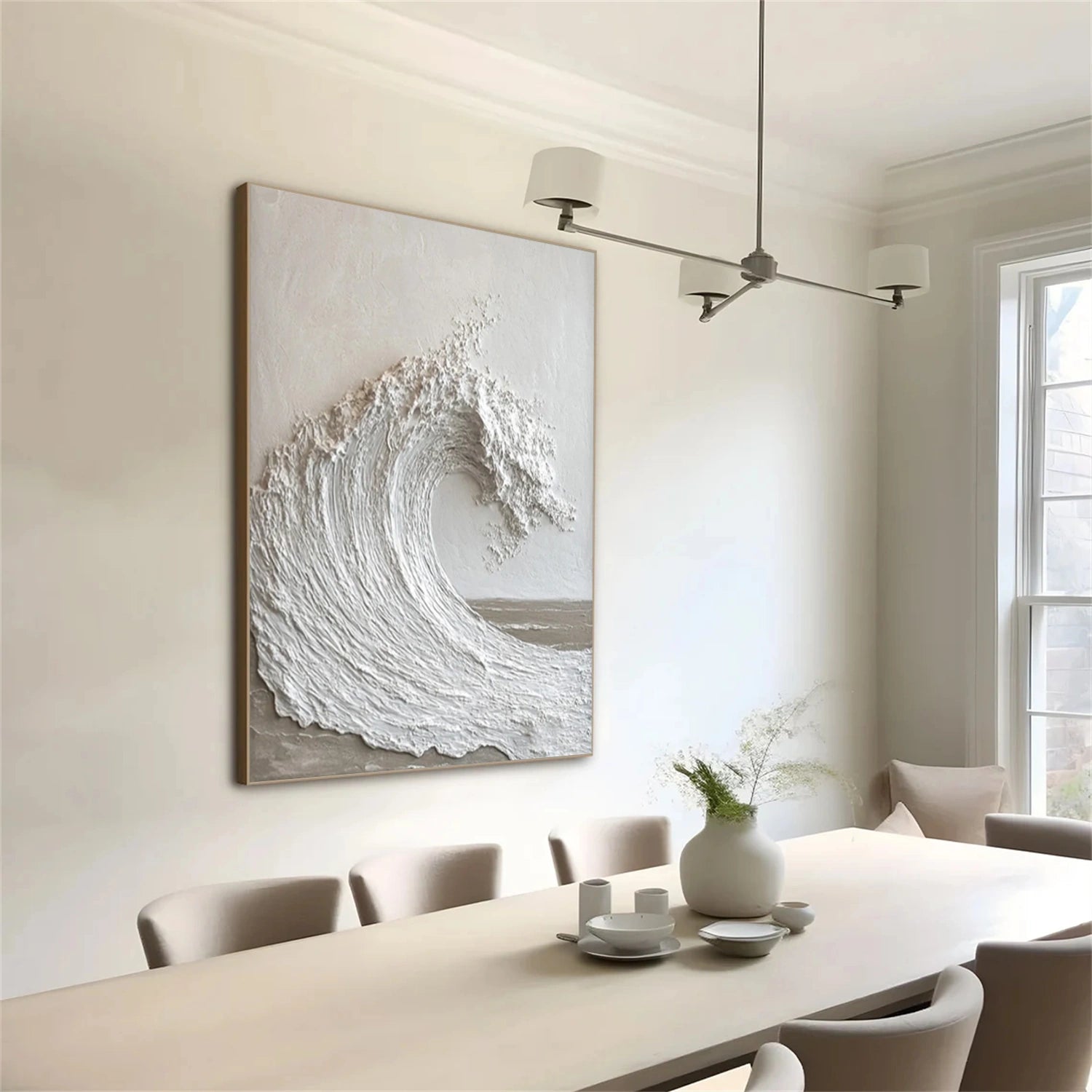
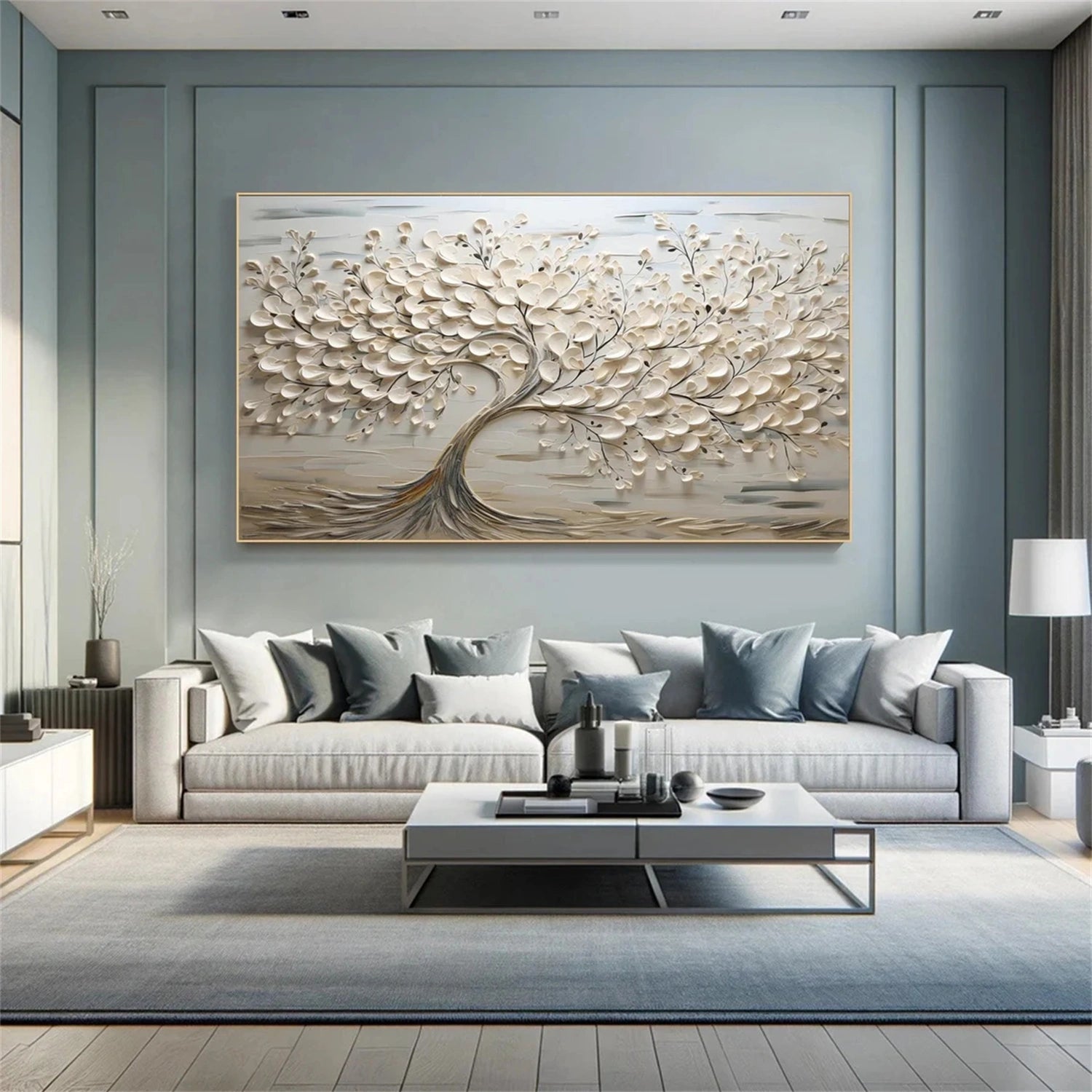
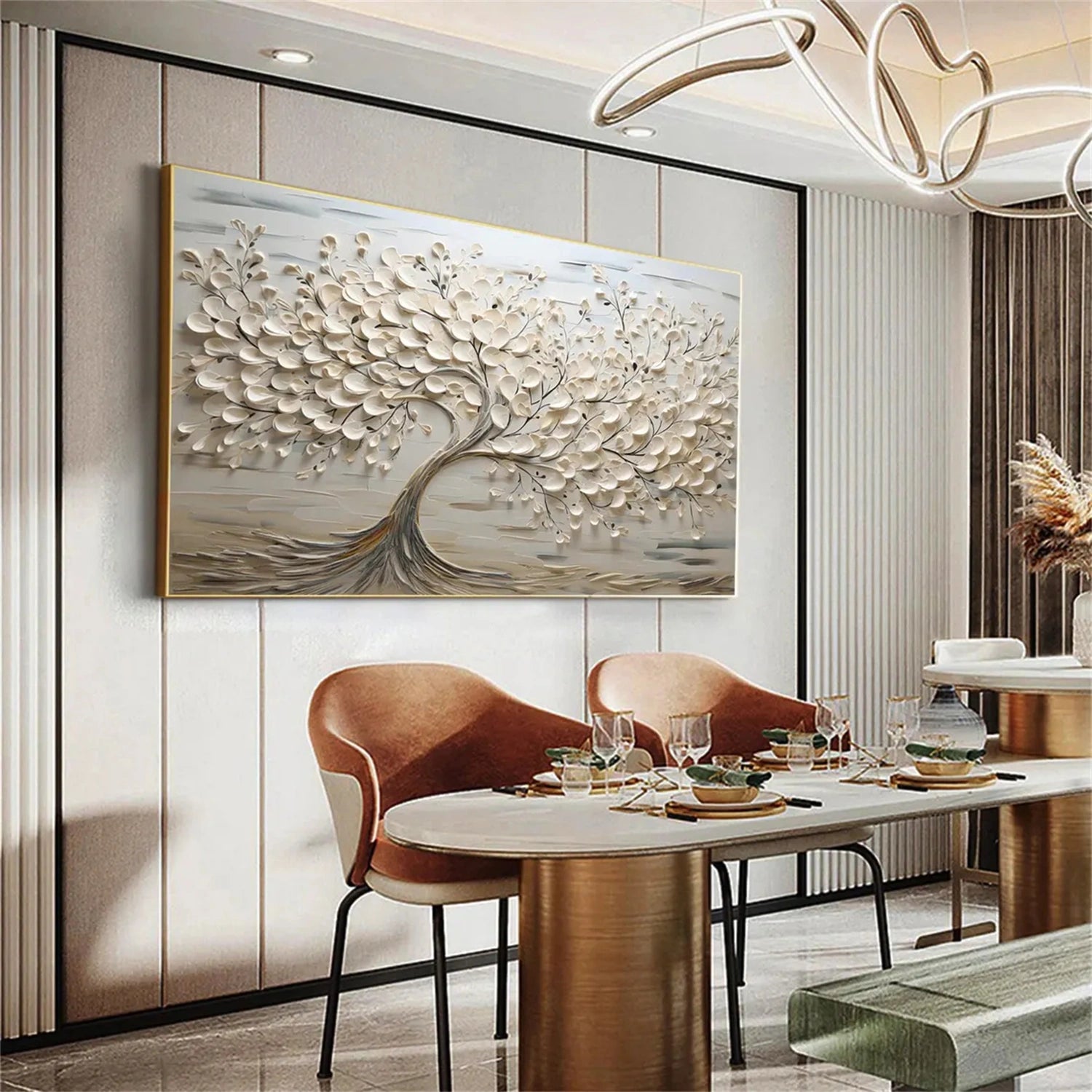
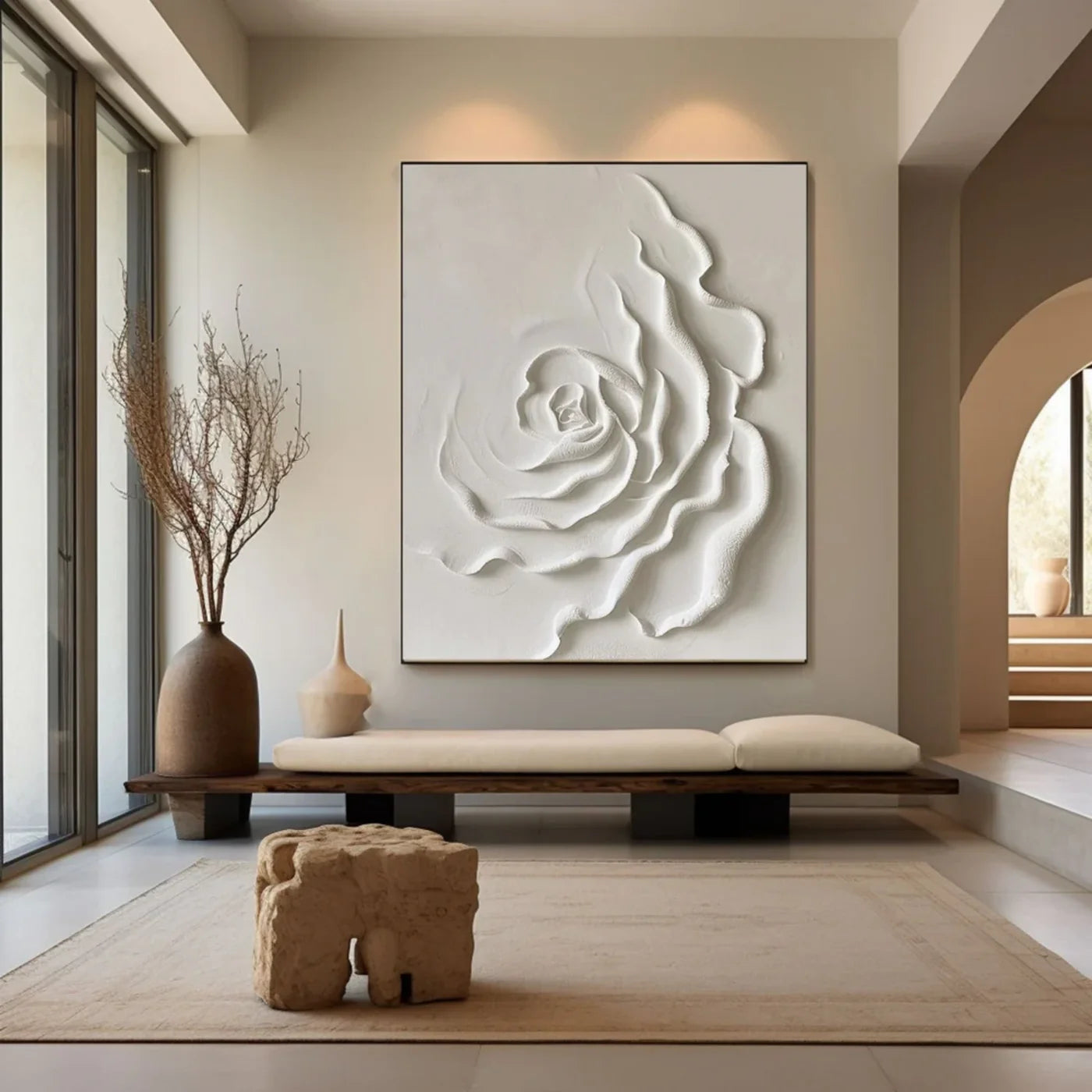
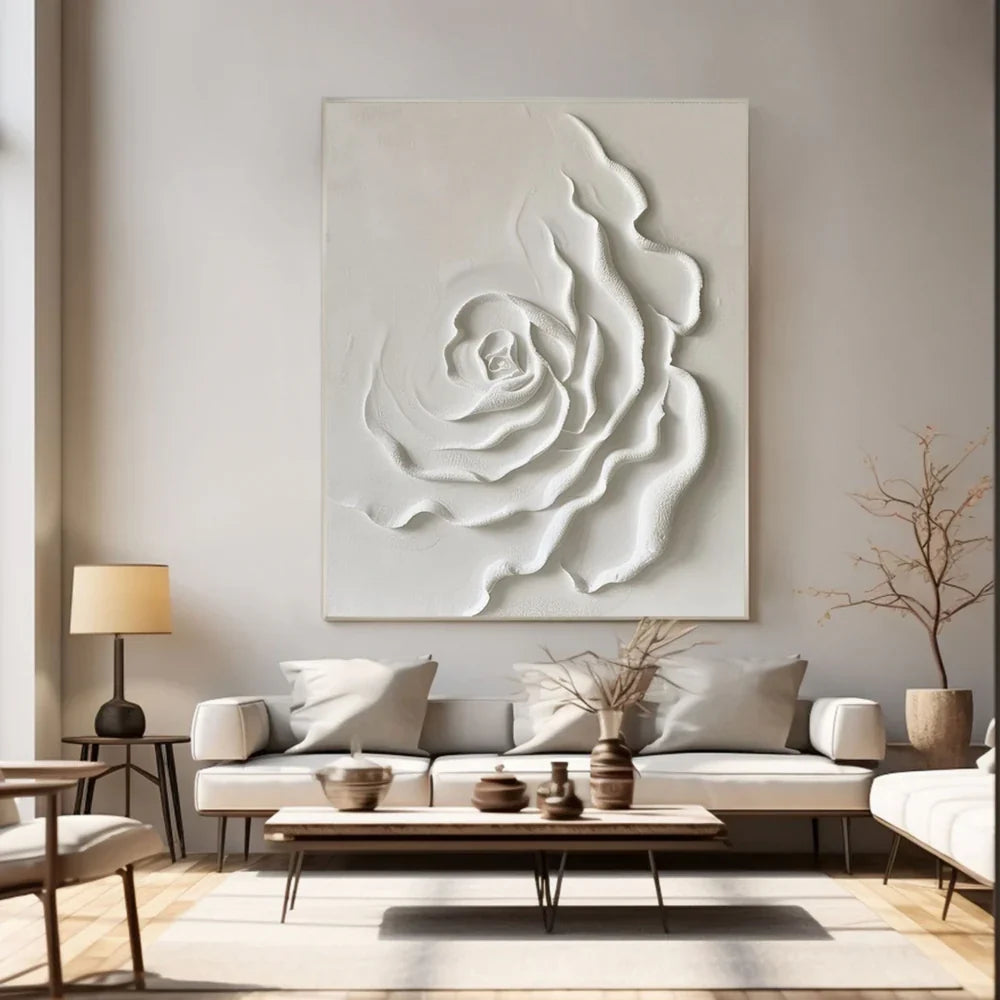
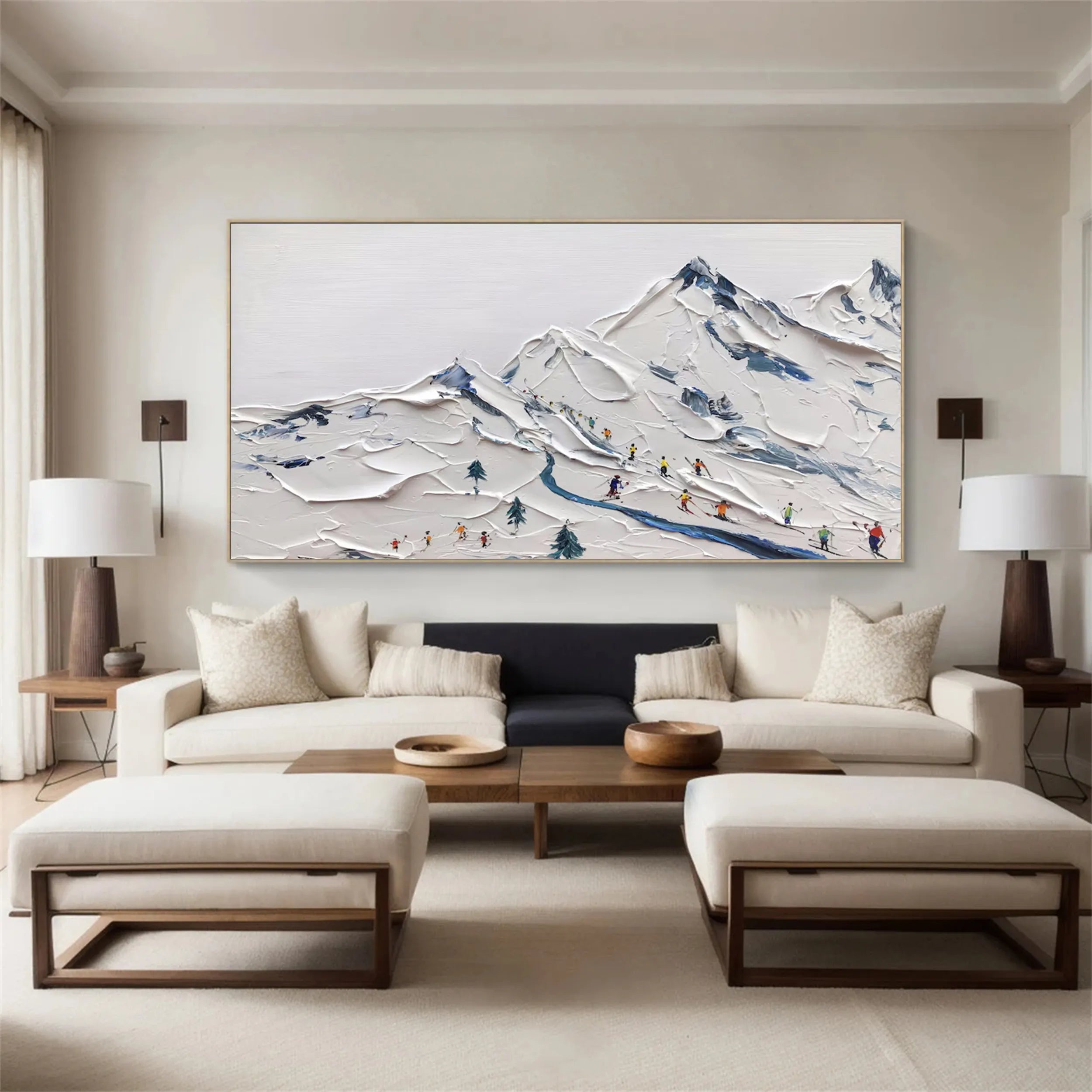
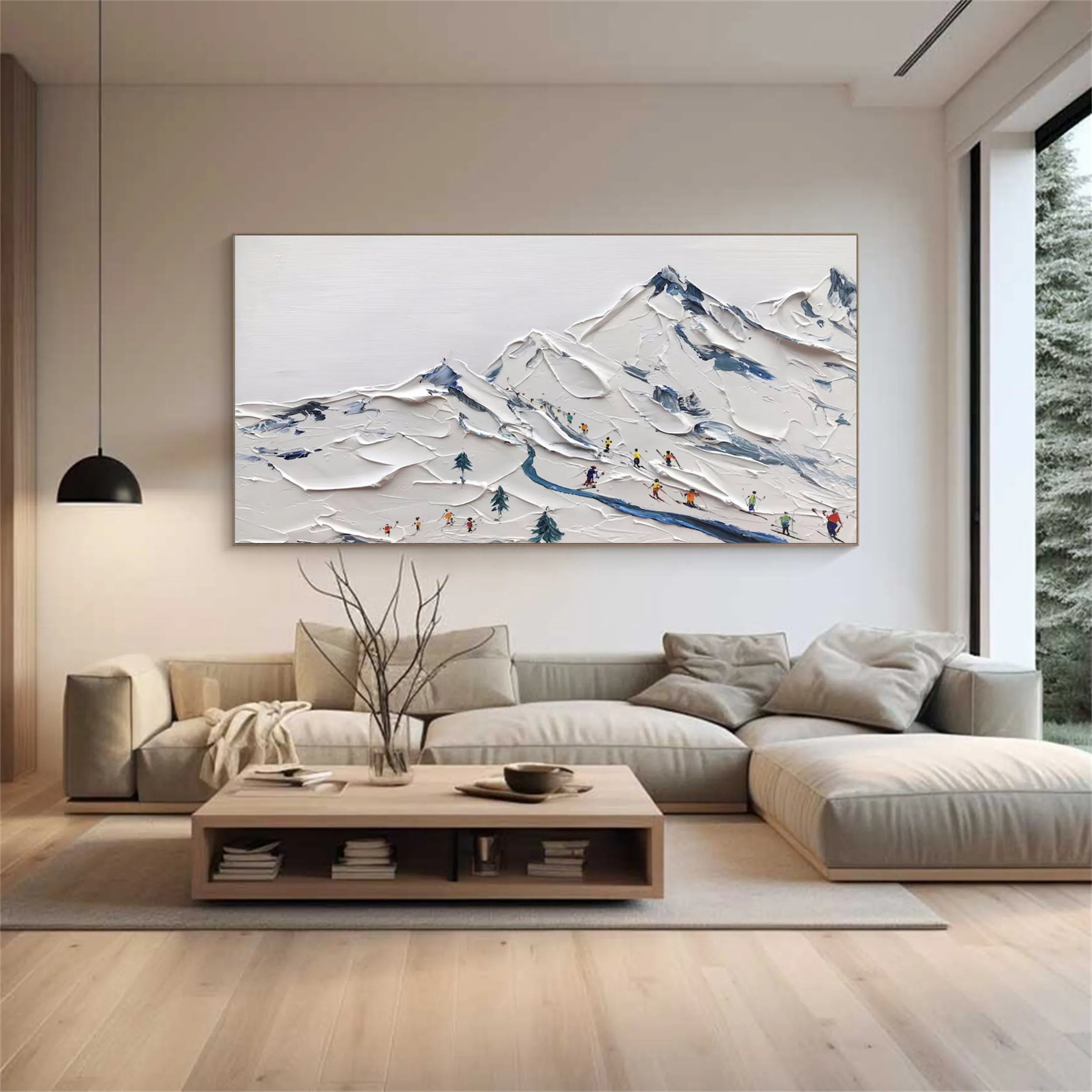
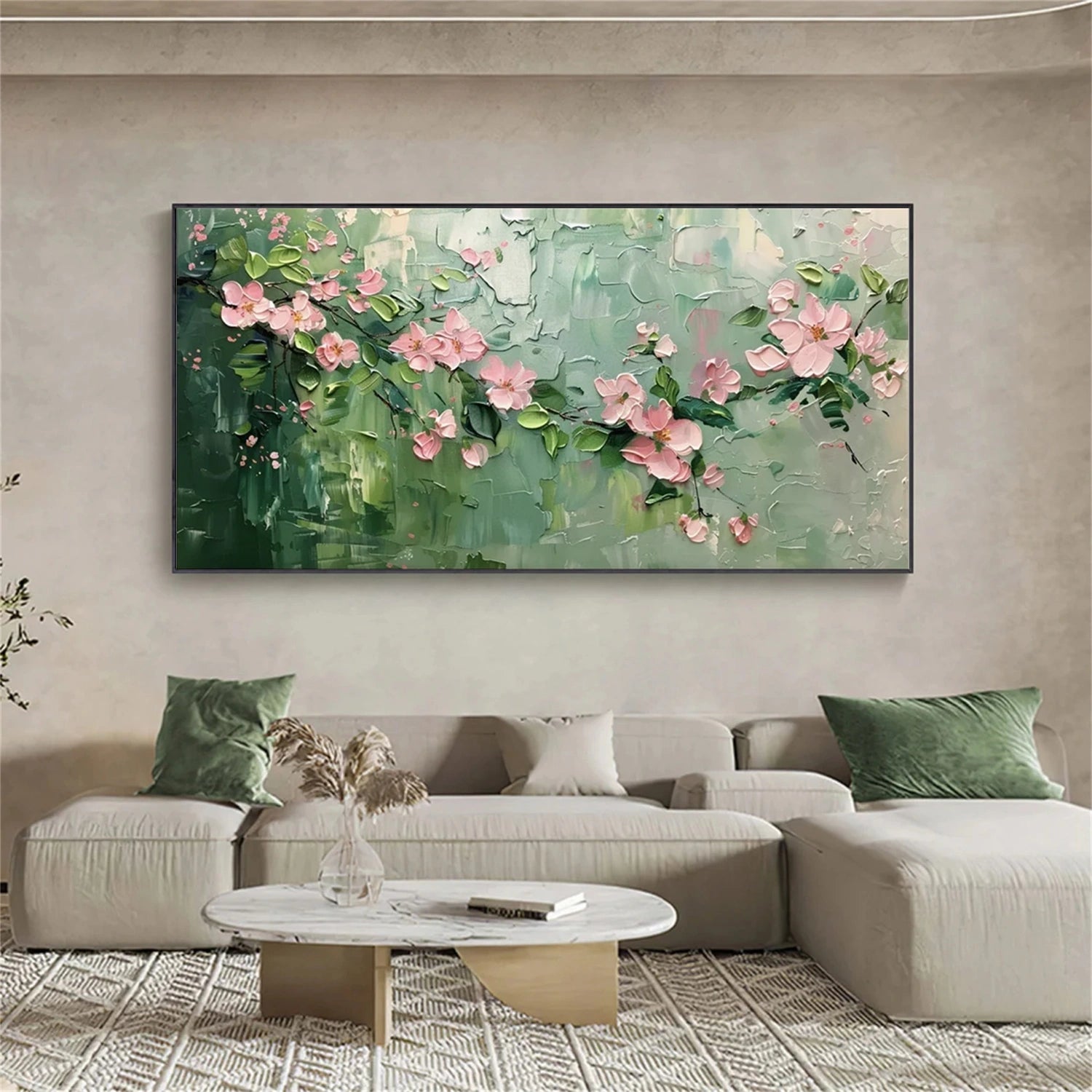
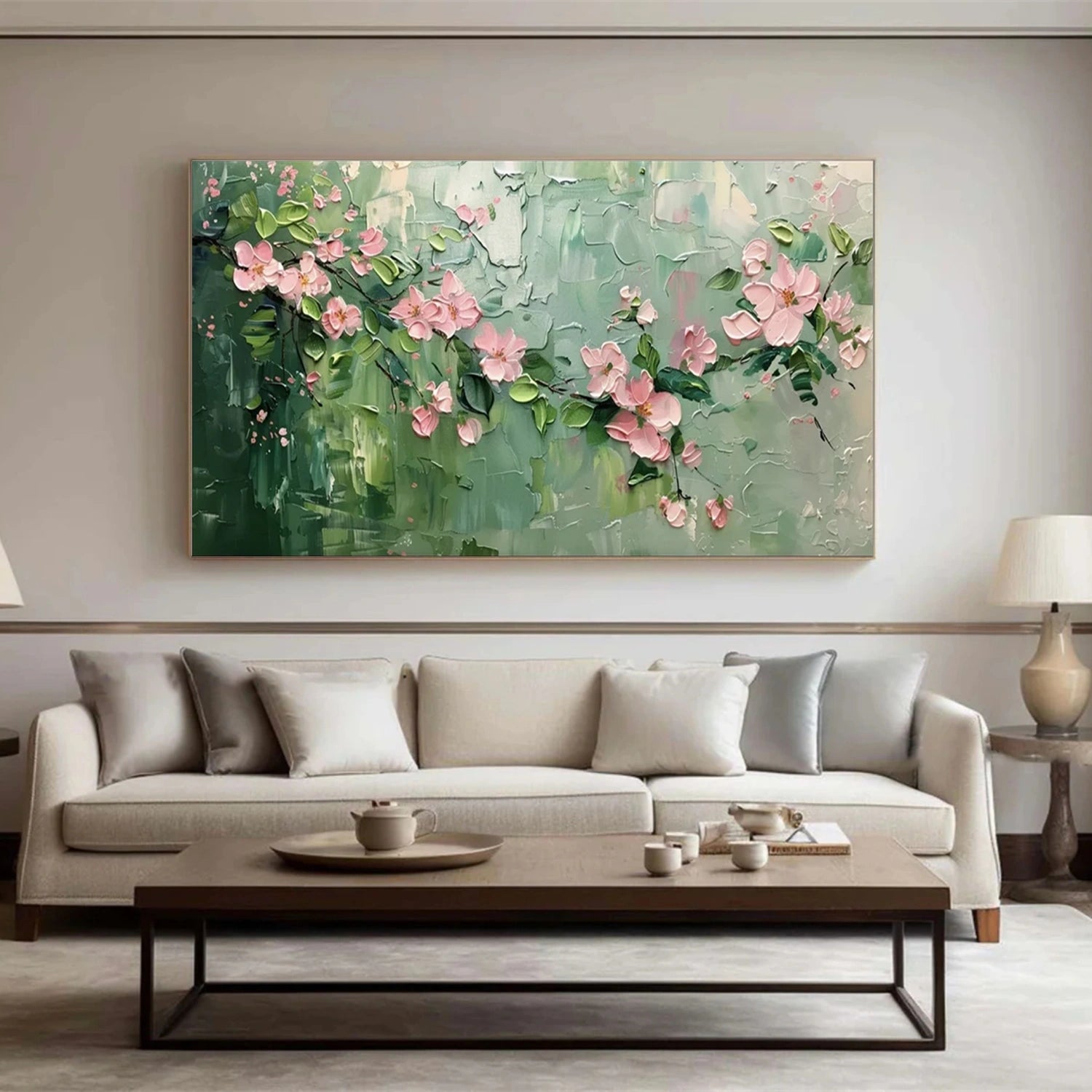
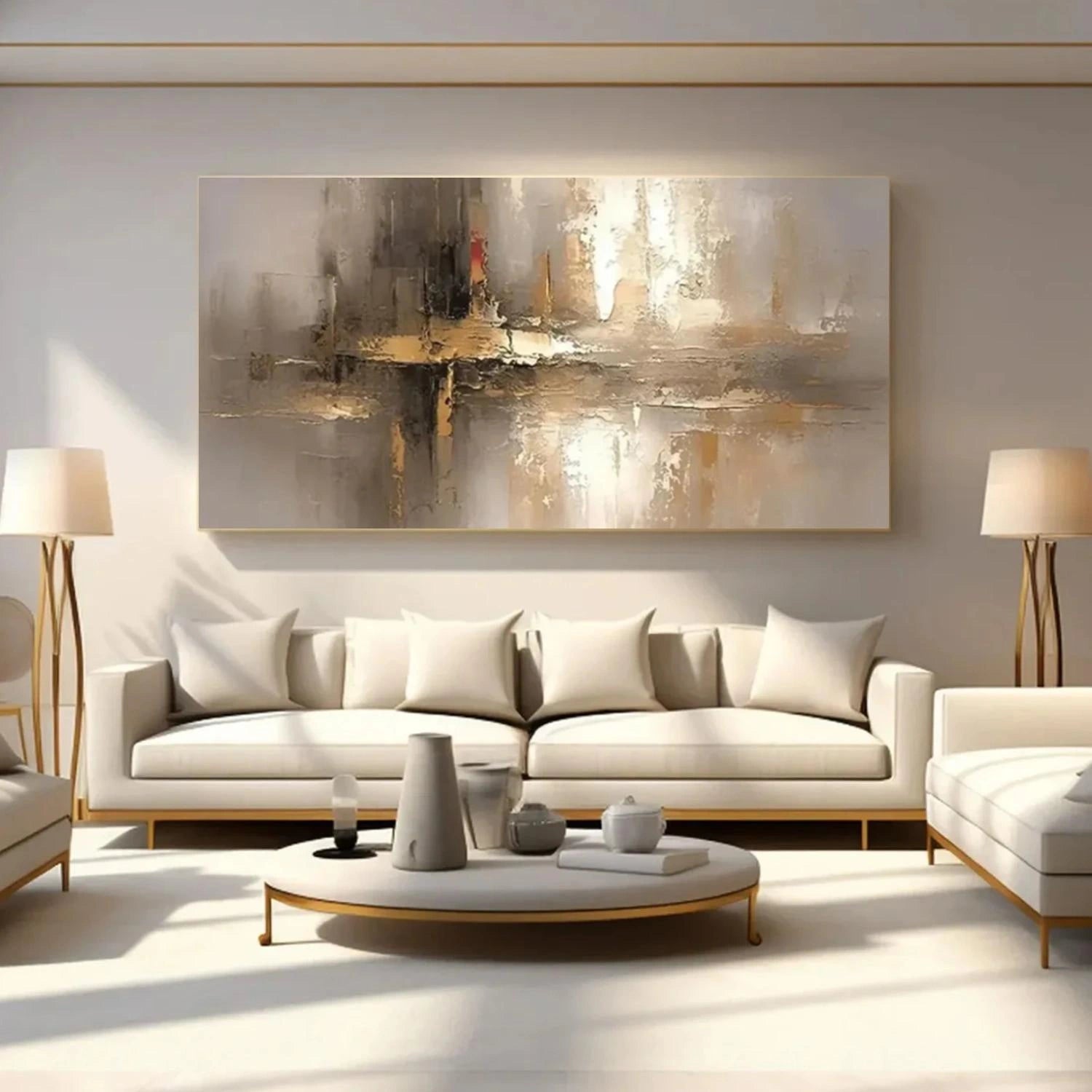
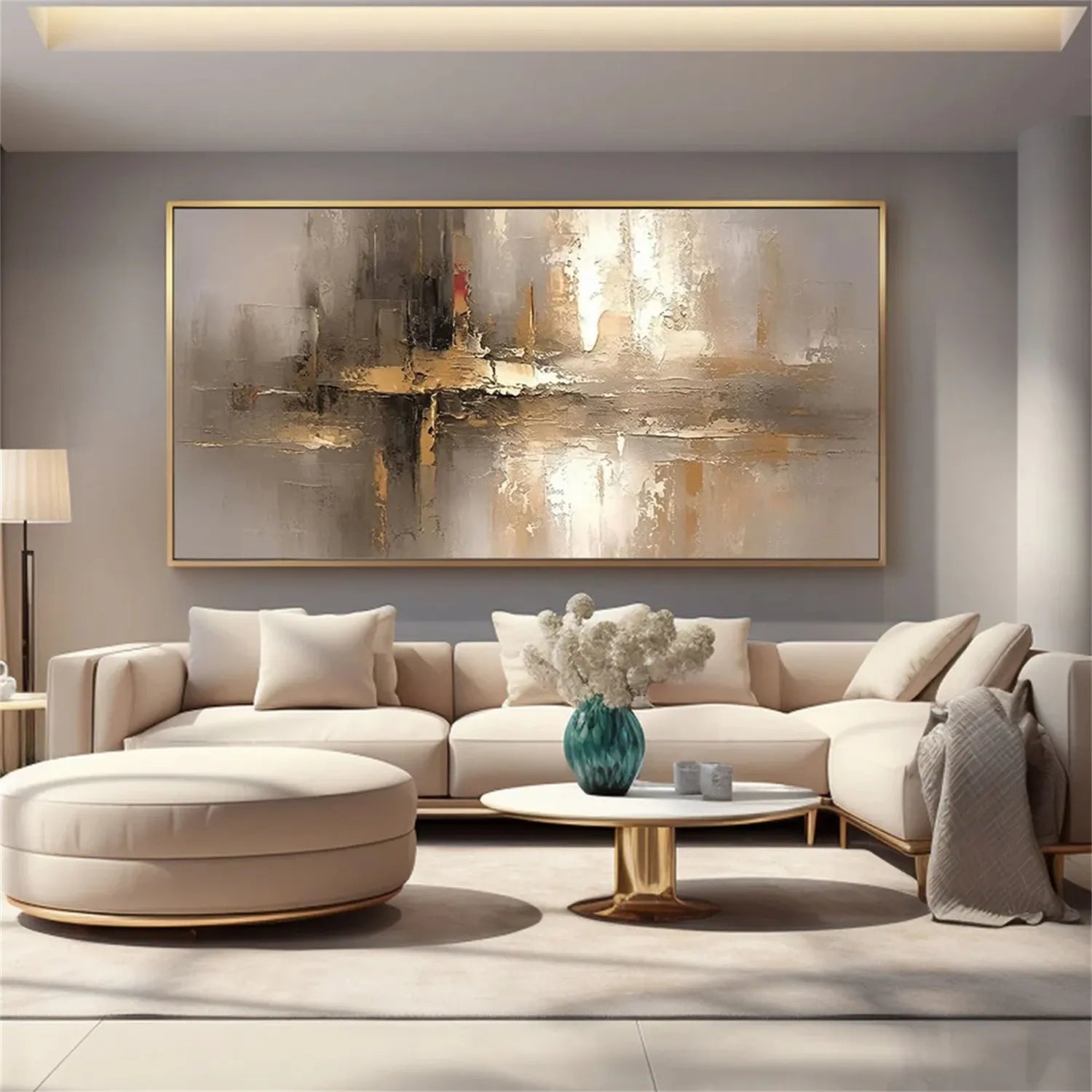
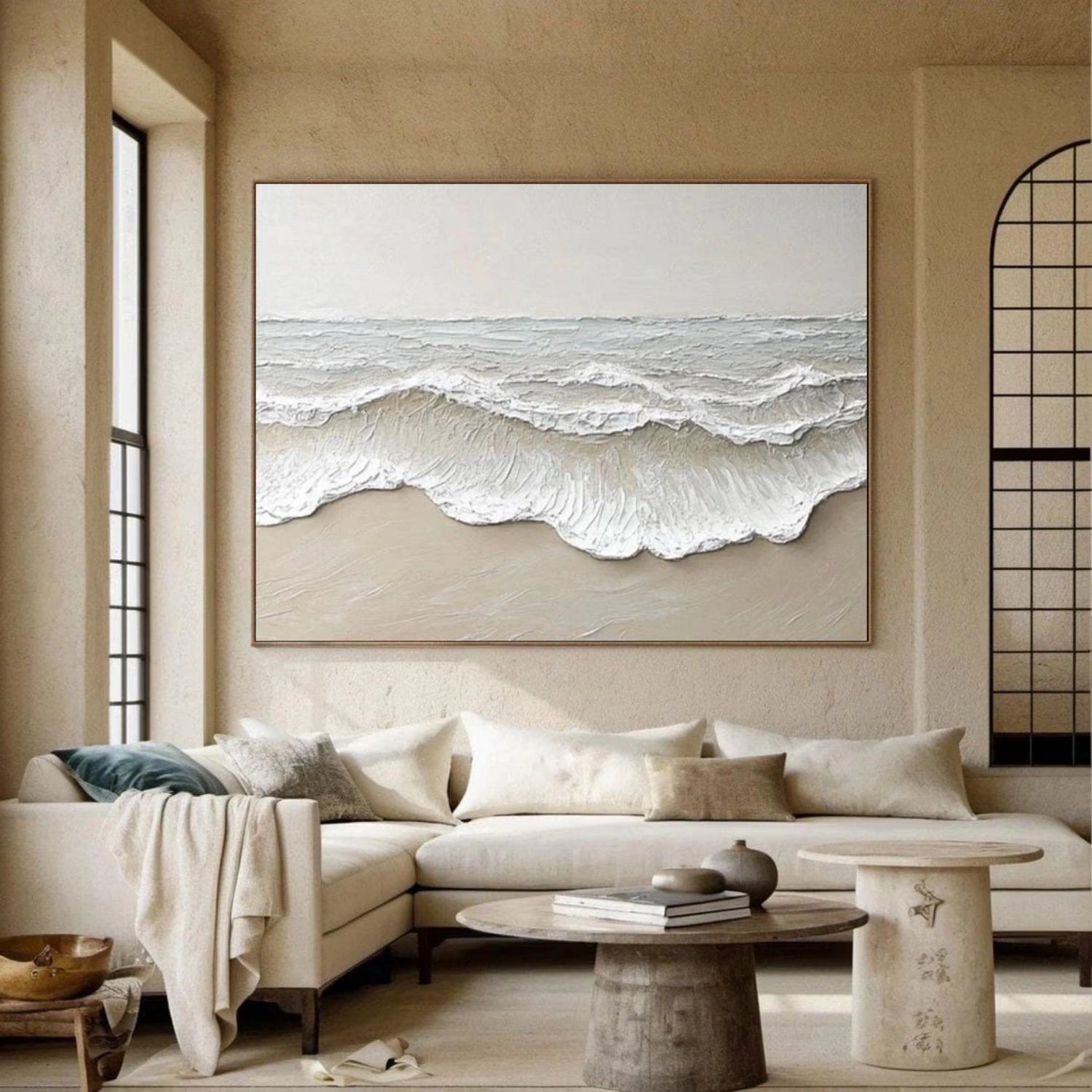
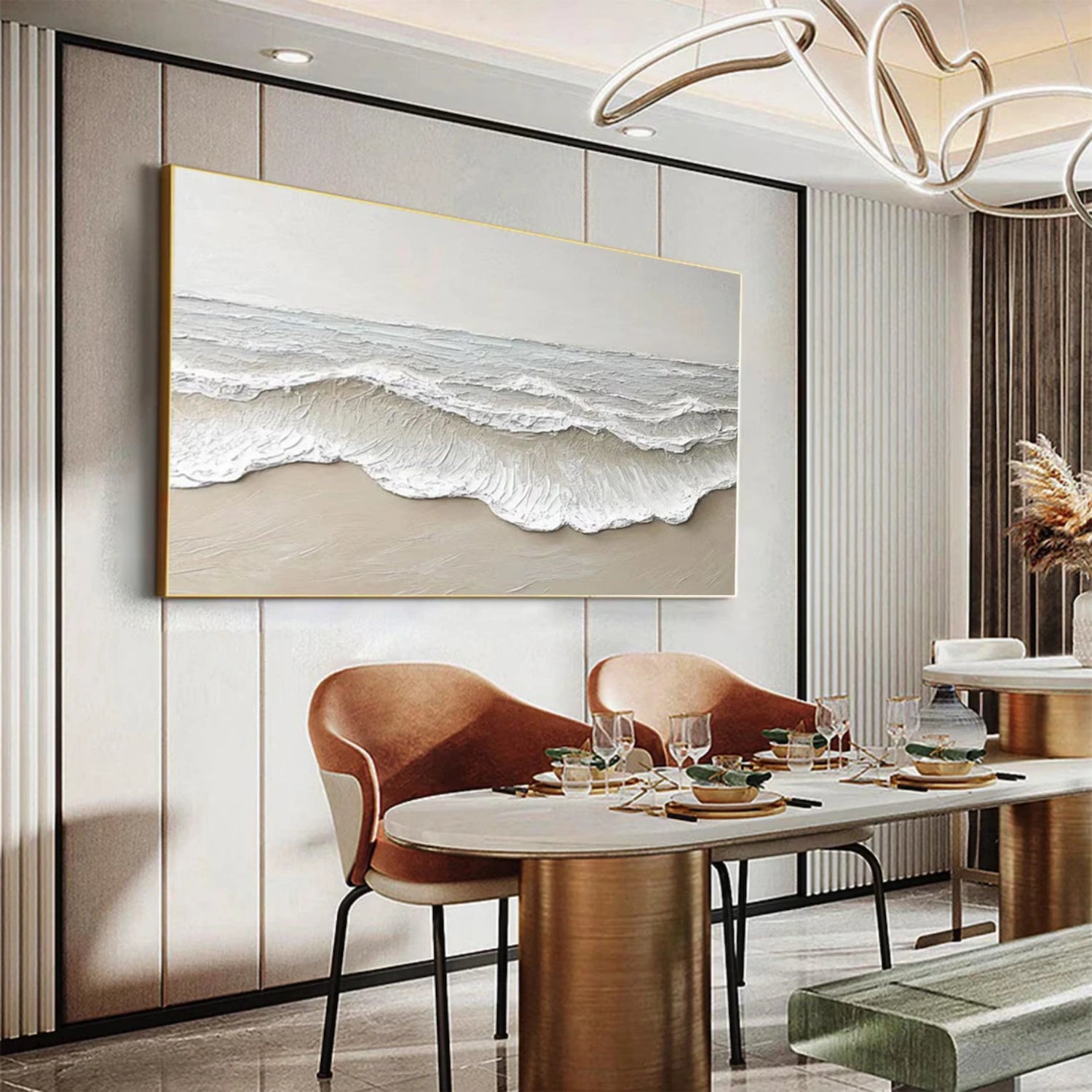
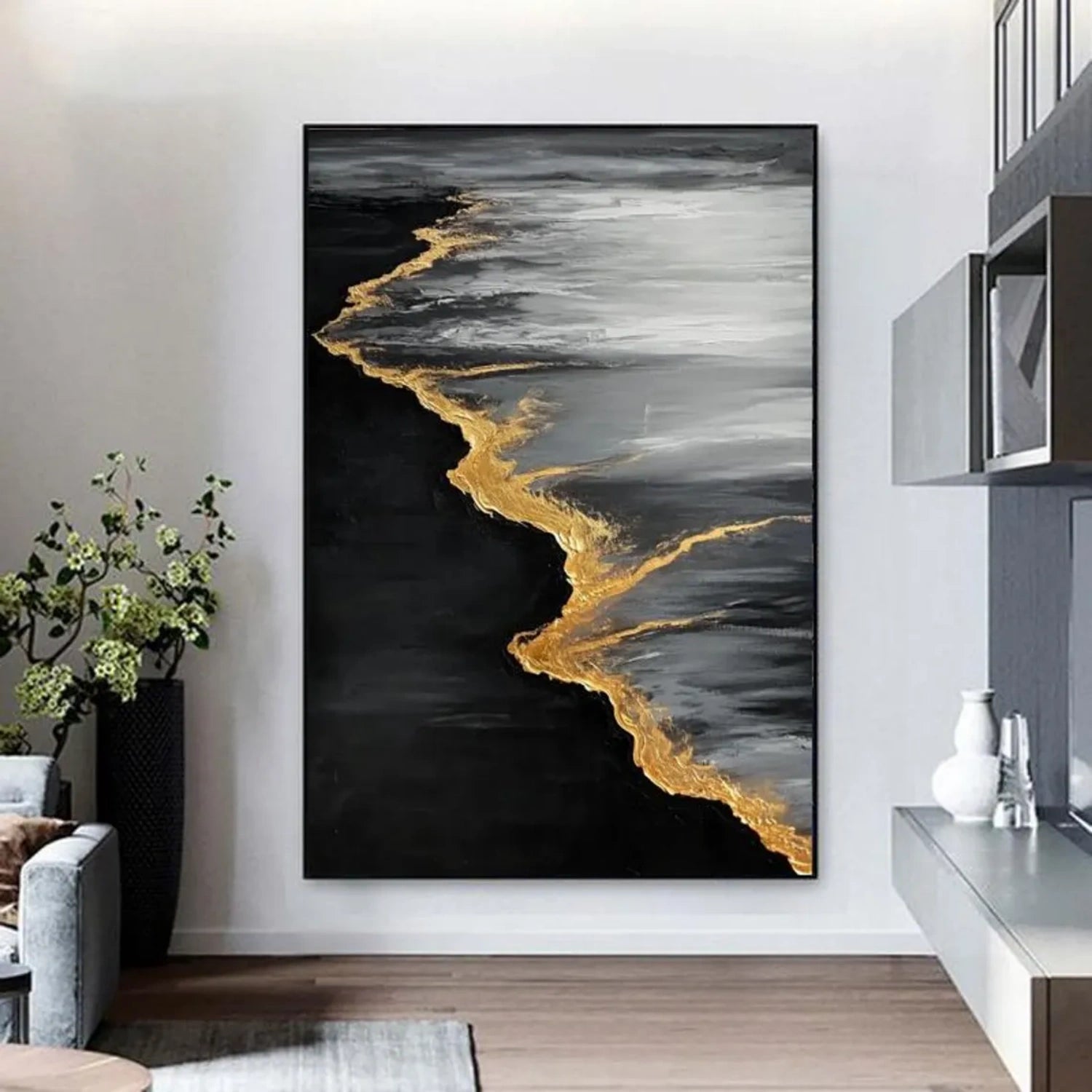
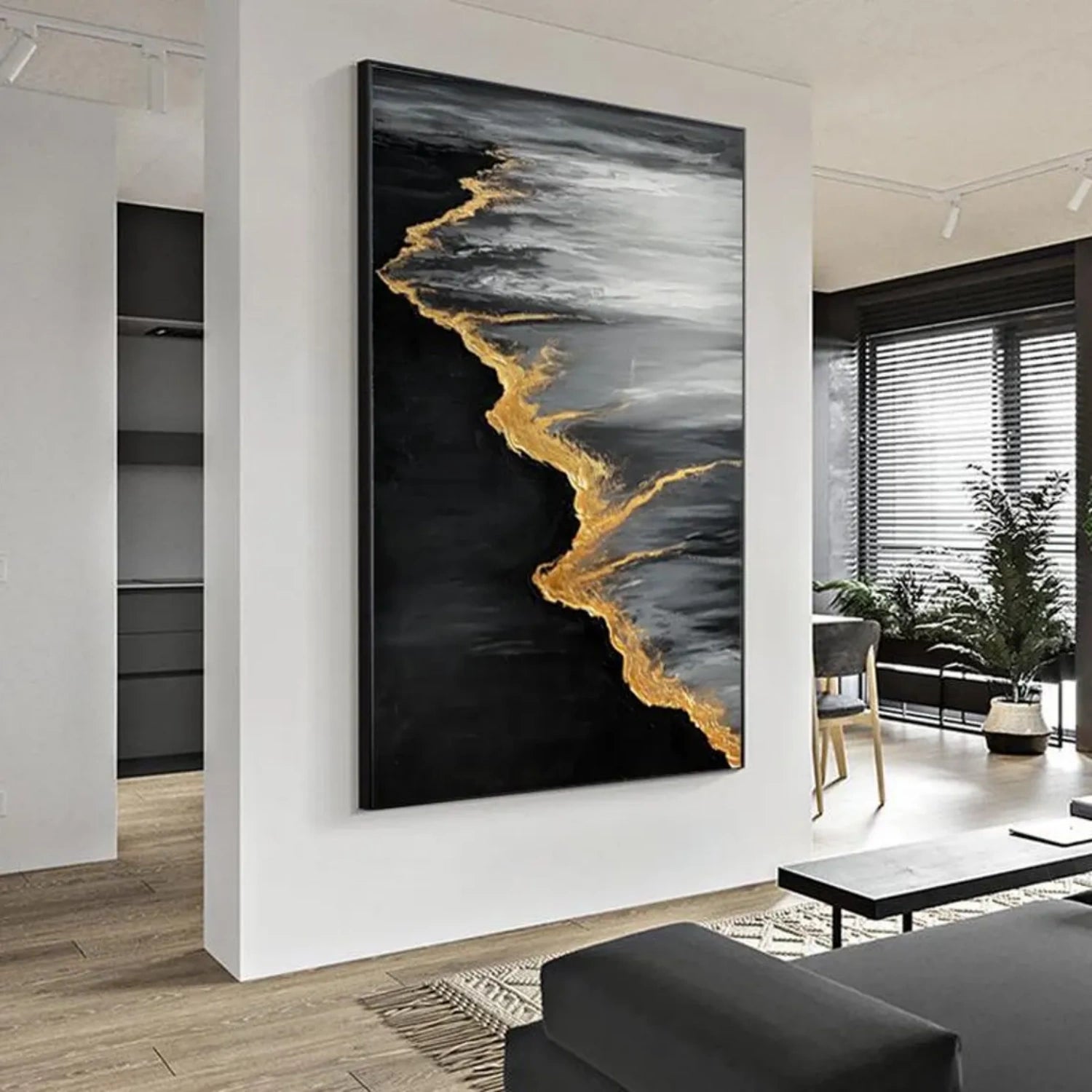
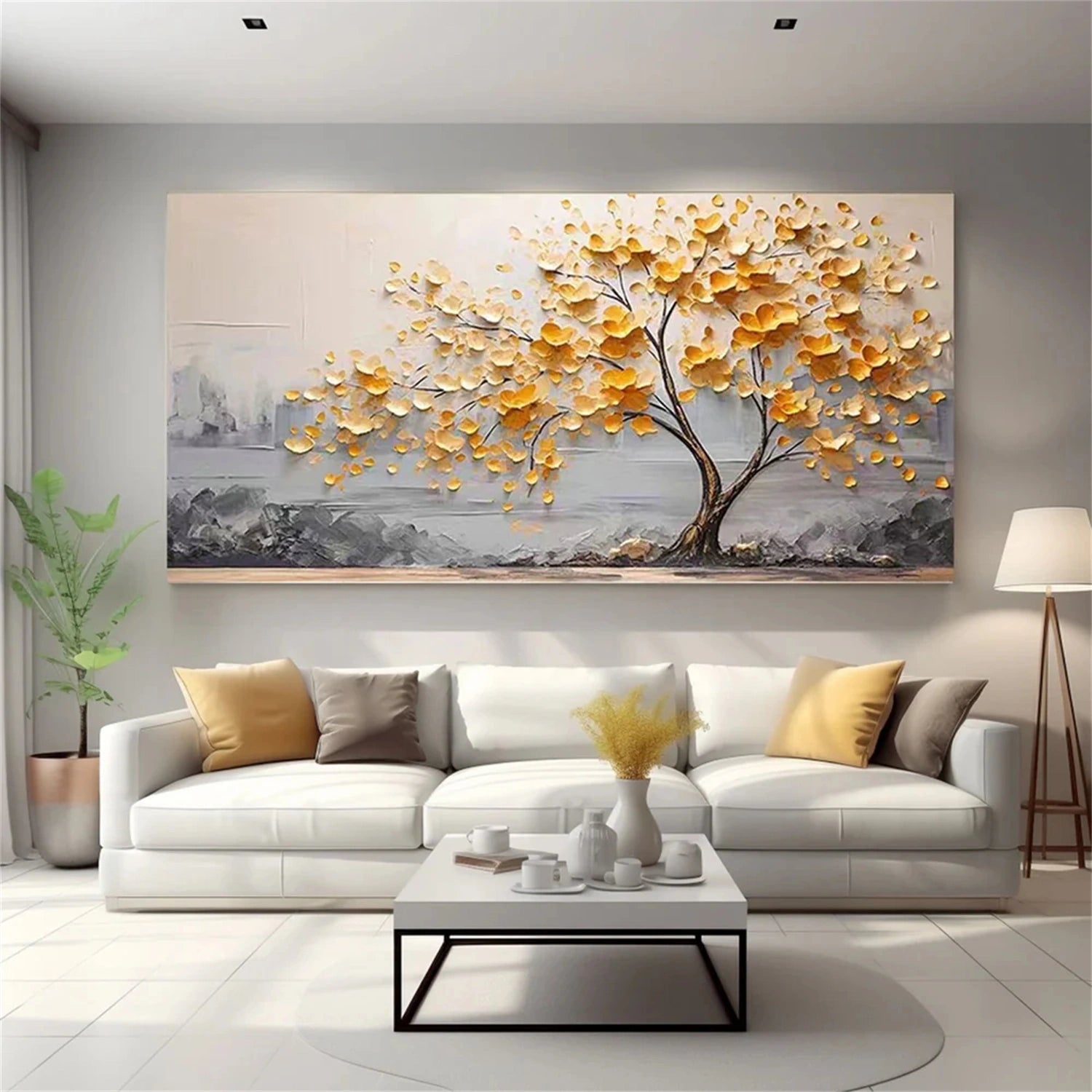
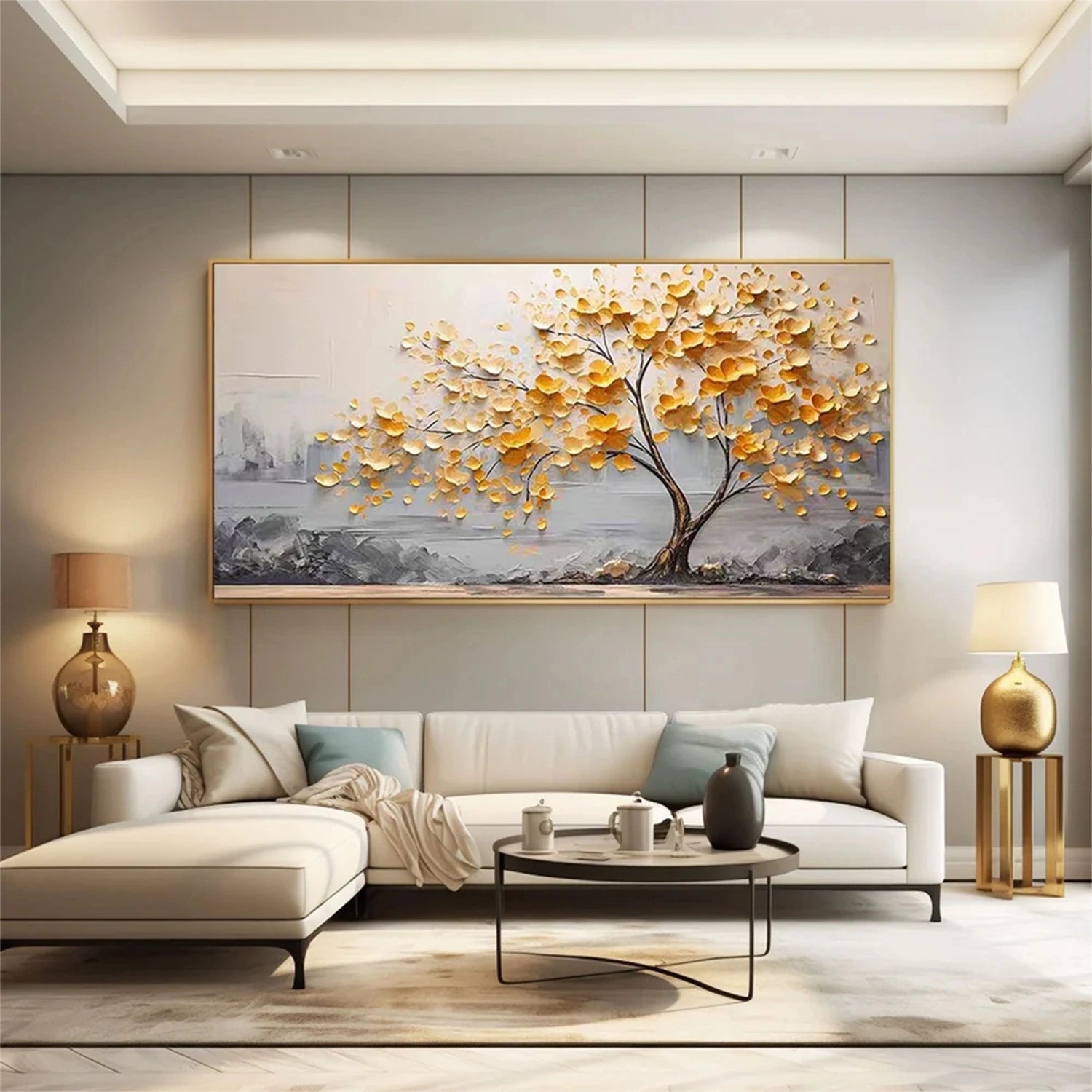
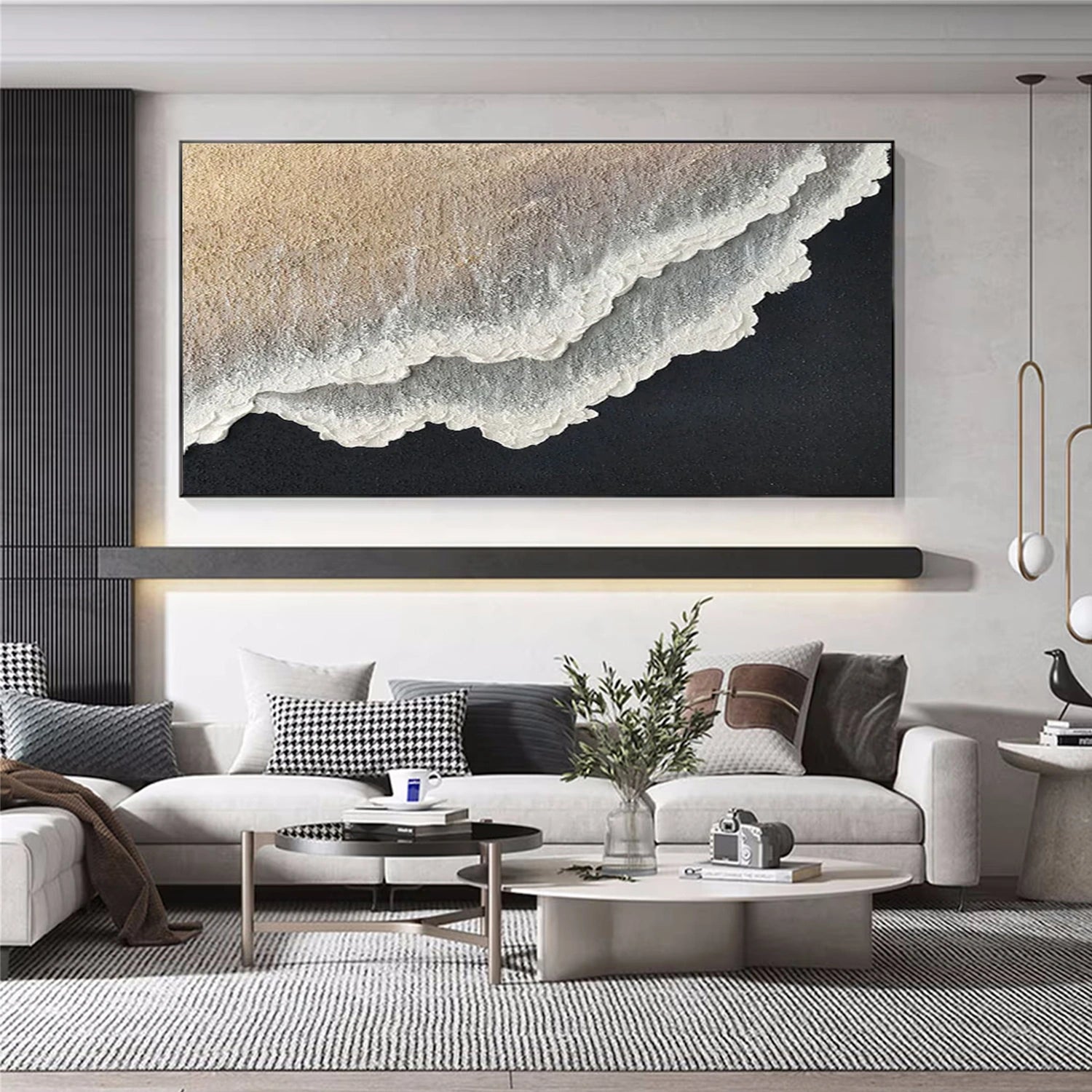
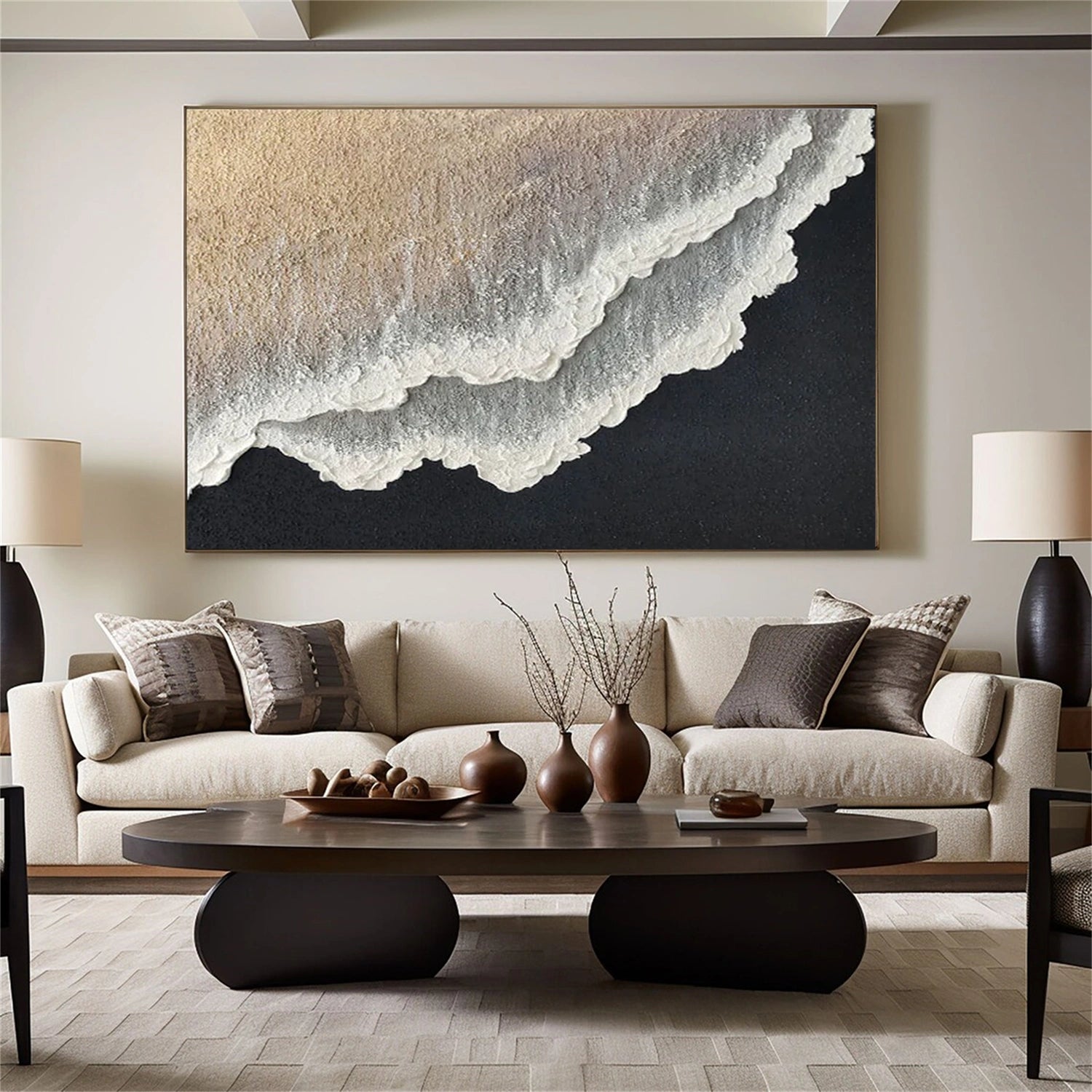
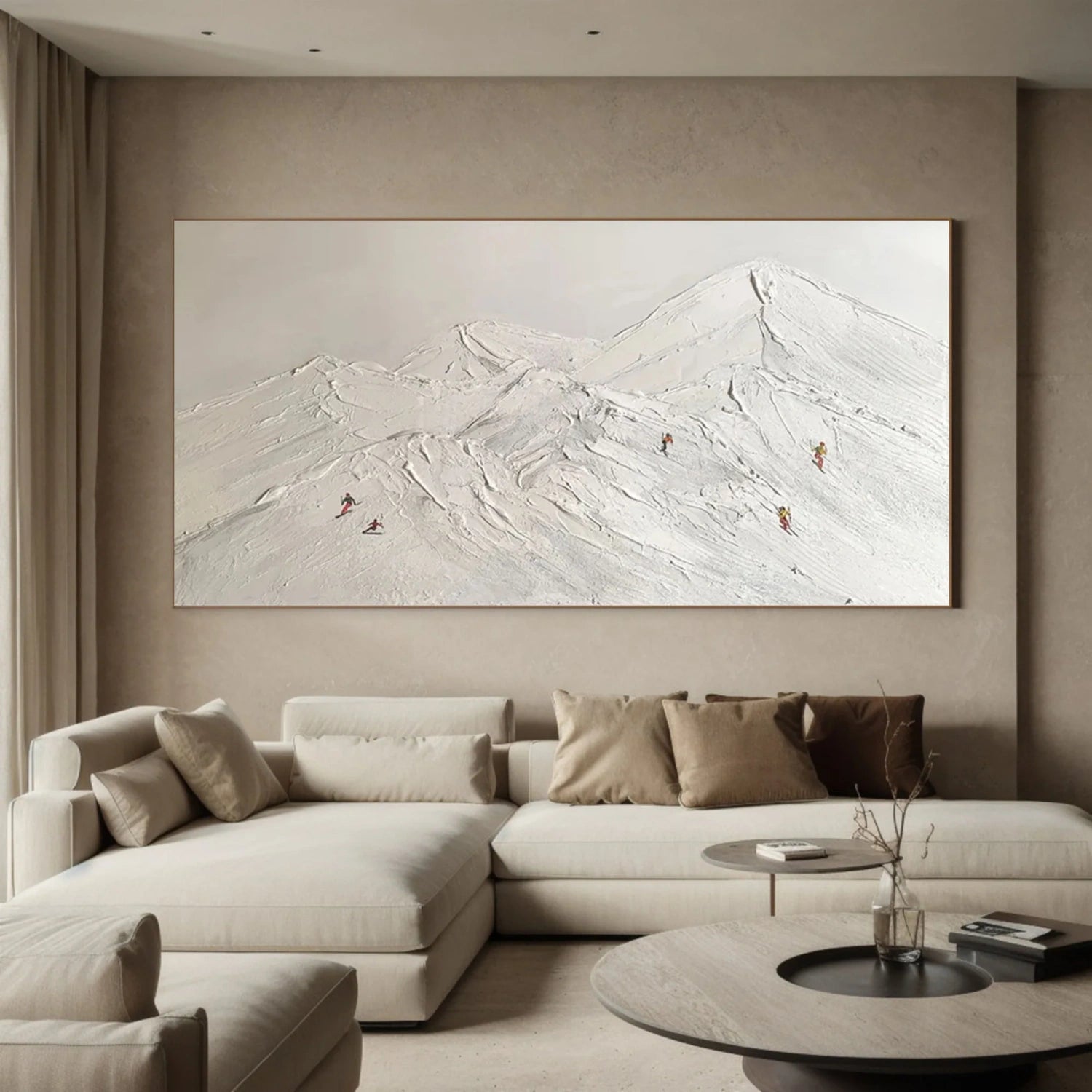
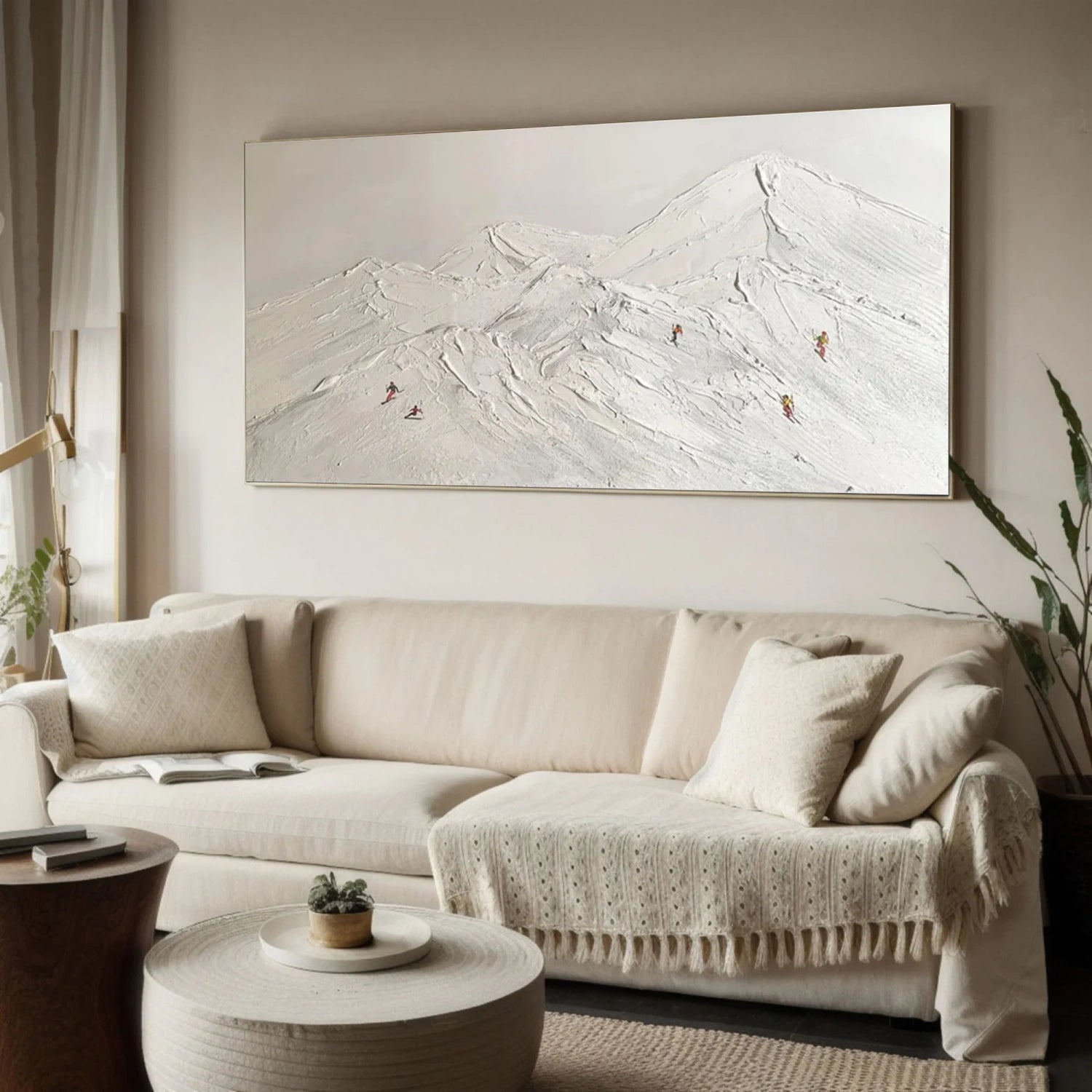
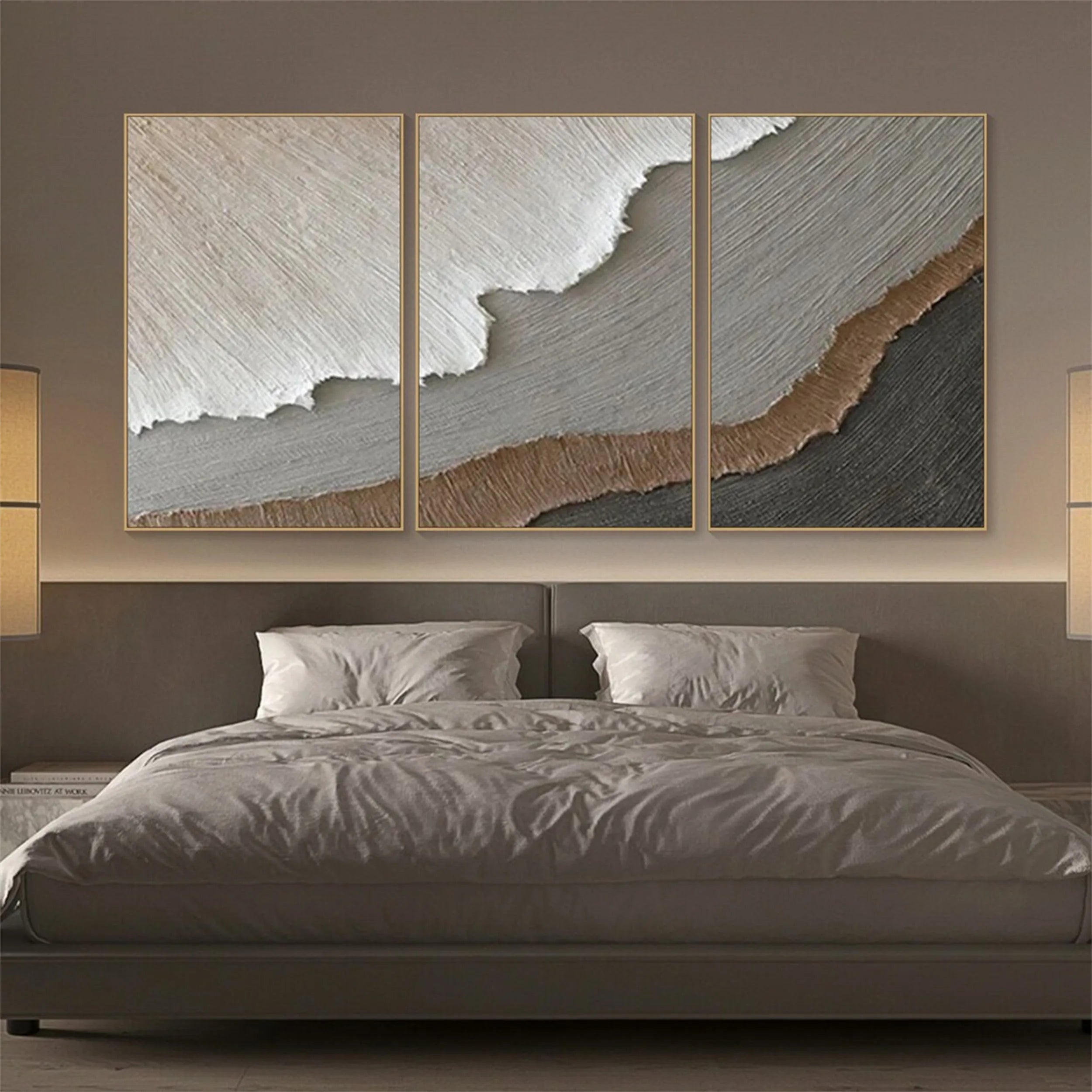
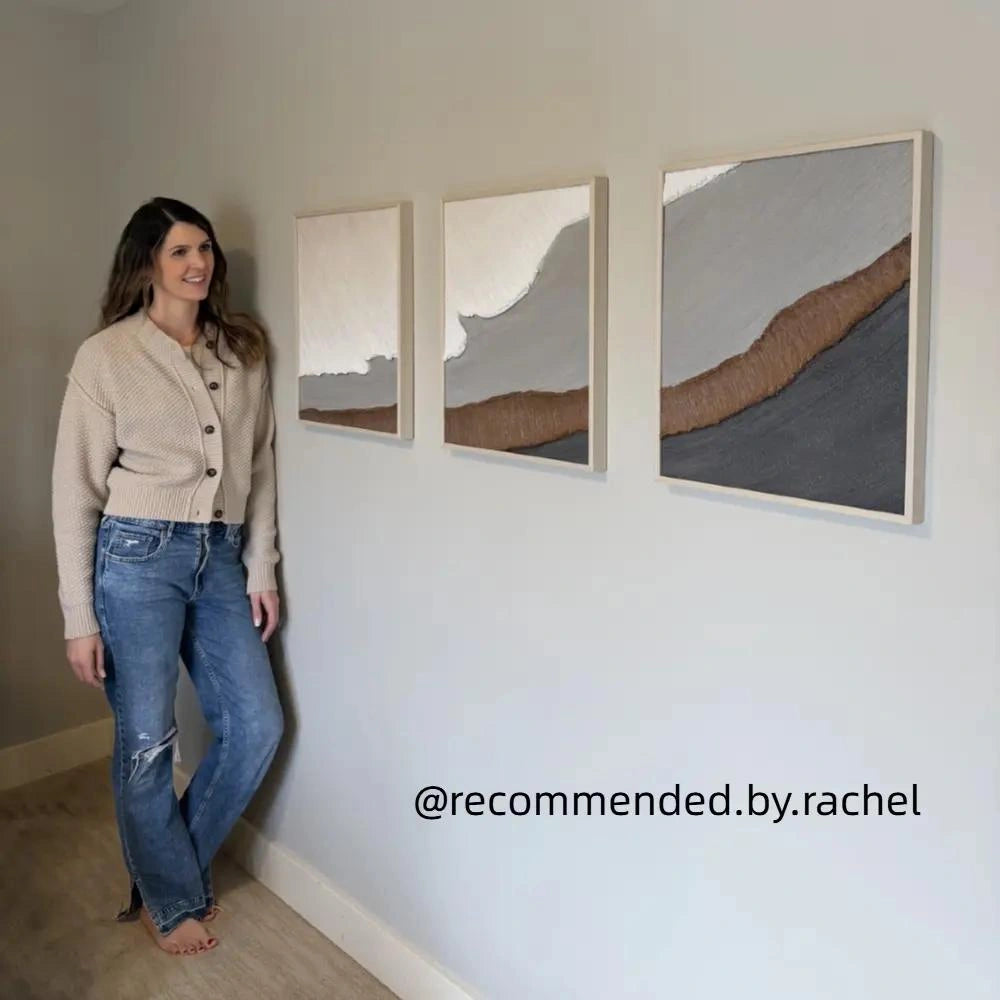
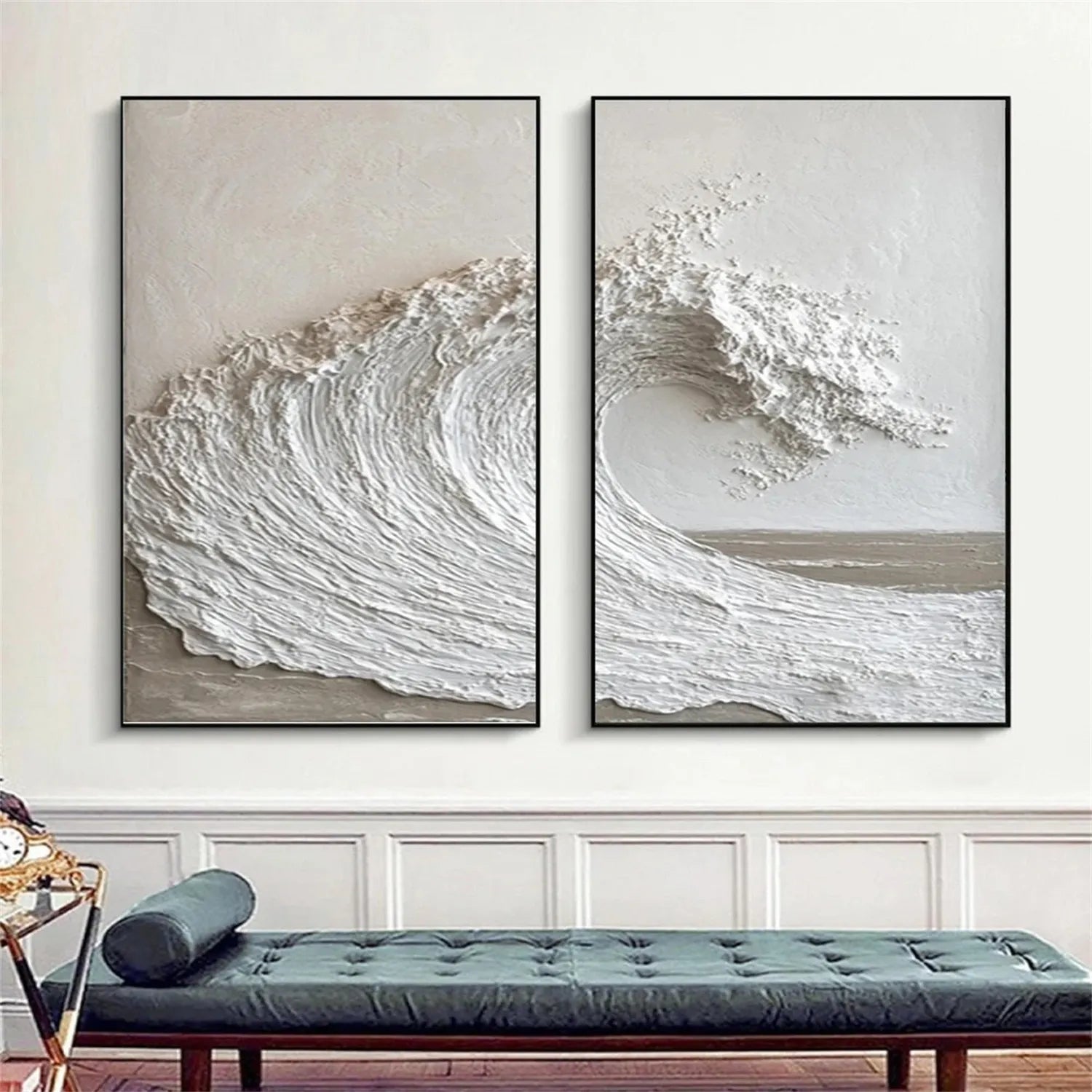
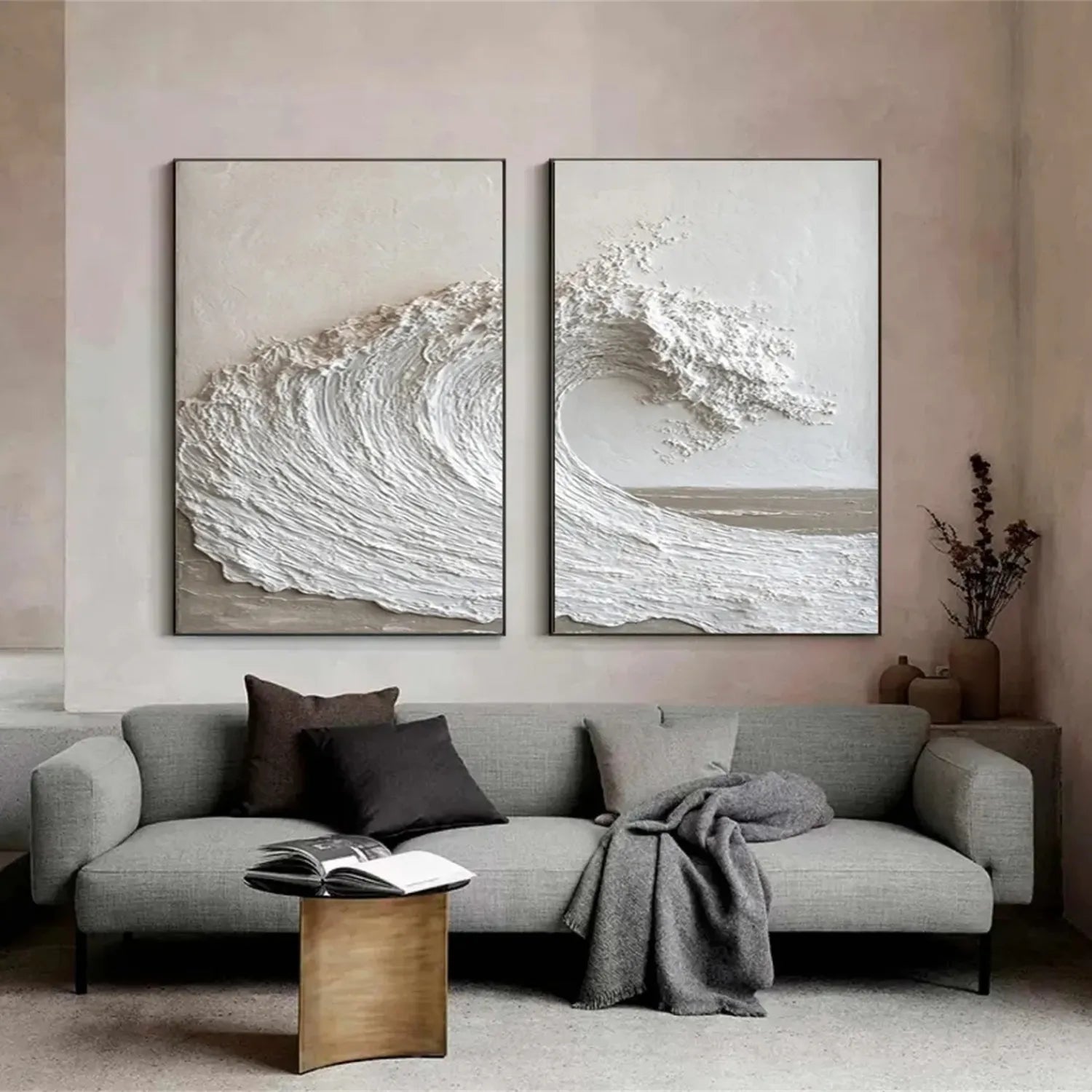
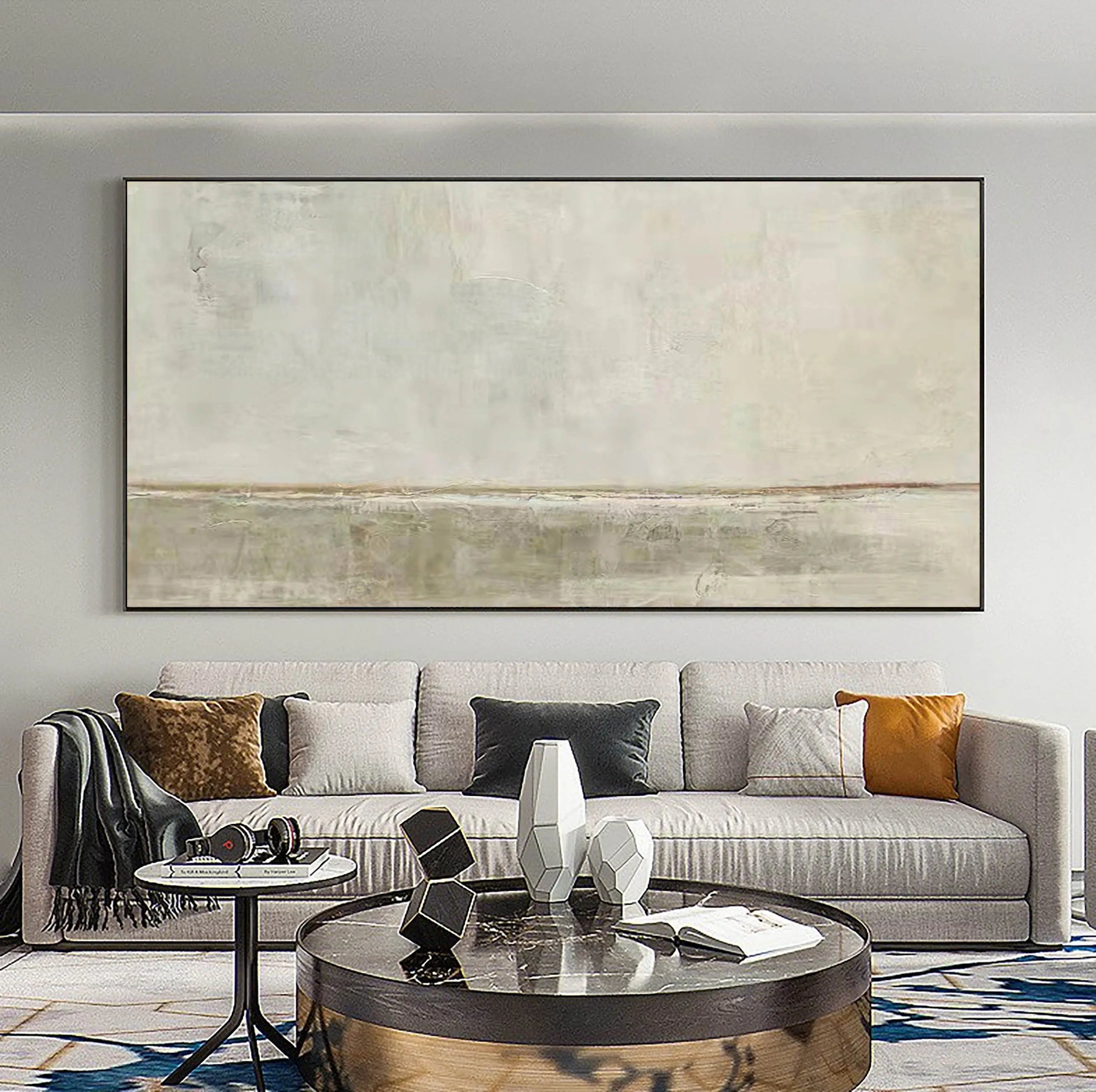
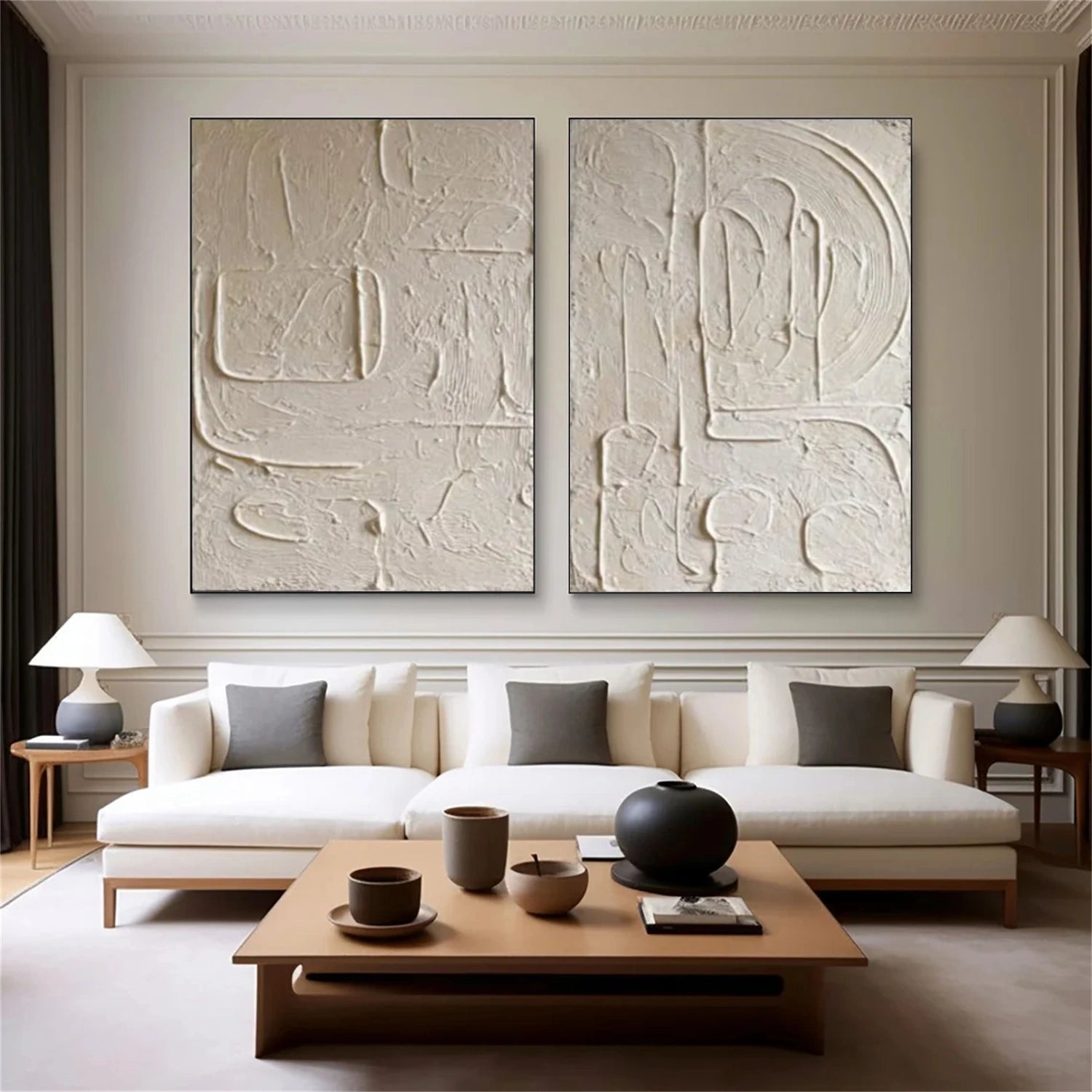
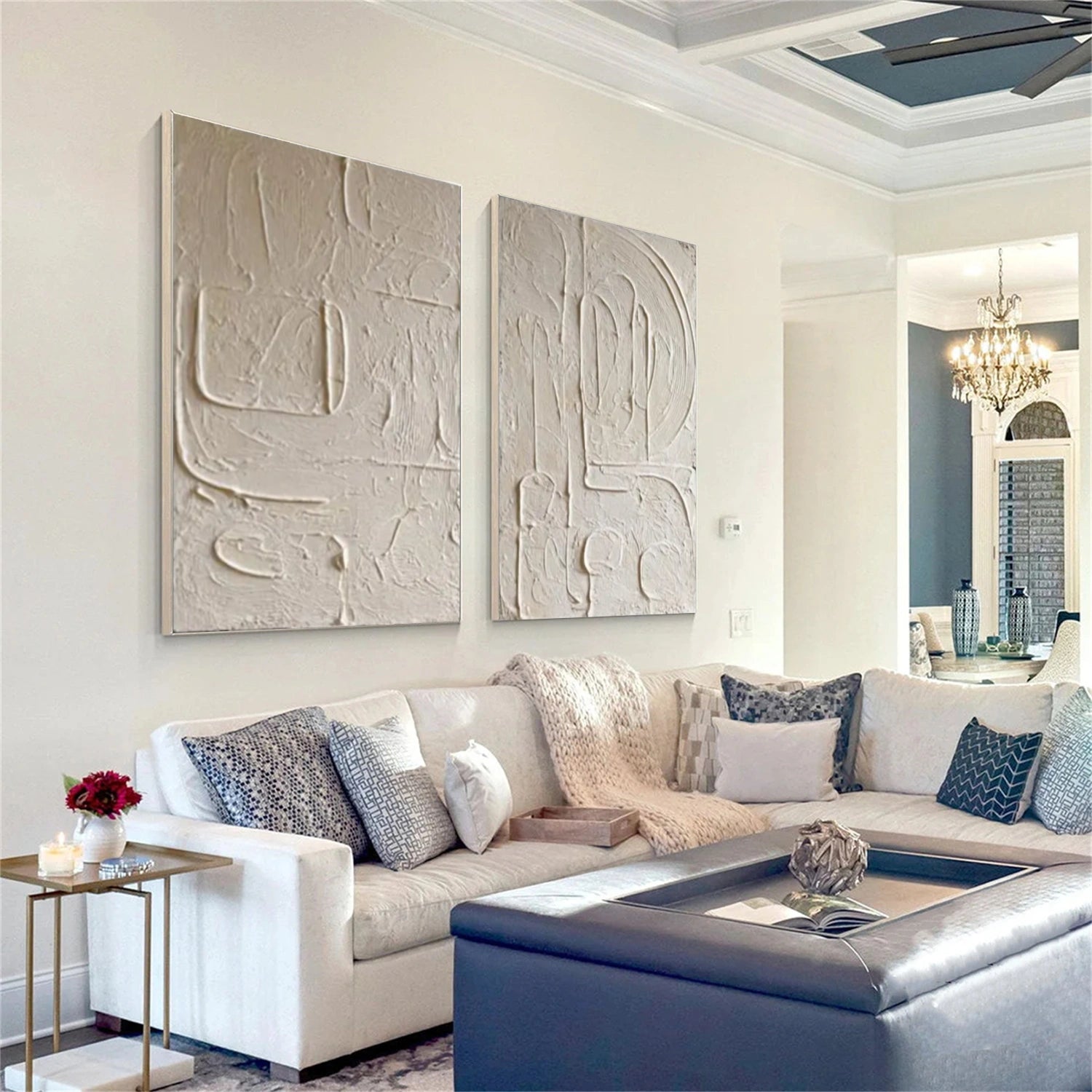
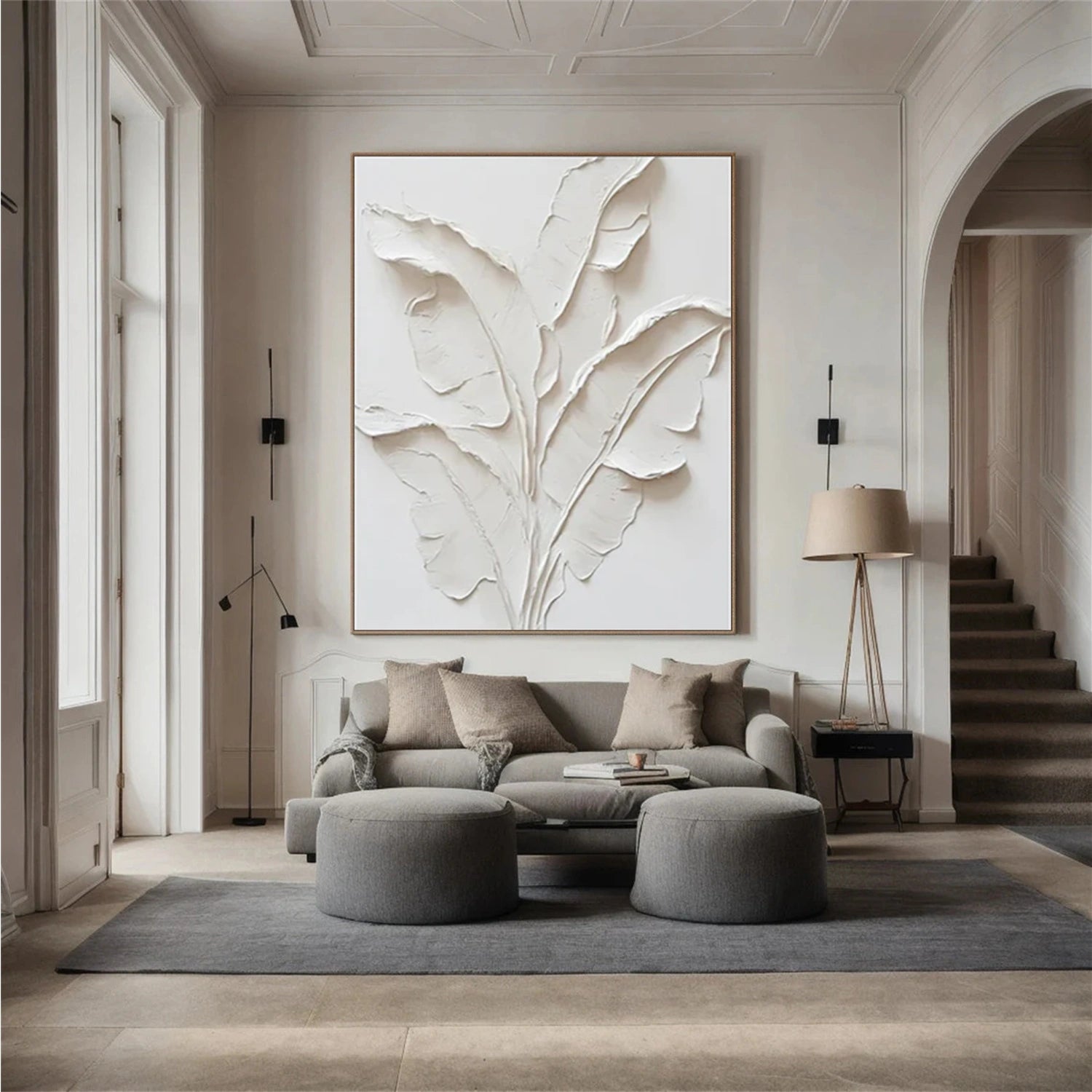
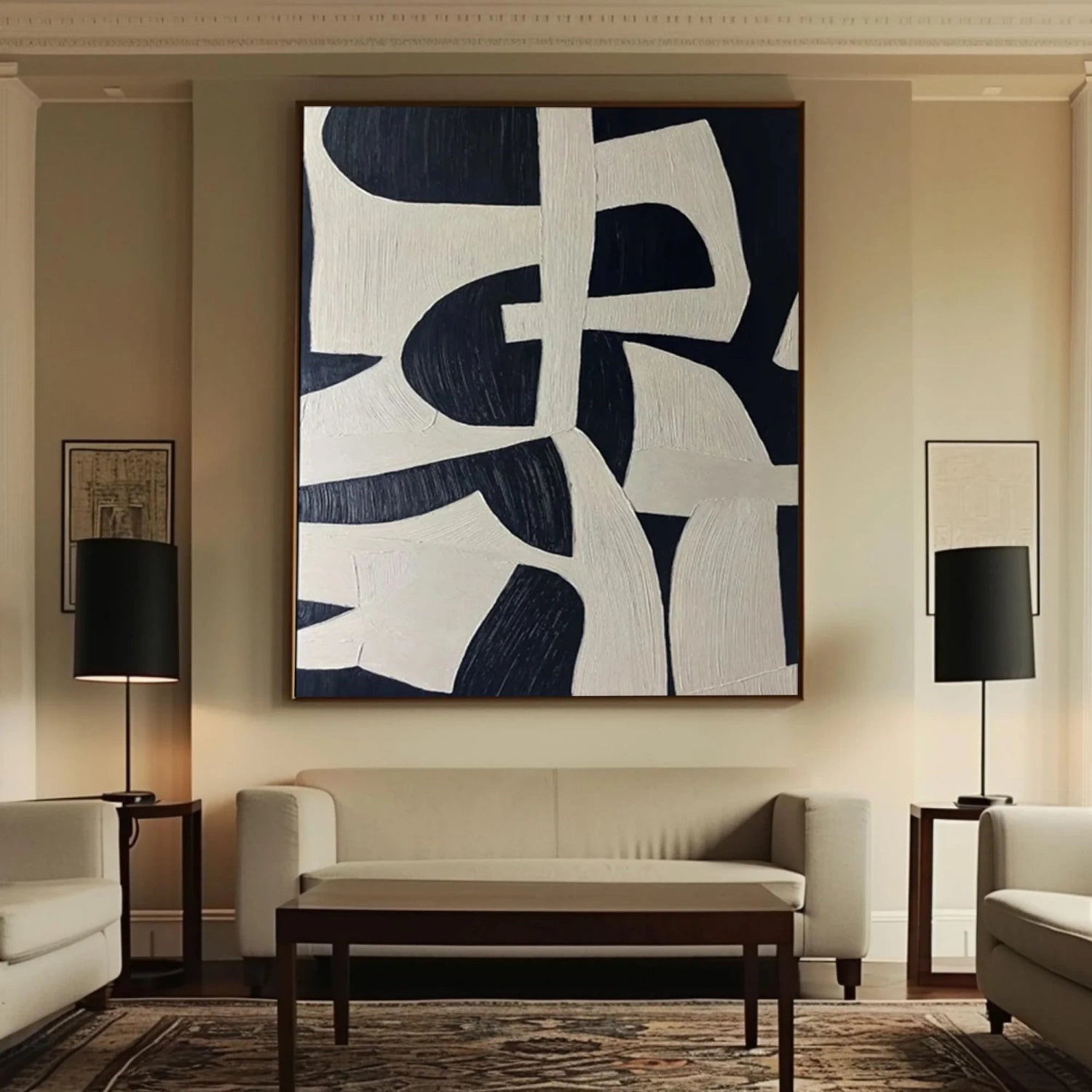
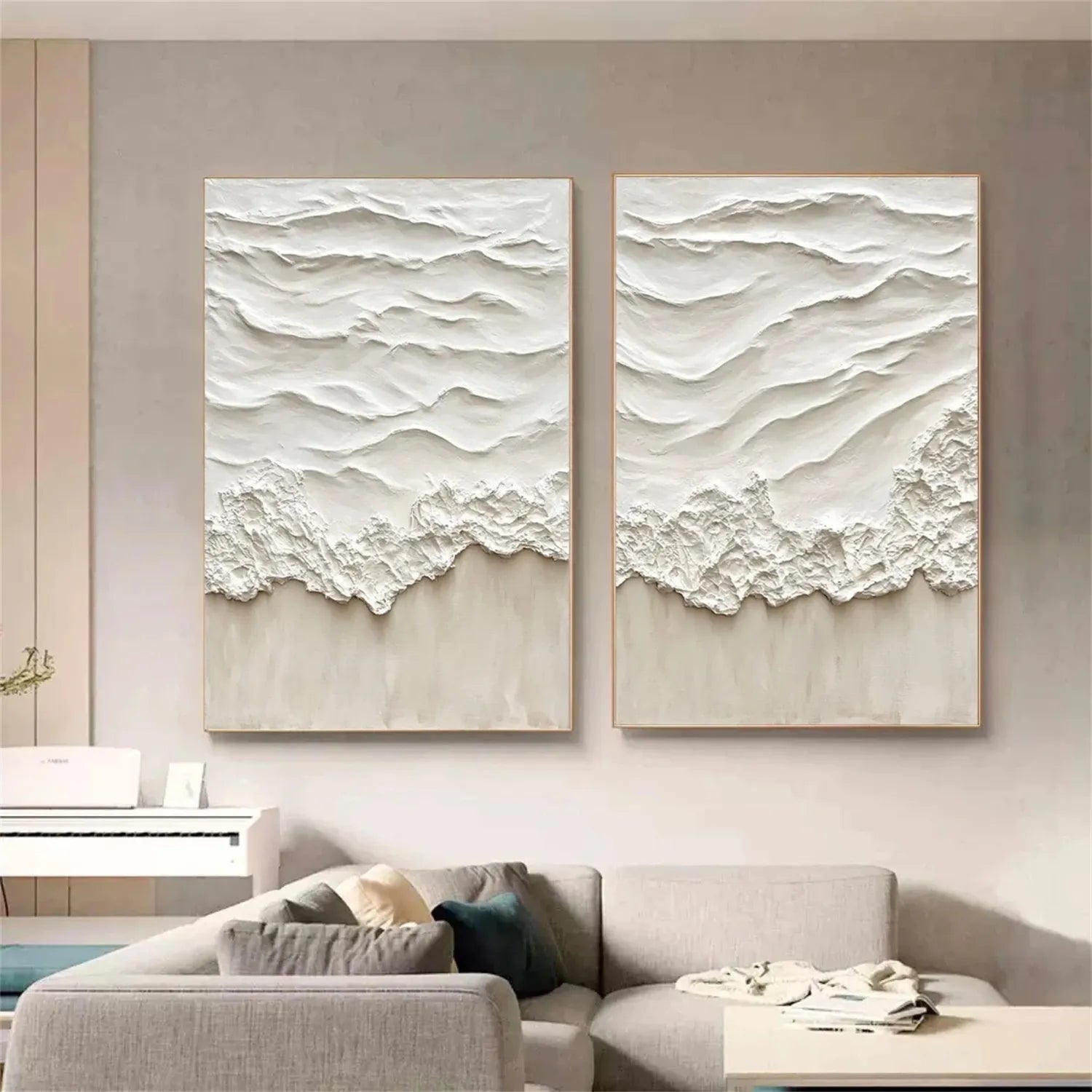
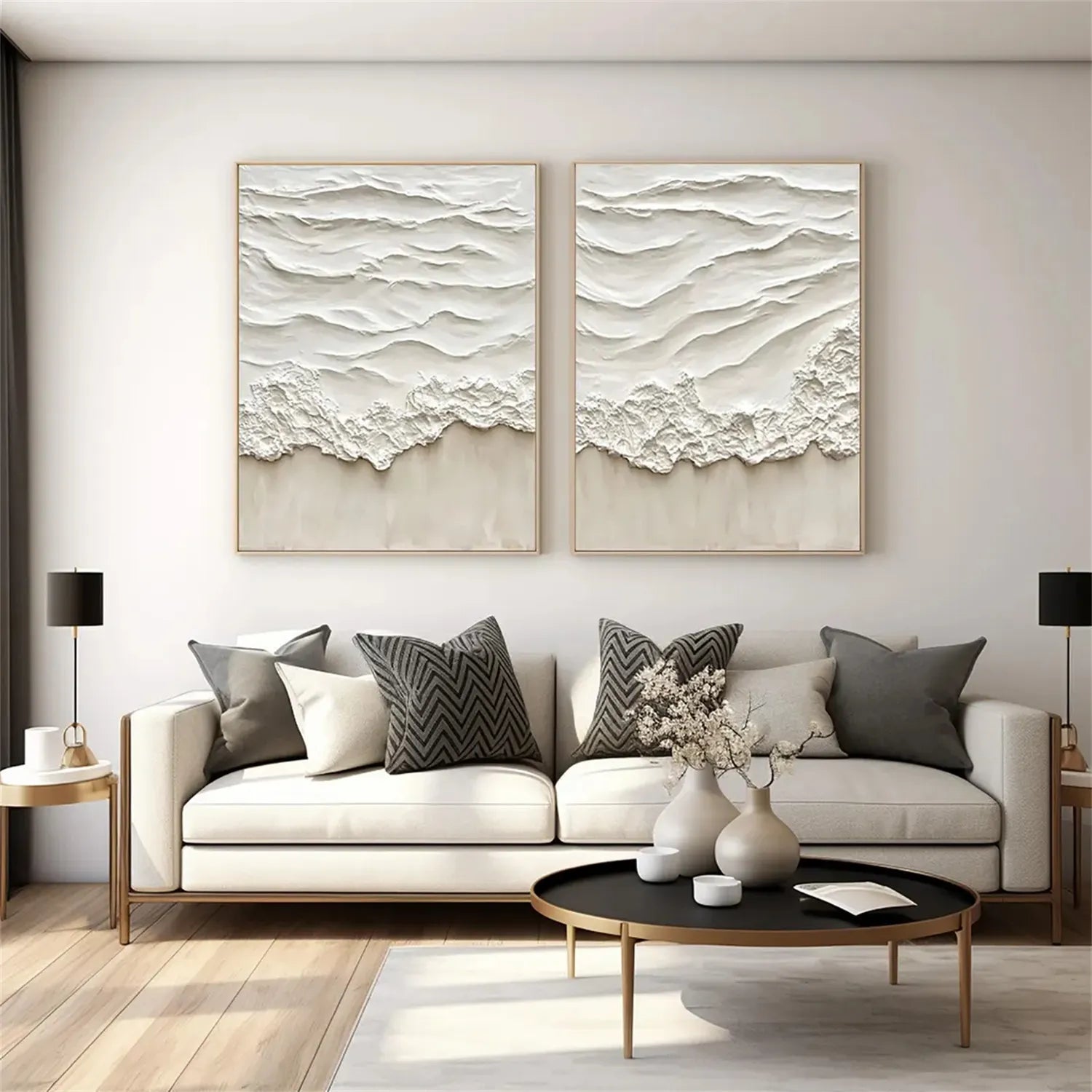
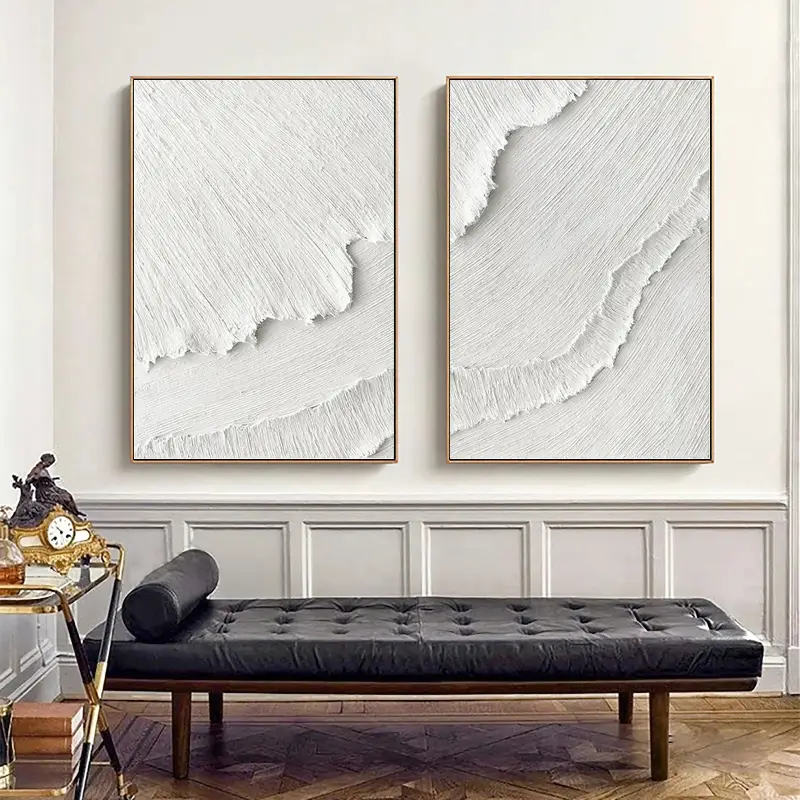
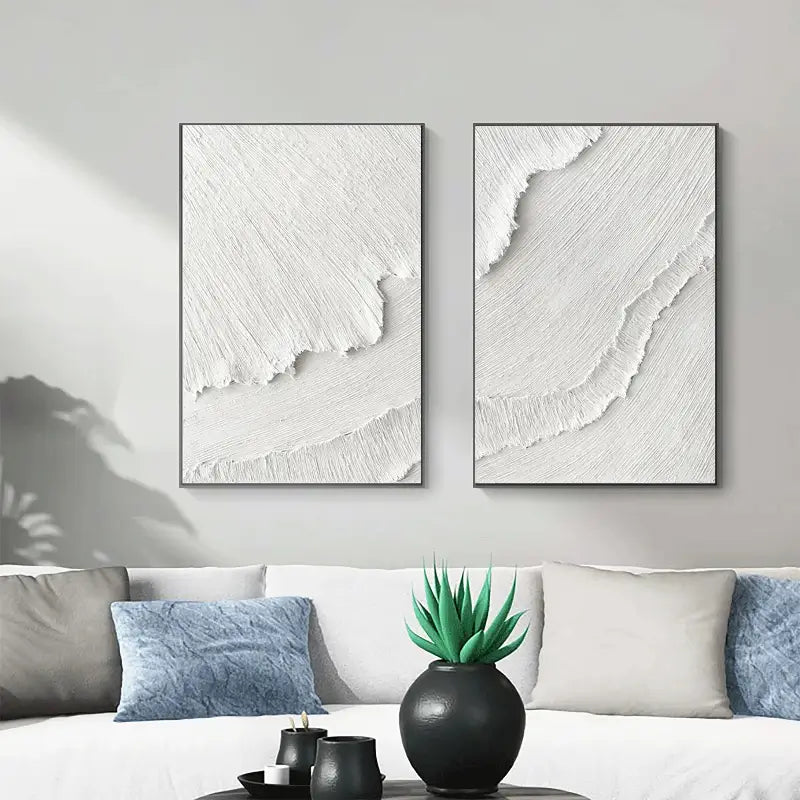
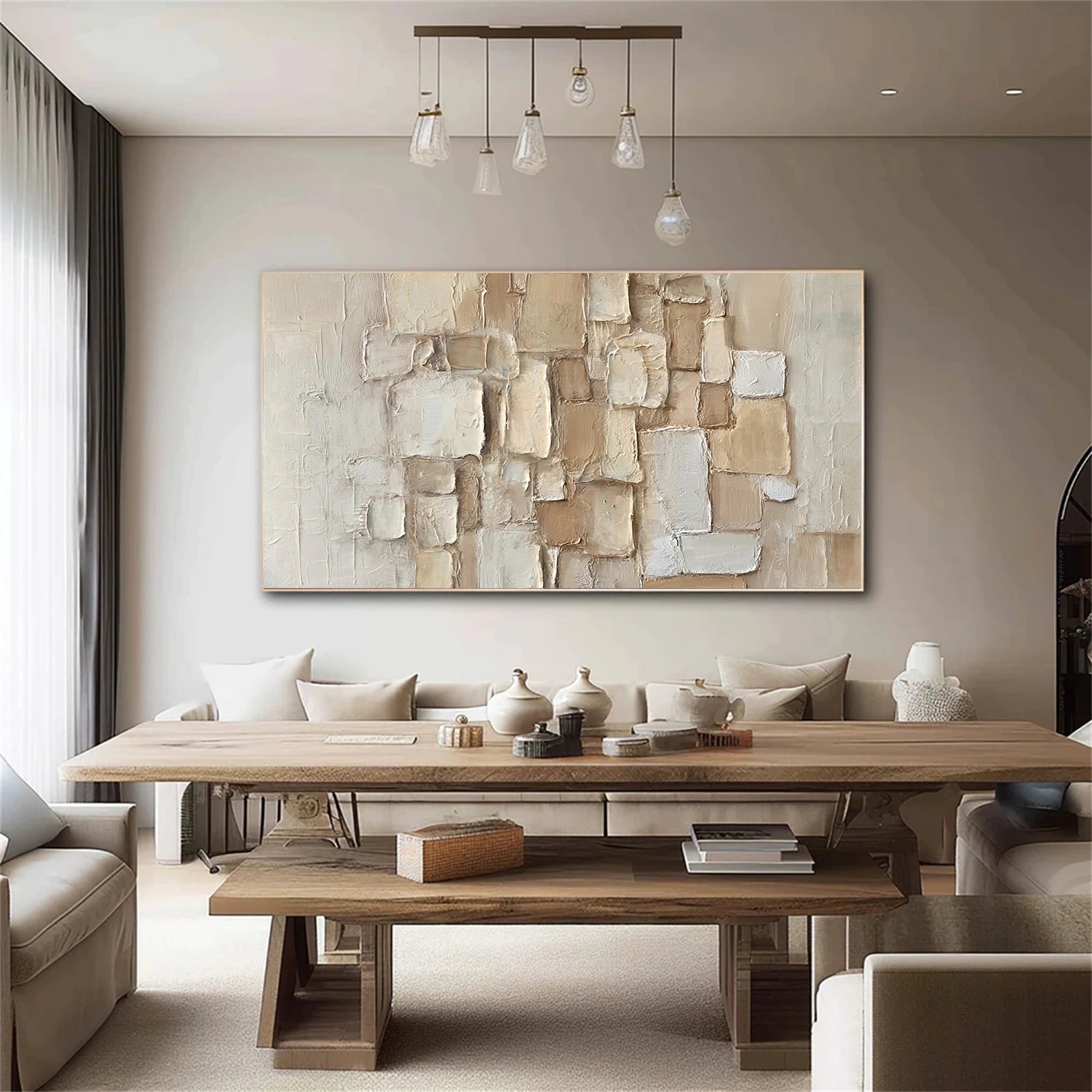
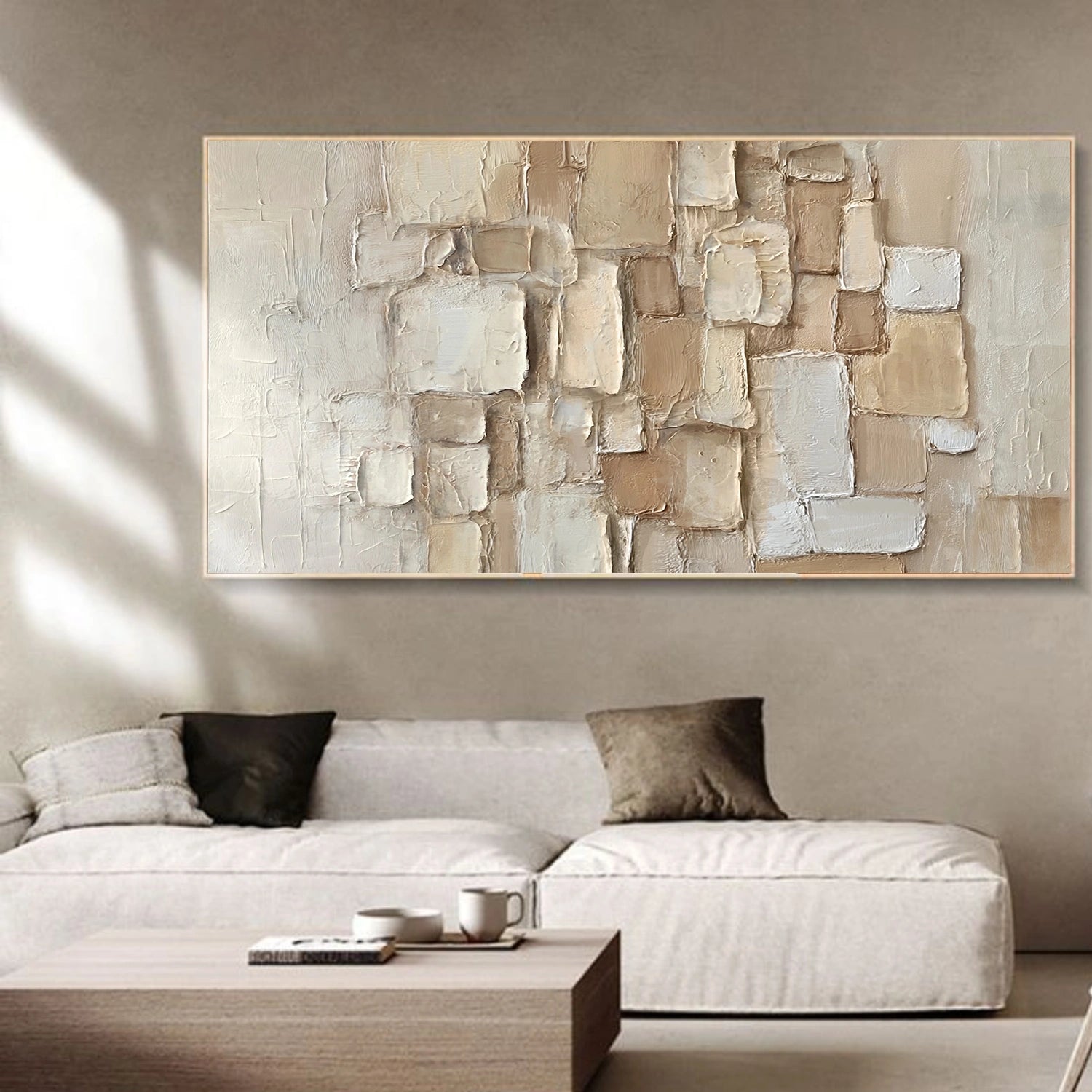
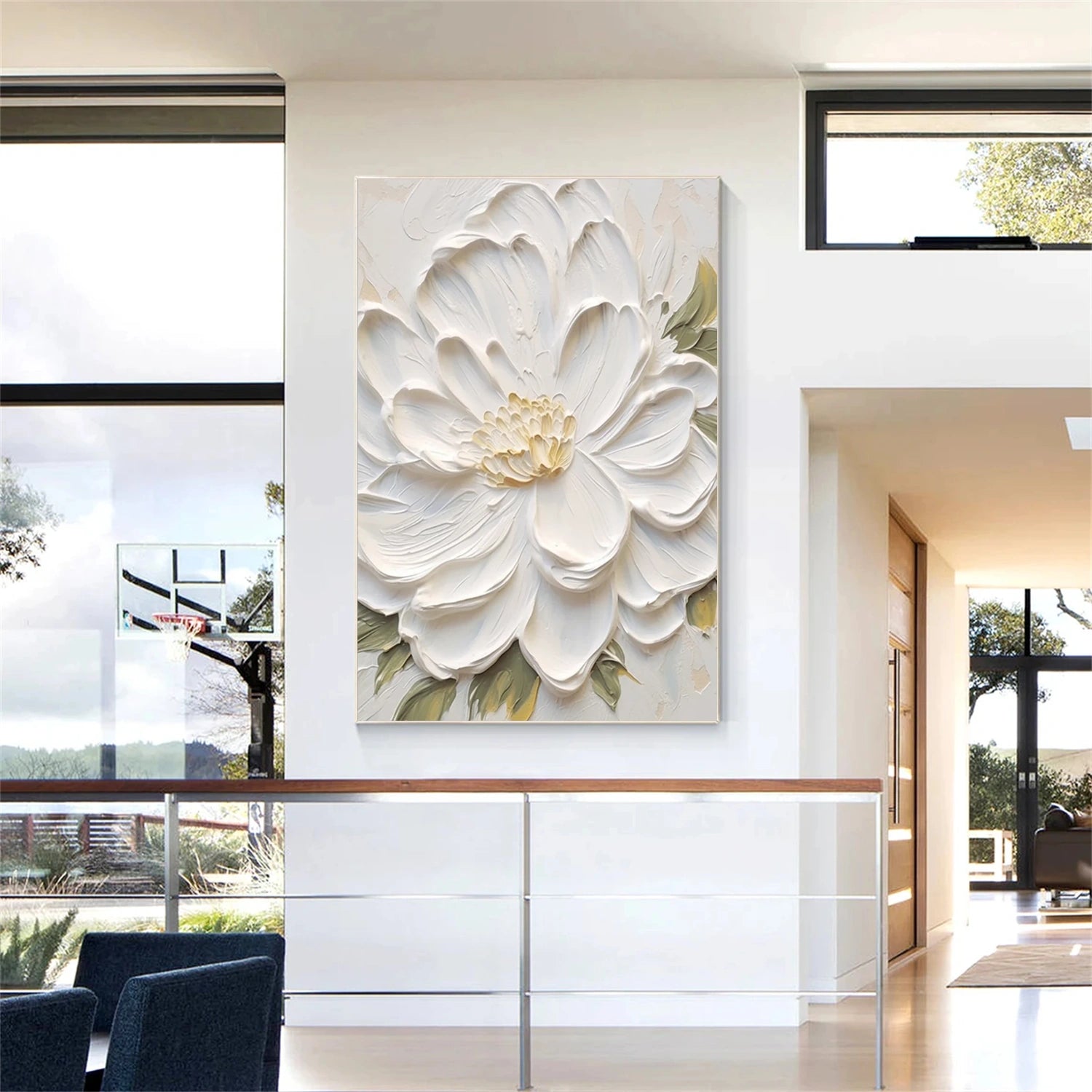
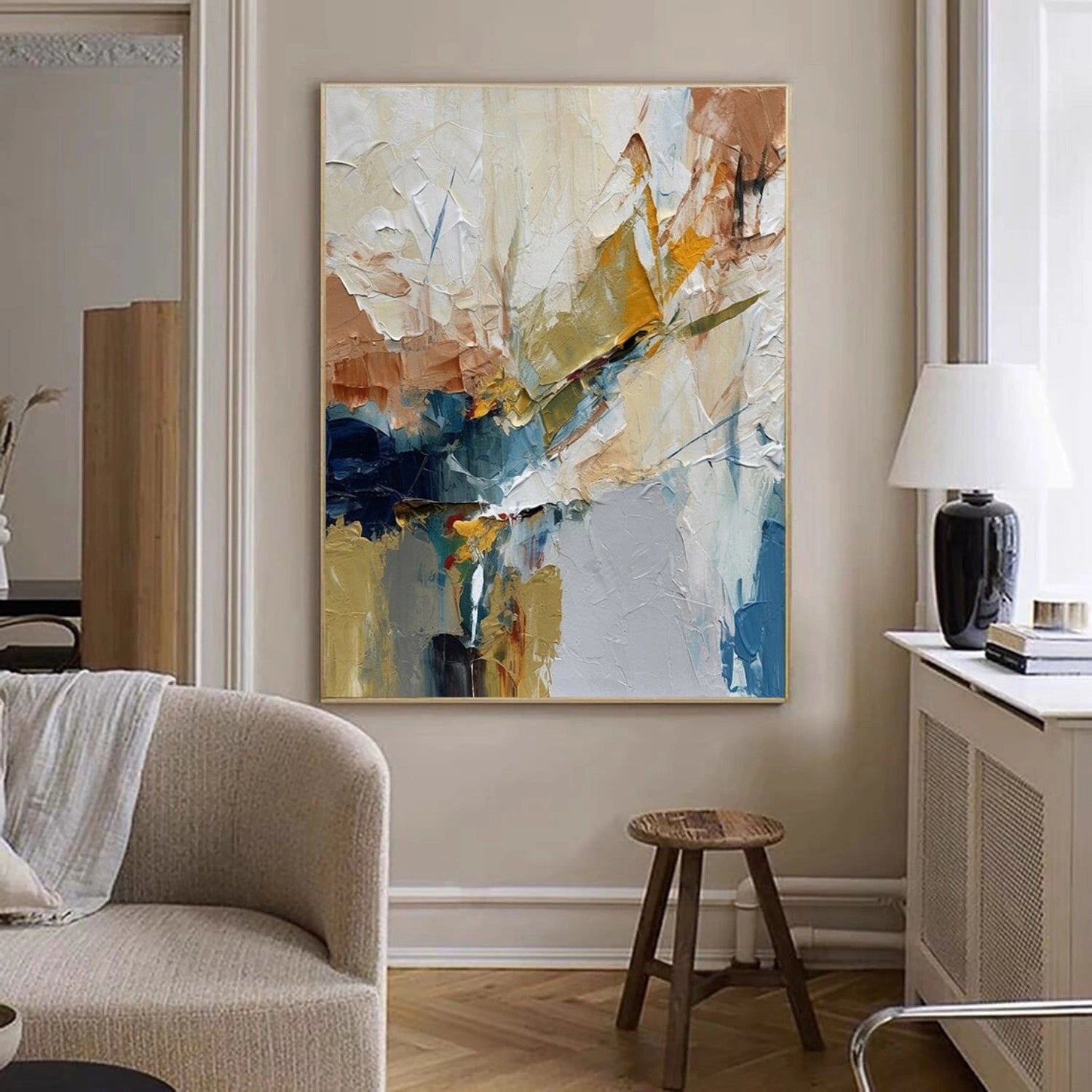
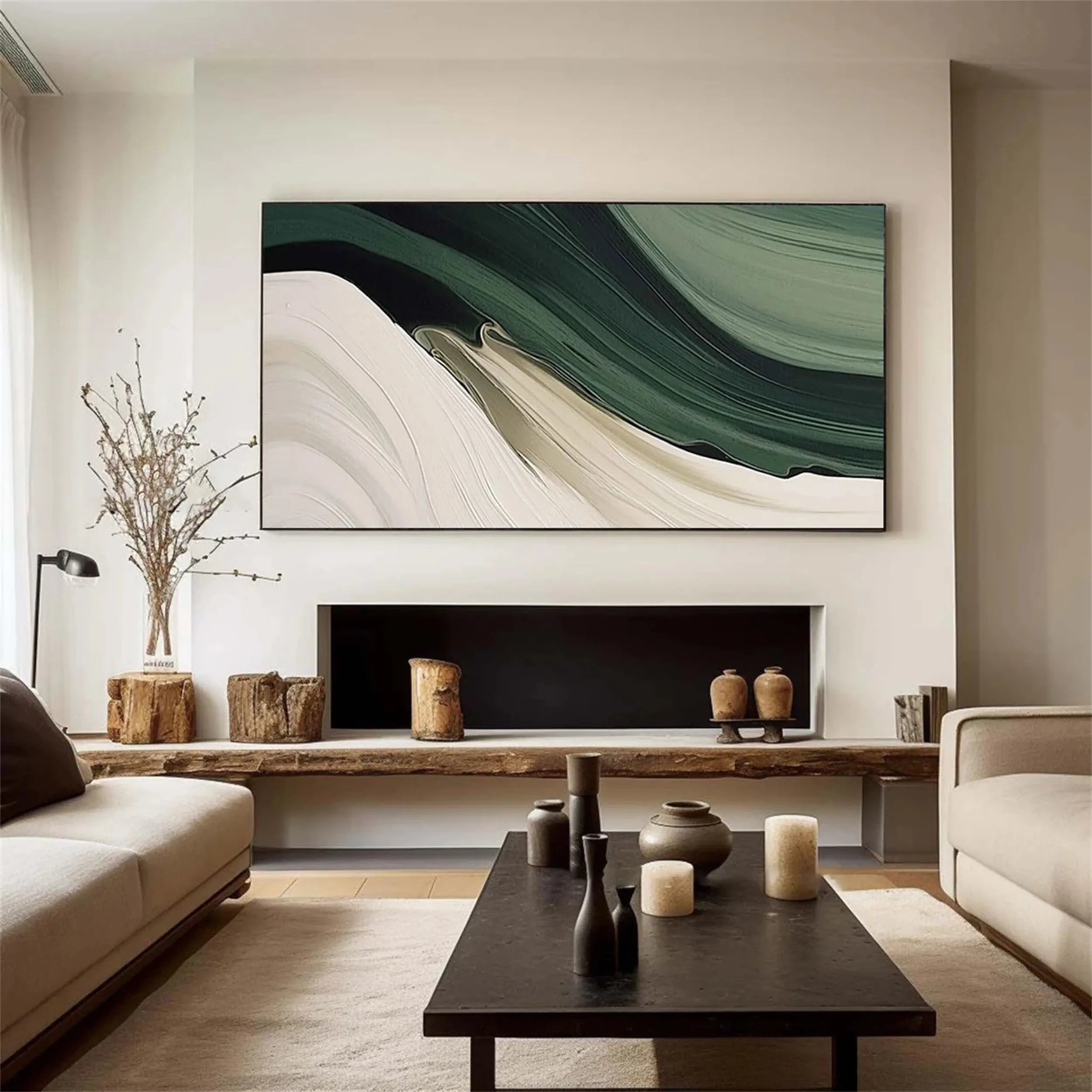
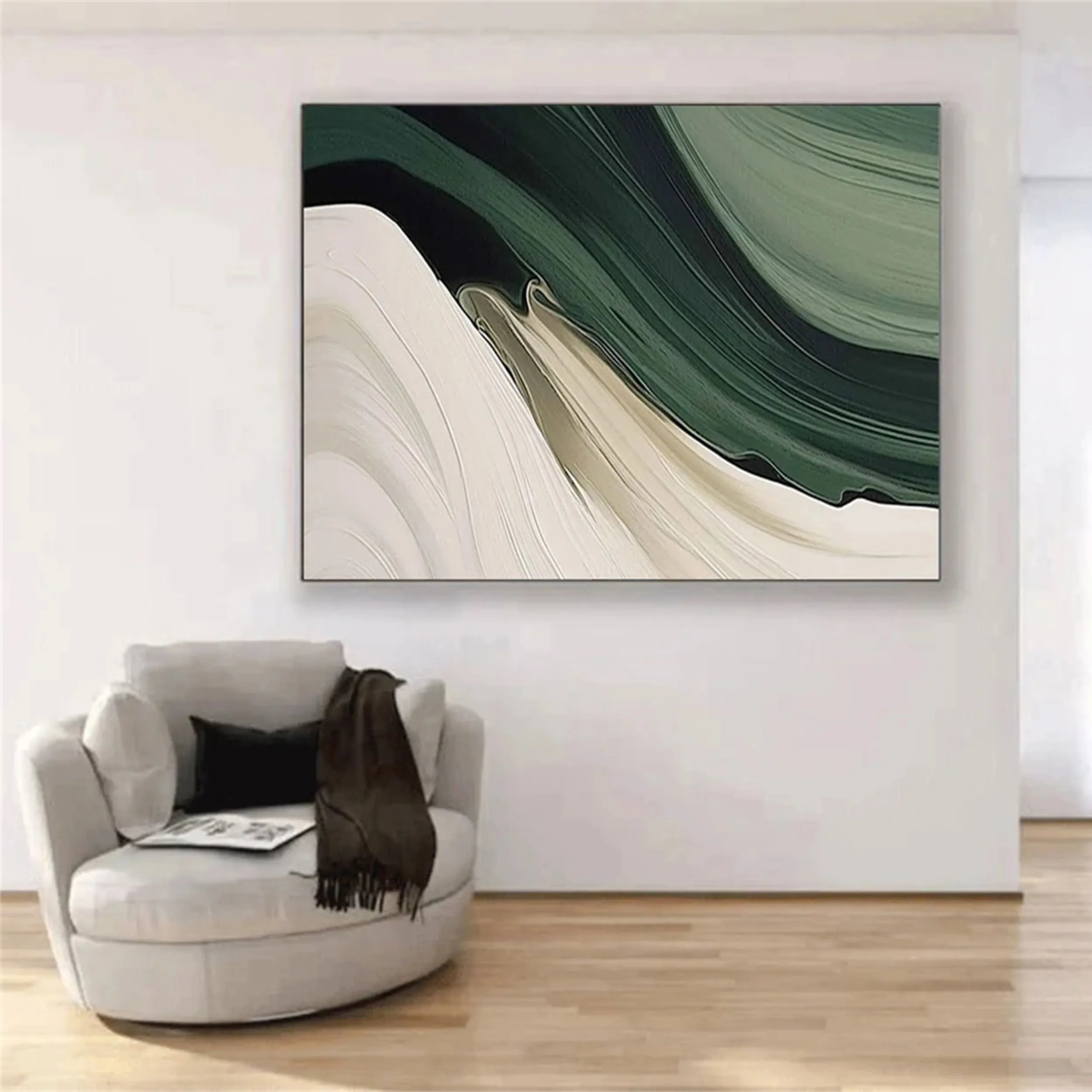
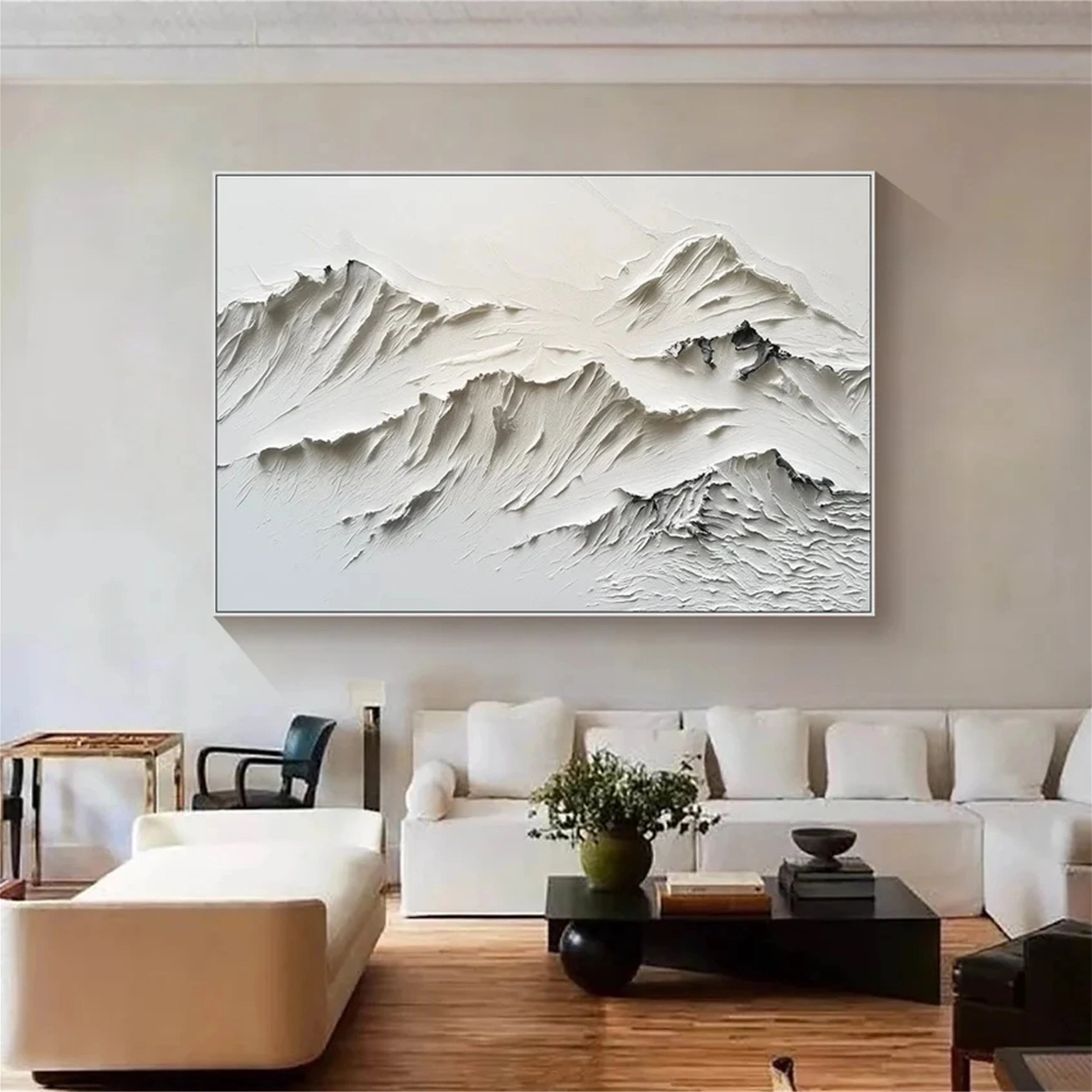
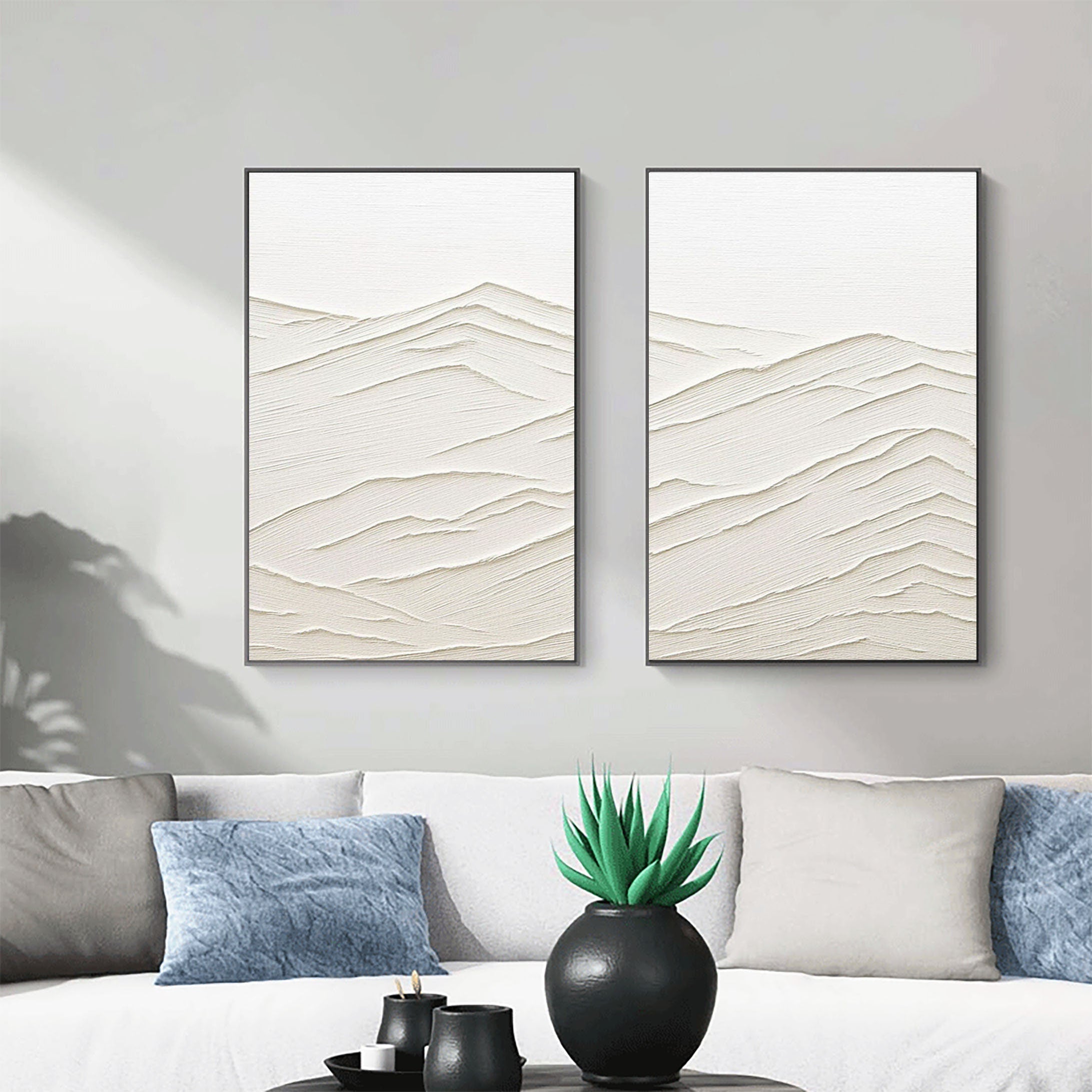
What Makes Textured Wall Decor So Transformative?
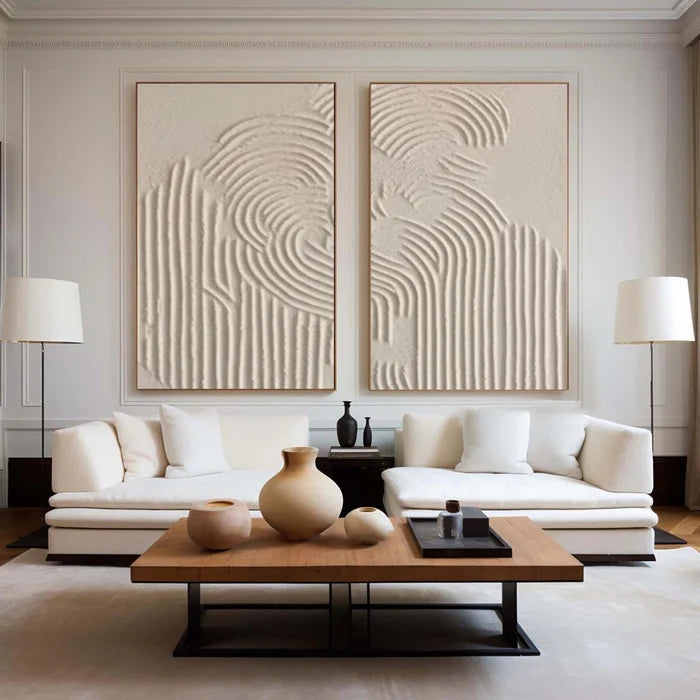
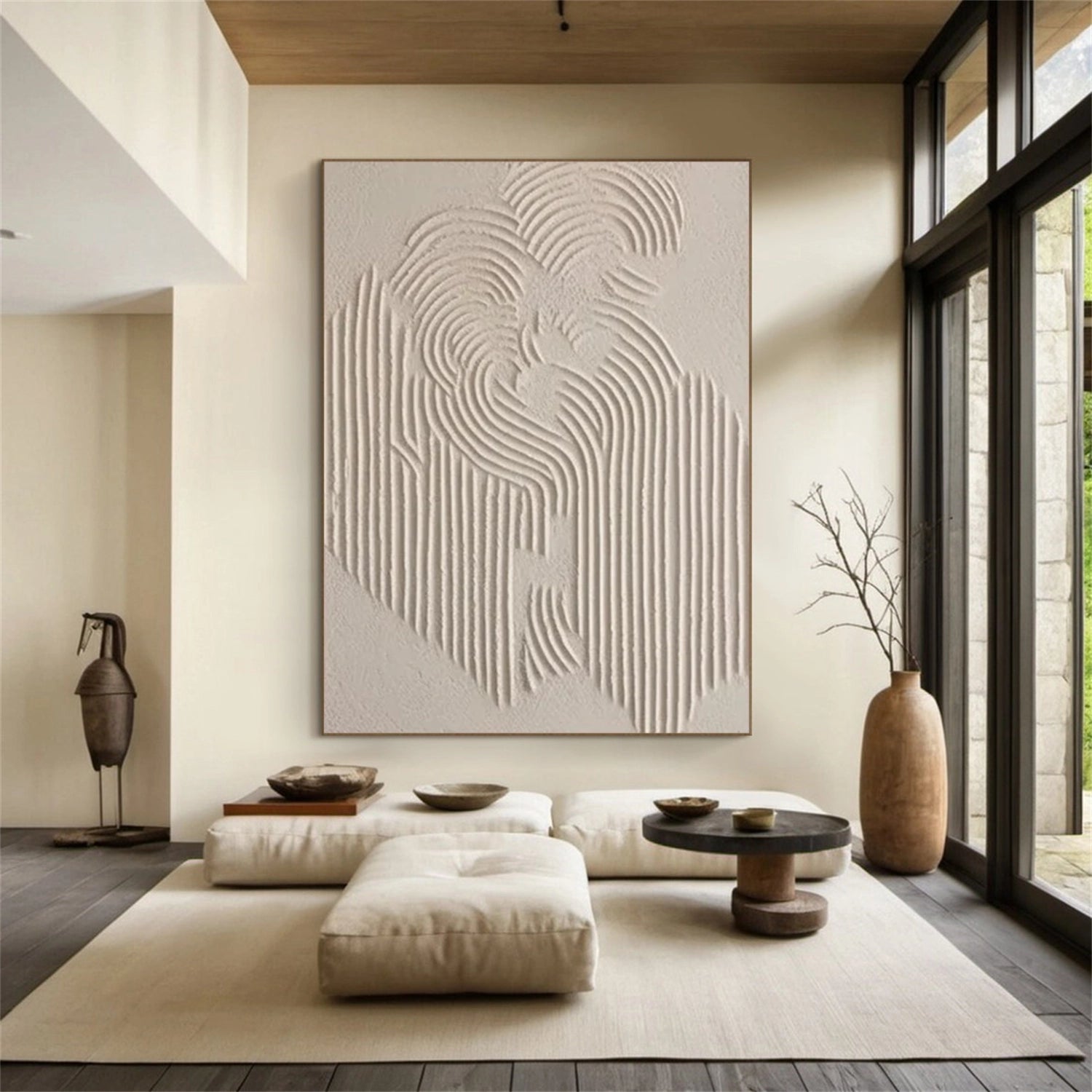
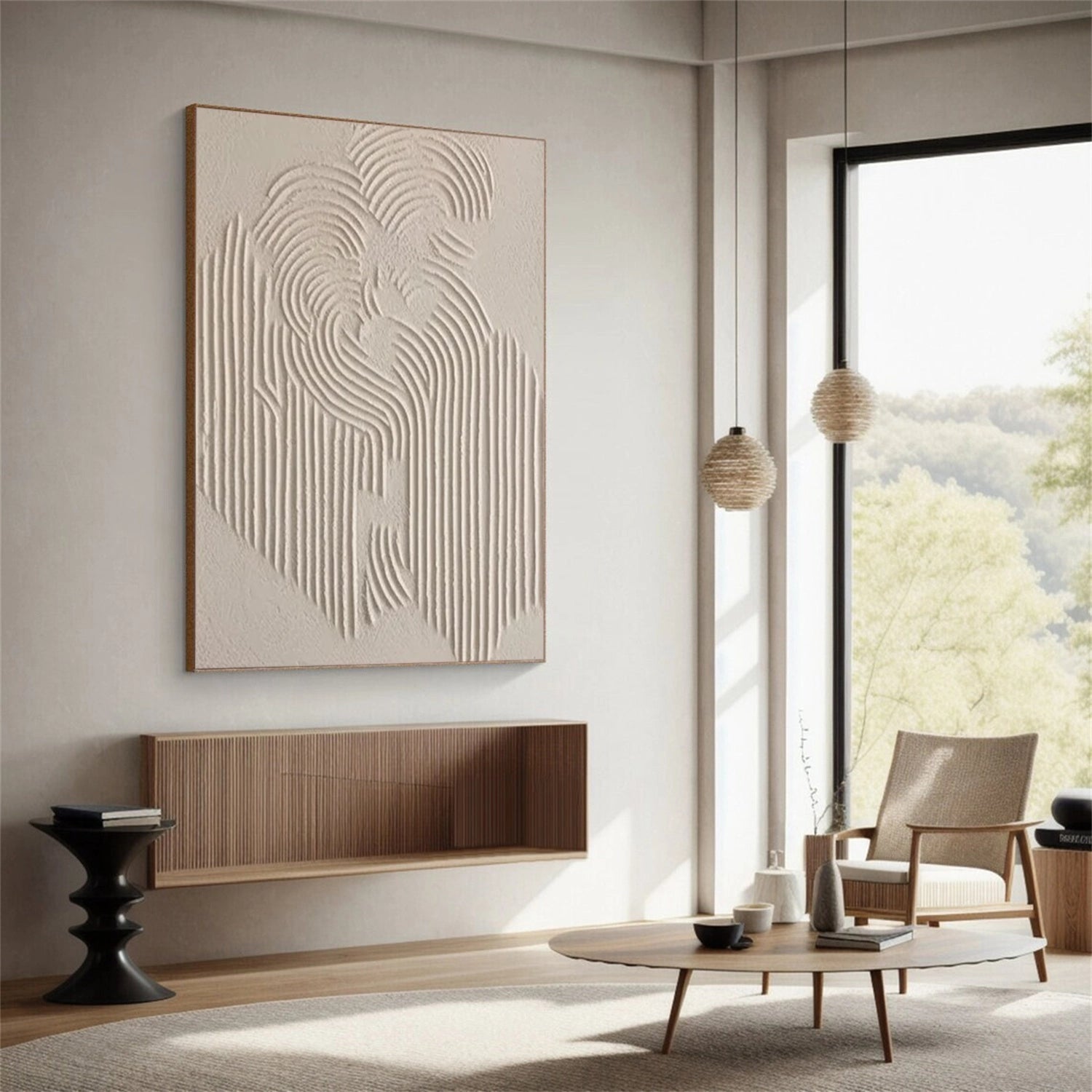
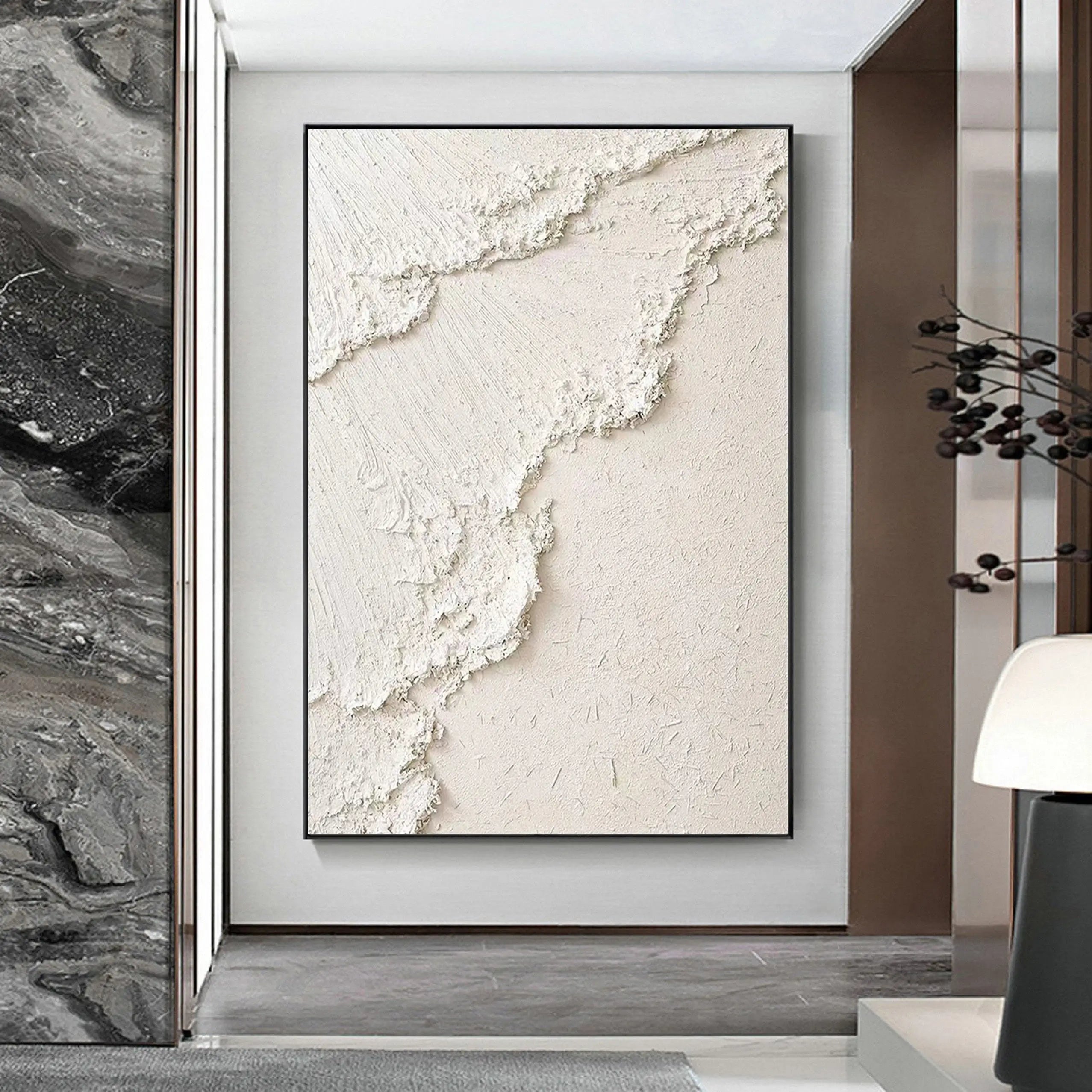
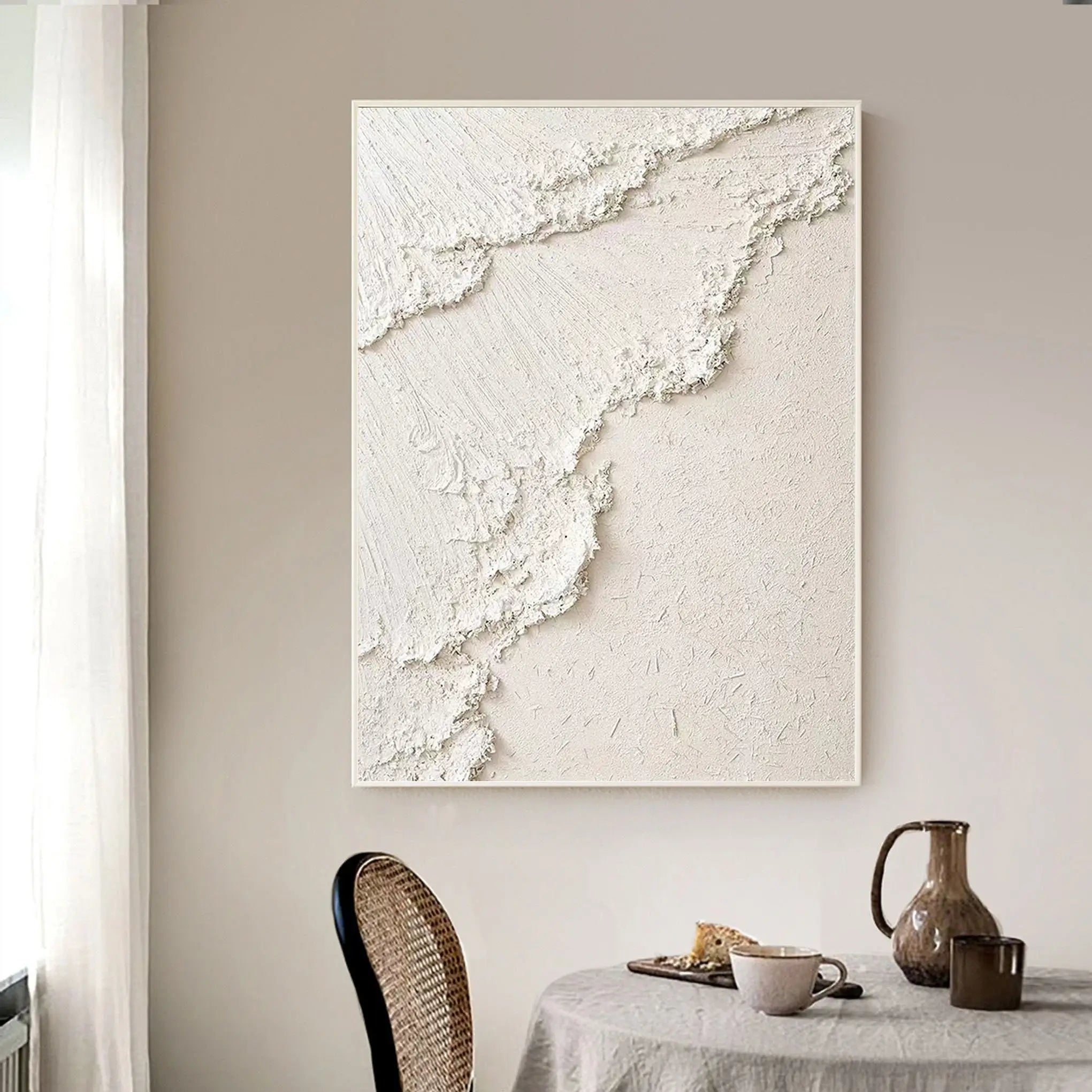
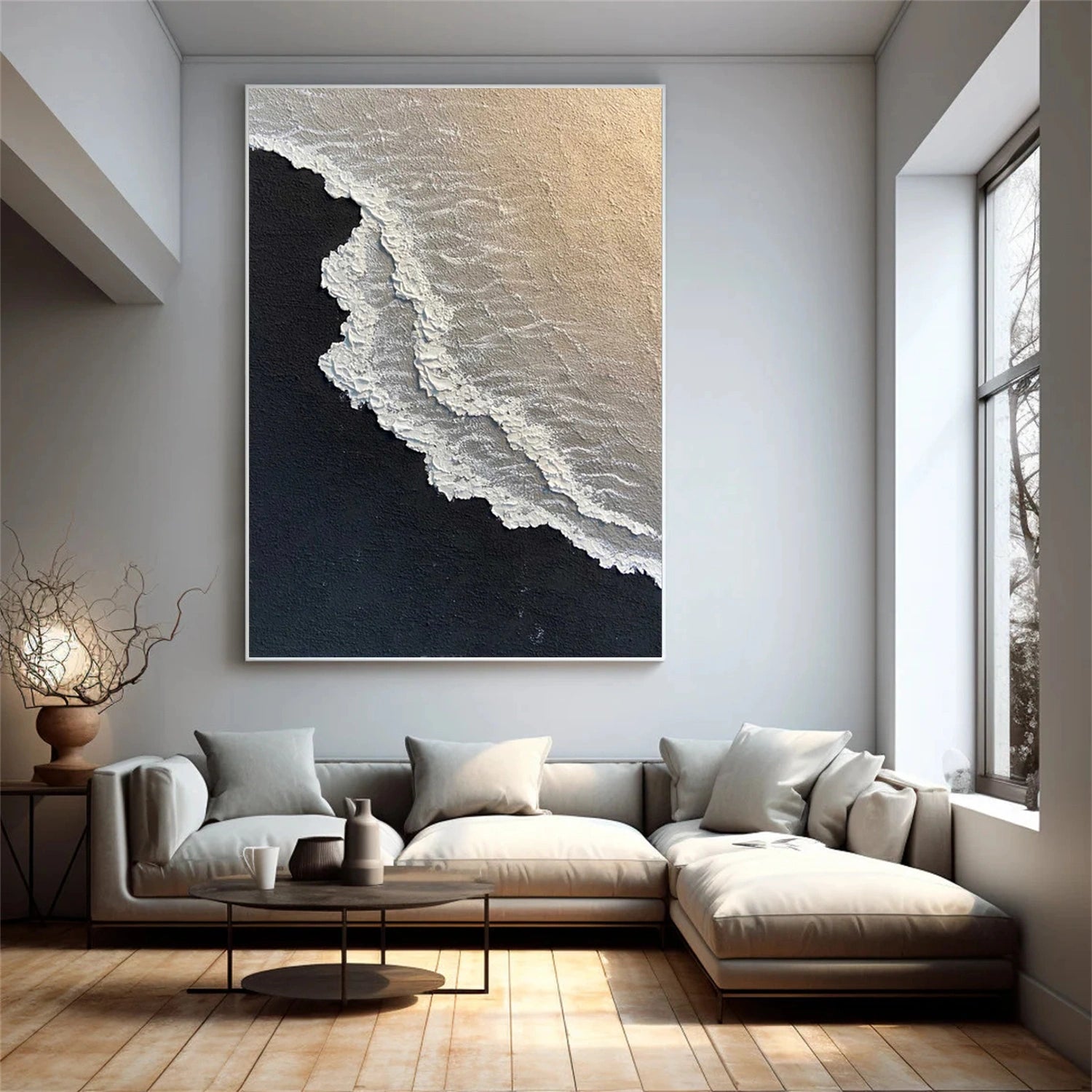
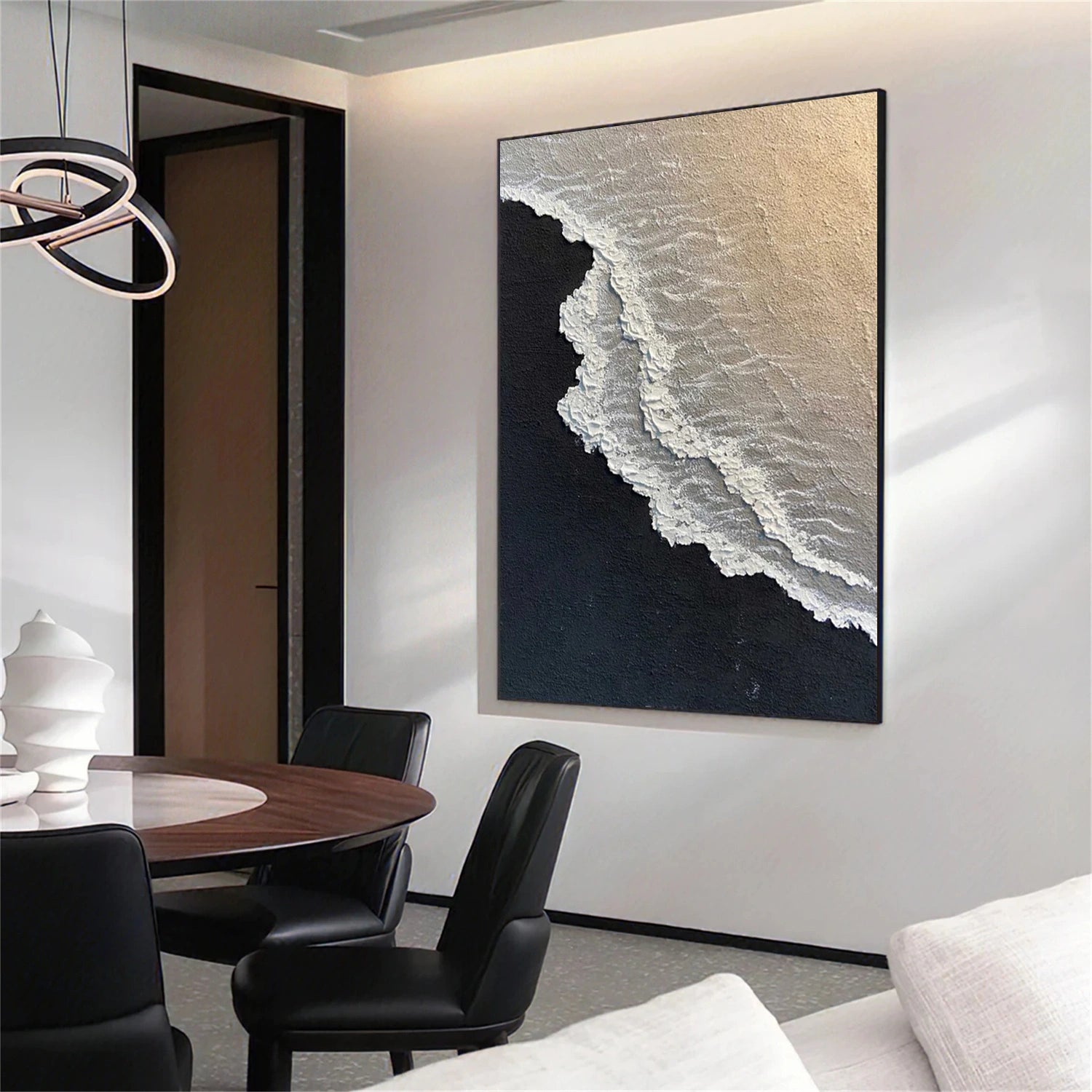
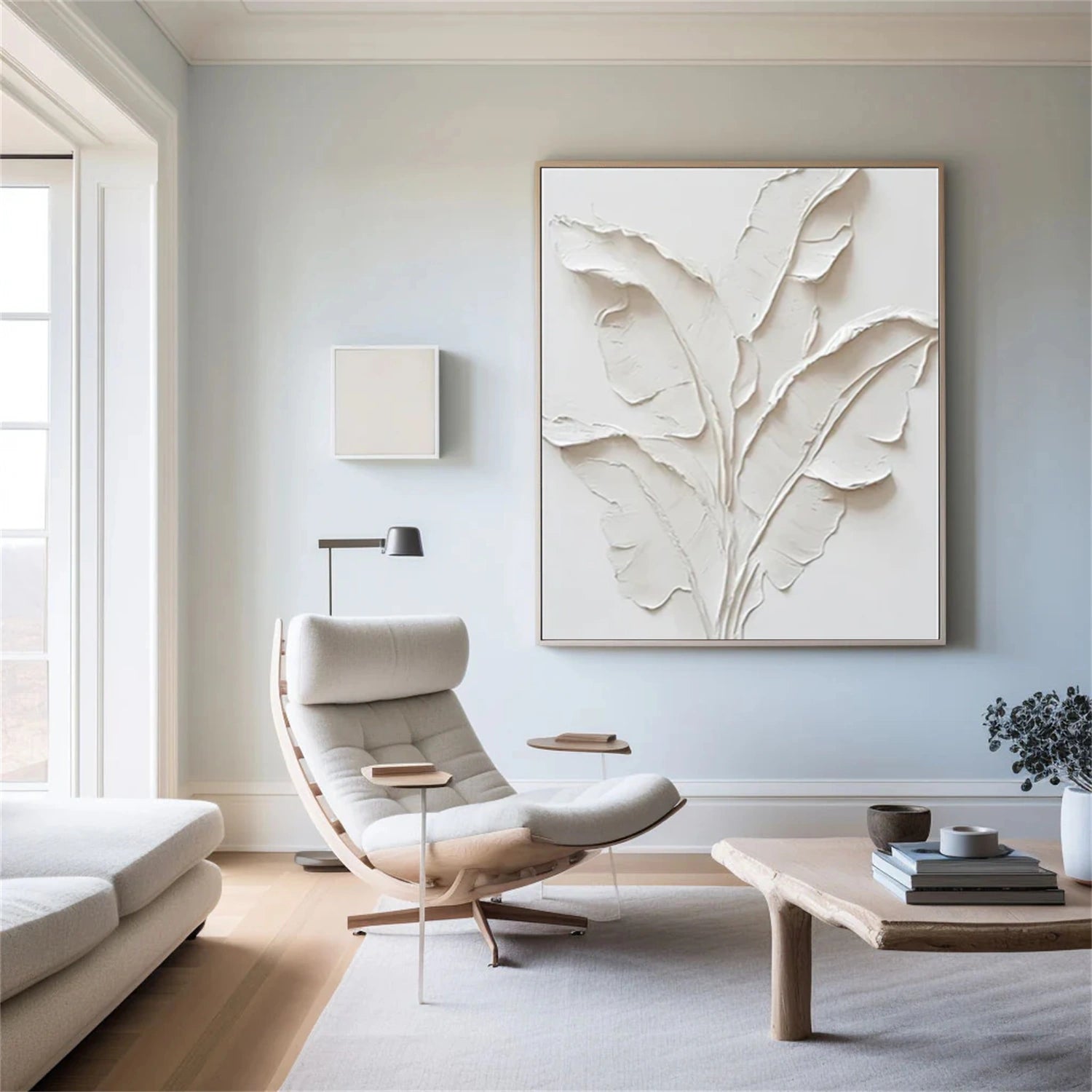
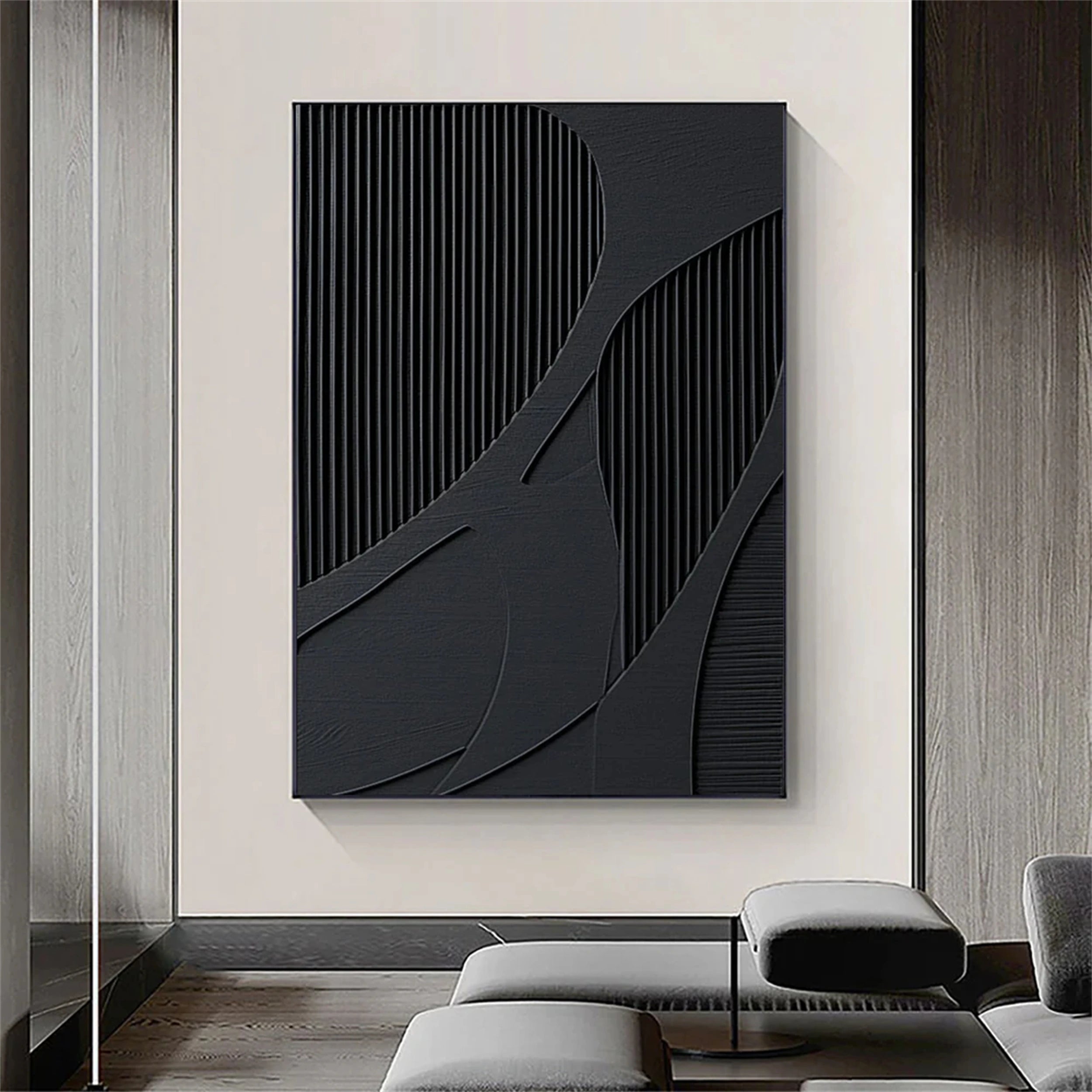
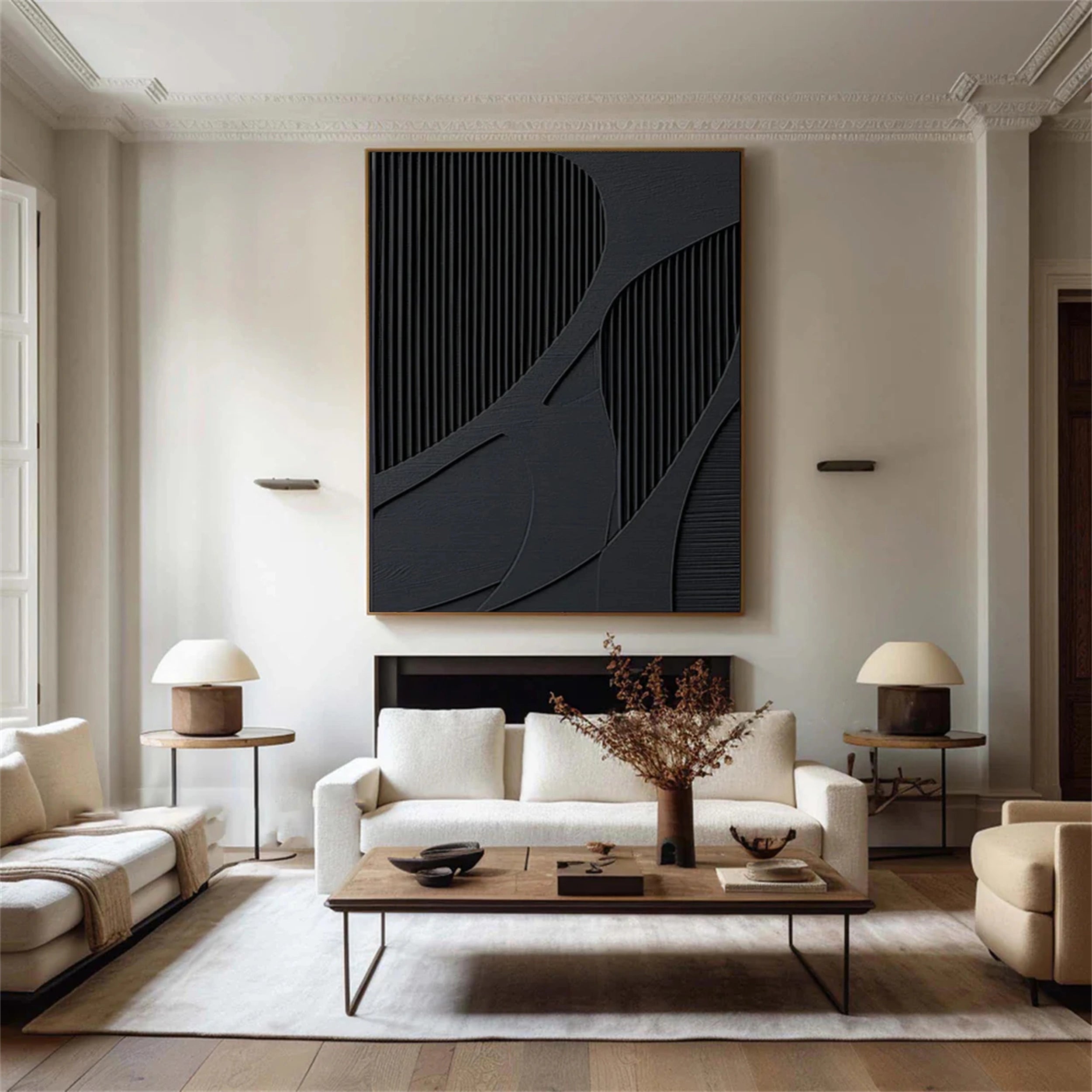
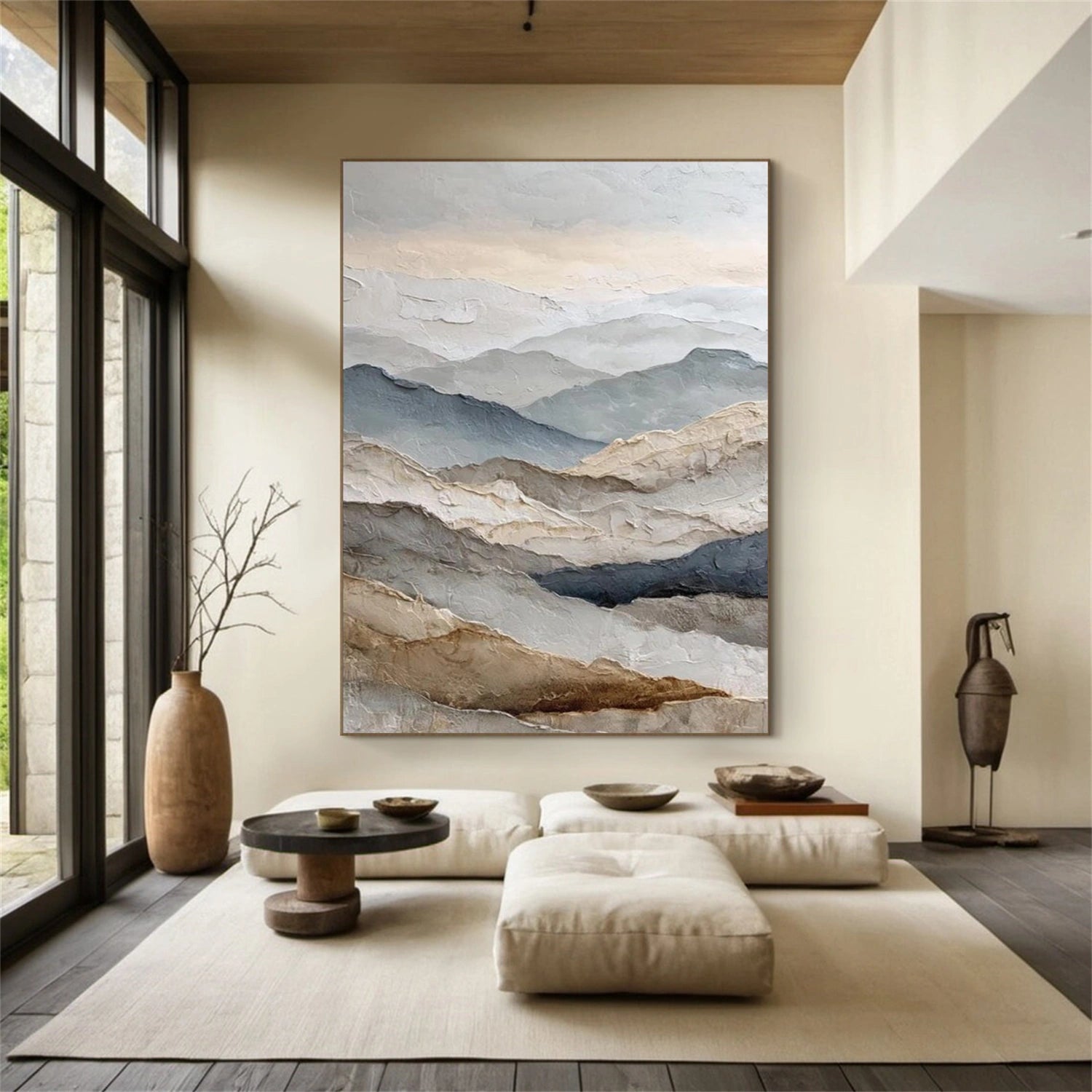
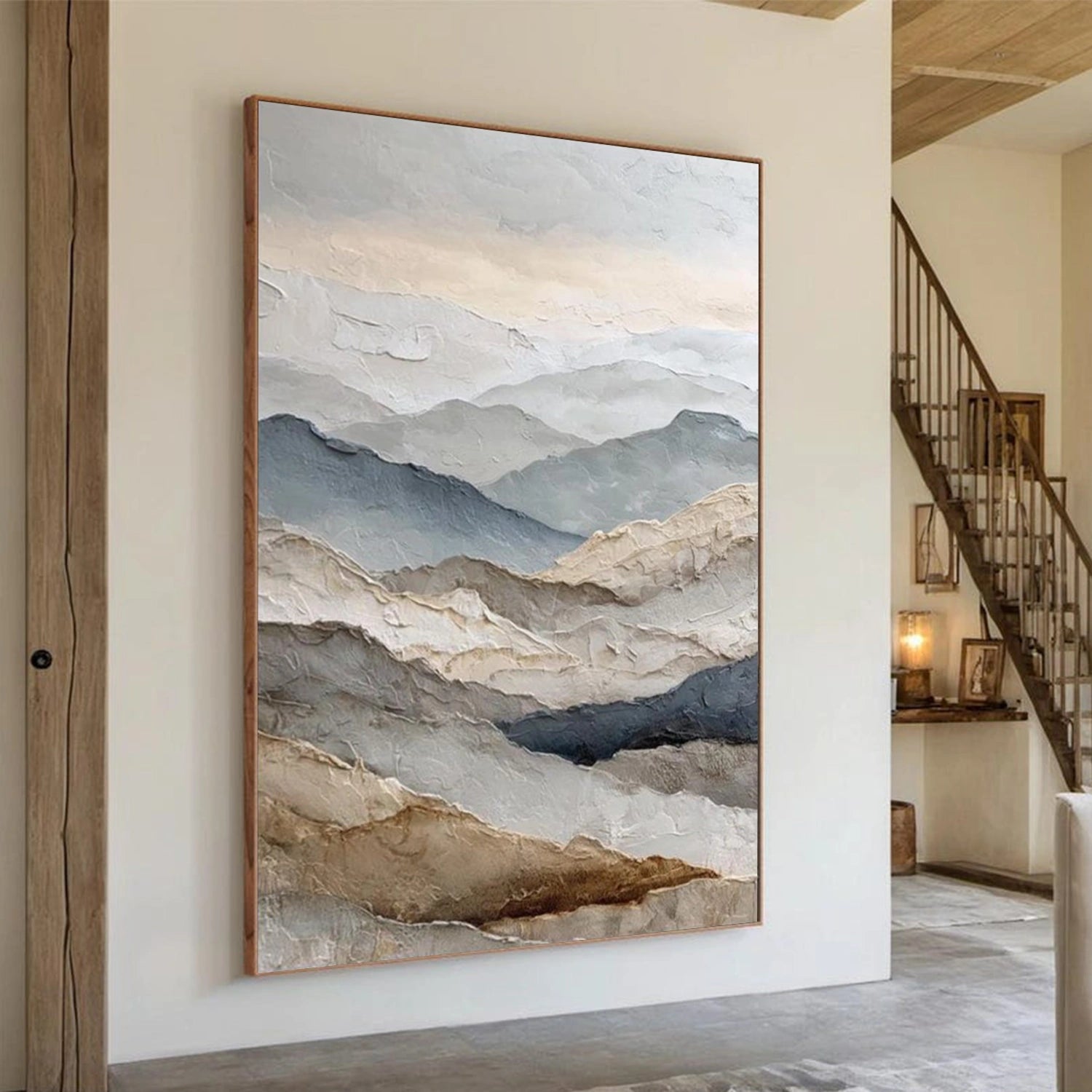
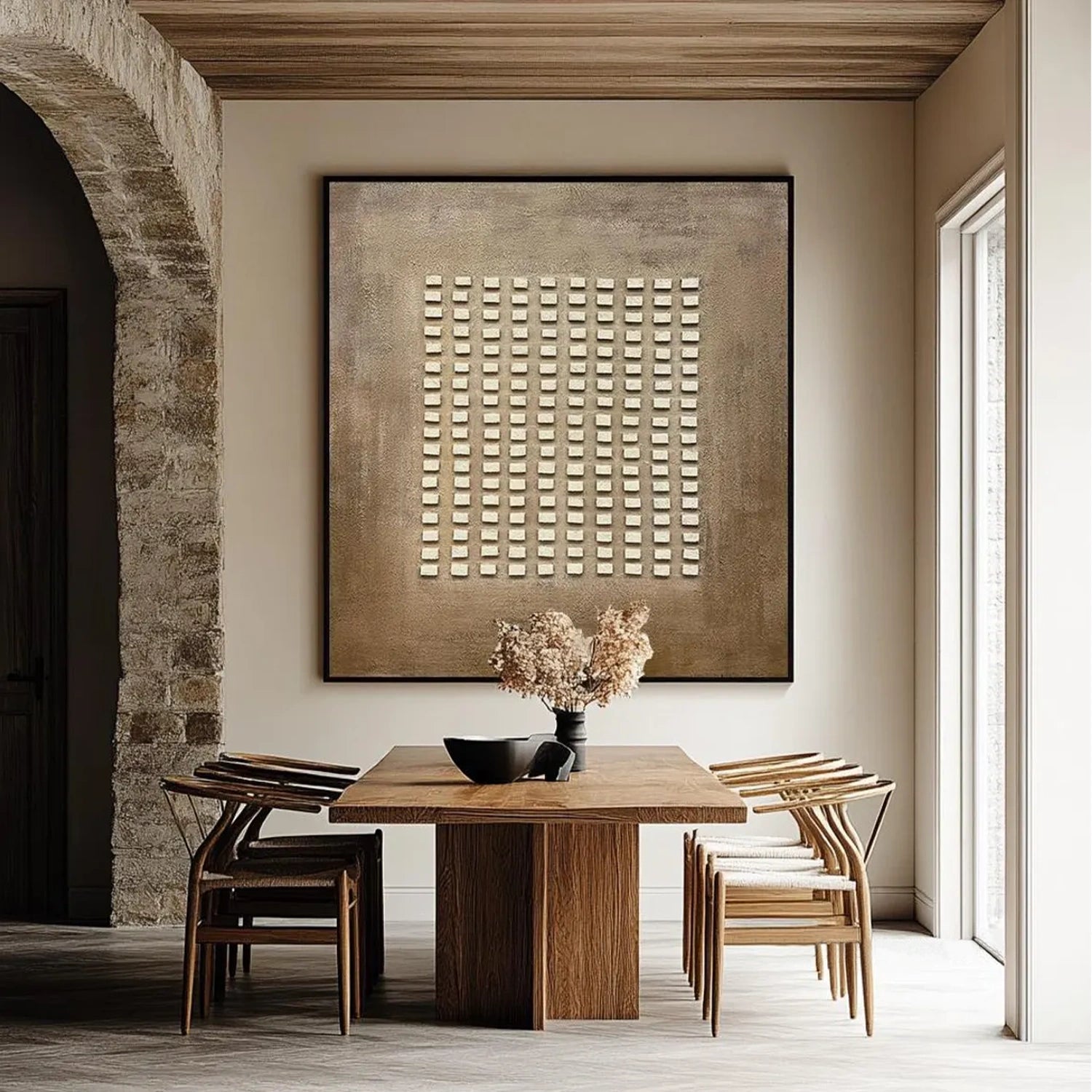
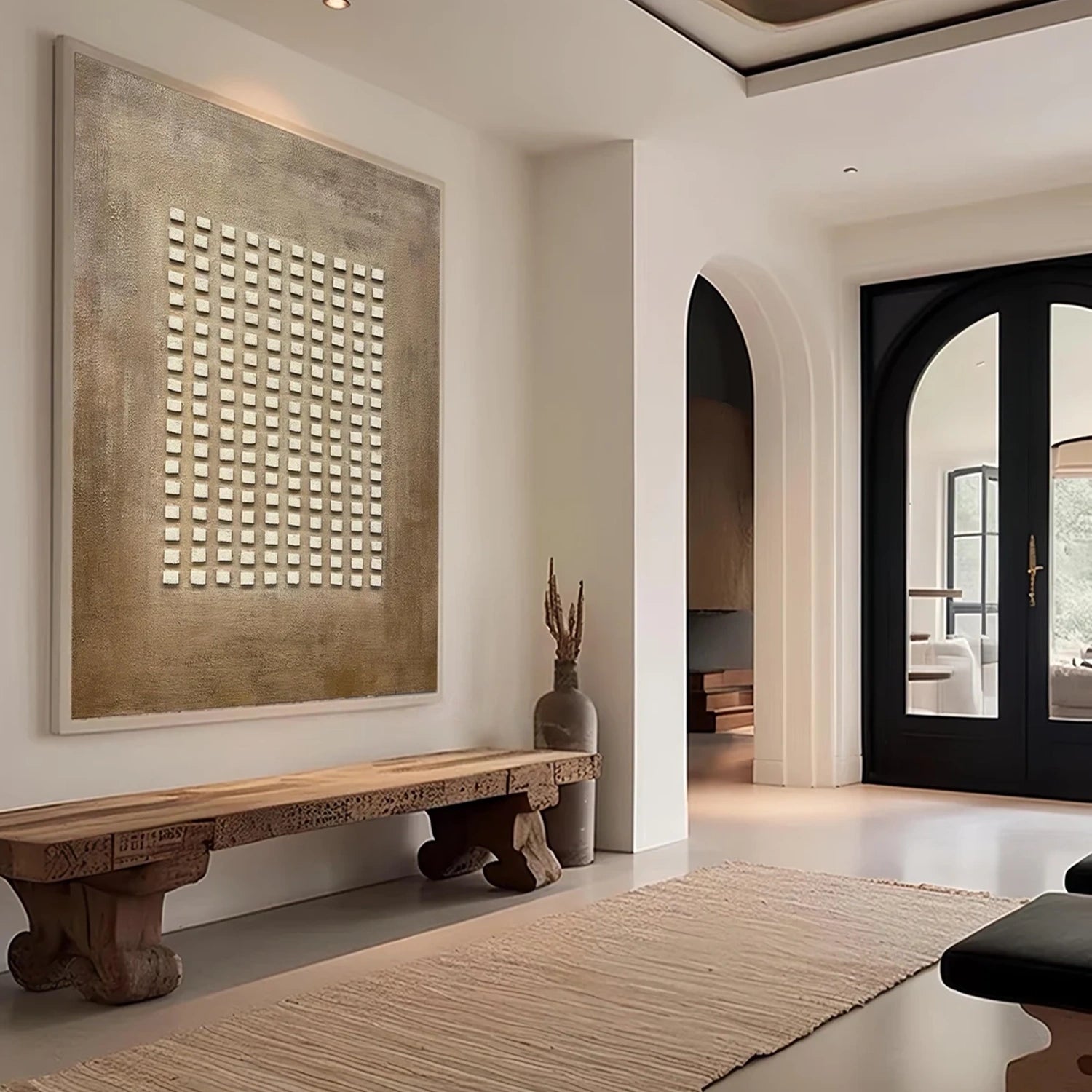
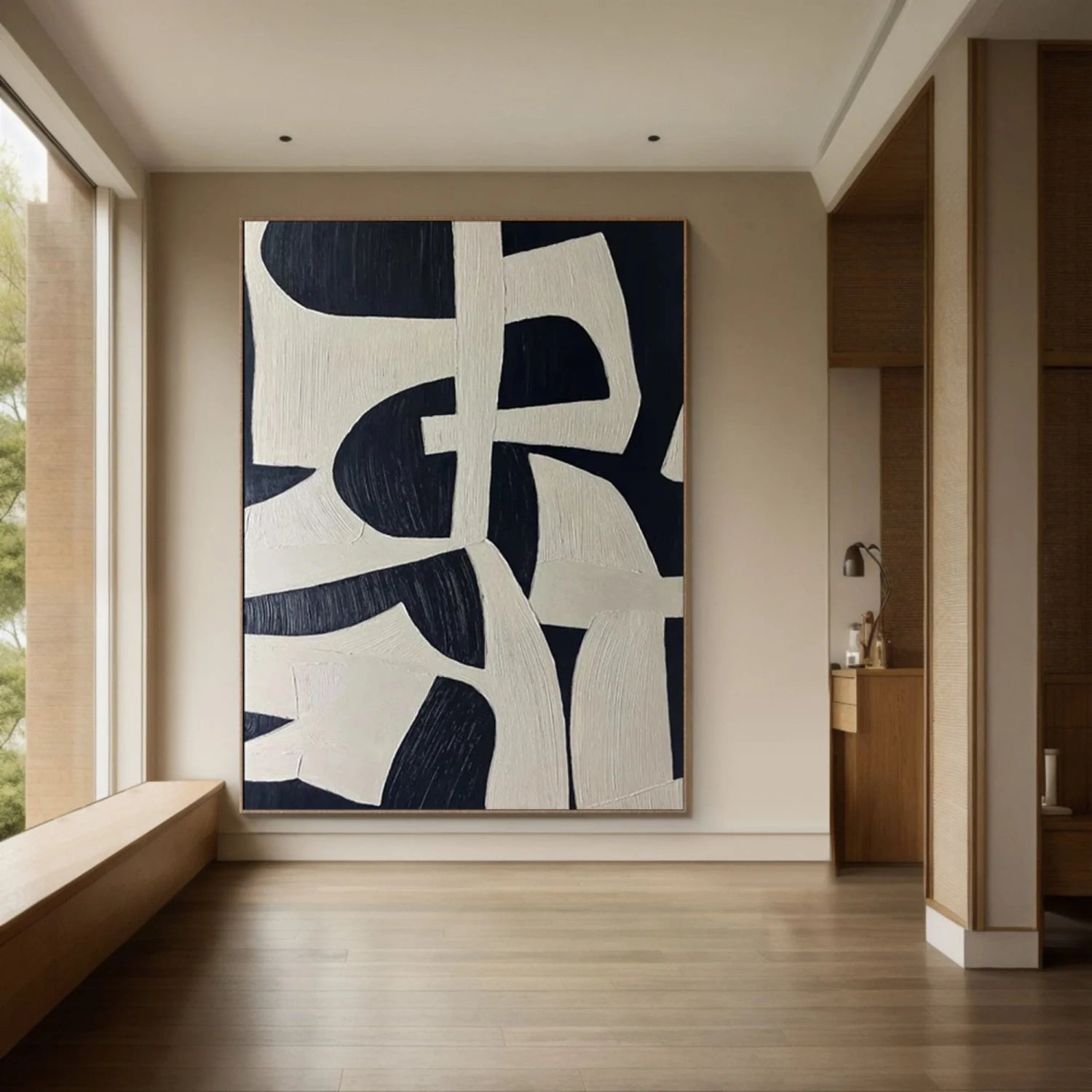
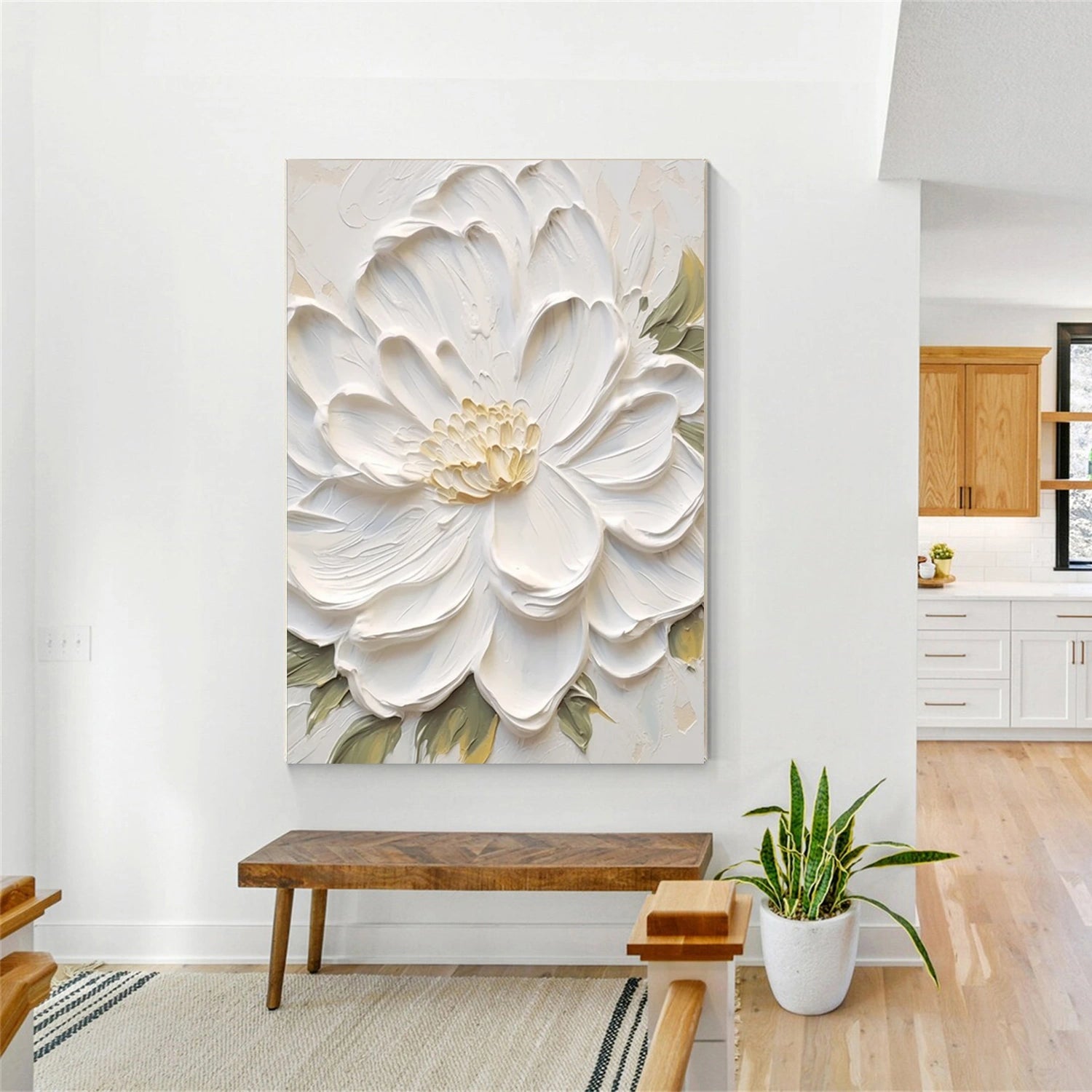
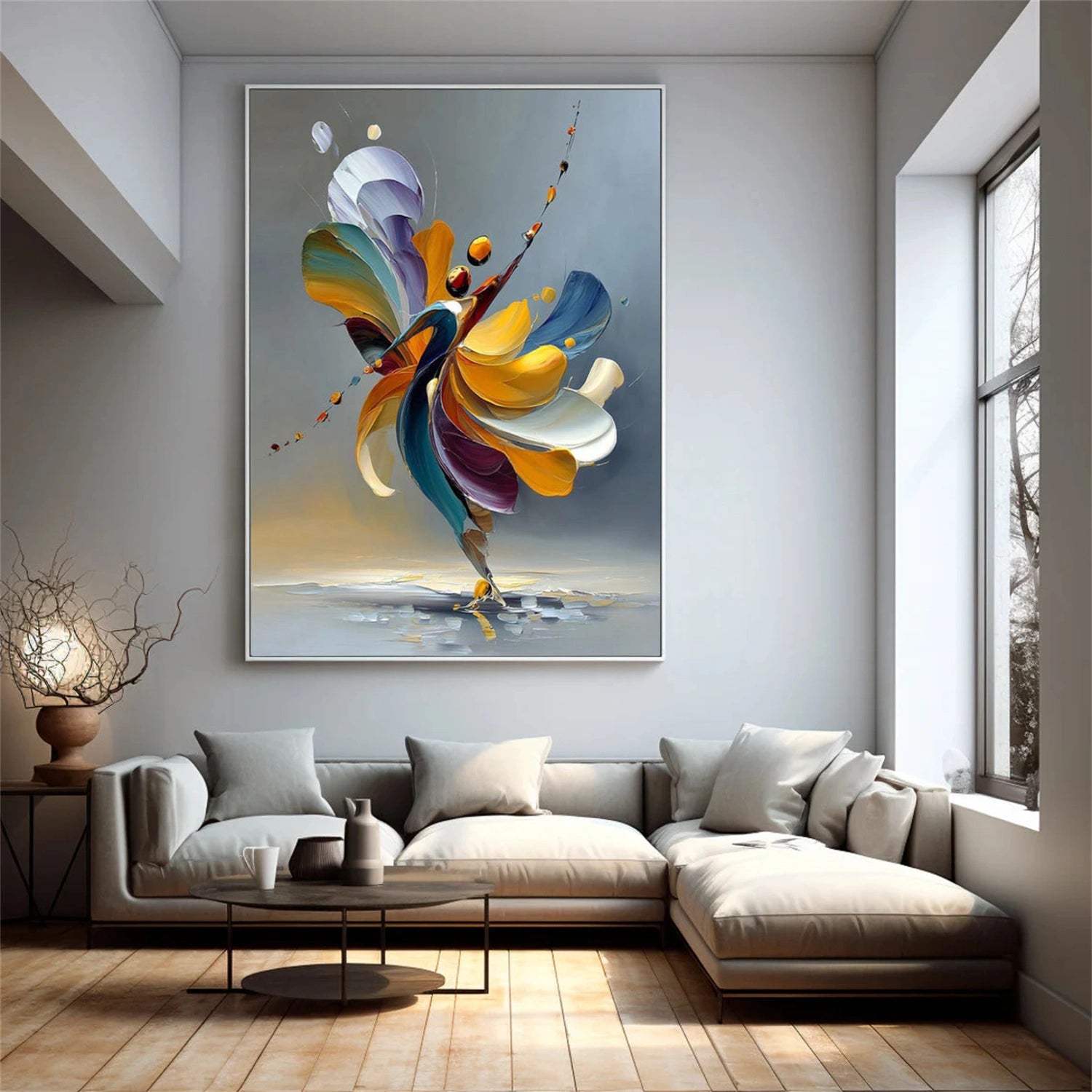
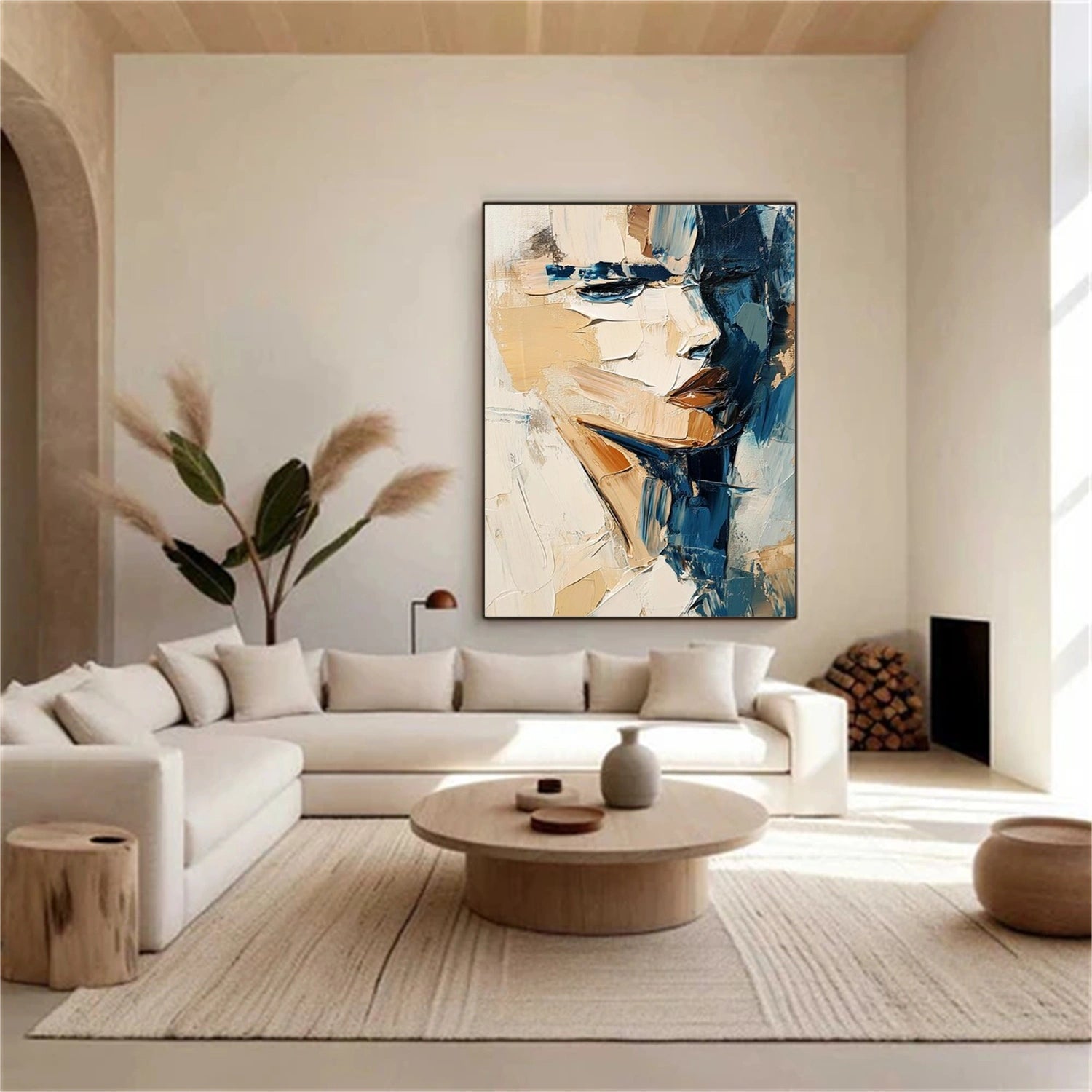
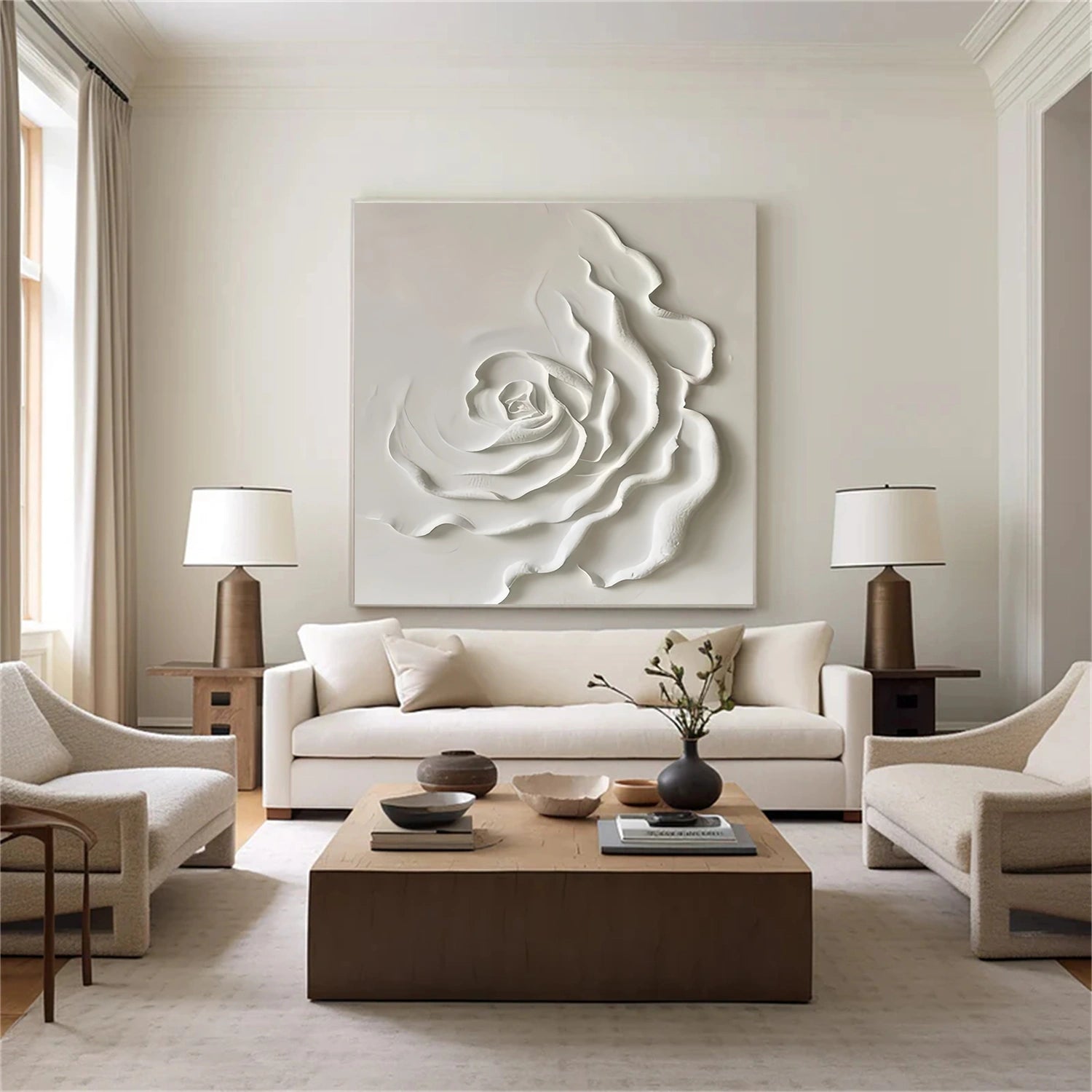
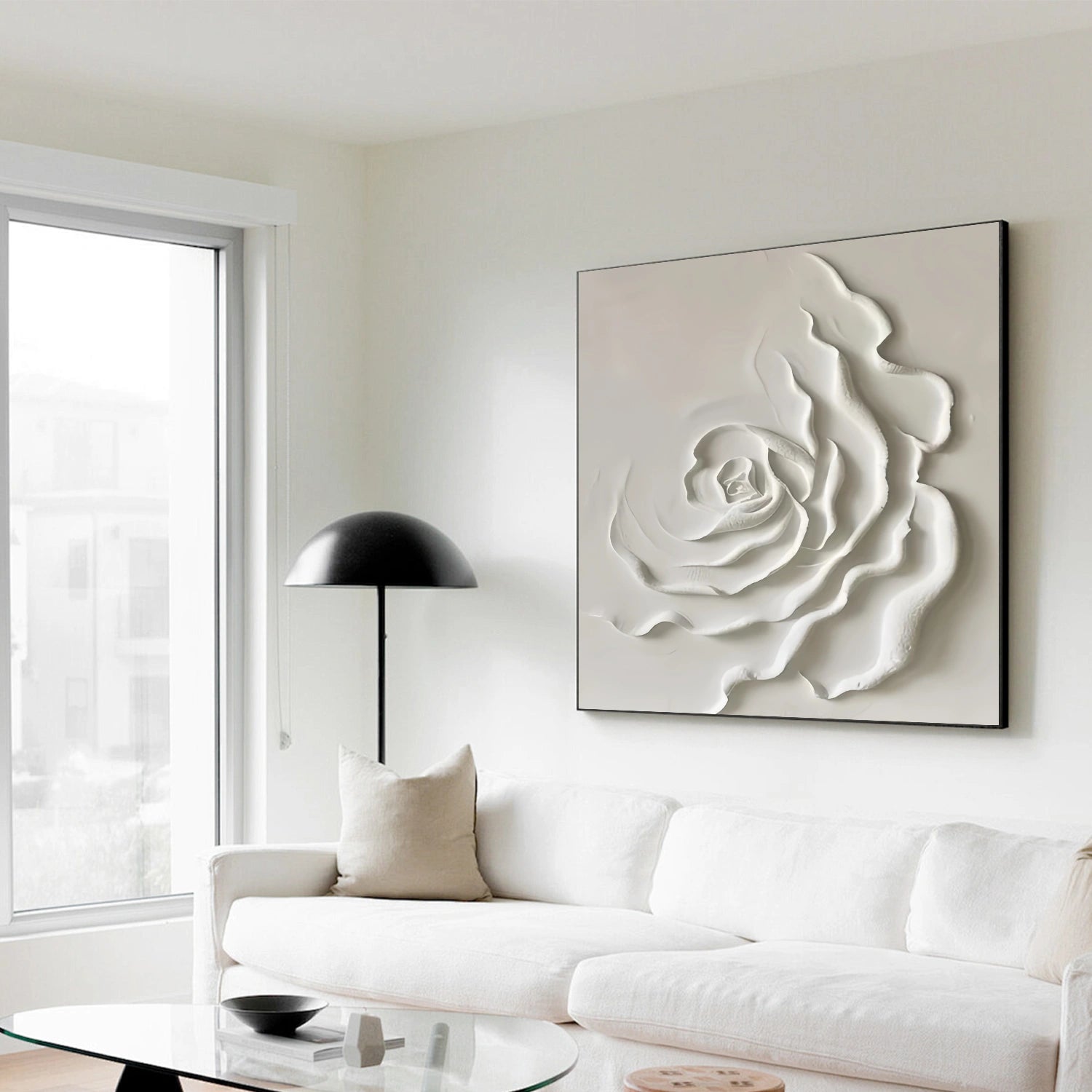
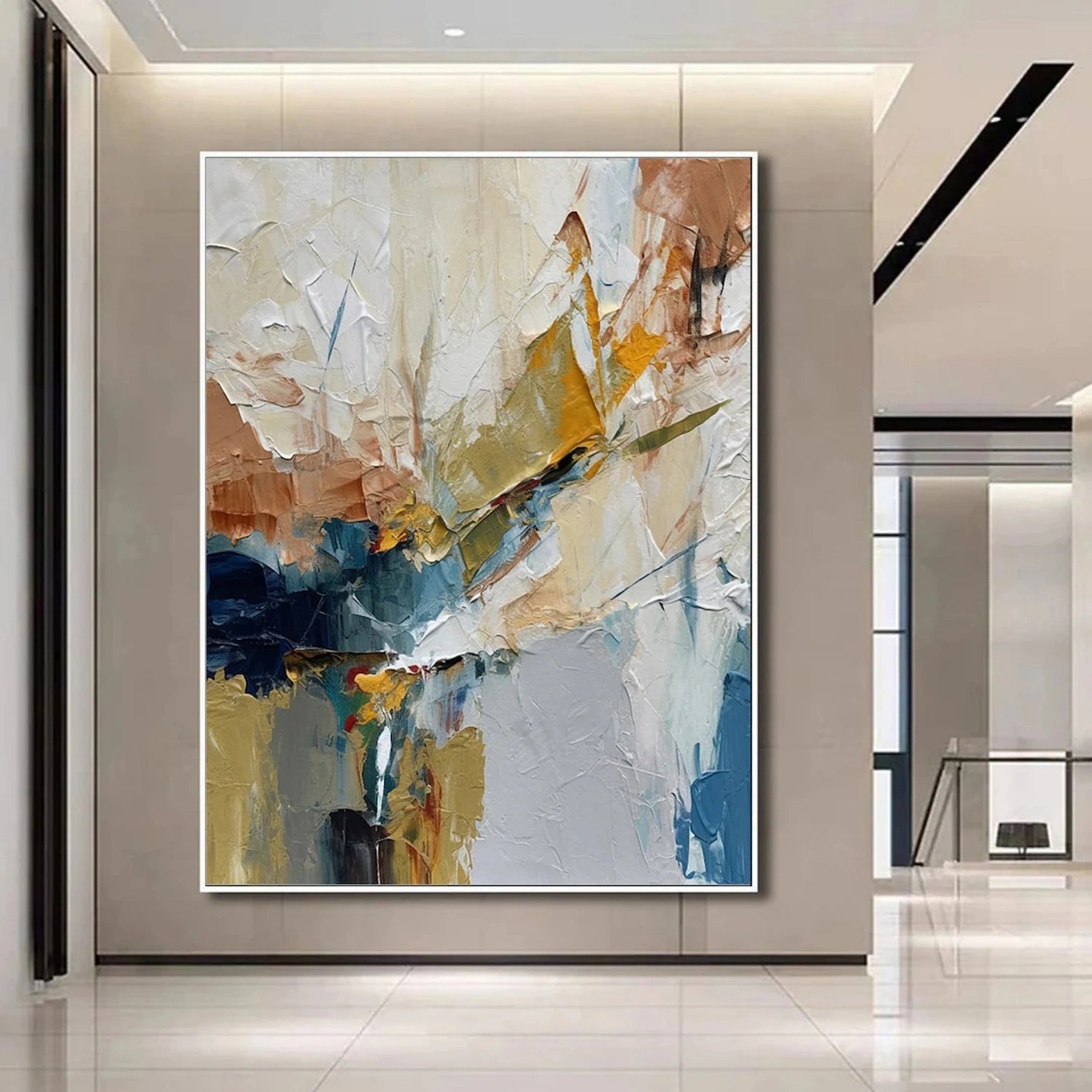
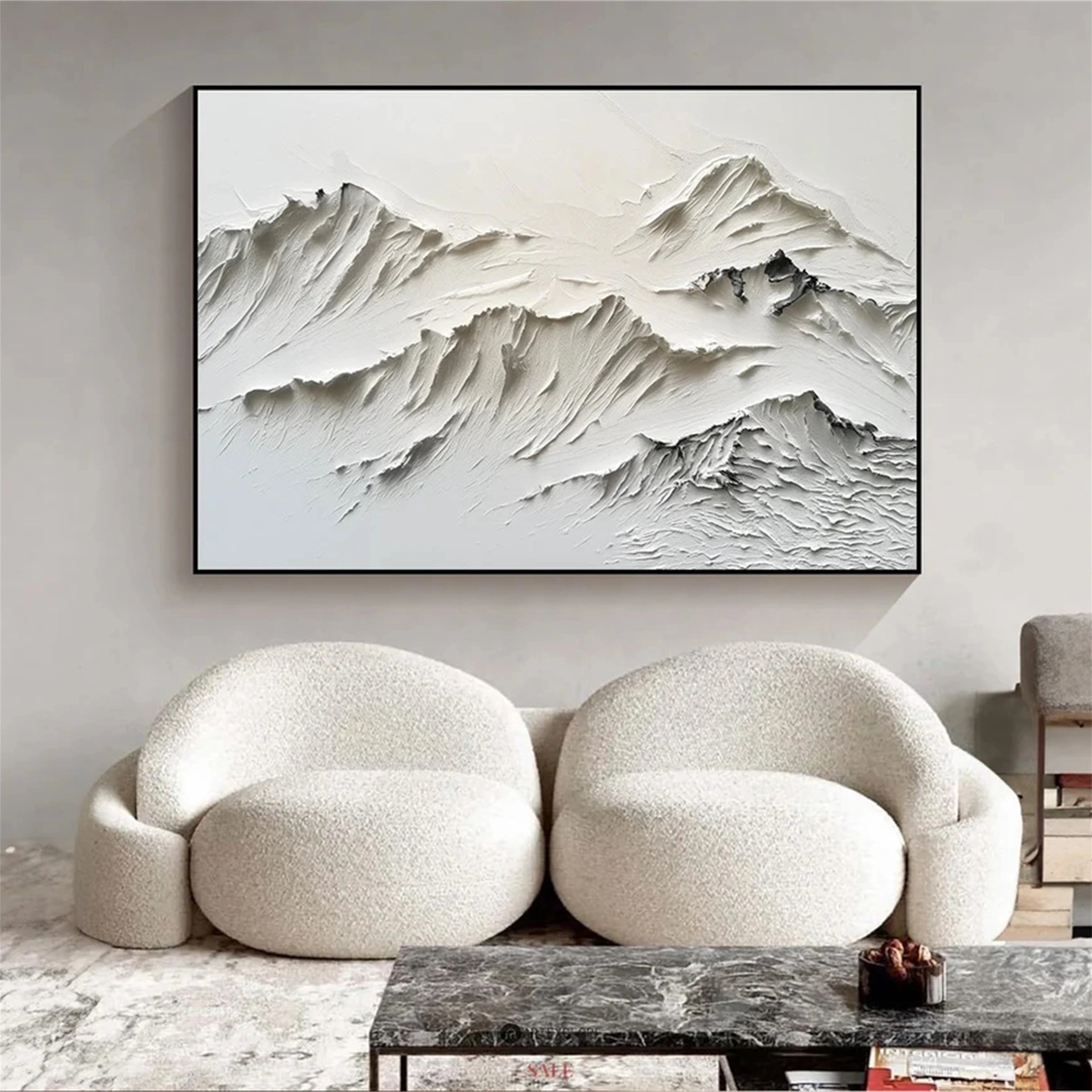
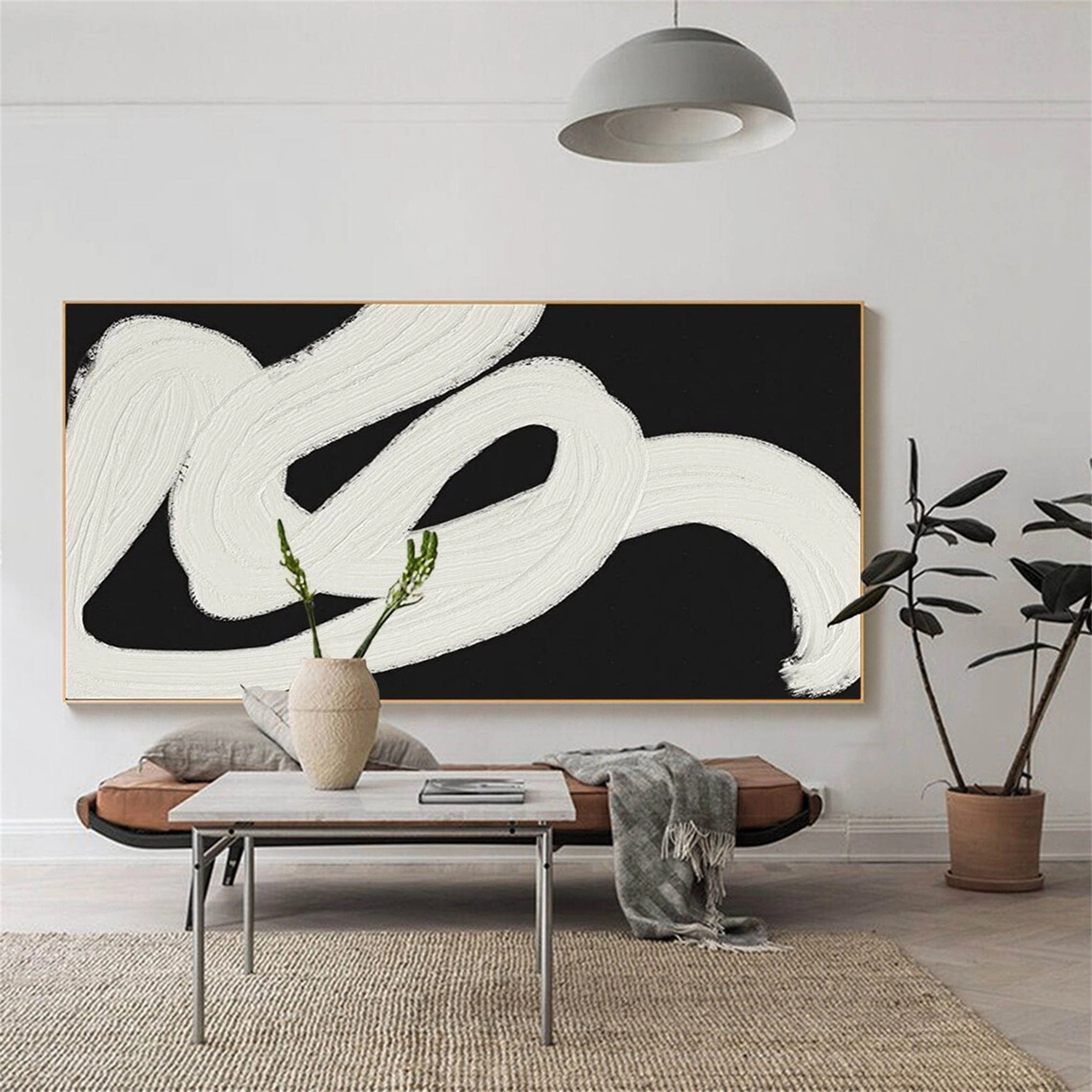
Textured wall decor introduces depth and sensory richness into a room, turning simple walls into interactive works of art. It creates a sense of dimension, evoking warmth, luxury, and emotional engagement. Whether through abstract oil paintings or 3D textures, it offers a powerful way to enhance any interior, making each space feel uniquely alive and full of character.
How Does Textured Wall Decor Enhance Interior Design?
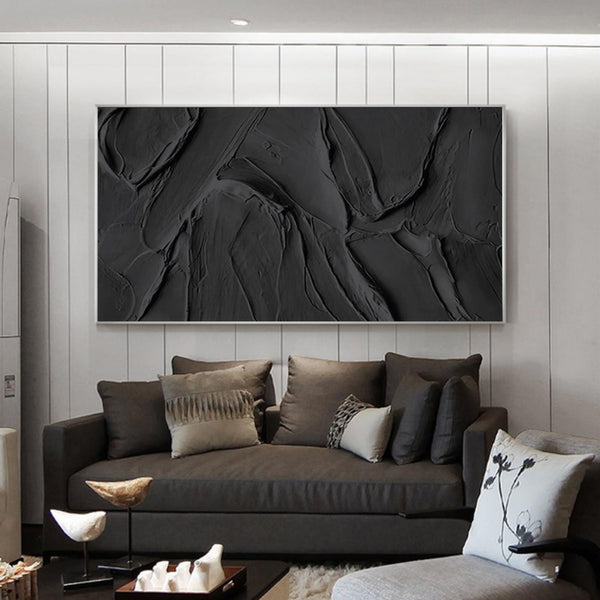
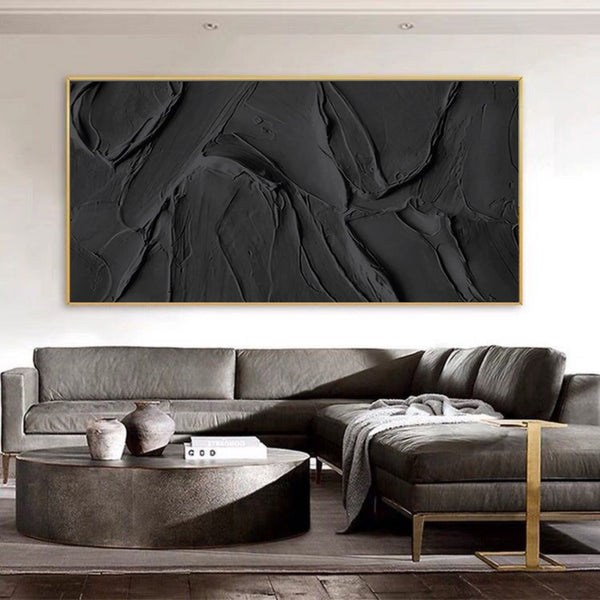
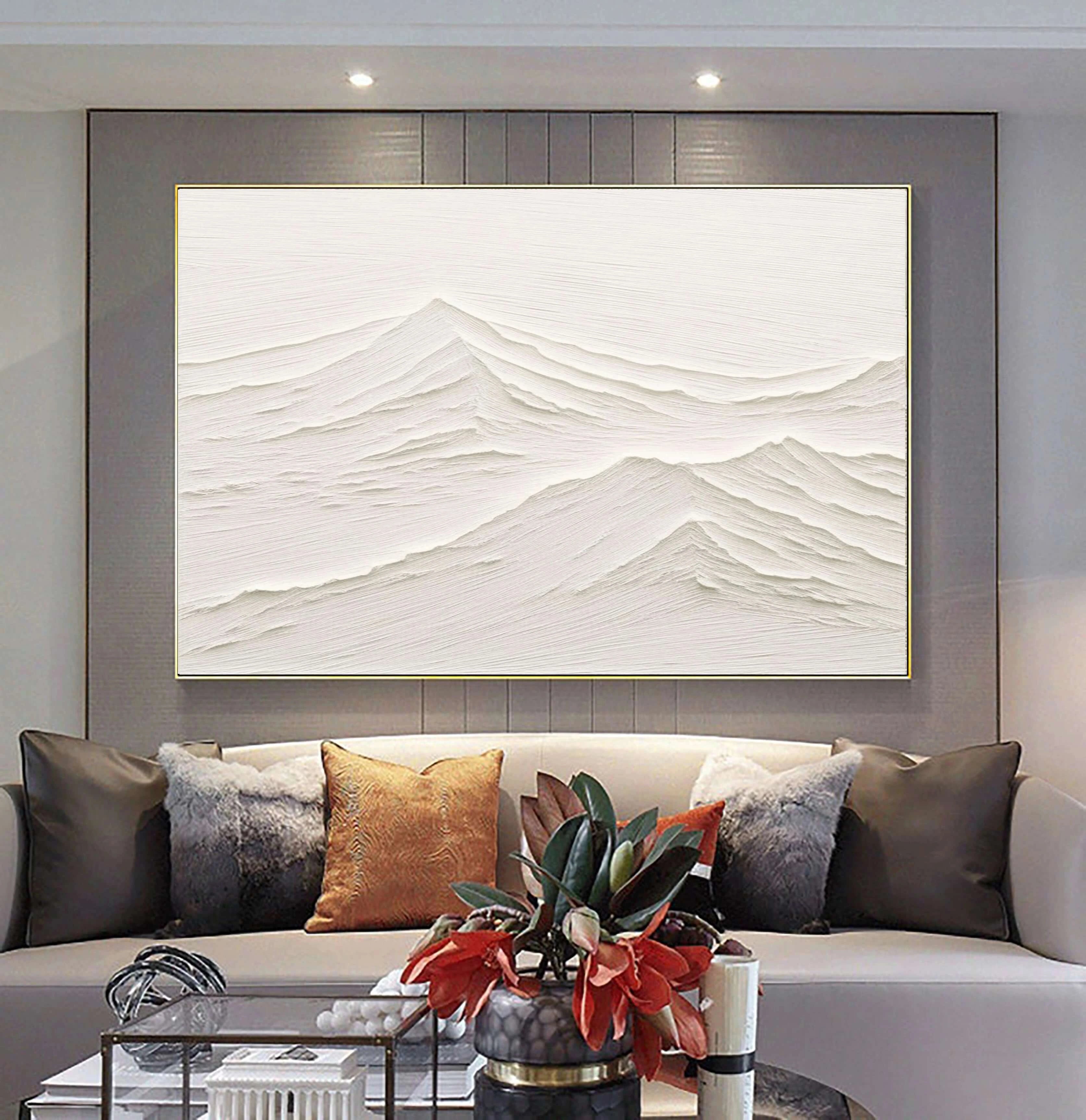
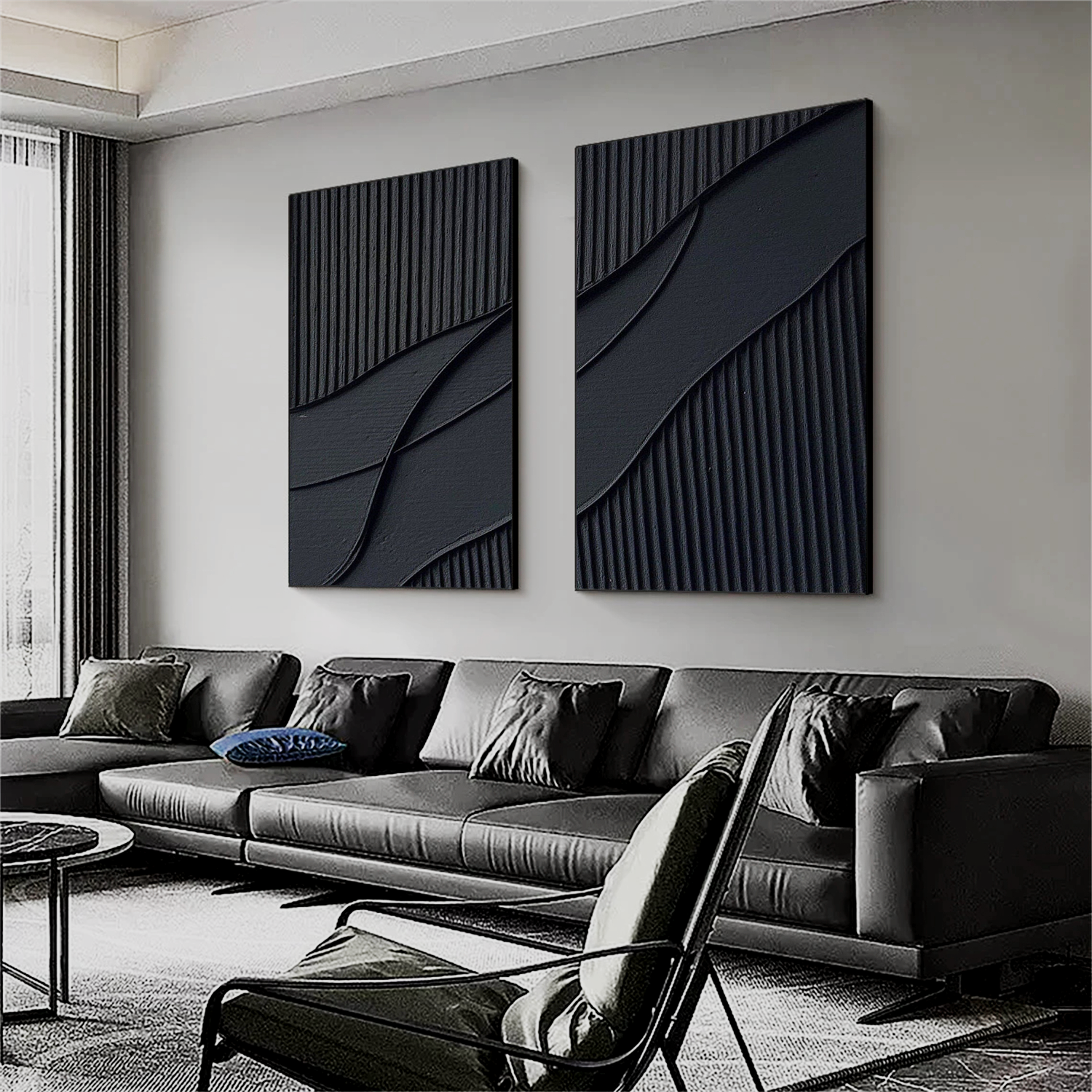
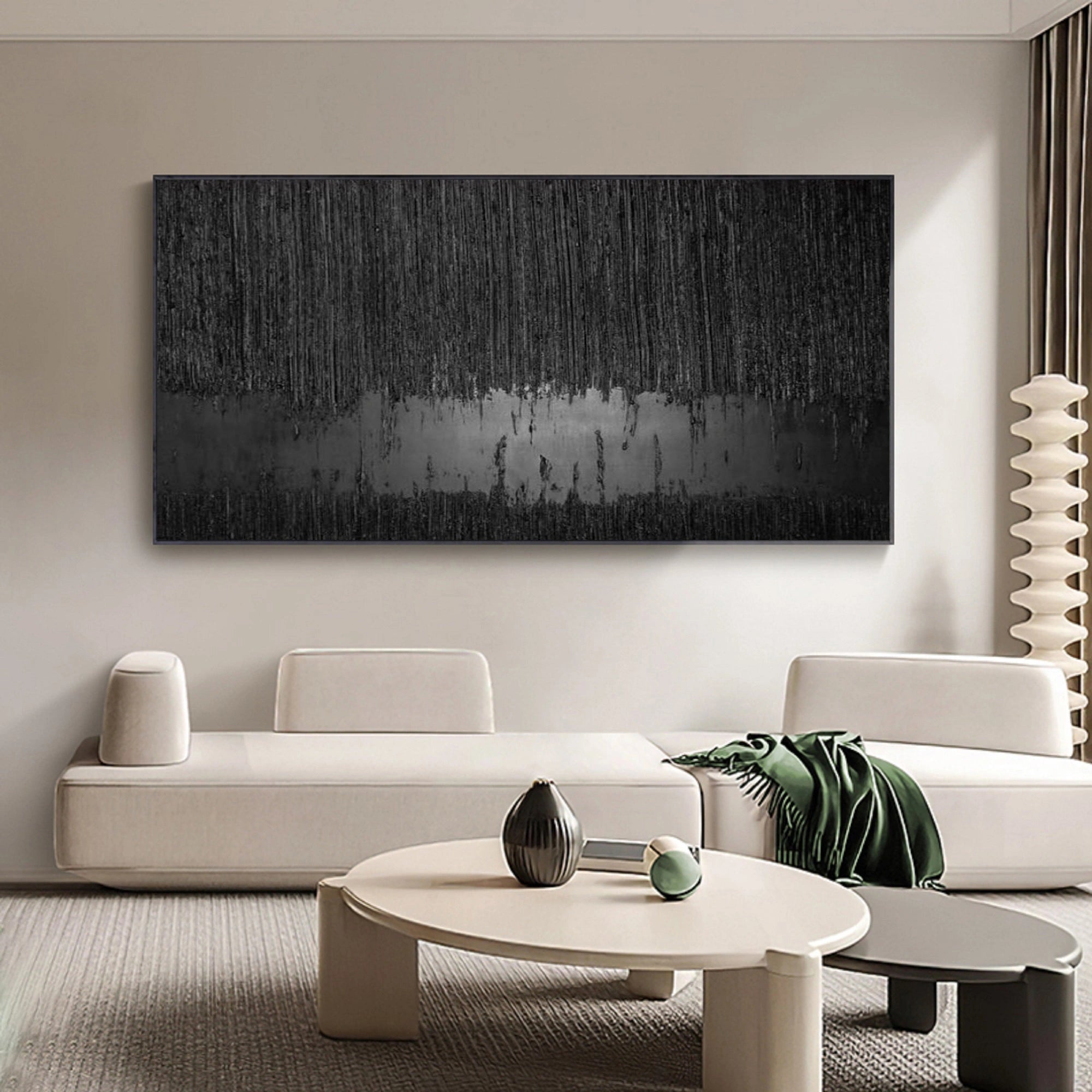
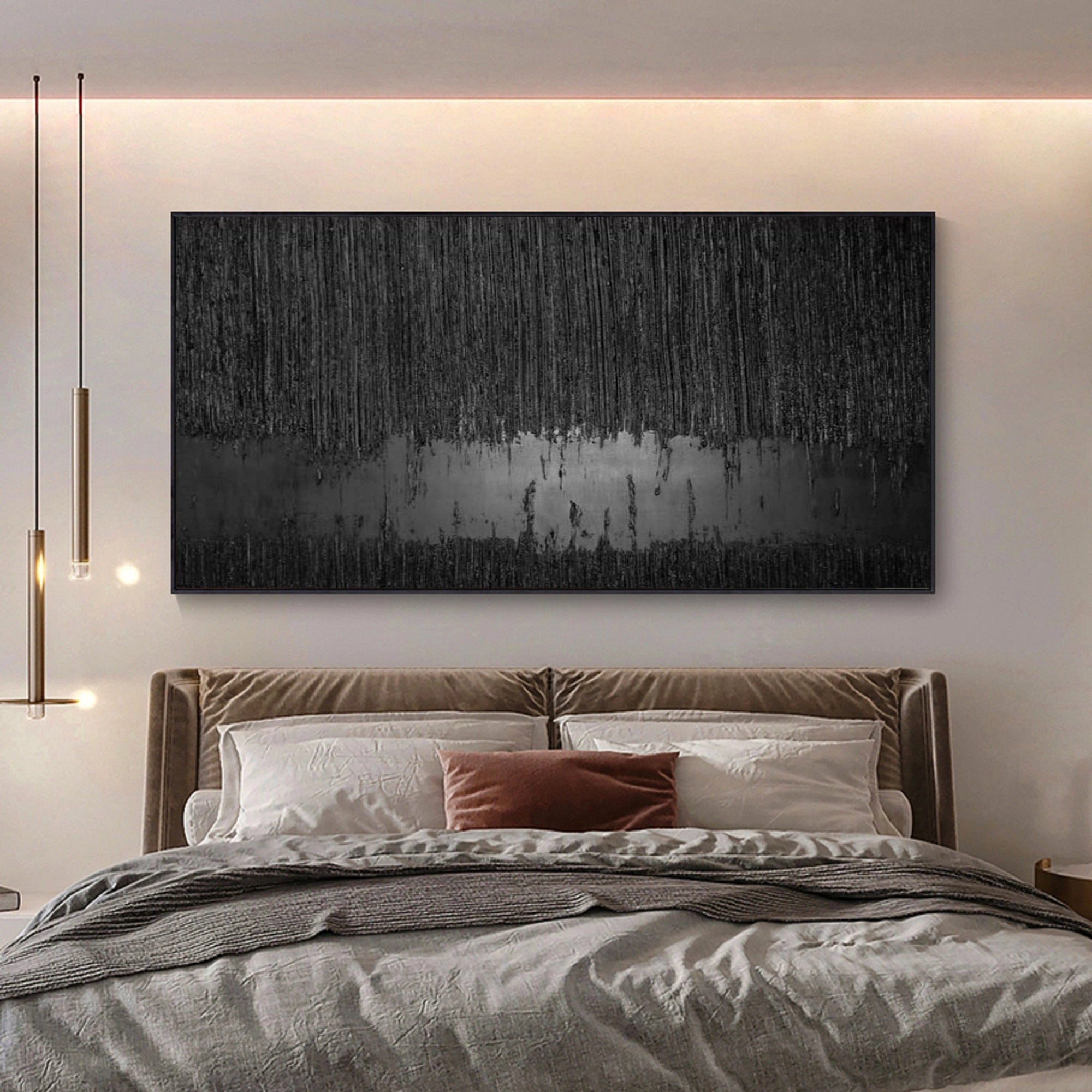
Textured wall decor enhances interior spaces by adding depth and visual interest. It transforms flat surfaces into multi-dimensional experiences, creating an inviting and immersive atmosphere. The interplay of light on textures adds visual appeal and emotional warmth. Whether it’s a rough canvas or a smooth sculptural surface, texture helps define a room’s tone, contributing to the ambiance.
For example, matte textures evoke a cozy, organic feel, while metallic or glass finishes bring a contemporary edge. Textured wall decor also serves as a focal point, making it perfect for balancing minimalist environments.
| Finish Type | Mood Created | Ideal Room Placement |
|---|---|---|
| Matte, stucco texture | Cozy, organic | Living rooms, bedrooms |
| Metallic or glass relief | Luxe, contemporary | Dining rooms, offices |
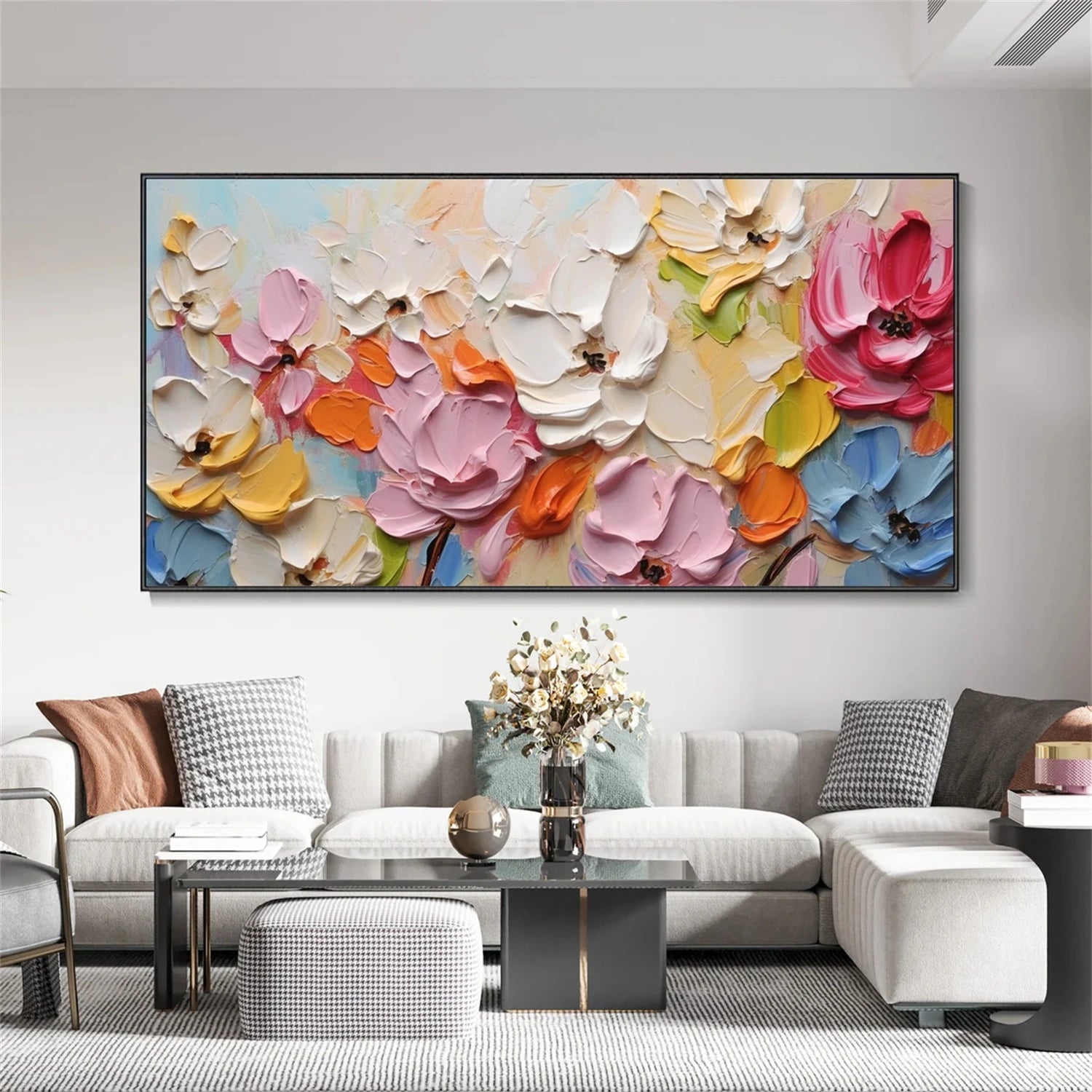
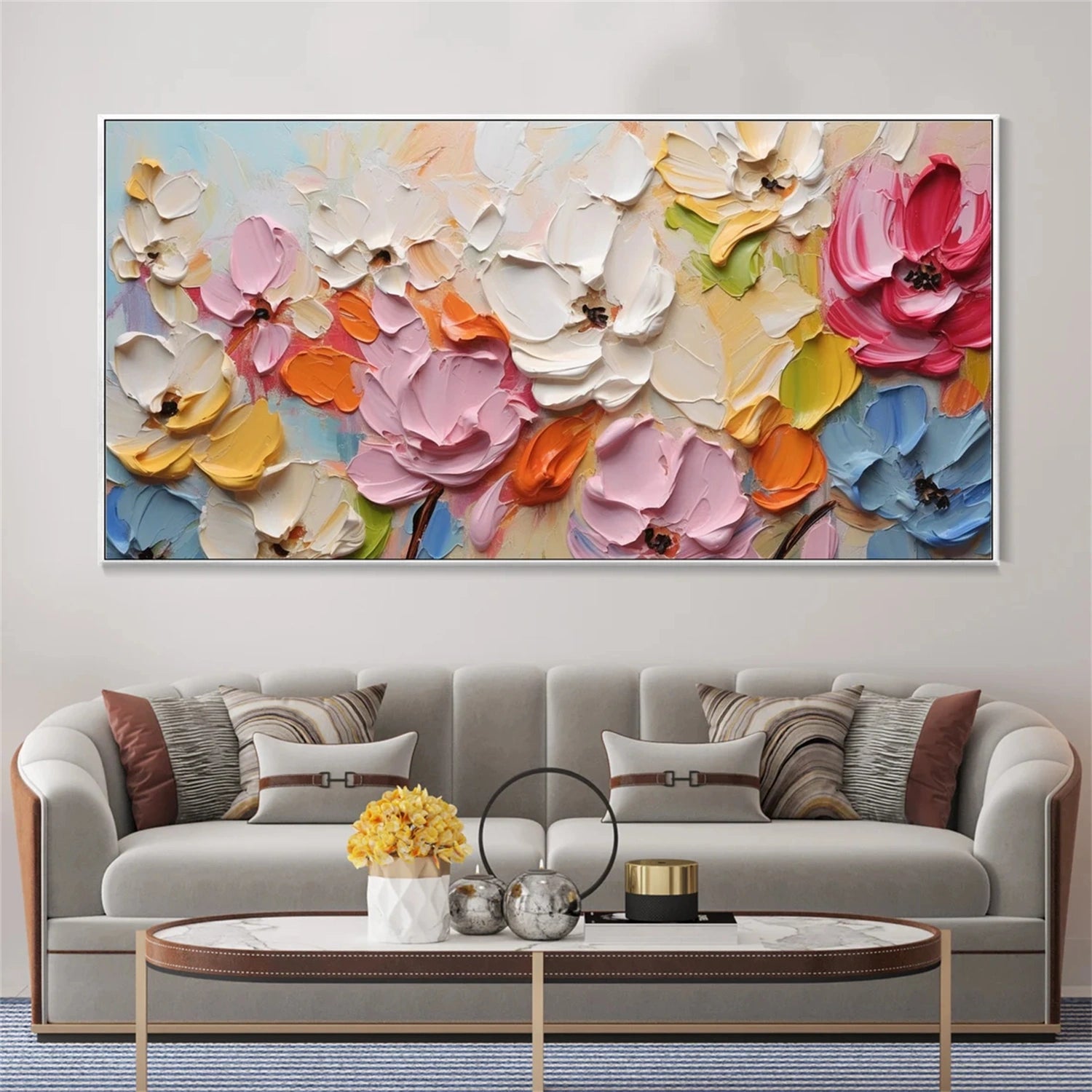
| Canvas with thick oil | Artistic, expressive | Entrances, studios |
What Materials Are Commonly Used in Textured Wall Decor?
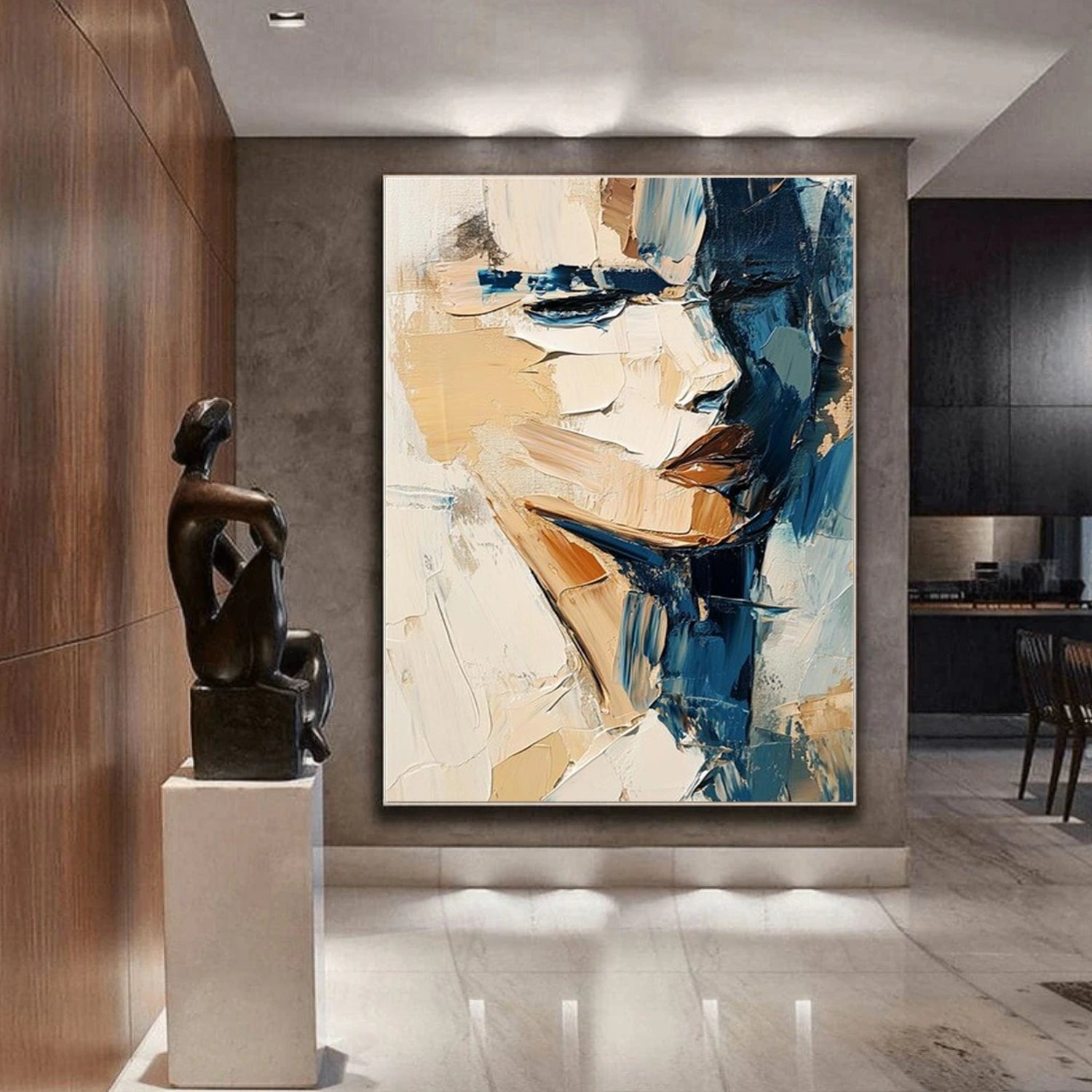
Popular materials for textured wall decor include plaster, natural stone, wood, and embossed wallpaper. Textured oil paintings, particularly those created with impasto techniques, are known for their expressive surface and ability to convey mood through texture.
Eco-friendly materials like reclaimed wood and eco-renders are becoming increasingly popular. At Vinchy Art, artists use premium oil pigments layered on linen canvases to create textured surfaces that combine emotion with visual appeal.
Why Is Texture Important in Home Aesthetics?
Texture plays a significant role in home aesthetics because it stimulates multiple senses, especially touch, and sight. It creates an emotional connection, helping to make a space feel comfortable and grounded. Textured walls absorb light, reduce acoustic echoes, and interact dynamically with other materials like glass, wood, and textiles.
Psychologically, texture fosters feelings of comfort and authenticity. At Vinchy Art, our textured paintings are designed to promote calmness and clarity, turning your walls into soothing backdrops for mental relaxation.
How Can You Choose the Right Textured Wall Decor?
Choosing the right textured wall decor involves considering your room’s size, lighting, and color palette. Large spaces benefit from bold textures and large canvases, while smaller rooms work better with minimal layering. Additionally, the art should align with your emotional preferences and complement the room's overall vibe.
For instance, abstract oil paintings with thick brushwork can create a serene atmosphere, while geometric patterns can energize modern spaces. Seeking guidance from experts, like those at Vinchy Art, can help you select the perfect textured piece for your space and wellness goals.
Which Styles of Textured Wall Decor Are Trending?
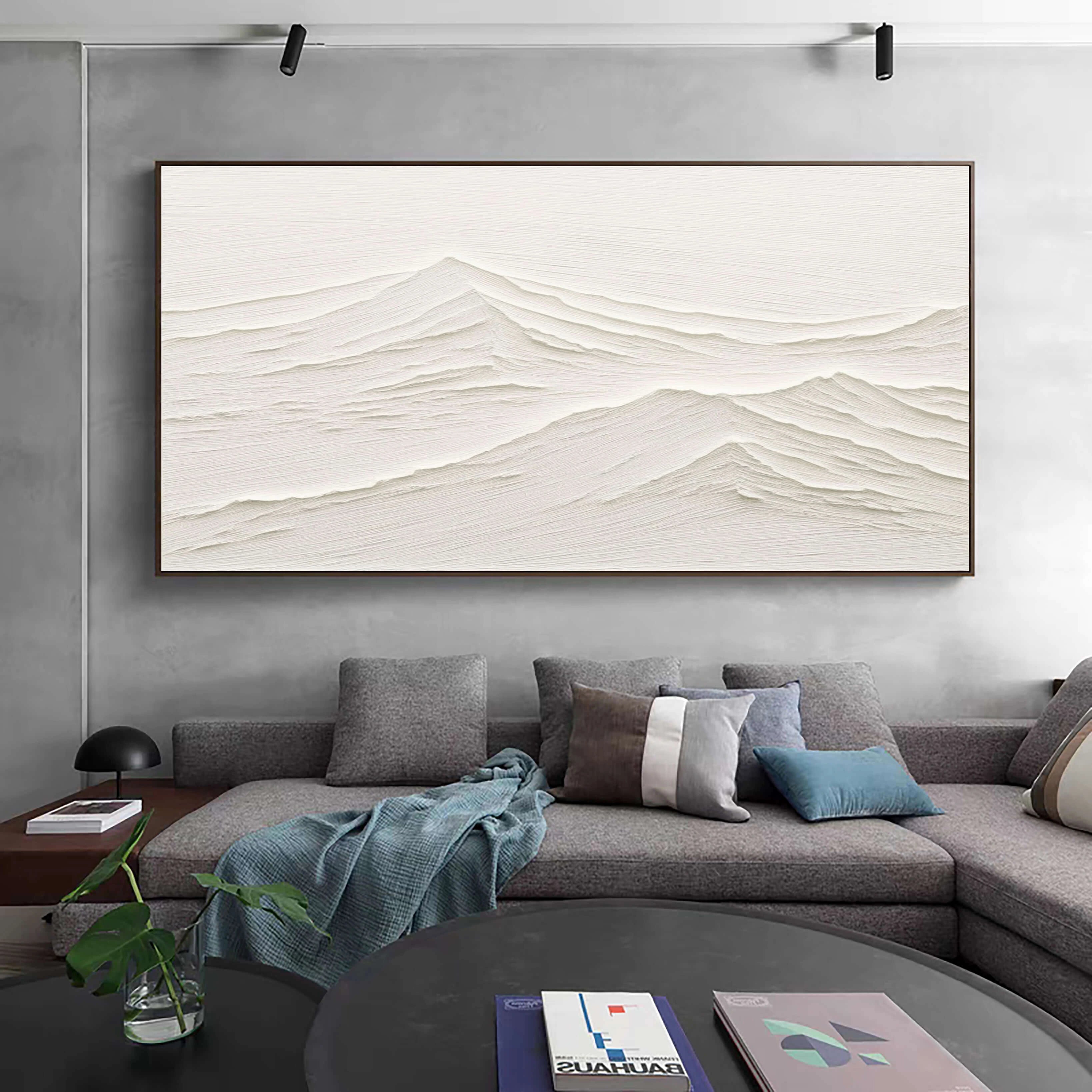
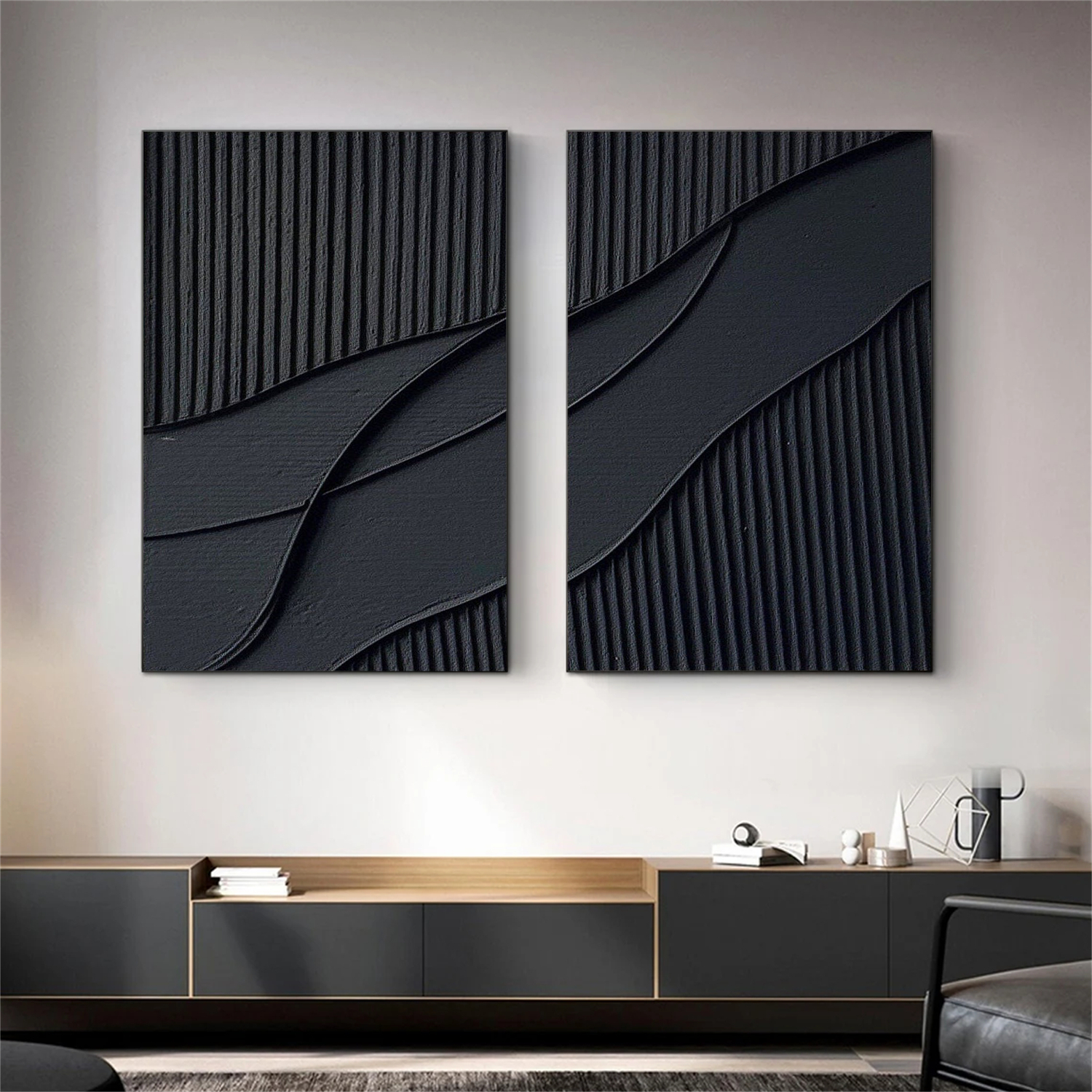
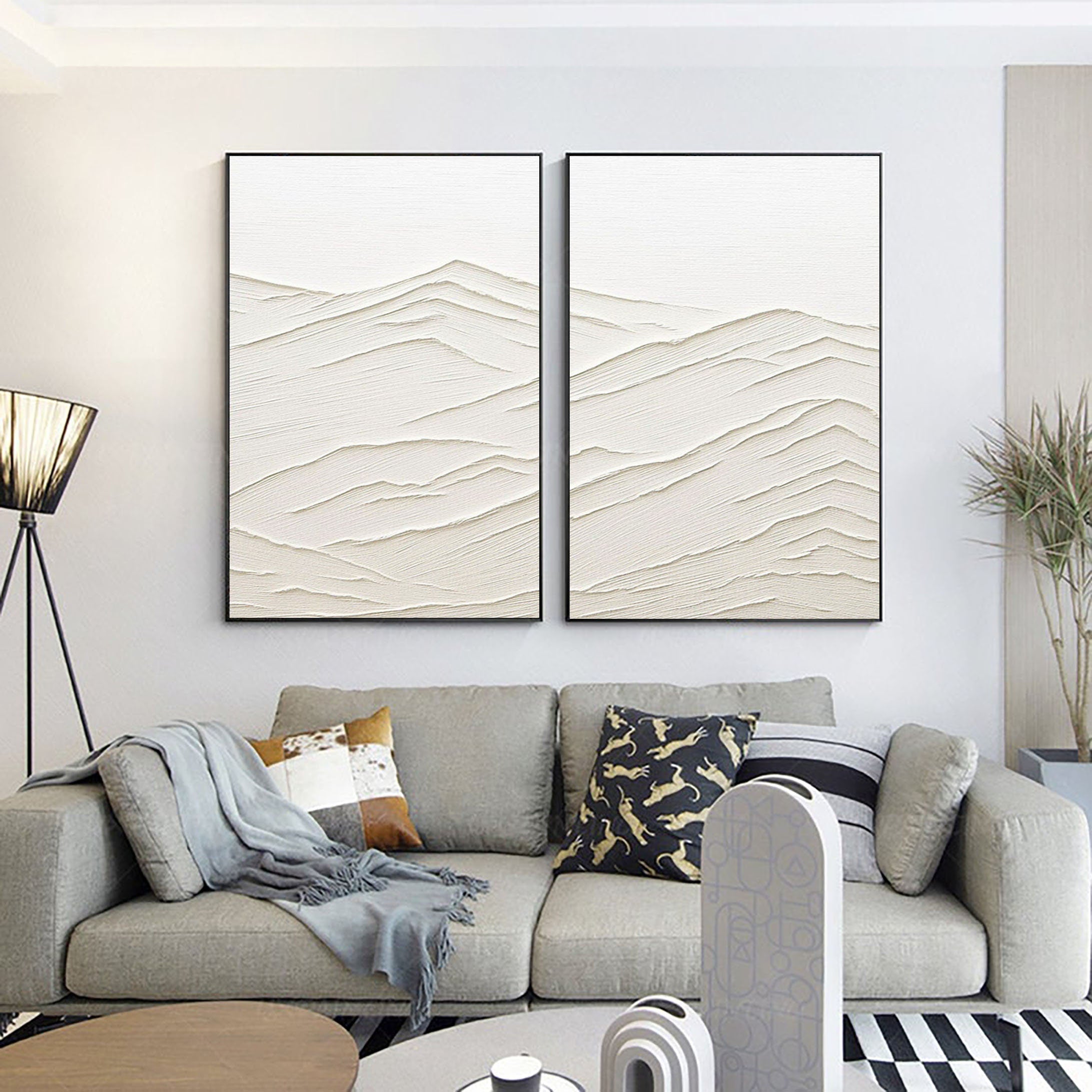
Currently, the trend in textured wall decor leans toward minimalism, biophilic design, and wabi-sabi aesthetics. Earth tones combined with rough plaster or linen create an organic yet sophisticated feel, while sculptural relief panels are popular for their interplay with light and shadows.
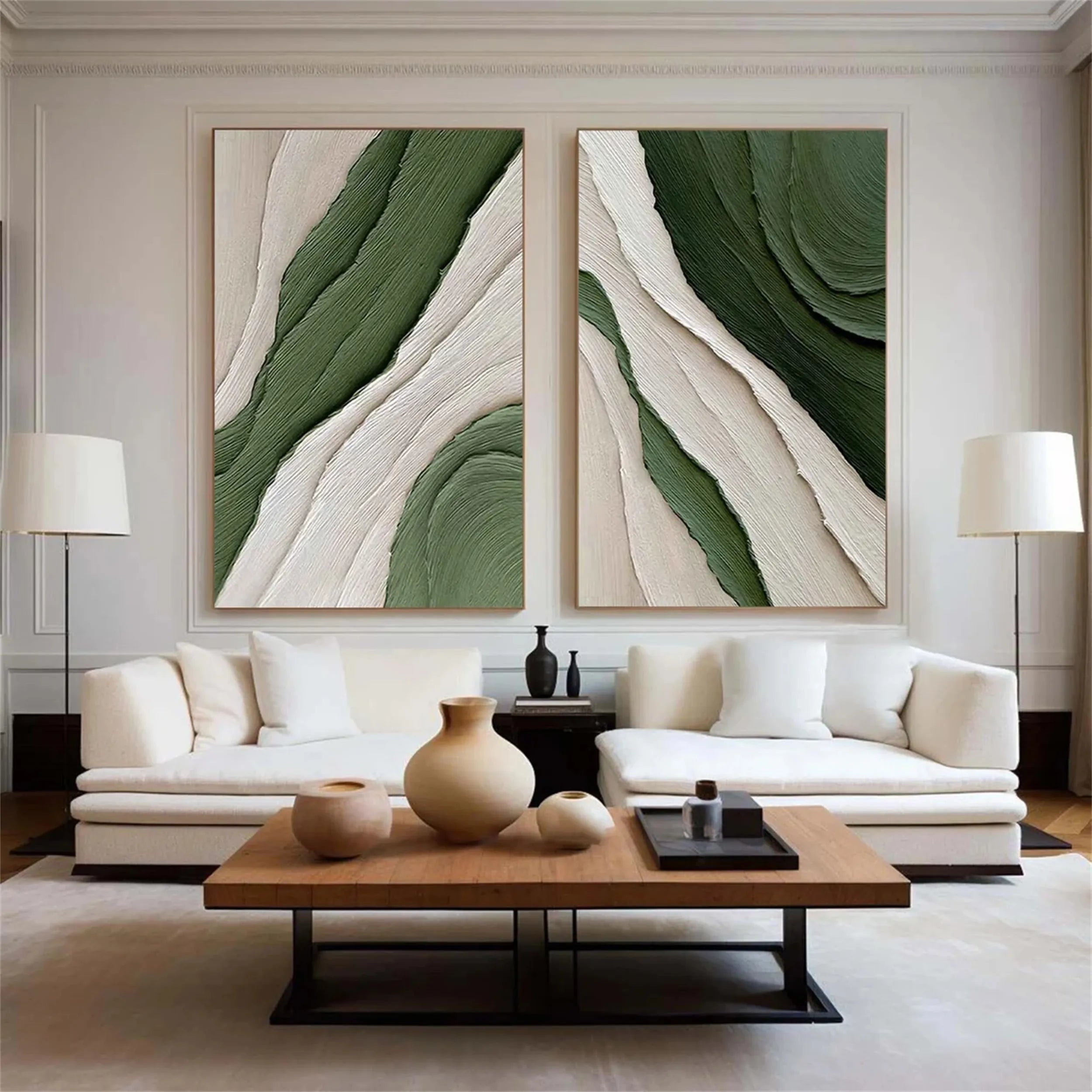
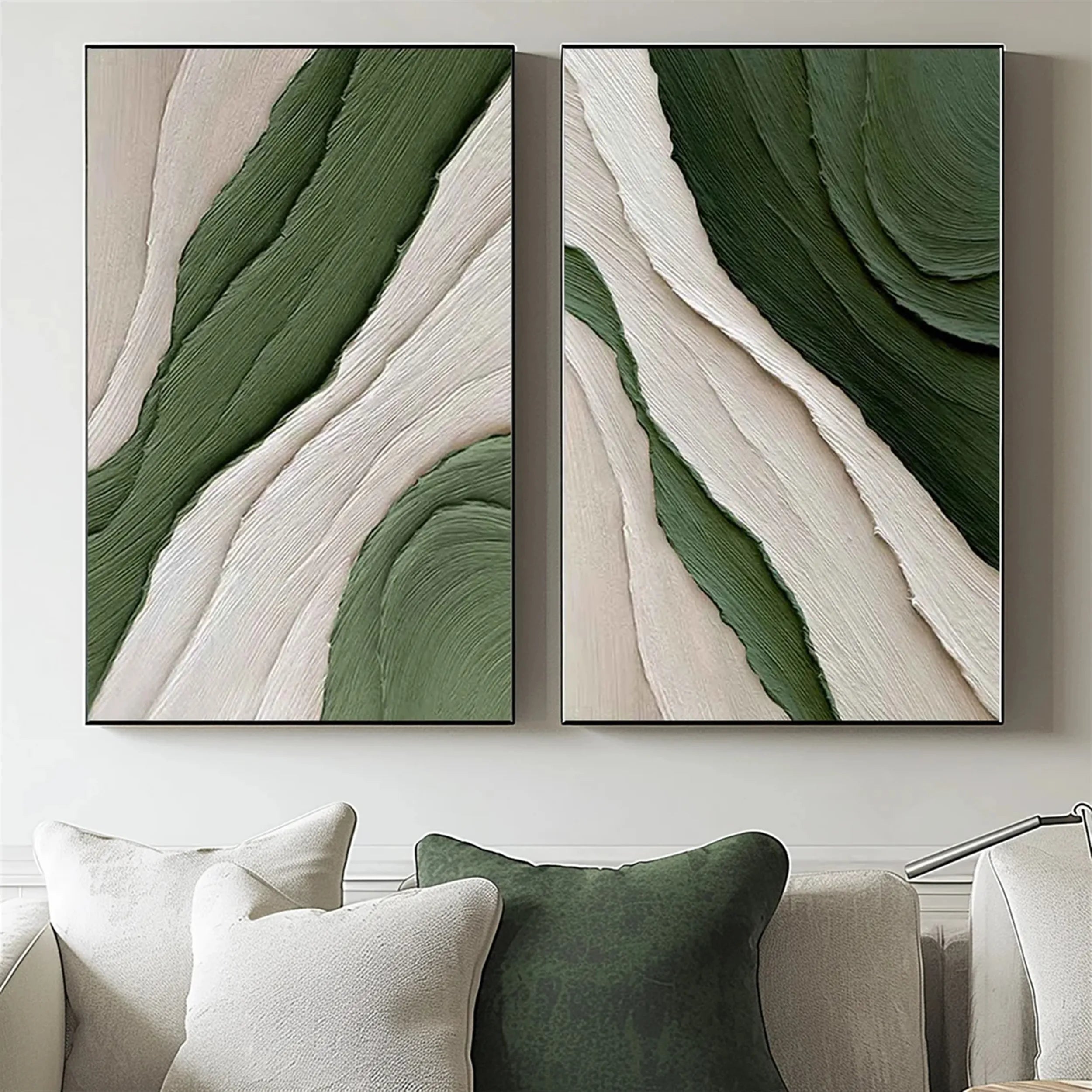
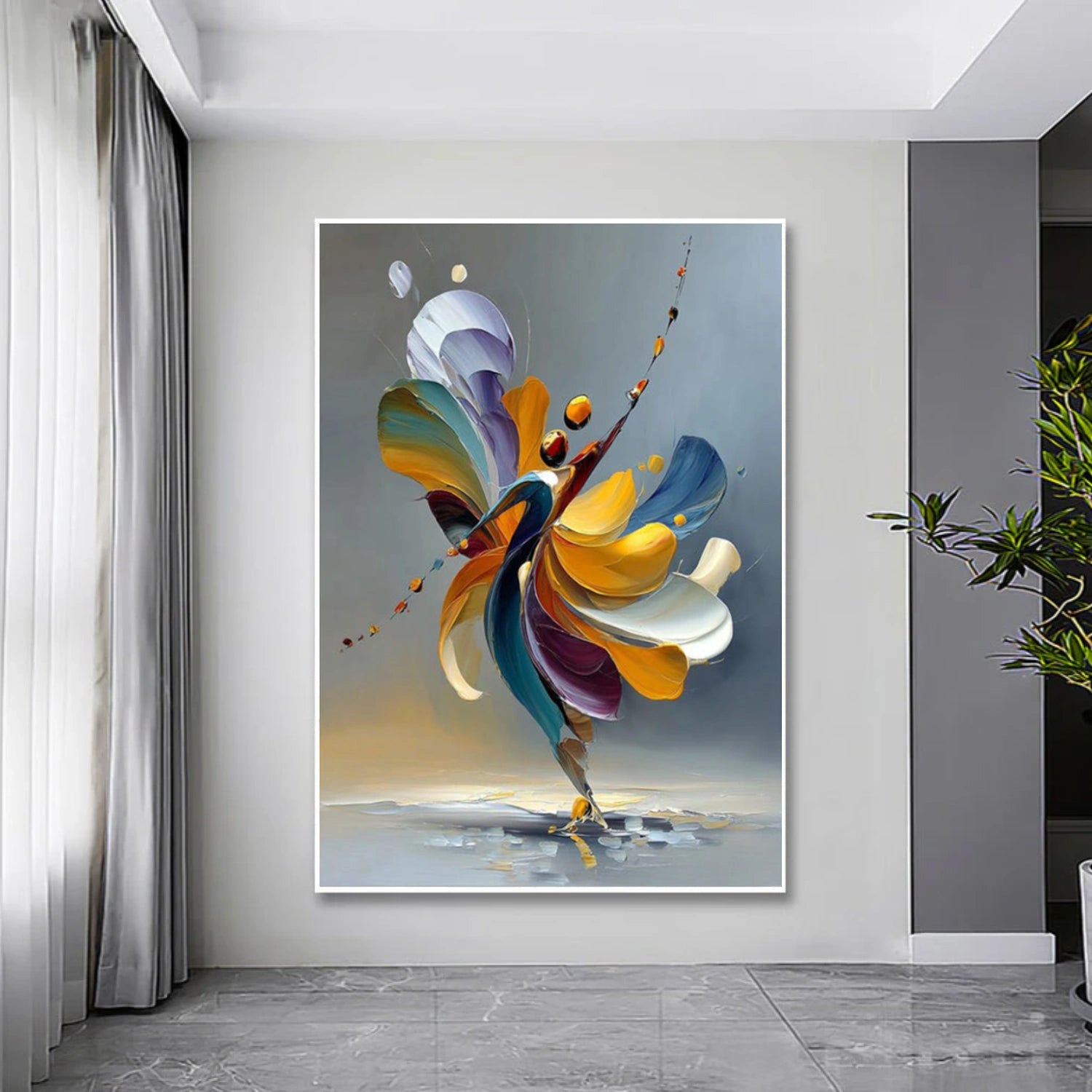
Abstract textured art is at the forefront, with artists like those at Vinchy Art exploring how tactile textures can evoke serenity and emotion. These pieces use textured oil layers to create a sense of rhythm and depth, adding both aesthetic value and mindfulness to any space.
What Techniques Create Striking Textured Wall Finishes?
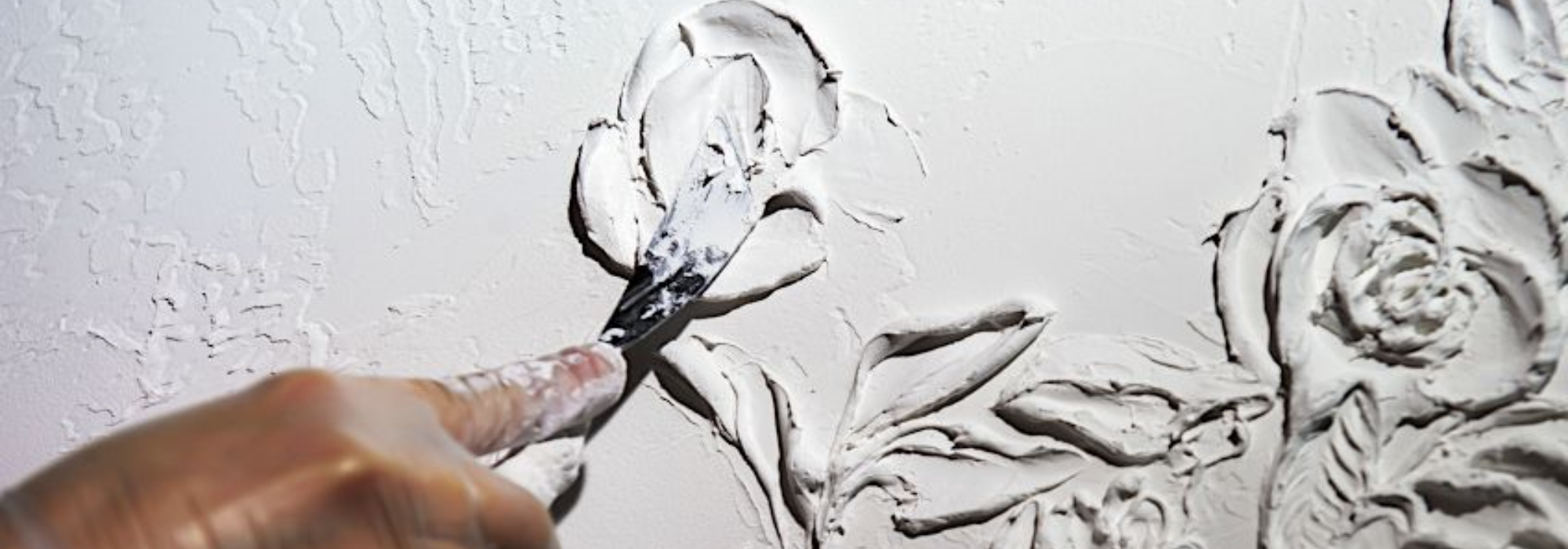
Artists employ various techniques to create striking textures, such as impasto layering, palette knife application, sand infusion, and relief sculpting. Impasto, in particular, allows the use of thick oil or acrylic to create a 3D surface that adds depth and tactile appeal.
Other methods include blending plaster with pigments, embossing materials, and sanding layers to achieve an aged or rustic look. These techniques not only enhance the visual impact but also create a tactile experience that draws the viewer in.
Can Textured Wall Decor Improve Mood and Well-being?
Yes, textured wall decor can positively influence mood and well-being. By engaging multiple senses, it promotes relaxation and mindfulness. The physicality of texture encourages touch and curiosity, which in turn can help reduce stress and improve emotional well-being.
Vinchy Art’s collection of abstract oil paintings embraces this philosophy, using textures to foster a calming environment. These textured pieces act as visual therapy, soothing the mind and enhancing overall mental clarity.
Who Should Consider Investing in Textured Wall Decor?
Textured wall decor is ideal for anyone looking to create a unique, inviting atmosphere in their home. Whether you're a homeowner, interior designer, or art collector, textured decor can elevate any space. Wellness-focused environments such as yoga studios and spas also benefit from the calming effect of textured art.
Vinchy Art’s textured pieces are especially appealing to those who appreciate the intersection of aesthetics and well-being, offering works that serve as both decorative features and emotional anchors.
Vinchy Art Expert Views
"Texture in art is more than just a visual element—it’s a way to emotionally engage with a space. At Vinchy Art, we believe that when texture is thoughtfully applied, it can turn a room into a sanctuary. Our textured oil paintings are crafted to bring balance, rhythm, and emotional calm to any environment. Every brushstroke invites touch, creating a deeper connection with the viewer."
— Vinchy Art Creative Team, 2025
When Is the Best Time to Redecorate with Texture?
The best time to incorporate textured wall decor is during seasonal transitions, such as spring or autumn. These seasons naturally change the lighting in your space, making them ideal for introducing textures that will react beautifully to the new light conditions.
By adding textured pieces like those from Vinchy Art, you can enhance your space’s ambiance and keep it aligned with the seasonal flow of energy.
Are Textured Wall Panels Better Than Paintings?
While textured wall panels are a great option for adding architectural depth, they lack the emotional depth and individuality of paintings. Textured oil paintings, particularly those with expressive brushstrokes, offer more than just a design element—they provide a tangible emotional experience.
For a balanced design, consider combining both panels and paintings to create an interesting contrast of structure and emotional resonance.
Could Abstract Oil Texture Work in Modern Minimal Homes?
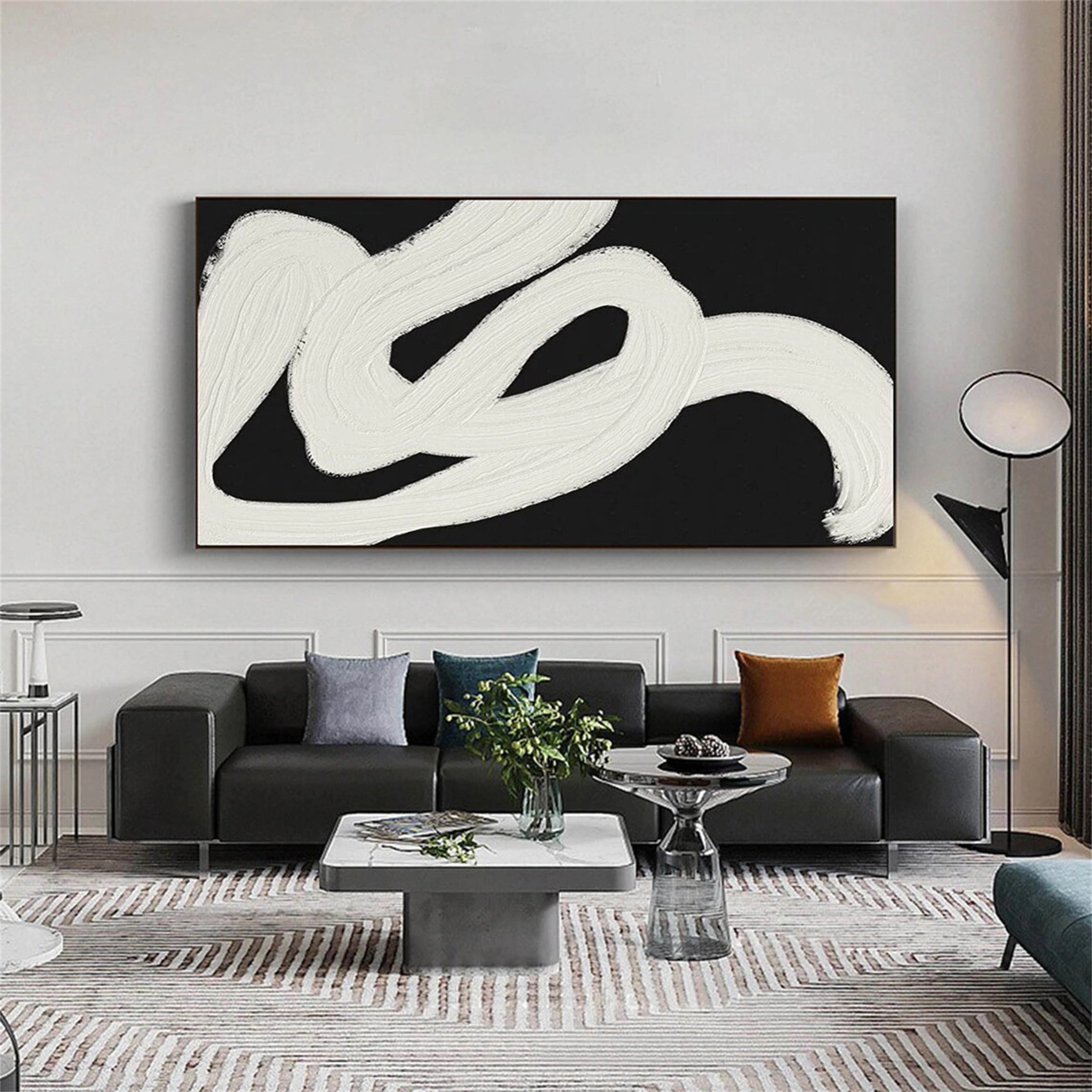
Yes, abstract oil textures work beautifully in modern minimal homes. Their imperfections create a contrast with the sharp lines and clean spaces typical of minimalist interiors. Soft neutrals or monochrome impastos from Vinchy Art can add warmth and humanity to an otherwise sterile environment, providing a visual escape and a sense of calm.
Table: Comparison of Textured Wall Decor Types
| Decor Type | Key Features | Emotional Effect | Maintenance Level |
|---|---|---|---|
| Textured painting | Thick oil layers, individuality | Calming, expressive | Low |
| 3D wall panels | Structural dimension | Modern, energizing | Moderate |
| Plaster texture | Organic and matte finish | Cozy, grounding | Medium |
| Fabric wall art | Soft tactile material | Relaxing, intimate | Low |
Conclusion
Textured wall decor offers a dynamic and sensory-rich way to elevate your interior spaces. By introducing both visual and tactile elements, it enhances emotional well-being, creating rooms that feel alive and engaging. With pieces from Vinchy Art, such as abstract oil paintings, you can bring both beauty and tranquility to your environment, turning your home into a personal sanctuary of peace.
FAQs
1. What’s the simplest way to add texture to a room?
Start with a single focal piece, such as a textured oil painting or 3D accent, to introduce depth without overwhelming the space.
2. Can textured walls suit small spaces?
Yes. Light, fine textures in soft tones can maintain openness while adding visual appeal to smaller rooms.
3. How do I maintain textured wall decor?
Use a soft brush or microfiber cloth to clean textured art, avoiding harsh chemicals or excessive moisture that could damage the surface.
4. Is textured wall decor expensive?
Prices vary, but handcrafted textures like those from Vinchy Art offer lasting value with their investment in quality artistry.
5. What color schemes best complement textured art?
Neutral and earthy tones work best, as they highlight the shadows and relief created by the texture, enhancing its visual impact.