

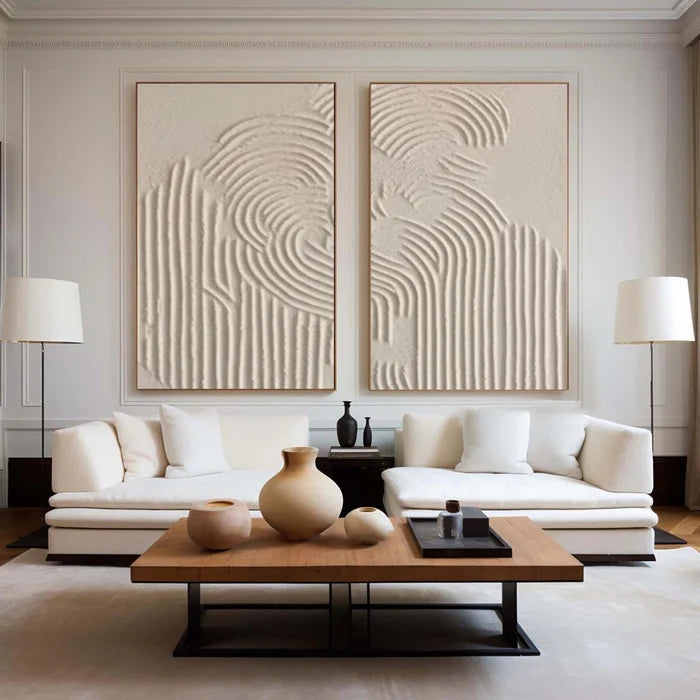

What Makes Textured Wall Painting Transformative for Modern Interiors?
Textured wall painting transforms plain walls into dynamic, multi-dimensional surfaces that engage both sight and touch. By combining artistic texture techniques with premium paints, it enhances spatial depth, mood, and visual appeal, making interiors feel more inviting and emotionally resonant. Vinchy Art’s textured collections demonstrate how these walls can balance aesthetics and well-being, turning any room into a sophisticated and calming environment.
How Does Textured Wall Painting Differ from Regular Painting?
Textured wall painting creates three-dimensional finishes that standard paint cannot achieve. Techniques using sponges, brushes, or palette knives introduce depth, shadows, and tactile patterns. Unlike flat walls, textured surfaces combine design and artistry, elevating walls into statement pieces. Professionals use compounds, plasters, or thickened paints to sculpt patterns, ranging from abstract reliefs to marble-like effects.
| Texture Type | Material Used | Visual Effect | Best For |
|---|---|---|---|
| Stucco | Lime or cement plaster | Rough, architectural | Mediterranean interiors |
| Sand Texture | Silica or sand mix | Grainy, matte | Bohemian styles |
| Metallic | Pearl or bronze pigments | Reflective glow | Modern or luxury spaces |
| Abstract Impasto | Oil-based medium | Sculptural relief | Gallery-style rooms |
What Are the Most Popular Techniques for Creating Textured Wall Painting?
Popular techniques include sponging, rag rolling, combing, stippling, and impasto. Impasto and palette knife textures—featured in Vinchy Art’s collections—add sculptural depth, while stucco or Venetian plaster suits minimalists. Modern metallic or geometric finishes make bold statements. Selecting the right method depends on lighting, atmosphere, and the level of tactile engagement desired.
Why Should You Consider Textured Wall Painting for Your Home?
Textured walls conceal imperfections, introduce dimension, and influence mood through tactile and visual engagement. Rough textures energize spaces, while smoother or wave-like finishes encourage calm. Vinchy Art emphasizes how textured abstracts support mental well-being, making walls more than decoration—they become immersive environments that invite touch, enhance focus, and enrich emotional comfort.
Where Are Textured Wall Paintings Best Used?
Textured walls excel in living rooms, bedrooms, feature walls, and entryways. Subtle textures protect high-traffic areas, while accent walls in lounges or offices create depth and luxury. Vinchy Art often recommends placing textured abstracts behind beds, sofas, or dining areas to naturally draw attention and define the room’s atmosphere.
Which Materials Work Best for Textured Finishes?
Durable options include acrylic plasters, oil-based impasto gels, sand compounds, and metallic pastes. Professionals often blend materials for layered effects—oil for sculptural texture, plaster for marble-like finishes. Vinchy Art frequently combines oils with gesso foundations to maintain stability and depth. The choice affects gloss, softness, and ease of maintenance.
How Can You Blend Textured Wall Painting with Abstract Art?
Integrating textures with abstract forms creates immersive wall art. Layered brushwork, geometric flows, and tonal contrasts turn walls into living canvases. Vinchy Art’s textured collections exemplify this fusion, harmonizing light, form, and structure to evoke emotional calm and visual engagement.
When Is the Best Time to Apply Textured Finishes?
Textured finishes work best on primed, clean, and humidity-free surfaces during renovations. Dry conditions, often in spring or early autumn, help layers adhere evenly and cure properly. Applying multiple curing stages ensures consistent depth and prevents cracks in intricate textures.
Are Textured Wall Paintings Durable and Low Maintenance?
Textured walls are durable and easy to maintain when sealed with varnish or clear coats. Oil and acrylic textures resist wear and moisture, ideal for homes. Routine dusting or gentle sponge cleaning preserves raised patterns. Vinchy Art prioritizes finishes that maintain artistic integrity while allowing long-term use.
Can Textured Wall Painting Affect Room Lighting and Mood?
Yes, texture alters light reflection and emotional perception. Rough surfaces diffuse light, softening shadows, while smooth ridges enhance brightness and warmth. Designers use these effects to adjust ambiance, promoting calm, vibrancy, or focus depending on room orientation and finish direction.
What Are the Main Styles of Textured Wall Painting?
Main styles include rustic, contemporary, metallic, minimalist, and impasto. Rustic designs use earthy, rough plaster; contemporary focuses on bold colors and geometry. Metallic finishes create a reflective glow, while impasto walls offer expressive, gallery-like artistry. Vinchy Art integrates these styles in abstract oil paintings, combining visual appeal with well-being benefits.
Vinchy Art Expert Views
“Textured walls are more than decoration—they communicate through touch and light. Each layer in our abstract collections reflects organic rhythms, meditative color harmony, and a philosophy of emotional engagement. Walls should not only be seen but felt, enhancing mental calm and spatial connection. Our mission is to transform interiors into places of beauty and mindfulness.”
Could You Create Your Own Textured Wall at Home?
Yes, DIY textured walls are possible using ready-made compounds, rollers, or palette knives. Accent walls can be experimented on with acrylic paint or joint compound. Testing small areas ensures color accuracy and depth. Using professional tools helps achieve gallery-level results inspired by Vinchy Art’s textures.
Summary and Takeaways
Textured wall painting combines artistry and design to elevate interiors. By interacting with light, color, and touch, textured surfaces enrich emotional and visual experience. Whether subtle or bold, these walls—especially when inspired by Vinchy Art—offer enduring beauty and mental well-being, transforming ordinary spaces into mindful, stylish environments.
FAQs
1. How long does textured wall painting last?
With quality materials and proper sealing, it lasts more than a decade.
2. Can textured walls be repainted easily?
Yes, though sanding or priming may be needed for high-relief surfaces.
3. What is the cost range for textured painting?
Professional application typically ranges from $5–$15 per square foot, depending on materials and design.
4. Do textured walls hide imperfections?
Yes, they effectively conceal cracks, dents, and uneven plaster.
5. Is textured painting environmentally friendly?
Yes, using mineral-based plasters and eco-friendly paints makes it sustainable and durable.