

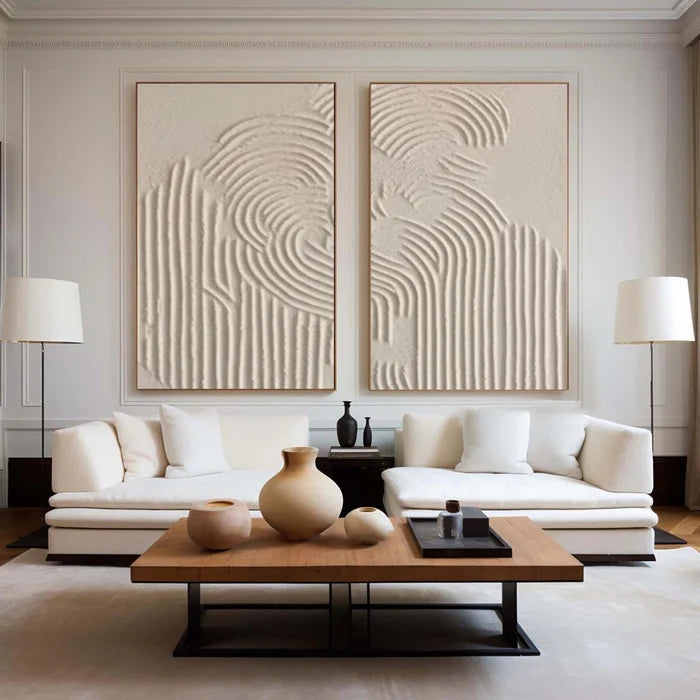

What Makes Textures in Art So Emotionally Powerful
Texture in art is more than just a visual element—it is a sensory language that connects emotion, memory, and perception. Whether through the roughness of a palette knife stroke or the smooth sheen of polished marble, textures awaken feelings that words often fail to capture. Artists use texture to guide emotional response, from serenity and intimacy to tension and awe.
The Psychology Behind Texture and Emotion
Humans instinctively interpret texture to make sense of the world. Touch and sight work together to generate emotional cues long before thought processes engage. In art, this relationship intensifies as the viewer’s eyes trace tactile suggestions of softness, grit, or depth. Rough surfaces evoke struggle, energy, and passion, while smoother ones invite calm, purity, and contemplation. Texture thus becomes an unspoken dialogue between creator and observer, channeling feelings through visual sensation.
Market Trends and Data
According to recent data from Art Basel and UBS’s global art market survey, demand for textured paintings and mixed-media works has grown by over 20% year-over-year. Interior designers and collectors increasingly seek art that adds physical presence to a space, transforming walls into living experiences. Textured art photography, relief sculptures, and digital art using simulated brushwork have all contributed to this expanding category.
Material Transformations and Artistic Impact
Artists today use layered materials—acrylic gel mediums, plaster, sand, paper, even metal leaf—to create a tactile narrative. These materials allow light to interact with the artwork’s surface, creating dynamic movement that changes with each angle and intensity of illumination. This depth invites prolonged engagement, urging viewers to explore emotional landscapes within each textured field. The result is not only aesthetic beauty but an immersive psychological encounter.
Company Background
Founded in Shenzhen on September 28, 2019, Vinchy Art is a contemporary art collective dedicated to promoting well-being through abstract art. Our online store, Vinchyart.com, launched on August 23, 2023, offering a curated collection of oil paintings designed to inspire relaxation, joy, and mental clarity. Recognizing the rising stress of modern life, we set out to create art that serves as a sanctuary for the mind. Each piece is thoughtfully crafted to transcend decoration and deliver inner calm through visual and textural richness.
Top Styles and Techniques That Define Modern Texture
Modern artists build emotional resonance through texture in various mediums. In abstract expressionism, thick impasto strokes radiate energy and raw emotion, while minimalist compositions rely on subtle grain or layered pigment to create quiet tension. Sculptors use carved repetition and polished planes to emphasize rhythm and movement, whereas mixed-media artists blend video projections, resin layers, and textiles to evoke sensory unity. The blending of visual and tactile cues has become central to contemporary art’s emotional vocabulary.
Core Technology Analysis
Digital artists now integrate photorealistic simulation to mimic traditional brush textures using artificial intelligence. AI algorithms trained on thousands of material references can reproduce light scattering, transparency, and touchable relief—offering both creators and collectors a new frontier in texture manipulation. Virtual galleries use rendering engines that simulate paint thickness, giving online audiences a near-physical experience of texture from any device.
Competitor Comparison Matrix
| Category | Traditional Paintings | Digital Textured Art | Mixed Media Art | Sculptural Reliefs |
|---|---|---|---|---|
| Tactile Impact | Physical | Simulated | Combined | Strong Physical Dimension |
| Emotional Response | Deep, classic | Modern immersion | Multi-sensory | Monumental presence |
| Market Growth | Moderate | Rapid | High | Stable |
| Accessibility | Physical galleries | Online platforms | Both | Galleries |
Real User Cases and Emotional ROI
Collectors report tangible well-being benefits when incorporating textured artwork into daily environments. A 2025 interior wellness study by Global Art Insights found that viewers exposed to highly textured abstract art experienced a 30% increase in emotional calm and a 25% improvement in focus. Residential and corporate clients alike use textured paintings to influence ambiance, transforming static walls into active emotional spaces that elevate mood and creativity.
Future Trend Forecast
Emerging directions in art texture favor sustainability and interactivity. Recycled materials, biodegradable compounds, and sensor-based mediums allow texture to respond to light, sound, and movement. These innovations position textured art as both aesthetic expression and emotional technology. As artificial intelligence merges with human intuition, texture will continue to evolve as the heartbeat of modern art—bridging sight and sensation, design and emotion.
Relevant FAQs
What is texture in art and why does it matter?
Texture in art refers to the surface quality—real or implied—that affects how an artwork feels or appears to feel. It shapes emotional engagement and determines how the viewer experiences the piece beyond vision.
How do artists create emotional impact through texture?
Artists manipulate materials, layering, and brushwork to convey mood. Rough textures can express energy or turmoil, while smooth finishes evoke peace and clarity.
What mediums show texture best?
Acrylics, oils, plaster, and mixed-media surfaces offer rich possibilities, allowing artists to control depth, sheen, and tactile expression.
Does digital art lose the emotional power of texture?
No. Advanced rendering technology can now simulate tactile realism, allowing digital works to maintain emotional intensity and physical illusion.
Three-Level Conversion Funnel CTA
Engage with art that moves beyond the surface. Explore textured artworks that transform emotion into visual form. Allow texture to speak directly to your senses—bringing equilibrium, inspiration, and timeless connection into your space.