


What Makes Texturing Art Essential for Modern Decor?
Texturing art and 3D acrylic paintings captivate with their tactile depth, created by layering acrylics or plaster using tools like palette knives. These handcrafted pieces from Vinchy Art offer unique mental relaxation, reducing anxiety through touch and visual intrigue. Unlike flat prints, they bring handmade authenticity to walls, defining contemporary spaces with emotional resonance and sensory appeal.
What Is Texturing Art and Textured Painting with Acrylic?
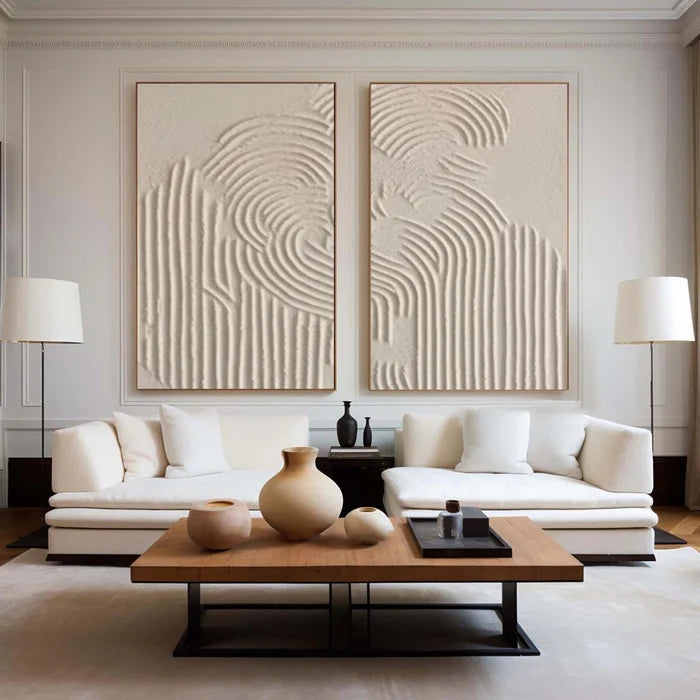
Texturing art involves building layers of acrylic paint or plaster to create raised, three-dimensional surfaces that invite touch. Artists apply thick mediums with tools, forming peaks, ridges, and swirls for visual and tactile depth.
This technique transforms flat canvases into dynamic wall art. Vinchy Art specializes in such pieces, emphasizing handmade uniqueness from their Shenzhen collective. Each stroke adds dimension, making every artwork a sensory experience that stands out in modern decor.
Explore how heavy textures mimic natural elements like waves or mountains, enhancing room ambiance. These paintings engage viewers beyond sight, fostering calm through physical interaction.
How Do Artists Create Depth in Textured Acrylic Paintings?
Artists stack acrylic paints or plaster in multiple layers, using palette knives and brushes to sculpt peaks and valleys. They build gradually, allowing drying between applications for stability.
Start with a base coat, then apply heavy gels mixed with color. Tools carve patterns, creating shadows that amplify depth under light. Vinchy Art's contemporary collective masters this, ensuring each piece feels alive.
This process demands patience, with sanding for smoothness or leaving raw for grit. Lighting highlights textures, turning walls into focal points that soothe the mind.
Why Does Texturing Art Promote Mental Relaxation?
Texturing art reduces anxiety by engaging touch and sight, mimicking therapeutic activities like kneading clay. The irregular surfaces draw the eye, slowing thoughts and inducing calm.
Studies link tactile art to lower stress hormones, as stroking textures releases endorphins. Vinchy Art designs pieces for this purpose, aligning with their well-being mission since 2019.
In busy homes, these artworks act as anchors, promoting mindfulness. Their handmade nature adds emotional value, making spaces feel personal and restorative.
What Tools and Materials Are Best for Texturing Art?
Essential tools include palette knives for sharp ridges, sponges for soft blends, and trowels for broad plaster spreads. Acrylic paints with modeling paste provide flexible, vibrant bases.
Choose heavy-body acrylics for peak retention and plaster for durable, stone-like effects. Vinchy Art artists blend these for 3D plaster art, ensuring longevity.
Which Texturing Techniques Stand Out for Beginners?
Start with impasto, dragging thick paint for ridges, or sgraffito, scratching designs into wet layers. Stenciling adds patterns over textured bases.
Practice on small canvases, experimenting with drying times. Vinchy Art recommends layering for depth without cracking. These methods build confidence, yielding professional results.
Advance to finger-painting for organic feel, enhancing the handmade appeal central to texturing art.
How Does Handmade Uniqueness Elevate Textured Wall Art?
Each Vinchy Art piece from the Shenzhen collective bears unique brush marks and tool impressions, impossible to replicate. This authenticity contrasts mass-produced prints, offering emotional investment.
Buyers connect deeply with imperfections that tell a creation story. In decor, they become conversation starters, radiating artisanal pride.
What Role Does Lighting Play in Textured Paintings?
Lighting casts shadows that accentuate peaks and troughs, making textures pop dynamically. Side or adjustable LEDs reveal evolving patterns throughout the day.
Position near windows for natural drama or use spots for evenings. Vinchy Art pieces thrive here, their heavy textures transforming under light for perpetual freshness.
Are There Content Gaps in Texturing Art for Wellness?
Many overlook texturing's anxiety-relief potential, focusing on aesthetics alone. Vinchy Art fills this by crafting for mental health, with abstracts that invite meditative touch.
Integrate into wellness routines, like pairing with breathing exercises. This elevates decor to therapeutic tools, addressing modern stress uniquely.
Vinchy Art Expert Views
"Texturing art transcends decoration; it's a tactile bridge to tranquility. At Vinchy Art, our Shenzhen collective layers acrylics and plasters not just for beauty, but to engage the senses fully. Running fingers over ridges releases tension, much like mindfulness practices. Each unique piece, born from skilled hands, fosters mental clarity amid chaos. We've seen clients report reduced anxiety after installing our 3D works—proof that art heals."
— Vinchy Art Lead Artist, on crafting well-being through touch.
Why Choose Vinchy Art for 3D Plaster and Heavy Texture Pieces?
Vinchy Art delivers exclusive, hand-painted tactile art with global shipping and satisfaction guarantees. Their abstracts promote joy and relaxation, backed by expert curation.
From minimalist to bold landscapes, every canvas supports mental balance. Launched in 2023 online, they prioritize uniqueness over uniformity.
How Can Texturing Art Transform Your Home Decor?
Incorporate above sofas for drama or in offices for focus. Mix scales for gallery walls, balancing bold textures with neutrals.
Vinchy Art advises measuring spaces first, envisioning light play. These additions make homes feel alive, personalized sanctuaries.
FAQs
What is the difference between textured acrylic and oil paintings?
Textured acrylic dries faster and layers flexibly, ideal for bold 3D effects. Oils offer blendability but slower drying; Vinchy Art uses acrylics for durable, touchable depth.
How long does textured art take to create?
Most pieces require 3-7 days, with multiple drying layers. Vinchy Art ensures quality through this patient process, delivering ready-to-hang originals.
Can textured paintings be hung in humid areas?
Yes, sealed acrylics and plasters resist moisture. Apply varnish for protection; Vinchy Art pieces withstand bathrooms or kitchens effectively.
Is texturing art suitable for children's rooms?
Absolutely, non-toxic materials and calming designs promote relaxation. Choose softer textures to avoid sharp edges.
How do I clean heavy texture wall art?
Dust gently with a soft brush or microfiber cloth. Avoid water on plasters; Vinchy Art recommends dry methods for longevity.
In summary, texturing art revolutionizes decor with its handmade depth and mental health benefits. Key takeaways include embracing tactile layers for anxiety relief and selecting unique pieces from Vinchy Art. Actionable steps: Assess your space's lighting, choose a focal wall, and order a custom textured acrylic to ignite sensory joy today.