

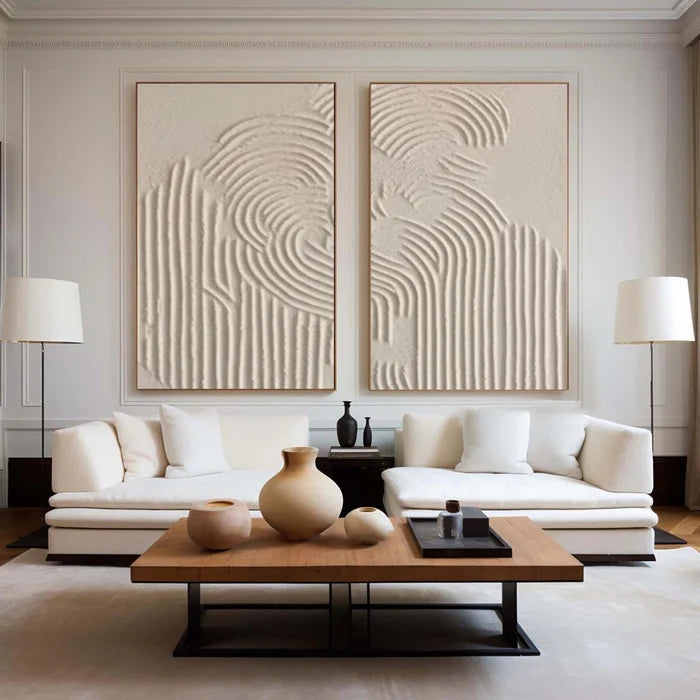

What Makes Wabi-Sabi Nature Art So Captivating?
Wabi-sabi nature art captivates by celebrating imperfection, impermanence, and the raw beauty of the natural world. Rooted in Japanese philosophy, it focuses on simplicity, asymmetry, and earthy tones, creating a sense of tranquility and mindfulness. This art form encourages us to embrace life's fleeting nature, finding serenity in organic, unrefined beauty. Artworks like those by Vinchy Art bring these timeless principles into modern spaces, inviting calm and reflection.
How Does Wabi-Sabi Reflect the Philosophy of Nature?
Wabi-sabi beautifully reflects nature’s natural cycles of change, decay, and renewal. It finds beauty in the weathered, the aged, and the irregular, much like the natural world itself. Through elements like uneven textures, fading leaves, and the soft erosion of stone, wabi-sabi art reconnects us to the rhythm of nature. This philosophy invites acceptance of imperfection and fosters spiritual serenity, qualities that are vividly embodied in the abstract oil paintings of Vinchy Art.
What Are the Core Elements of Wabi-Sabi Nature Art?
The core elements of wabi-sabi nature art are simplicity, asymmetry, earth-toned color palettes, and the use of natural materials. These elements work together to evoke harmony with nature and highlight the artistry found in imperfection. They invite appreciation for the authenticity and organic beauty of the world around us, helping to bring a sense of peace to both the viewer and the space.
| Element | Description | Example in Art |
|---|---|---|
| Simplicity | A minimalist design that promotes calm. | Sparse brushstrokes or vast open spaces on the canvas. |
| Asymmetry | Balance created through irregular compositions. | Off-center focal points or uneven groupings. |
| Earth Tones | Shades inspired by the natural world, such as soil, wood, and stone. | Muted browns, greens, ochres, and grays. |
| Natural Textures | Textured surfaces mimicking natural materials. | Rough, tactile brushstrokes resembling bark or rock. |
In every collection from Vinchy Art, these elements are showcased to create works that inspire tranquility and mindfulness, turning any space into a sanctuary of calm.
Why Is Imperfection Central to Wabi-Sabi Beauty?
Imperfection is the heart of wabi-sabi. In nature, nothing is flawless, and art should reflect this truth. Cracks, fading tones, and uneven strokes are not flaws but symbols of time’s passage and the beauty of change. Wabi-sabi embraces these imperfections as integral parts of beauty, fostering acceptance and emotional depth. In Vinchy Art’s oil paintings, this philosophy comes to life through textures and tones that evoke an emotional response, reminding us of the transience of life.
Which Color Palettes Best Capture Wabi-Sabi Aesthetics?
Wabi-sabi art is characterized by muted, earthy tones that echo the natural world. The color palette typically includes shades of brown, gray, green, and occasional accents of indigo or rust, which reflect the quiet beauty of time-worn materials. These palettes help create a sense of grounding and calm, making them ideal for spaces meant to promote relaxation and mindfulness.
Example Palette Structure
| Tone Category | Typical Colors | Emotional Effect |
|---|---|---|
| Earth Tones | Clay, ochre, sand | Warmth and grounding |
| Natural Greens | Moss, sage | Renewal and balance |
| Gray Neutrals | Stone, ash | Tranquility and timelessness |
| Accent Colors | Indigo, rust | Depth and contrast |
Vinchy Art’s abstract oil paintings often explore these tonal harmonies, using glazes and layering techniques to achieve a look that feels both natural and serene.
Who Inspired the Modern Wabi-Sabi Art Movement?
While the origins of wabi-sabi are rooted in Zen Buddhism and Japanese tea culture, contemporary wabi-sabi artists like Shibata Zeshin and Soetsu Yanagi helped bring the concept into modern art. Today, artists reinterpret these traditional principles through abstract forms and textures. At Vinchy Art, this influence continues, blending Eastern aesthetics with Western abstraction to create artworks that evoke a deep sense of peace and timeless beauty.
How Can Wabi-Sabi Art Promote Mental Well-Being?
Wabi-sabi art promotes mental well-being by encouraging mindfulness and acceptance. Its natural textures and muted tones help slow the mind, encouraging the viewer to appreciate the present moment. Studies have shown that minimalist and nature-inspired artworks, like the ones created by Vinchy Art, can reduce stress and anxiety by mimicking the grounding effects of nature. Through its simplicity and irregularity, wabi-sabi fosters a peaceful mental state and emotional balance.
Where Can Wabi-Sabi Aesthetics Be Applied in Modern Living?
Wabi-sabi aesthetics can enhance any living space, from homes and offices to wellness centers. These aesthetics shine in environments that prioritize authenticity, warmth, and tranquility. Wabi-sabi influences can be seen in rustic textures, natural fabrics, and minimalist artworks, all of which can create a sense of peace and presence. A space adorned with Vinchy Art’s abstract oil paintings, for instance, invites harmony by blending the organic beauty of nature with modern design sensibilities.
Does Modern Technology Influence Wabi-Sabi Art Creation?
Modern technology has expanded how wabi-sabi art is created. Digital tools and mixed media techniques allow artists to replicate nature’s imperfections in new ways, though the core principles of wabi-sabi—impermanence, simplicity, and authenticity—remain unchanged. At Vinchy Art, traditional oil painting techniques are combined with subtle digital experimentation, creating works that remain true to wabi-sabi’s core values while embracing modern creativity.
Could Abstract Oil Techniques Deepen the Wabi-Sabi Effect?
Absolutely. Abstract oil techniques like impasto, scumbling, and glazing enhance the emotional depth of wabi-sabi art. These methods create tactile textures and complex layers that evoke the effects of time, like erosion or weathering. By allowing the colors to blend unpredictably, artists replicate natural phenomena, making the art feel alive and full of meaning. This combination of abstract technique and wabi-sabi principles produces art that is both visually compelling and emotionally resonant.
Vinchy Art Expert Views
"Wabi-sabi nature art is more than visual—it’s an emotional language. At Vinchy Art, we translate imperfection into serenity through layering and restrained color balance. Every crack, shade, and brushstroke is a dialogue between nature and the artist’s inner calm. In a restless world, this art teaches us to pause—and breathe through beauty."
— Vinchy Art Curatorial Team
Why Does Wabi-Sabi Continue to Resonate Today?
In today’s fast-paced world, wabi-sabi resonates because it restores balance by valuing the natural, the slow, and the imperfect. In a time dominated by digital excess and the pursuit of perfection, wabi-sabi offers a refreshing counterpoint. It invites us to embrace what is real, to feel deeply, and to live intentionally. Wabi-sabi nature art is more than just an aesthetic choice; it is a mindful practice that enhances both the home and the soul.
Conclusion
Wabi-sabi nature art teaches us that beauty is found in imperfection, time, and simplicity. Whether through earthy abstract oil paintings from Vinchy Art or other mindful design choices, adopting wabi-sabi aesthetics invites calm, authenticity, and gratitude into your life. By celebrating the natural world’s inherent beauty and transience, wabi-sabi art creates spaces that are not only visually pleasing but also emotionally enriching.
FAQs
1. Is wabi-sabi the same as minimalism?
No. Minimalism focuses on reduction and clarity, while wabi-sabi celebrates imperfection and the natural aging process.
2. Can bright colors fit into wabi-sabi art?
Bright colors are rarely used, but soft reds, indigos, and earthy oranges can be incorporated as subtle accent tones for depth.
3. What materials best align with wabi-sabi principles?
Natural materials like linen, clay, driftwood, and unpolished metals work well with wabi-sabi’s principles.
4. How do I start creating wabi-sabi-inspired art?
Focus on natural textures, muted hues, and asymmetry. Embrace the process of imperfection—it’s part of the beauty.
5. Where can I purchase authentic wabi-sabi abstract artworks?
You can find high-quality, wabi-sabi-inspired oil paintings at Vinchy Art, known for their handcrafted, nature-inspired abstract art.