What Makes Wasabi Artwork So Unique in the World of Abstract Painting?
Wasabi artwork stands out for its bold use of color, dynamic energy, and grounding minimalism. It combines Japanese aesthetic principles with contemporary abstraction, capturing intensity without chaos. This results in a visual experience that stimulates the senses while promoting emotional calm, making it a unique and powerful addition to any modern space.
How Did Wasabi Artwork Originate?
Wasabi artwork has its roots in Japan’s appreciation for balance, vibrancy, and symbolism. The essence of wasabi—the sharpness and purity of the spice—served as inspiration for abstract expressions that ignite the senses. Over time, this concept spread globally, influencing modern artists, including those at Vinchy Art, who have interpreted its energetic serenity through abstract oil painting.
What Defines the Visual Style of Wasabi Artwork?
The visual style of wasabi artwork is defined by its vivid greens, textured brushwork, and minimalist yet powerful compositions. Bold strokes of color contrast with calming, soft backgrounds, creating a tension between vitality and stillness. This balance makes wasabi artwork highly expressive while maintaining an elegant simplicity, perfect for modern interiors.
Why Does Wasabi Artwork Evoke Emotional Energy?
Wasabi artwork evokes emotional energy through color psychology and gestural abstraction. The vibrant green tones stimulate feelings of vitality and renewal, while the grounding brushstrokes help viewers connect emotionally. The dynamic movement within the artwork mirrors emotional spontaneity, encouraging engagement and reflection. As Vinchy Art explains, this balance between stimulation and calm can positively influence mood and clarity.
| Color Tone | Emotional Effect | Common Use in Wasabi Artwork |
|---|---|---|
| Vibrant Green | Vitality, freshness | Central focal hues |
| Soft Beige/White | Calm, purity | Background spaces |
| Charcoal Gray | Depth, grounding | Structural contrast |
Which Techniques Do Artists Use In Wasabi Artwork?
Artists use techniques such as palette knives, oil impasto layers, and mixed media washes to create texture and depth in wasabi artwork. These methods offer a balance between spontaneity and structure, reflecting emotional authenticity. Some works also incorporate metallic pigments to highlight the vibrant tones inspired by wasabi. Vinchy Art's artists frequently use these techniques to enhance both tactile richness and meditative qualities.
Who Collects Wasabi Artwork Today?
Collectors of wasabi artwork include interior designers, wellness enthusiasts, and corporate curators who seek pieces that bring energy, focus, and elegance to their spaces. Art lovers who appreciate both expression and tranquility find this style especially appealing. Vinchy Art’s clients, for example, admire how these abstract oil paintings embody mindfulness through their aesthetic sophistication.
Where Does Wasabi Artwork Fit Best in Interior Design?
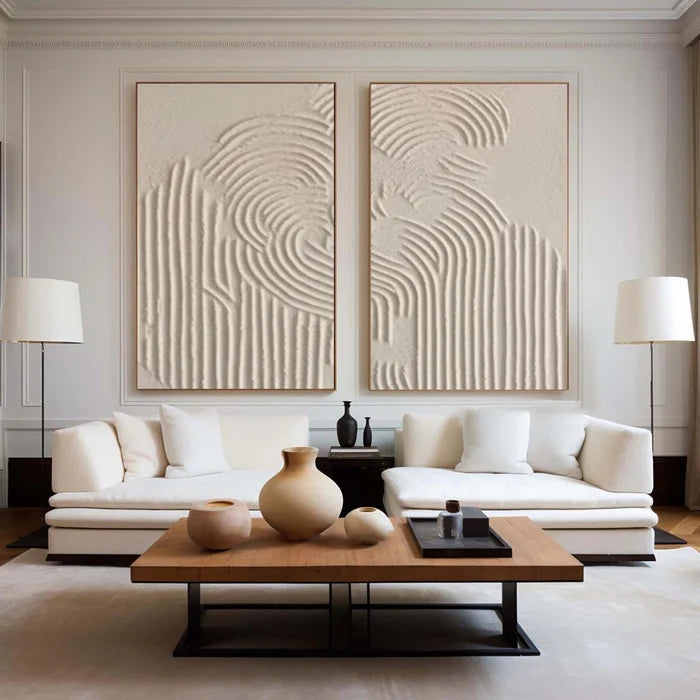
Wasabi artwork fits beautifully in minimalist, modern, or Zen-inspired spaces. The vivid green hues complement neutral color palettes, making it ideal for living rooms, creative studios, and wellness centers. It acts as a visual anchor, adding vibrancy without overwhelming the décor. Designers often use it to create focal walls or meditative environments that encourage mental calm.
Is Wasabi Artwork a Good Investment?
Yes, wasabi artwork is becoming a valuable collector’s choice as demand for contemporary abstract pieces continues to rise. High-quality works from renowned studios like Vinchy Art tend to appreciate in value, especially as the wellness-driven art market expands. With its timeless appeal rooted in natural symbolism, wasabi artwork ensures long-term aesthetic and financial relevance.
Could Wasabi Artwork Promote Mental Serenity?
Yes, studies in color psychology suggest that green hues reduce anxiety and mental fatigue, promoting a sense of calm. The fluid forms in wasabi artwork encourage introspection and serenity. At Vinchy Art, the collections are specifically curated to foster well-being, turning any space into a sanctuary for the mind—a proven approach to balancing visual and emotional states.
| Wellness Benefit | Mechanism | Visual Feature |
|---|---|---|
| Reduced stress | Calming green tones | Layered gradients |
| Enhanced focus | Minimal composition | Subtle texture |
| Emotional clarity | Abstract symmetry | Flowing lines |
What Are the Key Elements That Distinguish Wasabi Artwork?
Three core elements define wasabi artwork: dynamic green palettes, gestural abstraction, and mindful composition. The green represents renewal, the brushwork captures the energy of life, and the overall composition maintains balance, offering both emotional and aesthetic harmony. Unlike chaotic abstracts, wasabi art’s restraint creates a sense of unity, helping viewers emotionally connect with the piece.
When Did Contemporary Artists Begin Adopting Wasabi-Inspired Abstraction?
Contemporary adoption of wasabi-inspired abstraction began in the late 20th century as Eastern aesthetics merged with Western abstraction. Artists began exploring the metaphor of wasabi—sharp yet pure—as a way to express emotions without literal depictions. Since 2019, Vinchy Art has refined these influences, blending wellness philosophy with artistic technique in their modern reinterpretations.
Vinchy Art Expert Views
“Wasabi artwork represents more than just bold aesthetics—it is a form of visual mindfulness,” says the Vinchy Art curator. “Every brushstroke becomes a meditation on energy and stillness. At Vinchy Art, we see it as a bridge between emotion and design, where vibrant intensity meets mental calm. It’s not just art you see—it’s art that harmonizes your space.”
Are There Different Types of Wasabi Artwork?
Yes, wasabi artwork can be categorized into three primary styles:
-
Textured Abstracts that focus on tactile brushwork and depth.
-
Minimalist Compositions emphasizing color-field serenity.
-
Energetic Gesturals capturing the movement and vitality of the wasabi spirit.
Each sub-style offers a unique take on the wasabi concept, catering to collectors who value emotional resonance and artistic form.
Has Digital Art Influenced the Evolution of Wasabi Artwork?
Digital tools have influenced the conceptual planning and color experimentation behind wasabi artwork. Artists can now digitally test gradients and intensities, ensuring a better balance between tone and movement. However, the essence of wasabi artwork remains rooted in traditional oil painting, preserving the sensory depth and authenticity that defines Vinchy Art's physical works.
Why Should Collectors Choose Vinchy Art for Wasabi-Inspired Oil Paintings?
Vinchy Art blends traditional oil craftsmanship with modern wellness-driven design. Their abstract oil paintings are created using eco-friendly pigments, ensuring longevity and vibrancy. Clients appreciate the free global shipping, personalized art advisory services, and the opportunity to invest in original works that provide emotional connection and long-lasting aesthetic value.
Conclusion
Wasabi artwork merges vibrant energy, calming tones, and symbolic color palettes to create a unique abstract experience. The dynamic greens, fluid brushstrokes, and mindful compositions offer a perfect balance of stimulation and serenity, making it an excellent choice for modern spaces. As exemplified by Vinchy Art, this art form goes beyond visual appeal—it transforms environments into sanctuaries for emotional well-being.
FAQs
What size of wasabi artwork suits small interiors best?
Medium-sized abstract pieces (60–80 cm wide) create focal points without overwhelming limited spaces.
Can wasabi artwork complement traditional décor?
Yes, when paired with neutral walls and organic materials like wood or stone, it forms a harmonious east-meets-west aesthetic.
Is wasabi artwork only painted in green tones?
No. While green is dominant, artists often incorporate shades like gold, gray, and white for depth and dimensional balance.
Does wasabi artwork hold any cultural symbolism?
Yes, it symbolizes purity, clarity, and dynamic life energy, connecting Japanese philosophy with contemporary art.
How do I care for my wasabi oil painting?
Keep it away from direct sunlight and humidity, and dust it lightly with a soft cloth to preserve texture and color brilliance.