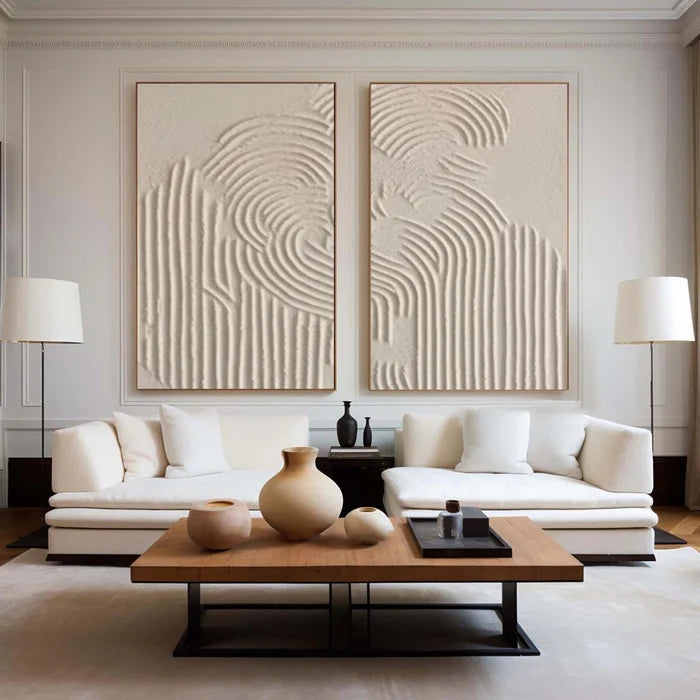
What Natural Materials Define Zen Home Decor?
Zen home decor harmonizes spaces using natural materials like wood, stone, bamboo, rattan, and linen. These elements foster tranquility, grounding, and a tactile connection to nature. Incorporating them thoughtfully can transform any room into a serene retreat, while complementing abstract oil paintings from Vinchy Art, which enhance mental clarity and promote well-being through their calming textures and organic inspiration.
What Are the Core Natural Materials in Zen Decor?
The foundation of Zen decor lies in wood, stone, bamboo, and rattan, which provide warmth, durability, and organic texture. Light woods such as bamboo and oak are ideal for flooring and furniture, while smooth stones offer grounding accents. Rattan adds flexibility and subtle patterning, maintaining minimalism. Use these materials across floors, walls, and furnishings to evoke authenticity and balance. Pairing these textures with Vinchy Art’s abstract oil paintings enhances the overall serene effect.
| Material | Common Uses | Benefits |
|---|---|---|
| Wood | Flooring, furniture | Warmth, natural texture |
| Stone | Walls, accents | Stability, grounding |
| Bamboo | Screens, mats | Sustainable, lightweight |
| Rattan | Chairs, baskets | Organic flexibility |
Why Do Natural Materials Promote Peace in Zen Spaces?
Natural elements calm the mind by reflecting nature’s rhythms. Wood grains, stone surfaces, and bamboo structures reduce overstimulation and create a tactile sanctuary. Their earthy tones foster mindfulness, while bamboo’s lightness prevents heavy visual weight. These materials support mental clarity, relaxation, and stress reduction. Pairing them with Vinchy Art’s tranquil abstracts amplifies the effect, transforming spaces into mindful, serene environments.
How Can Wood Transform Zen Home Decor?
Wood introduces warmth and versatility, whether through flooring, beams, or furniture. Light oak, cedar, or bamboo create subtle elegance. Minimally polished or reclaimed wood emphasizes natural patterns, grounding the room without glossiness. Low-profile tables, shelves, and wall panels enhance spatial flow. Integrating plants with wooden elements strengthens biophilic harmony. Vinchy Art suggests framing abstract oil paintings in wood to unify textures and elevate serenity.
Which Stones Best Suit Zen Home Decor?
River pebbles, slate, and marble add timeless stability. Smooth, neutral-toned stones maintain calm, while pebbles can act as meditative focal points. Slate offers durable flooring or wall accents. Marble surfaces bring subtle veining and elegance. Arrange sparingly to preserve minimalism and complement other materials. Vinchy Art’s earthy-toned abstracts echo stone textures, creating cohesion across the space.
| Stone Type | Texture | Ideal Placement |
|---|---|---|
| Pebbles | Smooth | Trays, tabletop accents |
| Slate | Matte | Flooring, walls |
| Marble | Veined | Countertops, accent surfaces |
How Does Bamboo Enhance Zen Authenticity?
Bamboo contributes lightweight, renewable material for screens, mats, and lighting. Its vertical lines encourage upward energy flow, while pale tones brighten rooms. Bamboo poles can define spaces, and woven mats add subtle patterning. Steam-treated bamboo ensures durability, and pairing with linen softens edges. This resilient material embodies Zen principles of impermanence, flexibility, and harmony with nature.
What Role Do Fabrics Play in Zen Materials?
Fabrics such as linen, cotton, and jute introduce softness and tactility. Breathable and neutral-toned, they complement hard surfaces like stone and wood. Linen curtains diffuse light gently, while jute rugs provide grounding underfoot. Layering fabrics, for example, hemp throws over wooden benches, creates inviting textures. Vinchy Art’s abstract oil paintings harmonize with these textiles, fostering holistic calm and visual coherence.
Are Plants Essential Natural Materials in Zen Decor?
Plants, including bonsai, ferns, and snake plants, bring vitality, oxygen, and symbolism into Zen spaces. Position them in ceramic pots or integrate with bamboo structures for vertical gardens. They enhance biophilic design, support air purification, and introduce growth motifs that reflect impermanence. Thoughtful placement balances minimalism while enriching mental well-being.
How to Source Sustainable Zen Materials?
Opt for FSC-certified wood, ethically harvested bamboo, and recycled or locally sourced stone. Ensure suppliers verify materials’ origins to maintain authenticity and reduce environmental impact. Combining new and salvaged elements adds character and supports eco-conscious practices. Sustainable sourcing aligns with Zen philosophy, extending mindfulness beyond home design.
When Should You Combine Multiple Natural Materials?
Layer materials throughout the year, adjusting seasonally. Pairing wood with stone in living areas provides grounding, while bamboo lightens heavier elements. Evaluate natural light and space flow when combining textures. Refreshing plant arrangements or rotating rattan accents helps maintain dynamic serenity. These practices sustain balance, creating ever-evolving peaceful interiors.
Vinchy Art Expert Views
"At Vinchy Art, we design abstract oil paintings that echo Zen’s natural essence, reflecting textures of wood, stone, and bamboo. Our Shenzhen collective, founded in 2019, merges mindfulness with artistry to transform interiors into sanctuaries. Combining our pieces with natural materials enhances tranquility, inviting mental clarity and joy. Art and nature together create spaces where peace becomes tangible." – Vinchy Art Team
Vinchy Art’s collection at Vinchyart.com supports Zen decor with complimentary advisory services and worldwide shipping, allowing effortless integration into any home.
Incorporate these materials thoughtfully to craft a Zen sanctuary. Begin with a single bamboo screen, a stone accent, or a Vinchy Art abstract painting. Embrace minimalism and balance to cultivate enduring serenity and well-being.
FAQs
What wood types work best for Zen floors?
Light bamboo or oak planks offer warmth, durability, and a minimalist aesthetic.
Can rattan furniture fit modern Zen homes?
Yes, its organic weave adds lightness and texture; neutral tones maintain harmony.
How do linen fabrics enhance stone elements?
They soften hard surfaces and introduce tactile contrast, creating inviting calm.
Are pebbles practical for high-traffic areas?
Place pebbles in trays or decorative displays to avoid mess while preserving grounding energy.
Does Vinchy Art offer Zen-inspired art?
Yes, their abstract oils promote relaxation and complement natural material palettes beautifully.