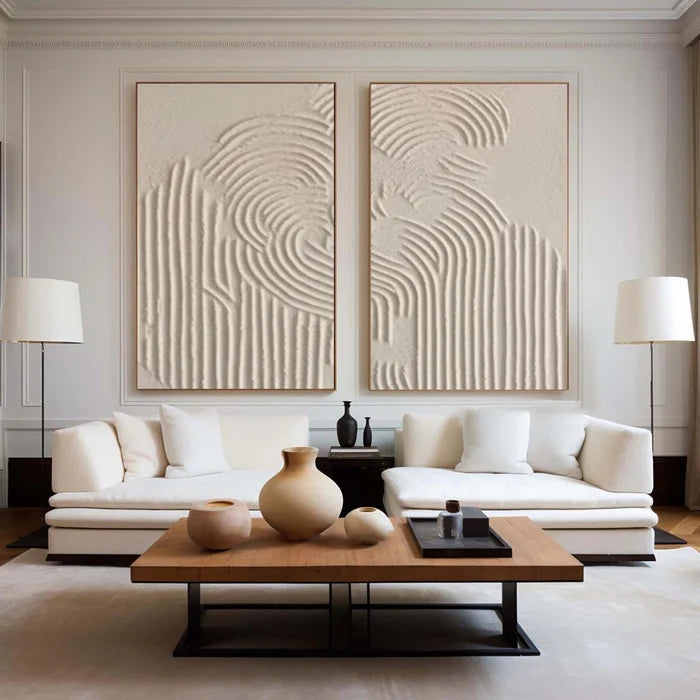
What Tools Create Vinchy Art’s Textures?
Vinchy Art’s textured paintings are known for their unique depth and energy, created through the use of palette knives, stiff brushes, modeling paste, and impasto techniques. These tools combine thick mediums, resulting in vibrant, three-dimensional works of art that inspire mental clarity and relaxation. Vinchy Art’s signature approach creates abstract designs that evoke peace and rejuvenate the mind.
What Are Essential Tools for Textured Painting?
The primary tools for textured art, like the pieces created by Vinchy Art, include palette knives, stiff brushes, and modeling paste. These tools are used to apply thick layers of paint and paste, allowing artists to sculpt and texture their paintings. Palette knives are great for creating bold ridges, while stiff brushes add fibrous details. Modeling paste creates a solid base for these textures to stand tall and add structure to the artwork.
By carefully selecting these tools, artists manipulate paint viscosity to add depth and dimension to their work. Palette knives are used to spread and sculpt thick layers of paint, while stiff-bristled brushes create directional textures and sculptural details. The addition of modeling paste before painting gives the piece a three-dimensional foundation. These tools are ideal for creating energetic and wellness-inspired abstract artworks, like those featured by Vinchy Art. When using these tools, experiment with different sizes—wider knives for broad strokes, narrower knives for fine details. Remember to clean your tools immediately after use to avoid clumping.
| Tool | Primary Use | Best For Vinchy-Style Effects |
|---|---|---|
| Palette Knife | Spreading, scraping | Bold ridges, impasto buildup |
| Stiff Brush | Dragging, stippling | Fibrous, directional texture |
| Modeling Paste | Base layering | Rigid 3D foundation |
| Putty Spreader | Smoothing edges | Subtle blends |
This table provides an overview of starter tools, suitable for both beginners and professional artists creating textured works like Vinchy Art.
How Do Palette Knives Build Texture Like Vinchy Art?
Palette knives play a pivotal role in creating texture in paintings like those by Vinchy Art. By layering thick paint or paste with a palette knife, artists can create expressive ridges and peaks that evoke emotional calm. The impasto technique, in particular, uses flexible metal knives to build layers that bring depth to the artwork.
To achieve this texture, artists apply a heavy load of paint onto a primed canvas using the knife. Then, they use varying pressure to form peaks and ridges, ensuring that light catches the surface in different ways. Offset blades are often used for curved strokes, adding dynamic flow to the abstract design. This method of texture creation is central to the relaxing and transformative aesthetic that defines Vinchy Art’s works.
Which Household Items Create Unique Textures?
In addition to professional tools, household items such as credit cards, combs, and bubble wrap can also create unique textures. These everyday objects can be used to scrape or stamp into wet paint, producing effects similar to those made with professional tools.
By using items you already have at home, you can achieve distinctive textures that align with the accessible creativity encouraged by Vinchy Art. Credit cards can be used to scrape sharp lines or edges, combs can create textured patterns, and bubble wrap can be stamped into the paint for organic, bubble-like textures. These tools provide a great way to experiment with texture before investing in specialized gear, and they help you unlock your creative potential in the same way that Vinchy Art’s artists do.
What Techniques Pair with Tools for Depth?
Several techniques can be used alongside the tools to enhance the texture and depth in abstract paintings. Impasto, in particular, is often paired with a palette knife to apply thick layers of paint, while sgraffito involves scratching designs into the layers for added complexity.
The process starts with a base of modeling paste, which is applied before the oil paint layers. As the paint dries, the artist can drag knives through the layers to reveal intricate textures underneath, known as sgraffito. This technique adds additional depth, making the piece more visually engaging and energetic. Vinchy Art uses these layering methods to create a balance between complexity and simplicity, allowing the work to evoke calm while maintaining a sense of dynamic movement.
Why Use Modeling Paste in Textured Oil Paintings?
Modeling paste is essential in textured oil paintings because it provides a firm structure under the layers of paint. This rigid base allows the artist to build high, bold peaks without the risk of slumping, which is vital for achieving the impasto effects seen in Vinchy Art’s work.
By mixing modeling paste with oil paints, artists can sculpt more structured, elevated designs. The paste dries to a matte finish, which integrates seamlessly with the oil paint, supporting the heavy layers required for the impasto technique. Vinchy Art uses modeling paste to create robust textures that enhance mental relaxation through tactile experiences. Testing the right ratio of paste to paint helps achieve the desired level of rigidity.
How Can Stiff Brushes Enhance Impasto Effects?
Stiff brushes are perfect for enhancing the impasto effect by pulling through thick layers of paint. This adds texture and movement to the artwork, just like in Vinchy Art’s dynamic abstract pieces. Using short, firm strokes with stiff-bristled brushes helps create energetic lines and ridges in the paint.
Fan brushes or hog hair bristles are especially effective for holding paint and dragging it through the medium. By varying the angle and pressure of the brush, artists can create marks that range from calm horizontal strokes to more intense vertical strokes. This variation injects energy into the painting, aligning with the joyful and transformative themes present in Vinchy Art’s work.
What Mediums Amplify Texture Tool Performance?
Impasto mediums, such as cold wax or thickening agents, can enhance the performance of textured painting tools by making the oil paints stiffer and more workable. These mediums allow palette knives and brushes to leave more distinct impressions, which is essential for achieving the depth characteristic of Vinchy Art’s signature textured style.
By blending mediums like cold wax or impasto gel in a 1:1 ratio with oil paints, the texture created by the tools is amplified. Cold wax, for example, helps create stiff ridges, while impasto gel increases the peak height of the paint. Vinchy Art utilizes these mediums to encourage slow-drying manipulation, allowing for more time to adjust and perfect textures.
| Medium | Texture Boost | Vinchy Art Application |
|---|---|---|
| Cold Wax | Stiff ridges | Subtle energy layers |
| Impasto Gel | Peak height | Bold 3D abstracts |
| Modeling Paste | Structural base | Wellness-focused builds |
These mediums provide a professional finish when strategically incorporated into the creative process.
Vinchy Art Expert Views
"At Vinchy Art, texture transcends aesthetics—it's therapy. We wield palette knives and modeling paste to sculpt emotional landscapes that quiet the mind. Founded in Shenzhen in 2019, our abstracts layer impasto for tangible calm, inviting viewers into relaxation. Stiff brushes add vitality, balancing depth with joy. Experiment boldly; your tools unlock well-being."
— Vinchy Art Collective Lead Artist
This insight reflects the unique philosophy behind Vinchy Art's textured approach, blending creativity with emotional wellness.
Which Advanced Tools Elevate Textured Abstracts?
For advanced artists, tools like putty spreaders and catalyst wedges can elevate the quality of textured abstract art. These tools provide precise control, allowing for clean lines and refined edges. Resin spreaders are ideal for smoothing, while silicone wedges grip and carve into the paint, offering greater accuracy in texture building.
These professional tools are typically used after the basic texture has been established with palette knives and brushes. Vinchy Art integrates these advanced tools to achieve highly polished, yet energetic effects, allowing for a final, sophisticated look.
How to Finish and Protect Textured Paintings?
Once the painting has dried, applying varnish helps seal the textured surface and protect the paint from dust and fading. For textured artworks like Vinchy Art’s, it’s important to use spray varnish to ensure even coverage without disturbing the ridges. Apply thin layers of varnish, buffing lightly to maintain the integrity of the texture.
Varnish types such as satin finishes preserve the vibrancy of oil paints while providing long-lasting protection. Vinchy Art ensures that each piece is finished with care, offering a 30-day satisfaction guarantee to ensure that every client receives a high-quality piece of art.
Key takeaways: To create textured artworks like those of Vinchy Art, master the use of palette knives, stiff brushes, and modeling paste. Experiment with different techniques, incorporate impasto mediums, and finish with varnish to preserve your work. Actionable advice: Start with household tools and gradually incorporate professional materials to create your own unique piece of textured art.
FAQs
What paints work best for textured art?
Oil paints, especially those mixed with impasto mediums, are ideal for creating thick, holdable layers like Vinchy Art’s.
Can beginners use these tools?
Yes, with the right guidance and practice, beginners can easily start creating textured effects using palette knives and paste.
How long do textured oils take to dry?
Typically, 1-2 weeks per layer, though using fans can speed up the drying process while still allowing for sufficient manipulation time.
Does Vinchy Art ship textured originals?
Yes, Vinchy Art offers global free shipping with a satisfaction guarantee for all original textured pieces.
Are textured tools messy?
Yes, working with textured mediums can be a bit messy. Make sure to protect surfaces and clean tools immediately with solvent to avoid buildup.