

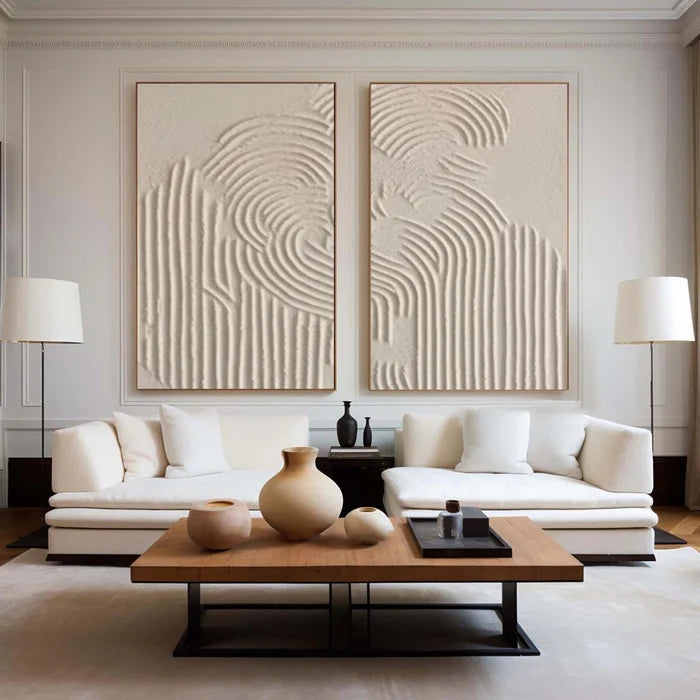

White Paintings: The Rise of Minimalist Art and Modern Aesthetic Purity
White paintings have become one of the most significant movements in contemporary art, capturing the essence of minimalism, purity, and emotional balance. Initially dismissed by critics as too simple, these artworks now symbolize refined taste, mindful living, and a deep connection between visual silence and emotional clarity. From modern interiors to museum collections, white abstract paintings continue to redefine the boundaries of creativity and spiritual calm in art and design.
The Evolution and Meaning of White Paintings
White paintings emerged as a revolutionary departure from traditional color-based compositions. Artists like Robert Rauschenberg and Kazimir Malevich pioneered the concept, using the absence of color to express infinite depth, light, and introspection. In minimalist and contemporary art theory, white represents balance, simplicity, and transcendence. Many creators explore subtle textures, layers, and materials that turn a monochromatic surface into a meditative landscape. This conceptual purity transformed white art into a symbol of conscious living and space elevation.
Market Trends and Data on Contemporary White Art
According to Art Basel’s 2025 global report, demand for minimalist and neutral-tone artworks increased by 38% year-over-year, with white abstract paintings leading sales among residential and corporate buyers. Collectors value their ability to enhance architectural spaces while maintaining emotional calm. The market for white textured paintings, including acrylics, oil on canvas, and impasto works, is expected to exceed 2.5 billion USD by 2028. Interior design trends show that white canvases dominate wellness-inspired spaces, symbolizing mental clarity and freedom from clutter.
Artistic Techniques and Core Materials in White Paintings
Creating a white painting involves more than painting a surface white. Artists use layering, scraping, glazing, and impasto to produce intricate patterns and tactile light effects. Subtle tonal variations create depth, while metallic or matte finishes add dynamic reflections. Techniques such as mixed media integration—combining plaster, sand, and resin—turn minimalist art into profound sensory experiences. The interplay of light and texture ensures that every white artwork feels alive, changing with daylight and seasons.
Application in Modern Interior Design
In interior design, white abstract paintings stand as focal points of serenity. They elevate modern minimalist homes, luxury hotels, and meditative workspaces. Designers use white art to create open visual energy and promote mental rest. Studies from Architectural Digest emphasize that neutral art improves perceived space and reduces visual fatigue. Whether displayed in Scandinavian living rooms or Japanese-inspired office interiors, white paintings express harmony and timeless sophistication.
Company Insight Within the Contemporary Art Movement
Founded in Shenzhen on September 28, 2019, Vinchy Art is a contemporary collective dedicated to promoting mental well-being through abstract oil paintings. Their online store, Vinchyart.com, launched in 2023, curates handcrafted works that encourage mindfulness, emotional balance, and aesthetic peace. Each creation transcends decoration, becoming a reflection of inner calm and artistic authenticity.
Top Styles and Themes in White Painting
White paintings encompass multiple genres: minimalist abstractions, textured monochromes, geometric compositions, and layered spiritual works. Collectors often favor large-scale white oil canvases, mixed-material surfaces, and soft textured modern pieces. Textural white artwork adds both visual rhythm and emotional stillness, bridging modern design with human perception. Artists continually experiment with new media—wax, fiber, and mineral pigments—to enrich surface tactility and evoke sensory engagement.
Competitor Comparison Matrix
| Style or Brand | Core Medium | Visual Appeal | Target Market | Collectibility |
|---|---|---|---|---|
| Rauschenberg School | Acrylic on canvas | Conceptual depth | Museums & galleries | High |
| Minimal Luxe Studio | Mixed texture | Architectural harmony | Interior designers | Medium |
| Vinchy Art | Abstract oil | Emotional healing | Private collectors | High |
| Atelier Lumi | Resin and wax | Textural realism | Design hotels | Medium |
Real Use Cases and Emotional ROI
Collectors report that living with white abstract paintings fosters mental clarity and enhances focus. Corporate offices display white artworks to reduce stress and improve creative atmosphere. In wellness centers, pure-toned canvas art is used for meditation zones, increasing relaxation by up to 30% according to data from wellness consultancies. The emotional return on investment of owning such art lies in the daily peace it brings—art not just seen but felt.
Future Trend Forecast for White Art
As sustainability grows central to creative industries, eco-friendly white pigments and natural canvas materials are gaining prominence. Artists increasingly explore recycled compounds, mineral bases, and biodegradable binders. The next era of white art will merge environmental consciousness with emotional intelligence, turning each painting into both a spiritual symbol and an ecological statement. Moreover, AI-assisted design tools are allowing artists to study light interaction in sophisticated ways, giving rise to more dynamic, immersive minimalist works.
Call to Reflect and Collect
Owning a white painting is more than an aesthetic decision—it is an invitation to clarity, emotional stillness, and refined taste. Whether you seek a reflective centerpiece for modern architecture or a meditative canvas for mindful spaces, the world of white art offers endless serenity and timeless sophistication. In the harmony between silence and texture, the purest form of expression awaits.