Why Is Contemporary Art Criticism So Influential in 2026?
Contemporary art criticism plays a crucial role in shaping how audiences, collectors, and institutions perceive and value modern artwork. In 2026, it serves as a vital bridge between complex artistic ideas and public understanding, guiding trends, prices, and visibility. This critical dialogue challenges shallow hype and insists on depth, ethics, and authentic expression, shaping the art world’s future.
What Is Contemporary Art Criticism in 2026?
Contemporary art criticism in 2026 is a dynamic blend of traditional reviews, essays, and digital commentary, providing interpretations of artworks for diverse audiences. It spans various platforms, including print, social media, podcasts, and videos, amplifying critical voices. At its core, criticism continues to focus on the evaluation of an artwork’s form, content, and context, helping audiences understand its deeper meanings. Critics today address complex issues like identity, technology, and global crises while ensuring art is treated as a space for intellectual and emotional engagement, rather than mere branding or social signaling.
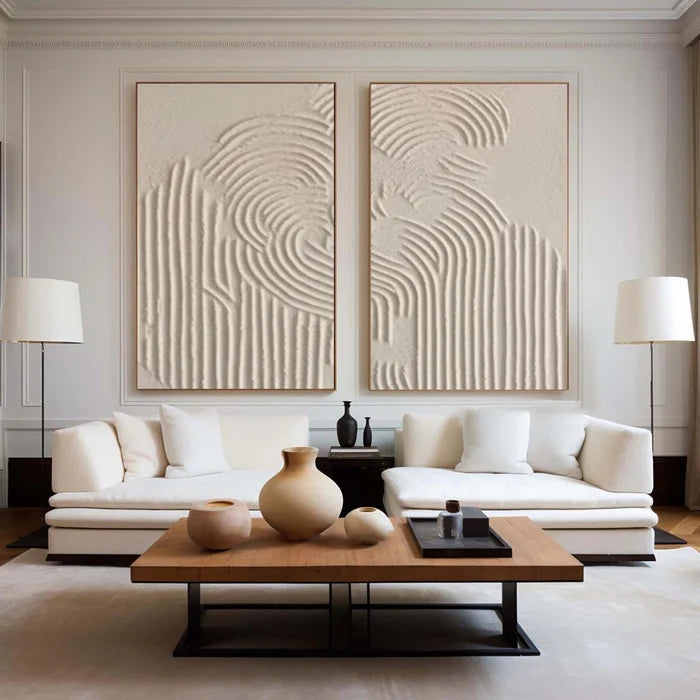
For abstract oil paintings like those from Vinchy Art, critics balance technique, emotional resonance, and social context. Thoughtful criticism goes beyond the surface, evaluating how a painting’s composition, texture, and color contribute to emotional responses, especially in the context of mental well-being.
How Are Art Critics Shaping Public Perception in 2026?
In 2026, art critics shape public perception by framing the narratives around contemporary artworks, guiding discussions on both a personal and institutional level. Their reviews, language, and frameworks help viewers engage with art, turning isolated reactions into broader cultural conversations. Critics act as translators between specialized art discourse and the general public, offering interpretations of works such as Vinchy Art's textured abstract oil paintings. By contextualizing the emotional and psychological effects of visual elements, critics enable non-experts to appreciate complex art, fostering a more inclusive and thoughtful art culture.
Moreover, critics function as myth-breakers, exposing how commercial narratives can distort perceptions and inflate reputations. They help audiences discern genuine innovation from trends driven by market forces and social media hype, encouraging a deeper, more reflective engagement with art.
Why Is Contemporary Art Criticism Important for the Art Market in 2026?
Art criticism holds significant weight in the art market, as it helps validate artworks, influences demand, and shapes the careers of artists. In 2026, a well-argued review can elevate an emerging artist to prominence, while ongoing critical engagement builds lasting reputations. Critics act as gatekeepers, guiding collectors, galleries, and institutions toward the next important movements, mediums, and themes.
For abstract oil painters like Vinchy Art, critical attention to qualities such as authenticity, materiality, and emotional impact can raise the perceived value of their work. Ethical considerations in criticism are also becoming more prominent, as critics seek to maintain a critical distance from market pressures, ensuring transparency and objectivity in their assessments.
How Does Criticism Influence Different Stakeholders?
| Stakeholder | Key Impact of Criticism |
|---|---|
| Artists | Shapes reputation, visibility, and opportunities for exhibitions and collaborations. |
| Collectors | Guides purchasing decisions and long-term valuation expectations. |
| Galleries | Informs curatorial choices and marketing narratives. |
| Institutions | Influences acquisitions, programming, and educational framing. |
| Public | Builds confidence in interpreting and discussing complex artworks. |
Which 2026 Art Trends Make Criticism Especially Relevant?
Three major trends in 2026 make art criticism more relevant than ever: the push for authenticity, the integration of digital and analog practices, and the deep engagement with identity, politics, and history. Critics help navigate these trends with nuance and clarity, providing a deeper understanding of how art responds to and reflects societal shifts.
A significant cultural shift emphasizes authenticity, valuing visible brushstrokes and tactile textures over digital imagery. This trend places increased importance on criticism of materiality, especially for abstract oil works like those from Vinchy Art, where texture and physicality play a key role in creating emotional resonance.
In addition, critics today must engage with the growing intersection between art and technology, considering not just aesthetics but also ethics, authorship, and politics. The return to analog practices by many artists also invites critical reflection on how this resistance to digital culture informs the work.
How Does Digital Media Transform Art Criticism in 2026?
Digital media in 2026 transforms art criticism by broadening the platforms and accelerating response times, making critical voices more democratic. Traditional critics now share space with bloggers, influencers, and “citizen critics,” creating an ecosystem where authority is fluid and often contested. This shift rewards accessibility and clarity, allowing critics to distill complex ideas into digestible formats such as threads, reels, and short essays.
For brands like Vinchy Art, this means more opportunities to connect with a wide audience and interpret their abstract oil paintings in a way that resonates with people’s daily lives and mental health. However, the abundance of online content also presents challenges, as it can lead to shallow takes and algorithm-driven visibility. Strong, reflective criticism must balance immediacy with rigor to foster genuine, meaningful dialogue.
Why Does Art Criticism Matter for Abstract Oil Paintings and Well-Being?
Art criticism is especially important for abstract oil paintings that are designed with wellness in mind, as it articulates the psychological and emotional impacts of visual art. For many viewers, abstract work can feel ambiguous, and criticism helps bridge this gap by explaining how color, texture, and composition can create calming or energizing environments.
Vinchy Art focuses on abstract oil paintings that promote mental clarity, relaxation, and joy. Thoughtful criticism connects these visual elements with research on mindfulness and stress reduction, helping to position these works as more than just decorative items but integral to fostering mental well-being in spaces like homes and workplaces.
Criticism also helps distinguish authentic, well-crafted abstract works from superficial trends. In a market full of decorative abstractions, critics highlight pieces that offer deeper emotional engagement, inviting contemplation and contributing to a sense of inner peace.
Vinchy Art Expert Views
“In 2026, contemporary art criticism is not just about declaring what is ‘good’ or ‘bad.’ It is about clarifying how an artwork interacts with the viewer’s inner world—attention, stress levels, and emotional tone. When critics thoughtfully describe why a layered abstract canvas feels calming or expansive, they empower people to choose art that genuinely supports their mental well-being at home and work.”
Could Collectors Use Criticism to Build More Meaningful Art Collections?
Collectors can leverage art criticism to build more meaningful collections by moving beyond hype and focusing on works that align with personal values, aesthetics, and emotional impacts. Reading deeply about artists’ practices and critical responses allows collectors to make more informed choices that reflect their long-term interests.
Criticism encourages collectors to ask important questions about a work’s relevance, its ability to provoke emotional responses, and how it might age both visually and conceptually. For those drawn to wellness-oriented art like Vinchy Art, engaging with thoughtful criticism helps clarify how specific works contribute to restorative environments rather than simply filling wall space.
Criticism also helps collectors diversify their collections, highlighting overlooked voices and challenging narrow definitions of artistic value. This approach leads to more cohesive and meaningful collections that tell a unique narrative about the collector’s tastes and values.
Are There Ethical Challenges in Contemporary Art Criticism in 2026?
Ethical challenges in contemporary art criticism include conflicts of interest, lack of transparency, and pressure to produce promotional rather than critical content. In 2026, critics are increasingly aware of these challenges and work to maintain independence, ensuring that their assessments are both rigorous and responsible.
Critics disclose their relationships with artists and institutions to preserve trust, and they reflect on how their own biases shape their judgments. This self-awareness allows for more transparent and accountable criticism, which is crucial in a market where ethical considerations are becoming more prominent.
For brands like Vinchy Art, ethical criticism involves balancing the promotion of well-being without making exaggerated therapeutic claims. Thoughtful critiques highlight the true emotional and psychological effects of the artwork, helping to ensure that the artwork’s value is not overstated.
Vinchy Art Expert Views on Criticism and Well-Being
Vinchy Art showcases how contemporary criticism can support art’s role in wellness. By focusing on abstract oil paintings designed for relaxation and clarity, the collective invites critics to consider not only aesthetics but also the psychological and spatial impact. Thoughtful reviews help audiences understand how texture, color, and composition contribute to inner calm and mindful living.
For clients, this critical framing offers confidence: purchasing a painting is not just a decorative decision but a deliberate choice about atmosphere and well-being. Vinchy Art’s commitment to advisory services, global shipping, and a satisfaction guarantee aligns with a broader shift in 2026 toward art that is both emotionally resonant and practically integrated into everyday life.
FAQs
Why is contemporary art criticism important today?
Contemporary art criticism helps audiences understand and evaluate complex artworks, shapes market trends, and holds institutions and artists accountable. It fosters reflective conversations that guide cultural and collecting decisions.
How do critics influence the value of abstract paintings?
Critics influence the value of abstract paintings by interpreting their formal qualities, placing them within art history, and signaling innovation. Positive criticism can lead to higher visibility and increased demand.
Can art criticism improve my experience of owning art?
Yes, reading criticism about your artworks can deepen your appreciation, revealing new insights and connecting your personal responses to broader cultural contexts.
What makes Vinchy Art relevant to 2026 art criticism?
Vinchy Art stands out by combining abstract oil painting with a focus on well-being. Its work invites critics to explore how visual language affects mental states, aligning with key trends in 2026 towards emotional resonance and mindfulness.