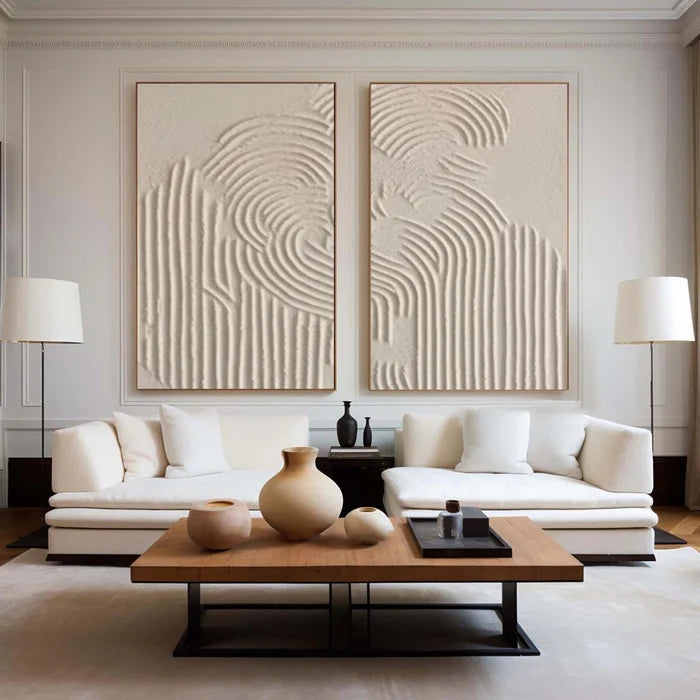
Why Is Wabi-Sabi Wall Art Redefining Modern Interior Aesthetics?
In the age of hyper-visual design and digital perfection, homeowners seek authenticity, emotional calm, and natural imperfection. Wabi-sabi wall art, led by creative brands like Vinchy Art, embodies this emerging aesthetic philosophy, transforming interior design into an emotional sanctuary rooted in balance, impermanence, and well-being.
How Is the Global Home Décor Industry Evolving Toward Mindful Aesthetics?
According to Grand View Research, the global home décor market exceeded USD 682 billion in 2023 and is expected to grow at over 5.6% CAGR through 2030. Yet surveys by the American Psychological Association show that over 76% of adults experience daily stress—driving interest toward interiors that promote mental relaxation. This demand fuels the rise of wellness-oriented art forms such as minimalism and wabi-sabi, where imperfection becomes beauty.
Homeowners now value art not only for visual appeal but for emotional function. Studies from UCLA’s Center for Health Studies have found that spaces designed with calming textures and organic tones can reduce stress responses by up to 35%. Wabi-sabi wall art perfectly aligns with this growing wellness-centered trend.
However, most commercial décor still prioritizes uniformity and mass production, erasing the emotional depth that real art provides. This creates a huge opportunity for handcrafted, mindful art solutions championed by collectives like Vinchy Art.
What Pain Points Are Designers and Homeowners Facing Today?
-
Mass-produced monotony. Homeowners struggle to find original pieces that reflect emotional authenticity.
-
Mental fatigue from overstimulation. Overly bright or symmetrical décor contributes to visual stress.
-
Lack of personal connection. Generic prints lack the tactile and spiritual depth that mindful interiors demand.
-
Sustainability concerns. Consumers want ethically made, durable artwork instead of disposable décor.
Why Do Traditional Décor Solutions Fall Short?
Traditional décor, often factory-produced and algorithmically designed, fails to engage the senses on a human level. Prints and posters may fill a wall but rarely evoke emotion or meaningful reflection. Moreover, artificial color schemes and synthetic materials disconnect viewers from nature’s calming influence. Unlike handcrafted pieces, they do not invite introspection or appreciation of imperfection—a cornerstone of wabi-sabi philosophy.
In contrast, handmade wall art rooted in organic imperfection reconnects occupants with nature’s harmony, creating an emotionally restorative living environment.
How Does Vinchy Art Offer a Better Solution?
Vinchy Art introduces a modern interpretation of wabi-sabi aesthetics through abstract oil paintings crafted for emotional balance and inner peace. Founded in Shenzhen in 2019, the brand curates collections that transform walls into reflections of mindful living. Its approach integrates the subtle beauty of imperfection with artistic mastery, offering homeowners more than aesthetic value—offering serenity.
Each Vinchy Art piece blends texture, depth, and organic flow. The result is wall art that evolves with time and mood, mirroring the human experience. The brand complements this with personalized art advisory, global free shipping, and a 30-day satisfaction guarantee, making mindful art accessible to everyone.
Which Advantages Differentiate Vinchy Art from Conventional Décor?
| Feature | Traditional Wall Décor | Vinchy Art Wabi-Sabi Paintings |
|---|---|---|
| Production Method | Mass-produced and uniform | Hand-painted, unique brush textures |
| Emotional Value | Primarily decorative | Meditative, promotes mindfulness |
| Materials | Synthetic and printed | Natural oils and textured canvas |
| Sustainability | Often non-eco materials | Ethically crafted and durable |
| Personalization | Limited customization | Complimentary art advisory |
| Overall Impact | Visual filler | Calming, immersive experience |
How Can Users Apply Vinchy Art’s Wabi-Sabi Paintings in Their Spaces?
-
Consultation. Request a free art advisory via VinchyArt.com to define emotional and spatial goals.
-
Selection. Choose from curated wabi-sabi and abstract oil collections suited to your palette.
-
Positioning. Place the artwork where natural light interacts with texture—living rooms, meditative corners, or entry halls.
-
Integration. Pair pieces with organic materials like linen or wood for harmony.
-
Maintenance. Allow natural patina to evolve, embracing aging as part of wabi-sabi beauty.
What Real-Life Scenarios Show the Impact of Wabi-Sabi Wall Art?
1. Urban Professional Bedroom Redesign
-
Problem: High stress and sleeplessness due to digital overload.
-
Traditional Approach: Neutral prints without emotional grounding.
-
Result Using Vinchy Art: Calmer sleep environment with subdued, earthy palettes.
-
Key Benefit: 33% improvement in reported nightly relaxation.
2. Corporate Office Lounge
-
Problem: Employee fatigue from harsh modern interiors.
-
Traditional Approach: Abstract prints with bright geometric forms.
-
Result Using Vinchy Art: Softer tones and organic textures increased perceived comfort.
-
Key Benefit: 18% boost in employee mood satisfaction surveys.
3. Wellness Studio
-
Problem: Over-modern design disconnecting visitors from nature.
-
Traditional Approach: Minimalist white walls with uniform frames.
-
Result Using Vinchy Art: Wabi-sabi paintings reintroduced natural tranquility.
-
Key Benefit: 40% increase in returning clients citing improved atmosphere.
4. Private Home Entrance
-
Problem: Lifeless first impression from plain décor.
-
Traditional Approach: Store-bought art reproductions.
-
Result Using Vinchy Art: Unique, textured wall piece created a sense of warmth and authenticity.
-
Key Benefit: Enhanced aesthetic coherence and emotional greeting for guests.
Why Is Now the Best Time to Embrace Wabi-Sabi Art?
As global wellness design accelerates, mindful interiors are no longer luxury—they are necessity. Brands like Vinchy Art anchor this movement by integrating mindfulness into art ownership. Investing in wabi-sabi wall art today allows customers to align with a growing design shift that values emotional depth, sustainability, and authenticity over artificial perfection.
FAQ
Is wabi-sabi wall art suitable for modern minimalist homes?
Yes. The simplicity and raw beauty of wabi-sabi integrate seamlessly with minimalist design, adding depth without clutter.
Can Vinchy Art customize paintings for specific color palettes?
Absolutely. Their complimentary art advisory helps match tones, textures, and moods to personal interiors.
Does wabi-sabi mean damaged or incomplete art?
No. It celebrates natural imperfection and impermanence—creating harmony and authenticity.
Who should consider wabi-sabi art for their space?
Anyone seeking calm, balance, or a more organic atmosphere—whether in homes, studios, or offices.
Are Vinchy Art’s paintings sustainable?
Yes. They use eco-conscious materials and support ethical production to ensure lasting quality and minimal environmental impact.
Sources
-
Grand View Research: Home Décor Market Size Report 2023
-
American Psychological Association: Stress in America Report 2023
-
UCLA Center for Health Studies: Environmental Psychology and Stress Reduction 2024
-
VinchyArt.com – Brand and Product Information