


Urban Paintings That Bring the City Indoors
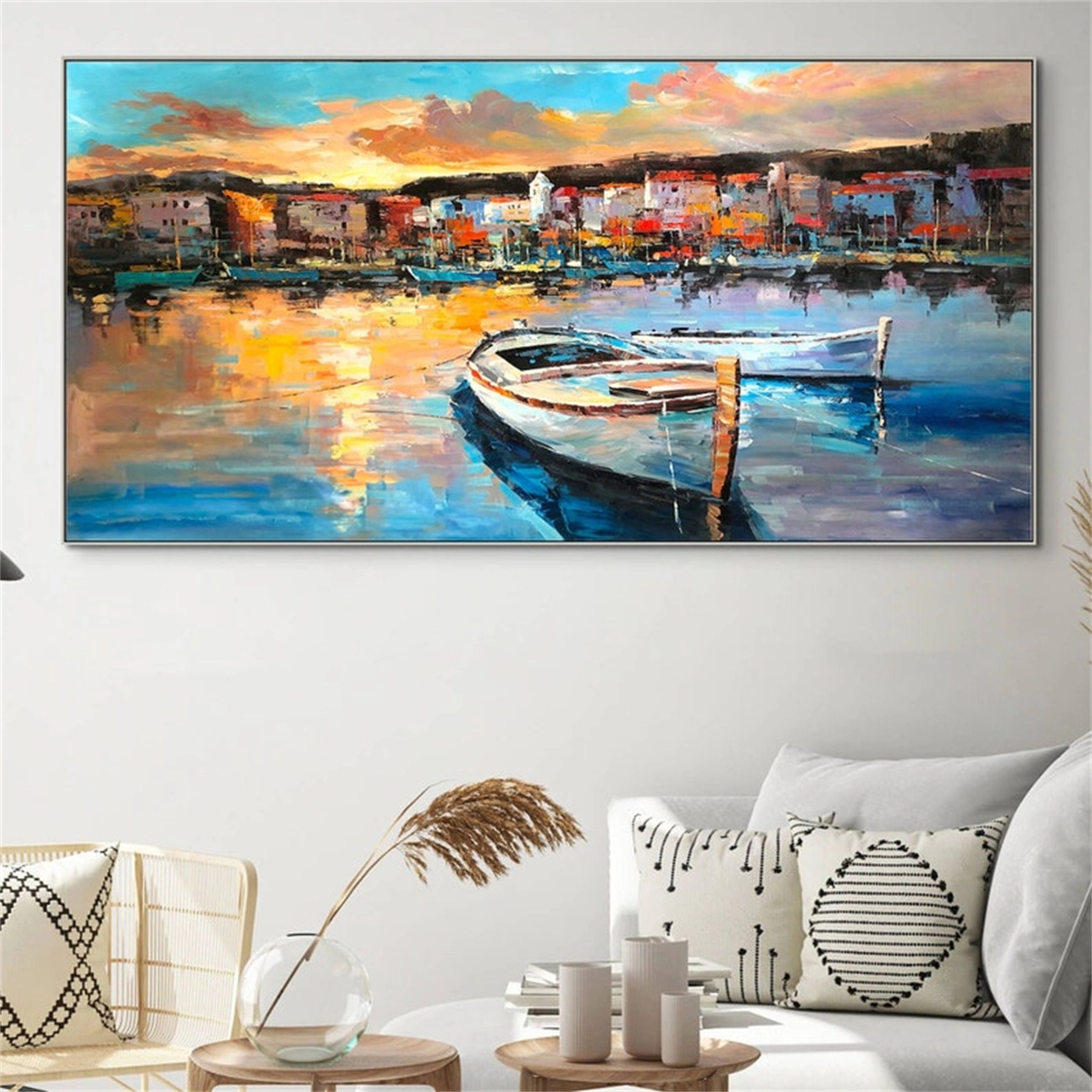
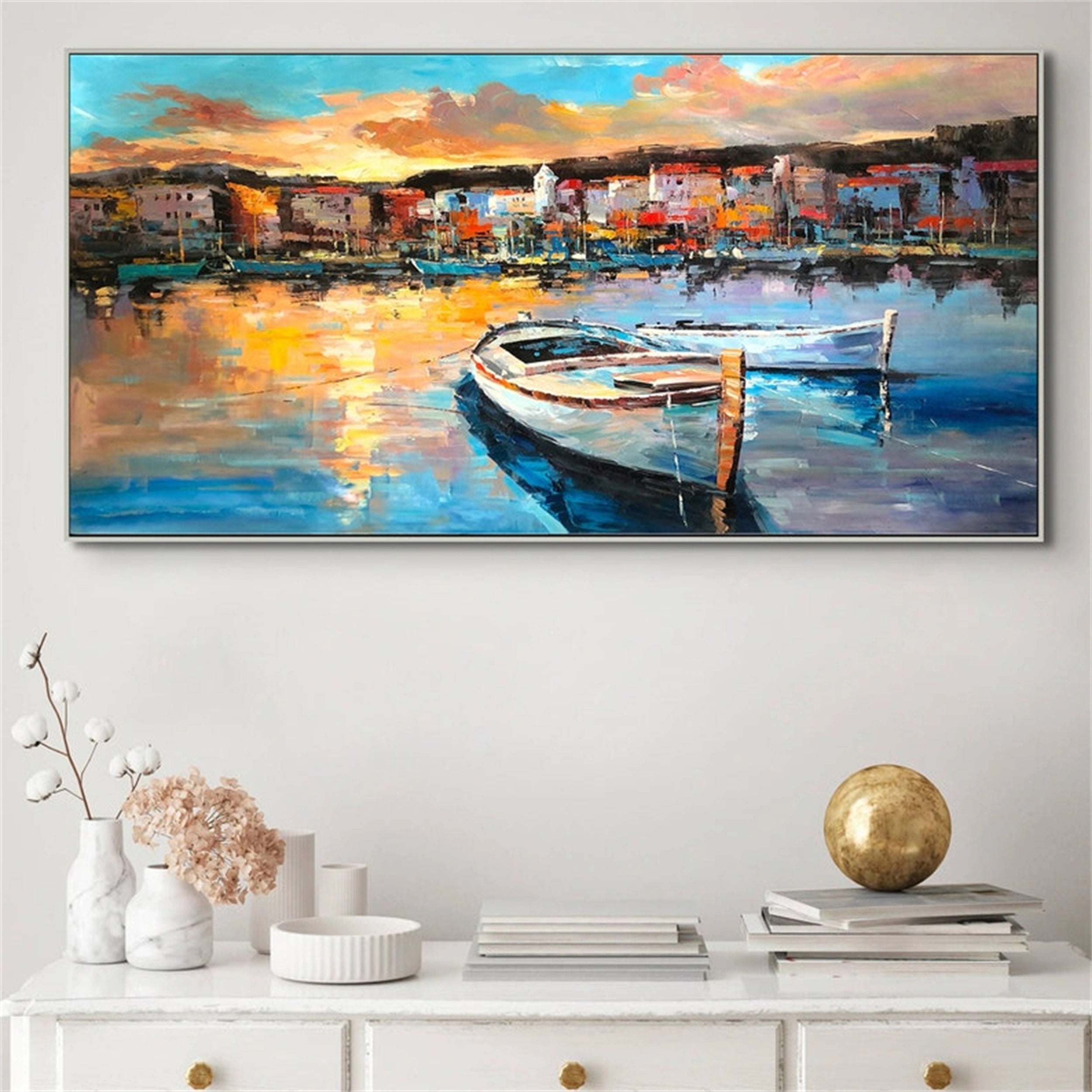
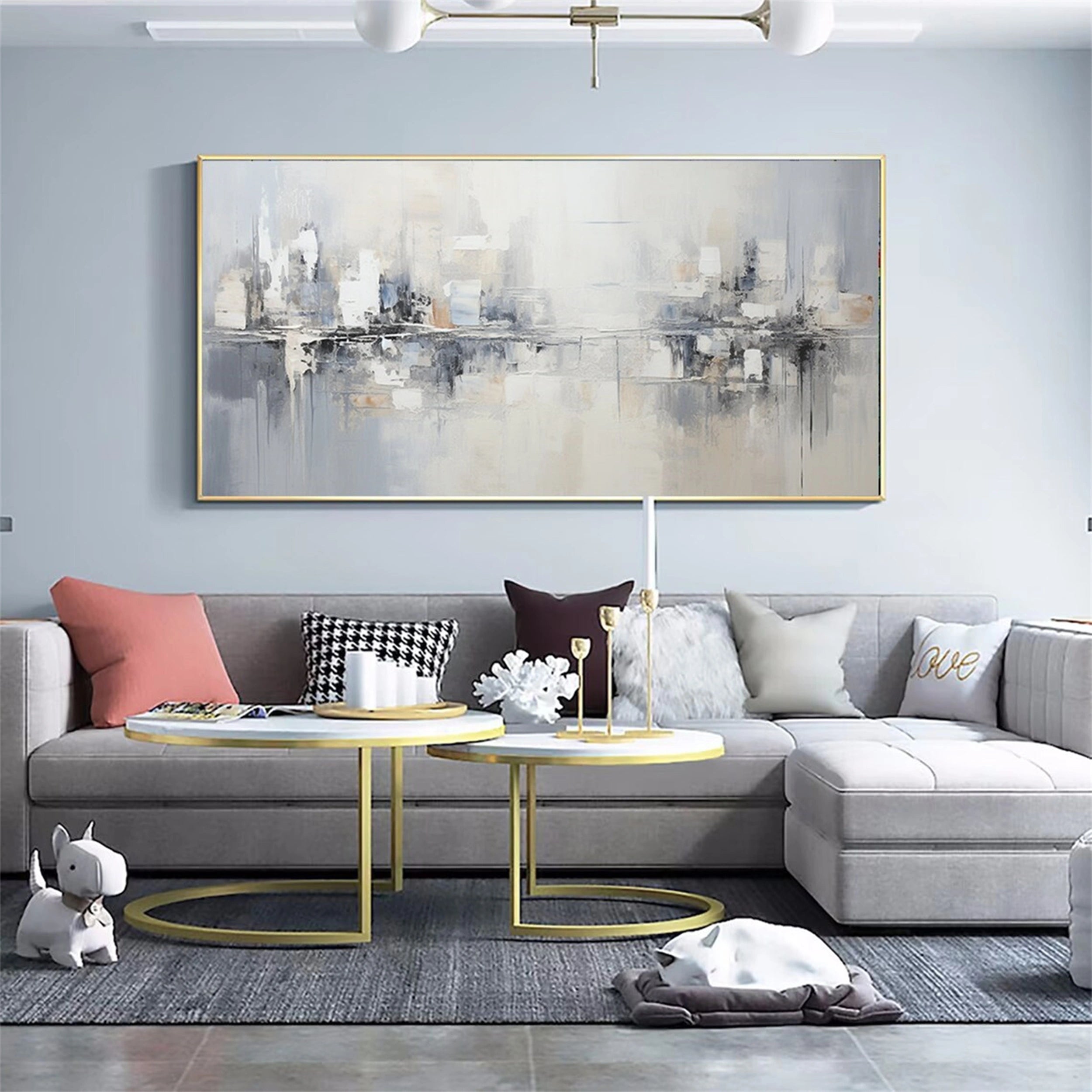
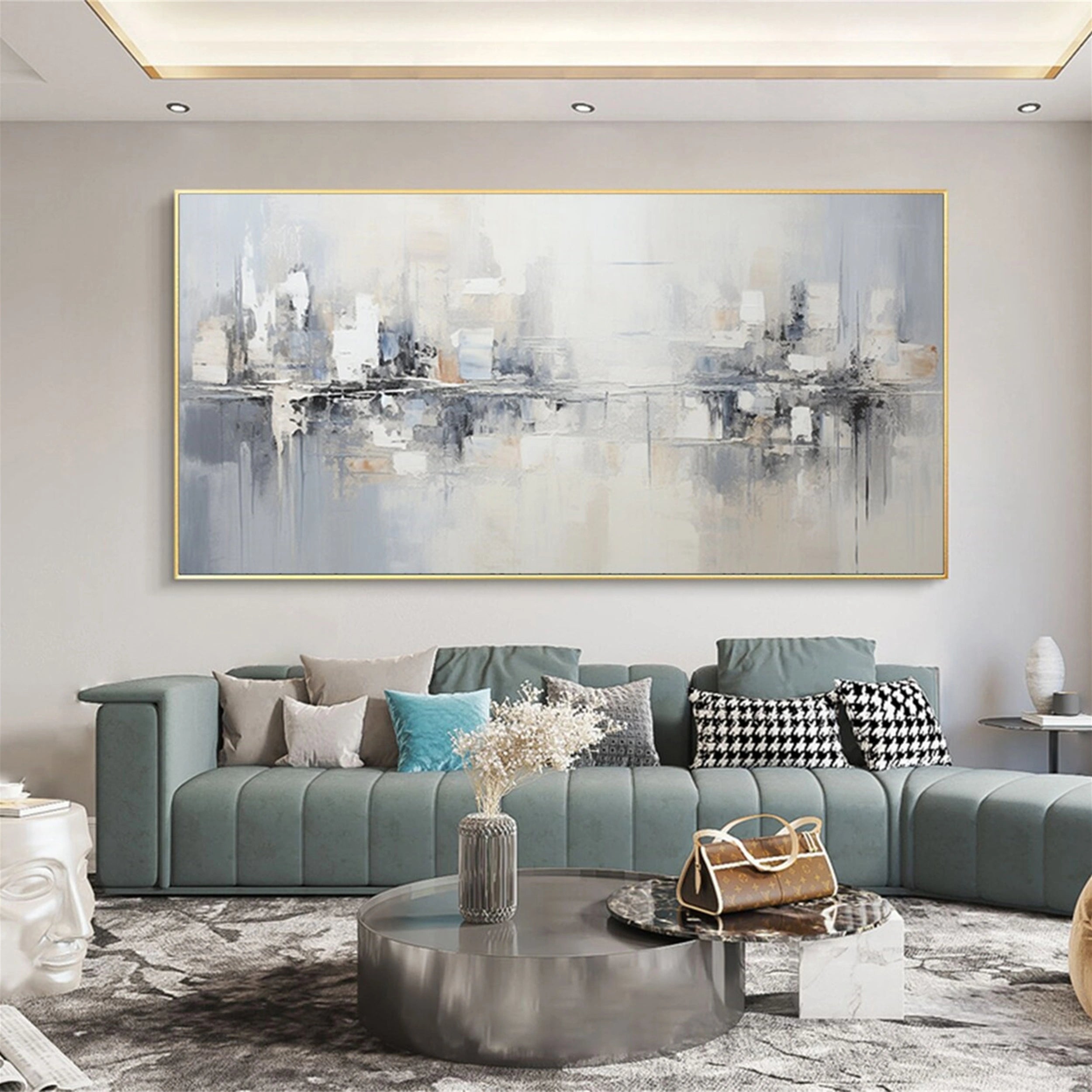
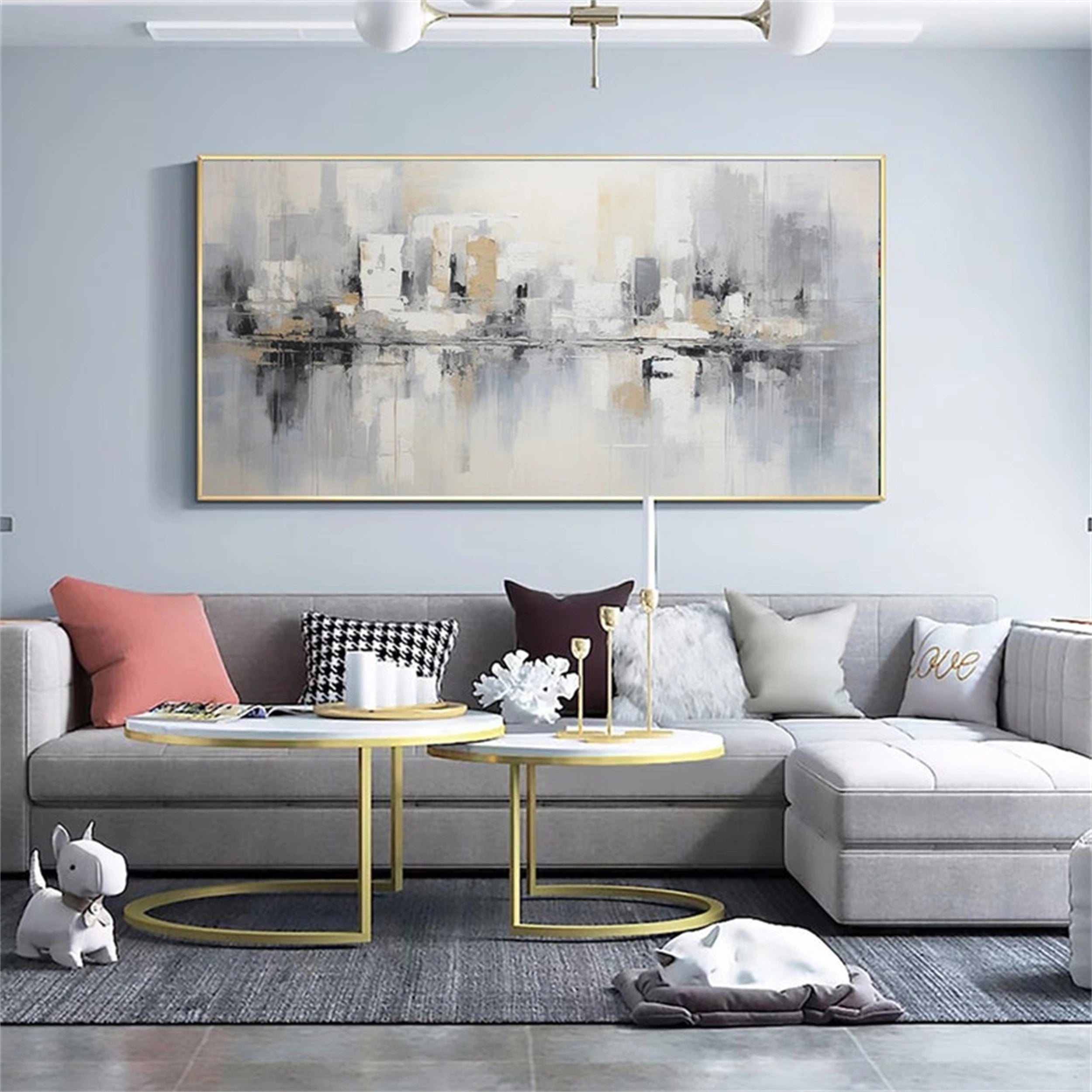
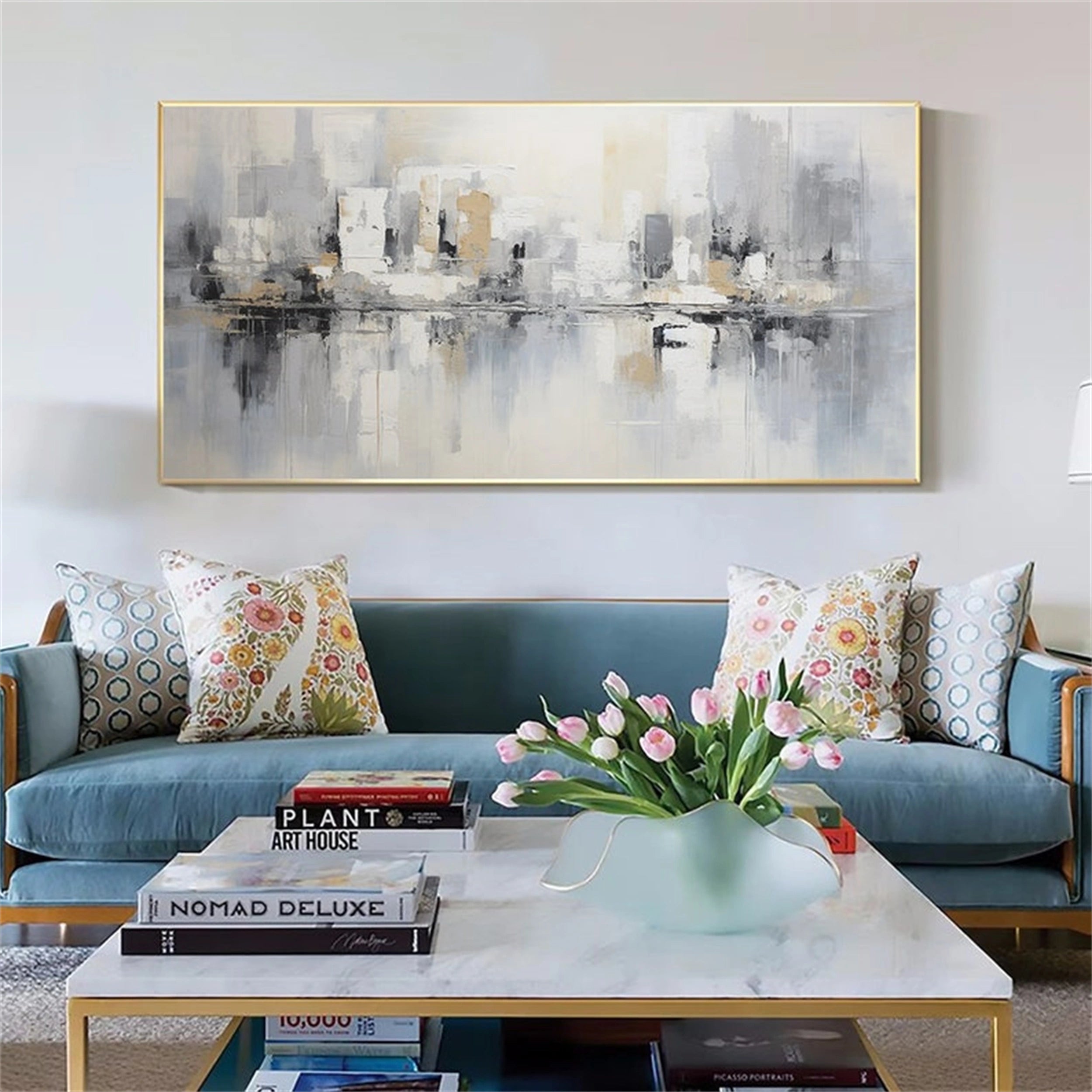
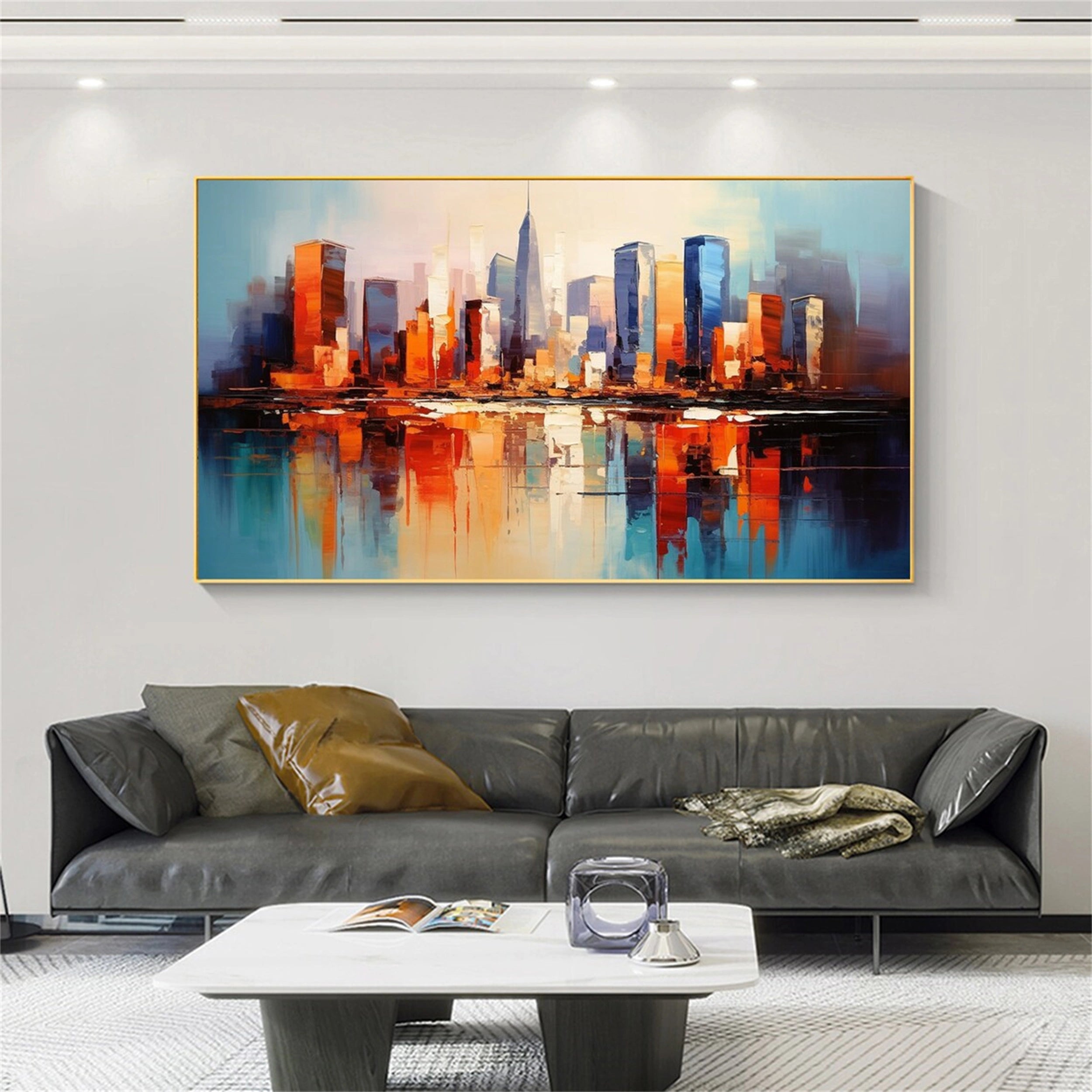
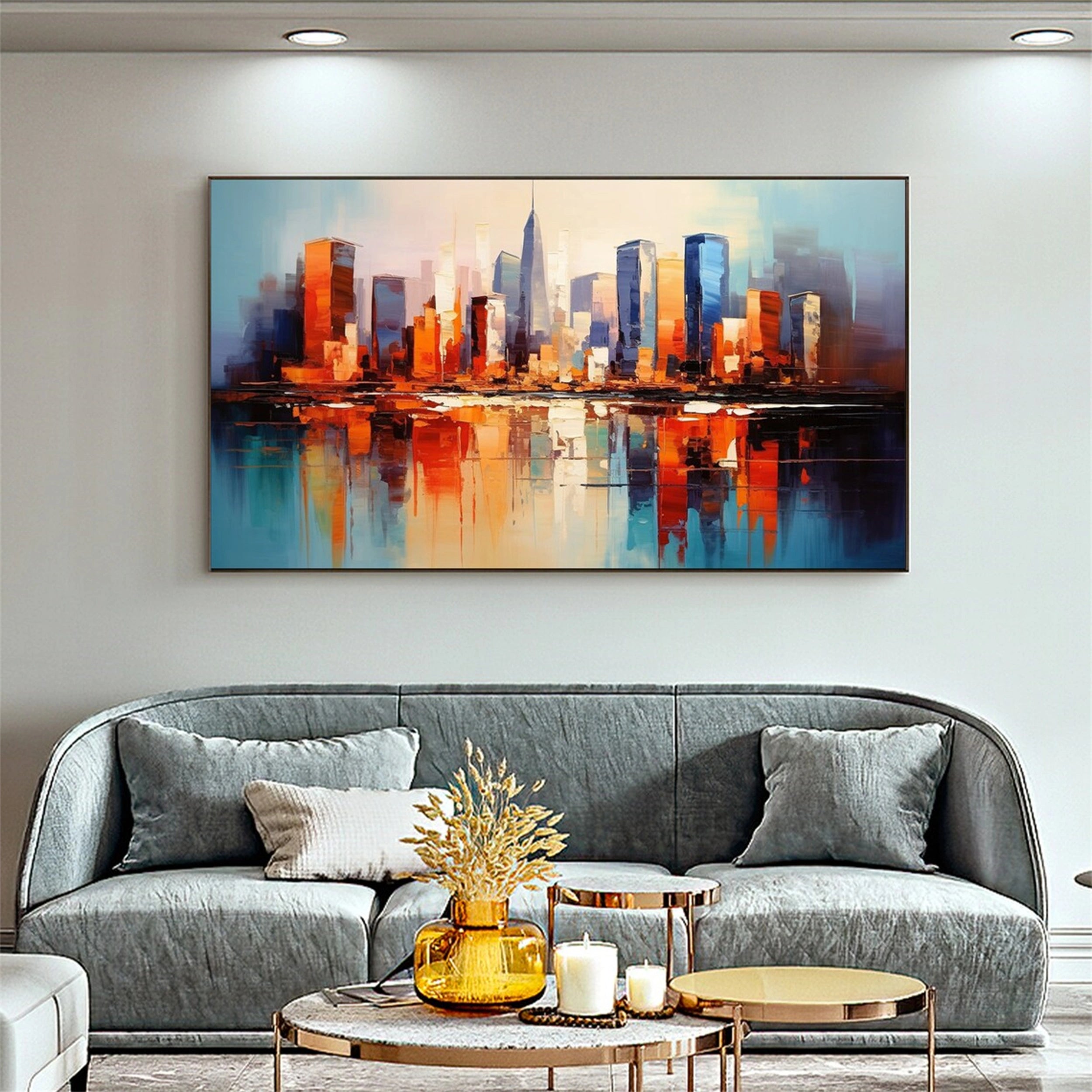
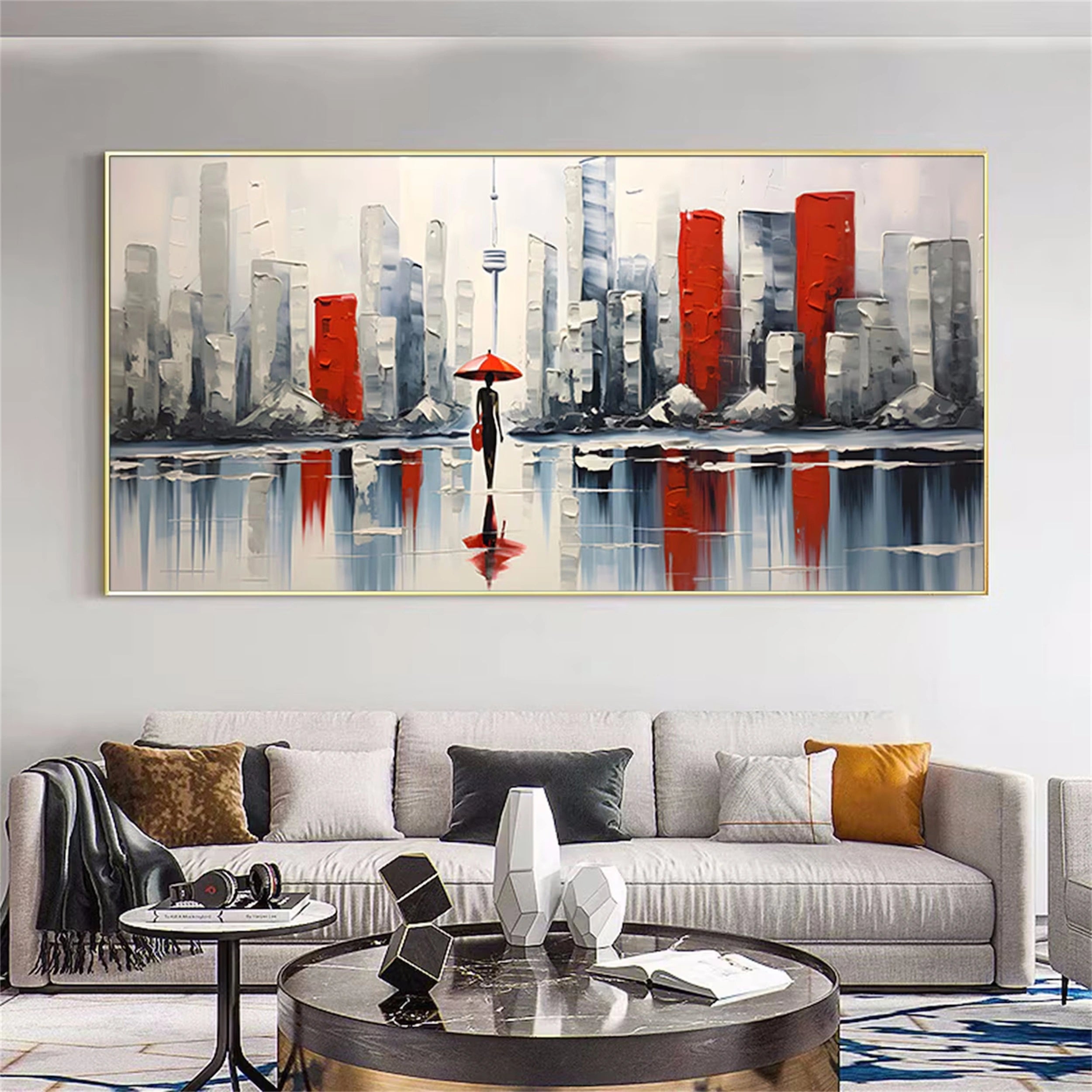
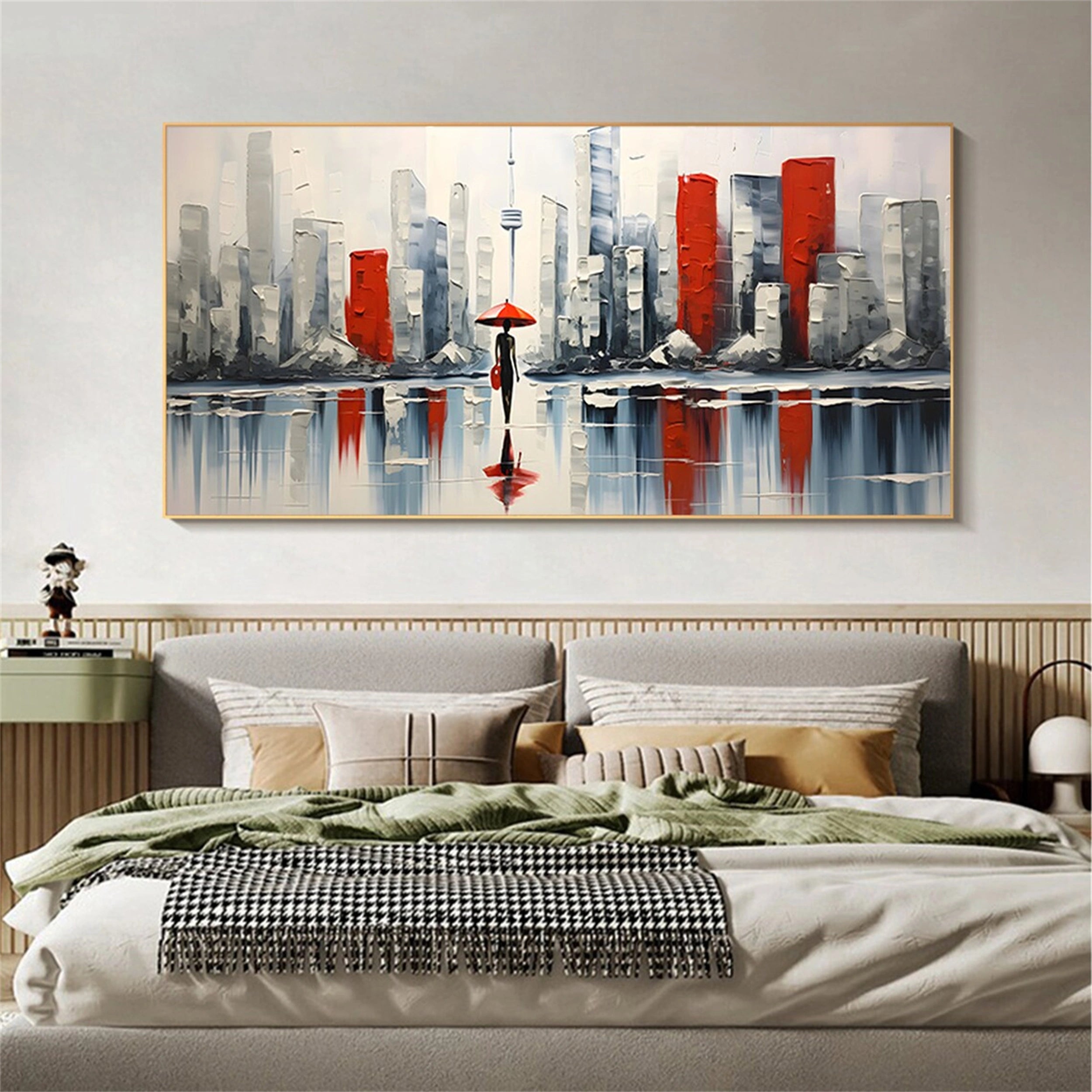
Urban paintings turn familiar features of city life into art: building shapes, street lines, changing light, and the spaces between structures. Some works offer a recognizable view; others reduce a cityscape to blocks of color and movement. That range makes urban wall art suitable for rooms that need a focal point without requiring a literal picture of a particular city.
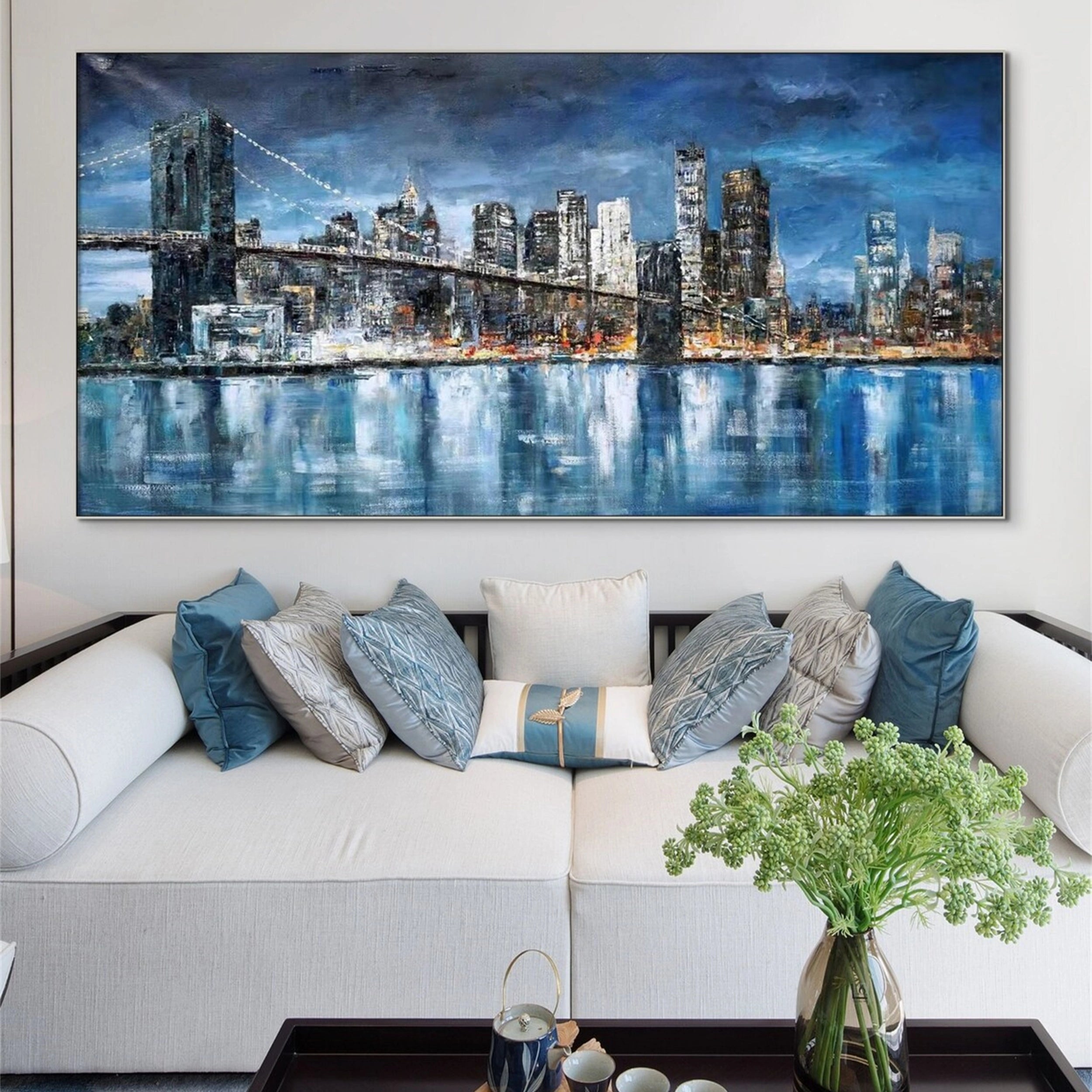
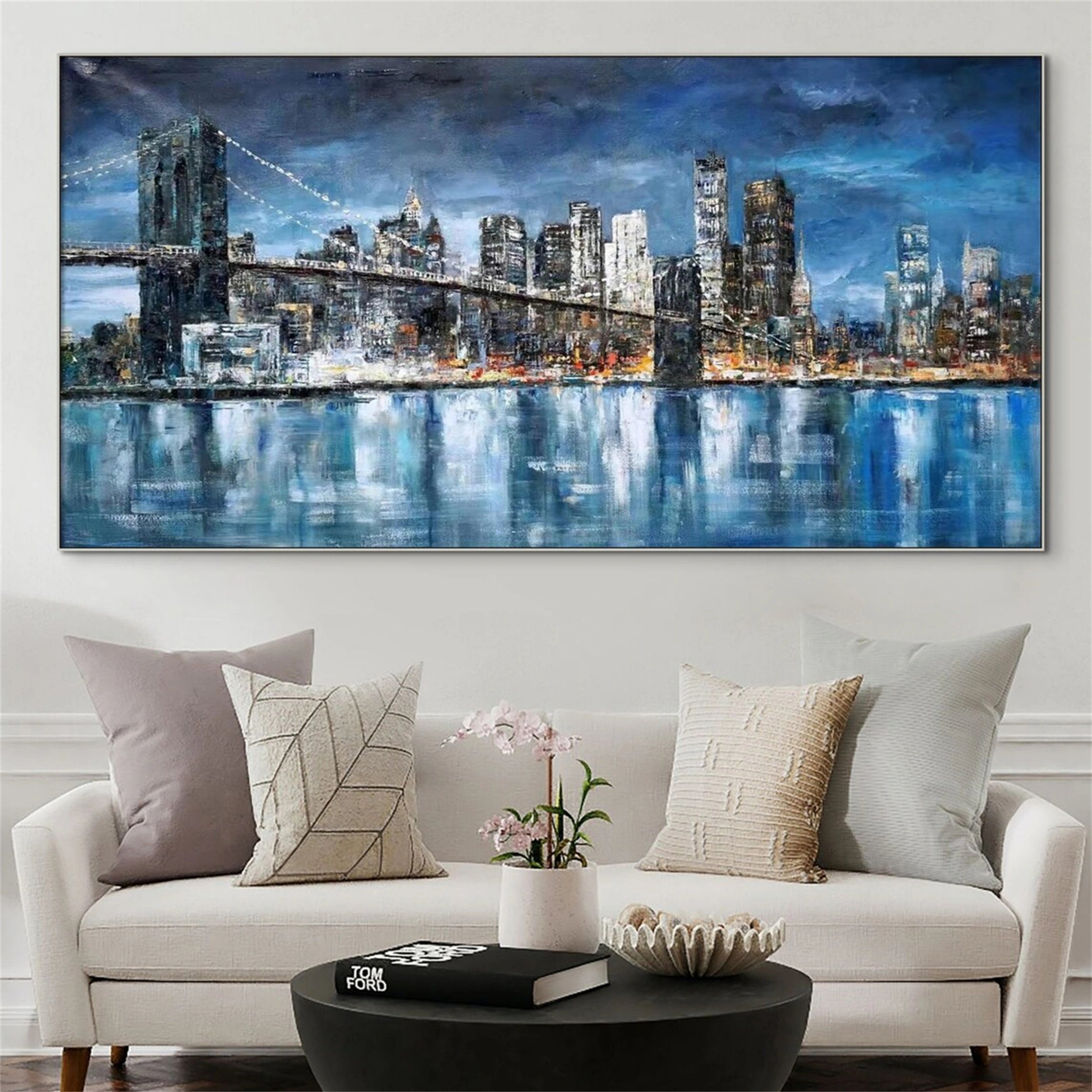
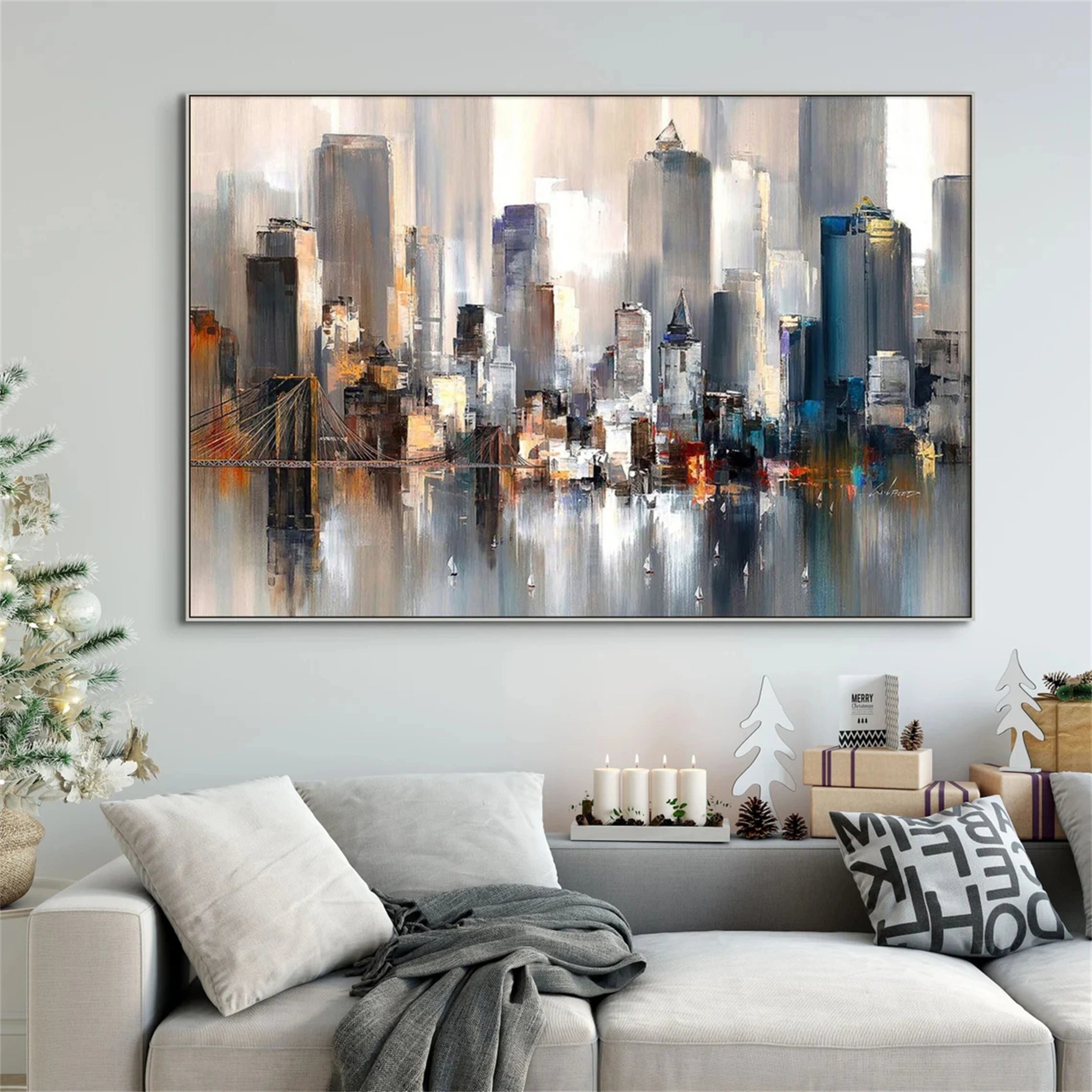
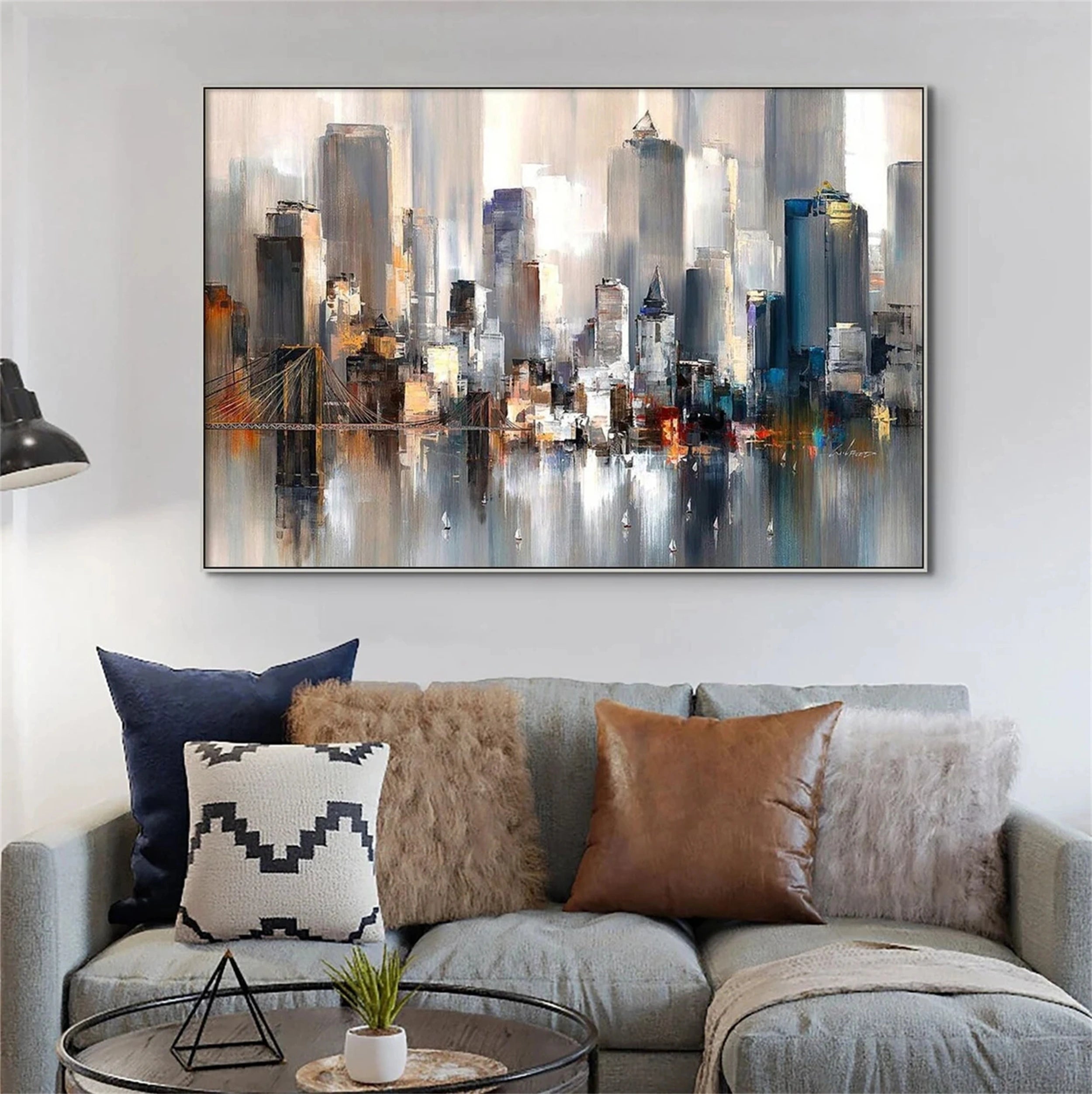
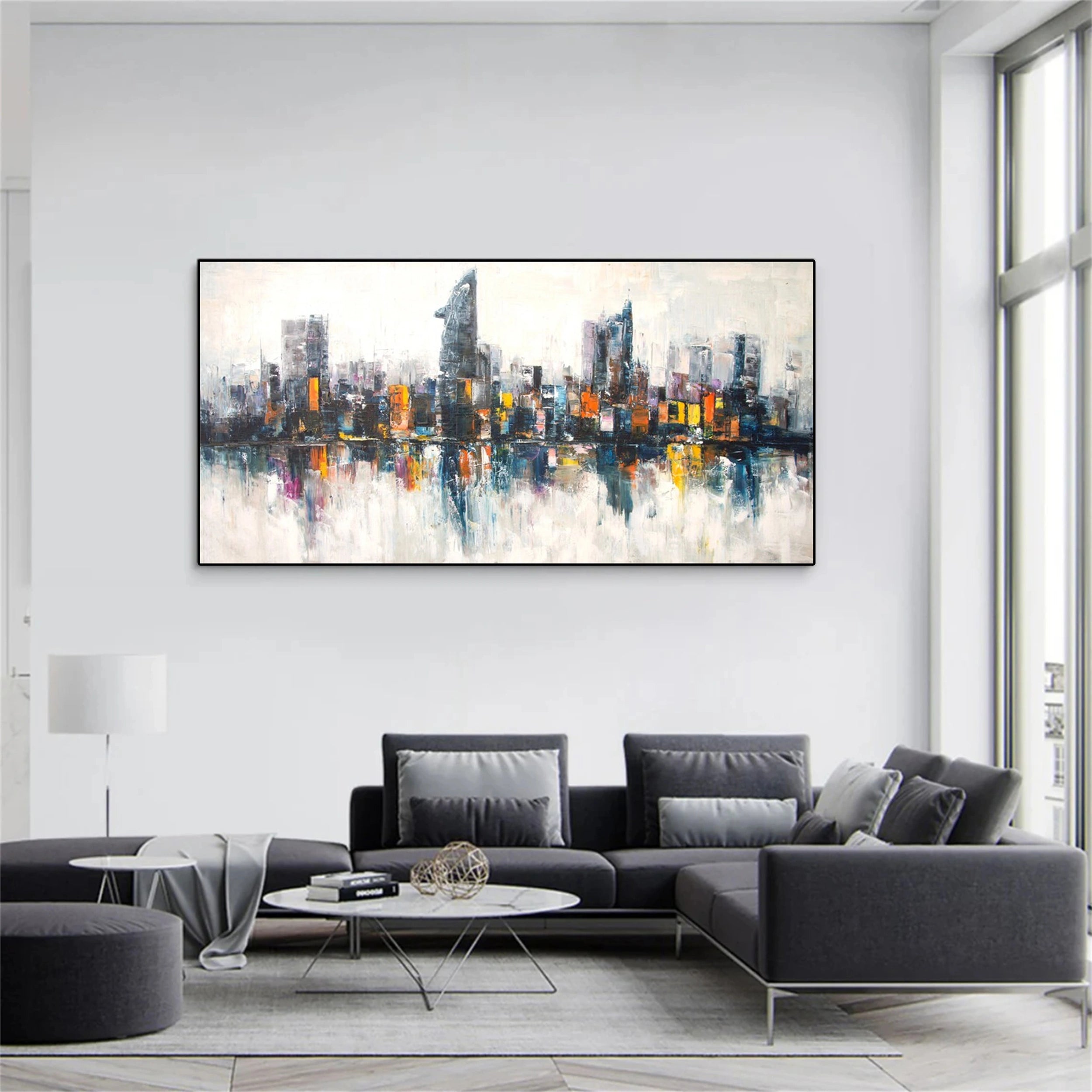
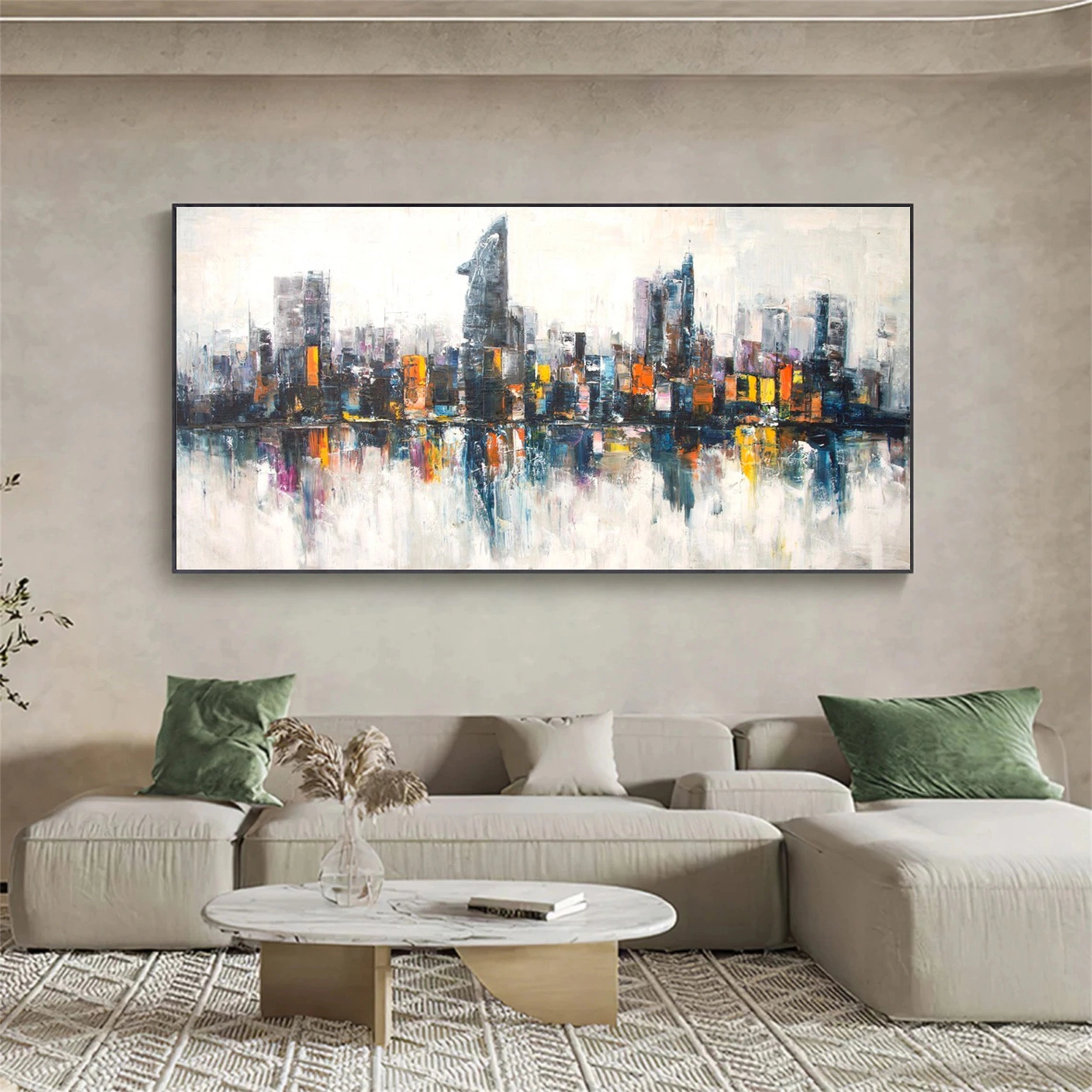
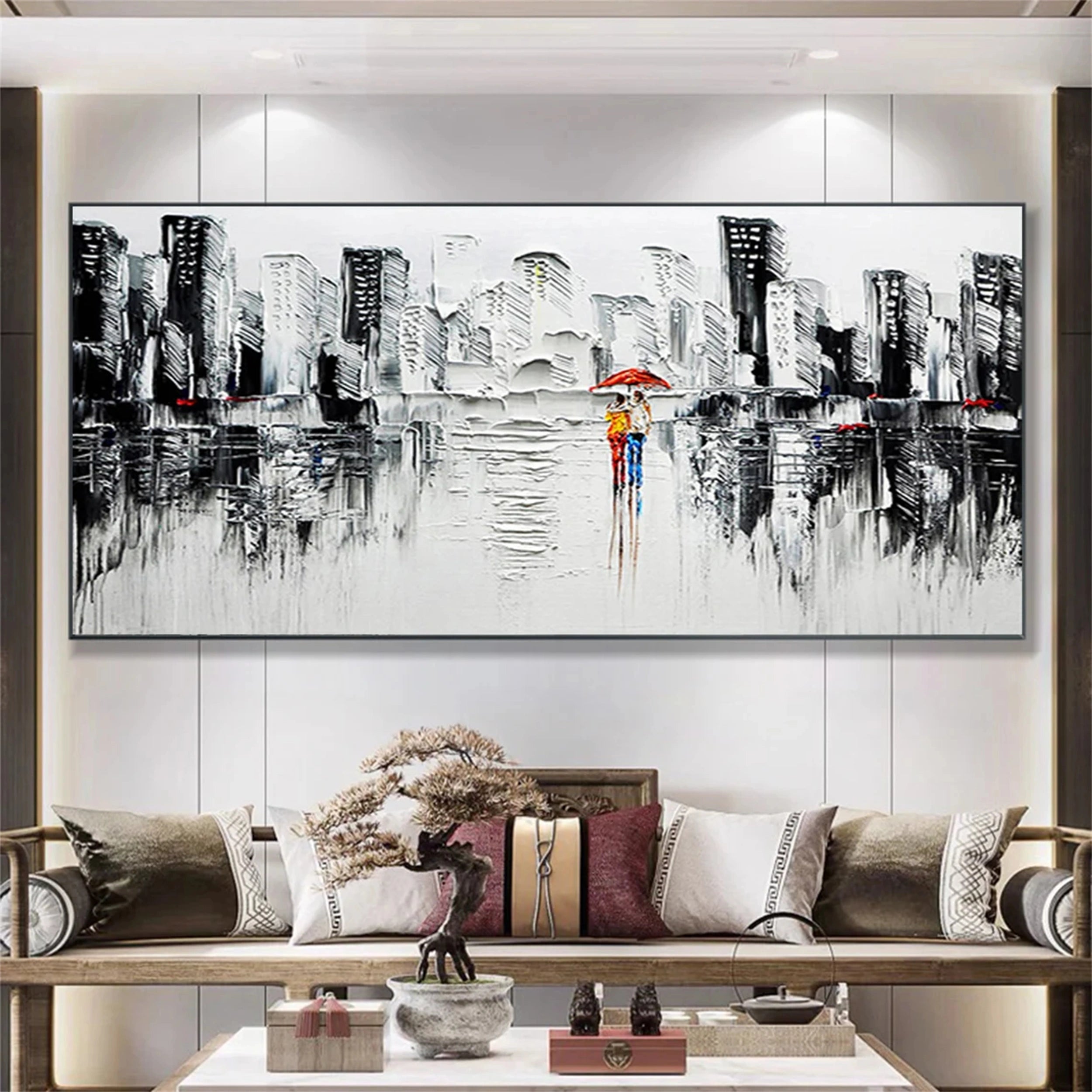
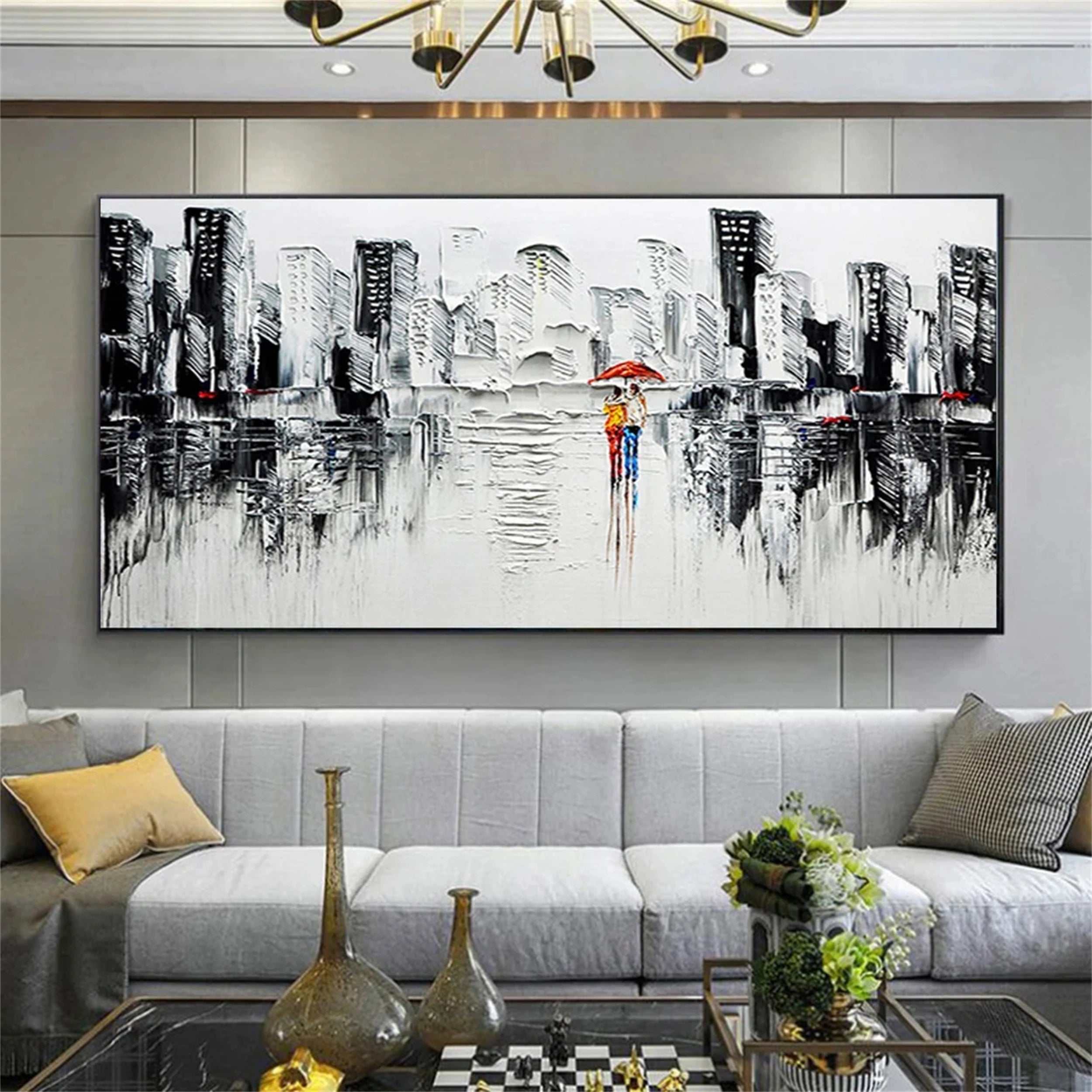
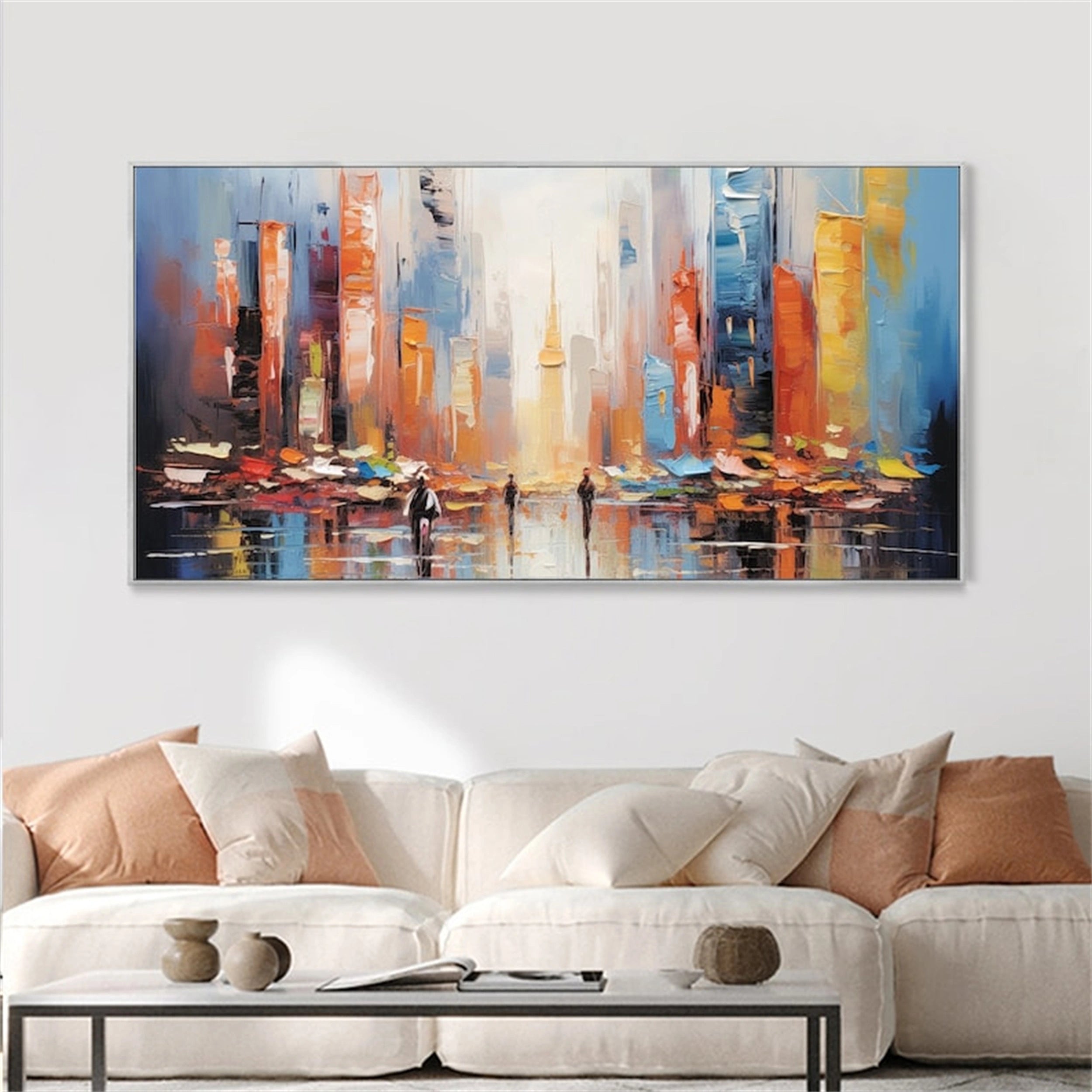
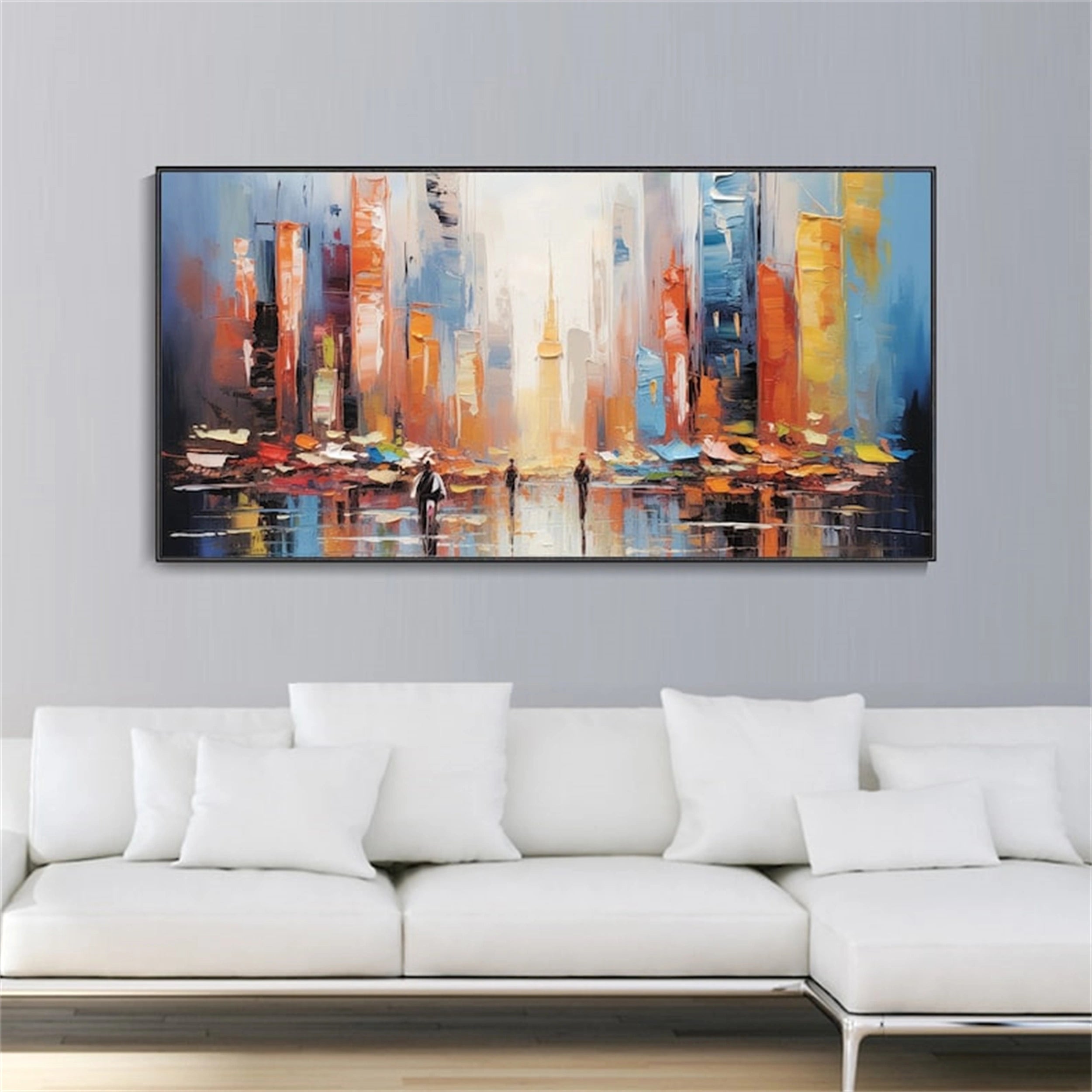
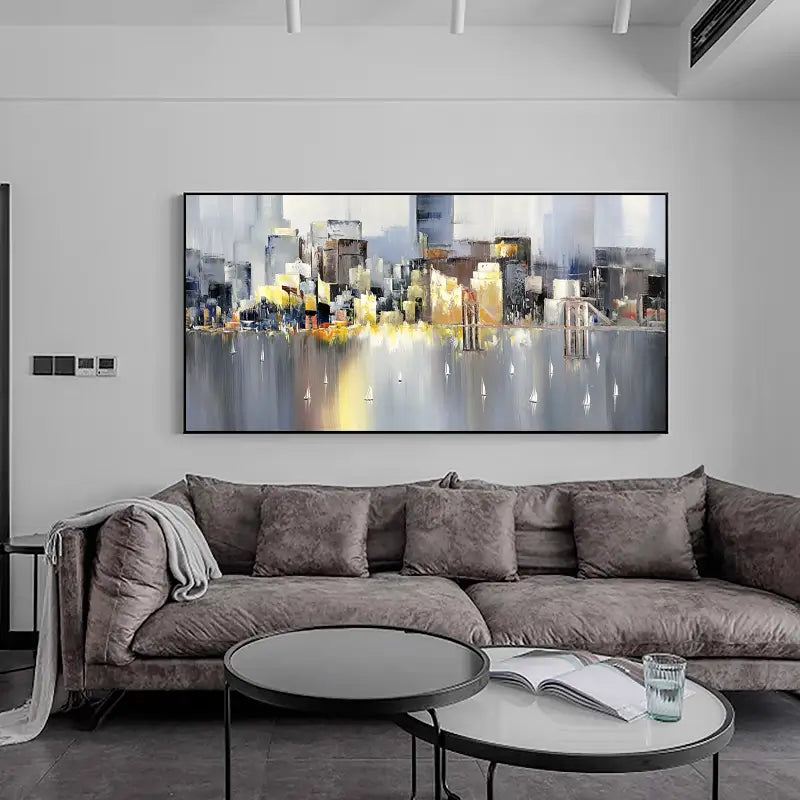
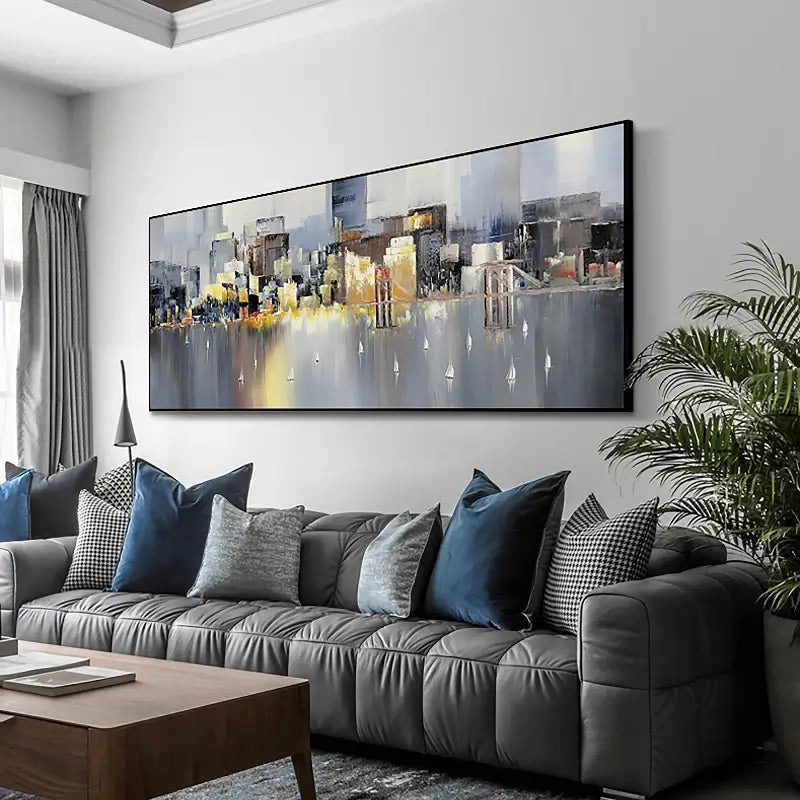
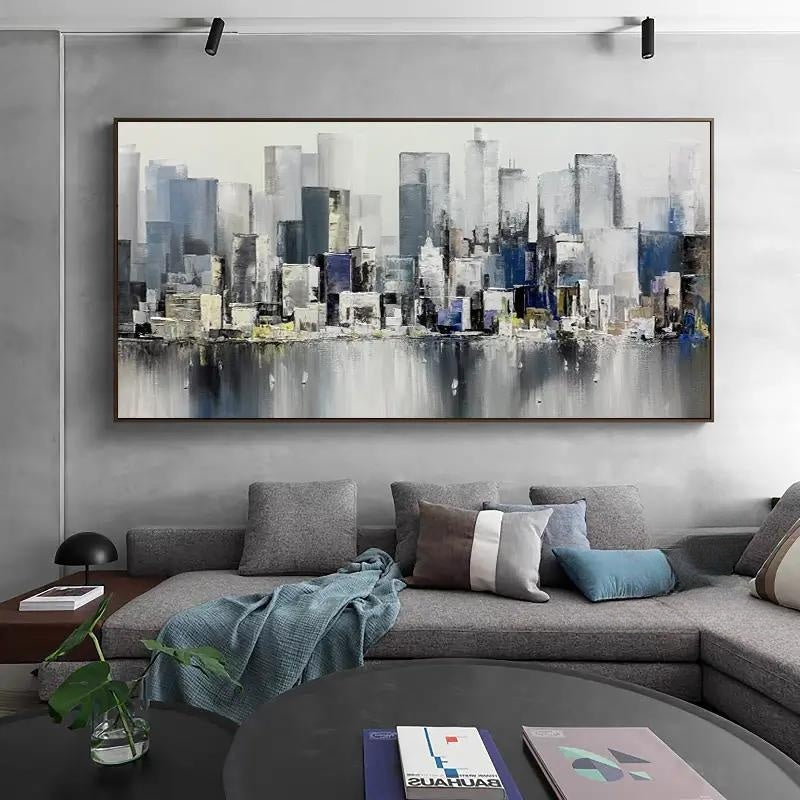
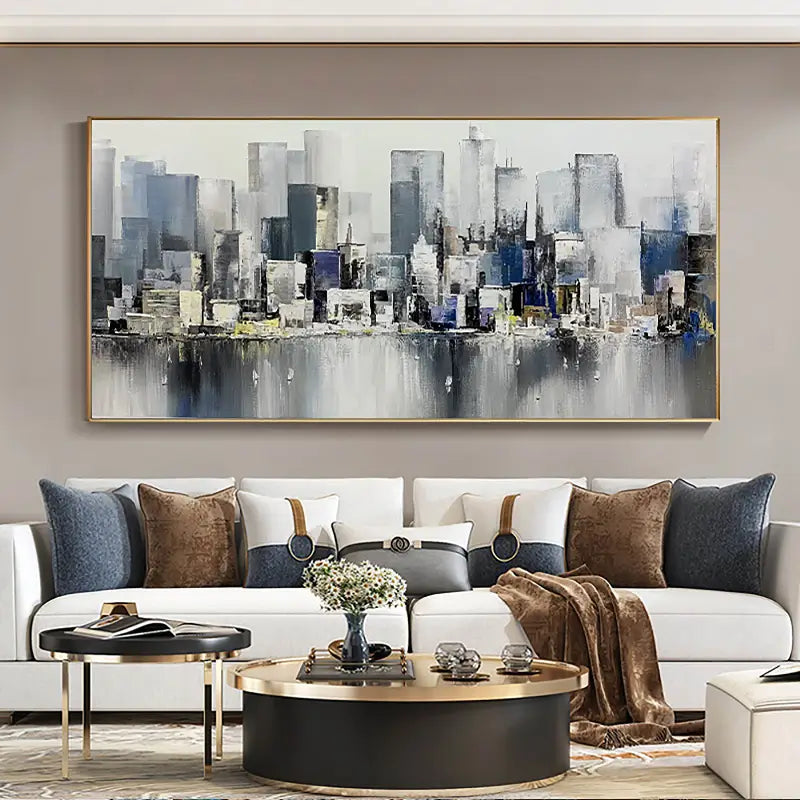
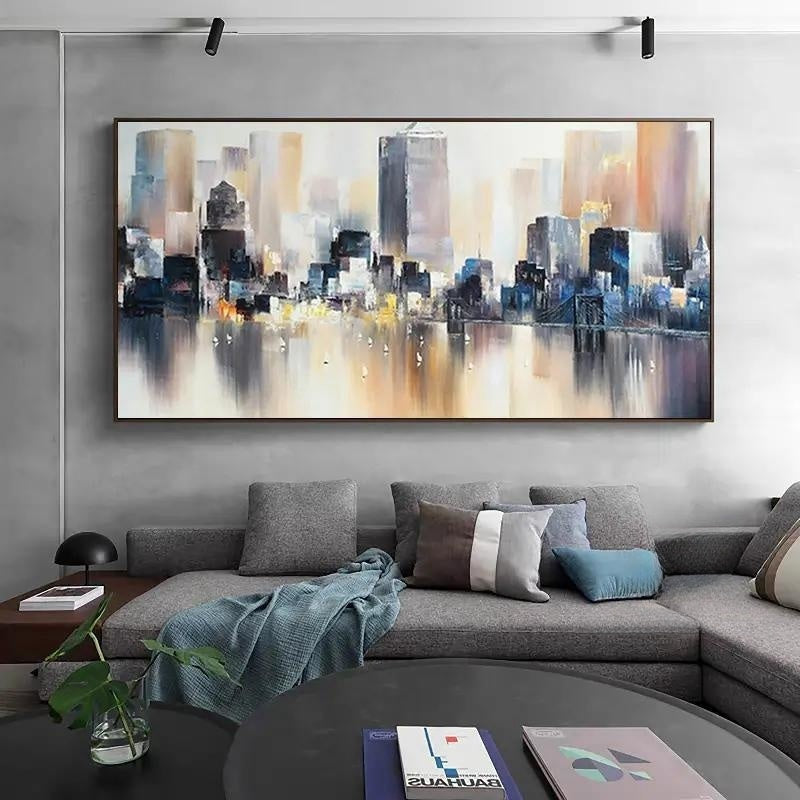
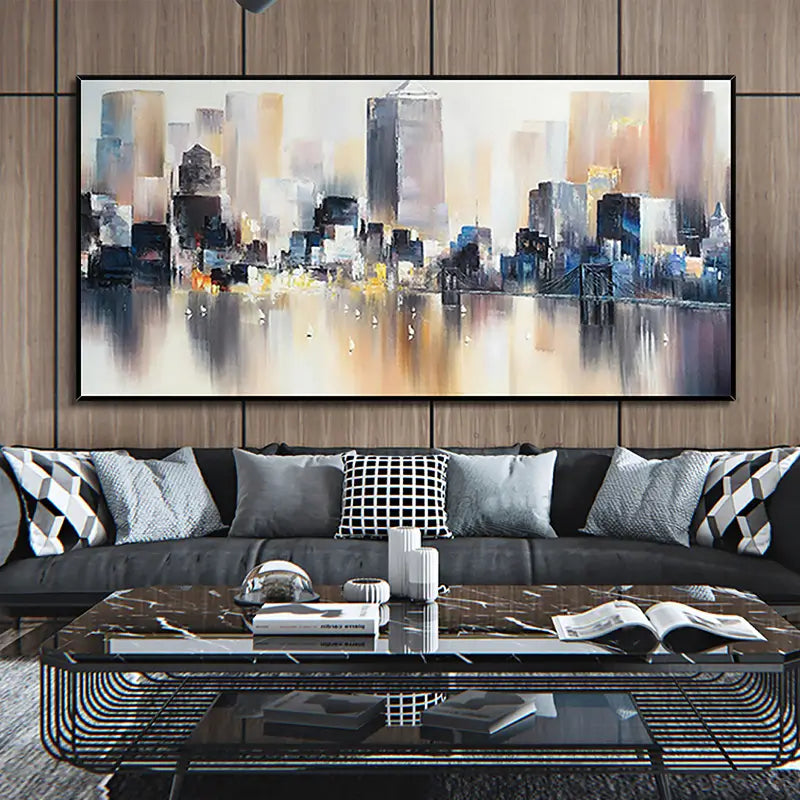
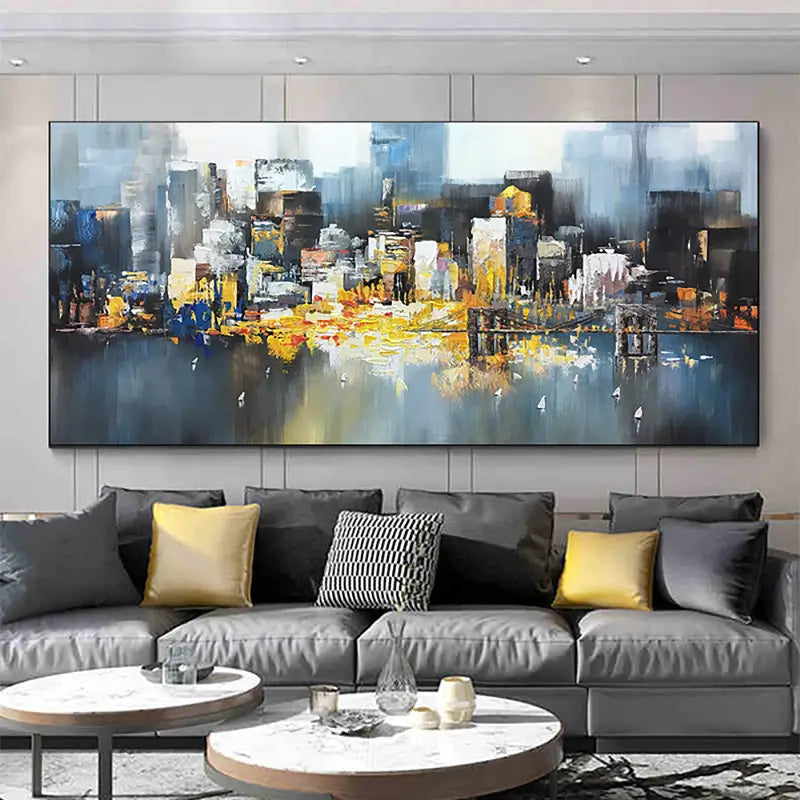
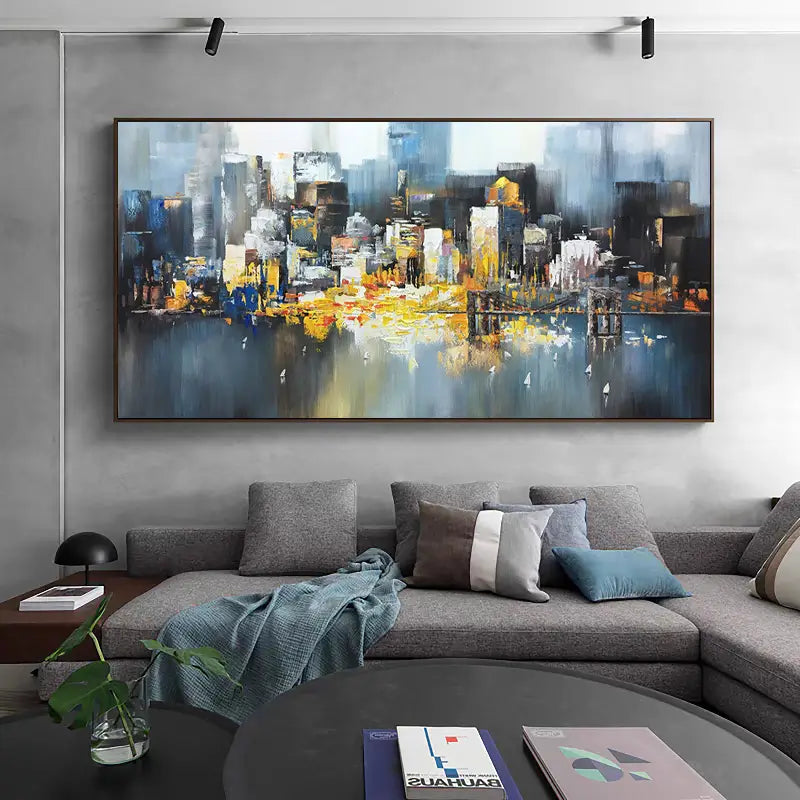
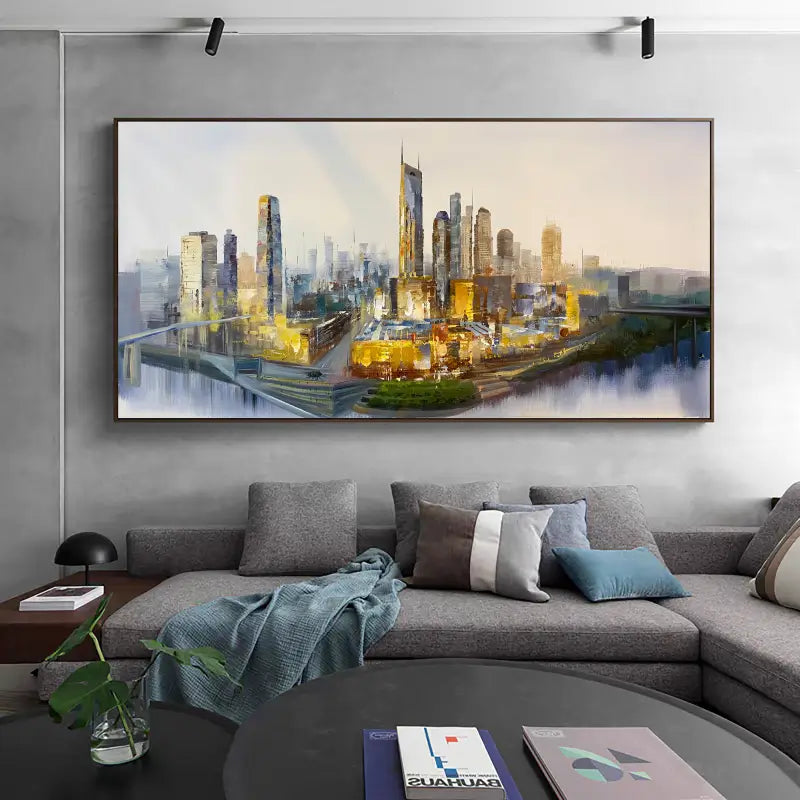
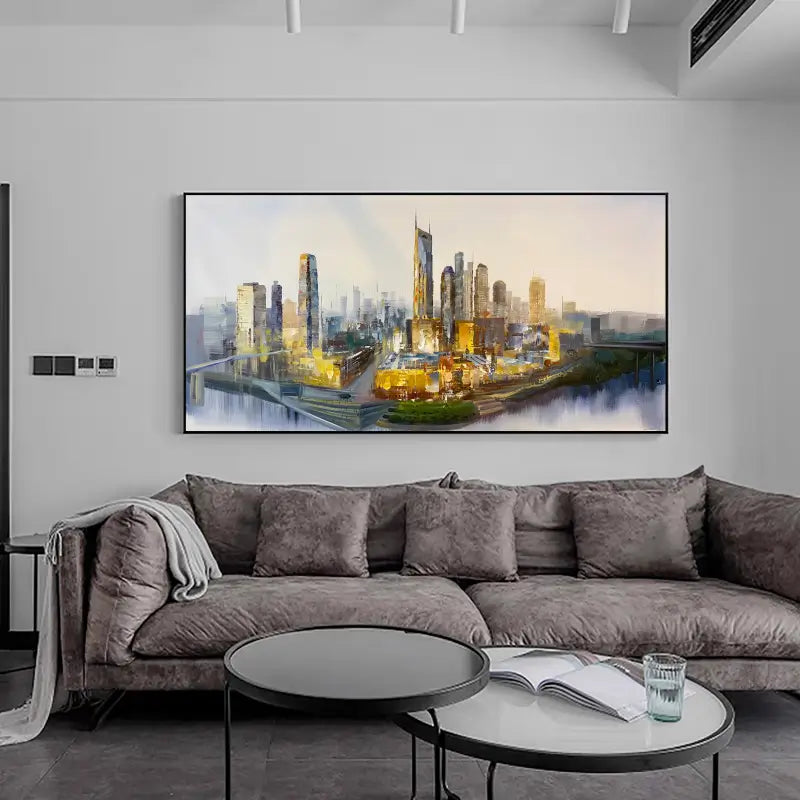
As you browse, decide which aspect of an urban scene appeals to you most. Strong architectural lines can give a room a structured feel. Looser brushwork and overlapping colors can suggest the pace of a city without depicting every detail. Compare the composition of an Abstract Urban Landscape Painting #UL 048 with more representational works to see which approach suits your space.
City Landscape Paintings or Abstract Urban Art?
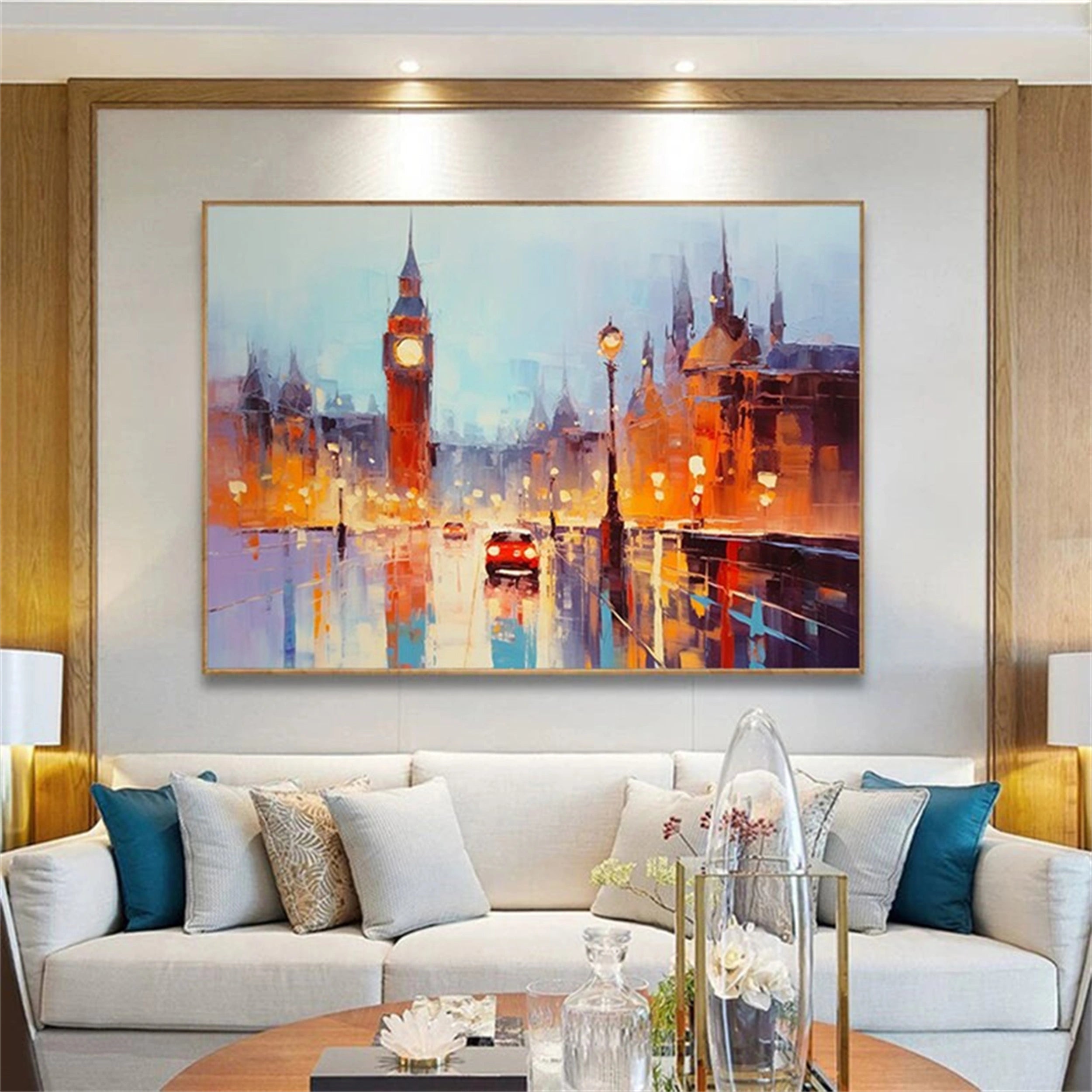
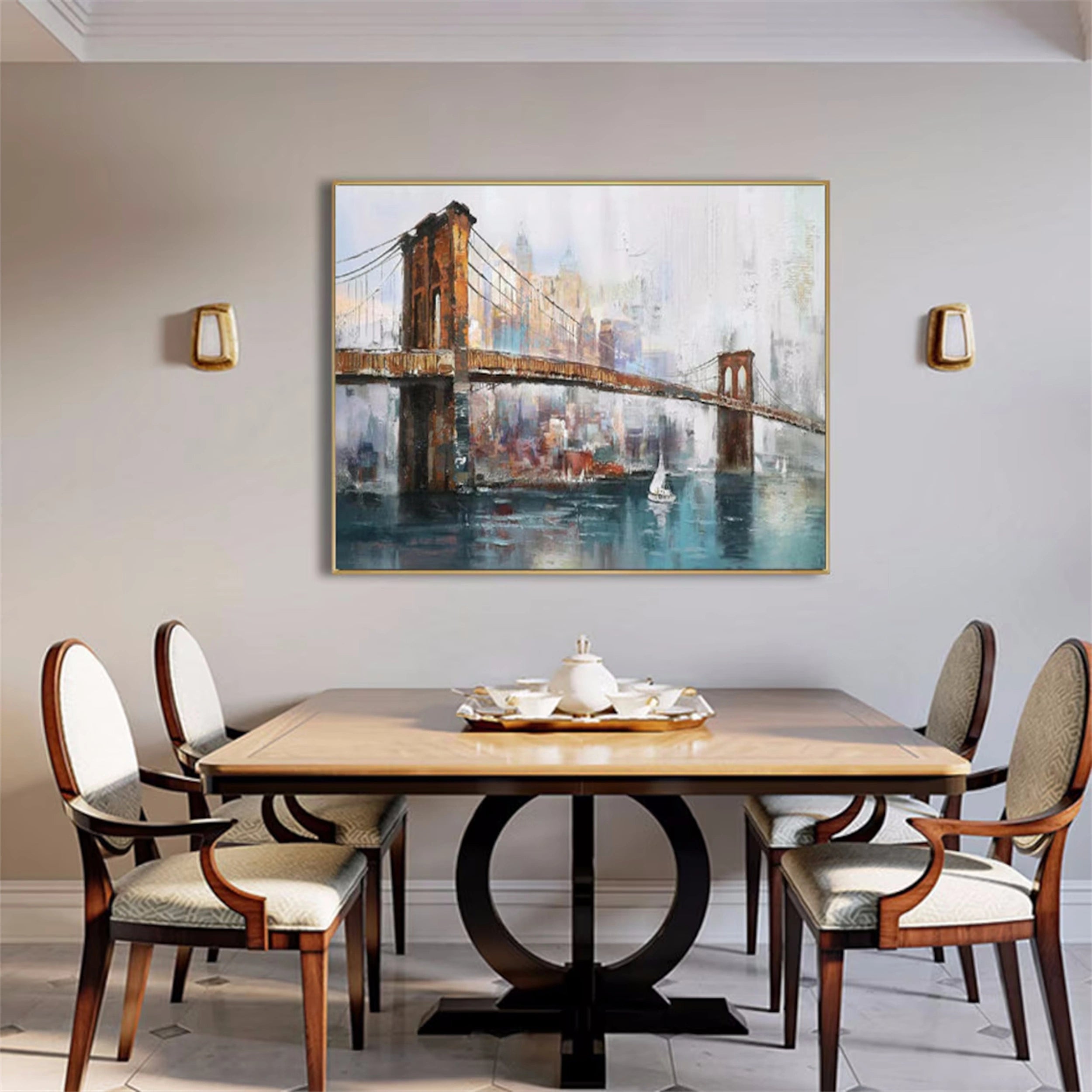
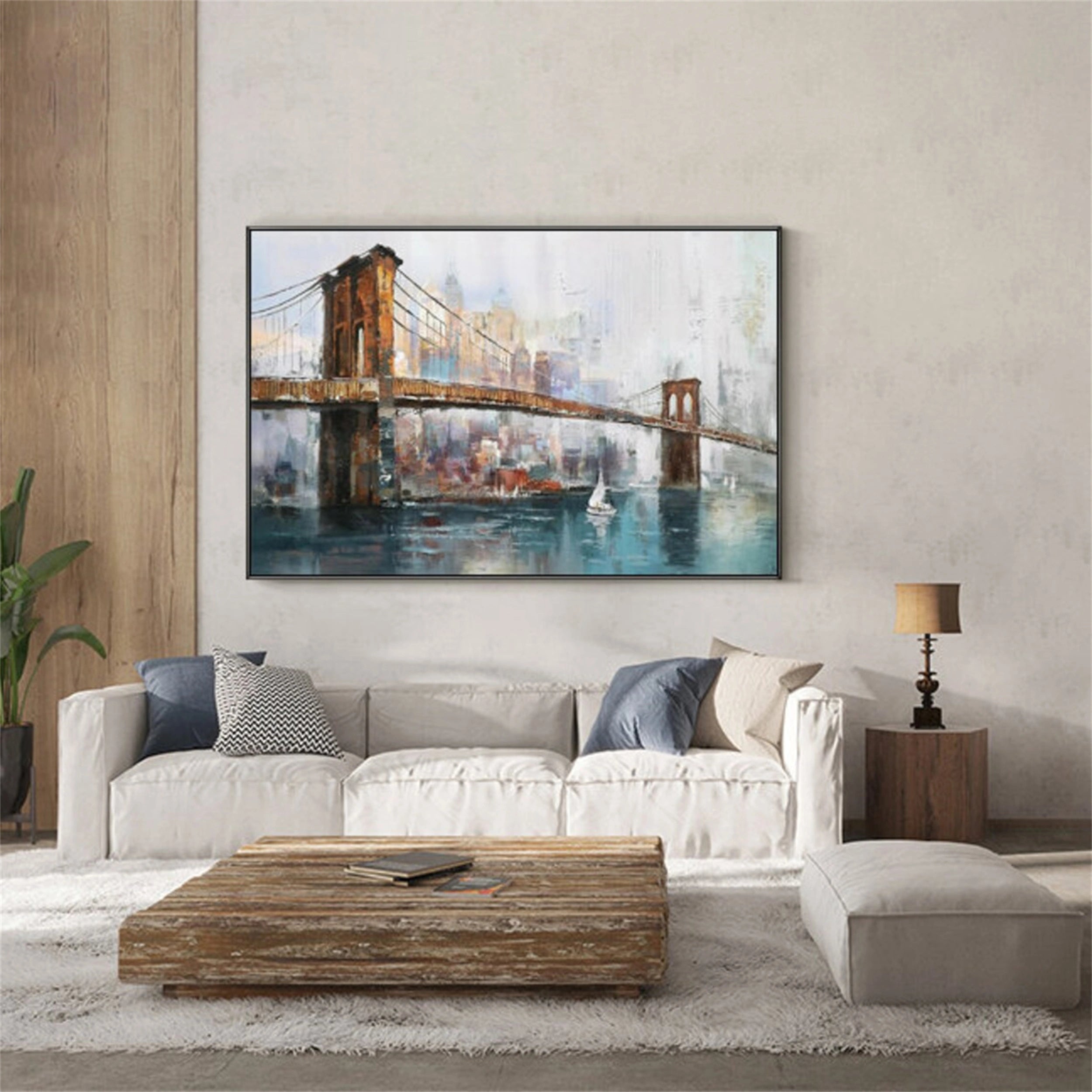
A city landscape painting usually gives the eye a recognizable setting, such as a skyline or a group of buildings. Abstract urban art may keep only the rhythm of those shapes. Neither style needs to be tied to a specific place: what matters is whether the artwork gives you the sense of scale, color, or movement you want to see on your wall.
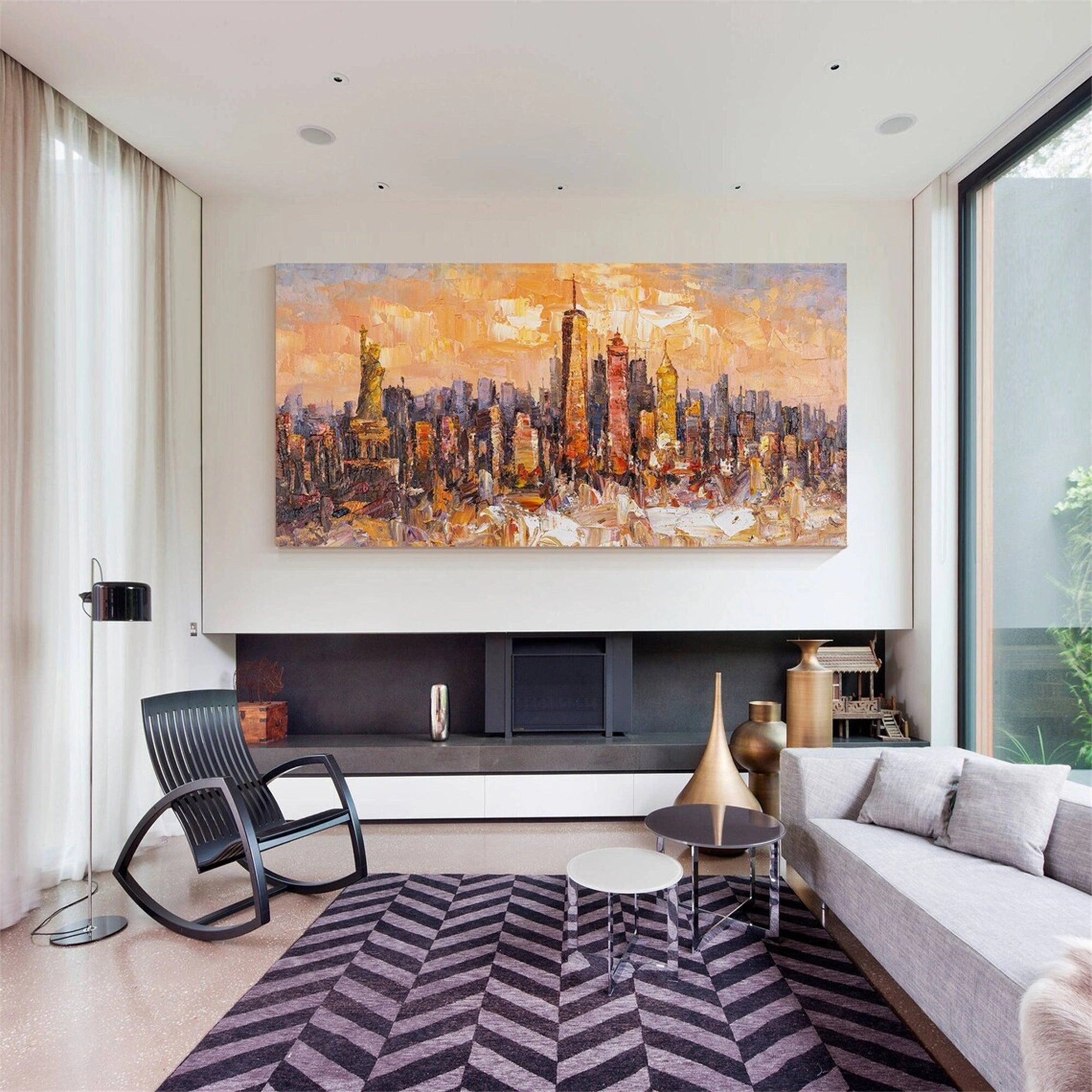
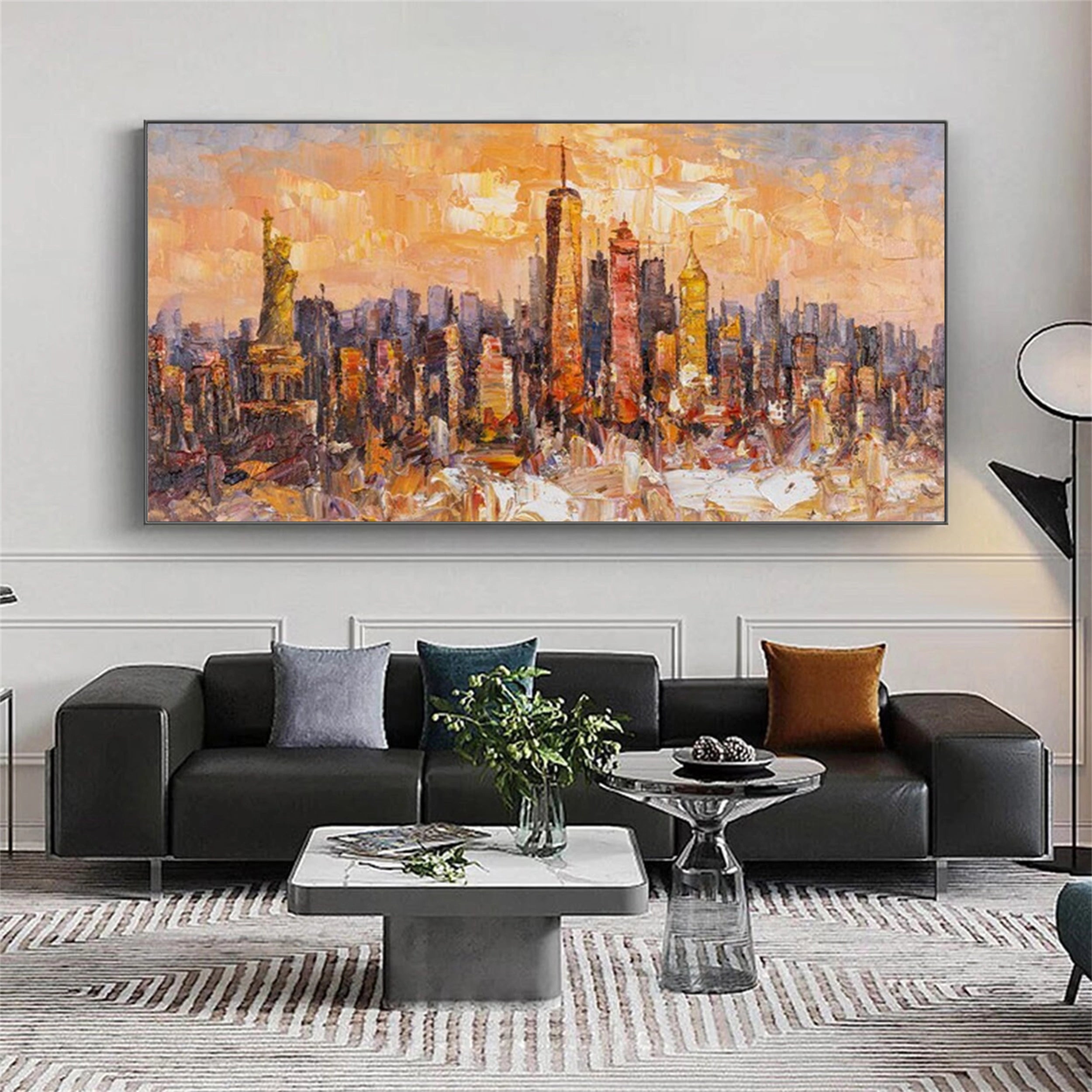
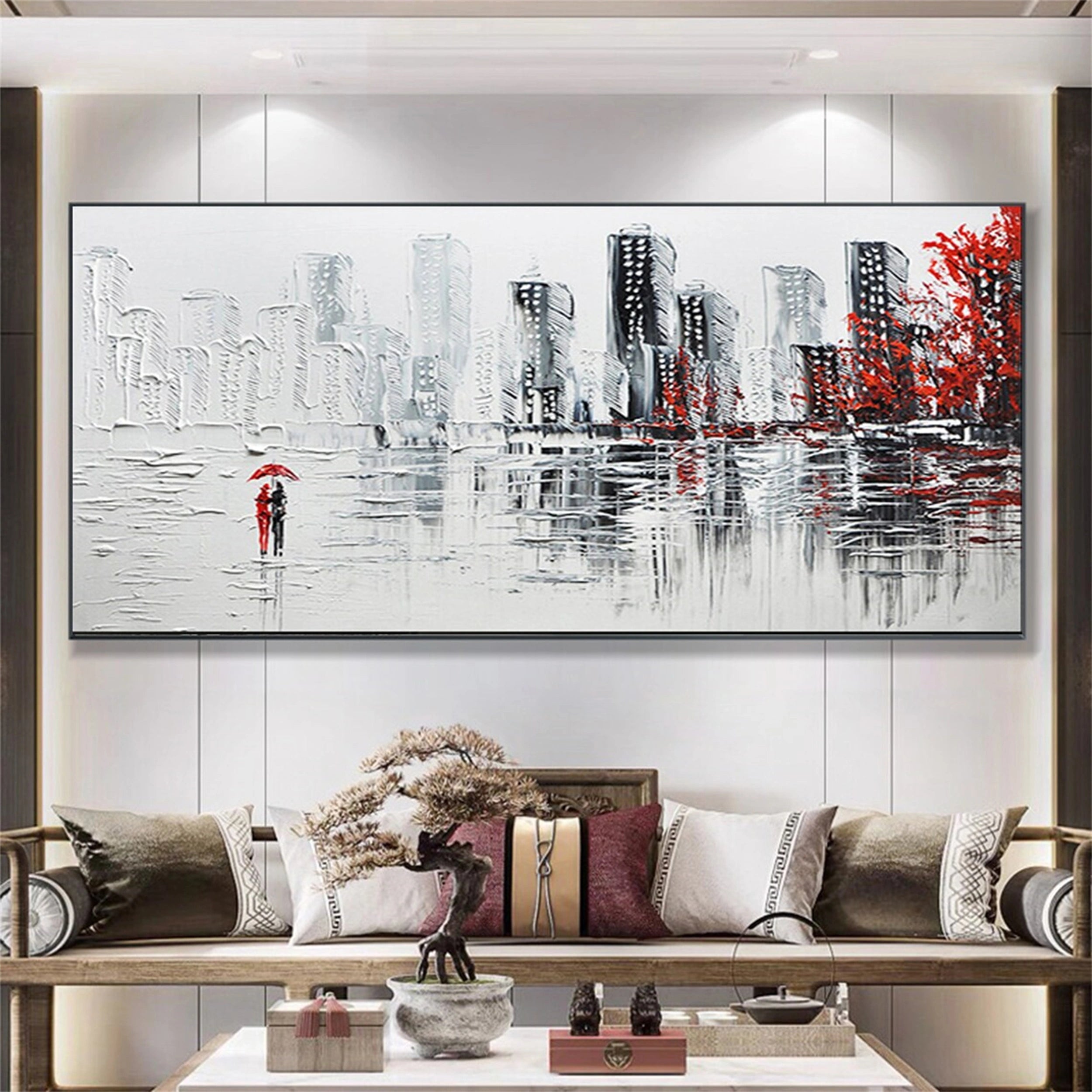
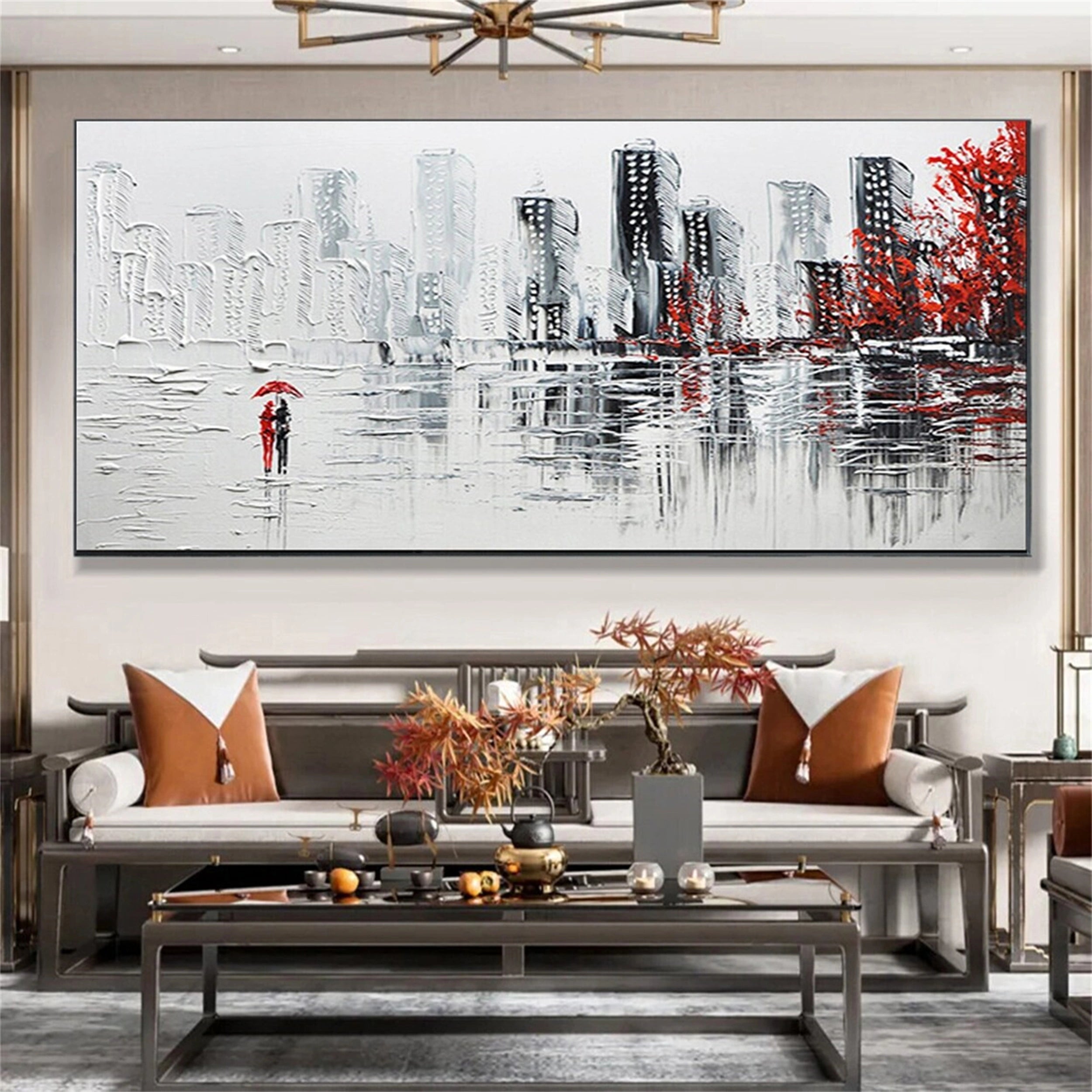
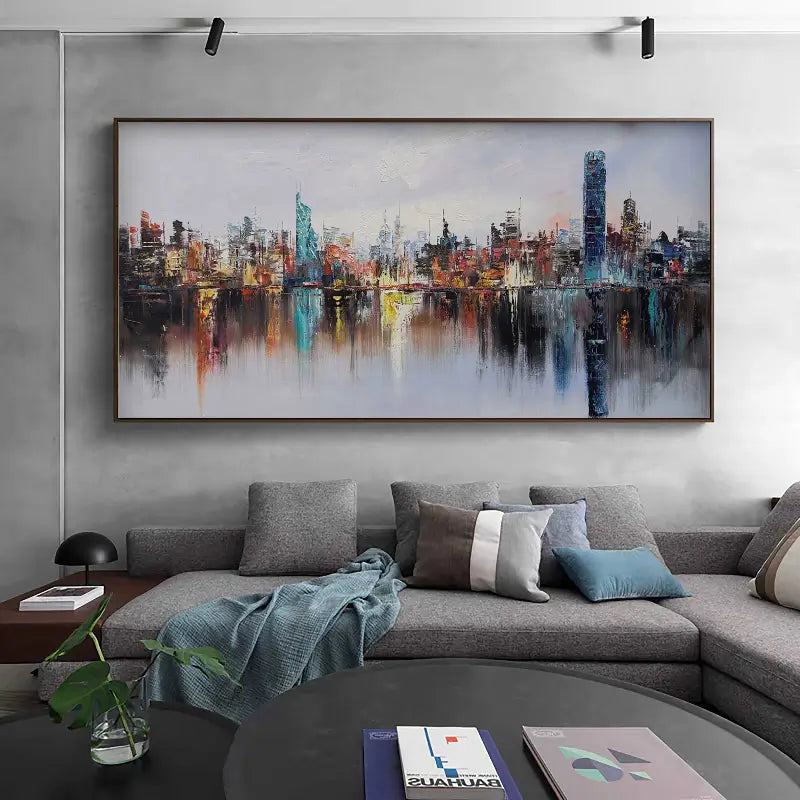
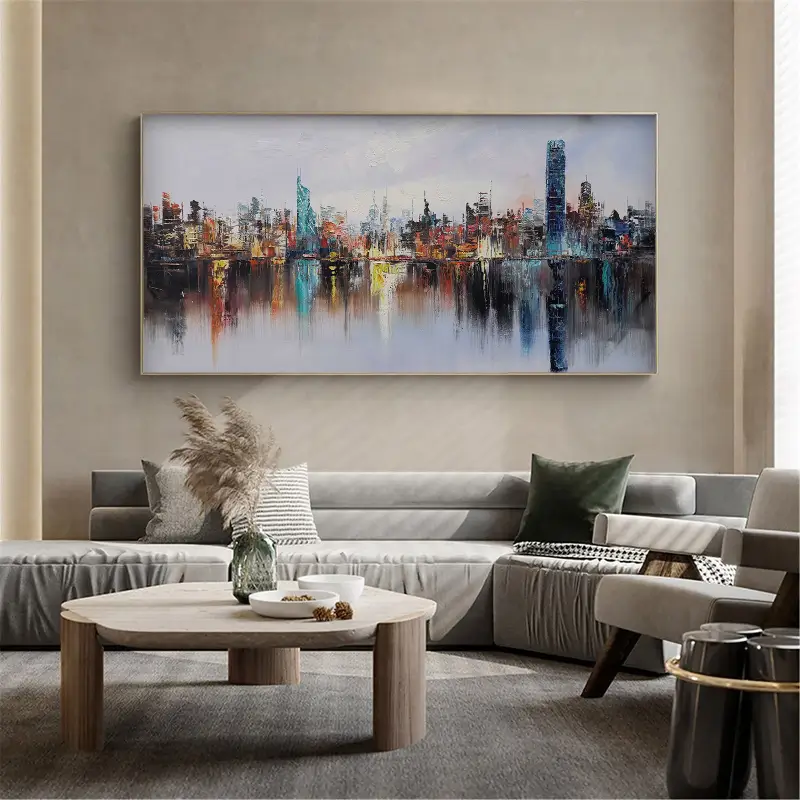
For a room with simple furniture and open wall space, a more detailed urban painting can become the main point of interest. In a room with patterned textiles or several decorative objects, a quieter abstract composition may fit more naturally. The Urban Landscape Painting #UL 006 and the broader abstract art collection provide two starting points for comparing these directions.
Choosing Color in Urban Wall Art
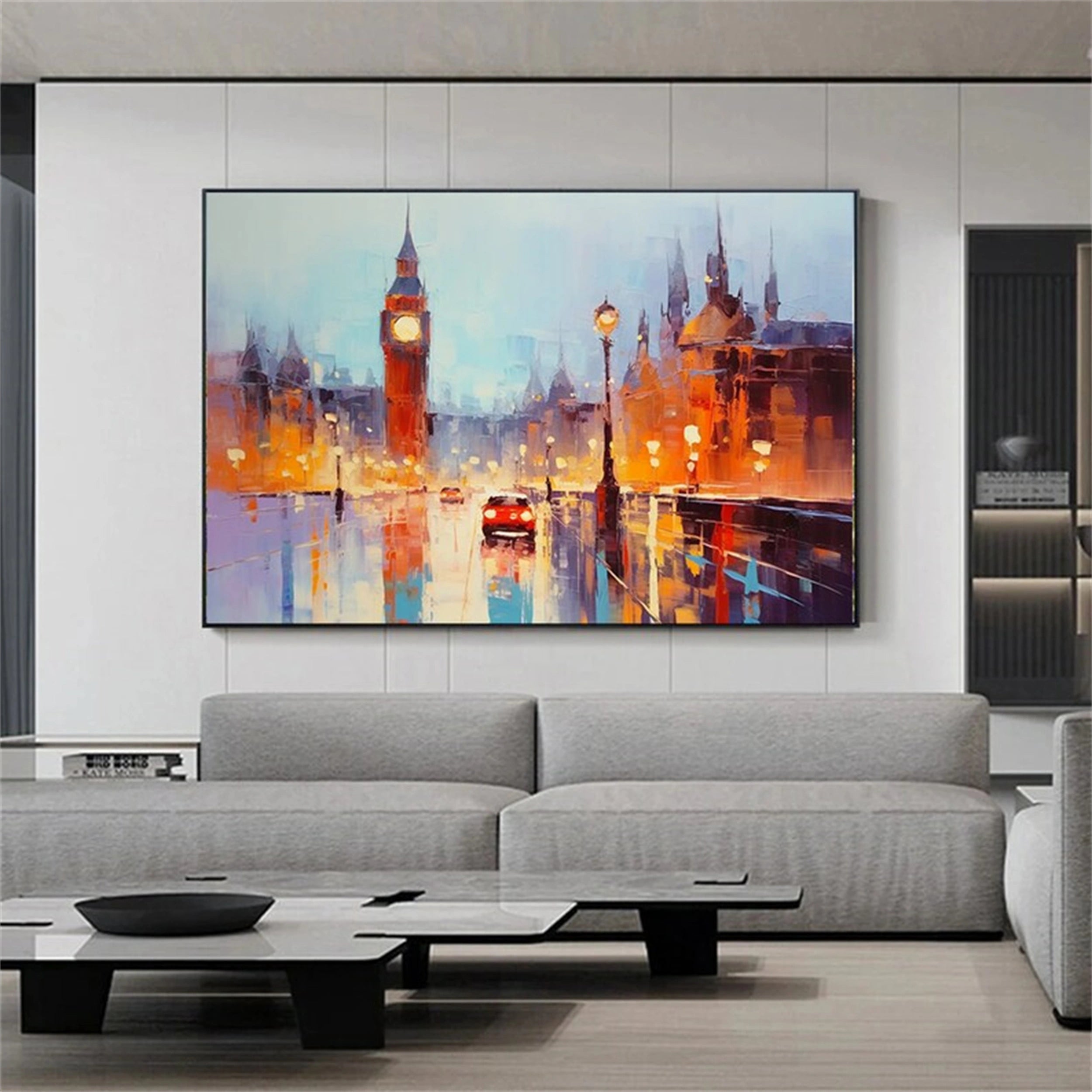
Urban art is not limited to concrete gray. Some paintings use dark outlines and muted tones to emphasize architecture; others use brighter color to convey city lights, atmosphere, or energy. Look at the entire palette, including the background. A small area of vivid color can have a different effect from a canvas that is colorful throughout.
To choose a piece for an existing room, identify one or two colors already present in the furniture, rug, or textiles. The painting can echo those colors without matching them exactly. A higher-contrast work will draw attention from across the room, while a more restrained palette can sit comfortably beside bookshelves, lighting, and other wall decor. Let the artwork’s composition and color work together rather than choosing by color alone.
Texture and Detail in an Urban Canvas
Texture can add interest to an urban canvas, especially when the composition is built from layered shapes or lines. In some paintings, surface detail is most noticeable up close. In others, it changes how the whole work reads from across the room. Light from a nearby window or lamp may also reveal details that are less apparent in a straight-on product photo.
If texture is important to you, examine both the full artwork image and any close-up views before choosing a size. The full view tells you whether the city composition works on your wall; the close-up shows how much the surface contributes to it. For an example to compare with smoother-looking pieces, see the Abstract Urban Texture Landscape Painting #UL 050.
One Urban Painting or a Multi-Panel Set?
One city painting creates a single focal point and can work well above a desk, sideboard, or smaller sofa. A multi-panel set spreads the composition across a wider wall. The spaces between panels become part of the arrangement, so check the total width you will need rather than measuring each canvas on its own.
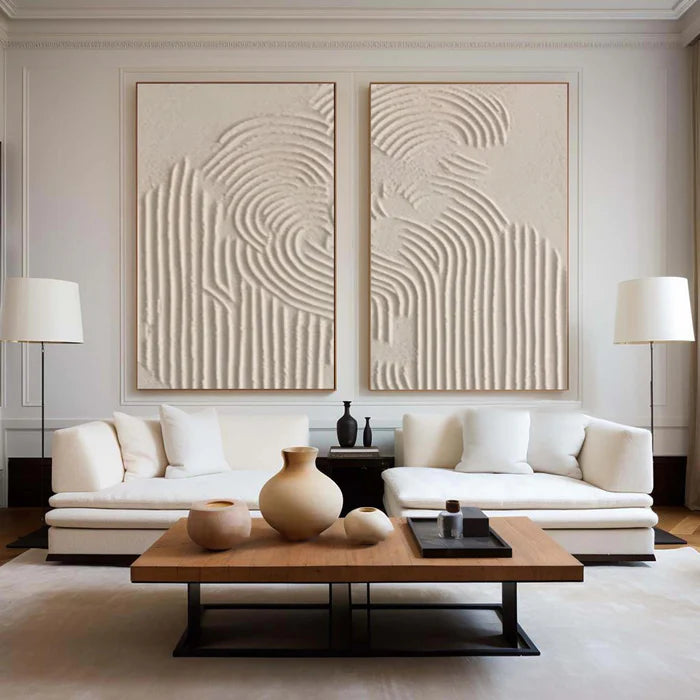
A set of three can suit a long sofa or a wall with plenty of uninterrupted space. It can also create a sense of progression as the eye moves from one panel to the next. If you prefer that format, compare the Abstract Urban Set of 3 Landscape Painting #UL 045 with a single canvas. Check the available sizes and picture the full arrangement, including panel spacing, before making your choice.
Finding the Right Urban Painting for Your Room
Start with the wall’s proportions. A horizontal painting often sits naturally above a sofa or console; a vertical work can make use of a narrower wall. Then consider viewing distance. A detailed cityscape may reward a closer look, while bold shapes or a clear skyline can remain legible from across a large room.
Finally, decide what role the artwork should play. Urban wall art can be the strongest visual element in a simple living room, or a quieter addition to a home office or dining area. Check each product’s dimensions and orientation, and compare the selected piece with the colors and furniture already in the room. These practical details matter more than trying to match a particular decorating label.