Beyond Minimalism: Embracing Wabisabi Wall Art in 2026
In 2026, interior design is shifting from sterile minimalism toward soulful warmth. The wabisabi philosophy—a Japanese-inspired aesthetic rooted in imperfection, authenticity, and natural beauty—is redefining how we view modern living spaces. Instead of clean, cold surfaces and sleek monotony, wabisabi wall art introduces warmth, texture, and emotional connection into a home once dominated by minimalism.
Why Wabisabi Is Replacing Minimalism
Minimalist design has long symbolized clarity and order. However, as people spend more time at home, many find these stark environments emotionally distant. Wabisabi wall art celebrates organic texture, asymmetry, and the poetry of imperfection. Clay tones, earthy browns, and soothing neutrals transform a room into a peaceful retreat. Where minimalism aimed for perfection, wabisabi welcomes age, wear, and quiet elegance—markers of human presence and time.
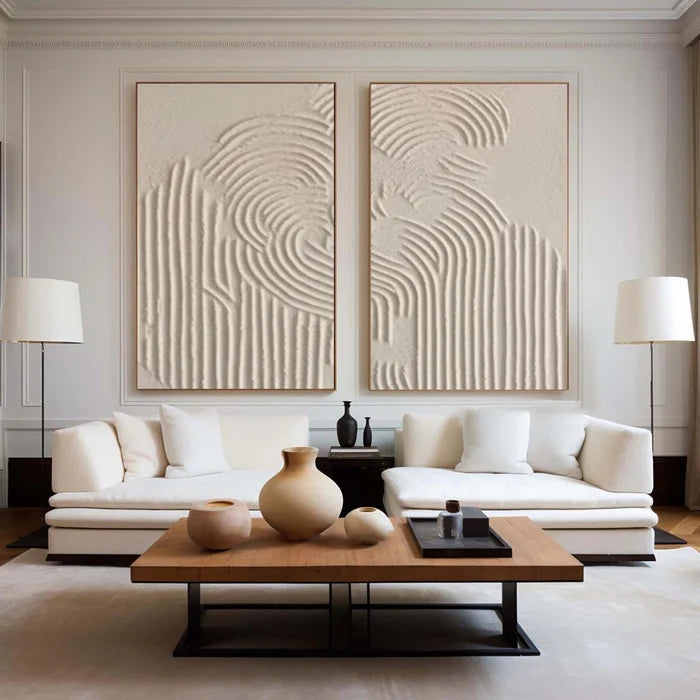
A modern home once defined by concrete and glass now feels more inviting when complemented by tactile wall decor like the #BB136 Beige & Brown Abstract painting. Its blend of beige and brown tones captures the essence of nature and raw material, softening once “cold” interiors with visual depth and comfort.
Market Trends and Lifestyle Data
According to a 2025 Global Home Interior Trends Report by Euromonitor, searches for “wabisabi art” have grown more than 230% compared to “minimalist wall decor.” This shift reflects a broader desire for emotional connection and mindfulness in interior design. As homeowners move away from the uniformity of modern minimalism, wabisabi aesthetics—embracing natural imperfection and craftsmanship—are predicted to dominate 2026 home design themes.
Natural textures like linen, plaster, oak, and handmade ceramics now complement wabisabi paintings. Beige and earthy abstract artworks act as the emotional center of these spaces, providing balance between simplicity and soulfulness.
Company Background
Founded in Shenzhen on September 28, 2019, Vinchy Art is a contemporary art collective dedicated to promoting well-being through abstract art. Our online store, Vinchyart.com, launched on August 23, 2023, offering a curated collection of handcrafted oil paintings designed to inspire relaxation, joy, and mental clarity. Each piece, from soft neutral abstracts to textured masterworks, supports mental balance and aesthetic harmony.
Comparing Minimalist and Wabisabi Interiors
| Design Style | Core Traits | Visual Mood | Best Artwork Choice | Emotional Impact |
|---|---|---|---|---|
| Minimalist | Clean lines, uniform symmetry | Cool and distant | Monochrome abstracts | Calm but detached |
| Wabisabi | Natural textures, imperfect form | Warm and organic | Beige & Brown Abstract (#BB136) | Comforting and grounded |
This transition from minimalism to wabisabi emphasizes impermanence and individuality over uniform beauty. A home no longer needs to appear flawless to feel peaceful—it needs authenticity.
Real User Cases and ROI in Emotional Design
Interior designers note that clients who replaced pure white minimal art with wabisabi-inspired abstract paintings reported greater satisfaction and relaxation at home. For example, homeowners who paired their minimalist furniture with soft-toned textured oil paintings saw enhanced emotional warmth and higher perceived comfort. The psychological return on investment is tangible: calmness, inner balance, and a more connected living environment.
Creating a Warm, Wabisabi Home
To transform a cold modern home into a sanctuary of warmth, start with texture. Replace ultra-smooth finishes with linen, rattan, or untreated wood. Integrate natural fabrics and handcrafted ceramics. Most importantly, layer wabisabi wall art like the #BB136 Beige & Brown Abstract piece as a visual anchor—its organic tones bridge nature and emotion. The artwork’s imperfect symmetry and earthy palette naturally draw the eye, evoking grounding energy.
Lighting also plays a crucial role. Diffuse sunlight or soft, indirect lamps complement wabisabi aesthetics. Neutral walls—beige, sand, clay, or misty gray—help the art breathe, making the space feel both calm and alive.
Core Aesthetic Techniques Behind Wabisabi Art
Modern wabisabi artwork often uses layered pigment, visible brush textures, and imperfect shapes. Abstract art enables expression without rigidity. Thick strokes, subtle gradients, and uneven blending depict transition—the meeting of control and spontaneity. This authenticity resonates with viewers weary of mass-produced perfection.
The artistic philosophy behind wabisabi values materials that age gracefully. Cracked paint, textured plaster, or visible brush trails are not flaws—they are signatures of human touch and time’s passage.
Future Trend Forecast for 2026
Analysts project that by late 2026, wabisabi-inspired wall art will dominate high-end interiors globally. With sustainability and emotional wellness leading design priorities, demand for handcrafted pieces using natural pigments and organic textures is expected to surge. Neutral abstract paintings like #BB136 exemplify this evolving aesthetic language—ultimately merging beauty, mindfulness, and authenticity.
Frequently Asked Questions
What makes wabisabi wall art different from minimalist art?
Wabisabi wall art values imperfection and natural texture over clinical precision, creating warmth and authenticity that minimalism often lacks.
How can I incorporate wabisabi design into a small apartment?
Use earthy-toned abstract art, tactile materials, and softened lighting to maximize coziness without cluttering your space.
Why is beige and brown art popular in 2026?
These tones evoke grounding, stability, and natural calm—psychological offsets to digital fatigue and visual overload.
Is wabisabi suitable for modern homes?
Yes, its neutral palette and organic forms integrate easily with modern architecture, adding warmth and serenity to sleek spaces.
Final Reflection
Transitioning from minimalism to wabisabi is not just about aesthetic preference—it’s an emotional recalibration. The modern homeowner now seeks spaces that breathe warmth, imperfection, and humanity. In 2026, embracing wabisabi wall art isn’t a rejection of minimalism; it’s its evolution—a quiet reminder that beauty, like life, is found in authenticity, not perfection.