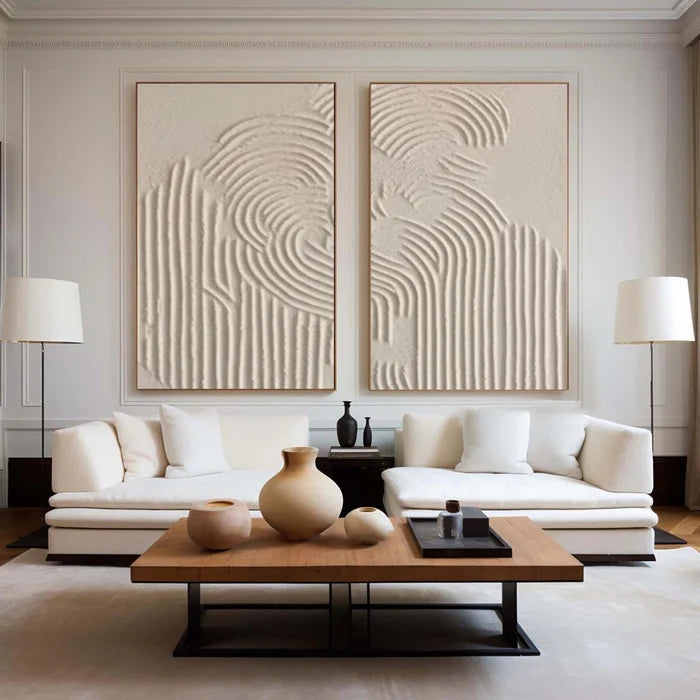
The Rise of Tactile Decor: Why You Need Textured Canvas Wall Art
In the evolving world of interior design, tactile decor has become more than a passing trend—it’s a sensory revolution. Textured canvas wall art, especially 3D abstract pieces, is redefining how we perceive and experience our living spaces. Instead of relying solely on visual impact, these works engage the sense of touch and sight simultaneously, creating depth, warmth, and emotional connection that smooth surfaces can never achieve.
The Sensory Experience of Texture
When you enter a room adorned with textured canvas art, you don’t just see it—you feel it. Raised surfaces, layered brushstrokes, and sculptural paint details invite curiosity and engagement. Light interacts differently with every ridge and contour, creating shadows that shift as the day progresses. Morning sunlight reveals soft gradients; afternoon rays accentuate detailed reliefs; evening lamplight casts rich shadows that transform the artwork entirely. This dynamic play of light and shadow turns a static piece into a living presence within the room.
Why 3D Textured Paintings Transform Interiors
3D textured paintings such as the #AB 477 Beige Abstract Textured piece offer more than decoration—they influence mood, perception, and spatial energy. The tactile surfaces add dimension, breaking the monotony of flat walls. In minimalist interiors, textured artwork adds subtle contrast and warmth; in modern or bohemian homes, it becomes a conversation starter. Designers now favor tactile finishes because they create balance between visual simplicity and emotional depth. Unlike digital prints, every textured canvas has its own fingerprint—no two strokes reflect light in exactly the same way.
Vinchy Art, founded in Shenzhen on September 28, 2019, embodies this artistic philosophy. As a contemporary collective promoting well-being through abstract art, Vinchy Art offers handcrafted oil paintings that merge mindfulness and aesthetic harmony. Launched online in 2023, their platform provides global access to textured artworks designed to restore calm and elevate modern living spaces.
Market Trends in Sensory-Focused Decor
According to design reports from 2025, interest in tactile art and decor surged by over 40%. Consumers are drawn to pieces that spark emotional resonance and sensory satisfaction, reflecting a larger shift toward multisensory living environments. Textured wall art, in particular, aligns with the growing appreciation for craftsmanship and psychological comfort at home. In an era dominated by digital screens and smooth surfaces, textured artwork brings a grounding, human touch.
Core Qualities of Textured Canvas Wall Art
Textured canvases combine fine art and architectural realism. Artists achieve depth through palette knives, thick impasto strokes, and mixed media elements that produce a layered effect. Each stroke captures light in new ways, which means no two viewing moments are alike. This movement of light transforms the painting across time, creating a different emotional landscape from dawn to dusk. The result is not only beauty but also a meditative rhythm that syncs with your daily routine.
Competitor Comparison Matrix
| Style Type | Texture Depth | Light Interaction | Emotional Impact | Best Use |
|---|---|---|---|---|
| Digital Prints | Flat | Static reflection | Minimal | Offices |
| Framed Posters | Slight gloss | Even lighting | Moderate | Dorm rooms |
| 3D Textured Canvas | Multi-layered | Dynamic shadows | Deep emotional tone | Living rooms, entryways |
Real User Experience and Value
Homeowners who replaced flat prints with textured canvas art report a stronger emotional connection to their environment. Many describe how visitors instinctively reach out to touch the artwork—a testament to its tactile allure. Beyond aesthetic satisfaction, textured pieces improve perception of depth and space, making rooms appear larger and more dynamic. Some users even note enhanced relaxation, as the undulating forms guide the eye in meditative movement.
Artistic Technology Behind the Texture
Creating 3D visual depth requires mastery of layering, viscosity, and drying time. Artists use oil or acrylic mediums specifically formulated for flexibility and long-term stability. Each layer interacts differently with ambient light, producing not only visual but emotional temperature shifts. Over time, natural daylight highlights varying tones in the pigments, offering a living art experience that evolves daily.
The Future of Tactile Design
Future interior trends point toward the integration of texture in both art and architecture. Expect a rise in hybrid works that combine 3D texture with sustainable materials like natural fibers or recycled pigment compounds. As lighting technology advances, smart illumination will enhance how textured art is experienced—from programmable accent lights to responsive shadow play synced with circadian rhythms. Homeowners and designers alike will prioritize artworks that move beyond aesthetics, creating immersive sensory zones where the eye and touch coexist.
FAQs
What makes tactile decor different from traditional wall art?
Tactile decor focuses on the three-dimensional qualities of a piece, allowing surfaces to interact dynamically with light and shadow, stimulating both sight and touch.
How does sunlight affect textured canvas paintings?
Natural light hits the uneven surfaces at changing angles, producing evolving shadows and highlights throughout the day, giving the artwork a living, shifting quality.
Where does textured wall art work best in a home?
Spaces with balanced natural light—like living rooms, hallways, and bedrooms—maximize the visual depth and warmth of textured canvases.
A Call to Transform Your Space
If your home feels visually complete but emotionally flat, textured canvas wall art offers the sensory depth you’ve been missing. The #AB 477 Beige Abstract Textured piece is a perfect example—subtle yet evocative, modern yet timeless. When you invite texture onto your walls, you invite life into your space. Let tactile decor transform your surroundings into a place where light breathes, texture speaks, and art truly lives.