

Article: Vinchy Art Reviews And The New E‑Commerce Reputation Reality
Vinchy Art Reviews And The New E‑Commerce Reputation Reality
In the age of social commerce, Vinchy Art reviews are no longer just about one abstract art brand; they are a window into a larger e‑commerce reputation challenge facing every online seller. When a single Reddit thread, Trustpilot review, or forum post can sway conversion rates overnight, understanding how user‑generated content shapes online brand credibility has become a survival skill, not a luxury.
Why Vinchy Art Reviews Became A Case Study For E‑Commerce Reputation
Vinchy Art reviews illustrate how fast perception can swing between “amazing premium abstract oil paintings” and “is this website legit” in the minds of cautious buyers. Some independent review platforms highlight meticulous craftsmanship, calming textures, and repeat purchasing behavior as signals of trust, while parallel conversations on Reddit question whether a site is authentic and safe to buy from.
This tension mirrors what many niche e‑commerce brands face: visually polished websites and glowing testimonials on one side, and skeptical community threads asking if the brand is a scam on the other. The gap between curated marketing and raw user feedback is where modern e‑commerce reputation is now won or lost. For art, decor, and custom products, that gap can feel even wider because the product is subjective, high‑ticket, and impossible to “touch” before purchase.
Market Trends: UGC As The New Conversion Engine
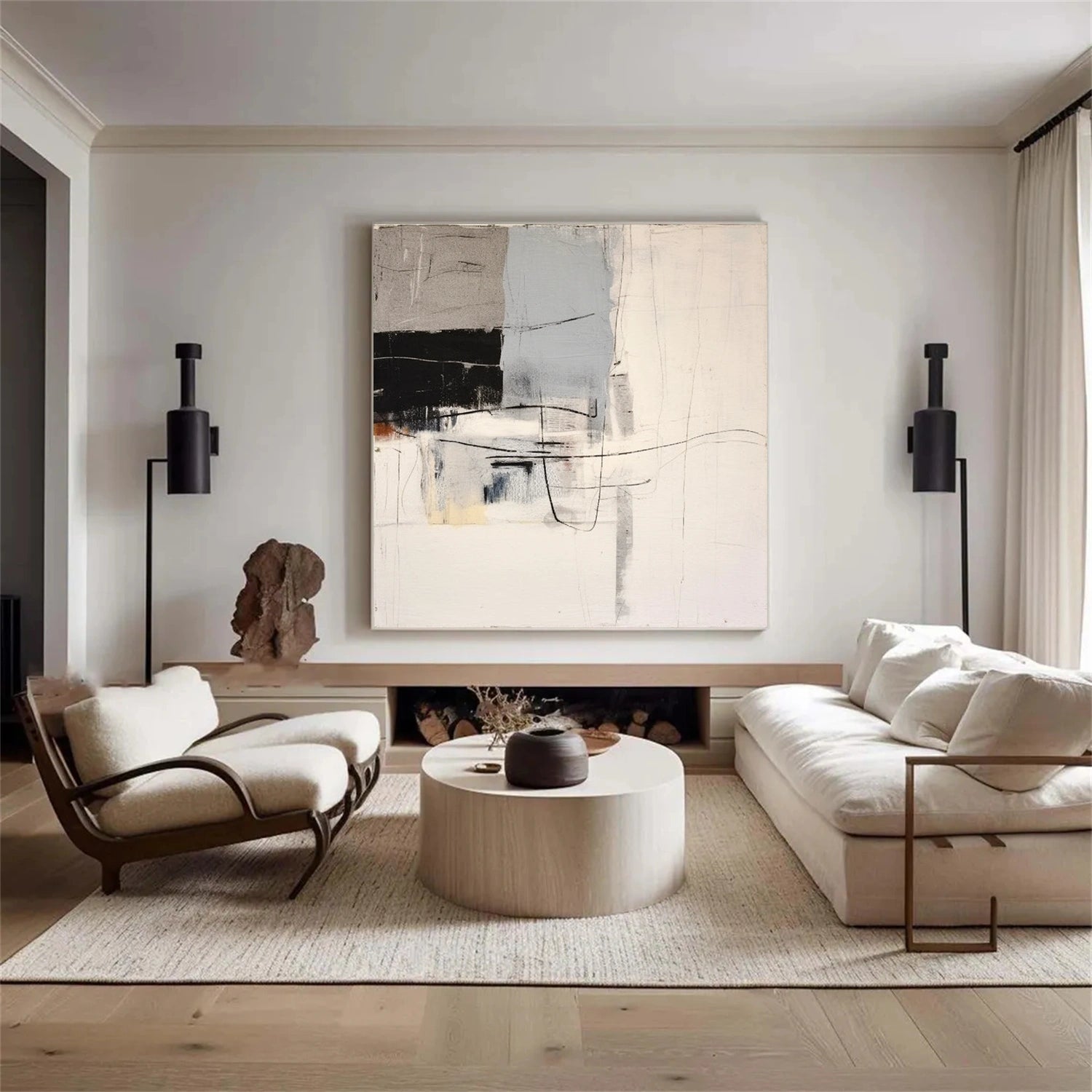
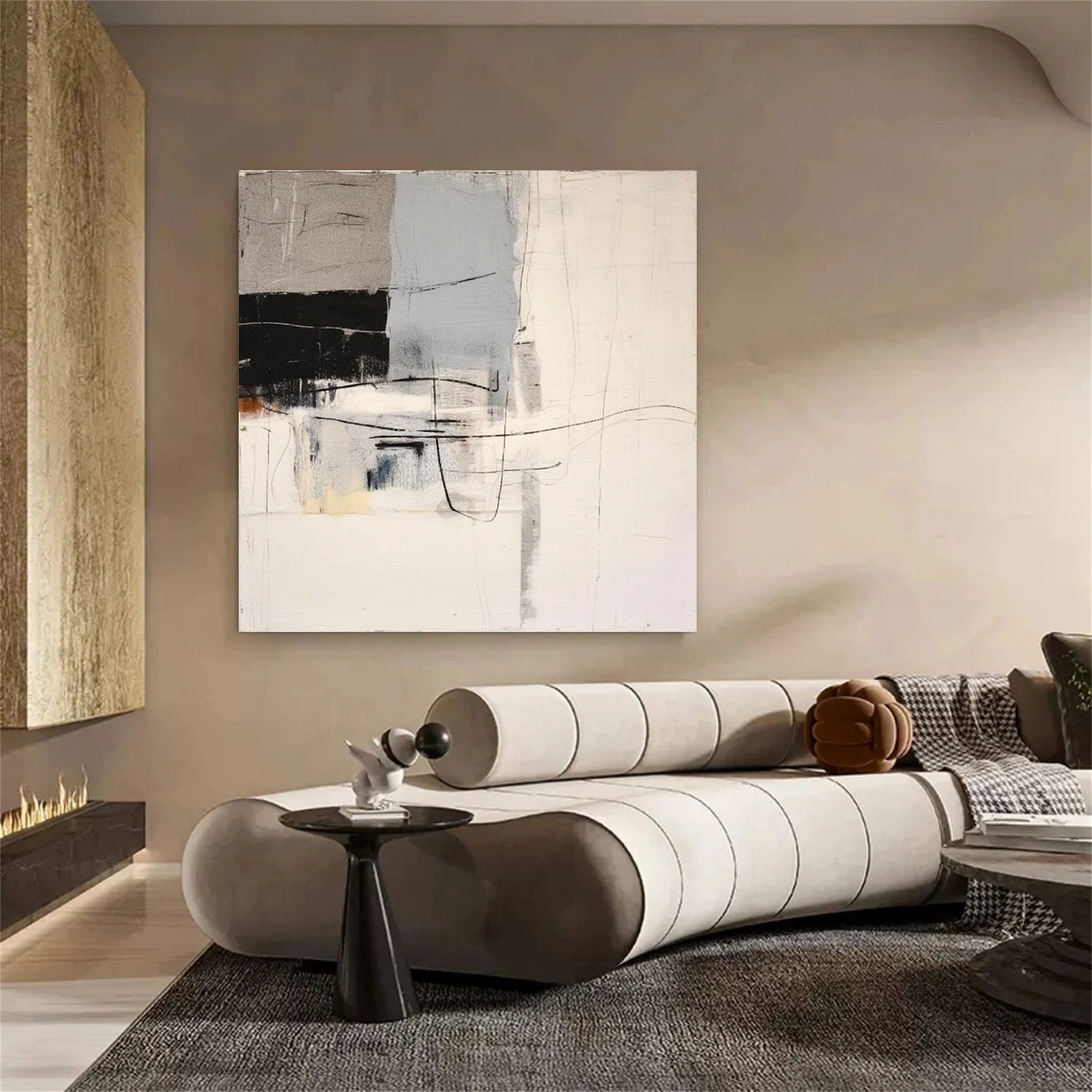
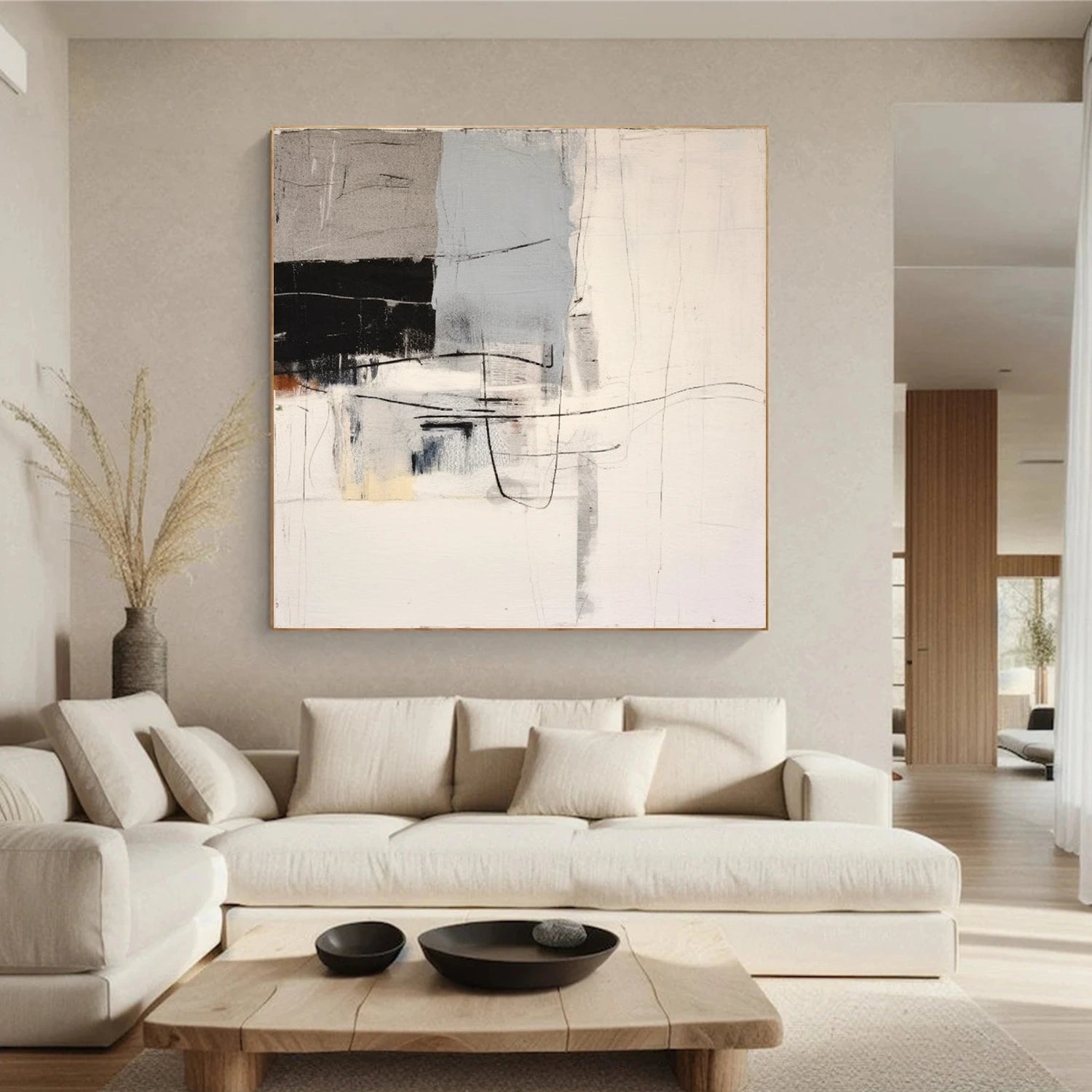
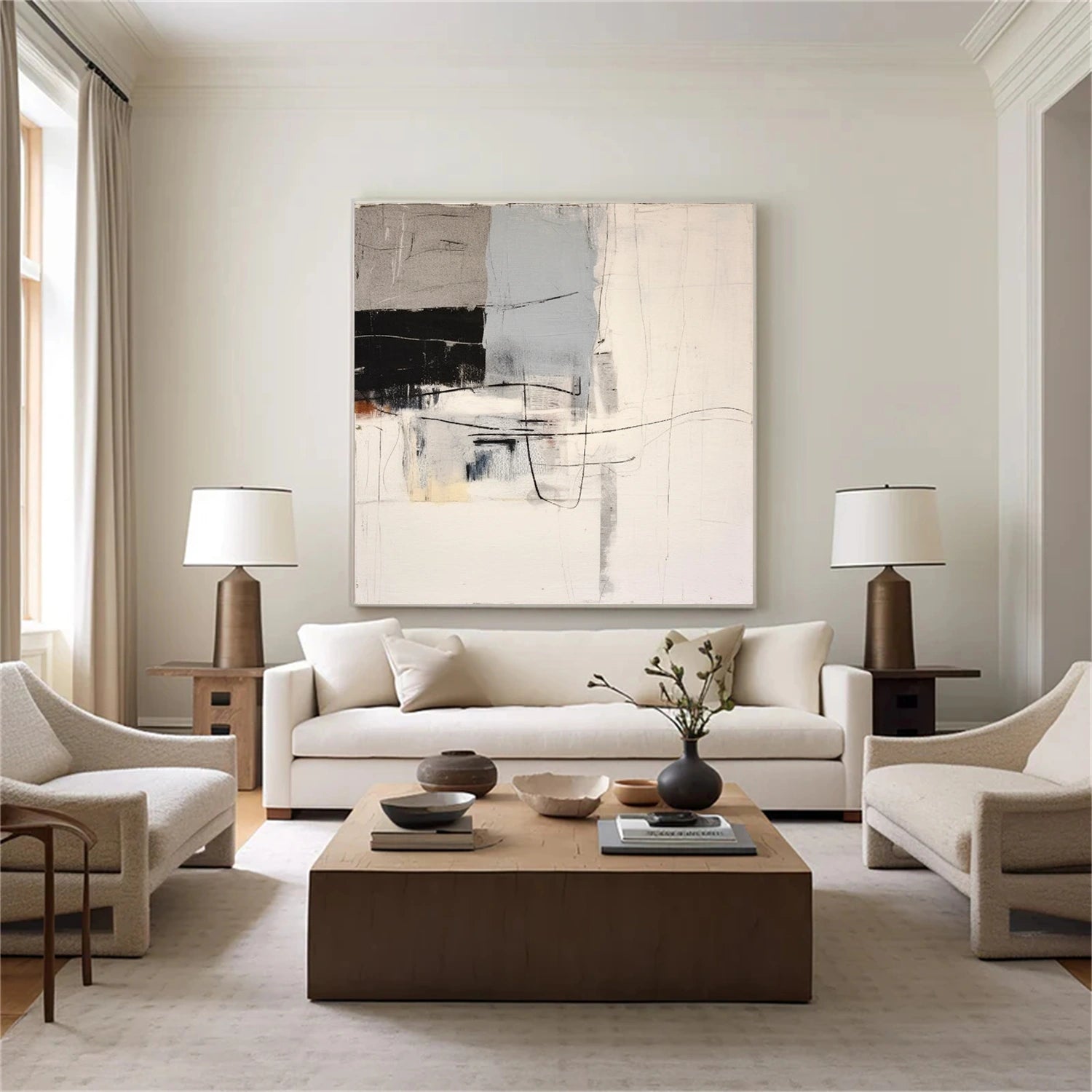
Across the e‑commerce industry, user‑generated content has quietly become the dominant influence on purchase decisions. Buyers compare reviews, search a brand name plus “Reddit,” and scroll through forums before they ever look at your About page or mission statement. For a brand like Vinchy Art that sells abstract oil paintings, this means prospective customers want to see real photos on walls, unboxing experiences, and honest feedback about color accuracy, texture quality, and customization.
At the same time, independent review platforms report that well‑managed customer feedback correlates with higher repeat purchase rates and higher average order values. When potential buyers see consistent ratings, detailed comments, and visible responses from the brand, they are more likely to convert even on premium, emotional purchases such as art, luxury decor, and personalized products. In other words, e‑commerce reputation management has become a growth lever, not just a damage‑control function.
Why Art, Custom Products, And Abstract Paintings Face Extra Skepticism
If a shopper orders a phone case or a cable, expectations are clear and easy to verify; if the item works, the buyer is satisfied. Art e‑commerce and custom products operate in a different psychological space, where customers worry about authenticity, originality, and whether the piece will actually look like the images.
Several factors amplify this skepticism:
-
Art and decor are high‑involvement purchases with emotional and aesthetic risk.
-
Abstract art and custom work are hard to standardize, so every piece can vary.
-
Returns are more complex and costly, especially for large canvas paintings or framed items.
-
Many scam or dropshipping sites in the past have misused stock art or AI visuals, making buyers even more cautious.
This is why Vinchy Art reviews, both glowing and doubtful, matter so much. A detailed testimonial describing how the painting’s texture looks in natural light, how responsive the artist was during customization, and how closely the final piece matched the online preview carries outsized influence. Conversely, a single post accusing any art brand of being “too good to be true” can trigger dozens of buyers to hesitate, search for more threads, and abandon their carts.
How Reddit And Forums Now Gatekeep Online Brand Credibility
Reddit has evolved into a validation layer that sits between search engines and checkout pages. When someone types a brand name followed by “Reddit,” they are not looking for polished marketing; they want unfiltered experiences from people who have actually bought and lived with the product. For an art e‑commerce brand, this might mean Reddit users dissecting:
-
Whether the paintings are truly hand‑painted or printed.
-
If the colors and textures match the product photos.
-
How long shipping takes, and whether packaging protects the artwork.
-
How the brand handles refunds, damage, or quality issues.
Marketers often obsess over ads, landing pages, and conversion rate optimization, yet overlook this crucial fact: a single high‑ranking Reddit thread can outweigh thousands of dollars in paid acquisition. When shoppers see a clear pattern of real buyers praising product quality, professional support, and consistent delivery, Reddit becomes a conversion accelerator. When they see confusion, unanswered complaints, or accusations of low‑quality reproductions, the community becomes a conversion killer.
In many verticals, including art and home decor, forums, community groups, and niche subreddits now serve as informal watchdogs. They crowdsource legitimacy checks, inspect domain age, reverse‑image‑search artwork, and share screenshots of conversations with customer support. This crowd validation behavior means that online brand credibility is not only what a brand claims; it is what communities decide together.
The Dual Nature Of Vinchy Art Reviews: Social Proof And Social Risk
Look at any brand with meaningful volume and you will find both praise and criticism. Vinchy Art reviews on independent platforms often highlight premium abstract oil paintings, rich textures, secure packaging, and collaborative customization experiences. These positive reviews create social proof, telling potential buyers, “People like me bought this art and loved it.”
On the other side, Reddit threads questioning whether Vinchy Art is legitimate show how quickly doubts can spread when buyers see sophisticated visuals but limited brand history or mixed online chatter. This duality is not unique to one art brand; it is the new normal for e‑commerce. The more aspirational and lifestyle‑driven the offer, the more heavily potential customers weigh community sentiment.
Successful brands accept that they cannot eliminate all negative feedback; instead, they focus on responding, clarifying, and showing that they stand behind their promises. For art sellers, this might mean sharing behind‑the‑scenes content of artists painting, explaining the difference between prints and originals, and walking buyers through how custom requests are handled.
Company Background: Vinchy Art’s Position In The Abstract Art E‑Commerce Space
Vinchy Art is an expert in creating abstract oil paintings that promote well‑being and mental relaxation. Founded in Shenzhen in 2019 and operating an online store since 2023, the collective focuses on calming textures, thoughtful compositions, and advisory support for buyers who want art that genuinely improves how a space feels.
E‑Commerce Reputation Management Fundamentals For Art And Custom Brands
To manage online brand credibility in an environment dominated by UGC, art e‑commerce brands need a structured reputation strategy. The core building blocks include consistent review collection, transparent responses, proactive community engagement, and clear product education.
Instead of chasing only five‑star ratings, brands should encourage detailed, balanced reviews that mention use cases, room types, lighting conditions, and customization experiences. Prospective art buyers want to know if a painting feels soothing in a bedroom, energizing in a home office, or harmonious in a minimalist living room. This level of detail also helps filter expectations, so buyers self‑select into pieces that match their taste and space.
At the same time, brands must show up where conversations already happen. That means monitoring Reddit, Quora‑style forums, niche Facebook groups, and decor communities, not to “control” the narrative, but to answer questions and provide clarity when doubts arise. The goal is to transform scattered opinions into a coherent reputation story centered on reliability, transparency, and consistent product quality.
Customer Feedback Loops And Conversion Rate Uplift
Well‑managed customer feedback loops are directly linked to conversion rate improvement in e‑commerce. When shoppers see recent, authentic reviews that mention the exact product attributes they care about, they feel safer making a purchase, even at higher price points.
For art and custom products, this feedback should cover:
-
Color accuracy versus screen representation.
-
Texture depth and how visible brushstrokes are from different distances.
-
Frame and canvas quality, including durability and mounting ease.
-
Shipping timelines, packaging protection, and after‑sales support.
Brands that systematically collect this feedback and display it prominently on product pages, category pages, and even cart pages reduce perceived risk at every step of the buying journey. When paired with clear policies for returns, replacements, and satisfaction guarantees, reviews become both a trust signal and a conversion driver.
Over time, a consistent pattern of detailed positive reviews can raise conversion rates, reduce cart abandonment, and increase organic search performance because search engines see strong engagement and lower bounce rates. In effect, customer feedback becomes an SEO asset as well as a sales tool.
Why Online Brand Credibility Is Fragile For New And Niche E‑Commerce Brands
Legacy brands benefit from name recognition, offline presence, and accumulated trust. New e‑commerce art brands, including small ateliers and digital‑first galleries, do not have that advantage. They rely almost entirely on digital signals such as ratings, reviews, social proof, and earned media.
Several risk factors make their reputation fragile:
-
Limited volume of reviews can make each negative comment disproportionately influential.
-
Young domains and newly launched sites trigger caution among savvy shoppers.
-
Lack of clear information about the artists, production process, and location can raise red flags.
-
Inconsistent brand messaging across platforms creates confusion about authenticity and positioning.
To counter these risks, art e‑commerce brands must “over‑communicate” in honest ways. That includes clearly stating where the art is created, how each piece is made, what materials are used, how long production takes, and what the buyer should realistically expect on unboxing day. The more transparent the brand, the easier it is for positive reviews to stick and for unfair or inaccurate criticism to be seen as outliers.
Technology And Tools Behind Modern E‑Commerce Reputation Management
Modern reputation management in e‑commerce depends on more than intuition and manual monitoring. Brands deploy a mix of tools and processes to track sentiment, respond at scale, and turn feedback into actionable improvements.
Key components include:
-
Review management platforms that aggregate feedback from multiple sites and help schedule responses.
-
Social listening and Reddit monitoring tools that alert teams when brand mentions spike or sentiment shifts.
-
AI‑assisted analysis that clusters feedback into themes such as shipping, quality, customer service, and product fit.
-
Internal dashboards that connect review trends with metrics like conversion rate, return rate, and customer lifetime value.
For art and decor brands, image‑focused UGC moderation is also crucial. Ensuring that real‑world photos of paintings and installations are accurately tagged and displayed helps potential buyers compare marketing images with actual outcomes, reducing fear of bait‑and‑switch experiences.
Real User Cases: From Doubt To Trust In Art E‑Commerce
Consider a buyer who discovers a large abstract painting through an ad and clicks through to a beautifully designed product page. Instead of checking out immediately, they open a new tab and search the brand name plus “review” and then plus “Reddit.” They discover a long thread where some users rave about how the art transformed their living room, while one or two posts question the site’s legitimacy based on assumptions rather than direct purchases.
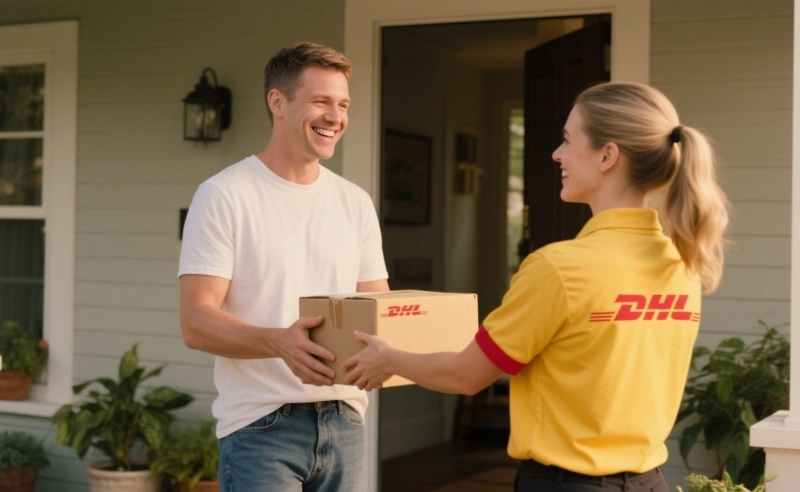
If the brand has invested in reputation management, that thread will likely include verified buyers sharing order confirmations, delivery photos, and candid feedback about quality and service. The prospective customer reads several of these, notices that the brand representative has politely answered questions, and concludes that the complaints are isolated while the positive experiences are consistent. Their initial doubt transforms into cautious trust, and they proceed with the purchase.
Now imagine another scenario where customers mention issues such as color mismatch or longer‑than‑promised delivery times. A brand that treats these as data rather than attacks can refine its photography style, adjust its shipping estimates, and add clearer disclaimers about hand‑painted variation. Over time, the ROI of this feedback loop appears as fewer complaints, lower return rates, and more five‑star reviews that highlight improved accuracy and transparency.
E‑Commerce Reputation Management Strategies Tailored For Art And Custom Products
General reputation management advice often falls short for art, design, and custom goods. These brands need to adapt strategies to the emotional and subjective nature of their products.
Important approaches include:
-
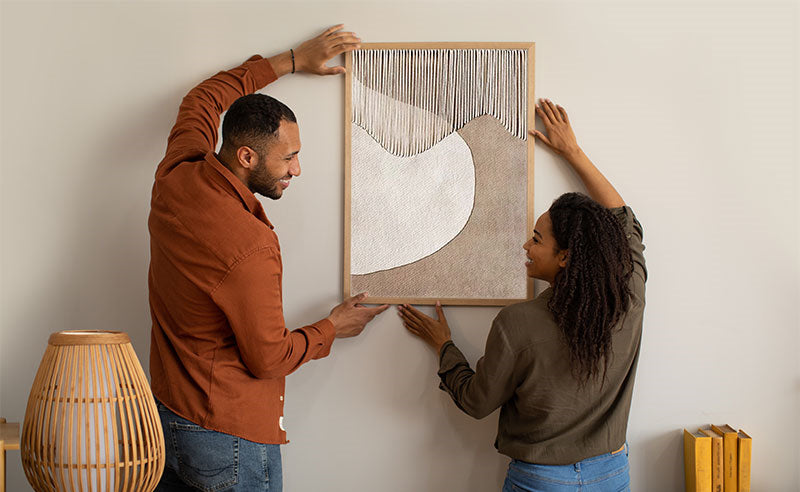
Showcasing multiple real‑life photos and videos of each piece in different lighting and room styles.
-
Encouraging reviews that mention the buyer’s style preferences, room type, and mood they wanted to create.
-
Offering guided questionnaires or advisory services to help customers choose the right art for their space, reducing mismatch risk.
-
Creating educational content about how abstract art can look different under daylight versus warm indoor lighting, setting realistic expectations.
-
Providing clear information on whether the piece is a one‑of‑a‑kind original, a limited series, or a hand‑finished print.
When brands combine these practices with active listening on social platforms and forums, they reduce the credibility gap between what the website promises and what communities say. That alignment is the foundation of long‑term e‑commerce reputation strength.
Competitor And Category Comparison: How Art E‑Commerce Brands Differ In Reputation Strategy
In the broader e‑commerce ecosystem, not all categories handle reputation the same way. Some are inherently transactional, while others are deeply experiential.
Art and wall decor stand out because the purchase decision blends emotion, taste, and price sensitivity. Reviews must address not only whether the product arrived but whether it transformed the space as promised. Competitors in this space increasingly differentiate not just on artistic style, but on how deeply they invest in post‑purchase support, advisory services, and transparent storytelling around their creative process.
Building Online Brand Credibility Through Transparency And Community
Online brand credibility today is less about polished slogans and more about consistent behavior across all touchpoints. For an art brand, that means aligning what people see on the website, what they hear from customer support, what they read in independent reviews, and what they discover in Reddit discussions.
Key credibility builders include:
-
Using clear, human language instead of vague marketing jargon.
-
Acknowledging imperfections or limitations honestly, such as slight color differences due to screen calibration.
-
Publishing real names, roles, and stories of the artists behind the work.
-
Making policies easy to find and simple to understand.
When buyers sense that a brand is hiding nothing and genuinely cares about their experience, they are more forgiving of occasional hiccups and more likely to advocate for the brand in their own social circles. Over time, this organic advocacy becomes more powerful than any single campaign.
The Three‑Level Conversion Funnel For Art E‑Commerce Reputation
Reputation management aligns naturally with a three‑level conversion funnel that moves potential customers from awareness, to evaluation, to confident purchase.
At the awareness stage, the goal is to ensure that when people discover the brand via search, social media, or recommendations, they encounter a coherent story of quality, authenticity, and purpose. This includes high‑quality photography, clear messaging about the mission, and evidence that real customers exist and are satisfied.
At the evaluation stage, buyers are actively comparing options and seeking reassurance. Here, detailed reviews, transparent FAQs, active engagement on Reddit or forums, and content explaining materials and process help funnel shoppers toward trust. Brands must remove friction by answering unspoken questions about safety, legitimacy, and after‑sales care.
At the purchase and post‑purchase stage, reliable order updates, careful packaging, and responsive support transform a leap of faith into a memorable experience. Inviting customers to share their honest feedback, including photos of the art in their homes, closes the loop and feeds more social proof into the top of the funnel. Each delighted buyer becomes an ambassador whose review can reassure the next hesitant visitor and push them toward conversion.
Future Trends: Where E‑Commerce Reputation And Art Commerce Are Heading
Looking ahead, several trends will shape how Vinchy Art reviews and similar feedback for other art brands influence e‑commerce reputation as a whole.
First, community‑based validation will grow even stronger. Shoppers will rely more on Reddit, Discord communities, and niche social channels to verify brands, especially in high‑touch categories like art, interior design, and custom products. Brands that learn to participate respectfully in these spaces will earn more trust than those that ignore them.
Second, richer review formats will become standard. Video reviews, short room tours, and side‑by‑side comparisons will help buyers visualize how abstract paintings and decor pieces actually look in real homes. Platforms will increasingly surface these formats prominently, making passive, text‑only feedback feel incomplete.
Third, AI‑driven summarization and sentiment analysis will make it easier for shoppers to consume large volumes of feedback quickly. That means inconsistencies and unresolved issues will become more obvious, while patterns of excellence will stand out more clearly. E‑commerce brands that systematically act on insights from these tools will maintain stronger reputations and more resilient conversion rates.
Finally, regulatory and platform‑level scrutiny of fake reviews will intensify, pushing brands toward genuine, verifiable feedback rather than purchased ratings. Art and decor brands that already rely on authentic storytelling, real‑world customer photos, and transparent practices will benefit most from this shift.
In that future, Vinchy Art reviews are likely to be seen not as isolated opinions about a single abstract art brand, but as part of a broader narrative about how consumers evaluate beauty, wellness, and authenticity online. Every art e‑commerce brand that takes reputation management seriously today is investing in a foundation of trust that will matter even more in the years to come.