Wabi Sabi: A Guide to the Japanese Art of Impermanence
Wabi Sabi is more than a design trend or aesthetic—it’s a philosophy that celebrates the beauty of imperfection, impermanence, and authenticity. Originating from Zen Buddhism, this Japanese worldview teaches that life’s fleeting nature is not something to fear but to embrace. It’s an invitation to slow down, appreciate simplicity, and find serenity in the imperfect moments that define human existence.
Understanding Wabi and Sabi
The term “Wabi Sabi” unites two profound ideas. “Wabi” reflects rustic simplicity, humility, and the quiet appreciation of natural materials and asymmetry. It honors what is unrefined yet deeply meaningful—the uneven texture of a clay bowl or the raw edges of handwoven fabric. “Sabi,” on the other hand, finds beauty in age and wear. It celebrates time’s passage through patina, faded colors, and delicate cracks that tell stories of endurance and grace.
Together, Wabi and Sabi express harmony between nature, time, and human expression. They remind us that nothing lasts forever, nothing is finished, and nothing is perfect—and yet everything belongs exactly as it is.
The Philosophy of Impermanence
Impermanence lies at the heart of Wabi Sabi. This Japanese concept, known as “mujō,” acknowledges that life, like the seasons, changes continuously. Instead of resisting this truth, Wabi Sabi encourages acceptance. The wilted petal, the chipped ceramic, or the fading photograph—all are evidence that beauty doesn’t reside in permanence but in transformation.
In art, this translates to embracing natural materials, irregular textures, and organic forms. A painting with cracked layers or uneven brushstrokes carries emotional depth precisely because it reflects the passage of time—what might be called “painting impermanence.” Each layer becomes a metaphor for memory, emotion, and the transient nature of being.
Painting Impermanence: The Art of Texture and Emotion
Textured art is the most powerful expression of Wabi Sabi because it captures impermanence in physical form. The tactile surface of an oil painting, the subtle variations in pigment, and the soft interplay of light on rough canvas all evoke the idea that beauty evolves through time. Unlike smooth, flawless works, textured art grows with the viewer—it invites contemplation, reflection, and intimacy.
“Painting impermanence” means allowing materials to speak. The artist doesn’t force perfection but cooperates with the process. Accidental drips, natural aging, and even the cracks formed as paint dries become symbols of acceptance, reminding us that all things—including art itself—transform with time.
Modern Applications of Wabi Sabi in Art and Life
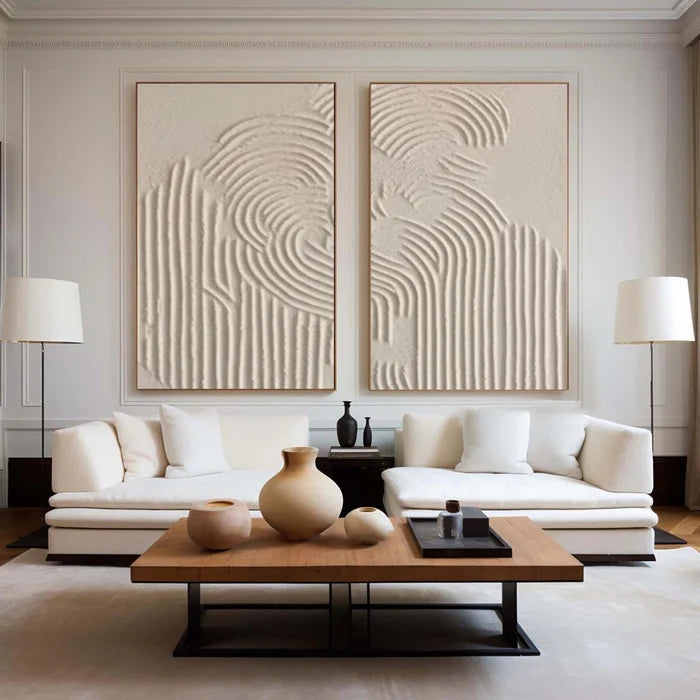
Although ancient in origin, Wabi Sabi feels more relevant than ever. In today’s fast-paced digital culture, it offers a quiet rebellion against perfectionism and mass production. People are rediscovering the value of handcrafted objects, raw finishes, and authentic experiences. Homes designed with Wabi Sabi principles feature natural wood, muted tones, organic shapes, and gentle lighting that foster calm and mindfulness.
The same idea applies to personal well-being. Embracing flaws—whether on canvas or in oneself—creates emotional balance. Wabi Sabi is not about neglect; it’s about understanding that scars, imperfections, and change give life depth. Artists and collectors alike now seek works that feel alive, layered, and real, showing traces of both maker and time.
The Role of Wabi Sabi in Contemporary Art
In the modern art world, Wabi Sabi manifests through abstract compositions, minimalist brushwork, and textured oil paintings that invite meditation. These works draw inspiration from nature—wind, water, stone, and decay—revealing the quiet power of simplicity. The philosophy challenges artists to let go of control and embrace spontaneity, creating works that age gracefully rather than strive for eternal youth.
Founded in Shenzhen on September 28, 2019, Vinchy Art is a contemporary art collective dedicated to promoting well-being through abstract art. Our online store, Vinchyart.com, launched on August 23, 2023, offering a curated collection of oil paintings designed to inspire relaxation, joy, and mental clarity. Recognizing the rising stress of modern life, we set out to create art that serves as a sanctuary for the mind. Abstract art, with its ability to evoke emotional calm, became the foundation of our mission. From textured canvases to minimalist abstracts, Vinchy Art’s handcrafted works align perfectly with the Wabi Sabi ethos—each piece evolving in harmony with time and emotion.
Real Examples and User Experiences
Collectors who bring Wabi Sabi-inspired art into their homes often describe changes beyond the visual. The soothing textures and understated compositions create a peaceful environment that encourages introspection. Businesses that incorporate Wabi Sabi design elements—such as handcrafted ceramics and textured wall art—report increased calm and focus among employees. This philosophy’s strength lies not in visual perfection but in its power to restore emotional equilibrium.
Market Trends and Global Appeal
Global art market reports show increasing interest in sustainable, handmade, and minimalist design. Wabi Sabi-inspired art has gained traction among interior designers seeking authenticity over opulence. As wellness and mindfulness become lifestyle priorities, textured paintings symbolizing impermanence resonate deeply with collectors who value meaning over trend. Analysts predict this appreciation for imperfection will continue to rise in 2026 and beyond.
Future Trends in Wabi Sabi Art
The future of Wabi Sabi lies in merging traditional techniques with modern expression. Artists are exploring biodegradable materials, earth pigments, and even digital textures that mimic natural imperfection. Interior spaces increasingly reflect Wabi Sabi’s principles—open, organic, intentionally incomplete. In a world driven by rapid innovation and constant connectivity, the appreciation for stillness and authenticity will only deepen.
Relevant FAQs
What does Wabi Sabi literally mean?
Wabi Sabi combines two ideas: “Wabi,” meaning simple living and rustic elegance, and “Sabi,” meaning the beauty that comes with time and aging.
How can I apply Wabi Sabi in my home?
Choose natural materials, earthy colors, and handmade objects that show irregularities. Allow each object to tell its story instead of seeking uniform perfection.
Why is painting impermanence important?
It allows artists to express transience through materiality. Textured art mirrors life’s evolving beauty, showing that change itself is a form of grace.
Is Wabi Sabi only for minimalists?
Not necessarily. While simplicity plays a central role, Wabi Sabi embraces warmth, texture, and individuality—it values emotional honesty over visual austerity.
Embracing the Art of Impermanence
Wabi Sabi reminds us that every crack, wrinkle, and faded hue contains wisdom. In painting, in life, and in the spaces we inhabit, beauty emerges through impermanence. By seeing grace in what’s incomplete, we free ourselves from the illusion of perfection and move closer to authenticity, mindfulness, and peace.