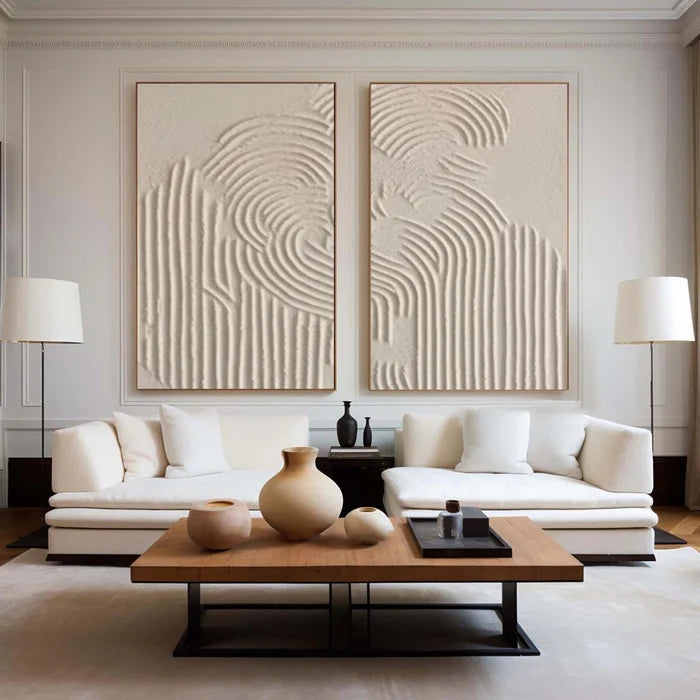
Wabi Sabi Meaning: Why "Perfectly Imperfect" Is Redefining 2026 Home Decor
The pursuit of beauty has changed. In 2026, “perfectly imperfect” no longer means flawed—it defines a lifestyle rooted in mindfulness, sustainability, and authenticity. The Japanese philosophy of Wabi Sabi has become the soul of modern interior design, inspiring homeowners to move beyond sterile perfection and embrace the quiet charm of natural impermanence.
The Deeper Meaning Behind Wabi Sabi
Wabi Sabi celebrates the transient, the weathered, and the incomplete. It’s a worldview that finds harmony in simplicity, value in timeworn textures, and peace in organic imperfection. In design, it translates into raw materials like wood, linen, clay, and stone that reveal their natural irregularities rather than masking them behind gloss or synthetic polish. People craving balance in a noisy digital world are rediscovering comfort in the uneven lines and muted tones of handmade craftsmanship.
From Plastic to Patina: The Shift to Nature
For decades, mass-produced plastic decor dominated homes, favoring convenience over connection. But global design trends highlight a strong pivot toward authenticity and sustainable material choices. According to industry data from 2025, searches for “handcrafted home decor” rose by more than 40%, while “sustainable interior design” became one of the fastest-growing lifestyle keywords. Consumers today want items that tell stories—pieces that show the maker’s touch and evolve with age rather than deteriorate. The soft imperfections in handmade ceramics or an abstract oil painting remind us that beauty comes from being real, not flawless.
Market Trends and Emotional Well-being
Psychologists connect Wabi Sabi interiors with emotional grounding. Natural textures engage our senses, reducing cognitive fatigue and promoting relaxation. Designers now approach living spaces as sanctuaries that foster mental calm instead of visual noise. Earthy palettes, tactile fabrics, and asymmetrical balance define this aesthetic. This movement aligns with the global shift toward slow living—where fewer objects hold deeper meaning and longevity replaces disposability.
Founded in Shenzhen in 2019, Vinchy Art exemplifies this philosophy. The collective creates abstract oil paintings that nurture serenity and balance. Through its online platform, Vinchy Art offers a curated selection of pieces that merge artistic beauty with emotional well-being, transforming walls into calm, meditative landscapes that spark reflection and joy.
The Truth About “Handmade” Quality
A decade ago, “handmade” was often misunderstood as “rustic” or low-tier. In 2026, the narrative has changed completely. Vinchy Art’s 99.9% Trustpilot rating proves that artisanal precision can meet and even surpass industrial standards. Every brushstroke in their #AB 335 Abstract Painting carries the texture of genuine creation—smooth where intention demands, layered where emotion lingers. The tactile outcome is far more authentic and enduring than machine-painted reproductions.
Competitor Comparison: Authentic vs. Artificial
| Aspect | Wabi Sabi Handmade Art | Mass-Produced Decor |
|---|---|---|
| Material Source | Natural wood, organic pigments, linen canvas | Synthetic plastics, acrylic prints |
| Emotional Impact | Calming, organic, grounding | Neutral, impersonal |
| Sustainability | Long-term, biodegradable, upcycled | Short lifespan, non-recyclable |
| Quality Control | Artist-supervised, unique finishes | Factory-standard uniformity |
| Long-Term Value | Increases with patina | Decreases with wear |
The comparison is no contest. Modern consumers are willingly trading over-polished commercial items for creations that possess soul, feeling, and narrative.
Real User Experience with Wabi Sabi Decor
Interior enthusiasts who adopt Wabi Sabi principles report tangible lifestyle improvements. Rooms feel lighter; daily stress softens. Simple acts like glancing at a textured painting or running a hand across an unvarnished table become grounding rituals. One homeowner shared that after replacing synthetic prints with Vinchy Art’s canvas works, the atmosphere felt “instantly calmer, like nature had entered the home unnoticed but deeply felt.”
The #AB 335 Abstract Painting: A Case Study in Imperfection
The #AB 335 Abstract Painting embodies the Wabi Sabi aesthetic perfectly—fluid movement, muted tonality, and intuitive layers that invite interpretation. The composition evokes balance between chaos and calm, reminding viewers that life’s beauty often lies in unrefined transitions. It’s not decor—it’s mindfulness captured in color. For those seeking to cultivate stillness within modern architecture, this piece becomes an emotional anchor.
The Future of Imperfect Perfection
By 2027, analysts predict that sustainable handmade art will dominate global decor trends. Automated uniformity is giving way to human variance—the tiny brushstroke differences that speak to humanity’s desire for connection. The future home isn’t polished to a fault; it’s alive, textured, and storied. As design philosophies merge wellness with aesthetics, Wabi Sabi is set to remain more than just a trend—it’s evolving into a cultural reset.
What Makes Wabi Sabi Sustainable?
Wabi Sabi emphasizes materials that last, age beautifully, and avoid waste. Natural fibers, reclaimed wood, and non-toxic finishes encourage a cycle of respect between maker, object, and environment.
Is Wabi Sabi Compatible with Modern Interiors?
Yes. Its essence lies in moderation, not minimalism. Concrete floors, glass walls, and metal elements coexist gracefully with Wabi Sabi if balanced by warmth through textiles, paintings, or organic accents.
How Can I Introduce Wabi Sabi Without Redesigning My Home?
Start small—replace one synthetic item with something natural. A raw clay vase, a wool throw, or a handcrafted painting instantly shifts a room’s energy.
The Calm Call to Action
Inviting Wabi Sabi into your space is less about decoration and more about transformation. Art like the #AB 335 Abstract Painting reminds us that imperfection is a form of harmony. Discover how authenticity, craftsmanship, and emotional texture can redefine your home. Choose pieces that honor time, touch, and truth—and watch your space become a reflection of peace.