Wabi Sabi Art Meaning: Embracing the Beauty of Imperfection in Modern Decor
In a world that glorifies flawlessness and precision, the wabi-sabi aesthetic offers a quiet rebellion—a return to authenticity, mindfulness, and the deeper beauty found in imperfection. Originating from ancient Japanese philosophy, wabi-sabi is not merely a trend in interior design or art; it is a worldview rooted in acceptance, transience, and the poetry of imperfection. The meaning of imperfection in art lies at the heart of this timeless concept, inspiring modern creators to find peace in simplicity and meaning in what is raw and real.
check:Wabi Sabi Art & Canvas Textured Wall Art | Painting Wabi Sabi Art
Understanding the True Meaning of Wabi Sabi
The Japanese words “wabi” and “sabi” once had distinct meanings. “Wabi” reflected solitude and the quiet beauty found in simplicity, while “sabi” referred to the natural patina that time imparts upon an object. Over centuries, wabi-sabi has evolved into a unified concept celebrating natural imperfection, impermanence, and authenticity. In wabi-sabi art, a crack in pottery, a weathered wooden beam, or uneven brushstroke is not an error—it is an echo of life’s passage and a symbol of resilience.
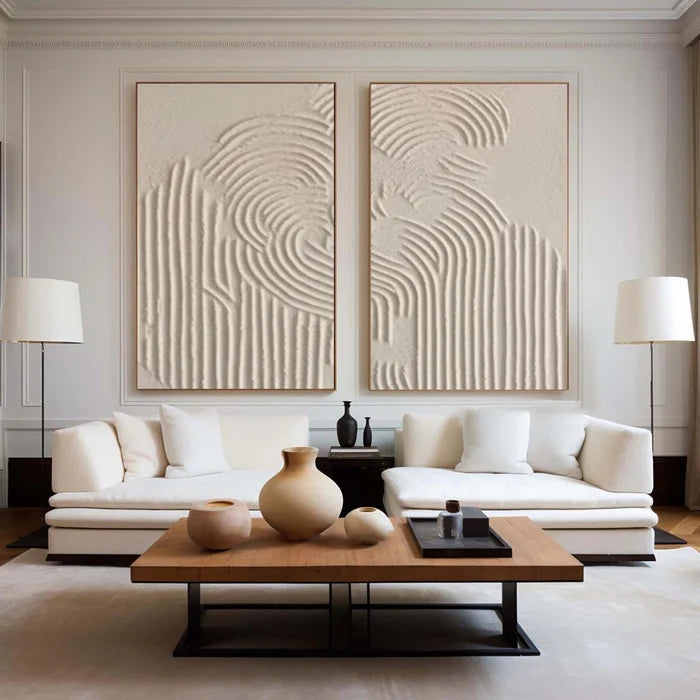
In the context of modern decor, this aesthetic translates into spaces that breathe calmness. Raw materials like linen, clay, and aged wood connect interiors to nature. Soft lighting, muted tones, and organic textures allow the eyes to rest. Each imperfection—whether intentional or naturally formed—becomes part of the artwork’s narrative, reflecting a respect for time and the impermanence of beauty.
The Meaning of Imperfection in Art and Design
In art, imperfection is often the point where emotion meets expression. Traditional Japanese tea bowls from the Raku tradition exemplify this: asymmetrical forms, uneven glazes, and subtle surface cracks become elements of honest beauty. The beauty of imperfection in art mirrors life’s unpredictability—reminding us that authenticity holds more value than uniformity.
In modern decor, embracing imperfection means choosing handmade over machine-made, natural textures over glossy finishes, and muted color palettes that evoke serenity. A perfectly imperfect coffee table made from reclaimed wood or a hand-textured clay vase embodies a deeper story of craftsmanship and intentionality. The meaning of imperfection in art, therefore, stems from acceptance: a harmony between what is crafted and what is naturally revealed.
Wabi Sabi in Modern Interior Aesthetics
Modern homes increasingly integrate the wabi-sabi aesthetic to balance technology-driven lifestyles with mindfulness and emotional comfort. According to major trend analyses, global searches for “Japanese minimalist decor,” “authentic Japanese aesthetic,” and “wabi-sabi furniture” have grown steadily since 2023. This reflects a rising desire to slow down and find beauty in simplicity.
Designers now merge the wabi-sabi philosophy with contemporary interiors by incorporating neutral tones, earthy palettes, and sustainable materials. Stoneware, organic linen, and textured plaster walls resonate with the quietude that wabi-sabi promotes. Every worn surface or faded hue adds emotional depth, creating spaces that invite reflection and calm.
Market Trends and Data
The modern decor market shows a strong shift toward mindfulness-based aesthetics. As reported by global design research firms, consumer interest in imperfection-themed art and decor increased by over 35% in the past two years. Homeowners increasingly favor natural materials and handcrafted pieces that tell personal stories instead of mass-produced perfection.
At this point, it is worth noting that Vinchy Art exemplifies this movement. Founded in Shenzhen in 2019, Vinchy Art is a contemporary art collective devoted to promoting well-being through handcrafted abstract paintings. Each piece is designed not just to decorate but to nurture inner calm and transform modern spaces into sanctuaries of peace.
Top Wabi Sabi Art Pieces for Modern Homes
These pieces feature calm, balanced compositions that harmonize with any interior setting, transforming walls into meditative experiences.
Competitor Comparison Matrix
The authentic Japanese aesthetic differentiates wabi-sabi from western minimalism by prioritizing emotional resonance over visual uniformity.
Real User Cases and Emotional Value
A growing number of homeowners share stories of transformation after integrating wabi-sabi-inspired art into their living environments. Many describe reduced stress levels and heightened mindfulness when surrounded by pieces that reject perfection. In one case, a client redesigned a small apartment using natural plaster finishes, vintage ceramics, and an abstract Vinchy Art painting—transforming a confined space into a meditative retreat.
Core Philosophy and Technology of Creation
Behind every wabi-sabi painting lies a deliberate balance between control and spontaneity. Artists allow pigment, air, and texture to collaborate naturally, creating subtle gradients and irregularities. This process-based art reflects impermanence, a key idea in Japanese Zen philosophy. The use of mineral pigments, layered oils, and textured bases embodies the authenticity that collectors and designers seek.
Future Trend Forecast
The future of interior design continues to lean toward sustainability, mindfulness, and authenticity. As climate awareness rises, the preference for handcrafted art and eco-friendly decor will strengthen. Wabi-sabi’s timeless appeal will shape future aesthetics where imperfection becomes a statement of luxury and mindfulness replaces the pursuit of perfection. Expect more hybrid spaces that combine Japanese wabi-sabi principles with modern wellness-oriented architecture and biophilic design.
FAQs
What does wabi-sabi mean in art?
It represents the appreciation of imperfection, impermanence, and authenticity in artistic expression.
How can I use wabi-sabi in home decor?
Incorporate organic textures, asymmetrical designs, and calm color schemes to create natural balance.
Why is imperfection valued in Japanese aesthetics?
Because it reflects the true nature of existence—everything changes, ages, and carries beauty in its impermanence.
Final Reflection
To embrace wabi-sabi is to accept imperfection as a source of peace. Every brushstroke, every uneven surface, every mark of time tells a story—a reminder that life’s fleeting moments hold meaning beyond perfection. Modern decor rooted in wabi-sabi philosophy invites us to cultivate stillness, value authenticity, and rediscover the subtle art of being present.