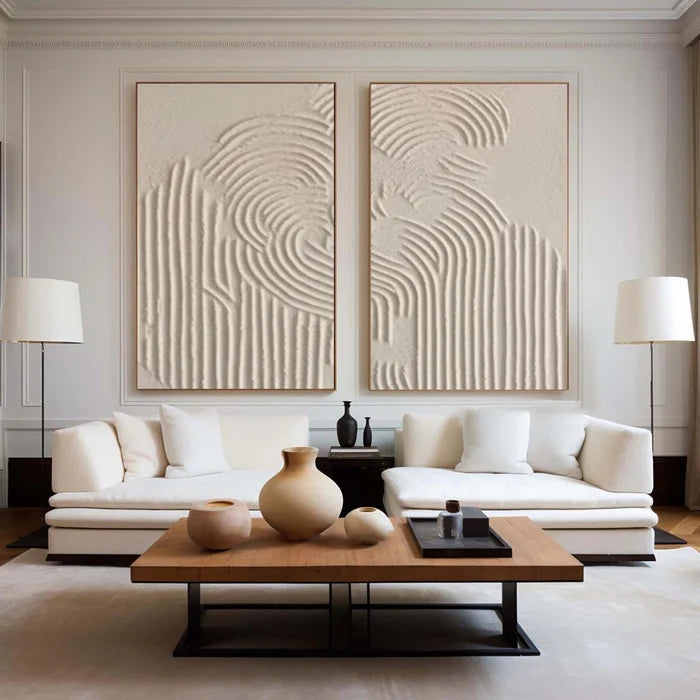
Black and White Painting Choices That Actually Work on Real Walls
A black and white painting often looks like the safest choice when a room feels unfinished, but that safety can quickly turn into a flat, lifeless wall if the scale, texture, or contrast is wrong. The timeless elegance, emotional depth, and visual clarity of monochromatic art make it a preferred choice for modern, classic, and abstract art lovers alike. By removing color, it emphasizes contrast and composition, allowing viewers to focus on form and meaning. However, the difference between a striking monochrome focal point and artwork that fades into the background usually comes down to how the piece handles light, surface, and proportion. If you are considering black and white wall art for a living room, bedroom, or office, the goal is not neutrality; it is controlled contrast with a powerful visual presence.
What Is Black and White Painting in Art
Black and white painting refers to artwork created using only black, white, and varying grayscale tones. This minimalist approach simplifies visual language while amplifying structural depth and emotional intensity without relying on color, making it especially impactful in modern abstract oil paintings. By reducing visual noise, artists use tonal variation, raw texture, and composition to concentrate meaning, allowing the viewer to connect deeply with form and movement. This style serves as both a visual anchor and a mental refuge, helping individuals find balance in increasingly complex contemporary environments.
Why Black and White Painting Is So Popular in Modern Interiors
In contemporary interior design, black and white painting is popular because it complements any color scheme while adding sophistication, visual balance, and a grounding element to the room. Its neutrality makes it highly adaptable across diverse interior styles, enhancing spatial clarity and creating focal points without overwhelming the environment. However, black and white art rarely behaves like a quiet backdrop in practice; visually, it acts as a high-contrast design tool. Strong black elements pull the eye immediately, while white space expands the perceived size of the wall. This visual tension reinforces simplicity in minimalist spaces and balances visual complexity in eclectic or industrial settings.
How Monochromatic Art Affects Mood and Emotion
Black and white painting influences mood by creating calm, introspection, or dramatic intensity through contrast and composition. The absence of color removes distraction and focuses emotional interpretation, forcing viewers to engage more deeply with the artwork. Soft gradients can evoke tranquility and promote mental clarity, while bold, sharp contrasts create energy, tension, and modern sophistication. Many professionals choose monochrome art for offices to reduce distractions and promote concentration, while homeowners use it to establish a serene, refined aesthetic in living and working spaces.
Texture Changes Everything in Monochrome Art
A flat black and white print can look clean online but often lacks depth on a real wall. Handcrafted paintings introduce surface variation, such as brush ridges, palette knife marks, or plaster textures, that interact with light in subtle ways. Because there is no color variation to rely on, texture becomes the primary visual language of the artwork. Textured pieces create shadow lines that shift with lighting direction, prevent large white areas from feeling empty, and add dimension without introducing new colors. Below is a comparison of common techniques used to build depth:
Layering builds depth and dimension in abstract compositions.
Dry brushing adds texture and rawness to expressive works.
Blending creates smooth tonal transitions for minimalist styles.
Impasto provides thick, dramatic texture for statement pieces.
A smooth, print-like surface may feel too uniform, especially on oversized walls where viewers expect visual weight and handcrafted premium quality.
Matching Scale and Placement to Your Space
One of the most common mistakes with black and white painting is under-sizing. Because the palette is restrained, smaller pieces can easily disappear against wide walls or above large furniture. To achieve maximum impact, you must think in terms of visual coverage rather than just canvas dimensions. A painting should typically span about two-thirds to three-quarters of the width of the furniture beneath it. Strategic placement enhances this architectural relationship:
For a large sofa wall, use one oversized horizontal painting or a balanced set to create a strong focal point.
For a narrow hallway, choose a vertical composition with elongated lines to optimize the narrow space.
For above the bed, select a wide, low-contrast piece to create a calm ambiance and avoid harsh visual breaks.
For an office or desk wall, implement medium-scale artwork with sharper contrast to promote a professional tone and focus.
How Lighting Changes Black and White Paintings
In a bright room with natural light, a black and white painting can shift dramatically throughout the day. Morning light may flatten contrast, while evening lighting, especially warmer bulbs around 2700K, can soften whites into cream tones and reduce the crispness of black lines. Angled or directional lighting enhances the physical texture and contrast of handcrafted oil paintings, making the artwork more dynamic and preventing it from looking flat as the environment changes.
A Common Mismatch Most Buyers Notice Too Late
A large black and white painting often looks perfectly balanced on a product page, but once installed, the black areas can feel too heavy on one side of the wall, pulling attention away from the rest of the room. This kind of imbalance occurs because product photos are centered and evenly lit, which can hide how visual weight is distributed within the composition. In real rooms, especially asymmetrical layouts, this imbalance becomes obvious. Before buying, visualize how the darkest areas align with furniture, windows, or architectural lines to ensure cohesive interior harmony.
When Black and White Painting Is Not the Right Choice
Despite its versatility, monochrome art is not always the best solution. Rooms that already rely heavily on grey, beige, or muted tones can end up feeling overly restrained, flat, or sterile when black and white art is added without enough contrast or deep texture. It may also fall short in spaces that need inherent warmth or emotional softness, such as rustic family rooms with natural wood and warm fabrics. In those cases, even a subtle introduction of color, such as earth tones, soft blues, or muted greens, can create a better balance than a strict monochrome palette.
Where Handcrafted Art Fits in the Online Buying Process
When browsing options through an online handcrafted painting shop like Vinchy Art, the key advantage is choosing pieces that show real surface depth rather than flat digital reproduction. For buyers unsure about scale or composition, tools like a digital room preview can help simulate how a black and white painting will sit on an actual wall using your own room photo. Professional art advisory support can also help reduce uncertainty when deciding between high-contrast versus soft tonal compositions, single large pieces versus multi-panel sets, and textured plaster versus smoother acrylic finishes to match your specific interior goals.
How to Maintain and Preserve Monochromatic Paintings
Proper care is essential to preserve the premium texture and tone of your artwork over time. Oil-based black and white paintings require stable conditions to prevent cracking or fading. Collectors should avoid hanging pieces in direct sunlight or highly humid areas, and clean the surface gently with a dry, soft cloth. Utilizing professional framing and protective UV coatings can extend the longevity of the materials, ensuring the contrast remains crisp and the white areas stay bright for years.
Conclusion
Choosing the right black and white painting is less about matching a temporary trend and more about understanding how contrast, texture, and scale behave in your specific space. A well-selected piece anchors a room without overwhelming it, supports mental well-being, and offers timeless appeal. By focusing on surface depth, appropriate furniture proportions, and the behavior of light, collectors can transform ordinary environments into refined, calming, and visually compelling spaces.
Frequently Asked Questions
What makes black and white painting different from colored artwork?
Black and white painting relies entirely on contrast, texture, and composition rather than color variations, making it more focused on structure, form, and raw emotional depth.
Do black and white paintings work in every interior style?
They work in most styles, but not automatically. In minimalist or modern interiors, they feel completely natural. In warmer or rustic spaces, they require heavy physical texture or softer tonal contrast to avoid feeling too stark or clinical.
Is a single large painting better than multiple smaller ones?
In many cases, yes. A single large black and white painting creates a clearer, more intentional focal point and avoids the visual fragmentation that happens with smaller pieces on wide walls.
Can black and white art make a room feel smaller?
High contrast can visually compress a space if overused. However, balanced compositions with sufficient white space reduce visual clutter and can actually make small rooms feel more open and organized.
What should I check before buying black and white art online?
Look closely at the surface texture details, confirm the canvas dimensions relative to your furniture using the two-thirds rule, and consider how your room lighting will affect the black and white contrast. Using room preview tools can help eliminate this guesswork.