

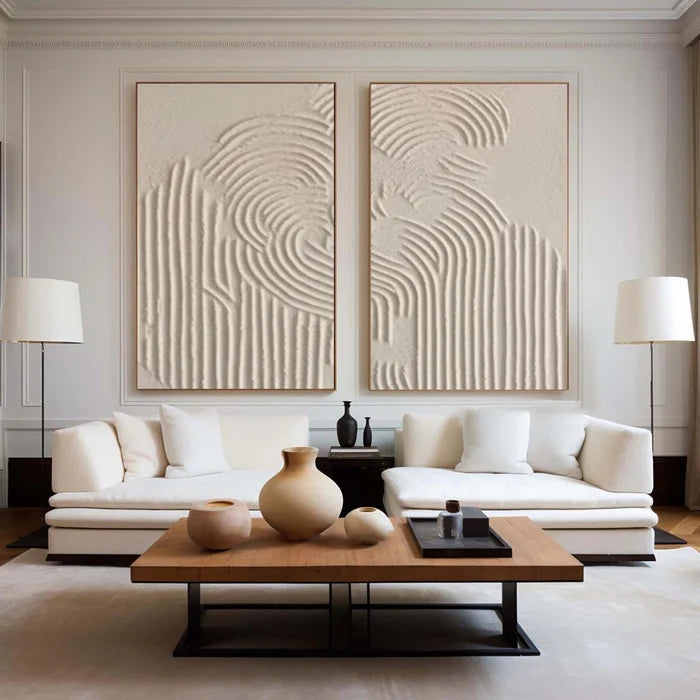

Bringing animal art abstract into modern interiors without losing sophistication
A realistic lion portrait or a sharp wildlife photograph can quickly pull a room toward theme décor. That is exactly why many design-conscious buyers hesitate with animal art abstract styles—they want the presence of wildlife without turning a living room into something literal or decorative. The answer lies in how abstraction shifts focus from anatomy to atmosphere. When texture, scale, and gesture carry the image, the animal becomes a quiet force in the room rather than a visual cliché. Done well, abstract animal canvas art reads less like illustration and more like sculpture on the wall, especially in contemporary interiors built around neutral tones, clean lines, and material contrast.
When animal imagery becomes design instead of decoration
Abstract animal art works because it removes narrative detail and keeps only what the room needs: movement, weight, and rhythm. A horse is no longer about mane and muscle accuracy; it becomes a vertical sweep of energy. An elephant becomes density and grounding mass. Birds translate into directional lightness.
This shift matters in modern spaces. A leather sofa, stone coffee table, or matte wall finish already carries strong material presence. Adding literal animal imagery often competes with that. Abstract forms, however, integrate. They echo textures already in the room rather than introducing a new storyline.
The most successful contemporary animal art pieces feel almost architectural. They sit within the visual language of the space—aligned with edges, proportions, and negative space—rather than standing apart as themed décor.
The role of texture in abstract animal canvas art
What separates elevated work from generic prints is surface depth. In handcrafted pieces, plaster or heavy-bodied paint creates ridges, shadows, and subtle highlights that define the animal’s form without outlining it.
Light becomes part of the artwork. As it moves across the surface during the day, the silhouette emerges and recedes. A horse’s neck may only be visible because of a raised stroke catching side light. A bird’s wing might be implied through layered scraping rather than line.
This tactile quality is impossible to replicate in flat reproductions. It also explains why abstract animal art feels more timeless. Instead of relying on visual accuracy—which can date—it relies on physical presence.
For those exploring options, you can discover the spirit of wildlife in our collection of curated animal and horse-themed art, where the emphasis is on expressive surfaces rather than literal detail.
Scaling the artwork so it feels intentional
One of the most common mistakes is choosing animal art that is too small or too horizontally compressed for the subject. Abstract animal pieces benefit from scale that reinforces the creature’s natural presence.
Here is a practical way to think about proportion:
A large vertical abstract animal canvas, for example, can subtly echo the height of a standing figure without ever spelling it out. This is especially effective in modern studies or reading rooms.
Framing decisions that change the tone
Framing is not just a finishing detail—it determines whether the artwork leans gallery-like or decorative.
A thin brass or metallic frame introduces contrast and sharpness, which works well in interiors with glass, steel, or polished stone. It gives the piece a defined edge and a slightly more formal presence.
Frameless or floating-edge finishes, on the other hand, feel quieter. They allow the texture to remain the focus and integrate better into minimalist or Wabi-Sabi-inspired spaces where softness and imperfection are part of the design language.
The key is alignment with surrounding materials. If your room already has strong lines and finishes, a frame can reinforce that. If the room leans organic, restraint usually works better.
Grouping abstract animal wall decor without clutter
Grouping multiple pieces is where many interiors lose sophistication. With abstract animal wall decor, less structure actually requires more discipline.
Instead of mixing unrelated animals or styles, keep one visual logic consistent—either similar palette, similar texture density, or a shared sense of motion. Two pieces that both suggest movement (for example, a bird and a horse interpreted through sweeping strokes) can feel connected even if the subjects differ.
Spacing also matters. Tight spacing reads as decorative. Slightly wider spacing gives each piece room to breathe, which aligns better with contemporary interiors.
A common failure point is combining three different animal prints—each with different colors and levels of detail—above a neutral sofa. The result feels like a gallery wall from a themed store rather than a composed design decision. Abstract work reduces this risk, but only if the grouping remains intentional.
Why abstract beats photography in modern rooms
The difference is not about quality—it is about role. Photography documents. Abstract art interprets.
In a modern interior, interpretation is often more valuable. A photographic lion demands attention as a subject. An abstracted lion becomes part of the room’s texture and mood.
This distinction is especially important in spaces meant to feel calm, grounded, or architectural. Abstract animal canvas art supports those goals by avoiding sharp visual narratives.
It also ages better. Trends in wildlife photography shift, but material-driven abstraction tends to remain relevant because it aligns with broader design principles rather than specific imagery styles.
Where handcrafted pieces make a difference
Not all abstract animal art is equal. Mass-produced prints often mimic abstraction visually but lack the physical depth that gives the style its impact.
Handcrafted paintings introduce variation—no two surfaces are identical, and small irregularities actually enhance the organic feel of the subject. This is particularly important when the goal is to capture the “spirit” of an animal rather than its exact form.
Vinchy Art positions itself in this space with original, hand-painted works designed for interior integration rather than replication. For buyers unsure about scale or palette, their room preview tool allows you to test a piece on your own wall, and their advisory support can help align the artwork with existing materials like upholstery or paint tones.
A quiet but important limitation to consider
Abstract animal art is not universally suitable. In spaces that rely on strong color contrast or highly graphic elements, overly subtle pieces can disappear. Similarly, if you are looking for clear symbolism or storytelling, abstraction may feel too restrained.
Lighting also plays a role. Textured work depends on directional light. In dim or flat-lit rooms, the depth that defines the animal can become less visible, reducing the overall effect.
Understanding these limitations helps avoid disappointment and ensures the artwork performs as intended in your space.
Making the final decision feel less uncertain
Buying art online adds another layer of hesitation—scale, texture, and color can all behave differently in real life. That is where tools like visual previews and advisory input become practical rather than optional.
If you are narrowing down options for a living room or study, it helps to see how a piece interacts with your actual wall dimensions and furniture. For more tailored guidance, you can consult the art advisory team to refine choices based on your room’s proportions and material palette.
Frequently Asked Questions
How do I display animal art in a modern living room without it looking childish?
Focus on abstraction, scale, and restraint. Choose pieces with minimal detail and strong texture, and avoid mixing too many subjects. Large, singular works or carefully paired pieces feel more architectural and less decorative.
Why choose abstract animal canvas art over photography?
Abstract art integrates into the room’s design rather than dominating it. It emphasizes mood, movement, and material, which aligns better with contemporary interiors than literal imagery.
What size animal art works best above a sofa?
A piece should typically span about two-thirds to three-quarters of the sofa width. Oversized abstract works often perform better than smaller ones because they create a clear focal point.
Can I mix different animals in one space?
Yes, but only if there is a unifying element such as palette, texture, or motion style. Without that, the wall can feel fragmented and overly themed.
Do textured abstract paintings look different in person than online?
Yes. Texture interacts with light, so the appearance can shift throughout the day. This is why preview tools and understanding your room’s lighting conditions are important before purchasing.