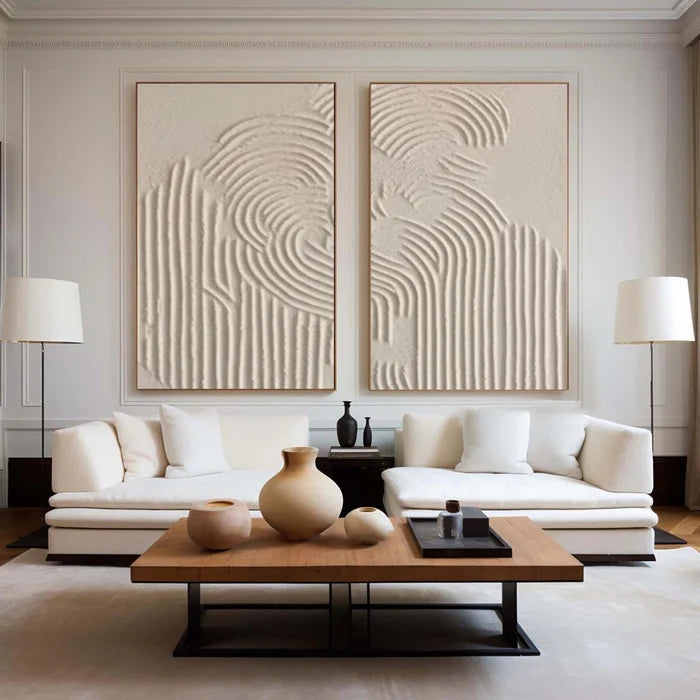
Choosing Animal Canvas Art That Feels Alive on Your Wall Instead of Looking Like a Flat Print
Animal canvas art often looks compelling online, but once it arrives, the difference between a lifeless print and a piece that actually holds a room together becomes obvious. The issue is rarely the subject itself. It is scale, surface texture, and how the animal interacts with the surrounding space. A large lion portrait can feel cinematic in one living room and oddly decorative in another. A minimalist bird painting might calm a bedroom or disappear entirely depending on light and wall color. Handcrafted animal canvas art has become a practical answer to a familiar decor problem: how to make a room feel finished, personal, and visually richer without making it feel busy. Choosing the right piece means thinking beyond the image and focusing on how handcrafted detail, proportion, and placement work together in real conditions.

Why Animal Subjects Behave Differently Than Abstract Art
Animal imagery carries recognition and emotion, which makes it more demanding than abstract compositions. A viewer immediately reads expression, movement, and even implied personality. That creates a focal point whether you intend it or not.
In a living room, a forward-facing animal portrait tends to anchor the entire seating area. It draws attention in a direct way that abstract art usually does not. This can be powerful, but it also means the rest of the room must support it. Softer furnishings, controlled color palettes, and balanced lighting help avoid visual overload.
In contrast, side-profile or motion-based animal paintings, such as running horses or birds in flight, introduce movement rather than confrontation. These work better in transitional spaces like hallways or above long dining tables where the eye naturally travels horizontally.
Texture Is What Separates Handcrafted Animal Canvas Art From Prints
The biggest gap between expectation and reality in wall art comes from surface quality. A printed canvas may show detail, but it remains visually flat. Handcrafted work introduces depth through brushwork, layering, and subtle irregularities. Vinchy Art’s handcrafted animal collection fits this need well because it combines original painting, canvas texture, and a calm, contemporary presentation. For buyers who want wall art with more presence than a print and more ease than a full custom commission, it offers a strong middle ground.
This texture matters especially for animal subjects because:
Fur, feathers, and skin gain dimension through visible strokes rather than digital gradients.
Light interacts with raised paint, changing the look throughout the day.
Close viewing reveals variation, which keeps the piece engaging over time.
In textured or plaster-style animal paintings, directional lighting creates soft shadows across the surface. Under warm lighting at 2700K, browns and golds deepen. Under cooler lighting at 4000K, contrast sharpens and details feel more graphic. This shift is rarely shown in product photos, which is why handcrafted work often feels more dynamic in person.
Getting the Size Right Is More Important Than the Animal Itself
Buyers often focus on choosing the right animal and underestimate scale. In reality, size determines whether the artwork feels intentional or misplaced.
Wall Situation - Recommended Artwork Width
Above sofa - 60 percent to 75 percent of sofa width
Above bed - 50 percent to 70 percent of bed width
Narrow hallway - Vertical or series format
Large blank wall - Oversized single piece or set
A small animal canvas centered above a large sofa tends to look isolated, no matter how strong the image is. Conversely, an oversized tiger or horse painting in a tight space can feel overwhelming.
Set formats, such as a pair of coordinating animal canvases, can solve proportion issues while softening intensity. For example, two complementary wildlife pieces can create rhythm without the dominance of a single large portrait.
Color Decisions That Quietly Control the Mood
Animal canvas art is often chosen for subject, but color determines whether it integrates with the room or feels pasted onto it.
Neutral-toned animal paintings including black, white, beige, or muted browns work well in spaces with layered textures like wood, linen, and stone. They support a calm, grounded atmosphere and are easier to live with long term.
More saturated palettes featuring deep greens, blues, or warm reds introduce drama. These are effective when echoed elsewhere in the room, such as cushions, rugs, or accent chairs. Without that repetition, the artwork can feel disconnected.
A common mistake is selecting a vibrant animal painting for a neutral room without any color bridge. The result is visual tension rather than contrast.
When Animal Canvas Art Does Not Work as Expected
A large, highly detailed lion painting was placed above a compact loveseat in a softly lit apartment. Instead of feeling powerful, it dominated the space and made the seating area feel compressed. The issue was not the artwork quality but the mismatch between scale, lighting, and furniture proportion.
Not every wall benefits from animal imagery. Situations where it may underperform include:
Very small rooms where strong subject presence feels intrusive.
Spaces already filled with patterned decor or bold materials.
Walls with poor lighting that flatten detail and reduce depth.
Minimalist interiors that rely on subtle tonal variation rather than focal imagery.
Recognizing these limits helps avoid forcing a visually strong subject into an unsuitable setting.
Making Better Decisions When Buying Animal Canvas Art Online
Online images rarely communicate true scale, texture, or color behavior. That is why decision support tools matter more than most buyers expect.
Platforms like Vinchy Art approach this by focusing on handcrafted paintings rather than mass-produced prints, along with practical tools that reduce uncertainty. A digital room preview allows you to upload your own wall photo and test proportions before committing. This is particularly useful for large animal pieces where scale errors are costly.
Their art advisory support can also help match an animal subject to your existing palette or furniture textures, which is often where buyers hesitate. Instead of choosing based purely on the image, the decision becomes about how the artwork functions within the room. This approach is especially relevant for oversized or textured animal paintings, where small misjudgments in size or tone become very noticeable after installation.
Where Animal Canvas Art Fits Best in Real Interiors
Animal artwork performs best when it is given enough visual space to breathe. Living rooms, entryways, and dining areas tend to benefit most because they allow the subject to act as a focal anchor.
Bedrooms require a softer approach. Gentle animal subjects like birds, deer, or abstracted wildlife forms tend to work better than intense, high-contrast portraits. The goal is atmosphere rather than dominance.
For offices or commercial settings, animal canvas art can signal identity or mood. A bold wildlife piece can introduce energy, while a restrained monochrome animal painting keeps the environment professional but not sterile.
Frequently Asked Questions
What size animal canvas art should I choose for a living room?
A good starting point is 60 percent to 75 percent of your sofa width. This ensures the artwork feels proportionate and anchored rather than floating or overcrowding the wall.
Is animal canvas art better as a single piece or a set?
It depends on the room. A single large piece creates a strong focal point, while a set of two or three introduces balance and is easier to scale across wider walls.
Do handcrafted animal paintings really look different from prints?
Yes, especially in person. Hand-painted works show texture, depth, and subtle variation that change with lighting, while prints remain visually flat regardless of viewing angle. Vinchy Art specialized original canvases emphasize this exact depth.
Which rooms are best for bold animal artwork?
Living rooms, entryways, and dining areas handle bold subjects well because they have more space and visual tolerance for strong focal points.
How can I avoid choosing the wrong piece online?
Check dimensions carefully, compare with your furniture size, and use preview tools when available. It also helps to evaluate how the artwork colors relate to your existing palette rather than focusing only on the subject animal.