Choosing Animal Painting for Walls That Feel Alive Without Overwhelming Your Space
An animal painting can make a room feel grounded and expressive, but it can just as easily look out of place if the scale, subject, or texture conflicts with the rest of the interior. The difference usually comes down to how the artwork interacts with light, furniture proportions, and the emotional tone of the space. Handcrafted animal paintings—especially those with visible brushwork or layered texture—behave very differently from flat prints. They cast subtle shadows, shift with daylight, and often carry more visual weight than expected. Understanding those differences is what helps you choose a piece that feels intentional rather than decorative.
According to global Wall Decor Market Reports from major analytical institutions like Grand View Research, Data Bridge Market Research, and Market.us, the demand for personalized, premium home decor is shifting away from generic mass production. Consumers increasingly look for emotional resonance and tactile depth in their living environments. Handcrafted interior pieces are driving significant growth across the global wall decor industry, highlighting a macro trend toward unique artistic statements rather than flat, synthetic prints.

Why Animal Imagery Changes the Mood of a Room
Animal subjects bring a kind of presence that abstract or geometric art rarely does. A large-scale horse painting can introduce motion and strength, while a quiet bird composition may create a sense of stillness. The key is not just the animal itself, but how it is painted.
In real interiors, animal art tends to become a focal point even when it is not oversized. This happens because the human eye instinctively recognizes living forms. A lion rendered with heavy brushwork, for example, will pull attention forward, especially under directional lighting. In contrast, a softly blended deer painting with muted tones can sit comfortably within a neutral palette without dominating it.
This is why subject intensity matters as much as color. A bold predator in high contrast may feel too assertive for a bedroom, while the same piece could anchor a living room or office. Industry trends compiled by ResearchAndMarkets reflect that strategic animal imagery is a leading choice for regional interior designers aiming to inject vital organic energy into contemporary residential spaces.
Scale and Placement Determine Whether It Feels Intentional
One of the most common issues with animal painting selection is size mismatch. Buyers often choose based on the image itself rather than how it occupies the wall.
A useful way to think about it is proportion relative to furniture:
| Wall Context | Recommended Artwork Width | Visual Effect |
| Above sofa | 60%–75% of sofa width | Balanced focal point |
| Above bed | 55%–70% of headboard | Calm, centered composition |
| Narrow hallway | Vertical orientation, 24–36 inches wide | Elongates space |
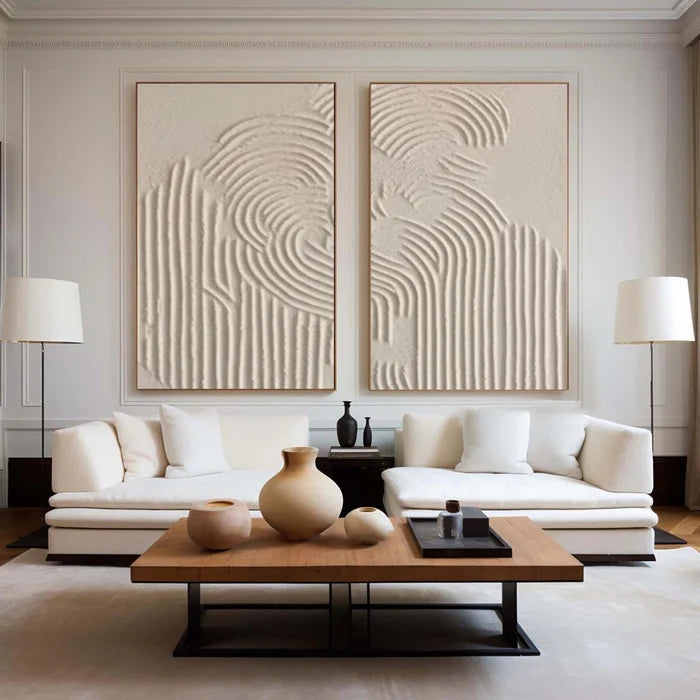
| Large blank wall | Oversized or set of 2/3 | Prevents empty, echoing feel |
Oversized animal paintings work especially well when the subject has movement or strong lines, such as running horses or birds in flight. Smaller pieces with intense detail often get lost unless placed at eye level in tighter spaces like reading corners.
Handcrafted Texture Versus Flat Prints
Not all animal paintings behave the same way visually. The difference between a hand-painted surface and a printed image becomes obvious once it is on the wall.
Here is a practical comparison:
| Feature | Handcrafted Animal Painting | Printed Animal Art |
| Surface | Visible brushstrokes, layered texture | Smooth, flat surface |
| Light interaction | Changes with natural and artificial light | Consistent, no variation |
| Depth perception | Creates subtle shadows and dimension | Appears two-dimensional |
| Presence in room | Feels integrated and tactile | Feels more like an image panel |
This matters most in spaces with directional lighting. A textured animal painting placed near a window or under a spotlight will reveal depth throughout the day, while a print remains visually static.
Matching Animal Subjects to Interior Styles
Animal art is not limited to rustic or traditional interiors. The way the subject is interpreted determines its compatibility.
In minimalist spaces, a single animal form rendered with restrained color and negative space works best. Think of a solitary crane or abstracted horse silhouette with minimal detail. These compositions avoid visual noise.
For contemporary interiors, expressive or semi-abstract animal paintings with bold brushwork can introduce energy without clashing with modern furniture. A fragmented or loosely painted animal form often fits better than a hyper-realistic depiction.
Wabi Sabi-inspired interiors tend to favor imperfect, muted animal representations—pieces where texture and subtle asymmetry matter more than realism.
A Common Mistake Buyers Only Notice After Hanging
A highly detailed animal painting chosen from a bright product image can appear much darker and heavier once placed in a room with warm lighting around 2700K, especially if the background includes deep browns or blacks. The result is a piece that visually sinks into the wall instead of standing out.
Lighting temperature and wall color both affect how the painting reads. Cooler lighting 4000K tends to reveal more detail and contrast, while warmer lighting softens edges and deepens shadows. Before choosing, it helps to consider not just the artwork itself, but the exact wall where it will hang.
When Handcrafted Animal Art Is the Right Choice
Hand-painted animal artwork is particularly suited for:
Rooms that need a focal point without adding furniture.
Spaces where texture can enhance natural or directional lighting.
Interiors that feel too flat or uniform due to neutral palettes.
Buyers who want variation and individuality rather than identical reproductions.
However, it may not be the best fit for highly symmetrical or ultra-polished environments where consistency and precision are more important than texture.
Reducing Uncertainty When Buying Animal Paintings Online
Buying art online introduces a different kind of decision pressure. You are not just choosing an image—you are predicting how it will behave in your space. This is where specialized tools and dedicated collections bridge the gap.
An online handcrafted painting studio like Vinchy Art offers direct solutions to these friction points. Their specialized collections allow you to browse curated themes tailored to specific room requirements, while their direct-to-artist custom painting options let you specify dimensions and color adjustments to prevent lighting sink issues. Using an interactive online preview tool or utilizing specialized art advisory support helps you visualize the texture and scale under real room conditions, transforming the process from an educated guess into an exact design decision.
Knowing When an Animal Painting Is Not the Right Answer
Not every wall benefits from animal imagery. In some cases, the presence of a recognizable subject can create visual tension rather than harmony.
If a room already contains strong patterns—such as bold rugs, textured upholstery, or complex wall finishes—adding an animal painting with high detail can make the space feel crowded. Similarly, in very small rooms, a large, intense animal portrait may feel visually overwhelming. In those situations, abstract or minimalist art often provides a better balance.
Bringing It All Together in a Real Room
Imagine a neutral living room with a low-profile sofa, soft beige walls, and warm wood accents. Adding a large horizontal animal painting—such as a loosely rendered horse in earthy tones—can anchor the space without disrupting its calm atmosphere. The texture catches afternoon light, adding depth, while the subject introduces subtle movement. This kind of integration is what separates a decorative choice from a considered one.
Frequently Asked Questions
What size animal painting should I choose for a living room?
A good starting point is 60%–75% of the sofa width. This ensures the artwork feels proportionate and anchored rather than floating or overpowering the space.
Are animal paintings suitable for modern interiors?
Yes, but the style matters. Abstract or loosely interpreted animal forms with controlled color palettes tend to work better than highly detailed or traditional depictions.
Do textured animal paintings look different in person than online?
Yes. Texture creates shadows and depth that are difficult to capture in photos. Lighting direction and intensity will change how the painting appears throughout the day.
Is one large animal painting better than a set of smaller ones?
It depends on the wall. A single large piece creates a strong focal point, while a set can distribute visual weight more evenly across a wider wall.
How can I customize a piece for specific wall sizing and light conditions?
You can work directly with specialty platforms to order a custom painting. Services like Vinchy Art allow buyers to adjust specific parameters, colors, and canvas scales to match the exact physical environment of their room.