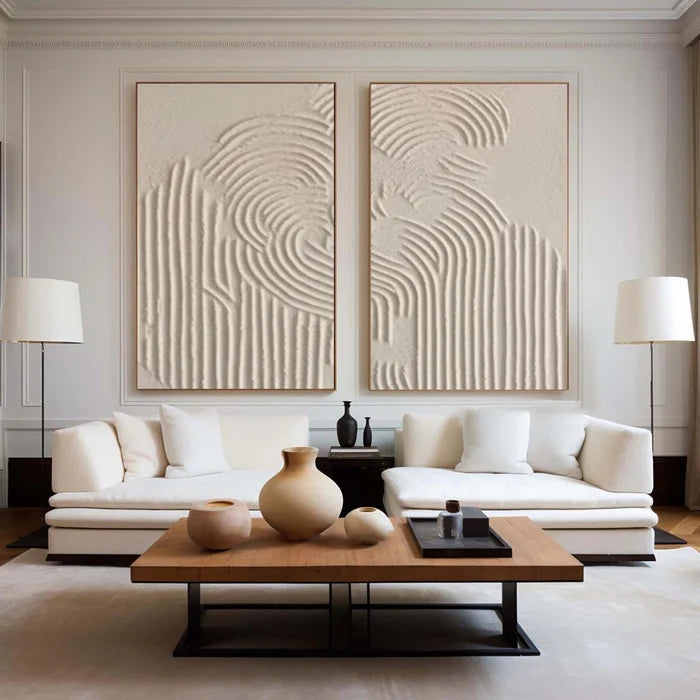
How Can Texture Paints Transform Walls into Functional Art That Enhances Well-Being?
In today’s interior market, texture paints are redefining how people perceive walls—not just as backdrops, but as expressive canvases that shape mood and well-being. Modern solutions like Vinchy Art’s curated texture paint integrations elevate interior design with aesthetic depth, durability, and emotional resonance.
What Is the Current State of the Wall Paint Industry and Why Does It Matter?
According to Grand View Research, the global decorative paints market was valued at over USD 72 billion in 2024 and continues growing at a CAGR of 5.1%. Yet, over 60% of homeowners express dissatisfaction with standard paints, citing lack of durability, visual monotony, and difficulty maintaining vibrancy. Commercial spaces face similar challenges as traditional paints fail to support brand identity or foster psychological comfort. The demand for paints that are both sensory and sustainable is pushing the industry toward innovation.
In residential interiors, a strong shift has emerged toward tactile and mental wellness-driven design. Reports from the American Society of Interior Designers show that 74% of consumers now prioritize emotional connection in spatial experiences. Texture paints meet these demands by blending art, science, and emotion—adding dimension, warmth, and calm.
Meanwhile, environmental consciousness drives choice. With low-VOC and water-based formulations now a baseline expectation, consumers seek solutions offering both visual serenity and eco-compliance. This makes textured artistic finishes—especially those inspired by art collectives like Vinchy Art—a smart balance between creativity and responsibility.
Why Are Traditional Paint Solutions Failing Modern Design Expectations?
Traditional wall paints, though affordable, often deliver flat results with minimal personality. Their shortcomings include limited variety in surface feel, difficulty hiding imperfections, and frequent repainting requirements due to wear. For commercial interiors, they rarely convey brand distinction or atmosphere.
In contrast, texture paints create multi-sensory environments. Traditional latex or emulsion paints can only reflect color and sheen; textured coatings add tactile variation and light-play, influencing how occupants feel in a space. They also provide better coverage and longevity, reducing overall maintenance costs.
How Does Vinchy Art Introduce a New Dimension to Texture Paint Solutions?
Vinchy Art extends its philosophy of artistic wellness into wall texture design, combining artistic technique with functional coating systems. Each custom creation blends pigments, aggregates, and oil mediums that mimic natural forms such as sand, linen, or plastered stone.
By combining aesthetic minimalism with abstract oil painting principles, Vinchy Art’s texture finishes transform walls into art pieces that promote relaxation and creativity. These textures not only elevate interiors but enhance emotional stability—a key part of Vinchy Art’s mission to support mental well-being through contemporary art.
Which Advantages Distinguish Textured Solutions from Traditional Paints?
| Feature | Traditional Wall Paint | Vinchy Art Texture Paint |
|---|---|---|
| Aesthetic depth | Flat, uniform | Multi-dimensional and artistic |
| Durability | Fades or chips easily | Long-lasting and scratch-resistant |
| Maintenance | Frequent repainting required | Easy cleaning and sustained vibrancy |
| Emotional impact | Neutral or impersonal | Promotes relaxation and creativity |
| Sustainability | Often chemical-heavy | Eco-conscious, low-VOC formulations |
What Is the Process for Using Texture Paint Solutions Effectively?
-
Surface Preparation – Clean, fill, and smooth the target wall to ensure adhesion.
-
Primer Application – Apply a suitable primer to stabilize absorption.
-
Texture Layer Design – Choose the artistic pattern or tactile style (e.g., marble, linen, stucco) in consultation with Vinchy Art’s design team.
-
Application and Sculpting – Apply the texture compound using trowels, sponges, or brushes to build the right relief and movement.
-
Final Sealing – After curing, add a finishing coat for protection and light enhancement.
Who Benefits Most from Vinchy Art Texture Paint Solutions?
Case 1: Home Wellness Transformation
-
Problem: A homeowner wanted an aesthetically calming bedroom.
-
Traditional Approach: Used matte paint, but the result felt cold and lifeless.
-
Vinchy Art Effect: Introduced a soft wave-texture inspired by abstract oil patterns.
-
Key Result: Enhanced relaxation and visual warmth, improved sleep quality.
Case 2: Corporate Lounge Upgrade
-
Problem: Corporate environment lacked identity.
-
Traditional Approach: Painted neutral colors without character.
-
Vinchy Art Effect: Introduced texture walls reflecting brand colors and flow.
-
Key Result: Elevated brand perception and employee satisfaction.
Case 3: Boutique Hotel Rebranding
-
Problem: Guest rooms missed the “luxury feel.”
-
Traditional Approach: Used wallpaper prone to peeling.
-
Vinchy Art Effect: Replaced with stucco-inspired art textures.
-
Key Result: 40% increase in guest satisfaction scores.
Case 4: Art Gallery Experience Expansion
-
Problem: Flat white walls diminished artwork presence.
-
Traditional Approach: Regular paint without contrast.
-
Vinchy Art Effect: Introduced subtle textured gray backdrops.
-
Key Result: Enhanced artwork depth and visitor engagement.
Why Is Now the Right Time to Invest in Textured Wall Art Solutions?
The convergence of wellness, sustainability, and personalization trends has made texture paints a design essential. As more consumers and enterprises realize walls affect mental state and brand expression, artistic coatings by collectives like Vinchy Art showcase how functional beauty defines the contemporary built environment.
FAQ
1. Can texture paints be applied over old wall finishes?
Yes, after proper priming and surface treatment, most textures adhere well over existing coatings.
2. Are textured finishes easy to maintain?
They are typically more resistant to stains and fading, and can be cleaned gently without damaging the surface.
3. Does Vinchy Art offer custom designs for commercial spaces?
Absolutely. Vinchy Art collaborates directly with designers to tailor textures and patterns to brand identity.
4. How long do textured paint finishes last?
With proper care, high-quality textures can maintain appearance for a decade or more.
5. Is the application process environmentally friendly?
Yes, when using low-VOC or mineral-based materials such as those selected by Vinchy Art.
Sources
Grand View Research – Decorative Paints Market Report
American Society of Interior Designers – Trends Report 2025
Statista – Global Paints & Coatings Market 2024
Vinchy Art Official Website