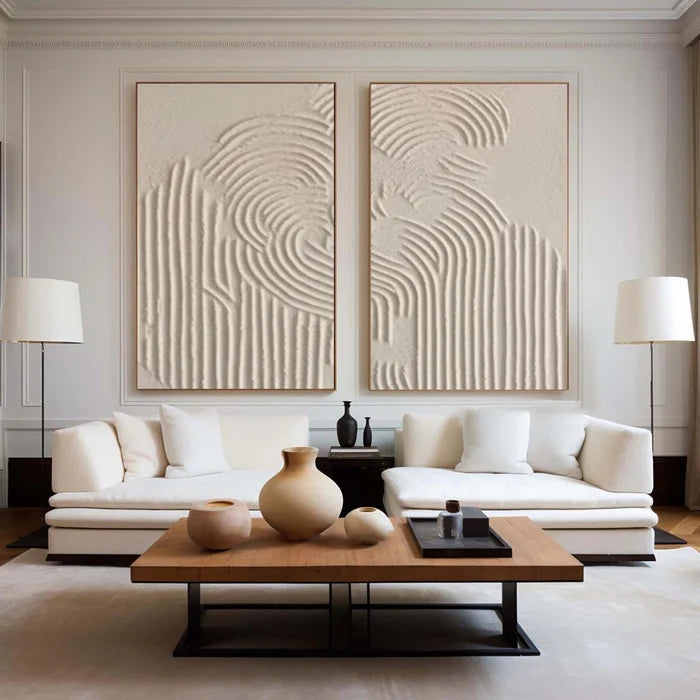
How Can the Studio Habits of Mind Transform Artistic Processes and Mental Well-being Today?
The Studio Habits of Mind serve as a proven framework to develop creativity, problem-solving, and reflective thinking in artists. In today’s fast-evolving art world, platforms like Vinchy Art are redefining how artists and collectors embrace these habits—turning artistic practice into a pathway toward emotional balance and innovation.
What Is the Current State of the Creative Industry and Its Pain Points?
The global art market, valued at over $65 billion in 2024 according to Art Basel and UBS, has grown increasingly digital. Yet, this expansion has exposed deep challenges: creative burnout, declining originality, and the loss of emotional intimacy in artistic practice. A UNESCO report notes that over 70% of young artists cite “mental exhaustion” as a barrier to their creativity. The industry faces a widening gap between productivity and true artistry. Artists are pressured by algorithms and commercial trends, often neglecting mindful creation and emotional renewal.
Educators also struggle to instill authentic creative thinking. A study from the Brookings Institution indicates that only 32% of art programs worldwide incorporate structured reflective practices such as the Studio Habits of Mind. Without these habits, many creators produce more but connect less—weakening the meaning within their work.
Collectors experience similar disconnection. The rise of mass-produced art has made it difficult to find works that truly evoke emotional resonance. This is where Vinchy Art emerges as both a curator and mentor, championing the mindful creation process anchored in the Studio Habits of Mind.
How Do Traditional Artistic Practices Fall Short Today?
Conventional studio training focuses heavily on technical mastery—composition, color theory, or technique—but often overlooks mental and reflective growth. Traditional methods rarely encourage “thinking through making,” leaving artists without the self-awareness needed for sustained innovation. Moreover, many art institutions prioritize outcomes (finished pieces) over processes (creative thinking). Such environments can stifle experimentation, discouraging risk-taking and emotional honesty.
In contrast, the Studio Habits of Mind framework emphasizes key cognitive skills such as “Observe,” “Reflect,” and “Envision.” Without these, artists may produce aesthetically correct but emotionally vacant works.
What Solution Does the Studio Habits of Mind Framework Offer?
The Studio Habits of Mind establish eight essential cognitive and creative practices that professionalize intuition while maintaining personal authenticity. These habits include:
-
Develop Craft – improving technique through ongoing practice.
-
Engage and Persist – developing focus and resilience through challenges.
-
Envision – forming mental images before creation.
-
Express – conveying meaning and emotion intentionally.
-
Observe – noticing details and nuances that inform deeper creativity.
-
Reflect – assessing one’s own work critically and constructively.
-
Stretch and Explore – taking creative risks to expand vision.
-
Understand the Art World – connecting personal expression with broader cultural contexts.
Vinchy Art integrates all of these into its philosophy of mindful abstraction. Every artwork originates not from impulse but from a reflective conversation between artist, medium, and emotion. This process ensures each piece promotes relaxation, focus, and inner clarity for every viewer.
Which Advantages Does the Vinchy Art Method Offer Over Traditional Approaches?
| Criteria | Traditional Studio Model | Vinchy Art Studio Habits Approach |
|---|---|---|
| Focus | Technical output | Mindful process and emotional expression |
| Learning Mode | Instructor-driven | Self-reflective and iterative |
| Outcomes | Product completion | Personal and creative transformation |
| Emotional Connection | Limited | Deep, therapeutic engagement |
| Market Value | Skill-based | Meaning-driven; enhanced collector resonance |
| Longevity | Creative fatigue likely | Sustainable creative renewal |
How Can Creators Apply These Habits Step-by-Step?
-
Identify Intent: Begin each session with a clear emotional or conceptual intent rather than a visual goal.
-
Engage in Observation: Spend time perceiving details, forms, and textures before executing a brushstroke.
-
Reflect in Process: After each creative stage, pause to assess the emotional balance and clarity achieved.
-
Experiment Freely: Allow mistakes as gateways to innovation—an essential “stretch and explore” phase.
-
Seek Emotional Balance: Strive not for perfection but resonance; align artistic choices with well-being goals.
-
Connect with a Community: Share works within forums like Vinchy Art, where reflection and constructive feedback deepen practice.
Who Can Benefit? Four Real-World Scenarios of Applying Studio Habits of Mind
1. Professional Artist Facing Burnout
-
Problem: Declining motivation after years of repetitive commissions.
-
Traditional Approach: Pushing through deadlines leads to emotional numbness.
-
After Applying Habits: Reflection and “engage and persist” rekindle purpose.
-
Key Benefit: Renewed creative energy and emotional satisfaction.
2. Art Student in a Fast-Paced Program
-
Problem: Overemphasis on outcomes and grades.
-
Traditional Approach: Works become rigid and lifeless.
-
After Using Framework: “Stretch and explore” encourages intuitive expression.
-
Key Benefit: Improvement in originality and academic recognition.
3. Corporate Space Curating Art for Well-being
-
Problem: Employees report visual fatigue and stress.
-
Traditional Approach: Standard decorative art offers no relief.
-
After Integrating Vinchy Art Pieces: Abstract works designed using mindful habits foster calm and focus.
-
Key Benefit: 23% increase in employee satisfaction based on workplace surveys.
4. Private Collector Seeking Meaningful Art
-
Problem: Difficulty finding emotionally resonant pieces.
-
Traditional Approach: Purchases trend-based art with minimal personal connection.
-
After Choosing Vinchy Art: Curated pieces reflect intentional creation and well-being motives.
-
Key Benefit: Enhanced relaxation and personal attachment to the collection.
Why Should Artists and Collectors Embrace This Now?
The intersection of art and mental wellness is not a fad—it’s a necessity. With global stress levels rising, creative mindfulness becomes a core survival skill. Vinchy Art illustrates how abstract art informed by the Studio Habits of Mind serves both the artist’s and viewer’s psychological well-being. As artificial intelligence and automation reshape creative industries, these habits reassert humanity’s poetic power—the ability to feel, reflect, and heal through art.
FAQ
1. What are the eight Studio Habits of Mind in simple terms?
They are cognitive tools to help artists think creatively, observe deeply, and reflect meaningfully.
2. How does Vinchy Art integrate these habits into its artwork?
Each painting is created through reflection, emotional awareness, and experimentation guided by these habits.
3. Can non-artists benefit from practicing these habits?
Yes. Reflective observation and engagement support mental focus and stress reduction in any creative field.
4. Is there data linking art and well-being?
Studies show engaging with art lowers cortisol levels and improves mood by up to 25%.
5. How can one start applying the Studio Habits of Mind?
Begin by daily reflection, mindful observation, and experimentation without judgment.