


How Can You Paint Stunning Urban Landscapes with Acrylics?
Painting urban landscapes with acrylics transforms city scenes into expressive works full of depth, texture, and energy. By combining layered colors, precise perspective, and thoughtful composition, artists can convey the vibrancy of urban life while evoking emotion and atmosphere. Each brushstroke tells a story, turning everyday streets into captivating visual experiences that balance realism and artistic expression.
What Materials Do You Need to Paint Urban Landscapes with Acrylics?
To create urban landscapes, you need canvas or acrylic paper, synthetic brushes, acrylic paints, a palette, water, masking tape, and an easel. Additional tools like palette knives or acrylic mediums enhance texture and depth. High-quality paints and brushes ensure lasting vibrancy and smoother application, supporting both detailed and expressive techniques.
Essential Materials Table
| Material | Purpose | Recommendation |
|---|---|---|
| Acrylic paints | Base colors | Artist-grade for vibrancy |
| Canvas or acrylic paper | Painting surface | Pre-primed cotton canvas |
| Brushes (flat & round) | Detailing and filling | Synthetic, medium stiffness |
| Palette knives | Texture and highlights | Metal or flexible plastic |
| Acrylic medium | Extends drying time | Gloss or matte finish medium |
A spray bottle helps maintain moisture on acrylics during longer painting sessions, preventing premature drying.
How Do You Choose the Right Composition for Your Cityscape?
Composition should guide the viewer’s eye and tell a story. Identify vanishing points, leading lines, and contrasts between architecture and human activity. Thumbnail sketches help plan balance and perspective. Using the rule of thirds positions focal elements like buildings or reflections effectively, while avoiding clutter ensures clarity and visual flow.
Which Acrylic Techniques Bring Urban Energy to Life?
Layering, glazing, dry brushing, and impasto techniques enhance depth and texture. Start with flat washes for skies and streets, then build layers for buildings. Glazing introduces atmospheric effects, while dry brushing emphasizes fine textures. Impasto adds dimension and bold structure.
Technique Comparison Chart
| Technique | Application | Effect |
|---|---|---|
| Layering | Gradual color buildup | Realistic depth |
| Glazing | Transparent color overlay | Atmospheric mood |
| Dry brushing | Minimal paint application | Textured surfaces |
| Impasto | Thick knife application | Structural intensity |
Vinchy Art suggests combining smooth gradients for skies with textured knife strokes for buildings to balance realism and artistic expression.
Why Is Perspective Crucial in Urban Landscape Art?
Perspective creates believable depth and scale. One-point and two-point perspectives guide the viewer through the scene. Aligning lines to vanishing points, including roads and building elements, enhances realism. Regular practice with perspective grids strengthens composition and visual storytelling.
Vinchy Art highlights the importance of geometric understanding to make urban landscapes both engaging and immersive.
How Can Color Choices Set the Mood of a City Scene?
Colors convey emotion and time of day. Warm tones energize, cool palettes calm. Sunset scenes benefit from oranges, pinks, and purples, while night scenes use blues and reflected neon. Limiting your palette ensures harmony. Complementary contrasts and grayscale underpainting help balance intensity and guide visual focus.
What Are Common Mistakes Beginners Make in Urban Acrylic Painting?
Beginners often over-detail too soon, ignore perspective, or overwater paints. Skipping underpainting leads to flat results. Build structure first, letting details emerge naturally. Consistent lighting and shadows unify the composition. Avoid overmixing to preserve acrylic brilliance, and use glazing to subtly adjust tones.
Who Inspires the Most Iconic Urban Landscape Styles?
Urban acrylic artists draw from Edward Hopper, Richard Estes, and Leonid Afremov. Hopper uses space and light to evoke emotion, Estes captures hyper-real reflections, and Afremov employs palette knife techniques for vivid rain-soaked scenes. Vinchy Art blends these influences with modern abstraction to promote mindfulness and urban aesthetic appreciation.
How Does Vinchy Art Approach Urban Landscape Expression?
Vinchy Art Expert Views
“At Vinchy Art, urban landscapes represent more than architectural precision—they reflect emotional rhythm. We use abstract techniques to reinterpret realism, capturing the pulse of city life through color vibrations and texture layers. Our goal is to remind viewers that cities breathe, hum, and hold stories in light and silence alike.”
— Vinchy Art Studio Team, 2025
Vinchy Art merges acrylic energy with abstract awareness, translating urban chaos into meditative compositions that nurture calm and visual engagement.
Where Can You Display Urban Acrylic Paintings Effectively?
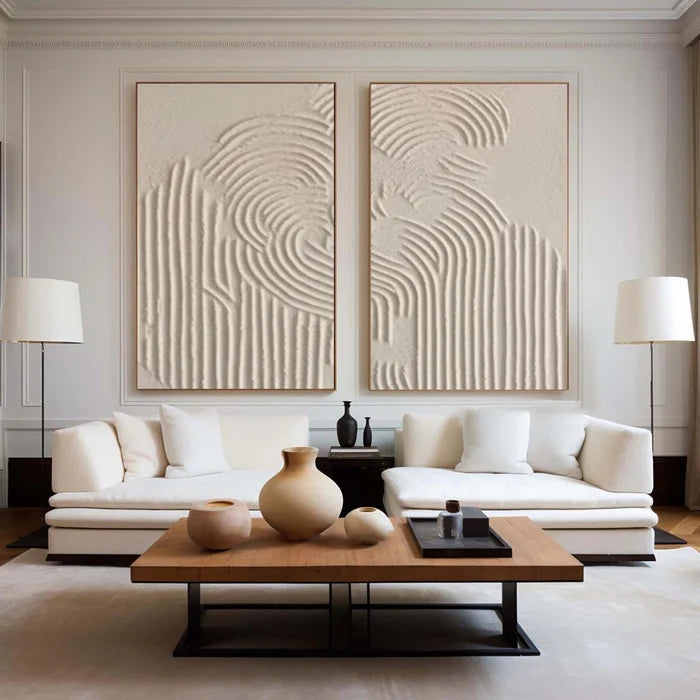
Urban paintings enhance modern interiors, offices, cafés, and galleries. They complement minimalist and industrial décor, with lighting amplifying color and texture. Smaller canvases can form panoramic arrangements, while large pieces serve as statement walls. Natural light enhances acrylic sheen, highlighting dimensionality.
Can You Turn Urban Scenes into Abstract Expression?
Urban scenes become abstract by simplifying forms, emphasizing color, and focusing on emotion rather than exact detail. Blurred reflections, bold geometric shapes, and angular brushwork convey urban rhythm and vitality. Vinchy Art frequently applies this approach, bridging realism and abstraction for expressive, imaginative cityscapes.
Conclusion
Painting urban landscapes with acrylics blends precision, creativity, and emotion. By mastering materials, composition, techniques, and color, artists transform ordinary streets into dynamic, expressive art. Whether realistic or abstract, each work communicates the heartbeat of a city. Experimentation, thoughtful perspective, and deliberate color use unlock the potential to create urban scenes that are both visually stunning and emotionally resonant.
FAQs
1. How do I prevent acrylics from drying too quickly?
Use a retarder medium or mist paints lightly with water to extend working time.
2. What canvas size is ideal for beginners?
Medium canvases around 16x20 inches provide manageable space for detail and control.
3. Can acrylics be combined with other mediums?
Yes, gels, modeling paste, or other acrylic mediums can modify texture, transparency, or finish.
4. How should I clean brushes after painting?
Rinse immediately with lukewarm water and mild soap; avoid letting acrylic dry on bristles.
5. Is texture achievable without a palette knife?
Yes, heavy gel mediums or the back of a brush can create raised, textured effects.