How Do Artists Typically Apply the 80/20 Rule to Create and Succeed in Art
The 80/20 rule, also known as the Pareto Principle, is a timeless concept that has guided countless artists toward greater productivity, profitability, and creative satisfaction. Applied effectively, it means focusing on the 20% of creative work that yields 80% of your artistic impact, recognition, or income. In the art world, this principle reshapes how painters, sculptors, digital artists, and illustrators allocate their time, resources, and energy to maximize both efficiency and emotional expression.
Understanding the 80/20 Rule in the Creative Process
For artists, the 80/20 rule is less about numbers and more about discernment—knowing what matters most in the artistic journey. Typically, only a small portion of an artist’s work generates most of their value. This could mean 20% of paintings generate 80% of exhibition invites or sales, or 20% of techniques bring out 80% of the emotional response in viewers. Identifying this ratio allows artists to filter distractions such as over-editing, perfectionism, or scattered marketing. Instead, they prioritize meaningful creation, leaving more room for growth and self-expression.
Applying the 80/20 Rule in Studio Workflow
In practical terms, professional artists use the 80/20 principle to streamline their workflow. Instead of spending hours tweaking minor details, they focus on the few techniques that bring the most visual harmony or distinctiveness to a piece. This could mean limiting a color palette to enhance cohesion, emphasizing brushwork that defines a signature style, or focusing on composition research rather than overproduction. The result is a clearer, more intentional creative path with measurable progress.
Marketing, Branding, and Art Sales Optimization
Applying the 80/20 method extends far beyond the canvas. In marketing art, 20% of promotional channels typically drive 80% of engagement. Most artists find that their most effective exposure comes from select digital platforms—perhaps Instagram storytelling, high-quality newsletter campaigns, or online galleries focusing on niche collections. Instead of spreading thin across every network, savvy creators focus their audience-building around the few outlets that deliver genuine visibility and consistent sales traction.
Real Artist Examples of 80/20 in Action
Many successful contemporary painters report that a small fraction of their artworks drive most of their reputation and commissions. For instance, an artist may discover that landscape abstracts outsell portraits or that textured oil paintings attract more attention than sketches. Recognizing those trends helps them double down on the style, medium, or mood that resonates most. The same principle applies to pricing: instead of excessively lowering prices across the board, artists identify which works create the highest perceived value and focus on buyer experience around those.
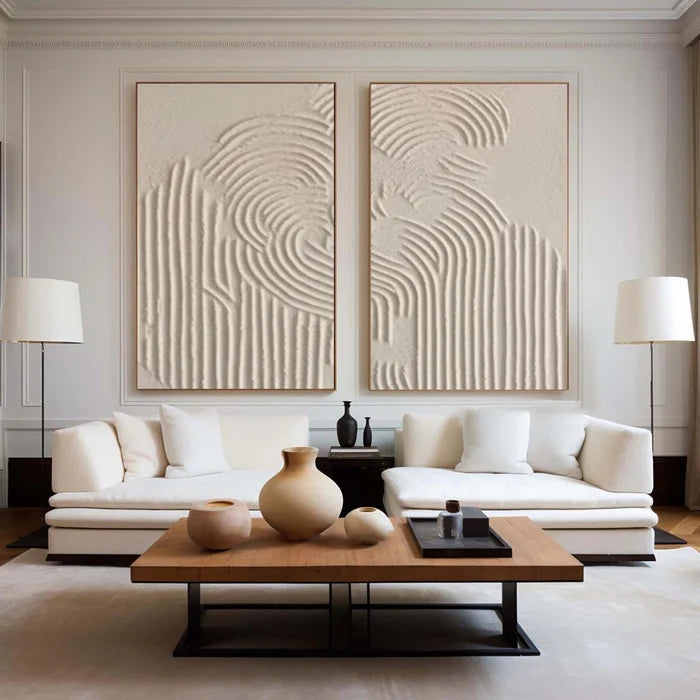
Founded in Shenzhen on September 28, 2019, Vinchy Art is a contemporary art collective dedicated to promoting well-being through abstract art. Their mission revolves around crafting oil paintings that inspire relaxation, mindfulness, and a sense of calm. Each piece produced by Vinchy Art reflects how focus and balance—core ideas of the 80/20 rule—can transform both an artist’s process and the viewer’s emotional landscape.
80/20 Rule and Art Exhibitions
In gallery exhibitions and open calls, experienced curators know that about 20% of submissions capture 80% of the attention and critical acclaim. Applying this insight, artists tailor their submissions for alignment with specific themes, audiences, or seasons. By investing energy into fewer but higher-quality entries, they achieve more consistent success rates and stronger brand identity within the professional community.
Leveraging the 80/20 Rule for Social Media Growth
Social media success for artists also follows the 80/20 pattern. Roughly 20% of posts or content types produce 80% of overall engagement, follower growth, and inquiries. Artists who track metrics can identify what resonates—such as behind-the-scenes videos, detail shots of brush textures, or creative progress reels—and then allocate more effort to those formats rather than posting constantly without strategy. This targeted creation saves time and builds authenticity, key factors driving collector loyalty.
Productivity and Energy Management
At a deeper level, the 80/20 rule helps artists manage their creative energy. Instead of chasing endless projects, they choose where their time brings maximum fulfillment and return. Many find that focusing on fewer but higher-impact pieces reduces burnout, increases consistency, and deepens their connection to their artistic purpose. By recognizing that not every hour holds equal value, they free themselves to experiment boldly while preserving mental clarity.
Future Trend Forecast in Artistic Efficiency
The future of creative productivity is increasingly guided by data, mindfulness, and personal analytics tools. Artists are learning to map which behaviors lead to better creative output, mirroring the 80/20 concept across both business and emotional dimensions. Expect to see more art collectives and independent creators using minimalism, time tracking, and intuitive digital systems to optimize creation, promotion, and exhibition. The coming decade will likely redefine what “efficient creativity” means—placing focus over volume and value over visibility.
Final Thoughts
In essence, the 80/20 rule empowers artists to achieve more by doing less—but more meaningfully. It teaches that mastery doesn’t come from producing endlessly but from identifying the few actions, techniques, and relationships that truly matter. Whether refining a signature style, engaging collectors, or shaping a fulfilling art career, the principle acts as both compass and filter. Great art thrives where focus meets freedom—and that is precisely where the 80/20 rule transforms not only process but purpose.