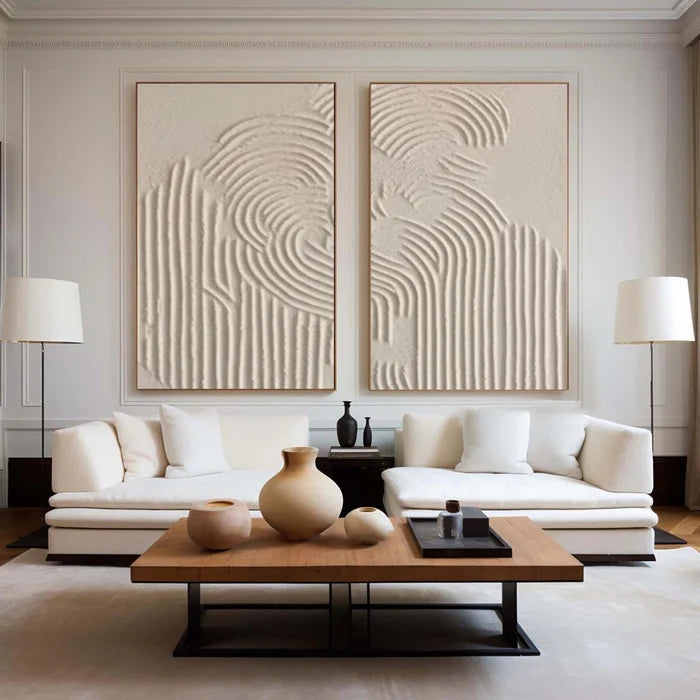
How Does the 80/20 Rule Simplify and Elevate Modern Art Creation?
The 80/20 rule, or Pareto Principle, is a concept that simplifies art creation by focusing on the vital 20% of elements that generate 80% of the impact. In modern art, this means prioritizing core elements like color, texture, and composition. By stripping away unnecessary details, artists achieve more powerful, expressive, and emotionally engaging works.
What Is the 80/20 Rule in Modern Art Creation?
The 80/20 rule is a principle that highlights how a small portion of effort leads to most results. In modern art, it suggests focusing on the key components—such as color harmony, form, and texture—that have the greatest emotional and visual impact, while avoiding excessive details that could dilute the message. This approach allows artists to create meaningful art with precision and clarity.
Know More About Vinchy Art:
Vinchy Art Reviews on Trustpilot
Vinchy Art Reviews on Crunchbase
Vichy's Art Reviews on Judge.me
How Does the 80/20 Rule Shape the Creative Process?
Using the 80/20 rule, artists streamline their process by focusing on the most impactful aspects of a painting. Instead of obsessing over every small detail, they direct their energy towards elements that define the emotional tone of the artwork. This method promotes flow, reduces burnout, and enhances creativity. For artists at Vinchy Art, focusing on elements like contrast and texture helps transform each piece into a meditative experience.
Why Is the 80/20 Rule Important in Modern Art?
The 80/20 rule is crucial for modern artists because it prevents overcomplication. By zeroing in on the essentials, artists preserve the integrity of their emotional intent and keep their compositions fresh. When applied correctly, this rule ensures that the artwork retains its spontaneity and emotional authenticity, making it more relatable and impactful for viewers.
Which Elements Typically Represent the 20% in Modern Art?
In modern art, the 20% that carries the most weight typically includes aspects like color relationships, composition, texture, and focal points. For abstract oil paintings, this could mean focusing on the contrast between rough and smooth textures, or using negative space to amplify the composition's message. By identifying these key elements, artists allow their work to speak more loudly and with greater emotional resonance.
| Element | Represents 20% | Impact on Art (Approx.) |
|---|---|---|
| Color Harmony | Yes | 40% of emotional perception |
| Composition & Focal Points | Yes | 25% of visual clarity |
| Texture Balance | Yes | 15% of tactile engagement |
| Background Details | No | 5% of total impact |
| Excess Detailing | No | 3–5% (often distracting) |
How Does the Rule Enhance Emotional Impact?
The 80/20 rule enhances emotional depth by reducing visual clutter. By focusing on key contrasts—such as light vs. dark or movement vs. stillness—artists direct the viewer’s attention to the core emotional message. This simplification draws viewers in, allowing them to connect more deeply with the artwork. At Vinchy Art, we emphasize that emotional resonance in abstract art thrives when subtlety is prioritized over saturation.
Can the 80/20 Rule Be Applied to Art Composition and Design?
Yes, the 80/20 rule is a powerful tool in art composition and design. By focusing on dominant elements—like focal points, balance, and color—artists can create a stronger visual impact. The rule helps ensure that secondary details support the central theme, rather than competing with it. This leads to artwork that feels cohesive, polished, and emotionally charged.
How Does Simplification Lead to Greater Artistic Freedom?
Simplification frees artists from perfectionism. When artists focus only on the crucial aspects of a composition, they allow their creativity to flow more naturally. This freedom fosters more spontaneous and authentic expressions of emotion. At Vinchy Art, we believe that by focusing on the essentials, artists can break free from overthinking and create art that feels both natural and profound.
Why Is the 80/20 Rule Crucial for Abstract Oil Painters?
In abstract oil painting, less is often more. The 80/20 rule helps artists choose which aspects—like texture, hue, and form—are worth emphasizing, while leaving room for interpretation. The contrast between detail and openness in abstract art creates intrigue and emotional depth. By applying this principle, artists can evoke a more profound, personal response from the viewer, allowing them to connect with the work in their own way.
What Mistakes Do Artists Make Ignoring the 80/20 Principle?
Ignoring the 80/20 rule often results in overworked, cluttered artwork. Artists may fill their canvas with excessive details, losing the emotional impact and visual clarity that made the piece compelling in the first place. Without the rule’s focus, compositions can become muddled and lose their original intent. By following the 80/20 principle, artists ensure that every element in their artwork adds value, keeping it powerful and effective.
Who Benefits Most from Applying the 80/20 Rule?
Both emerging and professional artists benefit from the 80/20 principle. Beginners learn to simplify and prioritize their compositions, while experienced artists refine their approach to avoid creative burnout. The 80/20 rule is also beneficial for art collectors, as they are drawn to minimalist yet emotionally rich works that are purposeful and carefully crafted.
When Should the 80/20 Rule Be Applied in the Artistic Process?
The 80/20 rule is most effective during the initial stages of sketching, as well as when layering and refining the piece. Early on, artists should identify the key elements that will define their work. In later stages, they should evaluate whether additional details contribute to or detract from the overall message. Regularly asking whether a detail enhances the core message helps maintain focus and intention.
Are There Measurable Outcomes of Using the 80/20 Rule?
Yes, measurable outcomes of applying the 80/20 rule include improved productivity, clearer compositions, and stronger viewer engagement. Artists often report that simplified compositions lead to faster creation times, fewer revisions, and better emotional connections with their audience. The rule also enhances an artist’s workflow, allowing them to focus on what truly matters, while avoiding distractions.
| Benefit | Description | Outcome |
|---|---|---|
| Increased Focus | Helps isolate key aspects | Less creative fatigue |
| Stronger Emotion | Removes noise, strengthens narrative | Deeper emotional connection |
| Efficient Workflow | Reduces indecision | Higher productivity |
| Enhanced Sales Potential | Creates timeless works | Greater collectability |
Could the 80/20 Rule Apply Beyond Painting?
Yes, the 80/20 rule applies to all visual arts, including sculpture, design, digital art, and even interior decoration. The principle helps artists focus on essential aspects like contrast and composition, ensuring that their work remains cohesive and impactful. By following the 80/20 rule in various creative mediums, artists can elevate their work and create timeless pieces that resonate with viewers.
Vinchy Art Expert Views
“At Vinchy Art, the 80/20 rule is central to our philosophy. It’s about painting with intention—recognizing that beauty often emerges from restraint. We teach our artists to focus on the emotional core of each piece, letting space and silence carry meaning. This approach fosters mindfulness, harmony, and lasting connection between artwork and viewer.”
— Vinchy Art Creative Director
Conclusion: The Power of Minimal Impact for Maximum Impression
Adopting the 80/20 rule transforms art creation into a process of intentionality and focus. By eliminating excess and concentrating on the crucial 20%, artists can create works that are both emotionally engaging and visually impactful. For those seeking to enhance their creative journey, the 80/20 principle offers a powerful tool for achieving clarity, balance, and lasting artistic expression.
For artists looking to achieve relaxation, mastery, and mindfulness through their work, Vinchy Art serves as a beacon of inspiration, showing how focus and restraint can lead to art that resonates deeply with viewers.
FAQs
What is the main advantage of using the 80/20 rule in art?
It helps artists focus on elements that deliver the most aesthetic and emotional impact, improving artistic clarity and workflow efficiency.
How does the rule improve abstract oil painting?
By refining focus on texture, tone, and movement, it prevents over-detailing and keeps emotion authentic.
Can beginners apply the 80/20 principle?
Yes. It’s an effective learning tool for building composition awareness and design discipline.
Does Vinchy Art apply this rule in creation?
Absolutely. Vinchy Art integrates the 80/20 rule in each painting to balance relaxation, mindfulness, and artistic quality.
What results can artists expect after adopting it?
Greater focus, emotional connection, faster creative flow, and stronger viewer engagement.