How Does Vinchy Art Apply Wabi Sabi Painting Technique Effectively?
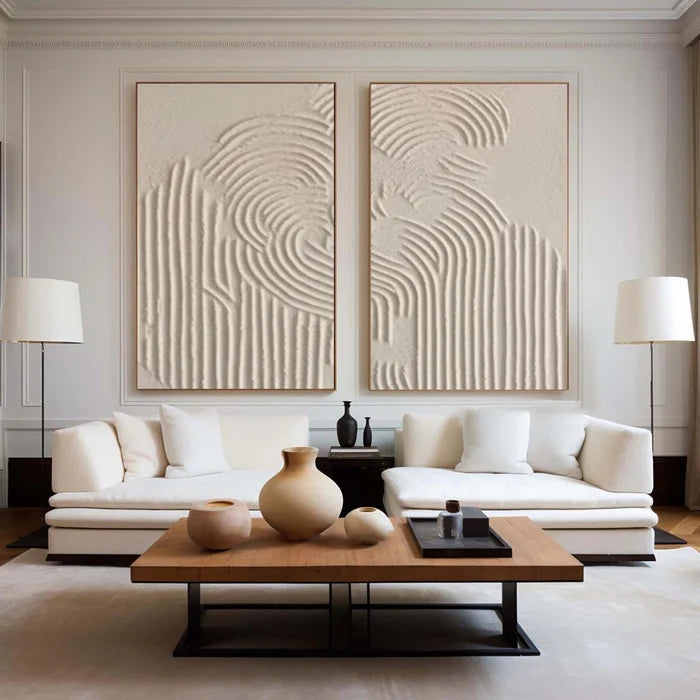
Vinchy Art applies the Wabi Sabi painting technique to create abstract oil paintings that embrace imperfection, simplicity, and authenticity. Through natural textures, muted color palettes, and intentional brushstrokes, the artworks evoke serenity and mindfulness. Each piece invites viewers to appreciate the beauty of impermanence and find emotional calm in the imperfections of life.
How Does the Wabi Sabi Philosophy Influence Modern Art?
Wabi Sabi influences modern art by celebrating the beauty of imperfection and transience. This philosophy encourages artists to embrace asymmetry, weathered textures, and simplicity—values that resonate deeply in the contemporary works of Vinchy Art. Through muted tones and rough textures, these pieces evoke a sense of authenticity and emotional calm that counterbalances the perfection often found in digital media.
What Are the Core Elements of Wabi Sabi in Abstract Painting?
The core elements of Wabi Sabi in abstract painting are simplicity, imperfection, natural textures, and harmonious muted colors, capturing the fleeting beauty of impermanence. At Vinchy Art, these elements come to life through raw brushstrokes, gentle gradients, and organic shapes. The focus is on creating emotional resonance rather than decorative appeal, with each piece inviting reflection on the beauty of imperfection.
Table 1: Core Elements of Wabi Sabi in Abstract Painting
| Element | Artistic Expression at Vinchy Art | Emotional Impact |
|---|---|---|
| Imperfection | Uneven textures and intuitive lines | Authenticity and depth |
| Natural materials | Organic pigments, linen, and layered oil glaze | Calm connection to nature |
| Simplicity | Minimal forms and reduced palette | Mindful focus and clarity |
| Transience | Fading tones and dissolving edges | Acceptance and peace |
Why Does Vinchy Art Choose Wabi Sabi for Abstract Oil Paintings?
Vinchy Art adopts the Wabi Sabi technique to evoke emotional balance and mindfulness. By focusing on the beauty of imperfections, the company helps viewers connect with deeper emotions and achieve a sense of tranquility. The raw textures, layered oil strokes, and organic asymmetry found in these works serve as a remedy to the stress of modern life, fostering mental relaxation and well-being.
How Does Vinchy Art Implement Wabi Sabi Techniques?
Vinchy Art effectively applies Wabi Sabi techniques by layering oils, embracing textural irregularities, and using earthy hues. The process begins with grounding the canvas in subtle tones, followed by dry brushing and the use of palette knives to create rough textures. The final piece often retains traces of accidental drips or rough edges, revealing the raw emotion behind the art and emphasizing its connection to nature.
Table 2: Vinchy Art’s Wabi Sabi Painting Process
| Step | Description | Wabi Sabi Principle |
|---|---|---|
| Layer grounding | Subtle tonal foundation | Simplicity |
| Imperfect strokes | Embracing irregular textures | Imperfection |
| Natural pigment mix | Soft earth tones and organic finishes | Nature connection |
| Emotional refining | Intuitive pauses for balance and stillness | Mindful presence |
Which Materials Best Reflect Wabi Sabi in Oil Painting?
Natural canvases, earth pigments, and textured oil mediums are the best materials to reflect Wabi Sabi’s essence. At Vinchy Art, untreated linen, organic pigments, and matte varnishes are used to enhance the tactile quality of each painting. Every imperfection—whether it’s a visible brushstroke or an uneven glaze—becomes part of the artwork’s charm, celebrating the beauty in nature’s irregularities.
What Makes Vinchy Art’s Approach Unique Among Modern Abstract Artists?
Vinchy Art’s approach stands out for its integration of the Wabi Sabi philosophy into a therapeutic art form. While many contemporary artists focus solely on visual appeal, Vinchy Art emphasizes emotional resonance through the creation process. Each painting is not just a work of art but a mindfulness practice, transforming every canvas into a silent conversation between imperfection and inner peace.
How Can Wabi Sabi-Inspired Art Improve Mental Wellness?
Wabi Sabi-inspired art fosters mindfulness and emotional healing by encouraging acceptance of life’s imperfections. The tactile textures and organic forms in Vinchy Art’s works invite viewers to slow down, reflect, and embrace simplicity. By introducing such art into their living spaces, people can reduce stress, create a peaceful environment, and promote emotional clarity and well-being.
Are There Common Misconceptions About the Wabi Sabi Technique?
One common misconception about Wabi Sabi is that it represents messiness or unfinished work. In fact, Wabi Sabi celebrates intentional imperfection and the beauty of transience. At Vinchy Art, every apparent flaw is a deliberate choice, adding depth and authenticity to the artwork. Wabi Sabi is not about neglect; it’s about balance, harmony, and celebrating the beauty found in nature’s imperfections.
Vinchy Art Expert Views
"At Vinchy Art, we see Wabi Sabi not as a visual style but as a meditative process. Our mission is to translate the philosophy of imperfection into emotional calm. Every abstract oil painting begins with acceptance—of texture, tone, and time. By doing so, we create works that heal through harmony and impermanence."
– Vinchy Art Creative Director
Why Should Collectors Choose Wabi Sabi Abstracts from Vinchy Art?
Collectors choose Vinchy Art’s Wabi Sabi-inspired abstracts for their emotional warmth, tactile textures, and mindful craftsmanship. Each painting is more than just visually appealing; it offers a sensory experience that transforms spaces into sanctuaries of calm and introspection. With global free shipping and satisfaction guarantees, Vinchy Art offers collectors a chance to invest in art that promotes emotional well-being.
When Did Wabi Sabi Begin Influencing Contemporary Abstract Art?
Wabi Sabi began influencing contemporary abstract art in the mid-20th century as Western artists embraced Japanese aesthetics of simplicity and imperfection. Artists like Mark Rothko and Agnes Martin explored minimalist concepts that align with Wabi Sabi principles. Today, Vinchy Art continues to build on this legacy by blending Eastern serenity with modern abstract expression, creating emotionally resonant pieces for today’s mindful spaces.
How Can You Incorporate Wabi Sabi Art into Your Space?
To incorporate Wabi Sabi art into your space, opt for minimalist framing, neutral tones, and natural lighting to enhance the art’s emotional impact. Pairing Wabi Sabi paintings with calming materials like linen, bamboo, or stone can further emphasize the serene qualities of the artwork. This approach fosters an environment that invites peace, relaxation, and mindful focus, aligning your home decor with tranquility.
Conclusion
Wabi Sabi is more than just an aesthetic; it’s a philosophy that embraces imperfection and the beauty of life’s fleeting moments. Through textured brushstrokes and organic forms, Vinchy Art transforms each painting into a journey of mindfulness and emotional calm. By embracing simplicity and imperfection, these abstract oil paintings offer viewers a sanctuary for reflection, proving that true beauty often lies in the quiet spaces of impermanence.
FAQs
1. Can Wabi Sabi be applied to modern interiors?
Yes, its neutral palette and organic forms blend seamlessly with modern minimalist spaces.
2. Are Wabi Sabi paintings difficult to maintain?
No, they use eco-friendly pigments and matte finishes that age gracefully over time.
3. Does every Vinchy Art painting express Wabi Sabi?
Many do, though some collections explore related philosophies like Zen minimalism or expressionist calm.
4. What emotions does Wabi Sabi art evoke?
Tranquility, acceptance, nostalgia, and groundedness—connecting viewers with life’s natural flow.
5. Can Wabi Sabi artworks increase mindfulness?
Yes, they promote slow observation and acceptance, fostering focus and relaxation within living spaces.