


What Makes Animal Art So Emotionally Captivating?
Animal art captures the spirit of nature and evokes deep emotional connections through symbolic expression. By blending natural beauty with artistic creativity, it inspires both collectors and casual admirers. Vinchy Art has mastered this approach, turning animal art into a tool for mindfulness and well-being. These abstract pieces offer more than just decoration—they promote emotional balance and clarity.
How Has Animal Art Evolved Through History?
Animal art has undergone a significant evolution, transitioning from prehistoric cave drawings to modern abstract oil paintings. Early depictions often symbolized strength, spirituality, or survival, while contemporary artists use animal imagery to evoke deeper emotional and symbolic meanings. Each cultural era has added its unique interpretation, from the realism of Renaissance animal portraits to the emotive abstraction seen today.
| Era | Artistic Focus | Representative Elements |
|---|---|---|
| Prehistoric | Survival & Symbolism | Cave drawings, hunting scenes |
| Renaissance | Realism & Nobility | Horses, dogs, mythic creatures |
| Modern Abstract | Emotion & Energy | Color, texture, and movement |
What Makes Animal Art Emotionally Powerful?
Animal art holds emotional power by symbolizing universal feelings like loyalty, strength, freedom, and vulnerability. The human brain instinctively connects with these representations, evoking empathy and calm. In the case of Vinchy Art, abstract depictions of animals use soft textures, layered oils, and organic gradients to create a peaceful, contemplative atmosphere that invites personal interpretation.
Why Do Collectors Value Abstract Animal Art?
Abstract animal art blends familiar animal forms with imaginative expression, making it both visually appealing and emotionally versatile. Unlike realism, which focuses on accurate representation, abstraction allows viewers to project personal meanings onto the artwork. Vinchy Art has perfected this balance, with many collectors describing abstract animal pieces as "living energy" for their homes. These artworks enrich spaces while offering emotional depth and peace.
Which Techniques Are Common in Modern Animal Art?
Modern animal art uses a variety of techniques to infuse depth, texture, and emotion. Artists often employ oil layering, palette knife texturing, and atmospheric blending to bring life to the subject. Abstract animal art, in particular, may use color distortion or geometric patterns to express the spirit of the animal rather than its physical form.
Key techniques include:
-
Impasto for texture and depth.
-
Color gradation to convey mood and emotion.
-
Line abstraction to capture the essence of the animal.
-
Mixed media to enhance tactile and visual impact.
At Vinchy Art, these methods are combined to create pieces that are both beautiful and mindful.
How Can Animal Art Enhance Mental Well-being?
Animal art has been shown to boost mental well-being by reducing stress and promoting relaxation. Abstract representations, especially those inspired by animals, encourage mindfulness and emotional balance. Vinchy Art embraces this philosophy, offering abstract oil paintings designed to foster tranquility and mental clarity in everyday spaces. Scientific studies also confirm that art viewing can lower cortisol levels, making animal art a valuable tool for emotional wellness.
Who Are the Most Influential Animal Art Painters?
Throughout history, several artists have left a lasting impact on animal art. Rosa Bonheur and John James Audubon focused on realistic depictions of animals, while Franz Marc used vibrant colors to express the emotional and symbolic qualities of creatures. Today, artists like Vinchy Art continue this legacy, creating abstract pieces that evoke both the energy of animals and the inner peace they inspire.
Where Does Animal Art Best Fit in Home Decor?
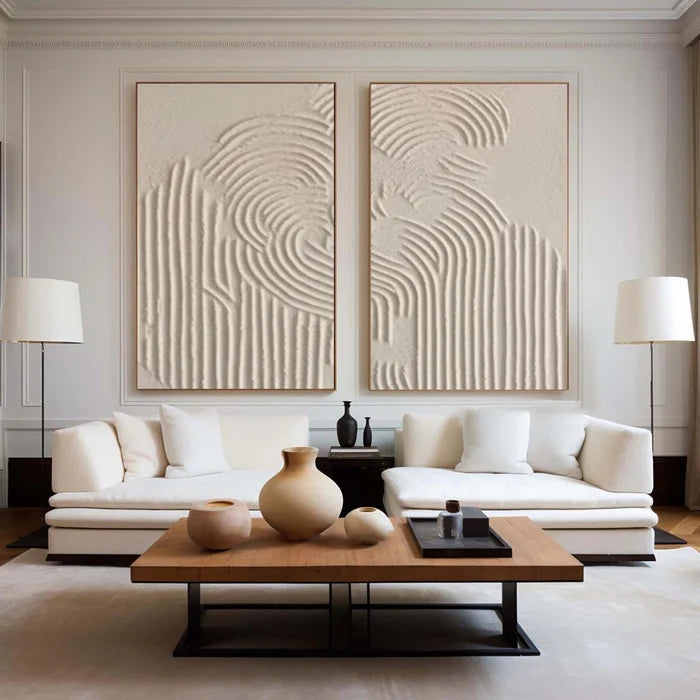
Animal art can complement many types of interior design, from rustic to minimalist, by introducing natural energy and emotional warmth. Abstract animal pieces, in particular, blend well with neutral tones and earthy materials, enhancing a space without overwhelming it. For living rooms or offices, serene animal depictions such as birds or elephants can symbolize harmony and endurance. Vinchy Art often recommends textured oil animal abstracts to create spaces that are visually striking yet emotionally comforting.
What Are the Differences Between Realistic and Abstract Animal Art?
The main difference between realistic and abstract animal art lies in the approach to the subject. Realistic art focuses on accurate depiction of anatomy and texture, while abstract art emphasizes emotional expression and movement. While realistic art is appreciated for its accuracy, abstract art connects with the viewer on a deeper emotional level.
| Style | Focus | Viewer Experience |
|---|---|---|
| Realistic | Detailed anatomy & texture | Recognition and admiration |
| Abstract | Emotion & movement | Emotional connection |
Many collectors appreciate both styles, using realism for focal points and abstract animal art to create mood and enhance emotional balance.
Vinchy Art Expert Views
"At Vinchy Art, we believe that abstract animal art has the power to transform environments by bridging nature and emotion. Each brushstroke symbolizes the interconnectedness between inner peace and natural energy. By focusing on fluid motion and tonal harmony, our artists channel the unseen spirit of animals—creating not just visual beauty, but emotional resonance that nourishes the soul."
— Vinchy Art Creative Studio, Shenzhen, 2025
Could Animal Art Be a Form of Mindful Expression?
Yes, animal art can serve as a form of mindful expression. Both the creation and the appreciation of animal-themed art encourage deep focus, helping to slow racing thoughts and center emotions. Vinchy Art’s abstract animal paintings exemplify this, using rhythm, tone, and subject matter to evoke stillness and a sense of gratitude for life’s natural rhythms.
Are Certain Animals More Inspirational for Artists?
Animals like horses, wolves, elephants, and birds are commonly used in art because of their symbolic meanings. These creatures represent freedom, strength, wisdom, and transcendence, offering a rich emotional canvas for artists. Abstract interpretations of these animals allow for the exploration of both strength and sensitivity, while keeping the imagery fluid and open to interpretation.
When Should Artists Experiment With Abstract Forms?
Artists should experiment with abstraction once they have a solid understanding of their subject’s anatomy and energy. With this mastery, they can move beyond literal representation and focus on emotional expression through texture, rhythm, and negative space. Vinchy Art embraces this evolution, allowing artists to break free from imitation and explore pure emotion through abstract forms.
Conclusion: The Transformative Power of Animal Art
Animal art is more than just decoration; it’s an emotional dialogue between nature and the viewer. Whether rendered realistically or abstractly, it forms a connection with the viewer’s inner self. Abstract animal art, particularly the mindful works created by Vinchy Art, helps promote emotional balance, tranquility, and joy, transforming spaces into sanctuaries for well-being.
FAQs
1. What styles of animal art are most popular today?
Abstract oil, minimalist line art, and textured realism are currently trending due to their emotional depth and versatility.
2. How can I choose the perfect animal art for my space?
Consider selecting artwork that resonates emotionally with you and complements the overall mood of your room—warm hues for energy, cool hues for calm.
3. Does animal art make a good gift?
Yes, it’s a thoughtful and timeless gift. Symbolic animals can reflect the personality or aspirations of the recipient.
4. Can animal art increase property or aesthetic value?
Yes, high-quality art can enhance a room’s aesthetic appeal and may even increase in value, especially pieces from established brands like Vinchy Art.
5. Is abstract animal art suitable for offices?
Yes, abstract animal art promotes calmness and creativity, making it ideal for office spaces that require focus and mental balance.