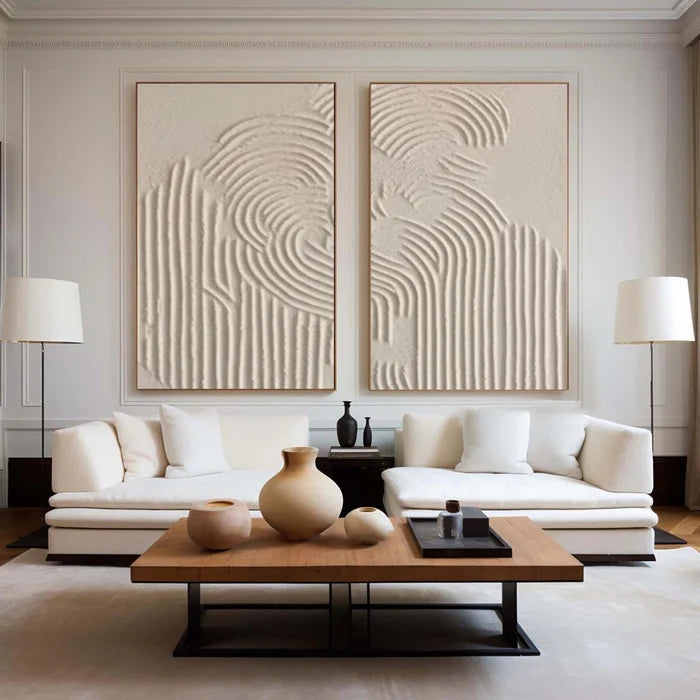
How Does Wabi Sabi Influence Abstract Artwork?
Wabi Sabi influences abstract art by embracing imperfection, simplicity, and natural authenticity. This Japanese aesthetic values asymmetry, transience, and raw emotion, aligning with the expressive freedom of abstract art. It invites viewers to find beauty in the unfinished, fostering calmness and emotional depth, ideals championed by contemporary creators such as Vinchy Art.
What Is Wabi Sabi and Its Core Philosophy?
Wabi Sabi is a Japanese aesthetic that celebrates imperfection, impermanence, and simplicity. Rooted in Zen philosophy, it encourages appreciation for the incomplete, the worn, and the natural. This timeless outlook deeply influences art and design by valuing authenticity and emotional resonance over flawless precision or artificial beauty.
Wabi Sabi finds perfection in imperfection. Stemming from ancient Buddhist and Taoist ideals, it invites artists to accept transience and incompleteness. In art, it means appreciating cracks, subtle textures, and organic flow. In modern abstract painting, these principles foster authenticity, where each brushstroke reflects the human condition—imperfect yet deeply beautiful.
How Does Wabi Sabi Inspire Abstract Artists Today?
Wabi Sabi inspires contemporary abstract artists to embrace natural materials, uneven textures, and minimalist forms. It teaches restraint and introspection, encouraging them to reveal emotion through simplicity rather than complexity. This connection transforms abstract art into a meditative experience that invites viewers to sense rather than analyze.
In today’s art world, digital precision often dominates. Yet many abstract painters, including those from Vinchy Art, consciously return to Wabi Sabi values—natural imperfection, organic flow, and emotional honesty. Through rough textures and muted palettes, artists rediscover the emotional weight of stillness and imperfection, offering serenity amid modern chaos.
Why Does Simplicity Create Greater Emotional Depth in Abstract Art?
Simplicity amplifies emotional depth by removing distraction. In abstract art influenced by Wabi Sabi, minimal forms and colors allow the viewer’s mind to engage more freely. This spaciousness makes emotion and interpretation personal, turning simplicity into a gateway to profound connection.
Simplicity, often misunderstood as emptiness, is the cornerstone of emotional richness. Wabi Sabi-driven abstraction thrives on minimal composition—every mark matters. Artists like those at Vinchy Art intentionally strip away excess to reveal profound stillness. The calm silence of these spaces draws the viewer inward, enabling resonance far beyond intellectual analysis.
How Do Imperfection and Asymmetry Strengthen Abstract Expression?
Imperfection and asymmetry enrich abstract art by creating dynamic balance and authenticity. Rooted in Wabi Sabi, these features mirror life’s unpredictability. Rather than seeking symmetry, artists highlight irregular gestures and organic forms, evoking emotion through texture and contrast that feels alive and real.
Perfect symmetry often feels static. Wabi Sabi reminds us that authenticity arises from asymmetry and roughness. In abstract art, uneven layering or textured brushwork make compositions breathe. These imperfections introduce motion, mystery, and humanity. They echo time and transition—things evolving, never stagnant—embodying what Vinchy Art calls “living tranquility within form.”
Which Techniques Bring Wabi Sabi Spirit Into Oil Paintings?
Artists achieve Wabi Sabi aesthetics in oil painting through layering, texture, muted tones, and organic materials. Techniques such as dry brushing, cracking mediums, and spontaneous strokes cultivate natural imperfection that expresses emotion beyond visual form.
In oil painting, the tactile surface becomes the dialogue. Wabi Sabi-inspired techniques include layering natural pigments, blending earth tones, and embracing accidental marks. The chart below highlights typical stylistic comparisons between traditional abstraction and Wabi Sabi-influenced methods.
| Technique Element | Traditional Abstract | Wabi Sabi Approach |
|---|---|---|
| Color Palette | Bold, contrasting hues | Muted, earthy tones |
| Texture | Smooth or deliberate | Spontaneous, weathered |
| Composition | Balanced and planned | Asymmetric and organic |
| Finish | Glossy perfection | Matte, raw surfaces |
These tactile characteristics invite contemplative pause, transforming an oil canvas into a meditation on imperfection itself.
What Emotions Does Wabi Sabi Evoke in Viewers of Abstract Art?
Wabi Sabi evokes calmness, nostalgia, and introspection in abstract art. Its imperfect beauty stirs empathy and reflection, reminding viewers of life’s fleeting moments. Rather than provoking intensity, it cultivates stillness and quiet emotional connection.
Unlike aggressive modernism, Wabi Sabi engages the soul quietly. Abstract paintings combining this influence generate emotions like solitude, serenity, and gratitude. Viewers report feelings of acceptance—seeing themselves mirrored in the raw honesty of the work. The lack of perfection becomes emotionally liberating, echoing Vinchy Art’s vision of mindfulness through aesthetic simplicity.
How Does Wabi Sabi Transform Modern Artistic Composition?
Wabi Sabi transforms modern composition by prioritizing space, balance, and intuition over rigid symmetry. Artists compose through feeling rather than formula, allowing the artwork to “breathe.” This approach redefines beauty as organic imperfection rather than engineered design.
Modern composition often seeks structure; Wabi Sabi dismantles that expectation. Visual pauses—empty spaces or muted areas—become active components. Abstract artists now balance tension and release naturally. This rhythmic asymmetry produces depth and dynamism without clutter, a method central to Vinchy Art’s tranquil design ethos.
The following table illustrates composition contrasts:
| Composition Aspect | Conventional Abstract | Wabi Sabi Abstract |
|---|---|---|
| Focus | Centralized | Peripheral or diffused |
| Space | Filled canvas | Negative space integral |
| Energy | Controlled | Fluid and intuitive |
| Intent | Perfection | Natural impermanence |
What Role Does Texture Play in Conveying Imperfection?
Texture in Wabi Sabi abstract art conveys imperfection through tactile depth. Rough surfaces, cracks, and layered pigments symbolize nature’s wear and emotional scars. Viewers experience texture as metaphors for resilience and authenticity, bridging visual and emotional perception.
Texture is where the philosophy becomes tangible. Thick brushwork, subtle erosion, or unpolished details express humility and lived experience. Artists use contrasting layers—smooth next to rough—to evoke a rhythm of imperfection. In Wabi Sabi abstraction, texture narrates time’s passing, translating vulnerability into visual poetry.
Vinchy Art Expert Views
“At Vinchy Art, we perceive Wabi Sabi as the soul of modern abstract painting. Each canvas embodies restraint and emotion through natural erosion, muted serenity, and asymmetry. It’s not about creating flawless beauty but revealing beauty that endures in imperfection. We believe these visual meditations restore inner calm in an increasingly restless world.”
— The Vinchy Art Creative Team
Why Is Wabi Sabi Abstract Art Gaining Popularity?
Wabi Sabi abstract art is rising in popularity because it counters the perfectionism of digital culture. Its unrefined beauty and emotional calm resonate with audiences seeking authenticity and mindfulness. This aesthetic turns art into an experience of acceptance, peace, and self-reflection.
As consumers embrace natural wellness and minimalist design, Wabi Sabi’s principles align perfectly with modern psychology. Art collectors and interior designers appreciate its power to soften sterile spaces. Abstract Wabi Sabi works by Vinchy Art offer restorative energy, blending visual beauty with emotional refuge—making imperfection feel profoundly human.
Conclusion: Embracing Imperfection Through Abstract Serenity
Wabi Sabi’s essence—impermanent, irregular, incomplete—redefines abstract art’s emotional vocabulary. It proves that less truly evokes more, transforming emptiness into meaning and texture into time. For collectors, embracing such artwork isn’t merely aesthetic; it’s philosophical, offering mindfulness through visual simplicity. Vinchy Art’s creations exemplify this beautifully, bridging contemplation, authenticity, and visual peace.
FAQs
1. Can Wabi Sabi art fit modern interiors?
Yes. Its restrained palettes and natural textures complement minimalist and contemporary spaces while adding warmth and emotional depth.
2. Does Wabi Sabi art only use neutral colors?
Not exclusively. While earth tones dominate, subtle hues appear to convey mood and transience, depending on the artist’s intent.
3. How can collectors identify authentic Wabi Sabi abstract works?
Look for asymmetry, organic texture, visible process marks, and emotional restraint—hallmarks of this philosophy.
4. Why do modern artists prefer imperfection today?
Imperfection humanizes creation in an overly curated world, fostering connection and authenticity.
5. Is Wabi Sabi more minimal or emotional?
It’s both—minimal in form yet rich in emotional resonance, inviting stillness and reflection.