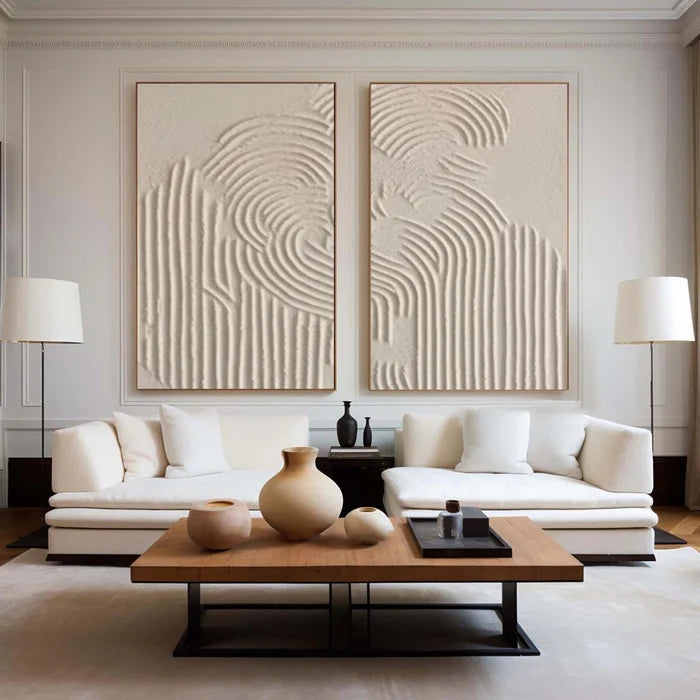
How to Integrate Fine Art into Interior Design?
Integrating fine art into interior design can transform an ordinary room into a space with personality, balance, and emotional depth. The key is to choose artwork that connects with you personally while complementing the colors, proportions, lighting, and overall character of the room.
Fine art does not have to function as an isolated decorative element. When thoughtfully selected and positioned, paintings, sculptures, and other artistic pieces can influence the entire design direction of a space.
How Do You Choose the Right Fine Art Pieces?
Start with artwork that creates an emotional response rather than choosing a piece simply because it matches the furniture.
A painting that you enjoy seeing every day is usually more valuable to your interior than one selected only because its colors fit the room.
After identifying artwork you genuinely like, consider how it relates to the surrounding space. Look at:
-
Room size
-
Wall dimensions
-
Existing colors
-
Furniture scale
-
Natural and artificial lighting
-
Interior design style
Large abstract paintings work particularly well on broad living-room walls, while medium-sized landscapes can add calmness to bedrooms. Smaller artwork may suit dining rooms, reading areas, and transitional spaces.
| Art Type | Best Room | Scale Recommendation | Mood Impact |
|---|---|---|---|
| Abstract Oil | Living Room | Large, around 40 × 60 in | Relaxing and energetic |
| Landscape | Bedroom | Medium, around 30 × 40 in | Calm and serene |
| Portrait | Dining Room | Small, around 24 × 36 in | Intimate and conversational |
| Sculpture | Entryway | Various heights | Welcoming and dynamic |
Before installing a large painting, use painter's tape to mark its dimensions on the wall. This makes it easier to judge whether the scale feels balanced.
What Makes Art a Perfect Focal Point?
Fine art is one of the easiest ways to establish a strong focal point.
A statement painting can immediately guide the viewer's attention when entering a room. Large artwork is particularly effective above sofas, fireplaces, consoles, and beds.
The center of the artwork should generally remain close to eye level. In many residential spaces, positioning the center approximately 57–60 inches from the floor creates a comfortable viewing height.
For artwork displayed above furniture, leave enough space for the two elements to feel visually connected rather than separated.
Lighting can strengthen the effect. Adjustable track lights or dedicated picture lights reveal brushwork, texture, and dimensional surfaces that may otherwise disappear under normal room lighting.
How Can You Use Art to Inspire Your Design Theme?
Instead of selecting artwork after finishing your interior, try reversing the process.
Choose the artwork first and allow it to guide the room.
Identify several colors within the painting and repeat them subtly through:
-
Cushions
-
Rugs
-
Curtains
-
Upholstery
-
Decorative objects
-
Accent furniture
The colors do not need to match exactly. Related shades often create a more natural and sophisticated result.
An expressive abstract painting, for example, might establish the primary colors for an entire living room. Neutral textured art may instead encourage a minimalist, Japandi, contemporary, or Wabi Sabi direction.
In this way, art becomes part of the design foundation rather than an accessory added at the end.
Which Placement Strategies Work Best for Fine Art?
Placement determines how strongly an artwork interacts with the room.
For individual paintings, position the center near eye level and relate the artwork to nearby architectural or furniture elements.
Above a sofa or console, the artwork should visually belong to the furniture arrangement rather than appear to float independently on a large wall.
For multiple pieces, consider:
-
Symmetrical arrangements for formal interiors
-
Odd-number groupings for relaxed spaces
-
Horizontal arrangements for hallways
-
Vertical arrangements for narrow walls
-
Gallery walls for large open areas
In bedrooms, symmetrical artwork on either side of a bed can create balance.
In spacious living areas, several coordinated pieces can create rhythm while filling a wall more naturally than one undersized painting.
Why Mix Art Forms for Eclectic Interiors?
Paintings do not have to be displayed alone.
Combining two-dimensional and three-dimensional artwork introduces visual depth and prevents interiors from appearing flat.
You might combine:
-
Abstract paintings with metal sculptures
-
Canvas art with ceramic objects
-
Textured paintings with smooth glass pieces
-
Large artwork with smaller handcrafted decorative objects
The contrast between materials is particularly effective.
For example, a heavily textured canvas positioned above a smooth console can create an interesting relationship between rough and polished surfaces.
The goal is not to fill every available area with decoration. Instead, use different forms of art to create layers while maintaining sufficient negative space.
How Does Lighting Enhance Fine Art Integration?
Lighting can dramatically change how artwork appears.
A painting displayed under poor lighting may lose much of its color, texture, and dimensional detail.
A layered lighting plan usually works best:
Ambient lighting provides general room illumination.
Accent lighting directs attention toward artwork.
Task lighting supports specific activities while contributing additional light to the room.
Picture lights and adjustable spotlights are especially useful for paintings with textured surfaces because directional light creates subtle shadows across raised areas.
Dimmers offer additional flexibility. Warmer lighting can make earthy paintings feel softer, while neutral lighting often provides more accurate color representation.
Whenever possible, avoid prolonged direct sunlight, particularly on artwork containing pigments or materials that can fade over time.
What Role Does Scale Play in Art Placement?
Scale is one of the most important considerations when combining art and interior design.
Artwork that is too small may disappear visually, while oversized artwork can dominate furniture and architectural details.
For large living-room walls, statement canvases can work exceptionally well. Smaller rooms often benefit from narrower vertical artwork or carefully arranged groups of smaller pieces.
As a general visual guideline, artwork displayed above furniture should occupy a substantial portion of the available width without exceeding the furniture itself.
The surrounding negative space matters as much as the artwork.
Leaving appropriate breathing room allows the painting to feel intentional rather than crowded.
What Are Vinchy Art's Expert Views on Fine Art and Interiors?
Vinchy Art approaches abstract painting as more than simple wall decoration.
Textured and abstract artwork can introduce movement, visual depth, and a sense of calm into contemporary interiors. In minimalist rooms especially, one carefully selected canvas can become both the primary decorative element and the emotional center of the space.
Neutral paintings can complement understated interiors, while expressive abstract works can introduce contrast to otherwise restrained rooms.
The most successful approach is to consider the relationship between artwork, furniture, lighting, wall proportions, and the atmosphere you want to create.
How Do You Create a Gallery Wall with Fine Art?
A successful gallery wall begins with planning.
Before putting hooks into the wall, arrange all pieces on the floor and experiment with different combinations.
Try to establish at least one connecting element, such as:
-
Similar colors
-
Related subjects
-
Matching frames
-
Consistent materials
-
A shared artistic style
Keep spacing relatively consistent throughout the arrangement.
Around 2–3 inches between neighboring pieces often creates enough separation without making the collection feel disconnected.
| Gallery Wall Style | Layout | Frame Mix | Best For |
|---|---|---|---|
| Grid | Symmetrical | Uniform | Minimalist rooms |
| Salon | Asymmetrical | Varied | Eclectic spaces |
| Linear | Horizontal | Slim | Hallways |
| Organic | Freeform | Textured or mixed | Creative areas |
Minimalist interiors often benefit from a structured grid, while eclectic spaces can accommodate mixed sizes and frames.
Are There Budget Tips for Fine Art Integration?
Building an art-focused interior does not require purchasing an entire collection at once.
Start with one important piece for the room's strongest wall.
You can gradually add complementary artwork over time.
A practical approach is to combine:
-
Original paintings
-
Limited prints
-
Smaller artworks
-
Personal photography
-
Decorative objects
Spend more on pieces that will become long-term focal points and use more affordable artwork in secondary areas.
Proper care also protects your investment. Keep artwork away from excessive moisture and direct sunlight, and gently remove dust when necessary.
Rotating selected artwork occasionally can also refresh a room without changing furniture or repainting walls.
What Are the Key Takeaways for Integrating Fine Art?
Successful art integration comes from treating artwork as part of the interior rather than an afterthought.
Choose pieces that genuinely resonate with you, then consider their scale, color, placement, lighting, and relationship with surrounding furniture.
Use significant artwork as focal points and allow its colors or textures to influence the broader design scheme.
Most importantly, avoid overcrowding the space.
Fine art often has greater visual and emotional impact when it is given enough room to stand on its own.
FAQs
What Is the 57-Inch Hanging Rule?
The 57-inch rule suggests positioning the center of an artwork approximately 57 inches above the floor. It provides a useful starting point for eye-level display, although furniture and room proportions may require adjustments.
Can Fine Art Work in Small Rooms?
Yes. Smaller rooms can use vertical artwork, modest-sized paintings, or a carefully selected statement piece. Avoid filling every wall, as negative space helps smaller interiors feel more open.
How Often Should You Rotate Art?
There is no strict schedule, but rotating selected artwork seasonally or periodically can refresh an interior and allow different pieces to receive attention.
Does Abstract Art Suit Different Interior Styles?
Yes. Abstract art is highly adaptable. Neutral abstract paintings can work with minimalist, modern, Japandi, and Wabi Sabi interiors, while colorful pieces can complement eclectic and contemporary spaces.
Where Can You Buy Quality Fine Art Online?
Vinchy Art offers a range of abstract and decorative artwork designed for contemporary interiors. When buying art online, consider dimensions, colors, materials, orientation, and how the piece will relate to your existing space.
Conclusion
Fine art can completely change the way an interior feels. Rather than viewing artwork as the final decoration added to a finished room, use it as an active element in the design process.
Choose artwork you enjoy, give it appropriate visual space, illuminate it carefully, and coordinate its colors and scale with the surrounding environment.
With thoughtful selection and placement, fine art can turn an ordinary interior into a personal, balanced, and visually engaging space.
Written by John White