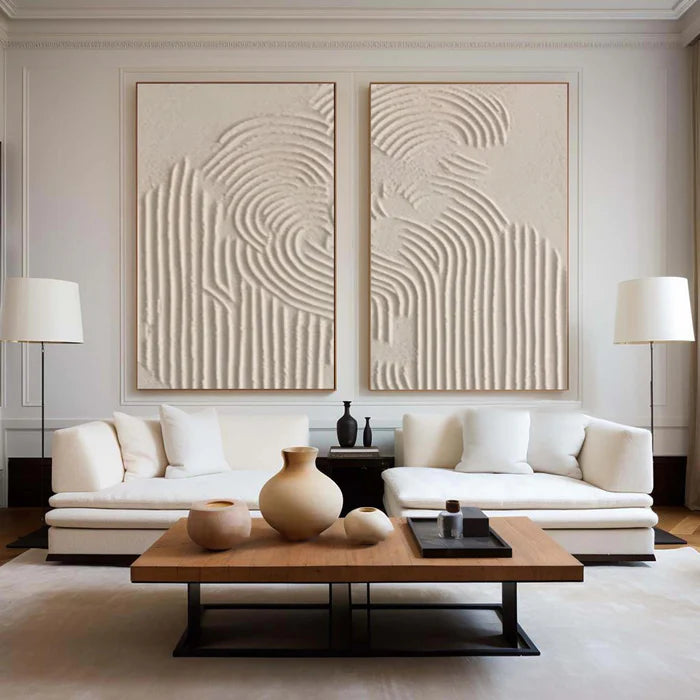
Reading and Sharing Vinchy Art Room Photos: Daylight and Evening Context
Begin with the image type and painting reference
Daylight and evening photographs can help a buyer understand how one Vinchy Art painting appears in a real room. The comparison needs the same physical work, an identified configuration, and clearly described conditions. Images of similar products or different customer orders cannot establish a same-painting change in appearance.
This guide explains how to read a room image and how to label your own photographs if you choose to share them. The room-preview service supplies planning visualizations, which should remain distinct from photographs of an installed work. Identify that difference before using an image to judge an actual room experience.
Keep source context visible
When reading an image, look for the painting reference, selected configuration, date, and source where supplied. If the photograph includes local framing, keep that contribution distinct from the delivered format. A screenshot alone may leave the exact configuration or recording context unclear.
If submitting your own photo for a feature, ask about the selected use and caption. Keep the original file and agreed context in the conversation. Remove private background details from a public version and label presentation edits, so sharing a room view does not obscure the record behind it.
Read a daylight label carefully
A photograph labeled daylight may also include room lamps or reflected light. Look for the approximate recording time, window relationship, and lights in use where supplied. If this context is unknown, retain that uncertainty instead of treating the label as a controlled condition.
Choose a recognizable viewing position and keep the artwork in place where practical. Include enough of the surrounding wall to establish continuity between the two images. Note any move, direct sunlight, or nearby reflective surface. A recorded lighting effect describes that moment; it does not establish whether the location is suitable for long-term display.
Understand the evening setup
Look for which room lights were used and their position relative to the painting. An evening photograph may show ordinary room use or a temporary setup for recording. If lamp details are not supplied, do not assign color temperature or intensity from the screen appearance alone.
When sharing your own image, say whether it resembles the view from your usual seat or doorway. Identify temporary lighting separately. That simple context can make the photograph more useful to a reader than a precise-sounding lighting specification inferred without a record.
Preserve camera context
Camera exposure, color handling, processing, and special modes can affect the picture presented. Read any supplied recording information alongside the image. A room photograph can remain useful as an informal observation without becoming a controlled measurement of appearance.
Avoid filters, saturation changes, or local edits that selectively exaggerate a difference. If adjustments are necessary for presentation, record them and retain the originals. A brighter photograph may reveal details differently without proving that the physical painting became lighter or that one lighting condition is objectively more accurate.
Show the whole work and relevant details
Use an overall view to understand the room arrangement, then locate each close detail in that view. A cropped texture area should not stand in for the complete composition. Keep the frame visible when its reflection is part of the feature being discussed.
Pair corresponding detail views where the originals allow it. For example, identify the same raised area or frame corner in both captions, keeping the description tied to the visible feature. An optional short video may clarify reflections as the viewpoint changes. Neither a close-up nor a video supplies a measurement of relief height or identifies a material merely by appearance.
Separate observation from interpretation
Separate a visible difference from a proposed explanation and a personal preference. An area may appear warmer or a shadow more pronounced in one image, while the photographer prefers another view. Each statement has a useful scope without establishing a universal result for the collection.
Give each pair a brief, consistent caption: the view, approximate recording time, lights in use, and any known camera or presentation change. Identify unknown details directly. Readers should be able to compare the images without searching through several paragraphs for their conditions. The photographs can illustrate this room experience while leaving exact color matching and material assessment unresolved.
Use the photos to prepare a room question
Describe how you normally use the intended room and which view you want clarified. If a product photo leaves a feature unclear, name the selected model and request the relevant overall or detail view. Keep the question connected to your actual configuration rather than assuming another home supplies the answer.
The FAQ describes finished-work images before shipping. Use the actual preview to review accepted requirements, keeping it separate from room placement imagery. A photo can inform a question while the order-specific answer clarifies what will be supplied.
Make a photo account useful through clear captions
For photographs you share, identify the painting, recording date, room view, lights in use, and any relevant editing. Keep corresponding full and detail views connected. If a setting is unknown, say so rather than fill the caption with guessed specifications.
When comparing views, explain physical changes to placement or lighting as well as photographic differences. A clear caption helps another reader understand the scene without claiming an exact color match or material assessment. Preserve an ordinary preference or limitation instead of labeling every view perfect.
Room photographs can help buyers imagine practical questions about scale, frame, and surface appearance. Their value comes from an identifiable work and understandable context. Use them alongside confirmed dimensions, specifications, and accepted preview decisions rather than asking a picture to prove the whole purchase experience.