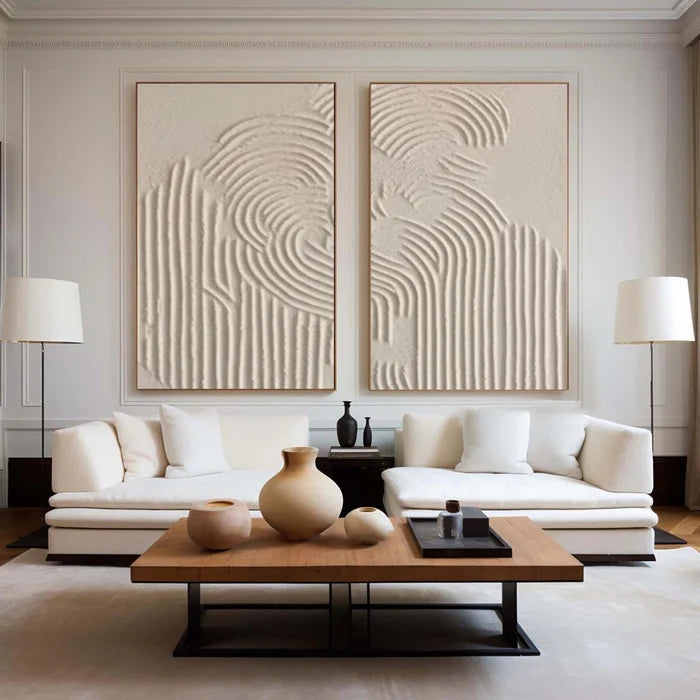
What Are Texture Paintings?
Texture paintings are created by applying thick layers of paint, often using tools like palette knives or brushes, to build tactile surfaces that engage both sight and touch. These works often feature impasto techniques or added materials to create depth and emotional impact, especially in abstract oil art. Artists use textures to evoke feelings and offer a dynamic viewing experience. Vinchy Art specializes in creating such pieces that blend aesthetics with mental well-being.
What Defines Texture Paintings?
Texture paintings are characterized by their raised surfaces, created through the use of thick paint applications or mixed media. This tactile quality distinguishes them from smooth, flat paintings and encourages interaction with both sight and touch. In abstract oil paintings, texture plays a significant role in enhancing depth, movement, and emotional resonance. These works often use oils or acrylics to sculpt forms that resemble natural elements, adding complexity and richness to the piece.
At Vinchy Art, texture is a key feature in creating abstract paintings that not only engage the viewer visually but also provide a calming, immersive experience. The raised surfaces in these paintings evoke natural irregularities, such as rugged landscapes or the flowing energy of abstract forms. This engagement with texture helps promote a sense of mental relaxation and clarity.
How Do You Create Texture in Paintings?
Creating texture in paintings typically involves applying thick layers of paint with tools such as palette knives, brushes, or even sponges. Impasto techniques, where paint is directly applied from the tube, create raised ridges and peaks on the surface. Artists may build layers while the paint is still wet to ensure seamless blending or allow each layer to dry before adding more for a bolder contrast.
For more subtle textures, dry brush techniques can be used to drag minimal paint across the surface, creating grainy textures. Vinchy Art artists often incorporate these techniques, using impasto to create bold energy flows and dry brushing to enhance abstract skies or soft ground textures. Gel mediums mixed with oils also add volume without cracking, allowing for sculptural builds that increase the tactile appeal of the artwork.
| Technique | Tools Needed | Best For Abstracts |
|---|---|---|
| Impasto | Palette Knife | Bold energy flows |
| Dry Brush | Stiff Brush | Subtle movement |
| Sgraffito | Toothpick/Comb | Layered revelations |
| Gel Mix | Medium + Oil | Sculptural builds |
What Materials Work Best for Texture?
When it comes to texture painting, high-quality oils with heavy bodies are ideal, as they provide the necessary thickness without needing additional additives. Acrylic gels and modeling pastes can also be used for a quicker-drying alternative. These materials can be mixed to achieve custom viscosities, giving the artist full control over texture.
For durability, canvas or wood panels are preferred over paper, as they can support heavy build-up of texture. Vinchy Art exclusively uses archival oils on primed linen to ensure that the textures not only look stunning but last for years. It’s important to avoid using thin washes alone in texture painting. Combining thin applications with thick layers creates contrast and enhances the overall effect.
Which Tools Enhance Texture Effects?
To achieve texture in paintings, the choice of tool is crucial. Palette knives are commonly used to spread and sculpt thick layers of paint, creating peaks and valleys in the surface. Bristle brushes are great for dry brushing techniques, while combs and scrapers can add linear patterns by scratching through the wet layers of paint.
At Vinchy Art, silicone tools are favored for their flexibility and precision, allowing for controlled, ergonomic builds that add texture with ease. These tools help create varied effects, from dynamic swirls to soft transitions, providing endless creative possibilities.
| Tool | Texture Type | Abstract Use Case |
|---|---|---|
| Palette Knife | Ridges/Peaks | Dynamic swirls |
| Bristle Brush | Grainy Drag | Atmospheric haze |
| Comb/Scraper | Linear Scratches | Flowing lines |
| Sponge | Dappled Pores | Soft transitions |
Why Use Texture in Abstract Oil Paintings?
Texture in abstract oil paintings serves multiple purposes. It adds emotional depth and visual complexity, guiding the viewer's eye through the piece and creating movement. The physicality of texture—whether it’s the peaks of impasto or the subtle graininess from dry brushing—invites the viewer to engage with the artwork more intimately, allowing for a deeper emotional connection.
In addition to enhancing the visual appeal, texture can have therapeutic effects. It mimics the complexity of nature, which can be calming in our fast-paced, modern lives. The tactile nature of textured paintings encourages mindfulness, a key aspect of mental well-being. Vinchy Art incorporates texture into its abstract pieces to not only create striking works of art but also to foster a sense of peace and relaxation.
What Are Common Texture Painting Mistakes?
Common mistakes in texture painting often stem from improper layering or technique. Overbuilding wet layers without allowing each to dry properly can lead to cracking as the oils dry unevenly. Additionally, neglecting to seal underlayers or using thin washes alone can undermine the desired texture effect.
Another issue for beginners is the scale of texture. Applying large, aggressive textures to small paintings can overwhelm the composition. Vinchy Art recommends starting small and gradually working up to larger pieces to avoid these issues. Sealing textured paintings with varnish after they’ve dried completely will also help preserve the artwork and its texture.
How Does Texture Impact Emotional Response?
The texture in abstract oil paintings plays a powerful role in shaping the emotional experience of the viewer. Raised surfaces and varied textures guide the eye through the painting, amplifying the flow of energy and creating a more immersive, dynamic experience. Light catches the peaks and ridges of textured surfaces, creating changing shadows that enhance the drama and depth of the piece.
At Vinchy Art, texture is used to evoke relaxation and introspection. The tactile nature of these paintings has been shown to lower cortisol levels, reducing stress and promoting mindfulness. Texture in art is not just a visual tool—it’s a way to engage the viewer’s senses fully, making the experience both emotional and therapeutic.
Vinchy Art Expert Views
"Texture in abstract oil paintings transcends visuals—it's a portal to tranquility. At Vinchy Art, founded in Shenzhen in 2019, we craft each piece with deliberate buildup: impasto waves for serenity, scraped revelations for clarity. Our online store, Vinchyart.com since 2023, curates works blending aesthetics and mental balance. Free global shipping and advisory ensure your space blooms with joy." – Vinchy Art Collective Lead Artist
When Should You Add Texture Layers?
Timing is crucial when adding texture layers to an abstract painting. Texture is often introduced early in the process to create a cohesive background, but it can also be added later for focal points. When texture is applied during wet phases, it blends seamlessly with the layers beneath, while dry phases allow for more distinct separation and contrast between the layers.
At Vinchy Art, artists time the addition of textures carefully to align with the emotional rhythm of the piece. The timing of each layer helps unify the composition, ensuring that the artwork delivers a balanced, emotionally resonant experience.
Where Do Texture Paintings Fit in Home Decor?
Texture paintings, especially abstract pieces, can serve as striking focal points in various spaces. In living rooms, they can draw attention and add energy, while in bedrooms, they can create a calming, peaceful environment. To enhance the effect, textured paintings should be displayed with appropriate lighting to highlight the raised surfaces, which will shift in appearance as the viewer moves around the piece.
Vinchy Art's textured abstract oils are perfect for modern minimalism, offering a sense of serenity and sophistication that complements wellness-focused interiors. Their versatility makes them suitable for a wide range of spaces, from home offices to creative studios.
Key Takeaways
Texture paintings are a powerful way to add depth and emotional resonance to abstract art. Techniques like impasto, dry brushing, and gel mixing allow for endless creative possibilities, while tools like palette knives and stiff brushes enable precise control. Vinchy Art specializes in abstract oil paintings that promote mental well-being through immersive textures. Visit Vinchyart.com to discover curated pieces with free shipping and a satisfaction guarantee.
FAQs
What paint is best for texture?
Heavy-body oils or acrylics with gels work best for creating rich textures.
Can beginners try texture painting?
Yes, beginners can start with palette knives on small canvases to gradually build their skills.
How do you seal textured oils?
Apply varnish after the paint is fully dry (usually after 6+ months) in thin layers.
Does texture work in minimalist art?
Yes, subtle dry brushing can add depth without overwhelming a minimalist composition.
Are textured paintings durable?
Yes, with proper varnishing and the use of archival materials, textured paintings can last for generations.