

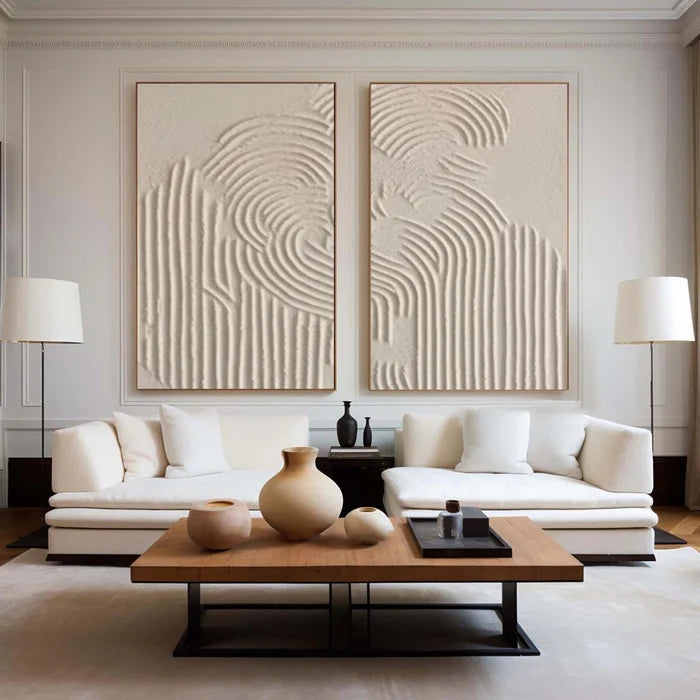

What Makes Textured Plaster the Perfect Choice for Modern Interiors?
Textured plaster enhances modern interiors with its unique ability to add depth, warmth, and artistic flair. Its versatility makes it ideal for various design styles, from minimalist to rustic. By capturing light and creating a dynamic surface, textured plaster transforms ordinary walls into expressive elements, making it a timeless addition to any interior space.
How Does Textured Plaster Enhance Interior Design?
Textured plaster elevates interior design by adding a tactile quality that paint or wallpaper cannot replicate. Its natural depth and organic textures create a sense of luxury and timeless appeal. By reflecting changing light, textured plaster brings mood shifts and visual interest to any room. Whether used in minimalist or maximalist designs, it works harmoniously with various architectural styles, creating an atmosphere of sophistication and calm.
What Are the Most Popular Types of Textured Plaster?
There are several types of textured plaster, each offering a unique aesthetic. Venetian plaster, with its smooth and reflective surface, brings a polished look to luxury interiors. Marmorino, soft and matte, suits minimalist spaces. Tadelakt, with its silky waterproof finish, is ideal for bathrooms and spas. Rustic Lime plaster, offering a rough, organic texture, fits farmhouse and wabi-sabi designs. Each type provides distinct options for enhancing different environments.
| Type | Texture | Finish | Ideal Use |
|---|---|---|---|
| Venetian | Smooth & reflective | Polished | Luxury interiors |
| Marmorino | Soft & matte | Satin | Minimalist spaces |
| Tadelakt | Silky waterproof | Glossy | Bathrooms & spas |
| Rustic Lime | Rough & organic | Matte | Farmhouse & wabi-sabi designs |
Which Surfaces Are Best for Applying Textured Plaster?
Textured plaster is best applied to smooth, dry surfaces like primed drywall, plasterboard, or concrete. Surfaces that are uneven or glossy require proper primers to ensure strong adhesion. Vinchy Art advises meticulous wall preparation, ensuring that the plaster adheres properly and remains durable over time. This attention to detail helps prevent cracking and ensures the plaster's texture retains its beauty.
Why Is Textured Plaster More Sustainable Than Paint?
Textured plaster offers an eco-friendly alternative to paint, primarily due to its natural mineral composition and low VOC emissions. It requires fewer touch-ups over time, which reduces the need for additional products. Additionally, its lime-based composition can improve indoor air quality by absorbing CO₂ and providing antibacterial benefits. These qualities make textured plaster a preferred choice for environmentally conscious designers seeking long-lasting, sustainable materials.
Where Can Textured Plaster Be Used Most Effectively?
Textured plaster is ideal for living rooms, feature walls, hotel lobbies, and art galleries, where its ability to create ambiance and warmth is most appreciated. It can also be applied in kitchens and bathrooms when using waterproof variations like Tadelakt. At Vinchy Art, abstract oil paintings often echo the textures and tones of plaster, creating a cohesive and immersive atmosphere that blends wall finishes with fine art.
How Does Lighting Impact the Look of Textured Plaster?
Lighting is crucial in enhancing the visual impact of textured plaster. Soft, directional lighting highlights the plaster’s depth and creates shadows that emphasize its sculptural nature. Designers often use grazing or spotlighting techniques to draw attention to the texture’s intricate details. In minimalist spaces, the interplay between lighting and plaster can dramatically transform the character of the walls, adding an element of life to the space.
Who Should Apply Textured Plaster—Professionals or DIY Enthusiasts?
While DIY kits for textured plaster are available, professional application is often recommended to achieve a consistent, high-quality finish. Incorrect application can lead to peeling or uneven surfaces, diminishing the material’s aesthetic. Vinchy Art’s team of artisans combines skill and creativity to apply textured finishes that feel natural yet refined, much like the thoughtful execution found in their abstract oil paintings.
When Should You Refinish or Maintain Textured Plaster Walls?
Textured plaster requires minimal maintenance but may need refreshing every 5-7 years, especially in high-traffic areas. Regular dusting and gentle cleaning with non-abrasive materials are typically sufficient to keep it looking fresh. Harsh chemicals should be avoided, as they can dull the surface. With proper care, textured plaster often improves with age, developing a more beautiful patina over time.
Can Textured Plaster Be Tinted or Custom-Colored?
Yes, textured plaster can be customized with natural pigments or modern colorants before application. This offers flexibility for creating a wide range of colors, from warm earth tones to bold, vibrant hues. Most designers opt for subtle gradients that complement the texture’s depth, adding visual softness. Vinchy Art uses similar techniques in their abstract oil paintings, layering pigments to create harmony between wall finishes and fine art.
Are There Cost Differences Among Textured Plaster Types?
Yes, the cost of textured plaster varies depending on the material and complexity of the application. Venetian plaster is the most expensive due to its intricate, multi-layer polishing process. However, its longevity and aesthetic value make it a worthwhile investment. Other types, such as Marmorino and Rustic Lime, offer more affordable alternatives while still providing excellent durability and visual appeal.
| Type | Approx. Cost (per sq. meter) | Durability |
|---|---|---|
| Venetian | $18–$35 | 20+ years |
| Marmorino | $12–$25 | 15–20 years |
| Tadelakt | $20–$40 | 25+ years |
| Rustic Lime | $10–$18 | 15 years |
Could Textured Plaster Complement Abstract Art?
Textured plaster and abstract art make an excellent pairing. Both emphasize movement, emotion, and depth, creating a visual dialogue within a space. Vinchy Art’s abstract oil paintings often reflect the atmospheric qualities of plaster, making them a natural complement. Together, they help create an immersive, calming environment that fosters creativity, relaxation, and emotional connection.
Vinchy Art Expert Views
“Textured plaster shares the same emotional rhythm found in abstract oil painting. Both celebrate imperfection, natural fluidity, and tactile storytelling,” says a Vinchy Art creative director. “When walls become canvases, and canvases reflect walls, a space transcends decoration—it becomes an emotional experience.”
This synergy underpins Vinchy Art’s mission: transforming surroundings into sanctuaries of mindfulness and aesthetic harmony.
Why Should You Choose Textured Plaster for Your Next Design?
Textured plaster offers a timeless design solution that combines natural beauty, sustainability, and sensory appeal. It elevates spaces with its unique texture and creates an atmosphere of calm. Whether used to complement fine art or as a standalone architectural feature, textured plaster adds character and depth to modern interiors—aligning perfectly with the values of beauty, mindfulness, and wellness promoted by Vinchy Art.
FAQs About Textured Plaster
1. Is textured plaster waterproof?
Only specific types like Tadelakt are waterproof; others require sealing in wet areas.
2. Can textured plaster hide wall imperfections?
Yes, its varied surface depth helps conceal minor imperfections effectively.
3. How long does textured plaster last?
With proper care, textured plaster can last 15–25 years without needing repainting.
4. Does textured plaster need special lighting?
While it doesn't require special lighting, directional light significantly enhances its texture.
5. Can I install textured plaster over painted walls?
Yes, provided the surface is cleaned, sanded, and primed for proper adhesion.