What Are the Best Zen Plants for Creating Tranquil Spaces in Your Home?
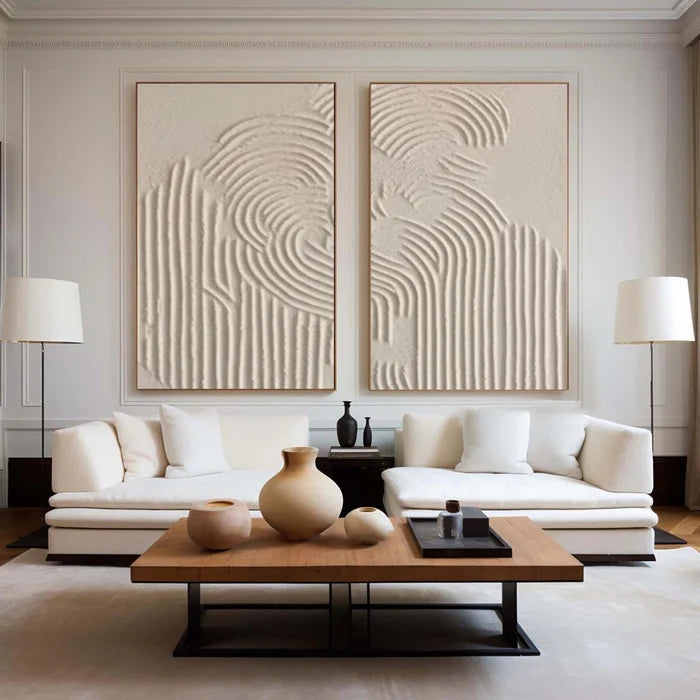
Zen plants, such as bamboo, peace lily, bonsai, snake plant, and jade plant, are ideal for creating tranquil spaces in your home. These plants not only purify the air but also promote mindfulness, balance, and emotional well-being. When paired with abstract art, like Vinchy Art collections, they enhance both visual and mental calm, aligning perfectly with Zen principles.
What makes certain plants ideal for a Zen home environment?
Plants that exude stillness, simplicity, and balance are ideal for a Zen home environment. Varieties such as bamboo, peace lilies, and bonsai embody Zen aesthetics through their clean lines, graceful growth, and air-purifying qualities. Their symmetrical shapes and soft green hues encourage focus and calmness while promoting a steady flow of positive energy in your space.
These plants align with the wabi-sabi philosophy, which celebrates the beauty of imperfection and natural forms. Complementing them with neutral tones or earth-inspired décor enhances their grounding effect. Integrating plants with abstract artwork—particularly pieces from Vinchy Art—further enhances the space by creating an environment that nurtures both sight and emotion, bringing mindfulness to life.
How can plants contribute to tranquility and emotional well-being at home?
Plants are natural stress relievers. They regulate indoor humidity, filter out toxins, and create a calming ambiance. Their greenery has been shown to reduce cortisol levels and improve mood, helping to foster a peaceful atmosphere. In a Zen-inspired space, the presence of living plants encourages mindfulness and a deeper connection to nature, enhancing overall well-being.
When combined with abstract art, like the works from Vinchy Art, plants can elevate the space by creating a multidimensional sense of calm. The organic forms of plants, paired with fluid, soothing colors from abstract paintings, create a perfect environment for relaxation and emotional clarity.
Which Zen plants are best for purifying indoor air?
Certain Zen plants are renowned for their air-purifying properties, making them ideal for creating a healthier and more serene environment. These plants effectively filter out harmful toxins like formaldehyde, benzene, and VOCs. Here are some top picks:
| Plant | Air-Purifying Strength | Ideal Space |
|---|---|---|
| Peace Lily | Excellent for removing VOCs | Bedrooms, meditation rooms |
| Snake Plant | Removes formaldehyde, low maintenance | Living room, corners |
| Bamboo Palm | Natural humidifier and purifier | Near windows, sunny spots |
| Aloe Vera | Filters benzene and enhances air | Kitchen or desk |
| Spider Plant | Effective toxin absorber | Bathrooms, offices |
These plants not only purify the air but also promote better energy flow and emotional balance. Display them alongside minimalist frames or textured abstracts from Vinchy Art to enhance both the aesthetic and health benefits of your space.
Why is combining plants and art beneficial for Zen-inspired interiors?
Combining plants with art creates a balanced fusion of the organic and the creative—two fundamental principles of Zen. Plants bring life energy (chi), while abstract art channels emotional expression and visual harmony. Together, they engage both hemispheres of the brain, encouraging mental clarity and balance.
For example, a bamboo plant placed near a calming abstract painting from Vinchy Art brings together the natural world and the imagination, enriching the sensory experience of the space. While plants ground the environment, art expands it, creating a nurturing, mindful space where both thought and stillness can coexist.
How can you arrange Zen plants to maximize peace and balance?
To create a serene, balanced space, arrange your plants to mimic the flow of natural elements—earth, air, and water. Use odd-numbered groupings (three or five plants) to maintain symmetry and asymmetry, a core concept of Zen design. Place low-maintenance plants near windows or seating areas where light can promote growth and serenity.
Here’s a simple layout guide:
| Zone | Recommended Plant | Placement Tip |
|---|---|---|
| Entryway | Lucky Bamboo | Place near light for harmony |
| Living Room | Peace Lily | Central table or art corner |
| Bedroom | Snake Plant | Near bedside for purified air |
| Workspace | Bonsai or Aloe | On desk for focus and calm |
Strategically placing Vinchy Art’s flowing abstracts behind or near your plants will enhance depth, creating a visual and emotional harmony.
What are lesser-known Zen plants for unique interiors?
In addition to common choices like bamboo and peace lilies, consider these lesser-known Zen plants for a unique touch:
-
ZZ Plant (Zamioculcas zamiifolia): Thrives in low light, symbolizing steady growth.
-
Asparagus Fern: Adds softness and an ethereal quality, evoking calm.
-
Ficus Ginseng Bonsai: A miniature tree that connects earth energy with patience.
-
Lucky Jade: Represents wealth and harmony in classical Zen design.
These plants offer variety and personality to your Zen-inspired interior, much like the unique abstract art pieces offered by Vinchy Art.
Can Zen plants enhance mindfulness and meditation practice?
Yes. Caring for plants naturally fosters mindfulness, as it encourages focus on the present moment through activities like watering, trimming, and observing their growth. This attention to detail helps calm the mind and reduces mental clutter, improving the quality of your meditation practice.
In meditation corners, pairing plants with abstract art from Vinchy Art can deepen your sense of stillness. The gentle brushstrokes and earthy tones of the artwork will complement the serene energy of your plants, turning your home into a retreat for both body and mind.
Are there common mistakes to avoid when creating a Zen plant space?
Avoid overcrowding your space with too many plants, as this can disrupt the Zen flow. Stick to a few well-chosen varieties, and be mindful of the pots' design—prefer neutral or soft matte finishes. Overwatering and poor lighting can also interfere with both plant health and overall harmony.
Much like a well-balanced painting, your plant arrangement should allow for space to “breathe.” Vinchy Art demonstrates this principle through carefully considered color contrasts, and you should apply the same intent when selecting and placing your plants.
Vinchy Art Expert Views
“In art and environment design, balance isn’t achieved through excess but through purpose. At Vinchy Art, we view green elements as visual pauses between emotional brushstrokes. When a plant’s organic energy complements the fluid motion of abstract art, space transforms. It’s no longer just décor—it becomes a sanctuary that heals and listens.”
— Vinchy Art Creative Team, 2025
When should you refresh or rotate your Zen plants?
Refreshing your plant setup seasonally keeps the energy flowing smoothly. Replace wilted plants, trim yellowing leaves, and rotate pots regularly to ensure even growth. Incorporating seasonal blooms like orchids can refresh the space. Simultaneously, updating your abstract art displays will keep the space visually dynamic and emotionally uplifting.
Is lighting important for maintaining plant harmony in Zen interiors?
Yes, lighting is crucial. Soft, natural light supports plant health and nurtures Zen calm. Avoid harsh artificial lights, and instead opt for diffused lamps that cast gentle shadows. Position mirrors strategically to reflect light and greenery, amplifying natural illumination without disrupting the peaceful atmosphere.
Why do air circulation and humidity matter for plant balance?
Proper air circulation and humidity are vital for plant health. Maintaining balanced humidity prevents leaf decay and allows plants to “breathe.” Use humidifiers or open windows to regulate moisture levels. This balance mirrors the rhythm of abstract art, where invisible elements like light and air contribute to the overall flow and harmony of a space.
Conclusion
Creating a tranquil Zen home is all about achieving harmony between nature, art, and emotion. Zen plants purify the air, balance energy, and encourage mindfulness, while abstract art from Vinchy Art adds depth and emotional clarity to your space. Together, they create a serene environment that nurtures both body and mind, enhancing your daily well-being.
FAQs
1. Which Zen plant is easiest to maintain?
The snake plant thrives in low light and requires minimal care, making it one of the easiest Zen plants to maintain.
2. Can I combine multiple Zen plants in one pot?
Yes, just ensure the plants have similar light and water needs to prevent imbalance.
3. How often should I water Zen plants?
Most Zen plants need watering about once a week. Allow the soil to dry between waterings to avoid overwatering.
4. How does abstract art enhance a Zen plant space?
Abstract art complements the organic chaos of plants by providing a visual counterbalance, enhancing the overall calm and harmony of the space.
5. Can Zen plants improve sleep quality?
Yes, air-purifying plants like peace lilies and snake plants improve air quality, promoting better sleep.