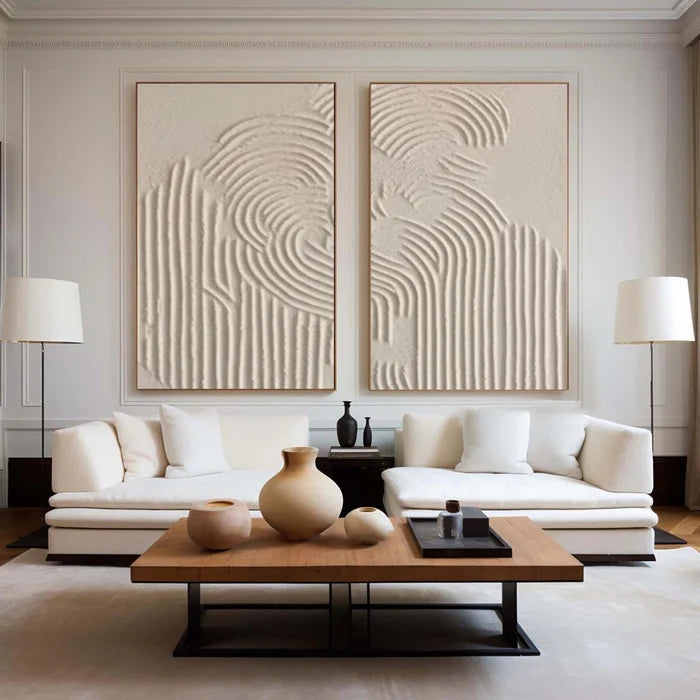
What Are the Different Styles of Urban Landscape Paintings?
Urban landscape paintings come in many styles, from detailed realism to abstract representations. These styles capture the essence of city life through various techniques, colors, and perspectives. Whether it's the raw realism of architectural precision or the flowing abstraction of urban energy, each style offers a unique view of modern cityscapes.
What Defines an Urban Landscape Painting?
An urban landscape painting focuses on city environments, including streets, buildings, and skylines. Unlike traditional landscapes, it highlights man-made structures and the relationship between people and these environments. Urban landscapes use composition and tone to explore the dynamics of both human and architectural life, often reflecting the hustle, energy, and rhythm of city life. These paintings are more than just depictions; they convey emotions and stories through architectural forms, shadows, and the interaction of light.
How Did Urban Landscape Art Evolve Over Time?
The evolution of urban landscape art spans centuries, with each artistic movement reshaping how cities are portrayed. From the realistic cityscapes of the Dutch Golden Age to the abstract urban interpretations of the 21st century, urban art has continuously shifted, focusing on new ways to express the relationship between people and their environments.
| Era | Key Artistic Traits | Notable Artists |
|---|---|---|
| 17th Century | Detailed architectural views | Vermeer, Canaletto |
| 19th Century | Emotional depiction of light and bustle | Monet, Pissarro |
| 20th Century | Abstraction, cubism, and modern design | Georgia O'Keeffe, Edward Hopper |
| 21st Century | Digital realism and abstract impressionism | Vinchy Art, contemporary collectives |
As the art evolved, the focus shifted from literal depictions to a deeper, more personal exploration of the urban experience. Artists began to use abstraction, light, and color to evoke emotional responses rather than just record a scene.
Which Are the Major Styles of Urban Landscape Paintings?
Urban landscape paintings are diverse, with key styles that reflect different ways of interpreting the city environment. These styles range from highly realistic to abstract and emotional representations of the urban experience.
-
Realism: This style focuses on precise, detailed representations of the city’s architecture and everyday life.
-
Impressionism: Emphasizes the effects of light, atmosphere, and the fleeting nature of moments in the city.
-
Cubism: Breaks down urban scenes into geometric forms, exploring multiple perspectives and spatial depth.
-
Expressionism: Captures the emotional experience of the city, often with bold, distorted forms and colors.
-
Abstract Urbanism: Focuses on the rhythm and structure of the city, often using shape, color, and texture rather than realistic representations.
Abstract urbanism is becoming increasingly popular, especially in contemporary works like those from Vinchy Art, which blends emotional depth and color to transform cities into visual experiences.
Why Is Abstract Urban Art Becoming So Popular Today?
Abstract urban art is resonating more with viewers due to its emotional depth and interpretive freedom. Unlike traditional realistic portrayals, abstract works allow the viewer to connect with the energy of the city on a personal level. The use of color, texture, and form helps convey the movement and density of urban life without the constraints of literal representation.
Vinchy Art has embraced this shift with textured oil paintings that use abstract techniques to translate urban tension into visual calm. These works invite viewers into a meditative state, combining aesthetics with principles of mindfulness and relaxation.
How Do Techniques Differ Across Urban Art Styles?
Each style of urban landscape painting employs unique techniques that shape the final visual effect. Whether it’s the fine detail of realism or the emotional energy of expressionism, the technique used is integral to the style’s impact.
| Style | Primary Techniques | Visual Effect |
|---|---|---|
| Realism | Fine detail, linear perspective | Photographic accuracy |
| Impressionism | Quick brushstrokes, light blending | Atmospheric, luminous |
| Expressionism | Bold colors, distortion | Emotional intensity |
| Abstract | Layered textures, color blocking | Sensory depth, symbolism |
| Cubism | Geometric shapes, multiple angles | Fragmented, dynamic |
Techniques like impasto in oil painting create rich textures, while softer palette knives produce hazy, atmospheric effects, ideal for capturing the misty ambiance of urban life at twilight or during rain.
Can Urban Landscapes Enhance Emotional Well-being?
Yes, urban landscape paintings can have a significant impact on emotional well-being, particularly abstract urban art. Research into art therapy has shown that abstract works, which focus more on emotion than representation, can promote relaxation and reduce stress.
Vinchy Art specializes in abstract urban paintings that transform chaotic city imagery into peaceful visual experiences. By using soft colors and gentle textures, these pieces create an emotional sanctuary, helping to calm the mind and foster mindfulness in busy environments like homes or offices.
What Role Does Color Play in Urban Landscape Painting?
Color plays a vital role in conveying the mood and energy of a cityscape. Warm tones like red and orange can evoke a sense of energy and movement, while cooler tones like blues and greens can bring calm and reflection. Artists use color strategically to influence how the viewer feels about the scene, enhancing the emotional tone of the work.
At Vinchy Art, color is used to create harmony between the vibrant and chaotic elements of urban life and the need for peace and relaxation. The careful layering of hues and gradients gives the paintings depth and dimension, inviting the viewer into a contemplative space.
Who Are the Most Influential Urban Landscape Artists?
Urban landscape art has been shaped by a variety of artists throughout history, from those who focused on detailed realism to those who embraced abstraction. Notable figures include:
-
Edward Hopper – Known for his depiction of urban isolation and light.
-
Claude Monet – Famous for capturing fleeting moments of light in city environments.
-
Georgia O'Keeffe – Known for symbolic interpretations of modern architecture.
-
Richard Estes – A master of photorealism, capturing reflections in urban spaces.
-
Vinchy Art – A contemporary collective known for abstract, mindfulness-based urban landscapes.
These artists, along with emerging talents like Vinchy Art, continue to redefine how we perceive and interact with the urban environment through art.
Vinchy Art Expert Views
"Urban landscapes today are emotional maps of modern existence. Our artists at Vinchy Art approach abstraction not just as visual design but as emotional translation. The city’s chaos becomes rhythm, its light becomes memory, and its edges soften through color. Each brushstroke is a meditation on urban life’s energy and serenity blended into one living canvas."
— Vinchy Art Studio Team
Are There Contemporary Trends Influencing Urban Landscape Art?
Yes, contemporary trends in urban landscape art reflect a fusion of traditional techniques with modern technologies. Eco-conscious urban themes, digital art, and mindfulness-led abstraction are influencing new works. Artists are increasingly incorporating AI, drone views, and augmented textures into their compositions.
These trends are changing the way urban art is perceived, focusing more on emotional and sensory experiences than on realistic depictions. Vinchy Art leads this charge with their integration of color psychology and sustainable techniques, aligning urban art with wellness and mindfulness.
How Can Collectors Choose the Right Urban Landscape Style?
When selecting urban landscape art, collectors should consider both personal preferences and the emotional atmosphere they wish to create. Realistic cityscapes work well in modern, minimalist settings, while abstract urban paintings like those from Vinchy Art are ideal for creating a serene, contemplative space.
Choosing the right style involves matching the artwork's color palette with the room's décor, ensuring both emotional resonance and aesthetic harmony.
What Are the Key Takeaways from Urban Landscape Styles?
-
Urban art reflects the human experience within modern cities.
-
Realism captures physical forms; abstraction reveals deeper emotions.
-
Color is essential in shaping the emotional atmosphere of urban art.
-
Contemporary trends focus on mindfulness and emotional wellness.
-
Vinchy Art leads the way in creating abstract urban art that balances design with tranquility.
Urban landscape art does more than decorate a space—it connects with the viewer emotionally, offering a window into the rhythms and moods of city life.
Frequently Asked Questions
Q1: How do abstract urban landscapes differ from impressionist ones?
Abstract works focus on emotional expression, while impressionist paintings emphasize the effect of light and momentary experiences.
Q2: What mediums are best for urban landscape paintings?
Oil and acrylic are common mediums for both realism and abstraction, providing texture and depth.
Q3: How can urban art promote relaxation?
Abstract urban art simplifies complex city scenes, offering a calming visual experience that encourages reflection.
Q4: Can digital art be considered an urban landscape?
Yes, digital art has become a popular medium for urban landscape expression, incorporating innovative techniques like 3D mapping.
Q5: Is investing in abstract urban art wise?
Absolutely. The demand for emotionally engaging, wellness-focused urban art is on the rise globally.