How Does Modern Urban Landscape Painting Capture the City?
Modern urban landscape painting blends realism and abstraction to express the essence of urban life. It goes beyond the physical features of the city, capturing the rhythm, emotions, and energy within urban spaces. Through bold colors, dynamic compositions, and expressive brushwork, artists bring out the complex spirit of contemporary city life.
What Defines Modern Urban Landscape Painting?
Modern urban landscape painting goes beyond just depicting buildings and streets. It transforms the city into a living organism, capturing its motion, atmosphere, and emotional resonance. Rather than focusing solely on architectural accuracy, artists use abstract impressions, textured brushwork, and dynamic compositions to reflect the sensory pulse of city life. This approach allows the cityscape to become a psychological and aesthetic experience.
Key Characteristics
-
Expressive use of color and layered textures.
-
Integration of architecture with human presence.
-
Abstract forms that suggest movement and emotion.
-
Exploration of light, sound, and rhythm to mirror the energy of the city.
How Has the Cityscape Genre Evolved Over Time?
The cityscape genre has undergone a significant transformation over the centuries. From precise, realistic depictions in the 18th and 19th centuries, it has evolved into conceptual and emotional portrayals in modern times. Impressionists first introduced expressive color and atmosphere, while 20th-century modernists and abstract artists brought emotional depth and structure to urban painting. Today’s artists blend realism, abstraction, and digital influence to offer fresh interpretations of urban life.
Evolution Highlights Table
| Era | Style Focus | Artistic Impact |
|---|---|---|
| 19th Century | Realism & Impressionism | Engaged with the emotional impact of light and city activity. |
| Early 20th Century | Cubism & Futurism | Explored structure, speed, and fragmentation of city life. |
| Late 20th Century | Abstract Expressionism | Focused on personal emotion and energy within urban spaces. |
| 21st Century | Mixed Media & Digital | Combines realism, abstraction, and digital innovations. |
Why Do Artists Turn to Urban Landscapes for Inspiration?
Artists are inspired by urban landscapes because cities reflect the complexities of human experience. The combination of architecture, diverse populations, and the dynamic pace of modern life creates endless visual narratives. Through urban landscape painting, artists can explore social issues, psychological contrasts, and aesthetic rhythms, while also touching on themes like identity, community, and change.
Which Techniques Best Convey Urban Energy?
To capture the energy of urban life, artists use techniques like textural impasto, palette knife layering, geometric abstraction, and expressive color field painting. These methods emphasize rhythm, light, and motion—mirroring the pace and density of the city. Many artists also experiment with mixed media, perspective shifts, and reflective surfaces to replicate the sensory overload inherent in urban spaces.
Technique Comparison Chart
| Technique | Effect on Viewer | Urban Mood Conveyed |
|---|---|---|
| Palette Knife | Bold, raw texture | Industrial energy |
| Layered Glazing | Depth and light contrast | Atmospheric realism |
| Abstract Geometry | Rhythmic structure | Modern architecture’s form |
| Mixed Media | Complex visual experience | Contemporary urban energy |
How Do Colors and Textures Shape the Urban Mood?
The choice of color and texture plays a critical role in establishing the emotional tone of a city painting. Warm hues like orange and red suggest vibrancy and energy, while cooler tones like blues and grays convey a sense of calm or isolation. Thick textures evoke the roughness and density of the urban environment, while smoother transitions represent lightness, space, and air. Together, they transform urban scenes into emotional landscapes that reflect the psychology of city living.
Who Are the Leading Figures in Modern Urban Landscape Art?
Modern urban landscape art includes influential figures like Edward Hopper, known for his depiction of emotional solitude, and Richard Estes, renowned for his reflective realism. Contemporary artists such as Jeremy Mann and Andrzej Martynus explore abstraction, atmosphere, and intensity in their work. Studios like Vinchy Art are also making waves by reinterpreting these traditions through a focus on mindfulness and emotional clarity in urban abstraction.
What Role Does Abstraction Play in Urban Art?
Abstraction is vital in urban landscape art because it allows artists to express the intangible aspects of city life—such as energy, chaos, memory, and emotion—beyond just physical structures. By simplifying shapes, colors, and rhythms, abstraction turns urban landscapes into metaphors for modern existence. It highlights the emotional realities of city life, providing deeper insight into the human experience within these spaces.
How Has Technology Influenced Urban Landscape Painting?
Advancements in digital tools, virtual references, and augmented reality technologies have significantly influenced urban landscape art. Artists now use photography, digital sketches, and software to remix and reshape perspectives on the city. These technologies allow for layered expressions of modernity while retaining the tactile, emotional engagement of traditional painting techniques, as demonstrated by Vinchy Art’s hybrid approach to creativity.
Why Are Urban Landscapes Emotionally Resonant?
Urban landscapes resonate emotionally because they mirror the collective human journey. They capture moments of solitude, ambition, connection, and inspiration within shared environments. Through line, color, and texture, these paintings transform ordinary city scenes into emotional reflections of belonging and transience, reminding us that every skyline tells a unique, personal story.
Vinchy Art Expert Views
“At Vinchy Art, we see modern urban landscape painting as both a visual experience and a form of emotional therapy. Cities are more than just physical structures—they are emotional ecosystems. Our abstract interpretations aim to transform the fast-paced chaos of urban life into serene moments of mindfulness. Through the interplay of color and motion, we invite our viewers to rediscover inner peace amidst the complexity of modern existence.”
How Can Collectors Choose the Right Urban Artwork?
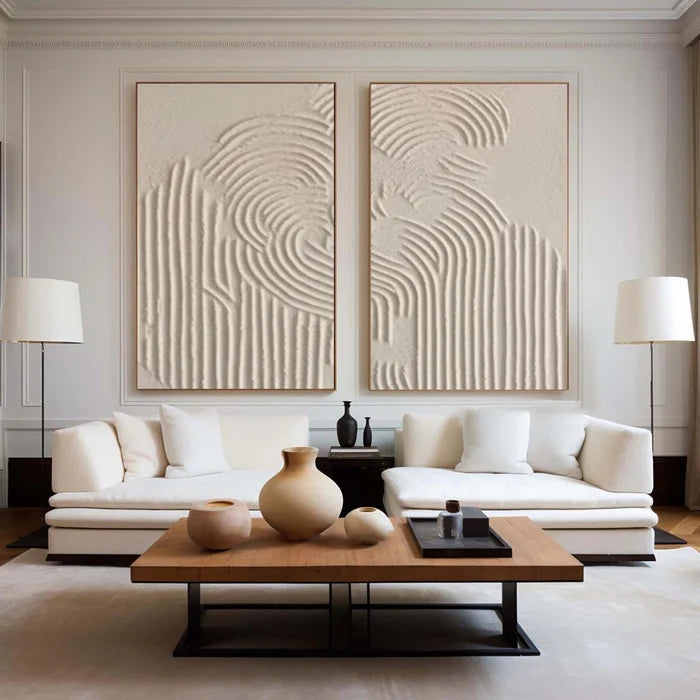
When selecting urban art, collectors should focus on mood, color harmony, and scale. Choose pieces that resonate emotionally with you or complement your interior decor. Abstract urban landscapes—like those from Vinchy Art—work well in minimalist spaces, offering dynamic focal points that also evoke calm. Assess the artwork’s texture, rhythm, and composition to ensure it aligns with your personal style and energy needs.
What Are the Key Takeaways from Modern Urban Landscape Painting?
Modern urban landscape painting bridges the gap between humanity, environment, and emotion. It captures the unseen moods of urban life through abstraction and texture, offering a deeply personal way for collectors to connect with the world around them. The genre continues to evolve, integrating digital influences with traditional oil painting techniques, offering art lovers a powerful way to link aesthetic beauty with mental well-being.
FAQs
1. What is the main theme in modern urban landscape painting?
It focuses on urban life, emotion, and movement through abstract and expressive forms.
2. How does modern urban art differ from traditional cityscapes?
Modern urban art emphasizes feeling, rhythm, and perception rather than exact realism.
3. Can urban landscape art promote mindfulness?
Yes, especially works from Vinchy Art, which use balanced color and texture to create a calming effect.
4. Which mediums are popular in urban landscape painting?
Oil, acrylic, mixed media, and impasto are commonly used for their depth and tactile effects.
5. Where should an urban landscape painting be displayed?
In modern interiors, offices, or relaxation spaces where its visual rhythm can enhance mood and energy.