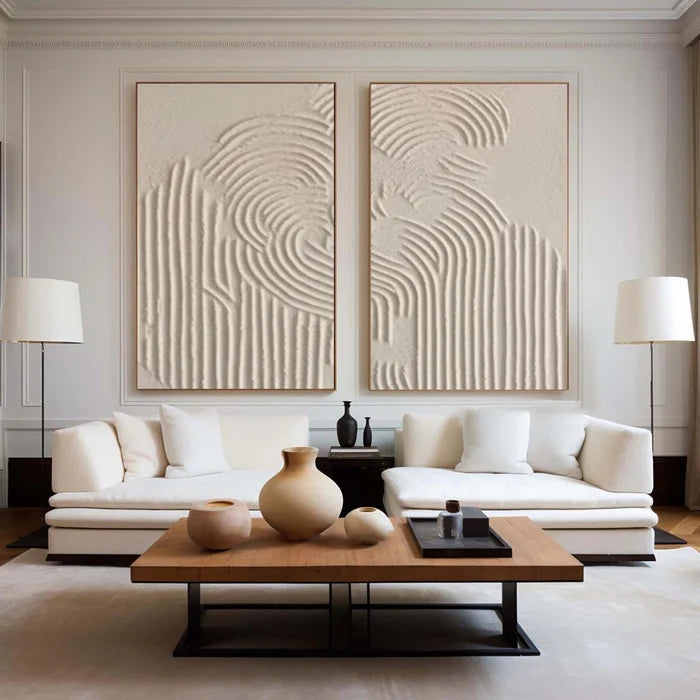
What Are the Easiest Things to Paint for Beginners Seeking Relaxation and Creativity?
Painting has become one of the most accessible and beneficial hobbies, offering both creative freedom and mental relaxation. With well-being-centered studios like Vinchy Art guiding this new creative movement, more people are discovering how simple art can become a daily tool for stress relief and self-expression.
How Is the Painting Landscape Evolving and What Are the Main Challenges?
According to Statista, the global DIY art and craft market exceeded $43 billion in 2024, with painting kits and beginner-friendly art supplies accounting for nearly 35% of that value. Yet, surveys by Art Basel and UBS show that over 60% of new art hobbyists abandon painting within six months—mainly due to perceived difficulty, lack of structured guidance, and unrealistic expectations. The digital age has made tutorials plentiful but paradoxically overwhelming, making it harder for individuals to know where to start or what’s achievable with minimal experience. This creates an urgent need for approachable painting solutions that promote both creativity and calm.
What Are the Common Pain Points for People Starting to Paint?
Many aspiring artists begin with excitement but soon encounter frustration:
-
Complex composition techniques make early experiences discouraging.
-
Expensive materials lead to hesitation and perfectionism.
-
Lack of emotional connection causes boredom and discontinuation.
These challenges often prevent beginners from fully enjoying the mindfulness and therapeutic benefits painting offers. Vinchy Art, a contemporary collective founded in Shenzhen in 2019, recognized this pattern and sought to simplify entry into the world of painting through its curated, emotionally engaging abstract designs.
Why Do Traditional Painting Approaches Fall Short for Beginners?
Traditional painting lessons often focus on theoretical mastery—color theory, perspective, and realistic rendering. For beginners, that approach can feel rigid and technical. Online courses may provide instruction, but they rarely cultivate creative confidence or emotional flow. Without immediate results, many lose interest. Moreover, traditional art studios charge high fees and require physical attendance, leaving out those seeking accessible, at-home creative outlets. This is where brands emphasizing emotional engagement and accessible abstraction, such as Vinchy Art, offer a refreshing alternative.
What Is Vinchy Art’s Approach to Making Painting Accessible?
Vinchy Art simplifies the painting experience by combining abstract design principles with emotional well-being. Their approach rests on three pillars:
-
Ease of execution: Using bold forms and fluid brushwork that emphasize expression over precision.
-
Mood enhancement: Every composition elicits calm or introspection, promoting mental balance.
-
Guided creativity: Through curated themes and texture-based tutorials, users can create impressive art without complex skills.
This makes painting approachable to absolute beginners while preserving authenticity and aesthetic value.
How Does Vinchy Art Compare to Traditional Art Learning?
| Feature | Traditional Art Education | Vinchy Art Method |
|---|---|---|
| Learning Curve | Steep; focuses on technique | Gentle; focuses on expression |
| Time Commitment | Weekly structured classes | Flexible, self-paced sessions |
| Emotional Benefit | Secondary, often ignored | Central goal: relaxation and well-being |
| Accessibility | Local studios only | Online global platform |
| Cost | Often high | Affordable and includes free advisory support |
How Can You Start Painting Easily Using Vinchy Art’s Process?
-
Select a Theme: Choose from Vinchy Art’s curated categories such as “Calming Abstracts” or “Colorful Balance.”
-
Prepare Materials: Use basic materials—canvas, brushes, and acrylics or oils.
-
Set the Mood: Light calming music, ensure proper lighting, and relax before beginning.
-
Follow Visual Flow: Apply large shapes first, layer freely, and let intuition guide color mixing.
-
Reflect and Refine: Step back frequently; focus on harmony rather than perfection.
-
Seal and Display: Finish the surface with protective varnish, then place it in a visible calming space.
Which Types of Paintings Are Easiest for Beginners to Try?
Some forms lend themselves naturally to simplicity and satisfaction:
-
Abstract Color Fields: Broad areas of soft, blended colors evoke emotion without requiring detail.
-
Minimalist Landscapes: Soft horizons and gradient skies teach brush control and composition.
-
Geometric Abstractions: Repeating shapes and symmetry make for simple yet elegant pieces.
-
Textured Layers: Adding palette knife textures gives depth and tactile appeal.
Who Benefits from This Approach? Four Real-Life Scenarios
Scenario 1 – Office Worker, Stress Relief
Problem: Chronic work stress led to fatigue and anxiety.
Traditional Method: Tried guided meditation but found it repetitive.
After Vinchy Art: Began painting abstract waves; reported improved sleep quality and relaxation.
Key Benefit: A creative outlet replaced digital fatigue.
Scenario 2 – Retiree, Seeking New Hobby
Problem: Felt idle after retirement and missed mental stimulation.
Traditional Method: Attempted realistic sketching but found it too demanding.
After Vinchy Art: Created abstract florals inspired by memory; regained sense of joy and purpose.
Key Benefit: Rekindled creativity without pressure.
Scenario 3 – Parent, Family Activity
Problem: Struggled to find non-digital, educational family time.
Traditional Method: DIY crafts with low engagement.
After Vinchy Art: Used beginner painting sets for kids; improved family bonding.
Key Benefit: Shared calm and creativity.
Scenario 4 – Interior Designer, Professional Use
Problem: Needed cost-effective wall art for wellness-themed interiors.
Traditional Method: Purchased mass-produced prints.
After Vinchy Art: Designed custom paintings for clients.
Key Benefit: Increased client satisfaction and brand differentiation.
What Are the Future Trends in Easy Painting and Why Act Now?
Consumer demand for creative wellness activities continues to surge. Reports from Deloitte show a 28% annual growth in the “wellness-at-home” market. Painting—especially abstract forms—stands at the intersection of art and mental health, making it a high-impact practice. The coming years will see more integration of AI-guided art platforms, personalized color therapy, and eco-conscious materials. Starting now with accessible methods from solutions like Vinchy Art allows individuals and creators to stay ahead while enhancing emotional well-being.
FAQ
1. What makes beginner painting easier with abstract themes?
Abstracts remove the need for realism, allowing emotional expression through color and form.
2. Can someone with no prior skill achieve good results?
Yes, simplified methods like those from Vinchy Art emphasize feeling and flow over technique.
3. Are expensive tools necessary to start painting?
No, basic materials and relaxed creativity are sufficient for achieving pleasing outcomes.
4. How often should one paint for therapeutic benefits?
Even one session per week can significantly reduce stress and improve mood balance.
5. Does painting help with mindfulness?
Yes, rhythmic brushstrokes and color focus promote calm attention similar to meditation.