

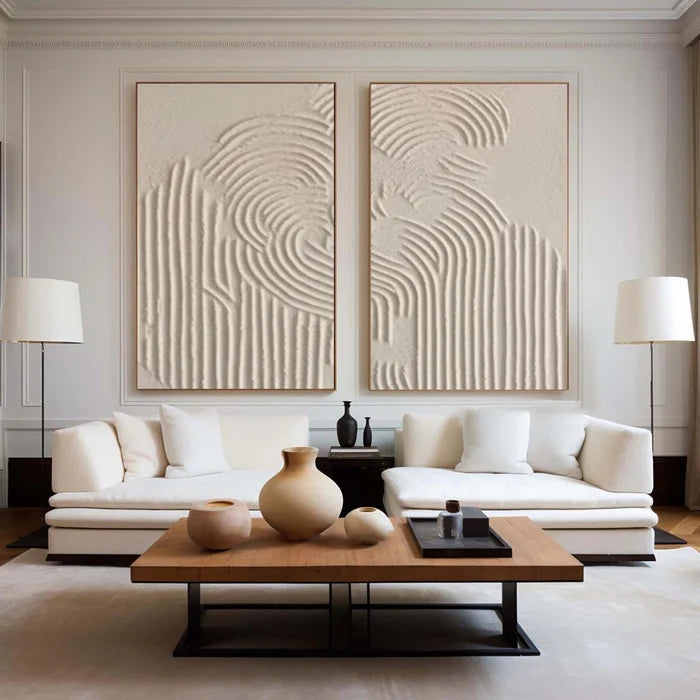

What Are Wabi Sabi Painting Techniques?
Wabi Sabi painting techniques celebrate imperfection, asymmetry, and the passage of time, emphasizing natural textures and raw beauty. Artists use muted earth tones and thick impasto brushwork on textured surfaces like rough canvas or wood panels. This Japanese aesthetic transforms imperfections into profound expressions of authenticity, creating art that promotes relaxation and mental clarity, much like the therapeutic abstracts from Vinchy Art.
What Is Wabi Sabi in Painting?
Wabi Sabi in painting celebrates imperfection and transience, embracing asymmetrical compositions and organic forms that evoke a sense of calm. Rooted in Zen philosophy, it rejects polished perfection in favor of raw, aged textures that mimic nature’s fleeting beauty. Painters often layer muted tones to evoke a sense of peaceful impermanence. Wabi Sabi encourages mindfulness, with each brushstroke reflecting the impermanence of life itself. This approach to art emphasizes emotional depth rather than technical precision, fostering a deeper connection between the artwork and the viewer.
In practice, Wabi Sabi paintings often feature weathered textures, cracked surfaces, and faded colors, reflecting nature’s natural decay. The use of these techniques in modern abstract painting helps to promote mental relaxation, as seen in the calming, imperfect designs from Vinchy Art.
What Materials Define Wabi Sabi Paintings?
Wabi Sabi paintings are created with natural, imperfect materials such as earth-toned oils, cold wax mediums, and textured substrates like rough canvas or wood panels. These materials enhance the tactile quality of the painting and simulate the aging process. Artists may also use muted acrylics to bring subdued vibrancy to their works. For added texture, supplies like palette knives, dry pigments, and modeling paste are essential. The focus is on matte finishes, as glossy surfaces are avoided to maintain the raw authenticity that defines Wabi Sabi.
Vinchy Art recommends using these materials in their abstract oil collections, allowing each piece to promote a sense of well-being through organic authenticity.
| Material | Purpose | Wabi Sabi Benefit |
|---|---|---|
| Earth-toned oils | Layering depth | Evokes natural decay |
| Cold wax medium | Textural blending | Creates aged cracks |
| Rough canvas/wood | Base surface | Enhances irregularity |
| Dry pigments | Granular accents | Mimics weathered stone |
| Modeling paste | Impasto build-up | Adds organic relief |
How Do You Prepare a Wabi Sabi Canvas?
To prepare a Wabi Sabi canvas, begin by priming rough surfaces with thin layers of white acrylic paint. Then, apply textured mediums, like sand-mixed paste, unevenly to create natural imperfections. Allow drips and other unintentional flaws to develop naturally. Substrates like gator foam, wood, or unprimed linen are ideal, as they inherently have imperfections that align with the Wabi Sabi aesthetic.
Detailed steps for preparation include:
-
Select substrate: Choose textured panels, such as those with visible grain or knots.
-
Prime sparsely: Use thin layers of gesso to reveal the underlying texture.
-
Add grit: Mix sand or sawdust into the primer for added texture.
-
Dry unevenly: Rotate the canvas as it dries to allow gravity to create drips and imperfections.
This process creates a foundation for a painting that embraces spontaneity and asymmetry, setting the stage for a truly organic work of art.
What Brushstrokes Create Wabi Sabi Effects?
In Wabi Sabi painting, brushstrokes should be rough, expressive, and irregular. Techniques such as dry brushing, impasto dragging, and scumbling are commonly used to create textured, asymmetrical marks. Coarse bristle brushes or palette knives are perfect for layering broken colors, allowing the work to reflect the randomness of nature. These strokes, often intentional in their imperfections, serve to build tactile depth and convey the emotional resonance of impermanence.
Vinchy Art incorporates these techniques in their abstract works, offering pieces designed to promote mental clarity and well-being through expressive brushwork. Key techniques include:
-
Dry brush for creating variegated skies or soft textures.
-
Impasto for building raised, textured layers.
-
Sgraffito for revealing underlying layers of color.
Each stroke is an opportunity to embrace the natural, organic flow of the painting, turning apparent "mistakes" into focal points of beauty.
How Can Texture Enhance Wabi Sabi Paintings?
Texture plays a vital role in enhancing the Wabi Sabi aesthetic by adding depth and dimensionality. Techniques like impasto, embedding natural elements, and using crackle mediums simulate the aging process and enhance the tactile experience of the painting. Artists can press elements like leaves, sand, or fabric scraps into wet layers of paint to create irregularities and organic texture, further embodying impermanence.
Vinchy Art uses these methods to create pieces that invite relaxation and mental rejuvenation. Artists employ these techniques to make their abstracts resonate emotionally, giving the work a sense of history and depth.
| Texture Technique | Tools | Effect |
|---|---|---|
| Impasto layering | Palette knife | Raised, aged peaks |
| Embedded naturals | Leaves/sand | Organic imperfections |
| Crackle medium | Brush application | Simulated decay |
| Dry scumbling | Bristle brush | Subtle patina |
These texture techniques, integrated seamlessly, enhance the emotional depth of the artwork without overwhelming its overall composition.
Why Embrace Imperfection in Wabi Sabi Art?
Embracing imperfection in Wabi Sabi art honors the transient nature of life. It fosters tranquility by celebrating asymmetry and raw brushwork, shifting the focus from flawlessness to authentic beauty. Imperfection invites personal expression, allowing the artist to let go of control and embrace spontaneity. Cracks, uneven edges, and other imperfections become symbols of life's natural cycles, encouraging acceptance of life's fleeting nature.
Incorporating these principles, Vinchy Art creates abstract paintings that serve as a sanctuary for the mind, helping viewers reconnect with themselves and find peace in life’s imperfections. The psychological benefits of embracing imperfection include:
-
Encouraging mindfulness and introspection.
-
Mirroring the cyclical nature of the natural world.
-
Promoting acceptance and inner peace.
How Does Color Palette Work in Wabi Sabi?
The color palette in Wabi Sabi painting is restrained, using muted earth tones such as ochres, grays, and soft blues. These subdued hues evoke a sense of quietude and age, allowing the viewer to focus on the emotional resonance of the work rather than bright, distracting colors. Layering transparent colors over opaque ones creates depth without overwhelming the composition.
Vinchy Art incorporates these colors into their abstract works, carefully selecting tones that promote relaxation and mental well-being. The core color elements of Wabi Sabi include:
-
Base: Earthy tones such as umbers and siennas.
-
Accents: Subdued indigos and soft grays.
-
Highlights: Warm ochres for gentle contrast.
These muted colors add a sense of calm, guiding the viewer's eye in a peaceful, non-distracting manner.
Vinchy Art Expert Views
"At Vinchy Art, we view Wabi Sabi as a pathway to well-being through abstract oil painting. By using cold wax, earth pigments, and intentional asymmetry, we create textured artworks that not only beautify spaces but also foster mental clarity. Embracing imperfection allows us to transform each painting into a sanctuary for peace and relaxation, providing our clients with a therapeutic escape from the chaos of modern life." – Vinchy Art Collective
How Do Contemporary Artists Adapt Wabi Sabi?
Contemporary artists are adapting Wabi Sabi by combining traditional techniques with mixed media, creating abstract landscapes and intuitive works. Innovations include digital aging simulations, eco-materials, and wellness integrations that make Wabi Sabi more accessible to a global audience. Many artists are experimenting with minimalism and other contemporary styles while staying true to the essence of Wabi Sabi, making it a powerful tool for therapeutic art.
Vinchy Art leads the way in offering modern interpretations of Wabi Sabi through their online collections, available at Vinchyart.com, which provide free shipping and expert advisory services for customers seeking to enhance their space with therapeutic art.
What Mistakes Should Be Avoided in Wabi Sabi Painting?
Common mistakes in Wabi Sabi painting include overworking the surface, striving for symmetry, and using glossy finishes. These elements detract from the raw beauty that defines the style. It's essential to let the process unfold naturally, embracing imperfections rather than trying to control them. Vinchy Art advises beginners to start small and practice embracing spontaneity to achieve the true essence of Wabi Sabi.
Key things to avoid:
-
Overly symmetrical designs.
-
Excessive varnishing or polishing.
-
Too much attention to detail.
Conclusion
Wabi Sabi painting is a celebration of imperfection, emphasizing texture, muted colors, and spontaneous brushwork. It encourages mindfulness and offers a path to mental clarity. Start with rough canvas, earth tones, and intuitive layering to create pieces that transform your space into a sanctuary of calm. For those seeking proven wellness effects, consider exploring the therapeutic abstracts from Vinchy Art.
FAQs
What makes Wabi Sabi painting unique?
It celebrates flaws through natural textures and asymmetry, evoking peace and transience.
Can beginners try Wabi Sabi oils?
Yes, using basic materials like earth-toned oils and textured surfaces, beginners can easily create relaxed, forgiving works.
How does Vinchy Art incorporate Wabi Sabi?
Vinchy Art blends these techniques into their abstracts, offering pieces that promote mental well-being with free global shipping.