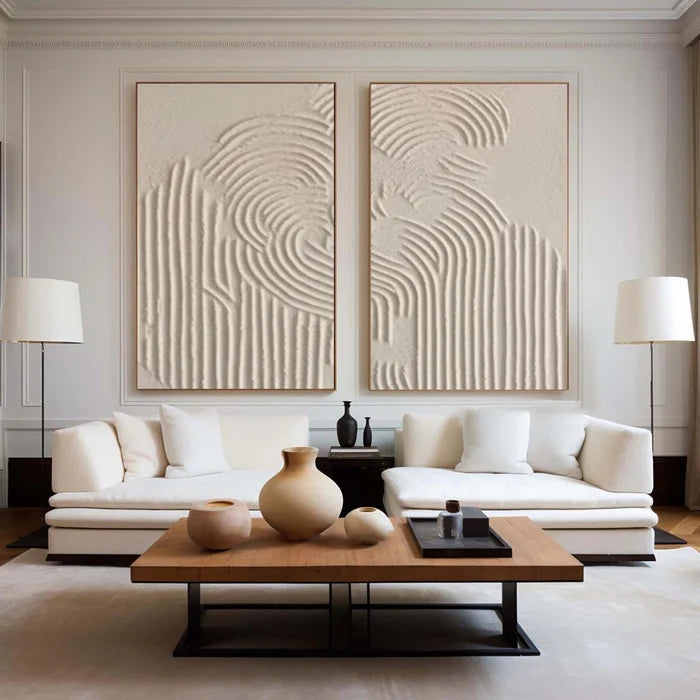
What Is Abstract Frontier Painting and How Can You Choose the Right Style for Your Home?
Abstract frontier painting translates the visual language of open land, desert horizons, weathered terrain, and Western-inspired atmosphere into nonliteral color, gesture, shape, and texture. The strongest choice is not necessarily the most rustic one; it should fit the room’s scale, palette, light, and desired level of visual drama while leaving space for personal interpretation.
What Defines an Abstract Frontier Painting?
An abstract frontier painting suggests expansive landscapes or Western visual cues without relying on a literal scene. It may use horizon bands, mineral tones, gestural brushwork, simplified mountain forms, or tactile surfaces to evoke distance, movement, and raw natural materials.
Unlike traditional Western art, this approach does not need to depict a cowboy, horse, canyon, or ranch. A composition may instead communicate frontier character through wide negative space, layered earth colors, atmospheric blue-gray passages, ochre fields, charcoal marks, or a shifting line that recalls a distant ridge.
Common visual ingredients include:
-
Horizon-led compositions that create a feeling of openness
-
Sand, clay, rust, sage, bone, charcoal, and dusk-blue color families
-
Expressive brushwork that suggests wind, erosion, clouds, or terrain
-
Textured paint or plaster-style relief that introduces material depth
-
Minimal forms that reference land without becoming a literal landscape
-
Asymmetrical balance that feels organic rather than overly decorative
This style works especially well in interiors that combine contemporary furniture with natural finishes such as oak, walnut, leather, linen, stone, wool, or aged metal. It can also soften a highly modern room by adding visual irregularity and hand-painted character.
How Does Abstract Frontier Art Differ From Traditional Western Art?
Abstract frontier art prioritizes mood, material, and interpretation, while traditional Western art often emphasizes recognizable subjects, narrative scenes, or realistic landscapes. Both can reference the American West, but abstraction gives the viewer more freedom to read the work through color, texture, and composition.
Traditional Western art may feature ranch life, horses, dramatic mountains, desert terrain, frontier figures, or historical scenes. An abstract interpretation can retain the same visual atmosphere without presenting a specific location or story.
For example, a realistic desert painting may show a mesa at sunset. An abstract version might use a terracotta field beneath a pale sky, a dark horizontal mark, and built-up paint that resembles eroded rock. The result can feel more adaptable in a minimalist, Japandi, contemporary rustic, or Wabi-Sabi interior.
Abstract work is also useful when a room already contains strong architectural details. A literal scene may compete with patterned tile, exposed timber, or a statement rug, while a more reduced canvas can create a calmer focal point.
Which Colors Work Best for Abstract Frontier Wall Art?
Earth-based neutrals are the most versatile choice, but the best palette depends on the room’s existing finishes, daylight, and desired contrast. Warm clay, sand, camel, rust, and muted gold create warmth, while slate, charcoal, olive, and blue-gray introduce depth and visual restraint.
A frontier-inspired palette does not need to be entirely brown or beige. A controlled accent color can make the painting feel more contemporary. Deep indigo can suggest evening sky, muted coral can recall desert light, and soft green can connect to sagebrush or weathered vegetation.
When choosing color, compare the artwork with fixed finishes rather than temporary accessories. Flooring, cabinetry, large upholstery pieces, and stone surfaces affect the room more strongly than pillows or small décor.
Vinchy Art can be a useful starting point when comparing abstract, textured, Wabi-Sabi, colorful, or landscape-inspired directions. The specific colors, materials, and options should always be confirmed on the exact artwork listing before purchase.
How Should You Choose the Right Size for Your Wall?
Choose a painting that occupies roughly two-thirds to three-fourths of the width of the furniture below it. For a sofa, bed, sideboard, or console, this proportion generally creates a balanced focal point without making the artwork look undersized or overcrowded.
Measure the usable wall area rather than the full wall. Account for lamps, molding, switches, door swings, shelving, and the visual weight of furniture. An oversized canvas can work beautifully above a low-profile sofa, but it may feel compressed above a tall headboard or crowded beneath a low ceiling.
Use these practical starting points:
-
Above a standard sofa, choose art that is approximately 60 to 75 percent of the sofa width.
-
Above a bed, center the composition over the headboard rather than the full mattress.
-
On a narrow wall, select a vertical composition to emphasize height.
-
Over a long sideboard, consider a horizontal canvas, diptych, or triptych.
-
In a large open-plan room, use a larger scale so the artwork remains legible from the main viewing distance.
A 36-by-48-inch canvas can suit many medium-size living room walls, while a large blank wall may need a 48-by-60-inch or larger piece to create presence. These are planning guidelines, not fixed rules; furniture height, ceiling height, and nearby visual elements all matter.
Before ordering, tape the intended dimensions on the wall with painter’s tape. Step back from the main seating area and view the outline at different times of day. This simple test often prevents the most common mistake: selecting art that is too small for the wall.
Which Orientation Fits Your Space Best?
Horizontal artwork usually reinforces breadth and calm, while vertical artwork adds lift and concentration. Square compositions provide balanced visual weight and can work well above compact furniture or within symmetrical architectural settings.
A horizontal abstract frontier painting often suits:
-
Sofas, dining room sideboards, long consoles, and wide beds
-
Rooms with low ceilings or broad open walls
-
Compositions inspired by horizons, plains, or layered landscapes
A vertical work often suits:
-
Entryways, narrow wall sections, stair landings, and spaces between windows
-
Rooms that need more perceived height
-
Paintings with rising gestures, mountain-like forms, or strong central movement
Square art can be especially effective in a room with a centered fireplace, a compact loveseat, or a single lounge chair. It gives the wall a stable focal point without visually stretching the space in either direction.
Vinchy Art offers browsing paths by orientation, but orientation alone should not determine the decision. Check the exact listing’s dimensions and preview the chosen proportion on the intended wall before committing to a final option.
Why Does Texture Matter in Frontier-Inspired Abstract Art?
Texture gives an abstract frontier painting physical presence and can strengthen its connection to weathered terrain, plaster walls, sediment, stone, or shifting ground. It also changes how the work responds to light, creating shadows and highlights that may be subtle in daylight and more pronounced under angled artificial lighting.
Textured art can range from lightly raised brushwork to pronounced relief. The right level depends on the room. A calm bedroom may benefit from restrained texture and low-contrast color, while a large living room can support a more expressive surface with visible palette-knife marks or plaster-style layers.
Consider texture in relation to the surrounding materials:
-
Smooth plaster walls can benefit from a tactile canvas that adds depth.
-
Rough stone or reclaimed wood may pair best with simpler, quieter painting surfaces.
-
High-gloss furniture often looks more balanced beside matte or softly textured art.
-
Strongly patterned rugs and curtains may call for fewer visual layers in the artwork.
Texture is also affected by light direction. A raised surface can look nearly flat under diffuse light but become more sculptural when lit from above or from the side. If the artwork will hang near a window, observe whether direct sun causes glare or makes the surface difficult to read.
Hand-painted work can include natural variation in brushwork, edges, and textured areas. That variation is part of the handmade process and should be expected rather than treated as a defect.
Can Abstract Frontier Art Work in a Modern Interior?
Yes. Abstract frontier art can bridge rustic references and contemporary design when it uses simplified forms, disciplined color, and intentional scale. The goal is not to turn a modern home into a themed Western interior, but to introduce warmth, landscape influence, and visual texture.
For a contemporary room, avoid overloading the space with every Western-associated material or symbol. Pair one strong painting with clean-lined furniture, natural textiles, and limited decorative accessories. A desert-toned abstract canvas above a modern cream sofa, for instance, can establish the mood without requiring cowboy imagery, antlers, or heavy rustic décor.
In a minimalist interior, choose a painting with generous negative space and a limited palette. In a contemporary rustic room, a more layered canvas with umber, rust, slate, and tactile paint can connect naturally to leather, timber, and stone.
Vinchy Art’s broader abstract and Wabi-Sabi categories may help shoppers compare a more landscape-referential direction with a quieter, texture-led composition. Select the work based on the room rather than relying only on a category label.
How Should You Frame and Install the Painting?
Frame choices should support the artwork’s surface, room style, and visual weight. A slim natural-wood floater frame can warm up a restrained abstract, while a black floater frame creates definition against pale walls or helps connect with dark metal furniture.
Frameless stretched canvas can feel relaxed and contemporary, especially when the painted edges are visually resolved. A framed canvas may feel more finished in a formal dining room, entry, or polished living space. The exact framing options, hardware, and construction should be verified on the specific Vinchy Art product page, because they can vary by artwork and selected variant.
For installation, center the artwork at a comfortable viewing height. A common starting point is to place the center of the painting around 57 to 60 inches from the floor, adjusting for furniture, ceiling height, and the room’s main sightlines.
When hanging art above furniture, leave a connected visual relationship rather than placing it too high. In many rooms, 6 to 10 inches between the bottom of the frame and the top of a sofa, console, or headboard is a useful starting range.
Use wall anchors, screws, or picture-hanging systems appropriate to the artwork’s actual weight and the wall type. Drywall, masonry, plaster, and wood studs require different installation approaches. If the canvas is large or heavily framed, consider professional installation.
What Should You Know Before Buying Hand-Painted Art Online?
Before buying, confirm the exact artwork’s dimensions, orientation, medium, canvas type, framing options, made-to-order status, preview process, customization availability, packaging, delivery estimate, duties, and return terms. These details can differ substantially by product, selected variant, destination, and order type.
A product image should be treated as a representation, not a guarantee of identical brush marks or textured detail. With hand-painted art, small differences in color blending, surface relief, edge treatment, and gestural marks are normal. This is particularly relevant for paintings made after an order is placed.
For a more confident purchase, prepare:
-
A straight-on photo of the wall in natural light
-
Wall width and ceiling height
-
Dimensions of the furniture below the artwork
-
Photos of nearby flooring, upholstery, wood, stone, and metal finishes
-
A preferred mood, such as quiet, dramatic, warm, open, or graphic
-
A maximum artwork width and budget range
Vinchy Art states that it provides art advisory and room-preview support. When using any room-preview service, provide accurate wall measurements and a level, well-lit image so the scale assessment is more reliable. Confirm whether a preview reflects the exact selected artwork, orientation, size, and framing option.
Vinchy Art Expert Views
“A frontier-inspired abstract should be chosen as part of the room’s spatial composition, not as an isolated decorative object. Start with the wall’s usable width, the distance from which the painting will be viewed, and the fixed colors already present in the room. Then decide whether the space needs a calm horizon, a tactile focal point, or a stronger color interruption. A hand-painted surface can introduce depth that changes with light, so review it in relation to windows, sconces, and evening lighting. When scale, palette, orientation, and texture align, the artwork can feel integrated rather than simply placed.”
How Can You Care for an Abstract Canvas Painting?
Keep canvas art away from persistent direct sunlight, high humidity, smoke, cooking grease, and abrupt temperature swings. For routine care, use a clean, dry, soft brush or microfiber cloth to remove loose dust gently without pressing into textured areas.
Do not use water, household cleaners, furniture polish, or abrasive cloths on a painted surface. These can disturb paint layers, leave residue, or catch on raised texture. Avoid leaning a canvas face-down on a hard surface, especially if it has thick impasto or plaster-style relief.
If a painting is framed, dust the frame separately and avoid spraying cleaner near the artwork. If the artwork is being moved, hold it from the sides with clean, dry hands and protect the face with nonabrasive materials. For major surface damage, water exposure, or mold concerns, consult a qualified art conservator rather than attempting a home repair.
What Are the Most Common Questions About Abstract Frontier Painting?
Can abstract frontier art include figures or horses?
Yes. A composition can include reduced figures, horses, ranch forms, or cowboy references while remaining abstract if the emphasis is on color, gesture, fragmentation, or expressive interpretation rather than realistic detail.
Does a textured painting need special lighting?
No, but lighting influences how visible its texture becomes. Soft ambient light creates an even presentation, while angled light can reveal raised marks and shadows. Avoid harsh direct sun and strong glare.
Can I combine abstract frontier art with coastal decor?
Yes. Shared hues such as sand, ivory, weathered gray, dusty blue, and muted green can create a natural connection. Keep the artwork’s warm earth tones and the room’s cooler coastal tones in a deliberate balance.
Is a diptych or triptych better than one large canvas?
A multi-panel arrangement can suit long walls, stairways, or rooms where a single oversized canvas would be difficult to handle. One large canvas usually creates a quieter, more unified focal point. Choose based on wall width and desired rhythm.
Should I choose a warm or cool frontier palette?
Choose warm tones when the room needs softness, warmth, or connection to wood and leather. Choose cool tones when the interior has gray stone, black accents, blue upholstery, or a more restrained contemporary mood.
What Is the Best Final Approach for Choosing One?
Choose an abstract frontier painting that is large enough for its wall, visually related to the room’s permanent palette, and appropriate for the light it will receive. Start with the furniture width and viewing distance, select horizontal, vertical, or square orientation based on the wall, then choose texture and framing that complement the interior.
A warm, horizon-led canvas can bring cohesion to a room with oak, linen, stone, and leather. A cooler, charcoal-and-slate composition may suit a modern interior with concrete, black metal, and pale upholstery. Confirm all artwork-specific details with Vinchy Art before ordering, especially dimensions, materials, customization, framing, shipping, and return eligibility for the selected item and destination.