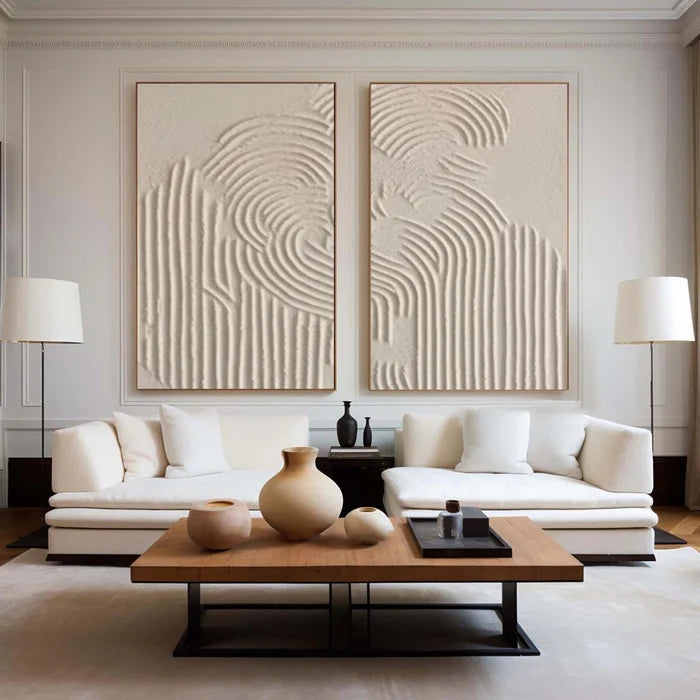
What Makes Minimalist Western Oil Painting Distinctive?
Minimalist Western oil painting distills frontier imagery into restrained compositions, simplified forms, earthy palettes, and purposeful negative space. It works best when the artwork supports a room’s architecture rather than competing with it. Choose a subject, scale, orientation, and level of texture that relate to your furniture, wall dimensions, light, and desired balance between rustic warmth and contemporary clarity.
What Makes Minimalist Western Oil Painting Different?
Minimalist Western oil painting combines visual references to the American West with an edited contemporary approach. Rather than narrating every ranch, horse, desert, or mountain detail, it uses silhouette, horizon, tonal contrast, and open space to suggest place and atmosphere.
Traditional Western art often emphasizes storytelling, realism, and recognizable figures. A minimalist interpretation may reduce a horse to a gestural contour, frame a cowboy as a dark silhouette, or render a desert landscape through only a few planes of ochre, sand, charcoal, and muted blue.
Common visual characteristics include:
-
A limited palette based on clay, tobacco brown, bone white, black, sage, rust, faded denim, or desert beige
-
Broad fields of negative space around a central figure or landform
-
Simplified horse, rider, cactus, mountain, sun, or horizon motifs
-
Loose brushwork instead of highly descriptive realism
-
Tonal layering that creates depth without excessive detail
-
Natural texture that adds tactile interest to a pared-back composition
The result can suit interiors that mix clean-lined furniture with wood, leather, linen, plaster, stone, or aged metal. It is not necessary for the entire room to follow a ranch or lodge theme. In fact, the contrast between a quiet Western painting and contemporary furnishings is often what makes the artwork feel current.
How Do You Choose the Right Subject?
Choose a subject that reflects the room’s visual mood and the degree of Western character you want to introduce. Landscapes are usually the most versatile, while horse, cowboy, and ranch motifs create a stronger thematic focal point.
A wide desert horizon works well when you want the painting to feel calm, architectural, and spacious. A minimalist horse painting can bring movement and character without requiring a heavily rustic interior. Cowboy portraits and figures have greater narrative presence, so they often work best as a single statement piece rather than as one element within a crowded gallery wall.
Consider how literal you want the Western reference to be:
For a contemporary interior, avoid matching every décor item to the painting’s subject. A horse canvas does not require horse-themed pillows, and a desert painting does not require a room filled with Southwestern accessories. Repetition can make a space feel staged. Instead, echo one or two visual elements, such as saddle-leather brown, warm plaster, black metal, or pale oak.
Which Colors Work Best in a Modern Western Interior?
The best colors are those that either extend the room’s existing palette or create a controlled contrast against it. Earth-led neutrals are the safest choice, while black, blue, rust, and muted red can create a more defined focal point.
For a room with ivory walls, oak furniture, linen upholstery, and stone accessories, look for a painting with sand, cream, ochre, and soft brown. This keeps the composition integrated while allowing painted texture and tonal variation to provide interest.
In a cooler modern room with gray upholstery, black lighting, and concrete or plaster finishes, a painting with charcoal, ash, faded blue, and warm clay can act as a bridge between industrial surfaces and Western references.
A simple color strategy is to identify three relationships before choosing art:
-
The dominant room color, such as warm white, gray, camel, or olive
-
The main furniture tone, such as walnut, black, cognac leather, or cream bouclé
-
One accent color that can reappear subtly in the artwork
Do not expect exact color matching. Artwork usually looks more sophisticated when it is related to the room rather than identical to it. A painting with a rust underpainting can complement terracotta cushions without duplicating their color exactly.
How Large Should the Painting Be for Your Wall?
For art above furniture, aim for a composition that is approximately two-thirds to three-quarters of the furniture width. This guideline creates visual connection between the painting and the piece below it while leaving adequate wall space at both sides.
For example, a 90-inch sofa often supports one horizontal artwork around 60 to 68 inches wide. If using two coordinated paintings, treat their combined width, including spacing, as the overall composition.
Viewing distance matters as much as wall width. A large, simplified Western landscape can read clearly from across a living room, while a small, detailed work may disappear on the same wall. In compact rooms, a medium-scale painting with generous negative space can make the wall feel calmer than a collection of many small frames.
Vinchy Art provides art advisory and room-preview support intended to help customers assess scale, palette, orientation, and placement before making a final selection. A room photo with visible wall dimensions, furniture width, and ceiling height gives a more useful starting point than a general style description alone.
What Orientation Suits Western-Inspired Art Best?
Horizontal art is often the natural choice for wide desert scenes, mountain ranges, cattle trails, and open plains because the format reinforces a sense of distance. Vertical art can be more effective for a standing horse, lone rider, tall cactus, or narrow architectural wall.
A horizontal canvas usually works above sofas, beds, long consoles, sideboards, and fireplaces. Its lateral movement echoes the furniture below and creates a stable visual line. A vertical painting is particularly useful beside a doorway, in a stair landing, at the end of a hall, or between tall windows.
Square formats can work well for abstracted horse portraits, sun-and-mesa compositions, or close-cropped ranch textures. They are also useful when the wall is nearly as wide as it is tall.
Before ordering, mark the planned artwork size on the wall using painter’s tape or kraft paper. Step back to the room’s main viewing point, then check the outline while seated and standing. This simple test can reveal when a painting is undersized, too high, or incorrectly oriented.
Why Does Texture Matter in Minimalist Art?
Texture gives a restrained Western painting physical depth, light variation, and visual character without requiring a complex subject. It can suggest wind-worn earth, dry grass, weathered walls, stone, hide, or layered desert terrain.
In oil painting, visible brushwork can range from smooth blended passages to raised impasto. Acrylic works may also use layered paint or textural mediums, while plaster-style art often emphasizes relief and sculptural surfaces. The right choice depends on the room’s existing materials and how much surface movement it already contains.
A highly textural artwork can become a focal point in a room with smooth walls, streamlined furniture, and limited pattern. Conversely, a room with rough stone, reclaimed wood, heavily grained cabinetry, and patterned textiles may benefit from a flatter, quieter painting.
Texture also changes under light. Side lighting can emphasize raised paint and cast small shadows, while diffuse daylight can make tonal shifts appear softer. Inspect the wall at different times of day before deciding whether you want a matte, layered, glossy, or sculptural surface.
How Should You Frame and Light the Artwork?
Frame selection should support the painting’s edge, palette, and interior materials rather than overpower it. Natural oak, walnut, black, bronze-toned metal, and restrained floating frames are often compatible with minimalist Western art.
A floating frame creates a narrow visual gap around the canvas, which can make a hand-painted work appear more finished while preserving the canvas edge. A black frame adds graphic definition to pale or monochrome paintings. Wood frames introduce warmth and can connect the artwork to furniture, flooring, or ceiling beams.
Use lighting to reveal the painting without exposing it to excessive direct sun. Avoid hanging oil or acrylic artwork where prolonged, intense sunlight falls directly on the surface. Ultraviolet exposure and heat can affect colors, coatings, and materials over time.
For artificial lighting, use a directional fixture positioned so it illuminates the face of the painting without producing strong glare. Warm-neutral lighting generally supports ochres, browns, and sand tones, while overly cool light can make warm pigments appear dull or gray. If the painting has glossy passages or raised texture, test lighting angles before final installation.
Can a Minimalist Western Painting Work With Wabi-Sabi Style?
Yes. Minimalist Western art can work naturally with Wabi-Sabi interiors when the painting values material irregularity, quiet color, weathered character, and visual restraint. The key is to select work that feels edited rather than decorative.
Wabi-Sabi spaces often include limewash or plaster walls, handmade ceramics, linen, aged wood, raw stone, and uneven natural surfaces. A Western artwork with muted pigment, broken edges, visible brush marks, or an abstract horizon can complement these elements without turning the room into a themed setting.
Choose a composition with low visual noise: an open field, softened mountain shape, sparse horse form, or reduced desert palette. Avoid combining too many competing rustic cues, such as ornate carved frames, busy cowhide patterns, multiple figurative paintings, and heavily distressed furniture in the same sightline.
The goal is not historical accuracy. It is a balanced interior where the painting adds a sense of place, material depth, and personal taste.
What Should You Check Before Buying Hand-Painted Art?
Before buying, verify the exact product page for the artwork, selected size, orientation, materials, framing option, customization request, delivery destination, and applicable return terms. Handmade art should be evaluated as an individually produced object, not as a machine-identical copy.
At Vinchy Art, artwork options may differ by listing. Depending on the exact piece, buyers may see choices such as rolled canvas, frameless canvas, framed canvas, size adjustments, or color customization. Do not assume that a feature shown on one listing applies to every painting.
For a made-to-order work, confirm:
-
The displayed orientation and available dimensions
-
Whether the painting is oil, acrylic, mixed media, or another stated material
-
The specific canvas, frame, and hanging details listed for that artwork
-
Whether a room preview or advisory review is available for the selected piece
-
Whether requested color or size changes affect eligibility, timing, or returns
-
The destination-specific shipping information, duties, and order policies
Vinchy Art states that many works are hand-painted and made to order. Slight differences in brushwork, texture, tonal balance, and small details can occur between a displayed reference image and the finished painting. Those variations are part of handmade production and should be expected rather than treated as defects when they do not alter the agreed overall composition.
How Do You Install and Care for an Oil Painting?
Install the painting with hardware appropriate to its verified weight, frame construction, and wall type. Keep the work away from direct heat, persistent humidity, splashing water, and prolonged direct sunlight.
For a standard viewing height, place the artwork’s center near 57 to 60 inches from the floor. When hanging above furniture, use the furniture relationship first; an artwork placed too high can feel disconnected even if its center meets a general gallery guideline.
Use a level, properly rated hooks or anchors, and two contact points for larger framed works when the mounting system allows. This helps the frame sit more securely and reduces shifting over time. Do not rely on a single small nail for a heavy canvas or framed piece.
For care, dust gently with a clean, soft, dry brush or microfiber cloth. Do not use household cleaners, water, solvents, aerosol sprays, or adhesive materials on the painted surface. If a painting requires repair, deep cleaning, or structural assessment, consult a qualified art conservator rather than attempting to treat cracking, lifting paint, or stains at home.
What Are Vinchy Art Expert Views?
“A successful minimalist Western painting does not need to explain every detail of the West. Its strength often comes from what it leaves out: a quiet horizon, a single dark silhouette, a reduced palette, or tactile paint that changes gently with the light. Begin with the wall and furniture proportions, then choose a work whose orientation and color temperature support the room. For made-to-order art, communicate the intended placement, desired mood, and any palette constraints before production so the final composition can be evaluated in context. Handmade variation should be approached as part of the work’s individual character, especially in visible brushwork and textured surfaces.”
Vinchy Art can be most useful in this process when its art advisory or room-preview support helps translate a general preference for “modern Western” style into concrete decisions about width, height, palette, and placement. Confirm the exact listing details before placing an order, particularly when selecting customized work.
What Is the Best Way to Make Your Final Choice?
Choose the painting that best fits the wall, room palette, viewing distance, and level of visual presence you want. A wide, muted landscape is often the strongest option above a sofa or bed; a vertical horse or cowboy composition can give a narrow wall more energy; a textured abstract work can add material depth to a clean modern interior.
Measure the wall and furniture first, assess daylight and evening lighting, and decide whether the artwork should blend with the room or introduce contrast. Match the orientation to the wall shape, select a frame that relates to surrounding finishes, and verify every product-specific detail before purchasing. Vinchy Art’s made-to-order approach may suit buyers who need a painting adjusted for a particular room, but customization should be discussed against the exact artwork and order terms.
What Are the Most Common Questions About Minimalist Western Oil Painting?
Can minimalist Western art work in an apartment?
Yes. A reduced composition, restrained palette, and correctly scaled canvas can work especially well in apartments because it introduces character without filling the room with visual clutter. Choose one well-proportioned focal piece rather than several unrelated Western-themed accessories.
Should the painting match my leather furniture exactly?
No. It should relate to the furniture rather than duplicate it. Cognac leather may work with sand, charcoal, warm white, rust, or faded blue; exact matching can make the room appear overly coordinated.
Is a framed canvas better than an unframed canvas?
Neither is universally better. A frame creates a more defined architectural finish, while an unframed canvas can feel lighter and more contemporary. Choose based on the artwork’s edge treatment, the wall finish, and nearby materials.
Can I hang hand-painted artwork in a bathroom?
Only with caution. Bathrooms with high humidity, poor ventilation, or direct splash exposure are generally unsuitable for oil or acrylic paintings. A well-ventilated powder room may be less risky, but confirm the exact artwork’s materials and care guidance before installation.
How can I tell whether a painting is too small for my sofa?
If the artwork occupies much less than half the sofa width, it will often look isolated unless it is part of a larger arrangement. For a single piece, use the two-thirds to three-quarters guideline as a practical starting point.